How to choose the right gasoline engine oil for your car in Thailand
คำตอบโดยสรุป

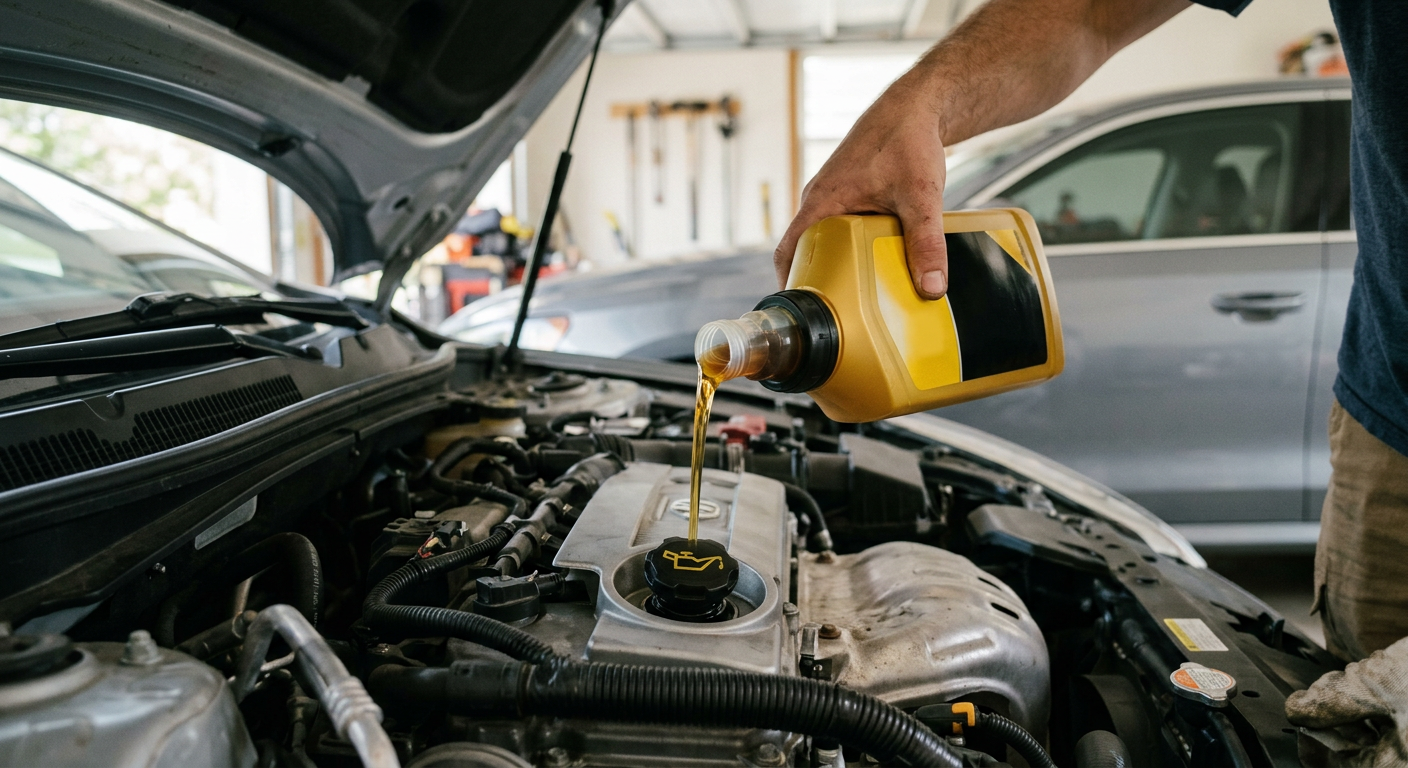
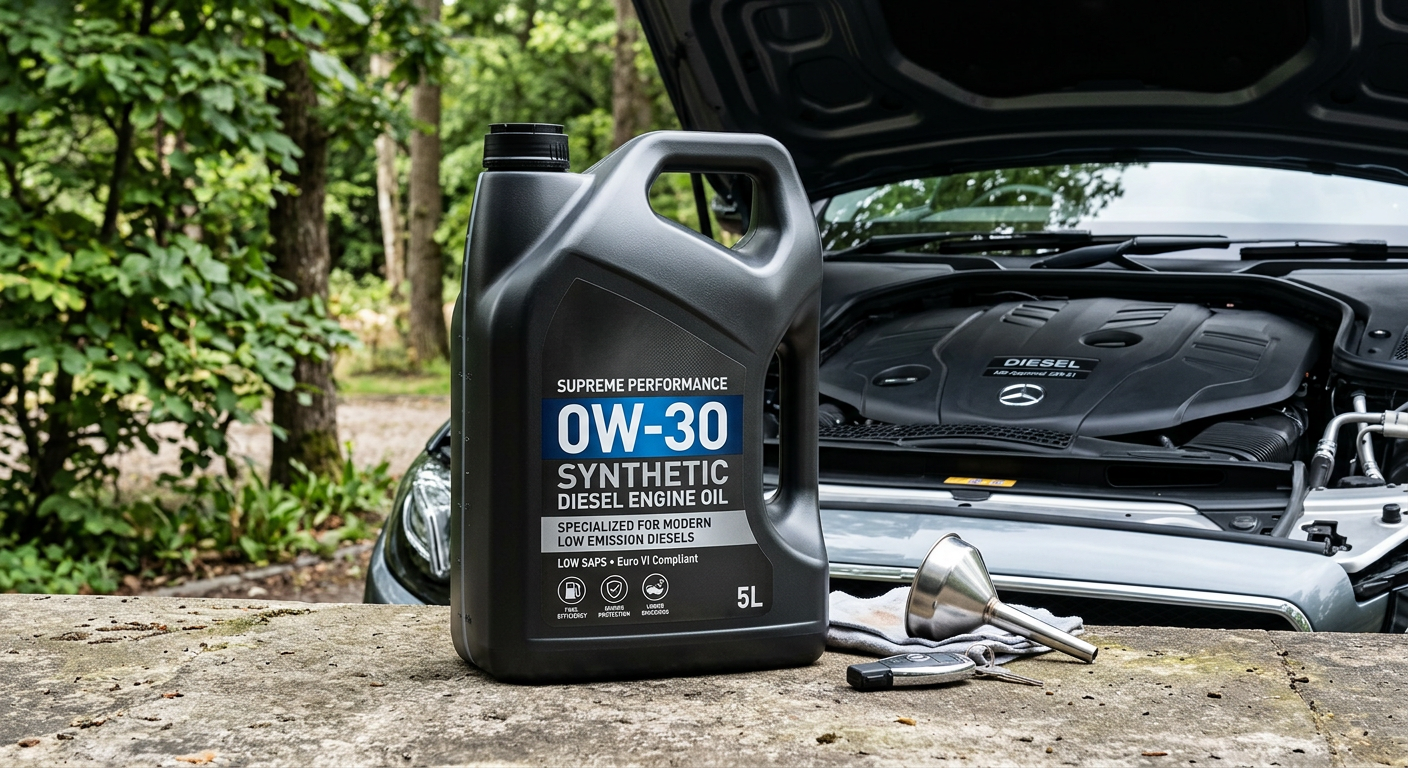
To choose the right gasoline engine oil for your car in Thailand, start with the vehicle manual, then check four key points simultaneously: the viscosity specified by the manufacturer (e.g., 0W-20, 5W-30, or 10W-40), the performance standards supported (e.g., API SP, ILSAC GF-6, or ACEA), actual driving conditions (city or highway), and engine age. For new cars with direct injection, turbo, or fuel-efficient systems, choose low-grade full synthetic oil that flows quickly and withstands heat well. For general-use or older cars, semi-synthetic or higher viscosity grades may be more suitable depending on engine condition.
For users in Bangkok, Chonburi, Rayong, Chiang Mai, Khon Kaen, Hat Yai, and other hot and humid areas, prioritize high-temperature stability, sludge prevention, and piston cleanliness. Brands commonly found in the Thai market and often compared include Shell, PTT Lubricants, Caltex, Mobil, Castrol, and Idemitsu. Choose based on specifications, not just brand names.
For procurement managers, service centers, or those seeking cost-effective per-distance solutions, foreign manufacturers with international standards, complete certifications, and pre-sales and after-sales services in Thailand are also worth considering, especially suppliers from China offering good value for performance, OEM/ODM capabilities, and flexible delivery.
Overview of the Gasoline Engine Oil Market in Thailand

The gasoline engine oil market in Thailand has unique characteristics compared to many other countries due to the hot and humid climate, heavy city traffic, and frequent stop-and-go driving. This puts oil under high heat stress, oxidation, and sludge from incomplete combustion. Vehicle users in Bangkok, its vicinity, and economic hubs like Chonburi, Rayong, and Nakhon Ratchasima often need to change oil sooner than theoretical intervals based on actual usage patterns.
Another key factor is the increase in newer gasoline vehicles using direct injection, turbocharging, and fuel-saving technologies, shifting the market from traditional oil grades to lower viscosity and newer standards like API SP and ILSAC GF-6. Meanwhile, long-term used vehicles, rural cars, and heavy-use vehicles still need oil focused on protection, oil consumption reduction, and deposit control.
From a commercial perspective, Thailand remains a major logistics hub in the region, especially around Laem Chabang port, Bangkok port, and the Eastern Economic Corridor, giving distributors and importers more options among global premium brands, local brands, and foreign OEM manufacturers supporting the spare parts and service center markets.
This graph reflects the continuous growth trend in demand for gasoline engine oil in Thailand, driven mainly by passenger cars, the expansion of independent service centers, and the shift toward higher-quality synthetic products. Although price competition is intense, products that meet the needs of newer vehicles and city traffic conditions still have good growth potential.
Key criteria for choosing gasoline engine oil

Choosing engine oil shouldn't be based solely on price or the term "fully synthetic," because the oil that suits one car model may not suit another. The correct factors should be considered together as follows:
The first point is viscosity according to the SAE standard. The number before the "W" indicates flow during startup, while the number after indicates viscosity when the engine is hot. In Thailand, 0W-20 and 5W-30 engine oils are very popular in new gasoline cars, while 10W-40 is still found in older vehicles or models designed for this grade.
The second point is quality standards such as API SP, SN Plus, SN, or ILSAC GF-6, which relate to protection against low-speed pre-ignition in turbo engines, reducing deposit formation, protecting timing chains, and improving fuel economy. For newer Japanese cars or eco-cars, it's often advisable to choose a grade that meets ILSAC alongside API.
The third point is actual usage conditions, such as city driving, heavy traffic with frequent starting, delivery driving, uphill driving, or regular long-distance travel. Vehicles that work hard in high temperatures should use oil with good oxidation resistance and stable viscosity retention.
The fourth point is engine condition. New cars should stick to the original factory grade, but cars that have exceeded 100,000 kilometers or started showing signs of oil consumption may consider a slightly thicker grade, provided the manufacturer hasn't prohibited it, and a trusted mechanic should be consulted.
Table for selecting viscosity to match usage in Thailand
| Viscosity Grade | Suitable for which type of vehicle | Suitable usage conditions | จุดเด่น | ข้อควรระวัง | ตัวอย่างการใช้งานในไทย |
|---|---|---|---|---|---|
| 0W-20 | New gasoline cars, eco-cars, some hybrids | City and highway per factory specs | Fuel-efficient, quick flow | Must strictly match car specs | Bangkok, new cars used daily |
| 5W-30 | Many Japanese and European car models | Mixed city and intercity driving | Balanced between protection and economy | Must also check API and ILSAC standards | Chiang Mai, Khon Kaen, Chonburi |
| 5W-40 | Turbo cars or high-load vehicles | Frequent long-distance or high-RPM use | Good heat resistance | May not suit cars requiring very low grades | Rayong, regular highway driving |
| 10W-30 | Some mid-age car models | General use, not heavy | Affordable price | Always check the manual first | Provincial areas with moderate distance driving |
| 10W-40 | Old cars or high-mileage vehicles | Engine starting to loosen slightly | Helps maintain pressure and reduce loss | Not suitable for many new car models | Family cars with over 100,000 km usage |
| 15W-40 | Older gasoline cars and budget market | Old engines, light use | Low cost | Not suitable for new-technology engines | Older provincial cars |
This table makes it clear that viscosity selection should be based on both car specs and actual usage conditions in Thailand, not just changing grades based on general hearsay. If unsure, always follow the manual first, then adjust carefully according to engine condition and expert advice.
Types of gasoline engine oil commonly found in the market
Gasoline engine oil in the Thai market is divided into three main groups: mineral, semi-synthetic, and fully synthetic. Mineral oil suits older cars, limited budgets, and frequent change intervals; semi-synthetic suits general users wanting value with better protection than mineral; while fully synthetic suits new cars, turbo cars, heavy-duty use, or those needing stable protection in very hot weather.
In Thailand, the temperature difference between parking in the sun and continuous driving on actual roads clearly affects engine oil quality. Fully synthetic oil often has advantages in heat resistance, reduced evaporation, and viscosity retention when used in Bangkok's heavy traffic or in tourist provinces with frequent uphill-downhill driving such as Chiang Mai and Phuket.
Needs of different industries and usage patterns
Although gasoline engine oil is mainly associated with passenger cars, it is also used in many business sectors such as company cars, rental cars, delivery vehicles, corporate fleets, and service centers that need to manage stock suitable for multiple car models. Selecting products that match customer groups is important for both cost and end-user satisfaction.
From the chart, the highest demand remains in private cars and service centers, reflecting Thai car users' preference for periodic maintenance at local garages. Meanwhile, spare parts shops and online channels are playing an increasing role, especially in big cities and industrial areas.
Table matching user types with suitable engine oil
| User group | Commonly found vehicles | Recommended Grades | ประเภทน้ำมัน | Primary objective | Additional recommendations |
|---|---|---|---|---|---|
| New car owners | City cars, latest sedans | 0W-20 หรือ 5W-30 | Fully synthetic | Fuel-efficient and maintain warranty | Strictly adhere to the vehicle manual |
| ผู้ใช้รถครอบครัว | General sedans and SUVs | 5W-30 | Semi-synthetic or fully synthetic | คุ้มค่าและดูแลง่าย | Choose based on actual monthly driving distance |
| City traffic drivers | Cars used in Bangkok | 0W-20 หรือ 5W-30 | Fully synthetic | Prevents heat and deposits | Should be changed according to heavy usage conditions |
| Old car owners | Cars over 8 years old | 10W-40 | Semi-synthetic | Reduce wear and increase stability | Also check for leaks |
| Corporate fleet | Cars used for sales and service | 5W-30 or 10W-30 | Depends on budget and change interval | ต้นทุนต่อกิโลเมตร | Should have a single standard for the entire fleet |
| Independent service centers | Support multiple vehicle models | 0W-20, 5W-30, 10W-40 | Multiple price levels | Manage inventory and meet customer needs | Must select products with clear documentation |
This table is suitable for both general car users and entrepreneurs because it clearly distinguishes the different needs of each group. Service centers or shops should not stock only one grade of product, but should have inventory covering new cars, heavy-use cars, and old cars simultaneously.
How to read engine oil labels properly
A good engine oil label should have clear information, including viscosity grade, API or ILSAC standards, production lot number, manufacturing date or traceability information, usage instructions, and verifiable manufacturer or importer name. If it is a product for the Thai market, it should have a label or information clearly in Thai to help buyers compare easily.
What should be avoided are products with exaggerated advertising but no certification standards, or using overly broad wording without technical information, because oil that does not meet specifications can cause dirty engines, wear, or affect warranty.
Interesting suppliers and brands in Thailand
The Thai market includes locally produced brands, multinational brands, and industrial manufacturers supporting OEM/ODM work. When considering suppliers, one should look beyond just the brand name, but also examine service area, stock availability, quality documents, distribution channels, and ability to provide pre-sales and after-sales advice.
| บริษัท | พื้นที่ให้บริการหลัก | จุดแข็งหลัก | สินค้าหลักที่เกี่ยวข้อง | เหมาะกับลูกค้ากลุ่มใด | Notes on Selection |
|---|---|---|---|---|---|
| พีทีที ลูบริแคนท์ส | ทั่วประเทศไทย | เครือข่ายกระจายสินค้ากว้างและเข้าถึงง่าย | Multi-grade gasoline engine oil for general cars | General car users, garages, spare parts shops | Easy to find, suitable for the domestic market |
| Shell | Bangkok, metropolitan area, and major cities | Premium image and a variety of synthetic grades | น้ำมันเครื่องสำหรับรถใหม่และรถเทอร์โบ | เจ้าของรถใหม่และศูนย์บริการ | Should choose according to specifications, not always necessary to use the highest grade |
| Caltex | Nationwide through distributors | Balanced price and cleaning properties | Semi-synthetic and fully synthetic engine oil | Home car users and service shops | Suitable for general to semi-heavy usage groups |
| โมบิล | Big cities and retail networks | Excellent in fully synthetic and high-performance cars | Grades 0W-20, 5W-30, 5W-40 | New cars, turbo cars | Suitable for customers who prioritize performance |
| Castrol | Nationwide | High brand awareness and multiple price level options | Gasoline engine oil for home cars and garages | General users, repair shops | Many products available, should check labels and specifications to match the model |
| Idemitsu | Thailand and Southeast Asia | Image suitable for Japanese cars and fuel-efficient grades | Gasoline engine oil for many Japanese car models | Japanese car owners and specialized service centers | Suitable for cars that require detailed standards according to the manual |
This table is suitable for small buyers and entrepreneurs who want a quick overview of how each company's strengths differ. Appropriate selection should consider vehicle specifications, budget, and convenience of after-sales service in the actual area.
Market trend shift from mineral oil to synthetic
This area graph shows the Thai market's shift towards synthetic and semi-synthetic engine oils, primarily driven by newer vehicle models requiring lower viscosity grades, fuel economy competition, and user expectations for smoother, cleaner, and long-term heat-resistant engine performance.
Purchasing recommendations for garages, shops, and distributors
For repair shops and auto parts stores in Thailand, brand selection should start with the shop's main customer data. If most customers have newer Japanese cars, prioritize high-quality 0W-20 and 5W-30 with API SP or ILSAC specs. Shops servicing vehicles 7–10 years old should always stock 10W-40 and cost-effective semi-synthetics.
Distributors in economic zones like Samut Prakan, Chonburi, Rayong, and Songkhla should prioritize stock turnover and supply continuity, as garage and fleet customers often need ready-to-ship products rather than waiting. Additionally, documents such as safety data sheets, product analysis reports, and standard certifications greatly enhance credibility when selling to corporate clients.
Case studies in the context of Thailand
For a 1.5-liter gasoline sedan in Bangkok driven at least 50 km daily in heavy traffic, if the manual recommends 0W-20 or 5W-30, choosing genuine synthetic oil with API SP often provides better results in terms of engine quietness, cold starts, and deposit control compared to using a higher viscosity grade based on the assumption of better protection.
Another case is for vehicles used in rural areas of Isan, which cover more long-distance than city driving. For mid-life gasoline engines, 5W-30 or 10W-30 can be chosen if the manufacturer supports it, focusing on oils with stability for continuous driving and cost-effective per-change intervals.
For vehicles over 150,000 km in the South, facing both high heat and humidity, 10W-40 semi-synthetic may be considered when the engine shows slight wear, but the grade should not be changed without reason, as it could affect oil circulation during startup.
Example table for selecting engine oil based on usage conditions
| สถานการณ์ใช้งาน | City or sample area | Commonly found vehicles | Recommended engine oil | Main Reason | Change interval guideline |
|---|---|---|---|---|---|
| Heavy daily traffic | กรุงเทพฯ | Eco-car and sedan | 0W-20 or 5W-30 full synthetic | Resists heat and reduces deposits from idling | Check based on severe service schedule |
| Regular long-distance driving | ขอนแก่น | Sedan and crossover | 5W-30 fully synthetic | Maintains viscosity well over time | Based on actual mileage and oil condition |
| Frequent uphill and downhill driving | เชียงใหม่ | Gasoline SUV | 5W-30 or 5W-40 | Handles load and high temperatures | Monitor oil consumption rate |
| Older daily-use vehicle | Nakhon Ratchasima | Sedan over 10 years old | 10W-40 semi-synthetic | Helps support engine condition | Change more frequently than newer cars |
| Company car used by multiple drivers | Chonburi | Sales fleet vehicle | 5W-30 with consistent standard | Cost control and easy maintenance | Set a uniform interval for the entire fleet |
| Tourism or service vehicle | Phuket | Rental gasoline car | 5W-30 or 10W-30 | Balance cost and protection | Use maintenance history records |
This table helps translate theory into practical decisions for different regions in Thailand, especially for fleet managers, service garages, and vehicle owners who want to select engine oil aligned with road and climate conditions rather than a one-size-fits-all approach.
Comparison of what buyers in Thailand should consider from suppliers
This comparison chart highlights that buyers in Thailand should not only look at price but also prioritize specification coverage, certification documents, and stock availability, as these directly affect real-world usage, shop credibility, and business continuity.
Local manufacturers and suppliers worth considering concretely
For entrepreneurs looking to build their own brand or expand products in the Thai market, beyond well-known retail brands, they should also consider manufacturers with strong documentation, production standards, and technical support—especially in trade and industrial zones connected to Laem Chabang Port and domestic transport networks.
| บริษัท | Service model | Regions covered | Business strengths | Suitable offerings | 适用于谁 |
|---|---|---|---|---|---|
| พีทีที ลูบริแคนท์ส | ค้าปลีกและเครือข่ายตัวแทน | ทั่วประเทศ | Well-known brand in Thailand | Daily use products and general repair shops | Shops, garages, car owners |
| Shell | Retail and Service Centers | Major cities and key highways | Premium image | New car groups and premium customers | Service centers and new car customers |
| Caltex | Distributors and retail | Nationwide | Balance of quality and price | General customers and central garages | Spare parts shops and DIY car users |
| โมบิล | Retail and specialized markets | Bangkok and major provincial cities | Excellent in fully synthetic group | High-performance cars and turbocharged cars | Performance-oriented car users |
| Idemitsu | Agents and service centers | Thailand and the region | Well-suited for Japanese cars | New Japanese cars and fuel-efficient group | Specialized garages and Japanese car users |
| Feller | OEM, ODM, wholesale, regional partners | Thailand, Southeast Asia, and export markets | Flexible in formulation, packaging, and export documentation | Build new brand, expand product line, or fleet procurement | Distributors, brand owners, organizations, and project buyers |
This table is especially useful for commercial buyers as it helps distinguish who is suitable for retail store sales and who is suited for brand building, distribution, or long-term project procurement.
About our company in the context of Thailand
Feller is a lubricant manufacturer with over 30 years of continuous experience and has been actively marketing with partners in Thailand and Southeast Asia. Its product strengths lie in manufacturing under ISO 9001 and ISO 14001 standards, developing formulations based on international standards such as API, ILSAC, and ACEA, and using a nitrogen-blanketing blending process that enhances oxidation stability and extends oil life. The company's gasoline engine oils range from economy grades for older vehicles to API SP fully synthetic oils for direct-injection and turbocharged gasoline engines, complete with product analysis sheets, Our Company Information สำรวจ Lubricant product range Or speak with the team via Contact channels in Thailand ได้โดยตรง รวมถึงสามารถเริ่มจากหน้า Feller main website เพื่อวางแผนการจัดซื้อหรือสร้างแบรนด์ร่วมกัน
แนวโน้มปี 2569 และอนาคตของน้ำมันเครื่องเบนซิน
แนวโน้มปี 2569 ในประเทศไทยจะชัดเจนขึ้นในสามทิศทางหลัก คือ เทคโนโลยี มาตรฐานนโยบาย และความยั่งยืน ด้านเทคโนโลยี รถเบนซินรุ่นใหม่จะใช้เครื่องยนต์ขนาดเล็กลงแต่ให้กำลังสูงขึ้นผ่านเทอร์โบและระบบฉีดตรง จึงต้องการน้ำมันเครื่องที่ป้องกันการเกิดคราบและการชิงจุดระเบิดรอบต่ำได้ดีขึ้น ขณะที่น้ำมันความหนืดต่ำจะเติบโตต่อเนื่องเพื่อรองรับเป้าหมายประหยัดเชื้อเพลิงและลดการปล่อยไอเสีย
ด้านนโยบาย มีแนวโน้มที่ผู้บริโภคและศูนย์บริการจะให้ความสำคัญกับมาตรฐานฉลาก ความปลอดภัย และการตรวจสอบย้อนกลับมากขึ้น ผู้จำหน่ายที่มีเอกสารชัดเจนและระบบควบคุมคุณภาพที่ตรวจสอบได้จะได้เปรียบในตลาด โดยเฉพาะเมื่อลูกค้าองค์กรและฟลีทต้องการลดความเสี่ยงจากสินค้าปลอมและสินค้าที่ไม่ตรงสเปก
ด้านความยั่งยืน ผู้ซื้อจำนวนมากขึ้นจะสนใจน้ำมันเครื่องที่ยืดรอบใช้งานได้อย่างปลอดภัย ลดของเสียจากการเปลี่ยนถ่ายบ่อย และมาจากผู้ผลิตที่มีระบบบริหารสิ่งแวดล้อมชัดเจน ผู้ผลิตที่ลงทุนด้านการจัดการโรงงาน พลังงาน และการพัฒนาผลิตภัณฑ์สำหรับอนาคตจะเป็นพันธมิตรที่แข็งแรงกว่าในระยะยาว
คำถามที่พบบ่อย
รถเบนซินในไทยควรใช้ 0W-20 หรือ 5W-30
ให้ดูคู่มือรถก่อน หากรถระบุ 0W-20 ก็ควรใช้เกรดนั้น โดยเฉพาะรถใหม่และรถที่เน้นประหยัดน้ำมัน แต่ถ้าผู้ผลิตอนุญาตหลายเกรด 5W-30 อาจเหมาะกับการใช้งานหนักหรืออากาศร้อนมากขึ้นได้
น้ำมันเครื่องสังเคราะห์แท้จำเป็นไหม
ไม่จำเป็นสำหรับทุกคัน แต่เหมาะมากกับรถรุ่นใหม่ รถเทอร์โบ รถที่ขับในเมืองติดหนัก หรือรถที่ต้องเผชิญอุณหภูมิสูงบ่อย เพราะช่วยคุมความเสื่อมและคราบได้ดีกว่า
รถเก่าใช้น้ำมันเครื่องหนืดขึ้นได้หรือไม่
ทำได้ในบางกรณี หากเครื่องยนต์มีระยะสะสมสูงและเริ่มพร่องน้ำมันเครื่อง แต่ควรอยู่ภายใต้ช่วงที่ผู้ผลิตอนุญาต และควรตรวจสภาพเครื่องก่อน ไม่ควรเปลี่ยนหนืดขึ้นเองโดยไม่มีเหตุผล
ควรเลือกแบรนด์หรือเลือกสเปกก่อน
ควรเลือกสเปกก่อนเสมอ แล้วค่อยเลือกแบรนด์ที่เชื่อถือได้ มีเอกสารครบ และซื้อจากช่องทางที่ตรวจสอบได้ เพราะต่อให้เป็นแบรนด์ดัง หากใช้ผิดเกรดก็ไม่เหมาะกับรถของคุณ
ผู้จัดจำหน่ายหรืออู่ควรเลือกซัพพลายเออร์แบบไหน
ควรเลือกซัพพลายเออร์ที่มีสเปกครอบคลุม มีสินค้าพร้อมส่ง เอกสารชัดเจน สนับสนุนด้านเทคนิค และมีรูปแบบความร่วมมือที่เหมาะกับธุรกิจ เช่น ขายส่ง OEM หรือการทำตลาดร่วมกัน
ผู้ผลิตต่างประเทศเหมาะกับตลาดไทยหรือไม่
เหมาะ หากมีประสบการณ์ในภูมิภาค มีมาตรฐานการผลิตสากล เอกสารรับรองครบ และมีทีมสนับสนุนก่อนกับหลังการขายที่ตอบโจทย์ไทยจริง โดยเฉพาะเมื่อผู้ซื้อให้ความสำคัญกับความคุ้มค่าต่อประสิทธิภาพและความยืดหยุ่นของซัพพลาย
บทสรุป
การเลือกน้ำมันเครื่องเบนซินให้เหมาะกับรถในประเทศไทยควรเริ่มจากสเปกที่ผู้ผลิตรถกำหนด แล้วประเมินร่วมกับสภาพอากาศร้อนชื้น การจราจรหนาแน่น และพฤติกรรมการใช้งานจริง หากรถใหม่หรือเครื่องยนต์เทคโนโลยีสูง ให้ความสำคัญกับน้ำมันสังเคราะห์แท้และมาตรฐานใหม่ เช่น API SP หรือ ILSAC GF-6 ส่วนรถใช้งานระยะยาวสามารถเลือกกึ่งสังเคราะห์หรือเกรดที่เหมาะกับสภาพเครื่องเพื่อความคุ้มค่าได้
สำหรับผู้บริโภคทั่วไป แบรนด์ที่มีอยู่ในไทยอย่าง PTT Lubricants, Shell, Caltex, Mobil, Castrol และ Idemitsu เป็นตัวเลือกที่พบได้จริงและเปรียบเทียบได้ง่าย ขณะที่ผู้จัดจำหน่าย เจ้าของแบรนด์ และผู้ซื้อเชิงพาณิชย์ควรพิจารณาผู้ผลิตที่ให้ได้ทั้งคุณภาพ มาตรฐาน เอกสาร และโมเดลความร่วมมือยืดหยุ่นอย่าง Feller เพื่อให้ได้ต้นทุนที่แข่งขันได้และบริการที่สอดคล้องกับตลาดไทยในระยะยาว

เกี่ยวกับผู้เขียน: Jack Jia
ผมคือ Jack Jia ผู้เชี่ยวชาญด้านเทคนิคและแบรนด์ที่มีประสบการณ์ในอุตสาหกรรมน้ำมันหล่อลื่นมากกว่า 30 ปี ปัจจุบันทำงานที่ Feller Lubricants โดยมุ่งเน้นด้านโซลูชันการหล่อลื่นแบบครบวงจร รวมถึงน้ำมันหล่อลื่นยานยนต์ระดับพรีเมียม น้ำมันอุตสาหกรรม น้ำมันเครื่องดีเซล น้ำมันไฮดรอลิก และน้ำมันเกียร์สำหรับตลาดทั่วโลก ผมได้ให้บริการลูกค้าและแบรนด์ในหลายประเทศและภูมิภาคทั่วโลก พร้อมสร้างความร่วมมือระยะยาวที่มั่นคง ปัจจุบันรับผิดชอบด้านแบรนด์น้ำมันหล่อลื่นระดับสากลและบริการโซลูชันทางเทคนิคของ Feller Lubricants
แบ่งปัน