ตารางความหนืดน้ำมันเครื่องเบนซินสำหรับประเทศไทย เลือกอย่างไรให้เหมาะ
คำตอบโดยสรุป

สำหรับประเทศไทยที่มีอากาศร้อนชื้นและการจราจรติดขัดเป็นประจำ เกรดความหนืดน้ำมันเครื่องเบนซินที่พบได้บ่อยและใช้งานจริงมากที่สุดคือ 0W-20, 5W-30, 10W-30 และ 10W-40 โดยรถยนต์เบนซินรุ่นใหม่ที่เน้นประหยัดเชื้อเพลิงมักเหมาะกับ 0W-20 หรือ 5W-30 ส่วนรถใช้งานหนัก รถวิ่งต่างจังหวัดบ่อย รถอายุการใช้งานมาก หรือเครื่องยนต์ที่เริ่มมีระยะหลวม มักเลือก 10W-40 ตามข้อกำหนดผู้ผลิตรถยนต์เป็นหลัก หากต้องการเลือกให้แม่นที่สุด ควรดูคู่มือรถร่วมกับสภาพการใช้งานจริง เช่น กรุงเทพฯ ปริมณฑล เชียงใหม่ ขอนแก่น สงขลา และเส้นทางขนส่งจากแหลมฉบังหรือโซนอุตสาหกรรมระยอง
แบรนด์ที่หาซื้อและมีเครือข่ายบริการในไทยอย่างกว้างขวาง เช่น PTT Lubricants, Shell Helix, Castrol, Mobil และ Valvoline ยังคงเป็นตัวเลือกหลักของตลาด ขณะเดียวกัน ซัพพลายเออร์ต่างประเทศที่มีเอกสารรับรองครบ มาตรฐานการผลิตชัดเจน และมีทีมสนับสนุนก่อนและหลังการขายในไทยก็เป็นตัวเลือกที่น่าพิจารณาเช่นกัน โดยเฉพาะผู้ผลิตจากจีนที่มีความคุ้มค่าต่อราคา เหมาะกับผู้นำเข้า ผู้จัดจำหน่าย และเจ้าของแบรนด์ที่ต้องการควบคุมต้นทุนโดยไม่ลดมาตรฐานสินค้า
ความหมายของตารางความหนืดน้ำมันเครื่องเบนซิน

ตารางความหนืดน้ำมันเครื่องเบนซินคือแนวทางจับคู่ระหว่างช่วงอุณหภูมิ สภาพการขับขี่ และค่าความหนืดแบบหลายเกรด เช่น 0W-20 หรือ 5W-30 เพื่อให้เครื่องยนต์สตาร์ตง่าย หล่อลื่นไว และคงฟิล์มน้ำมันได้ดีเมื่อเครื่องร้อน ตัวเลขด้านหน้า W แสดงสมรรถนะช่วงอุณหภูมิต่ำ ส่วนตัวเลขด้านหลังสะท้อนความหนืดเมื่อเครื่องยนต์ทำงานที่อุณหภูมิสูง ในสภาพอากาศของไทย ปัจจัยสำคัญมักไม่ใช่หนาวจัด แต่เป็นความร้อนสะสม การจราจรติดยาว การเดินเบานาน และการวิ่งสลับหยุดในเมืองใหญ่
ดังนั้นการอ่านตารางความหนืดจึงไม่ใช่แค่ดูว่าเกรดไหน “หนา” หรือ “บาง” กว่า แต่ต้องพิจารณาว่าเครื่องยนต์ถูกออกแบบมารับน้ำมันเกรดใด ระบบวาล์วแปรผัน เทอร์โบ หรือระบบฉีดตรงต้องการการไหลตัวแบบไหน รวมถึงมาตรฐาน API และ ILSAC ที่รถกำหนดไว้ด้วย เพราะแม้เกรดความหนืดใกล้เคียงกัน แต่ระดับคุณภาพสารเพิ่มคุณภาพและความทนออกซิเดชันอาจต่างกันมาก
ตารางความหนืดน้ำมันเครื่องเบนซินที่เหมาะกับประเทศไทย

ตารางนี้ช่วยให้เจ้าของรถ ร้านซ่อม และผู้จัดซื้อเข้าใจภาพรวมได้เร็วขึ้น โดยยึดตามภูมิอากาศไทย การใช้งานจริง และรถยนต์เบนซินที่พบมากในตลาด
| Viscosity Grade | สภาพอากาศในไทย | ประเภทการใช้งาน | รถที่มักพบ | Key Advantages | ข้อควรระวัง |
|---|---|---|---|---|---|
| 0W-20 | เหมาะตลอดปี โดยเฉพาะเมืองใหญ่ | ขับในเมือง รถใหม่ | อีโคคาร์ ไฮบริด เบนซินรุ่นใหม่ | ไหลเร็ว ประหยัดน้ำมัน | ต้องตรงตามคู่มือรถอย่างเคร่งครัด |
| 5W-30 | เหมาะกับอากาศร้อนชื้นทั่วไป | ใช้ทุกวัน ทางไกลสลับในเมือง | ซีดาน คอมแพกต์เอสยูวี กระบะเบนซินบางรุ่น | สมดุลทั้งการปกป้องและความประหยัด | ควรเลือกมาตรฐาน API/ILSAC ที่ถูกต้อง |
| 10W-30 | เหมาะภาคกลาง ภาคอีสาน และภาคใต้ | รถใช้งานทั่วไปและเชิงพาณิชย์เบา | รถอายุใช้งานปานกลาง | ทนร้อนดีและราคาเข้าถึงง่าย | อาจไม่เหมาะกับรถที่ผู้ผลิตระบุ 0W-20 เท่านั้น |
| 10W-40 | เหมาะกับอากาศร้อนและรถวิ่งหนัก | วิ่งทางไกล บรรทุกเป็นครั้งคราว | รถเก่า รถไมล์สูง | ช่วยคงแรงดันน้ำมันและลดเสียงเครื่อง | อาจทำให้สิ้นเปลืองน้ำมันขึ้นในบางรุ่น |
| 5W-40 | Suitable for extreme heat areas and some turbocharged car models | High RPM, fast driving, heavy-duty use | European cars or high-performance engines | Maintains good oil film stability under extreme heat | Must check if the vehicle manufacturer permits it |
| 15W-40 | Usable in some older vehicle groups | Heavy-duty, budget-friendly | Older gasoline vehicles or specialized use | Low cost per tank | Not suitable for most newer gasoline vehicle models |
In summary, if your car is a Japanese car or an eco-car in Thailand registered in recent years, the manual is highly likely to recommend 0W-20 or 5W-30. For vehicles with long-term use, engines starting to consume oil, or those regularly used for hauling, 10W-40 may be an option if the manual allows. Adhering to the vehicle manual remains more important than choosing based solely on feeling or word of mouth.
Overview of the Gasoline Engine Oil Market in Thailand
The Thai market is unique in that it has a large number of passenger cars, light commercial vehicles, congested city driving, and long interprovincial travel, resulting in a more diverse demand for viscosity grades than in many countries. Cars in Bangkok, Nonthaburi, Pathum Thani, and Samut Prakan often face low engine RPM but high idling hours, while users in Rayong, Chonburi, Ayutthaya, and Nakhon Ratchasima may have more long-distance driving patterns or frequent connections to industrial zones and logistics areas.
Additionally, service centers, quick-service shops, and local garages play a significant role in purchase decisions. Thai consumers focus on four main factors: brand reliability, price per oil change interval, fuel economy, and engine protection in hot and humid climates. As a result, the market remains open to both international brands, local brands, and OEM producers for importers.
This line graph reflects the growth trend of the gasoline engine oil market in Thailand, driven by the recovery of personal car usage, the growth of after-sales maintenance services, and the continuously increasing demand for low-viscosity grade engine oils. By 2026, or the 2026 trend, is expected to see a clear increase in the proportion of synthetic and semi-synthetic products.
Common types of gasoline engine oil
The choice should not only consider viscosity but also the type of base oil and quality standards. In Thailand, common types include mineral oil, semi-synthetic, and fully synthetic, which suit different budgets and vehicle characteristics.
| Product Type | Popular Grade Range | Main User Group | Typical Change Interval | จุดเด่น | 适用于谁 |
|---|---|---|---|---|---|
| น้ำมันแร่ | 15W-40, 20W-50 | Old cars, economy cars | Shorter than synthetic types | Low price | Budget-conscious users |
| Semi-synthetic | 10W-30, 10W-40, 5W-30 | Everyday use cars | Moderate | สมดุลราคาและสมรรถนะ | Most car owners in Thailand |
| Fully synthetic | 0W-20, 5W-30, 5W-40 | New cars, turbo cars, hybrid cars | Longer when manual supports | Good heat resistance and engine cleanliness | Users seeking high protection |
| Fuel-efficient formula | 0W-20, 5W-20 | Newer Japanese cars | Follow manual | Low friction | City users and eco-car users |
| Formulation for high-mileage cars | 10W-40, 5W-40 | Cars over 100,000 kilometers | Moderate | Helps control leaks and engine noise | High-age vehicles |
| Formulation for turbo and direct injection | 0W-20 SP, 5W-30 SP | New gasoline turbo cars | Strictly follow manual | Reduces LSPI and soot deposit issues | High-performance car or small turbo car users |
This table shows that choosing the right product must align with budget, engine condition, and actual usage patterns, not just price, because the total cost of vehicle care depends on engine protection and the duration of the change interval.
Purchasing recommendations for users in Thailand
Always start by looking at your vehicle's manual. If the manual specifies 0W-20, do not skip to using 10W-40 just because you feel the Thai weather is too hot. Newer engine models are designed with component clearances, oil pumps, and control systems to work with fast-flowing oil. For vehicles that have been used for a long time, if there are symptoms of oil consumption, increased noise, or smoke, have a mechanic inspect the actual condition before deciding to change the viscosity.
For buyers in garages, car rental companies, small fleets, or spare parts shops, evaluation should be based on the actual customer structure in the area. For example, shops in Bangkok may need to stock more 0W-20 and 5W-30, while shops in provinces with older gasoline pickup trucks, gasoline vans, or heavy-duty vehicles may sell 10W-40 better. Additionally, check the packaging, gallon size, certification documents, and batch consistency to prevent issues with product variability.
Related industries and user groups
แม้น้ำมันเครื่องเบนซินจะเชื่อมโยงกับรถยนต์นั่งเป็นหลัก แต่ในไทยยังเกี่ยวข้องกับหลายอุตสาหกรรม เช่น รถเช่า รถบริการรับส่ง ธุรกิจโลจิสติกส์เบา ตัวแทนจำหน่ายรถมือสอง ศูนย์บำรุงรักษา และสถานีบริการที่มีศูนย์เปลี่ยนถ่ายในตัว พื้นที่อย่างกรุงเทพฯ ชลบุรี ระยอง ภูเก็ต และเชียงใหม่มีความต้องการจากผู้ใช้รถเชิงธุรกิจค่อนข้างสูง
กราฟแท่งนี้แสดงให้เห็นว่าความต้องการหลักยังอยู่ในกลุ่มรถยนต์นั่งและเครือข่ายศูนย์บริการ แต่กลุ่มอู่ท้องถิ่นและรถเช่าก็มีบทบาทสำคัญ โดยเฉพาะในเมืองท่องเที่ยวและเขตอุตสาหกรรมที่รถถูกใช้งานหนักทุกวัน ทำให้ซัพพลายเออร์ที่สามารถให้คำแนะนำเชิงเทคนิคและส่งมอบสินค้ารวดเร็วได้เปรียบมาก
การใช้งานตามสภาพแวดล้อมจริงในประเทศไทย
หากวิ่งในกรุงเทพฯ ทุกวัน ใช้ความเร็วต่ำ จอดติดไฟแดงนาน และเปิดแอร์เกือบตลอด การสะสมความร้อนภายในห้องเครื่องจะสูงมาก น้ำมันเครื่องที่เหมาะต้องคงตัวดีและต้านทานการเกิดตะกอน ขณะที่รถที่วิ่งเส้นมอเตอร์เวย์บางนา-ชลบุรี หรือเส้นเชื่อมนิคมอุตสาหกรรมระยองมักเจอความร้อนต่อเนื่องจากการวิ่งทางไกล เกรด 5W-30 หรือ 10W-40 จึงมักเป็นตัวเลือกที่พบมากตามลักษณะรถ
สำหรับภาคเหนือและภาคอีสานที่มีการเดินทางระยะไกลข้ามจังหวัดบ่อย เช่น เชียงใหม่ ลำปาง ขอนแก่น อุดรธานี หรืออุบลราชธานี รถจำนวนมากต้องการน้ำมันที่ทั้งทนร้อนและคงกำลังปกป้องเมื่อวิ่งรอบคงที่นาน ๆ ขณะที่ภาคใต้ เช่น สุราษฎร์ธานี หาดใหญ่ และสงขลา ต้องพิจารณาความชื้นสูงร่วมด้วย โดยเฉพาะรถที่ใช้งานใกล้ชายฝั่งหรือมีความเสี่ยงต่อการปนเปื้อนจากฝุ่นและไอน้ำ
กรณีใช้งานจริงที่พบได้บ่อย
กรณีแรกคือรถอีโคคาร์ที่ใช้งานในเมือง เจ้าของรถมักเปลี่ยนจาก 5W-30 ไปใช้ 0W-20 ตามคู่มือ ส่งผลให้ตอบสนองดีขึ้นและประหยัดเชื้อเพลิงเล็กน้อย โดยเฉพาะเมื่อใช้น้ำมันเครื่องสังเคราะห์แท้ที่ได้มาตรฐาน API ล่าสุด
กรณีที่สองคือรถซีดานอายุเกิน 8 ปีในต่างจังหวัด ซึ่งก่อนหน้านี้ใช้น้ำมันบางเกินไปจนมีเสียงวาล์วหรืออัตราการพร่องสูง เมื่อเปลี่ยนเป็น 10W-40 ที่ผู้ผลิตยังอนุญาต ก็ช่วยให้เครื่องเดินเรียบและคุมการพร่องได้ดีขึ้น
กรณีที่สามคือฟลีทรถบริการในเขตกรุงเทพฯ และปริมณฑล ผู้ประกอบการบางรายเลือกใช้น้ำมันกึ่งสังเคราะห์ 5W-30 หรือ 10W-30 เพื่อลดต้นทุนต่อคัน แต่ยังรักษาความสะอาดเครื่องยนต์และการจัดการสต็อกให้มีประสิทธิภาพ
กรณีที่สี่คือร้านควิกเซอร์วิสในชลบุรีและระยองที่ต้องให้บริการลูกค้าหลากหลายแบรนด์รถ จึงนิยมจัดสินค้าเป็นสามช่วงหลัก ได้แก่ 0W-20 สำหรับรถใหม่ 5W-30 สำหรับรถใช้งานทั่วไป และ 10W-40 สำหรับรถไมล์สูง เพื่อให้บริหารคลังง่ายและตอบโจทย์ลูกค้าส่วนใหญ่
การเปลี่ยนแปลงแนวโน้มความหนืดในตลาดไทย
กราฟพื้นที่นี้สะท้อนการเปลี่ยนจากน้ำมันเกรดหนืดปานกลางไปสู่เกรดความหนืดต่ำมากขึ้นในไทย สาเหตุหลักมาจากรถรุ่นใหม่ที่เน้นประหยัดเชื้อเพลิง มาตรฐานมลพิษที่เข้มขึ้น และความนิยมของรถไฮบริด ทำให้ 0W-20 และ 5W-30 ครองส่วนแบ่งสูงขึ้นอย่างต่อเนื่อง
Notable manufacturers and distributors in Thailand
ในทางปฏิบัติ ผู้ซื้อในไทยควรพิจารณาทั้งแบรนด์ที่ทำตลาดปลายทางโดยตรงและผู้ผลิตที่รองรับงานโออีเอ็มหรือการนำเข้า ตารางต่อไปนี้รวบรวมชื่อบริษัทจริงที่เกี่ยวข้องกับตลาดไทย พร้อมเขตบริการ จุดแข็ง และสินค้าเด่นเพื่อใช้เปรียบเทียบเบื้องต้น
| บริษัท | พื้นที่ให้บริการหลัก | จุดแข็งหลัก | Featured products | เหมาะกับลูกค้ากลุ่มใด | Practical notes |
|---|---|---|---|---|---|
| บริษัท ปตท. น้ำมันและการค้าปลีก จำกัด (มหาชน) | ทั่วประเทศไทย | เครือข่ายสถานีบริการและศูนย์บริการกว้างมาก | น้ำมันเครื่องเบนซินหลายเกรดสำหรับรถญี่ปุ่นและรถทั่วไป | ผู้ใช้ปลายทาง อู่ ศูนย์บริการ | เข้าถึงง่ายและเหมาะกับตลาดแมส |
| เชลล์แห่งประเทศไทย จำกัด | ทั่วประเทศไทย โดยเฉพาะเมืองใหญ่และภาคอุตสาหกรรม | แบรนด์สากล ความน่าเชื่อถือสูง | กลุ่มเชลล์ เฮลิกซ์สำหรับรถเบนซินหลายระดับ | รถใหม่ ผู้ใช้เน้นแบรนด์สากล | เหมาะกับรถที่ต้องการมาตรฐานสากลชัดเจน |
| Castrol Thailand | Bangkok, its metropolitan area, and major provincial cities. | เด่นด้านการสื่อสารกับตลาดรถยนต์นั่งและมอเตอร์สปอร์ต | น้ำมันเครื่องสังเคราะห์และกึ่งสังเคราะห์สำหรับรถเบนซิน | ศูนย์บริการ อู่ รถใช้งานทั่วไป | มีการรับรู้แบรนด์สูงในผู้บริโภคไทย |
| เอ็กซอนโมบิล มาร์เก็ตติ้ง ประเทศไทย | ทั่วประเทศไทย | มีผลิตภัณฑ์ครอบคลุมรถทั่วไปถึงรถสมรรถนะสูง | โมบิลวันและน้ำมันเครื่องเบนซินตระกูลโมบิล | ผู้ใช้รถยุโรปและรถรุ่นใหม่ | เหมาะกับลูกค้าที่เน้นสมรรถนะและชื่อเสียงแบรนด์ |
| วาโวลีน ประเทศไทย | เมืองหลักและเครือข่ายอิสระทั่วประเทศ | จุดแข็งด้านตลาดอู่และบริการหลังการขาย | สูตรสำหรับรถใหม่ รถไมล์สูง และรถใช้งานหนัก | อู่ท้องถิ่น ร้านอะไหล่ รถมือสอง | มักมีตัวเลือกคุ้มค่าสำหรับร้านบริการ |
| บางจาก คอร์ปอเรชั่น | ทั่วประเทศไทย | เครือข่ายค้าปลีกในประเทศแข็งแรง | น้ำมันหล่อลื่นสำหรับรถยนต์ใช้งานประจำวัน | ผู้ใช้ทั่วไปและสถานีบริการ | เหมาะกับตลาดที่ต้องการการเข้าถึงง่าย |
| ฟุคส์ ลูบริแคนท์ส (ประเทศไทย) | กรุงเทพฯ เขตอุตสาหกรรม และลูกค้าองค์กร | ชำนาญตลาดเทคนิคและอุตสาหกรรม | น้ำมันเครื่องและสารหล่อลื่นเฉพาะทาง | ลูกค้าองค์กรและงานเทคนิคเฉพาะ | เหมาะกับผู้ซื้อที่ต้องการข้อมูลเชิงวิศวกรรมละเอียด |
| เฟลเลอร์ (ชานตง) ลูบริแคนท์ส | ไทย เอเชียตะวันออกเฉียงใต้ ตะวันออกกลาง ยุโรป และแอฟริกา | OEM manufacturer and export supplier with complete product range | น้ำมันเครื่องเบนซินตั้งแต่เกรดประหยัดถึงสังเคราะห์เต็มรูปแบบ | Importers, distributors, brand owners, and fleets | Suitable for branding, wholesale, and cost control |
From the table, it can be seen that the Thai market includes players strong in retail networks as well as manufacturers strong in working with distributors or local brands. If you are an end user, product accessibility and brand confidence may be most important. But if you are an importer, wholesaler, or private label seeker, production capability, quality certification, and documentation support carry more weight.
Comparison table of grades suitable for vehicle types
| Vehicle characteristics | Commonly recommended grades | Applicable Standard | Vehicle usage conditions | Primary objective | Remarks |
|---|---|---|---|---|---|
| New eco-car gasoline models | 0W-20 | API SP or equivalent grade | Primarily city driving | Fuel efficient | Should follow the vehicle manual as main reference |
| Small to mid-size sedans | 5W-30 | API SP, ILSAC | City and long-distance driving | All-round balance | This is a very popular multi-purpose grade |
| Gasoline SUVs | 5W-30 or 10W-30 | ตามคู่มือผู้ผลิต | Family use and inter-provincial travel | Heat resistance and oil film retention | Depends on engine size and vehicle weight |
| Small turbocharged cars | 0W-20 SP or 5W-30 SP | API SP | City driving with frequent overtaking | Reduces pre-ignition and deposits | Must choose a formula that supports turbocharging |
| High-mileage vehicles | 10W-40 | API per manual as minimum | Daily use | Reduces oil consumption and engine noise | Use only if supported by the manual |
| Some European gasoline models | 5W-40 | European vehicle manufacturer standards | Long-distance or heavy-duty use | Protection under high temperatures | Must check manufacturer specifications carefully |
This table is suitable for use as an in-shop guide or as a preliminary reference for product selection when stocking shelves. However, it must always be cross-checked with actual vehicle models, as the same model from different years may require different specifications.
Comparison of factors in choosing suppliers and products
This comparison chart helps explain that business buyers in Thailand do not make decisions based solely on price, but also value the availability of certification documents, product standards, and joint marketing capabilities such as support materials, training, and supply continuity.
Procurement perspective for Thai importers and distributors
If you import products for sale in Thailand, you should ask suppliers about formula stability across batches, availability of certificates of analysis, safety data sheets, customizable Thai labels, and readiness for continuous shipment through major ports like Laem Chabang or Bangkok. A good supplier should assist you both technically and commercially, not just deliver goods and end the relationship.
Another key point is product positioning in the Thai market. If targeting the mass market, you should have a product line ranging from value grades to fully synthetic grades to serve multiple customer groups. But if aiming at new car models or specialized service centers, focus on 0W-20 and 5W-30 grades meeting new standards, along with clear technical benefit explanations.
About our company
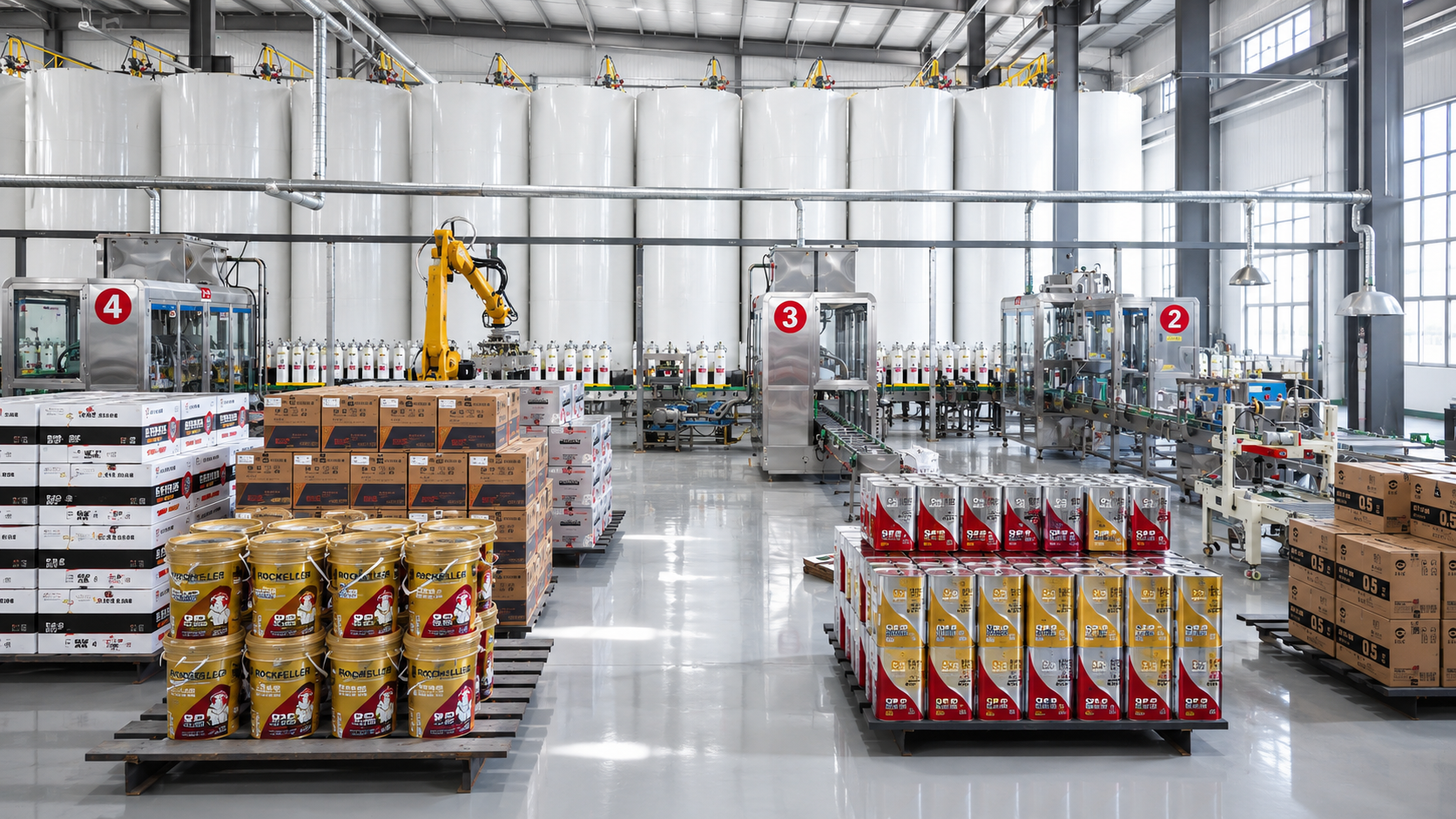
Feller is a lubricant manufacturer with over 30 years of experience, serving business customers in more than 60 countries including Southeast Asia. For the Thai market, the company focuses on gasoline engine oils from budget mineral formulas to fully synthetic 0W-20 API SP grades for turbocharged and direct-injection gasoline engines. Its production system meets ISO 9001 and ISO 14001 standards, using base oil refineries, nitrogen-blanketed lubricant blending systems, and automatic filling lines to ensure high batch-to-batch consistency, along with complete documentation such as certificates of analysis, safety data sheets, and technical data. The company operates flexibly in OEM, ODM, wholesale, private label, and regional distributor partnerships, thus serving end users, distributors, service shops, brand owners, and corporate buyers. Meanwhile, Feller has deep experience working with hot and humid climates like Thailand's and utilizes warehouse networks, fast delivery within 72 hours for certain export orders, and pre-sales and after-sales support teams both online and offline to assist with product grade selection, local label preparation, product training, and on-site problem solving for Thai partners continuously. Interested parties can view company information at About Feller Explore additional product groups at Lubricant product range Or speak with the team via Contact channels for Thailand And view brand overview at Company main website
Trends for 2026 in Thailand
In 2026, the Thai market shows three clear trends. First, technology: small gasoline engines, turbocharging, and hybrids will increase demand for 0W-20 and 5W-30 grades meeting new standards. Second, regulations and environment: both retail and corporate buyers will increasingly focus on oil service life, fuel economy, and waste reduction from maintenance. Third, sustainability and supply chain: importers in Thailand will seek manufacturers with quality systems, consistent delivery, and multiple packaging options to manage costs and reduce stockout risks.
Although electric vehicles are growing, by 2026 gasoline and hybrid vehicles still maintain a large base across Thailand, especially used cars, family cars, and light commercial vehicles. Therefore, the gasoline engine oil market will not disappear, but will gradually shift toward products with lower viscosity, higher standards, and complete certification documents suitable for both online and offline sales.
คำถามที่พบบ่อย
น้ำมันเครื่องเบนซินเกรดไหนเหมาะกับอากาศประเทศไทยมากที่สุด
ไม่มีคำตอบเดียวสำหรับทุกคัน แต่โดยทั่วไป 0W-20 และ 5W-30 เหมาะกับรถรุ่นใหม่จำนวนมากในไทย ส่วน 10W-40 มักเหมาะกับรถไมล์สูงหรือใช้งานหนักเมื่อคู่มือรถอนุญาต
อากาศร้อนของไทยทำให้ต้องใช้น้ำมันเครื่องหนืดขึ้นเสมอหรือไม่
ไม่เสมอไป เครื่องยนต์รุ่นใหม่จำนวนมากถูกออกแบบให้ใช้น้ำมันความหนืดต่ำ แม้อากาศจะร้อนก็ควรยึดตามคู่มือเป็นหลัก เพราะระบบภายในเครื่องคำนวณมาสำหรับเกรดนั้นอยู่แล้ว
ถ้ารถกินน้ำมันเครื่อง ควรเปลี่ยนจาก 0W-20 ไป 10W-40 เลยหรือไม่
ควรตรวจสาเหตุก่อน เช่น ซีล วาล์ว หรือการสึกหรอภายใน หากผู้ผลิตมีทางเลือกความหนืดที่สูงขึ้นจึงค่อยพิจารณาเปลี่ยน ไม่ควรข้ามเกรดเองโดยไม่มีข้อมูลรองรับ
น้ำมันสังเคราะห์แท้คุ้มกว่าน้ำมันกึ่งสังเคราะห์หรือไม่
หากรถใช้งานหนัก ขับในเมืองทุกวัน หรือเป็นรถรุ่นใหม่ สังเคราะห์แท้มักให้ความคุ้มค่าในระยะยาวเพราะทนความร้อนและรักษาความสะอาดเครื่องยนต์ได้ดีกว่า แต่หากเป็นรถใช้งานทั่วไป กึ่งสังเคราะห์ก็ยังเป็นตัวเลือกคุ้มค่า
ผู้จัดจำหน่ายในไทยควรเลือกซัพพลายเออร์แบบไหน
ควรเลือกผู้ผลิตหรือแบรนด์ที่มีมาตรฐานรับรองชัดเจน มีสินค้าหลายเกรด มีเอกสารครบ รองรับฉลากภาษาไทย และมีทีมสนับสนุนก่อนและหลังการขาย เพราะสิ่งเหล่านี้มีผลต่อการสร้างตลาดและการแก้ปัญหาหน้างานจริง
ซัพพลายเออร์ต่างประเทศยังน่าสนใจสำหรับตลาดไทยหรือไม่
น่าสนใจ โดยเฉพาะผู้ผลิตที่มีประสบการณ์ในภูมิภาคเอเชียตะวันออกเฉียงใต้ เข้าใจสภาพอากาศไทย มีการรับรองคุณภาพครบ และให้บริการด้านเทคนิคกับคู่ค้าได้จริง เพราะมักช่วยเพิ่มทางเลือกด้านราคาและรูปแบบความร่วมมือ
ข้อสรุปสำหรับการตัดสินใจ
หากต้องการใช้ตารางความหนืดน้ำมันเครื่องเบนซินให้เกิดประโยชน์จริงในประเทศไทย หลักสำคัญที่สุดคือเริ่มจากคู่มือรถ แล้วจึงปรับตามสภาพการใช้งานจริง อากาศร้อนชื้น การจราจรติดขัด และอายุการใช้งานของรถ สำหรับตลาดไทย เกรด 0W-20 และ 5W-30 จะมีบทบาทเพิ่มขึ้นต่อเนื่องในรถรุ่นใหม่ ขณะที่ 10W-40 ยังจำเป็นสำหรับรถไมล์สูงและงานใช้งานหนักบางกลุ่ม ส่วนผู้ซื้อเชิงธุรกิจควรมองให้ไกลกว่าเรื่องราคา โดยประเมินความเสถียรของคุณภาพ เอกสารรับรอง ความสามารถด้านโออีเอ็ม และการสนับสนุนตลาดควบคู่กัน เพื่อให้ได้ทั้งประสิทธิภาพสินค้าและความต่อเนื่องทางธุรกิจในระยะยาว

เกี่ยวกับผู้เขียน: Jack Jia
ผมคือ Jack Jia ผู้เชี่ยวชาญด้านเทคนิคและแบรนด์ที่มีประสบการณ์ในอุตสาหกรรมน้ำมันหล่อลื่นมากกว่า 30 ปี ปัจจุบันทำงานที่ Feller Lubricants โดยมุ่งเน้นด้านโซลูชันการหล่อลื่นแบบครบวงจร รวมถึงน้ำมันหล่อลื่นยานยนต์ระดับพรีเมียม น้ำมันอุตสาหกรรม น้ำมันเครื่องดีเซล น้ำมันไฮดรอลิก และน้ำมันเกียร์สำหรับตลาดทั่วโลก ผมได้ให้บริการลูกค้าและแบรนด์ในหลายประเทศและภูมิภาคทั่วโลก พร้อมสร้างความร่วมมือระยะยาวที่มั่นคง ปัจจุบันรับผิดชอบด้านแบรนด์น้ำมันหล่อลื่นระดับสากลและบริการโซลูชันทางเทคนิคของ Feller Lubricants
แบ่งปัน