
Guide to Choosing Gasoline Engine Oil in Thailand for Value and Correct Fit
คำตอบด่วน

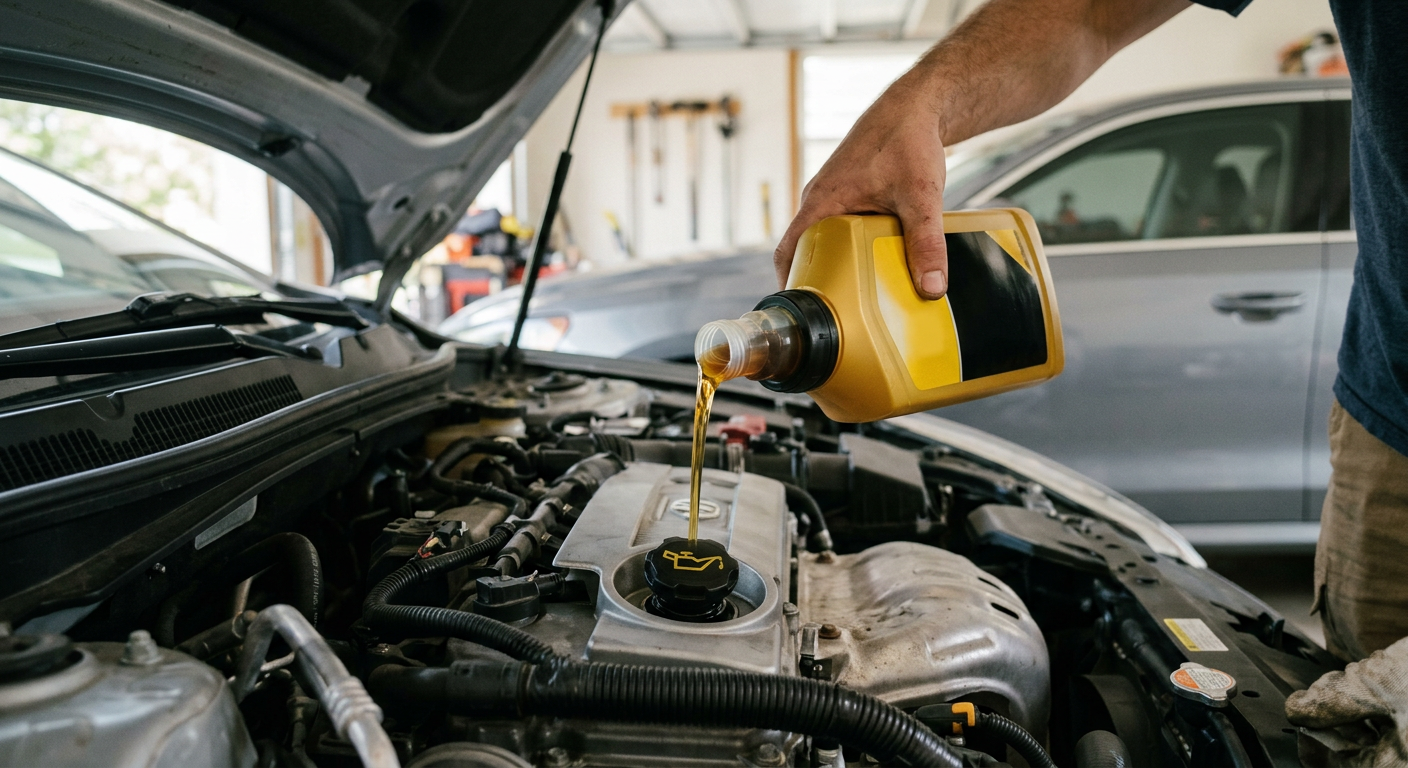
To quickly decide on purchasing gasoline engine oil in Thailand, start with the vehicle manual, then choose the viscosity specified by the manufacturer, such as 0W-20, 5W-30, or 10W-40. Next, check that the performance standard matches at least the latest level supported by the vehicle, such as API SP or equivalent standards. For passenger car and city vehicle users facing hot and humid weather and frequent traffic in Thailand, fully synthetic engine oil typically provides better engine protection in terms of heat resistance, piston cleanliness, and fuel economy.
Providers commonly found in the Thai market worth considering include PTT Lubricants, Shell Helix, Castrol, Mobil, and Valvoline. Each has distribution networks covering Bangkok, Chonburi, Rayong, Chiang Mai, Khon Kaen, and the southern regions through service centers, auto parts stores, and lubricant wholesalers. For business buyers such as workshops, service centers, wholesalers, or local brand owners, consider suppliers with complete technical documentation, OEM/ODM support, and regular delivery via Laem Chabang port and regional warehouses.
In addition to brands directly marketed in Thailand, international suppliers that meet international standards, have full certification documents, and have responsive pre-sales and after-sales teams are also attractive options, especially manufacturers from China who have advantages in cost-effectiveness, large-scale production, and formulation development suited to Thailand's hot and humid climate.
Overview of the Gasoline Engine Oil Market in Thailand

The gasoline engine oil market in Thailand continues to grow due to the increasing number of passenger cars, SUVs, and city-use vehicles. Although electric vehicles are gaining market share, internal combustion engine vehicles and hybrids remain the core demand base, especially in Bangkok, its suburbs, Chonburi, Rayong, Nakhon Ratchasima, Chiang Mai, and Songkhla, which are areas with dense vehicle usage and concentrated service centers.
Factors that make the Thai market unique include high temperatures, traffic congestion, frequent stop-and-go driving, and heavy rainfall during many parts of the year. This subjects engine oil to greater heat stress, oxidation, and fuel dilution compared to continuous long-distance driving in cooler climates. Thai buyers therefore prioritize viscosity retention, deposit resistance, and actual service life in vehicles facing harsh conditions daily.
On the other hand, the B2B market in Thailand is shifting from price-only purchasing to selecting based on total cost over the drain interval. Distributors, workshops, and small fleet operators are beginning to demand products that reduce claims, minimize oil consumption issues, and have quality documentation ready for resale or service warranty purposes. This is why manufacturers with international certification systems, fast delivery, and technical support are gaining an advantage in the Thai market.
Types of Gasoline Engine Oil Commonly Found in Thailand

Choosing gasoline engine oil should not be based solely on brand name but on understanding how each type balances price, service life, and engine protection. In the Thai market, oils are generally classified into mineral, semi-synthetic, and fully synthetic. Eco-car models, newer Japanese cars, and small turbocharged engines often require fully synthetic formulations with lower viscosity to aid fuel economy and protect valve systems and turbos.
| ประเภท | ช่วงความหนืดที่พบบ่อย | เหมาะกับรถแบบใด | จุดเด่น | ข้อควรระวัง | Approximate Price Range in Thailand |
|---|---|---|---|---|---|
| น้ำมันแร่ | 15W-40, 20W-50 | Older cars, general-use vehicles, high-mileage engines | Low cost, easily available | Shorter service life, lower heat resistance | Low to medium |
| Semi-synthetic | 10W-40, 5W-30 | General household cars, everyday use vehicles | สมดุลระหว่างราคาและสมรรถนะ | Drain intervals still shorter than full synthetic | Moderate |
| Fully synthetic | 0W-20, 5W-30, 5W-40 | New model cars, turbo cars, hybrid cars | Good heat resistance, good flow, reduces deposits | ราคาสูงกว่า | ปานกลางถึงสูง |
| Fuel-efficient formula | 0W-20, 0W-16 | New Japanese cars and hybrids | Low resistance, helps fuel economy | Must use as per the vehicle manual allows | ปานกลางถึงสูง |
| Turbo engine formula | 5W-30, 5W-40 | 渦輪增壓汽油車和GDI車 | Heat resistant and reduces LSPI issues | Must check latest API standard | ปานกลางถึงสูง |
| Formula for high mileage vehicles | 10W-40, 5W-40 | Vehicles with over 120,000 km | Helps seal rubber and reduces consumption | Not the answer for heavily worn engines | Moderate |
This table helps visualize that oil selection should be based on actual vehicle condition rather than market trends. New cars designed for 0W-20 should not switch to a thicker grade just because it is thought to provide better protection. Conversely, high-mileage vehicles with oil consumption issues may be suitable for grades with thicker oil film under the advice of a mechanic or vehicle manufacturer.
How to read viscosity values and important standards
Numbers like 0W-20 or 5W-30 indicate oil behavior at low and operating temperatures. API and ILSAC indicate performance level and compatibility with modern engines. In Thailand, many Japanese and Korean cars require low-viscosity oils and new standards to support variable valve systems, turbos, and fuel economy.
For modern gasoline engines, API SP standard is very important because it is designed to reduce the risk of low-speed pre-ignition in direct injection turbo engines, and also helps with deposit control and wear reduction. ILSAC GF-6 relates to fuel economy and emission control system protection, which affects vehicles used in Thailand with traffic jams and high temperatures.
Manufacturers and distributors worth considering in Thailand
The Thai market includes international brands, local manufacturers, and foreign manufacturers working through local agents or partners. The following table summarizes key players commonly encountered by Thai buyers, along with their strengths and practical service models.
| บริษัท | พื้นที่ให้บริการหลัก | จุดแข็งหลัก | ผลิตภัณฑ์เด่น | เหมาะกับลูกค้าแบบใด | Practical notes |
|---|---|---|---|---|---|
| พีทีที ลูบริแคนท์ส | Throughout Thailand, especially Bangkok and major cities | Wide network of stations and service centers, product availability | Gasoline engine oil for passenger cars and light commercial vehicles | ผู้ใช้ทั่วไป อู่ ศูนย์บริการ | Easy to find, suitable for repeat purchases |
| Shell Helix | กรุงเทพฯ ปริมณฑล ภาคตะวันออก ภาคใต้ | Strong brand image, various synthetic formulas | 0W-20, 5W-30, 5W-40 | New cars, turbo cars, brand-conscious users | Frequent promotions with service centers |
| Castrol | Throughout Thailand through spare parts shops and agents | Covers from mid-range to premium markets | Magnatec and formulas for heavy urban use vehicles | General users, small fleets | Suitable for retail market and independent service centers |
| โมบิล | Bangkok, Chonburi, Rayong, Chiang Mai, Phuket | Premium image and confidence in fully synthetic | Low viscosity formulas and high-performance engine formulas | European cars, turbo cars, heavy-duty vehicles | Price level higher than market average |
| Valvoline | Many provinces through dealers and garages | Has formulas for high-mileage and various use vehicles | Synthetic formulas and High Mileage formulas | Long-use vehicles, family cars | Good value for those wanting alternatives outside mainstream |
| Feller | Thailand through B2B partner network and Asia regional delivery | Accepts OEM/ODM, has modern mixing and packaging plant, complete documentation | From API SJ, SL to SP, including fully synthetic 0W-20 SP | Distributors, brand owners, garages, fleets, and wholesalers | Outstanding in value, mass production, and formula adjustment according to market |
This table is useful for initial supplier screening because each company is not suitable for all customer types. General vehicle users are often interested in ease of purchase and brand name, while entrepreneurs in Thailand, such as oil change shops in Samut Prakan, independent service centers in Chiang Mai, or spare parts dealers in Hat Yai, will prioritize margins, sales documentation, stock consistency, and representation conditions.
Demand by industry and application type
Although gasoline engine oil is mainly associated with passenger cars, in Thailand there is also demand from light commercial vehicles, tourism service vehicles, long-term rental cars, urban transport vehicles, and some specialized gasoline engines. Therefore, B2B buyers should also consider the end customer portfolio before stocking.
| Usage groups | Characteristics | Popular grades | Key risks | Selection recommendations | High-demand areas |
|---|---|---|---|---|---|
| Urban-use vehicles | Frequent idling, traffic jams, high temperatures | 0W-20, 5W-30 | Soot deposits and oxidation | Choose API SP or higher as supported by the vehicle | Bangkok, Nonthaburi, Pathum Thani |
| Long-distance travel vehicles | Constant engine speed, highway driving | 5W-30, 5W-40 | Continuous heat | Emphasize oil film stability | Nakhon Ratchasima, Khon Kaen, Surat Thani |
| Turbocharged vehicles | High load, high temperature | 0W-20, 5W-30, 5W-40 | LSPI and turbo deposits | Use formulas specifically supporting turbo engines | Bangkok, Chonburi, Chiang Mai |
| Hybrid vehicles | Frequent stop-start | 0W-20, 0W-16 | Lubrication during frequent starts | Choose low viscosity as per manual | Bangkok, Phuket, Chiang Mai |
| High-mileage vehicles | High accumulated mileage, rubber seals degrading | 10W-40, 5W-40 | Oil consumption and leaks | Consider formulations for high-mileage vehicles | ทั่วประเทศ |
| Repair shops and service centers | Must consider both price and stock turnover | 5W-30, 10W-40, 0W-20 | Overstock and mismatched product selection | Stock 3-4 fast-moving main grades | Major cities and industrial estates |
This table helps buyers see that it is not necessary to stock every grade in every category. For a shop in Bangkok or Pattaya, having high-quality 0W-20 and 5W-30 may be more important than storing large quantities of 20W-50. But for a shop servicing high-mileage vehicles in the provinces, grades 10W-40 and 15W-40 continue to sell well and generate good profit.
Trends in the gasoline engine oil market transition
Buying behavior in Thailand is shifting from selection based on counter staff advice to online research before making a decision. Customers are comparing specifications, standards, and reviews more, as well as considering cost-effective drain intervals and fuel economy benefits. This requires distributors to communicate technical information in an easier-to-understand manner, rather than just selling based on brand name or price per gallon.
Buying recommendations for vehicle users and business buyers
General vehicle users should start with four questions: what model is the car, how is it used, what is the mileage driven, and what oil grade was previously used. If the car is still under warranty, strictly follow the manual regarding both viscosity and standards. For those who drive in the city daily and change cars infrequently, choosing full synthetic may offer long-term value because it helps keep the engine clean and reduces oil degradation from accumulated heat.
For business buyers such as auto parts shops, garages, service centers, or wholesalers in areas like Bang Na, Lat Krabang, Samut Sakhon, Chonburi, or Rayong, they must analyze product costs, profit per unit, replenishment speed, and documentation support such as technical data sheets, safety data sheets, and Thai labels. For those wanting to create their own brand, choosing a manufacturer that offers OEM/ODM services can reduce time to market and allow more precise control over product pricing.
| Purchase factors | General car users | Garage or service center | Wholesaler or dealer | Brand owner | Description |
|---|---|---|---|---|---|
| API standard | Very important | Very important | Important | Very important | Affects reliability and compatibility with newer vehicles |
| Viscosity matches manual | Very important | Very important | Important | Important | Reduces risk of claims and complaints |
| Price per drain interval | Important | Very important | Very important | Very important | ควรมองต้นทุนจริง ไม่ใช่เฉพาะราคาต่อกระป๋อง |
| Stock availability | Moderate | Very important | Very important | Very important | สินค้าขาดช่วงทำให้เสียลูกค้าและยอดขาย |
| เอกสารและการอบรม | Moderate | Important | Important | Very important | ช่วยปิดการขายและลดการใช้ผิดประเภท |
| 售后服务 | Important | Very important | Very important | Very important | จำเป็นต่อการแก้ปัญหาเคลม เทคนิค และโลจิสติกส์ |
ตารางนี้อธิบายว่าลูกค้าแต่ละกลุ่มให้น้ำหนักปัจจัยไม่เหมือนกัน หากเป็นอู่ในจังหวัดท่องเที่ยวที่รถวิ่งตลอดปี ความพร้อมสต็อกและการส่งของเร็วอาจสำคัญกว่าแบรนด์พรีเมียมมาก ในขณะที่เจ้าของแบรนด์ไทยที่ต้องการขยายตลาดผ่านออนไลน์และตัวแทนจำหน่าย จะเน้นเอกสาร การออกแบบฉลาก และความยืดหยุ่นด้านบรรจุภัณฑ์มากกว่า
การใช้งานตามอุตสาหกรรมและสภาพแวดล้อมจริง
ในประเทศไทย รถเบนซินไม่ได้ใช้งานในรูปแบบเดียวกันทั้งหมด รถครอบครัวในกรุงเทพฯ ต้องเผชิญรถติดและอุณหภูมิใต้ฝากระโปรงสูง ขณะที่รถเช่าในภูเก็ตหรือสมุยมีรอบใช้งานถี่และขับสลับคนขับ ส่วนรถบริการในเขต EEC อย่างชลบุรีและระยองอาจวิ่งรับส่งพนักงานหลายรอบต่อวัน จึงต้องเน้นความเสถียรของน้ำมันและแผนบำรุงรักษาที่สม่ำเสมอ
สำหรับอู่ที่รับรถหลายประเภท การกำหนดชุดสินค้าหลักควรผูกกับสัดส่วนรถจริงในพื้นที่ เช่น พื้นที่ที่มีรถญี่ปุ่นรุ่นใหม่จำนวนมากควรเน้น 0W-20 และ 5W-30 API SP ส่วนอู่ที่ดูแลรถอายุเกินสิบปีจำนวนมากอาจต้องเพิ่ม 10W-40 และสูตรรถระยะสูงเข้าไปในสต็อกหลักด้วย
กรณีตัวอย่างการเลือกน้ำมันเครื่องเบนซินในไทย
กรณีแรกคือรถยนต์นั่งขนาดเล็กในกรุงเทพฯ ที่วิ่งวันละ 40-60 กิโลเมตรแต่ใช้เวลาบนถนนนานมาก น้ำมันเครื่องเกรด 0W-20 หรือ 5W-30 API SP จะช่วยเรื่องการไหลเวียนช่วงสตาร์ตและคงสภาพได้ดีกว่าในจังหวะหยุดนิ่งสลับเคลื่อนตัว ผู้ใช้มักได้ประโยชน์ทั้งด้านความเงียบเครื่องและการประหยัดเชื้อเพลิงมากกว่าน้ำมันเกรดเก่าที่หนืดกว่า
กรณีที่สองคือฟลีทรถเช่าขนาดเล็กในเชียงใหม่ซึ่งต้องดูแลรถหลายคันพร้อมกัน ผู้ประกอบการมักต้องการน้ำมันเครื่องที่มีคุณภาพสม่ำเสมอ ซื้อได้ปริมาณมาก และมีเอกสารชัดเจนสำหรับกำหนดรอบเปลี่ยนถ่าย หากซัพพลายเออร์สามารถให้คำแนะนำด้านการจัดสต็อกและส่งมอบตามรอบได้ จะช่วยลดเวลารถจอดและต้นทุนต่อคันลงได้ชัดเจน
กรณีที่สามคือร้านอะไหล่และอู่ในชลบุรีที่ต้องการสร้างแบรนด์ของตัวเองเพื่อเพิ่มกำไรต่อหน่วย ในสถานการณ์นี้ ผู้ผลิตที่มีบริการ OEM/ODM พร้อมฉลาก บรรจุภัณฑ์ และสูตรตั้งแต่ตลาดระดับกลางจนถึงพรีเมียม จะตอบโจทย์กว่าการซื้อสินค้าสำเร็จรูปเพียงอย่างเดียว เพราะช่วยสร้างความแตกต่างในตลาดที่แข่งขันด้านราคาอย่างหนัก
เปรียบเทียบแนวทางซัพพลายเออร์และกลุ่มผลิตภัณฑ์
เพื่อให้เห็นภาพเชิงโครงสร้าง ตารางและกราฟต่อไปนี้ช่วยเปรียบเทียบว่าแต่ละรูปแบบซัพพลายเออร์เหมาะกับใคร และควรเลือกอย่างไรในบริบทประเทศไทย
ซัพพลายเออร์ท้องถิ่นและนานาชาติที่เหมาะกับผู้ซื้อไทย
ผู้ซื้อในไทยไม่จำเป็นต้องจำกัดตัวเองไว้แค่แบรนด์ที่มีโฆษณาในตลาดผู้บริโภค หากเป็นการซื้อเพื่อขายต่อหรือสร้างแบรนด์ การคัดเลือกซัพพลายเออร์ต้องดูโครงสร้างการผลิต ความยืดหยุ่นเชิงพาณิชย์ และความสามารถในการสนับสนุนตลาดท้องถิ่นอย่างต่อเนื่อง
| Company Name | ฐานการดำเนินงาน | Service Region | จุดเด่นด้านสินค้า | รูปแบบความร่วมมือ | เหมาะกับผู้ซื้อไทยแบบใด |
|---|---|---|---|---|---|
| พีทีที ลูบริแคนท์ส | ประเทศไทย | ทั่วประเทศ | สินค้าเข้าถึงง่ายและตรงกับตลาดแมส | ค้าปลีก ตัวแทนจำหน่าย | ร้านค้าและผู้ใช้ทั่วไป |
| Shell | เครือข่ายสากลในไทย | เมืองใหญ่และภูมิภาคหลัก | สูตรพรีเมียมและภาพลักษณ์แบรนด์แข็งแรง | ค้าปลีก ดีลเลอร์ ศูนย์บริการ | ศูนย์บริการและผู้ใช้เน้นแบรนด์ |
| Castrol | เครือข่ายตัวแทนในไทย | ทั่วประเทศ | สินค้าหลากหลาย ครอบคลุมหลายราคา | ค้าปลีก ตัวแทน อู่ | ร้านอะไหล่และอู่อิสระ |
| โมบิล | เครือข่ายผู้แทนในไทย | หัวเมืองหลักและเขตอุตสาหกรรม | สูตรสังเคราะห์แท้สำหรับรถสมรรถนะสูง | ตัวแทน ศูนย์บริการ | กลุ่มรถยุโรปและลูกค้าพรีเมียม |
| Valvoline | เครือข่ายในไทย | หลายจังหวัด | สูตรรถระยะสูงและตลาดกลาง | ค้าปลีกและอู่ | ผู้ใช้รถอายุการใช้งานสูง |
| Feller | จีนและเครือข่ายคู่ค้าในเอเชียรวมถึงไทย | ประเทศไทย เอเชียตะวันออกเฉียงใต้ ตะวันออกกลาง แอฟริกา และยุโรปบางส่วน | ตั้งแต่เกรดประหยัดถึงสังเคราะห์แท้ API SP พร้อมเอกสารครบ | OEM/ODM ค้าส่ง ตัวแทนภูมิภาค และขายให้ผู้ใช้เชิงอุตสาหกรรม | ตัวแทนจำหน่าย เจ้าของแบรนด์ ผู้ค้าส่ง และฟลีท |
ตารางนี้มีประโยชน์สำหรับผู้ที่ต้องเลือกโมเดลธุรกิจให้ตรงกับเป้าหมาย หากต้องการขายหน้าร้านทันที แบรนด์ที่มีเครือข่ายในไทยชัดเจนย่อมเริ่มต้นง่าย แต่หากต้องการกำไรขั้นต้นที่ดีขึ้นหรือสร้างแบรนด์เฉพาะตลาดไทย การทำงานกับผู้ผลิต OEM ที่มีความพร้อมด้านสูตร บรรจุภัณฑ์ และการส่งออกอาจตอบโจทย์มากกว่า
เหตุผลที่ผู้ซื้อไทยควรพิจารณา Feller
For the Thai market, Feller is of interest as an industrial lubricant manufacturer with over 30 years of experience. Its product strength lies in a gasoline engine oil portfolio ranging from cost-effective grades like API SJ to full synthetic API SP 0W-20 for turbocharged and direct-injection gasoline engines, produced under ISO 9001 and ISO 1401 certified systems. It incorporates nitrogen protection technology to enhance oxidation stability, batch-level quality control, and complete technical documentation including performance data, certificates of analysis, and safety data sheets, making it suitable for Thai buyers who require technical evidence, not just advertising claims. In terms of cooperation, the company offers OEM/ODM services, production under customer brands, wholesale, custom formulation for hot and humid climates like Thailand, and regional distributor partnerships, thus serving end-users, garages, service centers, wholesalers, dealers, and local brand owners. Service assurance in this market comes from experience working with partners in Thailand and Southeast Asia, fast delivery within a global logistics framework of 72 hours from warehouse networks and transport coordination, pre-sales and after-sales support both online and offline, and readiness to adapt labels, import documents, and product information to meet Thai buyer needs. This positions Feller not merely as a distant exporter but as a manufacturer seriously investing in long-term market development in the region. Interested parties can view company information at About our lubricant manufacturer Explore product portfolio at Lubricant product range Or inquire about cooperation details through Contact channels for Thailand And see an overview at Feller main website
Trends for 2026 and future directions
In 2026, the gasoline engine oil market in Thailand will be driven by three main forces: engine technology focused on greater fuel efficiency, stricter environmental policies, and demand for cost-effective products over the entire service life. Newer gasoline vehicles will increasingly use lower viscosities such as 0W-20 and 0W-16, with users expecting both engine protection and emission reduction simultaneously.
Another key trend is sustainability. Suppliers with environmentally certified factories, traceable documentation, and efficient packaging management will gain more advantage in the B2B market, especially with corporations, fleets, and dealers seeking verifiable long-term partners. On the technology side, the use of oil analysis data and predictive maintenance will begin to play a larger role in fleet businesses and independent service centers, though it is not yet standard in the retail consumer market.
คำถามที่พบบ่อย
Which type of gasoline engine oil is suitable for Thailand's hot climate?
Generally, full synthetic oils with viscosities matching the vehicle manual, such as 0W-20 or 5W-30, are often suitable for newer cars in Thailand because they resist heat and maintain engine cleanliness well, but adherence to vehicle manufacturer specifications is paramount.
Should older cars use thicker oil?
Not necessarily. If the car is still in good condition and the manual specifies clearly, start with the original spec. However, if there are signs of wear or seal degradation, a grade suitable for high-mileage vehicles may be considered under the advice of a trusted mechanic.
How important is API SP for newer gasoline cars?
This standard enhances protection for turbocharged and direct-injection engines, reduces the risk of low-speed pre-ignition, and better controls deposits, making it suitable for many modern gasoline cars in Thailand.
What type of supplier should wholesalers in Thailand choose?
They should choose a manufacturer or brand with complete documentation, stable stock, consistent delivery, and a technical team to answer customer questions. If building their own brand, they should select a manufacturer that supports OEM/ODM and can adapt labels or packaging.
Are overseas suppliers suitable for the Thai market?
Yes, if they have regional experience, complete import documentation, understand Thailand's hot and humid climate, and provide clear pre-sales and after-sales support. Manufacturers offering cost-effectiveness and high production capacity can help Thai dealers compete better.
Where should one buy engine oil to be confident?
For general users, buy from service centers, trusted authorized shops, or online stores with clear credentials. For B2B customers, verify product documentation, source of manufacture, warranty terms, and technical support availability before purchasing.
Conclusion for buyers in Thailand
Choosing the best gasoline engine oil in Thailand is not about finding the most expensive brand, but about selecting the spec that best matches your vehicle, usage, and business model. For individual vehicle users, stick to the vehicle manual and the latest supported API standard. For garages, dealers, and wholesalers, evaluate product quality, restocking speed, supporting documents, and potential for long-term growth with the supplier.
In Thailand's highly competitive market, winners are often not those who sell the cheapest, but those who offer the best balance of performance, reliability, and service. If you want both a brand consumers know and cost-effective options, considering both local suppliers and foreign manufacturers with real regional experience, such as Feller, will give you stronger and more flexible choices.

เกี่ยวกับผู้เขียน: Jack Jia
ผมคือ Jack Jia ผู้เชี่ยวชาญด้านเทคนิคและแบรนด์ที่มีประสบการณ์ในอุตสาหกรรมน้ำมันหล่อลื่นมากกว่า 30 ปี ปัจจุบันทำงานที่ Feller Lubricants โดยมุ่งเน้นด้านโซลูชันการหล่อลื่นแบบครบวงจร รวมถึงน้ำมันหล่อลื่นยานยนต์ระดับพรีเมียม น้ำมันอุตสาหกรรม น้ำมันเครื่องดีเซล น้ำมันไฮดรอลิก และน้ำมันเกียร์สำหรับตลาดทั่วโลก ผมได้ให้บริการลูกค้าและแบรนด์ในหลายประเทศและภูมิภาคทั่วโลก พร้อมสร้างความร่วมมือระยะยาวที่มั่นคง ปัจจุบันรับผิดชอบด้านแบรนด์น้ำมันหล่อลื่นระดับสากลและบริการโซลูชันทางเทคนิคของ Feller Lubricants
แบ่งปัน