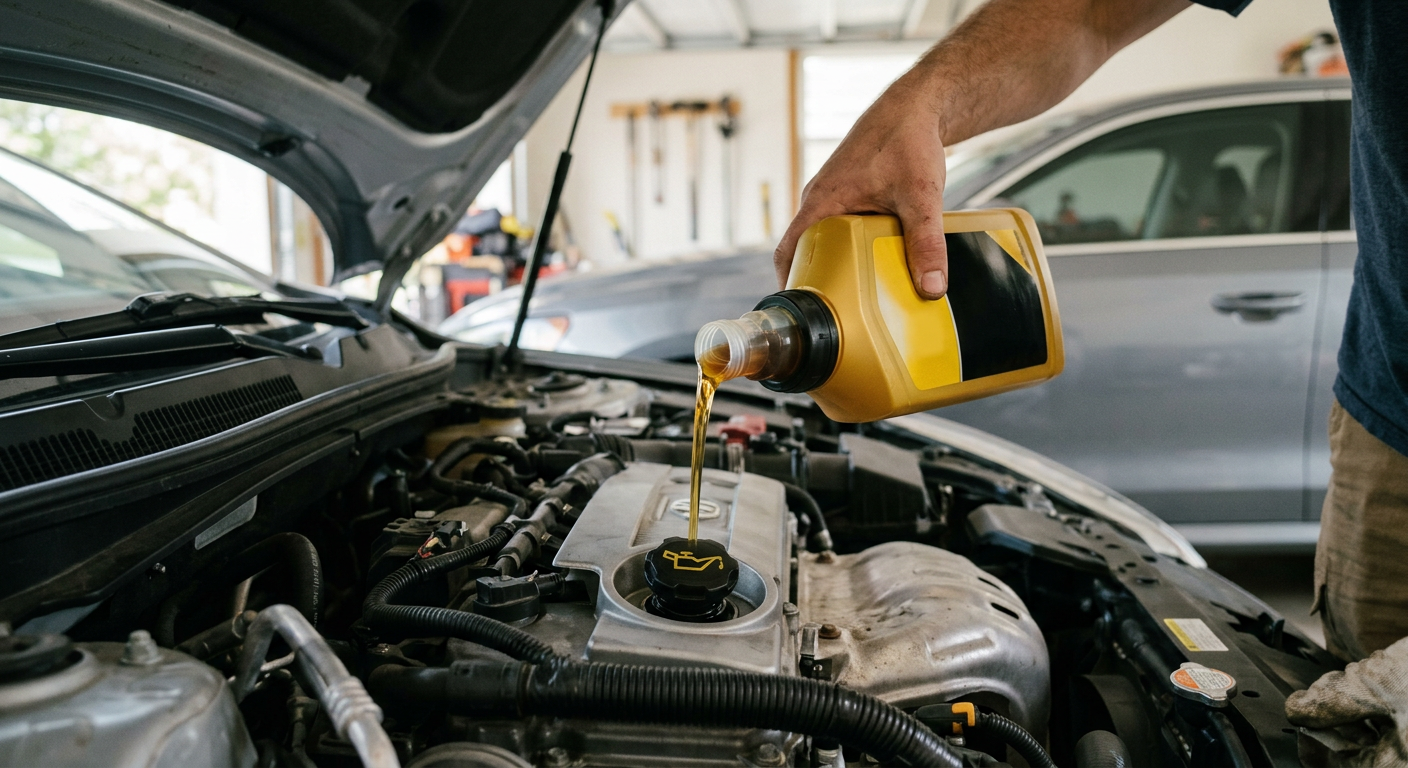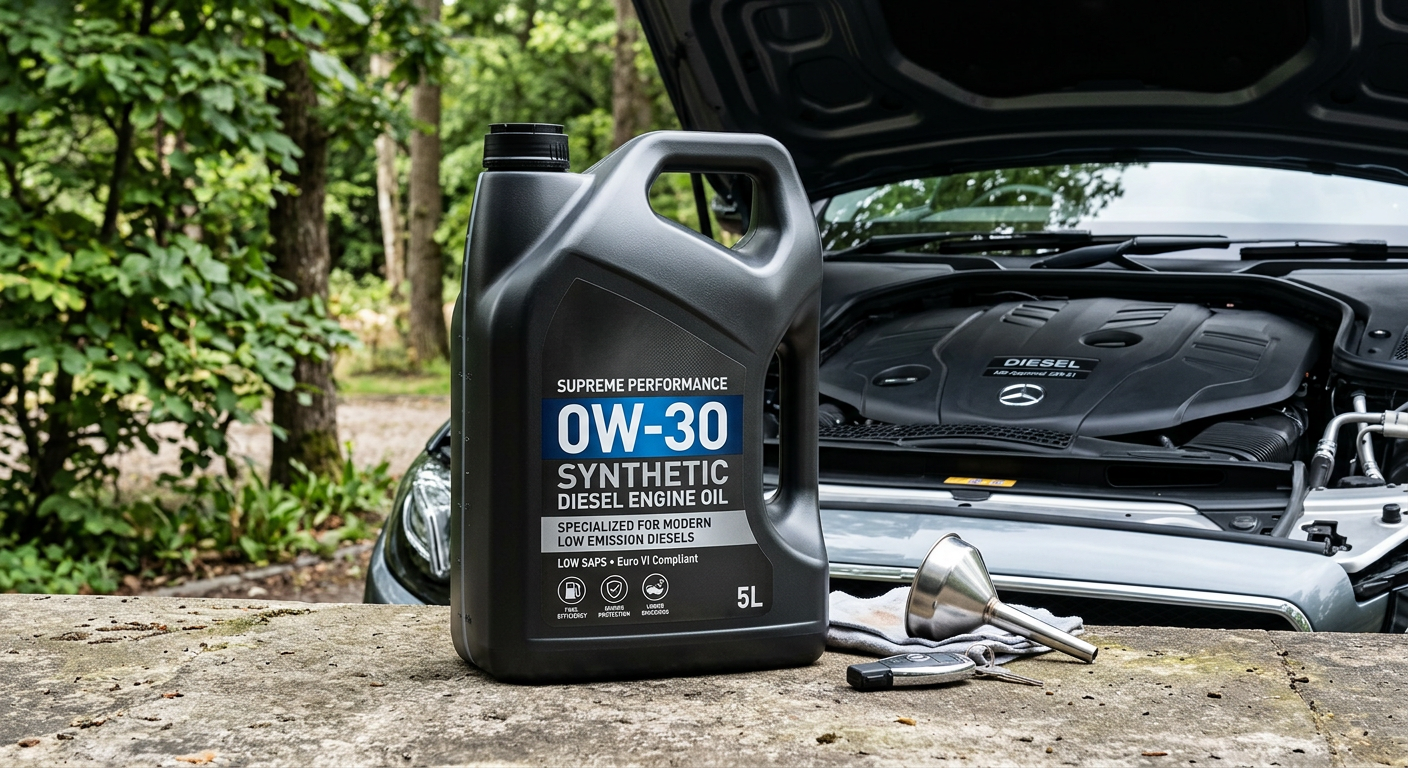
What is the difference between full synthetic and semi-synthetic engine oil in Thailand?
คำตอบด่วน

For a short, clear answer applicable to the Thai market: Full synthetic oil is better suited for newer cars, turbocharged engines, heavy city traffic, frequent long-distance driving, or users seeking maximum protection in hot humid conditions. Semi-synthetic oil is suitable for general-use cars, older vehicles, those with short drain intervals, and users looking to manage costs while still getting better performance than mineral oil.
In practice, car users in Bangkok, Chonburi, Rayong, Chiang Mai, Khon Kaen, and Phuket often choose full synthetic when their vehicles face traffic congestion, high temperatures, and frequent RPM fluctuations, as the oil maintains viscosity and resists oxidation better. Meanwhile, semi-synthetic remains cost-effective for eco-cars, daily commuter sedans, and pickup trucks that follow regular drain intervals as per the manual.
Examples of brands and players commonly found in the Thai market include PTT Lubricants, Shell Helix, Castrol, Mobil, Idemitsu, and Valvoline, all offering both full synthetic and semi-synthetic options based on vehicle specifications. For business procurement, such as workshops, service centers, distributors, or local brand owners, international suppliers with complete certifications and strong pre-sales and after-sales services can also be considered, especially Chinese manufacturers offering cost-performance value and good OEM capabilities.
Overview of the Gasoline Engine Oil Market in Thailand

Thailand's gasoline engine oil market grows in line with the number of passenger cars, eco-cars, family cars, and light commercial vehicles. Demand is heavily concentrated in Bangkok and its metropolitan area, as well as industrial and logistics hubs like Laem Chabang, Chonburi, Rayong, and Phra Nakhon Si Ayutthaya. These areas have vehicle usage patterns that put high stress on engine oil, including long traffic jams, frequent acceleration and braking, and continuous travel under high temperatures.
From a product perspective, the trend in Thailand is clearly moving from higher viscosity grades such as 15W-40 or 10W-40 toward 5W-30, 0W-20, and 0W-16, especially for newer Japanese and European cars requiring fuel economy and protection for direct injection, turbocharging, and emission control systems. This factor is increasing the market share of full synthetic oils, while semi-synthetic oils remain a large market due to their price appeal.
Thai buyers also place importance on brand reliability, distribution channels, and product availability in stock. Products readily available in spare parts stores, industrial zones, ports, and quick-service centers often have an advantage in purchasing decisions. Entrepreneurs marketing through dealer networks, workshops, preventive maintenance services, and online platforms therefore continue to have growth opportunities.
How Are Full Synthetic and Semi-Synthetic Different?

Full synthetic engine oil uses high-quality base oils and additive formulations designed to withstand heat, resist oxidation, reduce deposit formation, and maintain oil film stability under heavy engine operation. It is highly suitable for modern vehicles with advanced technologies such as turbochargers, direct injection, start-stop systems, and fuel types that require control of soot and oil dilution.
Semi-synthetic oil is a blend of mineral base oil and synthetic components to enhance properties beyond mineral oil, including engine cleanliness, cold-start flow, and heat management. It is suitable for users seeking a balance between price and performance, especially for family cars, daily drivers, and vehicles not constantly operated at high RPM.
In Thailand's climate, the difference is noticeable when vehicles encounter severe conditions, such as continuous driving from Bangkok to Pattaya or Rayong in high daytime temperatures, or vehicles operating in city traffic all day. Full synthetic maintains viscosity and internal engine cleanliness better, while semi-synthetic still performs well if the correct specification matching the vehicle manual is chosen and drain intervals are followed.
| Comparison Topic | Fully synthetic | Semi-synthetic | Impact on Users in Thailand |
|---|---|---|---|
| ความทนความร้อน | สูงมาก | ปานกลางถึงดี | รถติดและอากาศร้อนได้เปรียบชัด |
| ความสะอาดเครื่องยนต์ | ดีมาก | ดี | ช่วยลดคราบในรถวิ่งระยะยาว |
| การสตาร์ตและไหลตัว | ลื่นไหลกว่า | ดีกว่าน้ำมันแร่ | รถรุ่นใหม่ใช้เกรดต่ำได้เหมาะกว่า |
| การคงความหนืด | เสถียรกว่า | เสถียรพอใช้ | รถใช้งานหนักควรเลือกสังเคราะห์แท้ |
| ช่วงเปลี่ยนถ่าย | มักยาวกว่า | มักสั้นกว่า | ขึ้นกับคู่มือรถและสภาพใช้งานจริง |
| ราคา | สูงกว่า | เข้าถึงง่ายกว่า | กึ่งสังเคราะห์เหมาะกับผู้คุมงบ |
| ความเหมาะกับรถเทอร์โบ | เหมาะมาก | เหมาะบางรุ่น | ควรยึดสเปก API/ILSAC/OEM |
ตารางนี้ช่วยให้เห็นว่า “ดีกว่า” ไม่ได้หมายถึงต้องเลือกสังเคราะห์แท้เสมอไป เพราะปัจจัยสำคัญคือความเข้ากันกับเครื่องยนต์ รูปแบบการขับขี่ และงบประมาณรวมตลอดปี หากเปลี่ยนถ่ายสม่ำเสมอและใช้รถไม่หนักมาก กึ่งสังเคราะห์ยังคุ้มค่าอย่างมากในประเทศไทย
ประเภทสินค้าที่พบมากในตลาดไทย
กลุ่มสินค้าสำหรับเครื่องยนต์เบนซินในไทยแบ่งได้หลายมิติ ทั้งตามชนิดน้ำมันพื้นฐาน ระดับมาตรฐาน API และเกรดความหนืด ผู้ใช้ทั่วไปมักเริ่มจากการดูข้อกำหนดในคู่มือ เช่น API SP, SN Plus, SN หรือ ILSAC GF-6 จากนั้นจึงเลือกความหนืดที่เหมาะกับสภาพรถและภูมิอากาศ
น้ำมันเครื่องสังเคราะห์แท้ในไทยมักพบในเกรด 0W-20, 5W-30 และ 0W-30 ส่วนกึ่งสังเคราะห์นิยมใน 10W-40, 5W-30 และบางตลาดยังใช้ 15W-40 สำหรับรถอายุการใช้งานมาก การเลือกเกรดผิด แม้จะเป็นน้ำมันคุณภาพสูง ก็อาจไม่เหมาะกับเครื่องยนต์ได้
| Product Type | เกรดยอดนิยม | เหมาะกับรถแบบใด | จุดเด่นหลัก |
|---|---|---|---|
| สังเคราะห์แท้ประหยัดเชื้อเพลิง | 0W-20 | อีโคคาร์และรถญี่ปุ่นรุ่นใหม่ | ไหลตัวดี ช่วยประหยัดน้ำมัน |
| สังเคราะห์แท้มาตรฐานกลาง | 5W-30 | รถบ้านทั่วไปและครอสโอเวอร์ | สมดุลการปกป้องและความคุ้มค่า |
| สังเคราะห์แท้สำหรับเครื่องแรง | 5W-40 | เทอร์โบหรือรถวิ่งทางไกล | ทนความร้อนสูง |
| กึ่งสังเคราะห์อเนกประสงค์ | 10W-40 | รถใช้งานประจำวันและรถอายุหลายปี | ราคาสมเหตุสมผล |
| กึ่งสังเคราะห์ประหยัด | 5W-30 | ผู้ใช้ที่ต้องการเกรดต่ำในงบจำกัด | ดีขึ้นกว่าน้ำมันแร่ |
| Base mineral oil for the lower market | 15W-40 | Old cars and light work | Low cost |
For wholesale markets in Bang Na, Navanakorn, Samut Prakan, and warehouse areas around Laem Chabang Port, clear product classification greatly affects stocking because each area has different vehicle structures. For example, industrial areas have higher demand from vehicle fleets, while tourist and large cities rely on service centers and high-quality garages.
How to choose suitable for your car and budget
Choosing engine oil in Thailand should not just look at the words 'Full Synthetic' or 'Semi-Synthetic' on the label, but should always start from the car manual specifications. Look at viscosity, API or ILSAC standards, and car manufacturer requirements. If the car specifies 0W-20 API SP, switching to 10W-40, even if it seems thicker, may affect the flow rate and efficiency designed by the manufacturer.
If the car is used in Bangkok with heavy traffic, short but frequent trips, air conditioner on almost all day, or running goods delivery in urban areas, full synthetic often provides better long-term value because it reduces the risk of heat buildup and sticky varnish deposits inside the engine. But if the car is used infrequently, suburban driving, or focuses on short change intervals, semi-synthetic helps save costs well.
From a B2B perspective, such as garages, auto parts stores, and distributors, product selection should be based on the actual customer structure in the area. If the shop is near an industrial estate or major highway, customers often require grades that withstand high RPM and heat. If in a community using sedans and typical eco-cars, they should have 0W-20, 5W-30, and 10W-40 across the price range.
Industries and user groups that need different considerations
Although the main topic is gasoline engine oil, in the actual Thai market, demand comes from many groups with clearly different behaviors. Individual car users look at value and brand reputation, repair garages and service centers look at product consistency, while fleet companies or delivery businesses look at total cost per kilometer and risk of vehicle downtime.
Car rental businesses at Suvarnabhumi and Don Mueang airports tend to choose full synthetic more often because of high vehicle turnover and need to maintain engine condition. Meanwhile, many community garages in the provinces still sell semi-synthetic well as it aligns with the budgets of general car owners.
Actual usage in Thailand's environment
Thailand has heat, humidity, dust, and very diverse driving patterns, from traffic jams in Bangkok to long stretches in the East and Northeast. These directly affect engine oil degradation, especially oxidation, fuel dilution, and deposit buildup when the car
Cars that frequently drive short distances in the city may not have the engine reach full operating temperature every time, leading to a higher chance of moisture and deposit accumulation. Fully synthetic oil has an advantage in maintaining internal engine cleanliness. For cars that drive consistently on long roads and change oil on schedule, semi-synthetic oil can still meet the needs effectively.
| Operating conditions | Vehicle characteristics | Recommended options | 原因 |
|---|---|---|---|
| Stuck in Bangkok traffic every day | Eco-car or new sedan | Fully synthetic 0W-20 or 5W-30 | Reduces impact from heat and frequent starts |
| Frequent long-distance driving in rural areas | SUV or family car | Fully synthetic 5W-30 or 5W-40 | Maintains continuous oil film |
| General use with moderate distances | 5-10 year old family car | Semi-synthetic 10W-40 | Budget-friendly and sufficient for use |
| Light cargo delivery vehicle in the city | Gasoline van or gasoline pickup | Fully synthetic | Heavy load and fluctuating engine speed |
| Car parked for long periods, driven little | Weekend car | Semi-synthetic | Economical and sufficient when changed on schedule |
| New gasoline turbocharged car | Crossover or European car | Fully synthetic per OEM specifications | Requires high protection |
This table is useful for buyers in Thailand because it connects actual usage with practical recommendations, not just looking at the oil type name.
Case studies from the Thai market
The first case is a 1.5-liter Japanese car owner in Bangkok, driving 50-70 kilometers daily, mostly in city traffic. Previously using semi-synthetic 10W-40 and changing frequently due to feeling the engine sluggish quickly. After switching to fully synthetic 0W-20 as per the manual, engine response improved, fuel consumption stabilized, and the oil change intervals became more consistent.
The second case is a sedan over 8 years old in Chiang Mai, used mainly for family transport and short trips near home. The owner wanted to control costs and did not drive aggressively. The garage recommended approved API standard semi-synthetic 10W-40. The result was maintaining quietness and smoothness without unnecessary expense.
The third case is a garage owner in Chonburi, near logistics routes and industrial estates. Main customers include both family cars and heavy-duty gasoline vehicles. The garage stocked fully synthetic 0W-20, 5W-30, and semi-synthetic 10W-40 across the price range, enabling more sales closures compared to garages stocking only one group, as it catered to everything from new cars to older vehicles.
Notable manufacturers and distributors in Thailand
The Thai market includes domestic manufacturers, multinational brands, and foreign manufacturers entering through distributors or OEM partnerships. Selection should consider actual product availability in the area, technical support, product documentation, and understanding of Thai climate conditions.
| บริษัท | Key service areas | จุดแข็งหลัก | Main products |
|---|---|---|---|
| พีทีที ลูบริแคนท์ส | ทั่วประเทศไทย | Wide distribution network, understands the Thai market | Multiple grades of gasoline engine oil for general and new cars |
| Shell Helix Thailand | Bangkok, metropolitan area, and major cities | Strong brand, continuous service centers and marketing | Fully synthetic and semi-synthetic for passenger cars |
| คาสตรอลประเทศไทย | Nationwide, especially through garages and retail channels | Broad user reach and multiple price levels | EDGE, MAGNATEC, and GTX product lines |
| ExxonMobil Thailand | Major cities and dealer networks | Technical confidence and specifications for new car models | Mobil 1 and Mobil Super |
| Idemitsu Thailand | Japanese car factory zones and specialized dealers | Strong in Japanese cars and fuel economy grades | Fully synthetic and semi-synthetic for Japanese cars |
| วาล์วโวลีนประเทศไทย | Spare parts market and service centers in many provinces | Selling points for engine protection and various packages | Gasoline engine oil groups for general and heavy-duty vehicles |
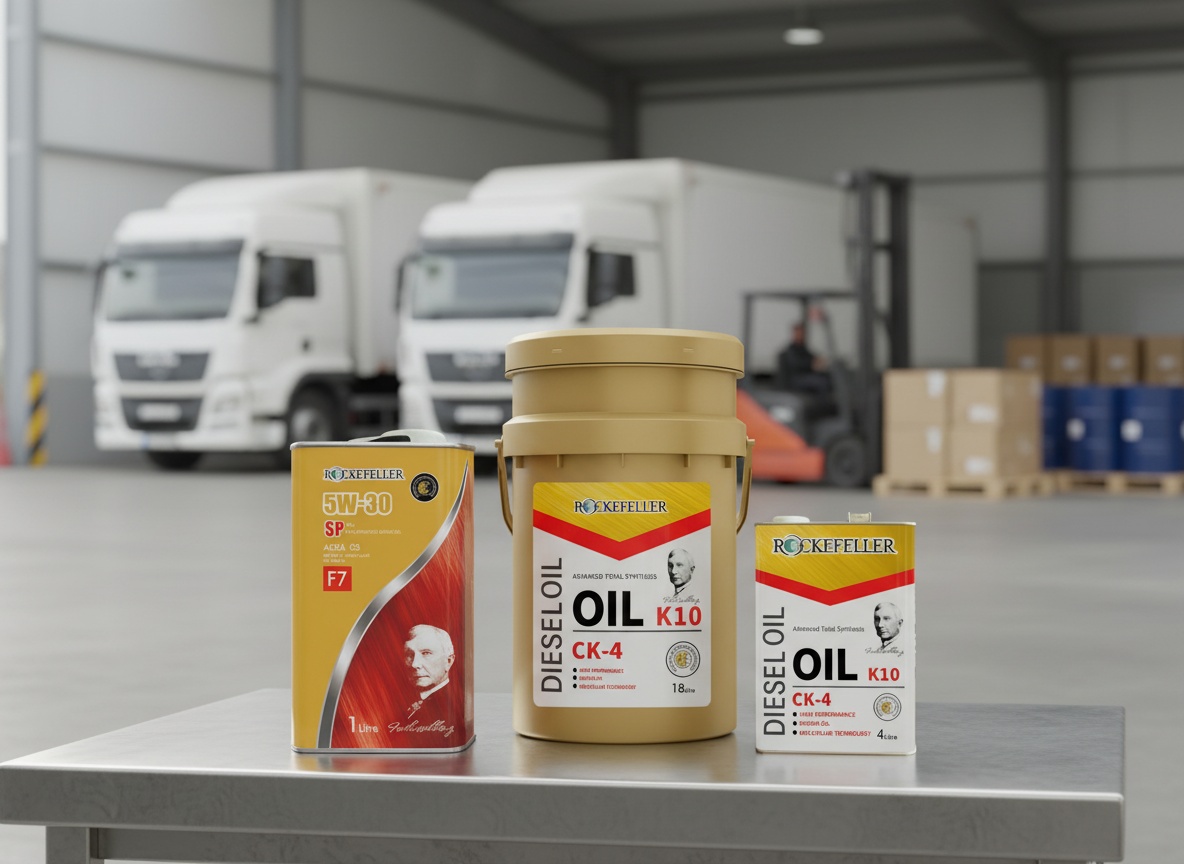
| Feller | Thailand, Southeast Asia, and export markets | Supports OEM, wholesale, and brand building with competitive costs | Full synthetic, semi-synthetic, and complete lubricant product line |
This table is suitable for both end-users and business buyers because it highlights how each supplier has different strengths—some excel in retail channels, some in OEM branding, and others cater more to fleets or distributors.
Supplier and product group comparison
Buyer transition trends in Thailand
Thai consumers are shifting from buying “by liter price” to buying “by engine suitability.” Online stores, review videos, and service center information help users better understand terms like API SP, ILSAC GF-6, LSPI, and turbo protection. As a result, full synthetic products are expanding prominently, especially for small turbocharged gasoline cars and hybrids.
At the same time, semi-synthetic oils have not disappeared, as they remain a key market base in upcountry areas and for older vehicles. The transition is gradual, not a complete replacement. Distributors with multi-tier pricing and accurate advice have the highest growth potential.
Recommendations for buyers, workshops, and distributors
If you are a parts shop or workshop in Thailand, you should clearly divide products into three price tiers: full synthetic for new cars, semi-synthetic for general use, and budget options for high-mileage vehicles. This product arrangement helps offer choices based on customer budgets without losing credibility.
Buyers should check technical documents, Thai-language labels, specification clarity, production standards, and delivery continuity—especially if importing via Laem Chabang Port or operating in industrial zones where stock must not run out. Having a supplier who responds quickly to technical questions is more valuable than just getting a low price.
For those wanting to build their own brand, the Thai market still offers opportunities for gasoline engine oils with clear positioning—such as focusing on newer Japanese cars, budget-friendly family cars, or workshops in upcountry areas. Manufacturers that support OEM and adapt packaging to the Thai market will significantly reduce time-to-market.
Feller's role in the Thai market
For buyers in Thailand seeking alternatives to mass brands Feller Feller is a lubricant manufacturer with over 30 years of continuous experience, covering gasoline engine oils from general-grade to high-standard full synthetic. Products are developed in line with international standards such as API, ILSAC, and ACEA, with production systems certified under ISO 9001 and ISO 14001. The blending plant uses nitrogen-blanketing technology to enhance oxidation stability and extend oil life. Feller also offers various service models including wholesale, distribution, OEM/ODM for local brand owners, and supply to service centers, fleets, and end-users with clear specifications. With export experience to over 60 countries and collaboration with more than 500 B2B clients, they understand documentation requirements, label design, and product placement suited to Thailand's hot and humid climate. Importantly, the company has an Asian market network and prioritizes Thailand as a key regional market through pre-sales and after-sales support both online and offline, technical information, product documentation, and fast delivery under a 72-hour logistics system. This assures Thai buyers that they are not dealing with an unsupervised distant exporter but a committed partner building long-term operations in this market. Interested parties can view more company details at About us Explore product categories at Lubricant products Or send commercial inquiries via the Contact Us page
Trends for 2026 in Thailand
In 2026, the Thai market will see three simultaneous changes. First, engine technology is moving toward lower viscosity and dealing with more turbo and hybrid systems, making full synthetic oils—especially 0W-20 and 0W-16 grades—more important. Second, policy and environmental pressures will lead consumers and businesses to look for oils that reduce fuel consumption and support indirect carbon reduction. Third, supply chain sustainability will see B2B buyers prioritize factories with verifiable quality and environmental systems, as well as easy-to-manage packaging waste.
Although electric vehicles are growing, the gasoline engine oil market in Thailand is not shrinking rapidly due to the large number of vehicles in use, and many hybrids still require high-quality oil. The market is not about oil disappearing but upgrading to more specific and efficient formulations.
คำถามที่พบบ่อย
Is full synthetic necessary for all cars?
Not necessary for every car. If the car is lightly used, old, and the manual does not require it, semi-synthetic may be sufficient. But for new cars, turbos, or heavy use, full synthetic is usually better.
Is semi-synthetic worth it in Thailand?
Very worthwhile for most users seeking a balance between price and protection, especially for regular family cars that change oil on time and do not run at high revs continuously.
Does Thailand's hot weather affect oil choice?
Yes, significantly. Heat and traffic cause oil to degrade faster, so choose specifications that match the manual and focus on heat resistance for heavy-use vehicles.
Should you choose based on viscosity or oil type first?
Start with the viscosity and standards specified by the car manufacturer, then decide between full synthetic or semi-synthetic based on usage and budget.
What kind of supplier should Thai businesses choose?
Choose a manufacturer or importer with clear product documents, established standards, consistent delivery, technical service, and a real understanding of the Thai market—especially if intending to brand your own product or expand a distributor network.
Are oils from foreign manufacturers suitable for the Thai market?
Yes, if specifications and labels are adapted to Thai requirements, pre-sales and after-sales services are clear, and cost-to-performance is reasonable for both general users and business buyers.
ข้อสรุปสำหรับการตัดสินใจ
To summarize for immediate use in Thailand, full synthetic engine oil suits users needing high protection, new cars, turbo cars, heavy traffic, and those considering long-term total cost. Semi-synthetic suits general-use vehicles, older cars, and those looking to reasonably control budgets. The best decision is not the most expensive option but the correct specification that matches the manual and real driving conditions in Thailand's climate.

เกี่ยวกับผู้เขียน: Jack Jia
ผมคือ Jack Jia ผู้เชี่ยวชาญด้านเทคนิคและแบรนด์ที่มีประสบการณ์ในอุตสาหกรรมน้ำมันหล่อลื่นมากกว่า 30 ปี ปัจจุบันทำงานที่ Feller Lubricants โดยมุ่งเน้นด้านโซลูชันการหล่อลื่นแบบครบวงจร รวมถึงน้ำมันหล่อลื่นยานยนต์ระดับพรีเมียม น้ำมันอุตสาหกรรม น้ำมันเครื่องดีเซล น้ำมันไฮดรอลิก และน้ำมันเกียร์สำหรับตลาดทั่วโลก ผมได้ให้บริการลูกค้าและแบรนด์ในหลายประเทศและภูมิภาคทั่วโลก พร้อมสร้างความร่วมมือระยะยาวที่มั่นคง ปัจจุบันรับผิดชอบด้านแบรนด์น้ำมันหล่อลื่นระดับสากลและบริการโซลูชันทางเทคนิคของ Feller Lubricants
แบ่งปัน