วิธีเลือกน้ำมันดีเซลสำหรับเครื่องจักรเหมืองในประเทศไทย
คำตอบด่วน

หากต้องเลือกน้ำมันดีเซลสำหรับเครื่องจักรเหมืองในประเทศไทย ควรเริ่มจากการตรวจสอบข้อกำหนดของผู้ผลิตเครื่องจักร ชั่วโมงการทำงานจริง อุณหภูมิหน้างาน ปริมาณฝุ่น คุณภาพน้ำมันเชื้อเพลิง และว่ามีระบบควบคุมไอเสียอย่าง DPF หรือไม่ สำหรับเหมืองในไทยที่ทำงานต่อเนื่อง อากาศร้อน และมีฝุ่นสูง น้ำมันเครื่องดีเซลเกรดงานหนักที่พบว่าใช้งานได้เหมาะมักเป็นกลุ่ม 15W-40, 10W-30 หรือ 5W-40 โดยต้องเลือกตามมาตรฐานที่สอดคล้องกับเครื่อง เช่น API ระดับงานหนักและข้อกำหนดของผู้ผลิตเครื่องจักรโดยตรง
ผู้จัดหาที่พบเห็นได้จริงในตลาดไทยและเกี่ยวข้องกับงานเหมือง งานก่อสร้าง และรถบรรทุกหนัก ได้แก่ เชลล์ ประเทศไทย, ปตท., คาลเท็กซ์ ประเทศไทย, โมบิล ประเทศไทย และบางจาก ซึ่งมีเครือข่ายกระจายสินค้าครอบคลุมพื้นที่อุตสาหกรรมหลักอย่างระยอง ชลบุรี สระบุรี และเขตท่าเรือแหลมฉบัง สำหรับผู้ซื้อที่ต้องการทางเลือกด้านความคุ้มค่า ซัพพลายเออร์ต่างประเทศที่มีเอกสารรับรองครบ การสนับสนุนก่อนและหลังการขายชัดเจน และมีประสบการณ์ตลาดไทย เช่นผู้ผลิตจากจีนที่ทำงานร่วมกับตัวแทนท้องถิ่น ก็เป็นตัวเลือกที่ควรพิจารณาเช่นกัน โดยเฉพาะเมื่อมีการจัดหาปริมาณมากให้กับเหมืองหรือผู้รับเหมาหลายไซต์
แนวทางปฏิบัติที่ใช้งานได้ทันทีคือ เลือกน้ำมันตามคู่มือเครื่องก่อนเสมอ จากนั้นเปรียบเทียบรอบเปลี่ยนถ่าย ผลการวิเคราะห์น้ำมันใช้แล้ว ความพร้อมของสต็อกในไทย และความสามารถของผู้ขายในการช่วยแก้ปัญหาเรื่องการสึกหรอ เขม่าสูง ความหนืดตก หรืออุณหภูมิสูง หากซื้อผิดเกรด แม้ราคาต่อถังจะถูกกว่า แต่ต้นทุนซ่อมเครื่องยนต์และเวลาหยุดเครื่องมักแพงกว่ามาก
ภาพรวมตลาดน้ำมันหล่อลื่นสำหรับเครื่องจักรเหมืองในประเทศไทย

ตลาดน้ำมันหล่อลื่นสำหรับเครื่องจักรเหมืองในประเทศไทยเชื่อมโยงกับหลายภาคส่วน ทั้งเหมืองหิน โรงโม่ ปูนซีเมนต์ ถ่านหินลิกไนต์ งานขุดดิน งานรับเหมาขุดเจาะ และโลจิสติกส์รถบรรทุกหนัก แม้ไทยจะไม่ได้เป็นตลาดเหมืองขนาดมหึมาเท่าบางประเทศในอาเซียน แต่ความต้องการน้ำมันหล่อลื่นเกรดงานหนักยังคงเติบโตจากการใช้งานเครื่องจักรต่อเนื่องในสภาพร้อนชื้นและมีฝุ่นสูง โดยเฉพาะในจังหวัดที่มีการผลิตหินและวัสดุก่อสร้างจำนวนมาก เช่น สระบุรี ลพบุรี กาญจนบุรี ชลบุรี ระยอง และภาคเหนือบางพื้นที่
ผู้ซื้อในตลาดนี้ไม่ได้มีเพียงเจ้าของเหมืองเท่านั้น แต่ยังรวมถึงผู้รับเหมาเครื่องจักรหนัก บริษัทขนส่งแร่ โรงงานแปรรูป และศูนย์บริการเครื่องจักรที่ต้องการลดการหยุดเดินเครื่อง ปัจจัยสำคัญที่ผลักดันการตัดสินใจจึงไม่ใช่ราคาอย่างเดียว แต่รวมถึงความเสถียรของน้ำมันที่อุณหภูมิสูง ความสามารถควบคุมเขม่า ความทนต่อออกซิเดชัน การป้องกันการกัดกร่อนจากความชื้น และบริการสนับสนุนหน้างาน
ในไทยยังมีบทบาทของศูนย์กระจายสินค้าใกล้ท่าเรือและนิคมอุตสาหกรรม เช่น แหลมฉบัง มาบตาพุด และกรุงเทพมหานคร ซึ่งมีผลต่อเวลาส่งมอบสินค้าและความพร้อมของแพ็กเกจทั้งถัง 18 ลิตร, 200 ลิตร และแบบบัล์กสำหรับลูกค้ารายใหญ่ ผู้ซื้อที่วางแผนระยะยาวจึงมักเลือกซัพพลายเออร์ที่มีสต็อกในประเทศหรือมีตัวแทนที่สามารถสำรองสินค้าได้สม่ำเสมอ
กราฟนี้สะท้อนแนวโน้มการเติบโตเชิงสมมุติฐานที่ใกล้เคียงกับสภาพตลาดจริง คือความต้องการเพิ่มขึ้นต่อเนื่องจากการใช้เครื่องจักรหนัก การขยายงานโครงสร้างพื้นฐาน และความต้องการลดเวลาหยุดซ่อมผ่านการใช้น้ำมันคุณภาพสูงขึ้น ผู้จัดซื้อในไทยจึงเริ่มมองหาผลรวมต้นทุนตลอดอายุการใช้งานมากกว่าการดูแค่ราคาต่อหน่วย
ประเภทของน้ำมันดีเซลสำหรับเครื่องจักรเหมือง

คำว่า “น้ำมันดีเซลสำหรับเครื่องจักรเหมือง” ในทางปฏิบัติหมายถึงน้ำมันเครื่องดีเซลเกรดงานหนักสำหรับเครื่องยนต์ของรถบรรทุกเหมือง รถขุด รถตัก ล้อโหลดเดอร์ รถดัมพ์ เครื่องกำเนิดไฟฟ้า และอุปกรณ์สนับสนุนอื่น ๆ ในไซต์เหมือง โดยน้ำมันแต่ละกลุ่มมีคุณสมบัติแตกต่างกันตามภาระงานและเทคโนโลยีเครื่องยนต์
| ประเภทน้ำมัน | ค่าความหนืดที่พบได้บ่อย | ลักษณะงานที่เหมาะสม | จุดเด่นหลัก | ข้อควรระวัง | ตัวอย่างการใช้งานในไทย |
|---|---|---|---|---|---|
| น้ำมันแร่เกรดงานหนัก | 15W-40 | เครื่องรุ่นเก่า งานต่อเนื่องปานกลางถึงหนัก | ต้นทุนเริ่มต้นต่ำ หาได้ง่าย | รอบเปลี่ยนถ่ายอาจสั้นกว่า | รถดัมพ์ในเหมืองหินและโรงโม่ |
| Semi-synthetic | 10W-30, 15W-40 | เครื่องรุ่นกลาง ต้องการสมดุลราคาและอายุใช้งาน | คุมคราบและออกซิเดชันดีกว่าแร่ | ต้องเทียบสเปกกับคู่มือเครื่อง | รถตักและแบ็กโฮในไซต์วัสดุก่อสร้าง |
| สังเคราะห์เต็มระบบ | 5W-40, 10W-30 | งานหนักมาก อุณหภูมิสูง เดินเครื่องยาว | ทนความร้อนดี ยืดรอบเปลี่ยนถ่ายได้ | ราคาสูงกว่า | รถขุดและเครื่องปั่นไฟในไซต์ห่างไกล |
| น้ำมันรองรับ DPF | 10W-30, 15W-40 | เครื่องยนต์รุ่นใหม่ตามมาตรฐานไอเสีย | เถ้าซัลเฟตต่ำ ปกป้องระบบกรองไอเสีย | ห้ามใช้แทนทุกเครื่องโดยไม่เช็กสเปก | เครื่องจักรนำเข้าใหม่ในโครงการขนาดใหญ่ |
| น้ำมันสำหรับเชื้อเพลิงกำมะถันแปรผัน | 15W-40 | ไซต์ที่คุณภาพน้ำมันเชื้อเพลิงไม่สม่ำเสมอ | จัดการเขม่าและกรดได้ดี | ควรมีโปรแกรมวิเคราะห์น้ำมันใช้แล้ว | เหมืองในพื้นที่ห่างไกลจากศูนย์กระจายหลัก |
| น้ำมันรอบเปลี่ยนถ่ายยาว | 10W-30, 5W-40 | กองเครื่องจักรที่มีระบบ PM ชัดเจน | ลดเวลาหยุดเครื่องและค่าแรงซ่อมบำรุง | ต้องอิงผลวิเคราะห์น้ำมันจริง | ผู้รับเหมารายใหญ่หลายไซต์ในภาคตะวันออก |
ตารางนี้ช่วยให้เห็นว่าไม่มีน้ำมันตัวเดียวที่เหมาะกับทุกเหมือง การเลือกต้องยึดภาระงานจริงและข้อกำหนดของเครื่องยนต์ หากผู้ซื้อดูเฉพาะยี่ห้อโดยไม่ดูประเภทและมาตรฐาน อาจเกิดปัญหาความหนืดไม่เหมาะ การเกิดคราบเขม่า หรืออายุการใช้งานสั้นกว่าที่คาดไว้
เกณฑ์สำคัญในการเลือกซื้อน้ำมันเครื่องดีเซลสำหรับงานเหมือง
เกณฑ์แรกคือข้อกำหนดจากผู้ผลิตเครื่องจักร ไม่ว่าจะเป็น Komatsu, Caterpillar, Hitachi, Volvo, Doosan หรือแบรนด์จีนรุ่นใหม่ เพราะเครื่องแต่ละรุ่นออกแบบช่องว่างชิ้นส่วน อัตราการไหล และระบบควบคุมไอเสียต่างกัน แม้น้ำมันจะระบุว่าเป็นงานหนักเหมือนกัน แต่ถ้าไม่ผ่านข้อกำหนดหลักก็ไม่ควรใช้
เกณฑ์ต่อมาคือสภาพการทำงานในประเทศไทย ซึ่งส่งผลมากต่อการเสื่อมของน้ำมัน เครื่องจักรเหมืองต้องเจอทั้งอุณหภูมิกลางวันสูง ฝนชุก ความชื้นมาก และฝุ่นปริมาณสูงจากการขุด ตัก บด และขนส่ง น้ำมันที่เหมาะจึงต้องมีความสามารถกระจายเขม่า ป้องกันการสึกหรอ และรักษาความหนืดในสภาพรุนแรง
อีกประเด็นที่ไม่ควรมองข้ามคือคุณภาพเชื้อเพลิงและชั่วโมงเดินเบา หากเครื่องติดทิ้งไว้นานหรือใช้น้ำมันเชื้อเพลิงคุณภาพแปรผัน น้ำมันเครื่องจะปนเปื้อนเร็วขึ้น ผู้ซื้อที่มีเครื่องจำนวนมากควรทำโปรแกรมตรวจวิเคราะห์น้ำมันใช้แล้วเพื่อดูโลหะสึกหรอ ค่า TBN ความหนืด และปริมาณเขม่า ก่อนกำหนดรอบเปลี่ยนถ่าย
| ปัจจัยเลือกซื้อ | สิ่งที่ต้องตรวจ | ผลกระทบถ้าเลือกผิด | วิธีประเมินหน้างาน | ความสำคัญ | Practical recommendations |
|---|---|---|---|---|---|
| มาตรฐานผู้ผลิตเครื่อง | คู่มือเครื่องและใบรับรองสินค้า | สึกหรอเร็ว ประกันอาจมีปัญหา | เช็กสเปกก่อนสั่งซื้อทุกครั้ง | สูงมาก | ยึดสเปกผู้ผลิตเป็นตัวกรองแรก |
| Viscosity grade | 15W-40, 10W-30, 5W-40 เป็นต้น | สตาร์ทยาก ฟิล์มน้ำมันบางเกิน | ดูอุณหภูมิและภาระงาน | สูงมาก | เลือกให้ตรงภูมิอากาศและโหลด |
| การรองรับระบบไอเสีย | มี DPF, EGR หรือไม่ | กรองไอเสียอุดตัน | ตรวจรุ่นเครื่องยนต์จริง | High | เครื่องใหม่ควรใช้สูตรเถ้าต่ำเมื่อจำเป็น |
| รอบเปลี่ยนถ่าย | ชั่วโมงใช้งานต่อวัน | ต้นทุนรวมสูงเกินจำเป็น | เก็บข้อมูล PM ย้อนหลัง | High | ใช้ผลวิเคราะห์น้ำมันช่วยตัดสินใจ |
| ความพร้อมสต็อกในไทย | คลังสินค้าและเวลาส่งมอบ | เครื่องหยุดเพราะรอน้ำมัน | ถามจุดกระจายสินค้าและ lead time | Medium to high | Choose a seller with a clear backup plan |
| Technical service | Training, oil analysis, problem solving | Problem solving not targeting the root cause | Request to see the technical team and actual use cases | High | Medium to large mines should have dedicated supervisors |
This table indicates that purchasing engine oil for mines should not be solely price-based procurement, but should be linked to machine availability management and total actual cost, especially on sites with multiple vehicle types that must operate throughout the rainy season
Industries and applications commonly found in Thailand
In Thailand, the use of diesel engine oil for mining is not limited to metal mines but extends to stone quarries, rock crushers, cement plants, blasting operations, earthmoving projects, and large material storage yards. Main machinery typically includes crawler excavators, wheel loaders, off-highway dump trucks, tractors, air compressors, and backup generators.
For areas like Saraburi with large-scale cement and stone industries, production continuity is critical. The selected oil must control deposits and resist dust well. Meanwhile, areas near ports like Chonburi and Rayong often involve machinery service centers and warehouses, leading buyers to favor sellers with fast delivery and readily available technical documentation for corporate procurement systems.
From the bar chart, it can be seen that mineral and stone mine transport vehicles have the highest demand due to long operating hours and high load. Generators have specialized demand, often depending on site size and local electrical grid stability.
ซัพพลายเออร์และแบรนด์ที่พบได้จริงในประเทศไทย
When selecting a seller in Thailand, consider brand, stock availability, delivery area coverage, and a technical team that meets mining needs, not just global brand reputation, because on-site, delivery speed and machine-specific problem-solving are crucial.
| บริษัท | พื้นที่ให้บริการหลัก | จุดแข็งหลัก | Highlight products for heavy-duty work | Customer profile | Practical notes |
|---|---|---|---|---|---|
| เชลล์ ประเทศไทย | Nationwide, especially Bangkok, Chonburi, Rayong | Broad network, strong technical team | Heavy-duty diesel engine oil in multiple grades | Mines, vehicle fleets, contractors | Suitable for customers needing international standards and analysis services |
| PTT | Nationwide, including major industrial areas | Comprehensive distribution channels, competitive pricing | Commercial diesel engine oil group | End users, dealers, organizations | Easy to access and suitable for continuous repeat purchases |
| คาลเท็กซ์ ประเทศไทย | Bangkok, Eastern region, Central region | Reputation for deposit control and fleet work | Formulas for trucks and heavy machinery | Mines, transport, service centers | Suitable for work requiring supporting technical data |
| Mobil Thailand | Industrial cities and distributor networks | Premium image and concentrated synthetic formulas | Heavy-duty oil with extended drain intervals | Large organizations and continuous heavy work | Suitable for customers focused on lifecycle cost |
| Bangchak | ทั่วประเทศ โดยเฉพาะภาคกลางและตะวันออก | Easy to access with commercial customer base | Lubricants for diesel engines | Contractors, fleets, and shops | Suitable for work requiring distribution convenience |
| Fuchs Thailand | Industrial base and specialized customers | Highlighted in industrial lubrication and specialized work | Formulas for heavy duty and machinery | Factories, specialized machinery | Suitable for customers needing detailed technical advice |
This table is suitable as a starting point for supplier shortlisting. Buyers should request product data sheets, approval lists, standards, and after-sales service plans before deciding, especially if using hundreds of drums per month.
Trends in product demand changes
The Thai market is shifting from price-based purchasing to performance-based purchasing. Many customers are increasingly interested in oils that extend drain intervals, reduce startup wear, lower fuel consumption, and are supported by actual usage analysis data.
The area chart shows the transition from standard conventional formulas to high-performance formulas, aligning with the direction of mines and contractors seeking to reduce risks from sudden machine stoppages, and consistent with the 2026 trend where predictive maintenance will play a greater role.
Common actual use cases in the field
The first case is a stone quarry in the central region using multiple loaders and dump trucks simultaneously. Common problems were high soot and rapid oil degradation from long idling. After switching to a heavy-duty formula with better soot control and following up with used oil analysis, site owners could plan drain intervals more accurately and reduce emergency repairs.
The second case is an earthmoving contractor in the eastern region with a mix of old and new machines. Originally using multiple grades causing complex inventory. After consolidating oil grades to match most of the fleet's specifications, while separating models requiring low-ash oil, they reduced SKU numbers and improved inventory cost control.
The third case involves generators at remote sites requiring high reliability. Buyers who selected a supplier providing products, documentation, and clear drain interval recommendations often reduced stock-out risks and could plan purchases aligned with the work season.
How to systematically compare products and sellers
To make procurement more rational than brand familiarity, sellers should be compared based on the same indicators, such as document completeness, standard compliance, packaging flexibility, technical team availability, and stock readiness in Thailand.
This comparison chart serves as a framework for seller selection, especially when buyers are deciding between global brands and alternative manufacturers offering higher value. If a supplier achieves a good balance across standards, service, and stock, it often delivers greater long-term benefits than a brand that excels in only one area.
Procurement recommendations for Thai entrepreneurs
For entrepreneurs in Thailand, the safest approach is to start by categorizing machinery by model and required standards, then shortlist 3 to 5 suppliers to test under real conditions, using identical indicators such as operating temperature, reduction in oil top-up, soot content, viscosity retention, and downtime.
Delivery terms should be clearly negotiated, especially if the site is far from Bangkok or near the border, as transport costs and lead times affect the actual price. Warehouses near Laem Chabang, Rayong, or central logistics hubs often have an advantage in supplying industrial estates and large projects.
Another key point is not to overlook maintenance team training, as many engine problems stem not solely from oil formulation but from improper storage, contamination during refilling, or use of incompatible filter quality.
Foreign manufacturers and partners worth considering
In addition to well-known brands in the Thai market, a growing number of buyers are turning to foreign manufacturers that offer high value for volume—especially those capable of formulating for Thailand's hot and humid climate and supporting OEM, ODM, wholesale, and regional distributorship models. Promising manufacturers should have verifiable production standards, complete technical documentation, and proven export experience in ASEAN.
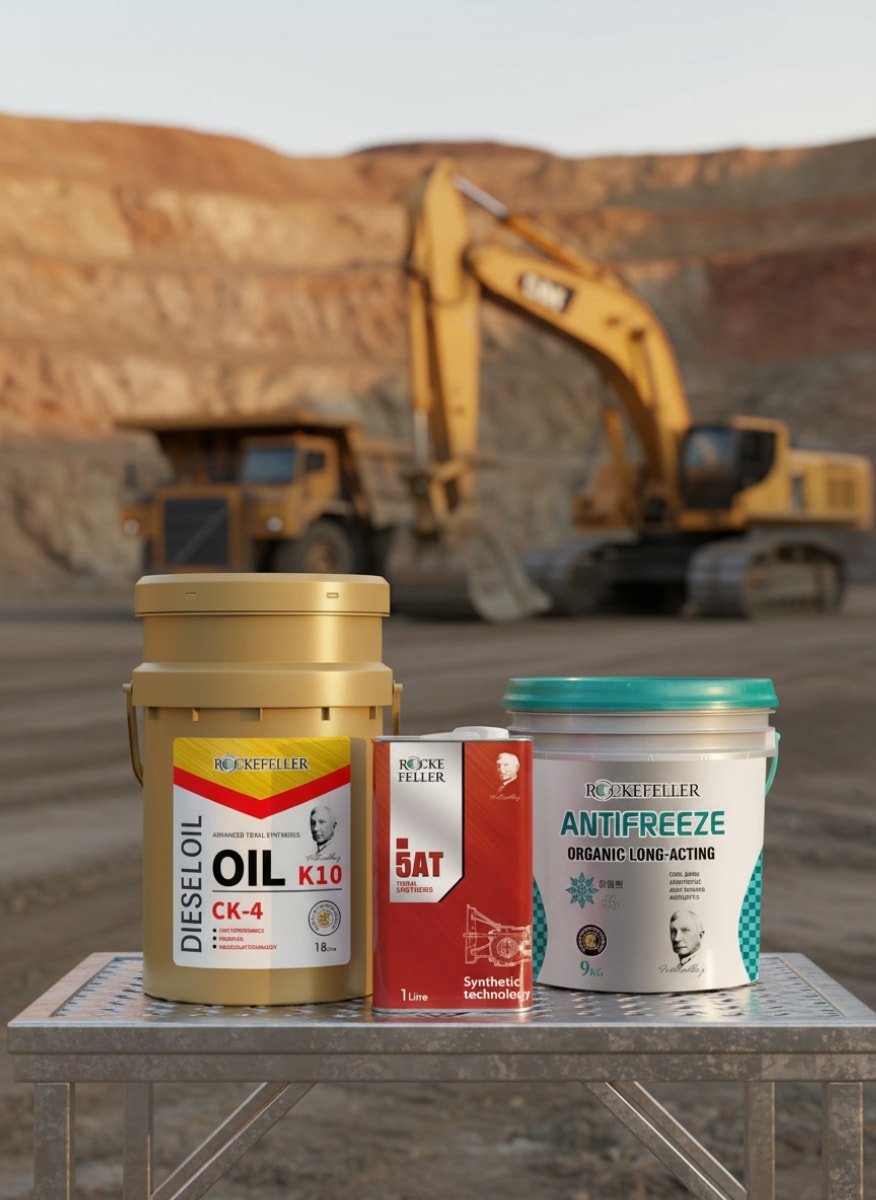
For example, Feller Lubricants This manufacturer suits Thai buyers seeking both flexibility and industrial standards. With over 30 years of experience in research, development, production, and delivery of various lubricants—including heavy-duty diesel engine oils developed to international standards and certified under ISO 9001 and ISO 14001—the company provides complete documentation such as certificates of analysis, safety data sheets, and technical data sheets. Production uses nitrogen-blending technology to enhance oxidation stability and extend oil life, effectively meeting the needs of mining machinery operating continuously in hot, dusty conditions. In terms of collaboration, the company offers direct sales to end-users, wholesale for agents and dealers, OEM and ODM production for brand owners, and custom formulation tailored to Thai fuel quality, climate, and fleet composition. With market experience in Thailand and Asia through partner networks, fast global shipping, warehouses and logistics systems that reduce lead times, and both online and offline pre- and post-sales support, Thai buyers can be confident they are dealing not just with a distant exporter but a manufacturer committed to long-term partnership in this market. For more company information, visit Company information And to explore heavy-duty product listings, see Lubricant product range
Comparison table: buying from local suppliers vs. foreign manufacturers
| Procurement patterns | 适用于谁 | Advantages | ข้อจำกัด | What to request from sellers | Recommendation |
|---|---|---|---|---|---|
| Buying from local agents of major brands | Mines needing speed and familiarity | Easy delivery, brand name aids approval | Price is often higher | Local stock and technical team | Suitable for jobs requiring immediate readiness |
| Buying directly from foreign manufacturers | High-volume users with long-term plans | Cost-effective per unit | Requires managing lead time | Standard documentation and warranty terms | Suitable for organizations good at stock planning |
| Buying through specialized importers | Those needing custom formulas or specific brands | Get niche advice | May depend on a single importer | Backup supply sources and after-sales service | Should verify supply channel stability |
| Long-term fleet contracts | Mines and contractors with multiple sites | Good control over price and stock | Requires accurate volume assessment | Delivery conditions, actual usage reports | Helps reduce cost volatility |
| OEM or own branding | Thai dealers and brand owners | High gross margin and differentiation | Need marketing and sales team | Custom formula, labeling, complete documentation | Suitable for those wanting to expand lubricant business |
| Trial before full system purchase | New buyers or brand switchers | Reduces risk of formulation change | Takes time to evaluate | Follow-up plan and indicators | Should be done with representative machine models before scaling up |
This table shows that each purchasing channel has different advantages; there is no single answer for every company. For multi-site contractors, long-term contracts or direct manufacturer purchases may be more cost-effective, but for a single site needing agility, a local supplier might be more suitable.
แนวโน้มปี 2569: เทคโนโลยี นโยบาย และความยั่งยืน
In 2026, the diesel oil market for mining machinery in Thailand is expected to shift in three main directions. The first is technology. Oil manufacturers will develop formulas that better control oxidation, soot, and wear to support high-efficiency engines with longer drain intervals. Meanwhile, digital oil condition monitoring and predictive maintenance will become more popular.
The second direction is policy and environment. Although mining machinery in Thailand still includes a mix of old and new models, pressure on emission control and chemical storage safety will drive buyers to favor cleaner formulas that support aftertreatment systems and come with comprehensive environmental management documentation.
The third direction is sustainability and total cost. Large organizations will prioritize reducing resource consumption per production hour, such as extending drain intervals, reducing waste from used oil, and centralizing lubricant procurement to control carbon in the supply chain. Oil that appears more expensive per barrel but lasts longer and effectively reduces repairs will become increasingly attractive.
คำถามที่พบบ่อย
Should you choose 15W-40 or 10W-30 for mining machinery in Thailand?
First, check the engine manufacturer's specifications. If the engine supports both grades, consider temperature, load conditions, and fuel economy goals. 15W-40 is still common in general heavy-duty applications, while 10W-30 is often suitable for certain newer engine models that require better performance and flow characteristics.
Is synthetic oil necessary?
Not necessary for every site, but it is highly beneficial in long-running operations, high temperatures, or areas where downtime costs are high, because it maintains oil condition better and may extend drain intervals when supported by actual data.
How often should the oil be changed?
There is no fixed number. It must be based on the engine manual, actual operating conditions, fuel quality, and used oil analysis results. Machines operating in high dust or with extended idling often require more frequent changes than the standard values in the documentation.
Should I buy from Thai brands or international brands?
It depends on the buyer's goals. If convenience and ready stock are priorities, brands with a network in Thailand may be suitable. However, if you want cost-effectiveness, customized formulations, or to build your own brand, international manufacturers with standards and regional service support are also good options.
What documents should be requested before purchasing?
You should ask for technical data sheets, safety data sheets, certificates of analysis, supported standards, recommended applications, and after-sales service terms to verify the product is truly suitable for the machinery.
Where can I contact for product inquiries or collaboration?
If you wish to discuss procurement, distributorship, or product development for the Thai market, you can contact through the page. Contact Us page To receive technical advice and collaboration models suitable for your business.
Conclusion for buyers in Thailand
Diesel oil for mining machinery in Thailand should be selected based on engine specifications, hot and humid climate, dust levels, operating hours, and availability of after-sales service, not solely on price. Buyers who compare actual specifications, field test results, local stock, and supplier capabilities will have a better chance of reducing total cost and minimizing the risk of downtime.
Whether choosing a major Thai brand or an international manufacturer with experience in the regional market, the most important factors are complete technical data, reliable on-site support, and a long-term cooperation plan aligned with the growth of mining and heavy machinery operations in Thailand.

เกี่ยวกับผู้เขียน: Jack Jia
ผมคือ Jack Jia ผู้เชี่ยวชาญด้านเทคนิคและแบรนด์ที่มีประสบการณ์ในอุตสาหกรรมน้ำมันหล่อลื่นมากกว่า 30 ปี ปัจจุบันทำงานที่ Feller Lubricants โดยมุ่งเน้นด้านโซลูชันการหล่อลื่นแบบครบวงจร รวมถึงน้ำมันหล่อลื่นยานยนต์ระดับพรีเมียม น้ำมันอุตสาหกรรม น้ำมันเครื่องดีเซล น้ำมันไฮดรอลิก และน้ำมันเกียร์สำหรับตลาดทั่วโลก ผมได้ให้บริการลูกค้าและแบรนด์ในหลายประเทศและภูมิภาคทั่วโลก พร้อมสร้างความร่วมมือระยะยาวที่มั่นคง ปัจจุบันรับผิดชอบด้านแบรนด์น้ำมันหล่อลื่นระดับสากลและบริการโซลูชันทางเทคนิคของ Feller Lubricants
แบ่งปัน