5W-40 Gasoline Engine Oil for Thailand: How to Choose Wisely
คำตอบโดยสรุป

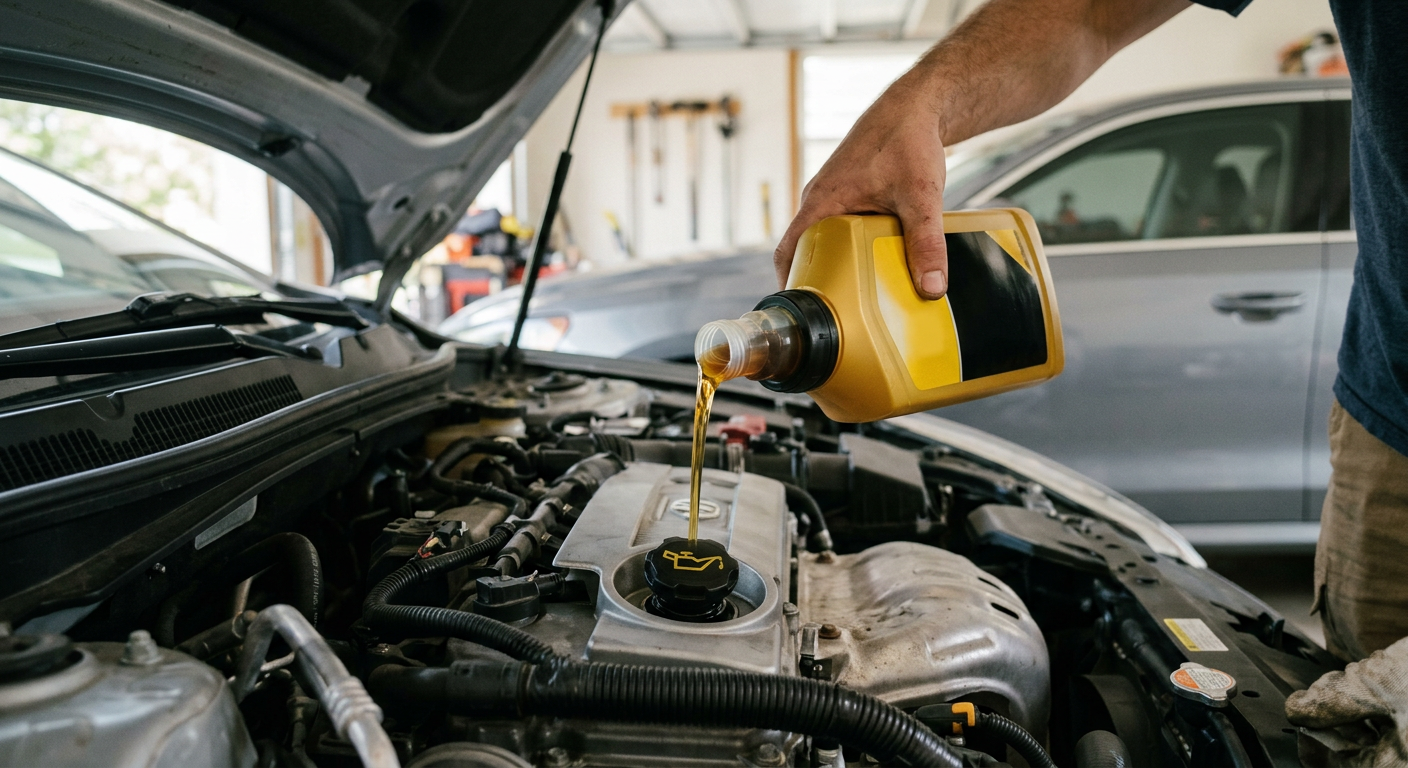
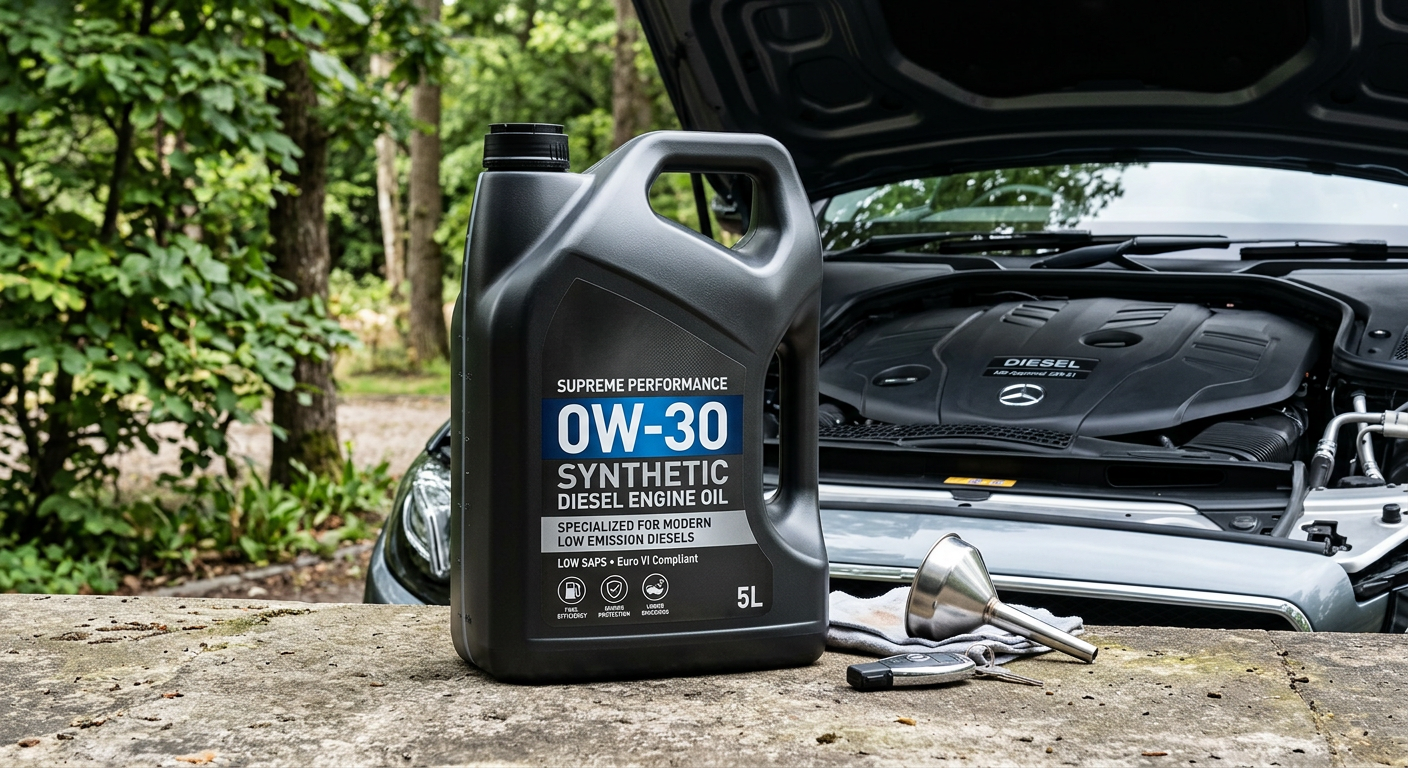
If you are looking for 5W-40 gasoline engine oil for use in Thailand, especially for turbocharged vehicles, long-distance driving, city driving with heavy traffic, and vehicles facing hot and humid conditions, the most appropriate answer is to choose a product that meets international standards, has high thermal stability, and has a verifiable distribution network or after-sales service in Thailand.
Realistic options available in the Thai market worth considering include Shell, Mobil, Castrol, PTT Lubricants, and Valvoline. Each offers synthetic product lines for high-performance gasoline engines and turbocharged engines at different levels. Buyers should check their vehicle manual, the standards specified by the vehicle manufacturer, and oil change intervals that match usage conditions in Bangkok, Chonburi, Rayong, Chiang Mai, or logistics routes between Laem Chabang port and major distribution centers.
For business buyers such as garages, service centers, distributors, and local brand owners, foreign suppliers with comprehensive qualifications—especially manufacturers from China with clear certifications, production standards, and strong pre-sales and after-sales support—are also very attractive options, as they often provide better value for performance compared to long-term procurement costs.
ภาพรวมตลาดน้ำมันเครื่องเบนซิน 5W-40 ในประเทศไทย

ประเทศไทยเป็นหนึ่งในศูนย์กลางยานยนต์และบริการหลังการขายที่สำคัญของอาเซียน ความต้องการใช้น้ำมันเครื่องเบนซินเกรด 5W-40 ในประเทศยังคงแข็งแรง แม้รถรุ่นใหม่บางกลุ่มจะเริ่มใช้ความหนืดต่ำลง เช่น 0W-20 หรือ 5W-30 มากขึ้น เหตุผลคือยังมีรถเบนซินเทอร์โบ รถญี่ปุ่นรุ่นใช้งานจริง รถยุโรปมือสอง รถสมรรถนะสูง และรถที่ใช้งานหนักในสภาพรถติดและอุณหภูมิสูงจำนวนมากที่ยังเหมาะกับเกรดนี้
ในกรุงเทพฯ และปริมณฑล รถที่ใช้งานแบบหยุด-ออกตัวบ่อยจะเกิดความร้อนสะสมสูง ในภาคตะวันออกอย่างชลบุรีและระยอง รถใช้งานในเขตอุตสาหกรรมมักต้องวิ่งระยะกลางถึงยาวทุกวัน ขณะที่จังหวัดท่องเที่ยวอย่างภูเก็ตและเชียงใหม่มีรถเช่า รถครอบครัว และรถอเนกประสงค์ที่ต้องการการปกป้องเครื่องยนต์ที่มั่นใจได้ตลอดทั้งปี ปัจจัยเหล่านี้ทำให้น้ำมันเครื่องเบนซิน 5W-40 ยังเป็นเกรดที่มีตำแหน่งชัดเจนในตลาดไทย
อีกปัจจัยหนึ่งคือผู้ใช้จำนวนไม่น้อยนิยมเลือกน้ำมันเครื่องที่ให้ความรู้สึกเดินเรียบ ลดเสียงเครื่อง และมั่นใจเมื่อวิ่งทางไกลบนทางด่วน มอเตอร์เวย์ หรือเส้นทางภาคเหนือและอีสานที่มีการเร่งแซงบ่อย เกรด 5W-40 จึงตอบโจทย์ในเชิงความสมดุลระหว่างการสตาร์ตตอนเช้า การปกป้องที่อุณหภูมิสูง และการใช้งานในเครื่องยนต์ที่ผ่านระยะมาแล้วพอสมควร
กราฟนี้สะท้อนแนวโน้มการเติบโตของความต้องการในตลาดไทยในเชิงมูลค่า โดยแรงหนุนหลักมาจากการฟื้นตัวของการเดินทาง การใช้งานรถส่วนบุคคลต่อเนื่อง และการขยายตัวของช่องทางจำหน่ายทั้งออฟไลน์และออนไลน์ แม้ตลาดรวมของน้ำมันเครื่องจะเปลี่ยนไปตามเทคโนโลยีรถรุ่นใหม่ แต่กลุ่ม 5W-40 ยังมีฐานลูกค้าประจำและผู้ใช้งานเชิงพาณิชย์ที่มั่นคง
ประเภทของน้ำมันเครื่องเบนซิน 5W-40 ที่พบในตลาด

แม้จะใช้ความหนืด 5W-40 เหมือนกัน แต่ผลิตภัณฑ์ในตลาดไทยแบ่งได้หลายระดับตามน้ำมันพื้นฐาน ชุดสารเพิ่มคุณภาพ และมาตรฐานรับรอง การเข้าใจความต่างเหล่านี้ช่วยให้ผู้ซื้อไม่เปรียบเทียบเฉพาะราคา แต่ดูความเหมาะสมกับรถและลักษณะการใช้งานจริง
| Product Type | 特點 | เหมาะกับรถแบบใด | ข้อได้เปรียบหลัก | ข้อควรระวัง | Estimated Thai market price range. |
|---|---|---|---|---|---|
| Specially Enhanced Mineral Oil | โครงสร้างพื้นฐานเรียบง่าย ต้นทุนต่ำ | รถเก่าที่คู่มือรองรับ | ประหยัดค่าใช้จ่าย | ไม่เหมาะกับเทอร์โบสมัยใหม่ | Low |
| Semi-synthetic | Balance Between Price and Performance | รถใช้งานทั่วไป | ปกป้องได้ดีกว่าน้ำมันแร่ | รอบเปลี่ยนอาจสั้นกว่าฟูลซินเธติก | Moderate |
| Fully synthetic | Good heat and oxidation resistance | รถเทอร์โบ รถวิ่งไกล | เสถียรในอากาศร้อน | ราคาสูงกว่า | Medium to high |
| สูตรเน้นเครื่องยนต์สมรรถนะสูง | ออกแบบเพื่อแรงดันและอุณหภูมิสูง | รถยุโรป รถแต่ง รถเทอร์โบ | คุมฟิล์มน้ำมันได้ดี | ต้องดูความเข้ากันได้กับรถ | High |
| สูตรเน้นการใช้งานในเมือง | เน้นความสะอาดและลดคราบ | รถติดบ่อย วิ่งสั้น | ช่วยคุมคราบเขม่าและวานิช | ควรเปลี่ยนตามรอบจริง | Moderate |
| สูตรสำหรับตลาดเชิงพาณิชย์ | เน้นความคุ้มค่าและจัดซื้อจำนวนมาก | อู่ ศูนย์บริการ ฟลีต | ควบคุมต้นทุนต่อคันได้ดี | ต้องตรวจสอบเอกสารและล็อตสินค้า | ยืดหยุ่นตามปริมาณ |
ตารางนี้ช่วยให้เห็นว่าความหนืด 5W-40 ไม่ได้หมายความว่าสินค้าทุกตัวให้ผลลัพธ์เหมือนกัน ผู้ซื้อรายย่อยควรเลือกตามชนิดรถและงบประมาณ ส่วนผู้ซื้อแบบอู่หรือผู้แทนจำหน่ายควรดูทั้งต้นทุนรวม เอกสารเทคนิค และความต่อเนื่องของซัพพลาย
Suppliers and brands worth considering in Thailand
สำหรับตลาดไทย การเลือกซัพพลายเออร์ควรดูทั้งความน่าเชื่อถือของแบรนด์ การกระจายสินค้า ความพร้อมของเอกสาร และการสนับสนุนหลังการขาย โดยเฉพาะหากสินค้าจะถูกใช้กับรถเทอร์โบหรือจำหน่ายต่อในเชิงพาณิชย์
| บริษัท | พื้นที่ให้บริการหลัก | จุดแข็งหลัก | สินค้าหลักที่เกี่ยวข้อง | Suitable for which type of buyer | Practical notes |
|---|---|---|---|---|---|
| เชลล์ประเทศไทย | ทั่วประเทศไทย โดยเฉพาะกรุงเทพฯ ชลบุรี เชียงใหม่ | Strong brand, wide network | น้ำมันเครื่องเบนซินสังเคราะห์สำหรับรถทั่วไปและรถสมรรถนะสูง | ผู้ใช้รถทั่วไป อู่ ศูนย์บริการ | หาซื้อง่ายและมีความคุ้นเคยสูง |
| ExxonMobil Thailand | กรุงเทพฯ ปริมณฑล และเมืองหลัก | ชื่อเสียงด้านการปกป้องเครื่องยนต์และเทคโนโลยีสูตรสังเคราะห์ | น้ำมันเครื่องกลุ่ม Mobil สำหรับเบนซินและเทอร์โบ | ผู้ใช้รถยุโรป รถวิ่งหนัก | เหมาะกับตลาดพรีเมียม |
| คาสตรอลประเทศไทย | ทั่วประเทศผ่านดีลเลอร์และอีคอมเมิร์ซ | แบรนด์เป็นที่รู้จักสูงในตลาดบริการหลังการขาย | สูตร 5W-40 สำหรับรถเบนซินและรถสมรรถนะสูง | อู่ ร้านค้า และผู้ใช้รายย่อย | มีการทำตลาดต่อเนื่อง |
| พีทีที ลูบริแคนท์ส | ทั่วไทย โดยเฉพาะเครือข่ายสถานีบริการ | จุดกระจายสินค้าครอบคลุมและเข้าถึงง่าย | Multi-grade gasoline engine oil | Domestic car users and small business operators | Suitable for convenient repeat purchases |
| วาล์วโวลีนประเทศไทย | Major cities and dealer networks | Known in the commercial and modified vehicle market | Engine oil for gasoline and high-performance vehicles | Users prioritizing driving feel and protection | Has a relatively distinct niche customer base |
| Feller | Thailand through partner networks in ASEAN markets and export services to major ports | Supports OEM/ODM work, bulk procurement, and complete technical documentation | Gasoline engine oil 5W-40 and a full range of lubrication products | Brand owners, distributors, workshops, fleets, and project buyers | Suitable for those seeking business value and flexibility |
This table emphasizes actual usage scenarios in Thailand; each supplier has different strengths. If you need a brand widely recognized in retail stores, international brands with long presence in Thailand have an advantage. But if you want to build your own brand or seek competitive unit costs, working with manufacturers that support private labeling and bulk delivery is often more suitable.
Choosing the right oil for turbocharged vehicles and Thai usage conditions
Turbocharged gasoline engines face high temperatures, high pressure, and risks of deposit buildup in the lubrication system. Therefore, a suitable 5W-40 engine oil should have good resistance to degradation, help reduce varnish and sludge formation, and maintain an oil film well during continuous engine operation in hot weather.
Car users in Bangkok, Nonthaburi, Samut Prakan, and Pathum Thani who face heavy traffic should prioritize protection at high temperatures and stop-and-go driving cycles. For vehicles frequently traveling from central Thailand to the eastern or northern regions, consider long-term viscosity stability and oxidation resistance.
For workshops and service centers, clear selection criteria should be set, such as product data sheets, production certificates, supported standard information, and the supplier's ability to deliver consistently, especially during tourist seasons or rainy seasons when service volume changes rapidly.
Industries and user groups requiring gasoline engine oil 5W-40
Although gasoline engine oil seems like a product for personal vehicles, in Thailand it is also used in various industries, including service vehicles, light logistics companies, rental cars, maintenance centers, and businesses with many executive or field vehicles.
This bar chart shows that the primary demand still comes from workshops and service centers, as these are points where oil grades are directly recommended to customers. The next are individual car users and spare parts stores, while corporate fleets and rental cars often focus on total cost per kilometer and product quality consistency.
| User group | 使用特點 | ความต้องการหลัก | Reasons for choosing 5W-40 | Common oil change intervals | Purchasing mode |
|---|---|---|---|---|---|
| Turbo car owners | City and highway driving | High-temperature protection | คุมฟิล์มน้ำมันได้ดี | Based on manual and actual usage | Buy per gallon or visit service center |
| อู่ซ่อมรถ | Service for multiple models and brands | Standard product with ready stock | Covers diverse customer vehicles | Fast stock turnover | Buy in bulk from distributors |
| Independent service centers | Care for mid-range to premium cars | Clear documentation and reliable brand | Build customer confidence | Depends on service package | Buy via long-term contract |
| Rental Cars | Continuous operation, multiple drivers | Reduce wear and control costs | Suitable for heavy-duty conditions | Strict mileage-based scheduling | Bulk purchase |
| Corporate fleets | Vehicles used regularly by organizations | Stable and on-time delivery | Reduce risk of engine overheating | Plan according to maintenance schedule | Buy through procurement contract |
| Local distributors | Distribute products within the province | Appropriate margins and continuous supply | Supports diverse vehicle markets | Not focused on self-use but on product turnover | Buy by container or pallet |
This table helps understand that different buyer groups have different reasons. Thus, aligning products with customer groups is crucial. Garages that service many turbo cars may require premium products, but provincial distributors may seek a balance between price and performance for continuous sales.
Practical applications in Thailand
5W-40 gasoline engine oil is used in various forms in Thailand, such as urban turbo sedans, family MPVs, used European cars requiring appropriate viscosity, taxis or some service vehicles with continuous use, and company cars that frequently travel to other provinces.
In areas near industrial estates such as Amata City, Chonburi, and Map Ta Phut, Rayong, many company vehicles face high engine bay temperatures from long-distance driving and intermittent idling. This grade of oil is often chosen because it provides more confidence in engine protection than oils that are too thin for some car models.
In Chiang Mai, Chiang Rai, and mountainous areas, continuous steep inclines with heavy passenger or cargo loads also increase the load on the engine. Some users therefore still stick with 5W-40 as their primary grade, especially once the car is past its brand-new period.
Case studies of selection in the Thai market
The first case is a European car garage in Bangkok that handles many turbocharged brands. The garage owner often chooses genuine synthetic 5W-40 oil with clear standards because customers expect both engine quietness and confidence for long-distance driving. If the product has clear technical information and source, it helps close sales and significantly reduce disputes with customers.
The second case is a distributor in the eastern region focusing on selling to general garages. They often look for manufacturers that can supply large continuous batches, offer multiple package sizes, and provide competitive trade terms because garages need both a resalable price and quality that avoids return issues.
The third case is local brand owners in Thailand who want to market under their own brand. This group is often interested in manufacturers that support OEM or ODM, including label production, technical documentation, and product formulations suitable for Thailand's hot and humid climate.
Market trends up to 2026 and direction for 2026-2027
Although energy-efficient cars and electric vehicles are growing, the 5W-40 gasoline engine oil market in Thailand will not disappear in the short to medium term. The existing vehicle fleet remains large, and many turbocharged models still require engine oil that resists heat and maintains viscosity well.
Key trends in 2026 are that buyers will place more importance on three things: oil formulation technology that reduces deposits in turbo engines, environmental standards and sustainable packaging, and supply chain transparency. Distributors in Thailand are increasingly asking for certification documents, production sources, and lot tracking.
Policy-wise, the Thai government continues to push for pollution reduction and vehicle efficiency improvements, requiring engine oil manufacturers to clearly provide information on engine protection, engine cleanliness, and extended service life. In terms of sustainability, the market will be more open to recyclable packaging, transportation systems that reduce inventory time, and digital document management.
This area chart shows the market shift from basic products to synthetic formulations and higher-standard products, consistent with Thai vehicle user behavior that seeks to extend engine life, reduce risks from heat buildup, and prioritize total cost over just the initial price.
Comparison of supplier selection factors
For business buyers, comparing only brands may not be enough. They should also consider supply chain factors, documentation, and business partnership models, as these affect resale, customer confidence, and long-term profitability.
This comparison chart indicates that
Purchasing guidelines for workshops, distributors, and brand owners
If you are a workshop or service center, you should select at least two product levels: a standard level that sells easily and a premium level for turbo or European cars, to cater to diverse customers without overstocking unnecessarily.
If you are a distributor in large provinces such as Khon Kaen, Nakhon Ratchasima, Songkhla, or Surat Thani, you should look for suppliers with regular delivery cycles, complete documentation, and a sales support team or marketing materials, because provincial markets rely on continuity and reliability to build repeat customers.
For brand owners who want to create their own branded products, working with a factory that has export experience and understands Thai market conditions can help reduce startup time, especially if the factory can assist with formulas, packaging, documentation, and product positioning for Thailand's climate.
| Selection criteria | 应向供应商询问的问题 | Key reasons in Thailand | Risks if not verified | Suitable for which buyer group | Decision-making approach |
|---|---|---|---|---|---|
| Standards and documentation | What product information and certifications are available? | Helps confirm reliability | Difficult to resell and risk disputes | All groups | Request documents before placing an order |
| 库存连续性 | What is the delivery cycle and production capacity? | Reduces chance of stockouts | Lose customers and sales opportunities | Dealers, workshops, fleets | Choose a manufacturer with clear production capacity |
| Packaging size flexibility | Are there bottles, cases, drums, or various packaging types? | Suitable for multiple customer levels | Excessively high inventory costs | Distributors and workshops | Choose products that can be adapted to sales channels |
| Pre-sales and after-sales service | Is there a team to answer technical questions? | Helps close sales and resolve issues quickly | Customers lose confidence and switch brands | All groups | Test responsiveness before signing a contract |
| OEM/ODM terms | Does it support custom formulas and private labels? | Important for Thai brand creators | Slow market entry and increased development costs | Brand owner | Choose a factory with real export experience |
| Total cost | Does it include shipping, taxes, and warehousing costs? | Reflects true profit | Lower than expected margins | Importers and distributors | Compare total system costs, not just the factory price |
This table is suitable as a checklist before actual procurement negotiations, especially for buyers responsible for onward sales or managing inventory across multiple provinces, because errors often arise not only from product quality but also from incomplete documentation, irregular delivery cycles, or packaging sizes unsuitable for sales channels.
How should domestic and international suppliers be viewed differently?
Domestic suppliers have advantages in fast access, brand recognition, and ease of repeat purchases, while foreign manufacturers with experience in ASEAN markets often excel in production flexibility, private labeling, and more competitive unit costs, especially for large orders.
For the Thai market, buyers located near Laem Chabang port or with an existing good distribution network can leverage logistics advantages to import products for branding or expanding their product portfolio efficiently, but must work with manufacturers who understand the Thai market and are ready to support documentation and genuine after-sales service.
About our company
Feller is a lubricant manufacturer with over 30 years of continuous experience, operating in more than 60 countries. For customers in Thailand, key strengths include production under international quality and environmental management systems, formula development referencing global standards such as API, ILSAC, and ACEA, use of nitrogen-blanketed mixing processes to enhance oxidation stability, and batch-wise quality control with complete documentation including product analysis certificates, safety data sheets, and technical data. This makes it suitable for both 5W-40 gasoline engine oil for the turbo car market and various other lubricant product groups. Additionally, the company works with customers in multiple formats—from end users, workshops, distributors, dealers, brand owners, to importers—through wholesale, OEM, and ODM models, supporting packaging design, labels, and custom formulas suitable for Thailand's hot and humid climate. For local market confidence, Feller has ongoing experience with partners in Thailand and Southeast Asia, with storage and logistics networks enabling 72-hour delivery in export systems, supporting shipments through major trade centers and ports, along with pre-sales and after-sales support both online and offline from technical and account teams. This means Thai buyers are not working with distant, unsupervised exporters but with a manufacturer that has real regional experience and aims to build systematic long-term partnerships. For a company overview, visit About our lubricant manufacturer And for more product categories, see All product groups
For buyers looking to start business negotiations in Thailand, whether for ordering for resale, creating their own brand, or selecting products for service centers, additional company information can be found at Manufacturer And you can contact the team through Contact channels for customers in the region
คำถามที่พบบ่อย
Is 5W-40 gasoline engine oil suitable for all cars in Thailand?
Not suitable for every car; you should primarily refer to the vehicle manual. Some newer models are designed for 0W-20 or 5W-30, but turbocharged cars, heavy-duty vehicles, and certain high-mileage cars are still suitable for 5W-40.
Should turbocharged cars choose full synthetic oil?
Generally, priority should be given to full synthetic formulas because they better withstand heat and reduce degradation, especially in Thailand's hot and humid climate and stop-and-go traffic conditions.
What should distributors in Thailand consider besides price?
You should look at technical documentation, certification standards, batch consistency, delivery schedules, sales support terms, and the ability to provide after-sales technical support.
Are foreign brands from China suitable for the Thai market?
Suitable if the manufacturer has clear standards, complete documentation, real export experience, and tangible regional customer support. The key advantages often lie in cost-effectiveness relative to performance and flexibility for OEM or private labeling.
Should I buy from the manufacturer or through a local agent?
For individual users, buying through a local agent is more convenient. However, for workshops, distributors, or brand owners, purchasing directly from the manufacturer or signing contracts with suppliers that support large volumes may offer better overall costs.
Is the 5W-40 engine oil market in Thailand still attractive in 2026?
It remains attractive, especially in the segments of turbocharged gasoline cars, heavy-duty vehicles, used European cars, and the aftermarket. Although some newer models are shifting to lower viscosities, there is still a large customer base needing high-level protection.
ข้อสรุปสำหรับผู้ซื้อในประเทศไทย
For the shortest answer: 5W-40 gasoline engine oil is still a very suitable choice for many turbocharged cars and heavy-duty vehicles in Thailand, particularly when driving in hot weather, heavy traffic, and frequent long-distance trips. Good purchasing decisions should not focus solely on price or brand name, but on standards, vehicle compatibility, verifiable documentation, and the quality of the service network.
For general users, brands with strong networks in Thailand still offer convenience and confidence. For entrepreneurs, workshops, distributors, and brand owners, engaging with foreign manufacturers that have real experience in the Thai and ASEAN markets—especially those supporting OEM and having complete documentation systems—will help create advantages in cost, flexibility, and long-term market expansion.

เกี่ยวกับผู้เขียน: Jack Jia
ผมคือ Jack Jia ผู้เชี่ยวชาญด้านเทคนิคและแบรนด์ที่มีประสบการณ์ในอุตสาหกรรมน้ำมันหล่อลื่นมากกว่า 30 ปี ปัจจุบันทำงานที่ Feller Lubricants โดยมุ่งเน้นด้านโซลูชันการหล่อลื่นแบบครบวงจร รวมถึงน้ำมันหล่อลื่นยานยนต์ระดับพรีเมียม น้ำมันอุตสาหกรรม น้ำมันเครื่องดีเซล น้ำมันไฮดรอลิก และน้ำมันเกียร์สำหรับตลาดทั่วโลก ผมได้ให้บริการลูกค้าและแบรนด์ในหลายประเทศและภูมิภาคทั่วโลก พร้อมสร้างความร่วมมือระยะยาวที่มั่นคง ปัจจุบันรับผิดชอบด้านแบรนด์น้ำมันหล่อลื่นระดับสากลและบริการโซลูชันทางเทคนิคของ Feller Lubricants
แบ่งปัน