น้ำมันเครื่องเบนซิน 5W-30 กับ 5W-20 เลือกแบบไหนในประเทศไทย
คำตอบสั้น ๆ

ถ้าต้องการคำตอบตรงประเด็นสำหรับผู้ใช้รถในประเทศไทย น้ำมันเครื่องเบนซิน 5W-20 เหมาะกับรถรุ่นใหม่ที่ผู้ผลิตกำหนดความหนืดต่ำเพื่อช่วยประหยัดเชื้อเพลิง สตาร์ทง่าย และรองรับระบบเครื่องยนต์ที่ออกแบบค่าความฝืดต่ำ ส่วน 5W-30 เหมาะกับรถที่ใช้งานหนักกว่า วิ่งทางไกลบ่อย เจอสภาพรถติด อากาศร้อนจัด เครื่องเริ่มมีระยะทางสะสมมากขึ้น หรือผู้ผลิตระบุว่าสามารถใช้ความหนืดนี้ได้ โดยให้ฟิล์มน้ำมันแน่นกว่าเมื่ออุณหภูมิสูง
สำหรับตลาดไทย หากคู่มือรถระบุใช้ได้ทั้งสองเบอร์ ให้เอนเอียงไปที่ 5W-20 เมื่อเน้นความประหยัดและรถยังใหม่ แต่เลือก 5W-30 เมื่อเน้นการปกป้องในสภาพร้อนชื้น รถติด และการใช้งานต่อเนื่องยาวนาน ในทางปฏิบัติ ผู้ให้บริการที่พบได้บ่อยในไทยและมีผลิตภัณฑ์กลุ่มนี้อย่างชัดเจน ได้แก่ ปตท., บางจาก, เชลล์, คาลเท็กซ์ และโมบิล ขณะที่ผู้ซื้อเชิงพาณิชย์ เช่น อู่ เครือศูนย์บริการ ผู้จัดจำหน่าย และเจ้าของแบรนด์ ก็สามารถพิจารณาซัพพลายเออร์ต่างประเทศที่มีคุณสมบัติรับรองตรงมาตรฐานและมีทีมสนับสนุนก่อนและหลังการขายในไทยได้เช่นกัน เพราะมักได้ความคุ้มค่าด้านต้นทุนต่อคุณภาพที่ดีมาก
Overview of the Gasoline Engine Oil Market in Thailand

ตลาดน้ำมันเครื่องเบนซินในประเทศไทยขับเคลื่อนโดยรถยนต์นั่งส่วนบุคคล รถอเนกประสงค์ และรถใช้งานในเมืองที่เผชิญความร้อนสูง การจราจรหนาแน่น และรอบการขับแบบหยุด-ออกตัวตลอดวัน พื้นที่อย่างกรุงเทพมหานคร นนทบุรี ปทุมธานี ชลบุรี ระยอง เชียงใหม่ และนครราชสีมา เป็นศูนย์กลางความต้องการหลัก เนื่องจากมีทั้งรถบ้าน รถบริษัท และศูนย์บริการจำนวนมาก ขณะเดียวกันเมืองท่าและศูนย์กระจายสินค้าอย่างแหลมฉบังและมาบตาพุดก็มีบทบาทสำคัญต่อการนำเข้า การเก็บสต็อก และการกระจายผลิตภัณฑ์สู่ภูมิภาค
แนวโน้มของตลาดไทยในช่วงไม่กี่ปีที่ผ่านมา คือการขยับไปสู่ความหนืดต่ำขึ้นในรถรุ่นใหม่ โดยเฉพาะกลุ่มที่ต้องการลดการปล่อยไอเสียและเพิ่มอัตราสิ้นเปลืองเชื้อเพลิงที่ดีขึ้น แต่ในทางปฏิบัติ 5W-30 ยังครองความนิยมสูงในรถที่ใช้งานหนัก รถมีอายุการใช้งานเพิ่มขึ้น หรือรถที่วิ่งต่างจังหวัดเป็นประจำ เพราะสภาพอากาศร้อนและชั่วโมงการทำงานของเครื่องยนต์ในประเทศไทยยังทำให้ผู้ใช้จำนวนมากให้ความสำคัญกับการปกป้องระยะยาวไม่แพ้ความประหยัด
เมื่อมองเชิงพาณิชย์ ผู้จำหน่ายน้ำมันเครื่องในไทยต้องตอบโจทย์ทั้งผู้ใช้ทั่วไป อู่ซ่อม ศูนย์บริการ ฟลีทรถยนต์ และร้านอะไหล่ การมีสต็อกหลากหลายระดับ ตั้งแต่น้ำมันแร่ กึ่งสังเคราะห์ ไปจนถึงสังเคราะห์แท้ รวมถึงการถือใบรับรองมาตรฐานที่สอดคล้องกับข้อกำหนดเครื่องยนต์รุ่นใหม่ จึงกลายเป็นจุดตัดสินใจสำคัญของผู้ซื้อ
กราฟนี้สะท้อนภาพรวมเชิงดัชนีของความต้องการน้ำมันเครื่องเบนซินในไทยที่เติบโตอย่างค่อยเป็นค่อยไป โดยแรงหนุนหลักมาจากการเปลี่ยนถ่ายตามระยะของรถใช้งานในเมือง การขยายตัวของศูนย์บริการอิสระ และความสนใจที่เพิ่มขึ้นต่อผลิตภัณฑ์สังเคราะห์แท้ซึ่งช่วยยืดอายุการใช้งานน้ำมัน
ความต่างของ 5W-20 และ 5W-30 แบบที่ใช้งานจริง

ตัวเลข 5W ด้านหน้า หมายถึงพฤติกรรมการไหลในช่วงอุณหภูมิต่ำ ซึ่งสำหรับไทยความแตกต่างด้านการสตาร์ทเช้าไม่ใช่ประเด็นใหญ่เท่าประเทศหนาวจัด จุดต่างสำคัญอยู่ที่เลข 20 และ 30 ด้านหลัง ซึ่งบอกระดับความหนืดเมื่อเครื่องยนต์ทำงานร้อนเต็มที่ โดย 5W-30 จะมีฟิล์มน้ำมันหนากว่า 5W-20 ในอุณหภูมิการทำงาน
นั่นแปลว่า 5W-20 มักให้ความลื่นไหลดีกว่า ลดแรงต้านภายในเครื่องยนต์ และช่วยเรื่องความประหยัดน้ำมันได้บ้าง เหมาะกับรถรุ่นใหม่ที่ช่องว่างภายในเครื่องยนต์ถูกออกแบบให้ทำงานกับน้ำมันความหนืดต่ำ ส่วน 5W-30 เหมาะกับสภาพใช้งานที่โหลดสูงกว่า เช่น วิ่งยาวบนมอเตอร์เวย์ ขึ้นเขา บรรทุกผู้โดยสารเต็มคัน หรือขับในเมืองร้อนเป็นเวลานาน เพราะยังคงความหนาของฟิล์มได้ดีเมื่ออุณหภูมิสูง
อย่างไรก็ตาม คำตอบที่ถูกต้องที่สุดยังอยู่ที่คู่มือประจำรถ หากผู้ผลิตระบุใช้เฉพาะ 5W-20 ผู้ใช้ไม่ควรเปลี่ยนไปใช้ 5W-30 เพียงเพราะคิดว่าหนากว่าแล้วจะดีกว่าเสมอ เพราะระบบวาล์วแปรผัน การไหลไปยังจุดหล่อลื่น และความประหยัดเชื้อเพลิงของรถรุ่นใหม่จำนวนมากถูกออกแบบบนความหนืดเฉพาะ
ตารางเปรียบเทียบ 5W-20 กับ 5W-30 สำหรับผู้ใช้ในไทย
| Comparison Topic | 5W-20 | 5W-30 | 适用于谁 |
|---|---|---|---|
| ความหนืดขณะเครื่องร้อน | บางกว่า | Thicker | Choose according to vehicle manual specifications |
| Fuel economy | Slightly better | Good but emphasizes protection more | City commuter cars and new cars |
| Protection at high temperatures | Sufficient in designed vehicles | Superior in heavy-duty use | Long-distance driving, continuous use vehicles |
| Suitable for high-mileage engines | Depends on engine condition | Usually more suitable | Vehicles starting to show wear |
| Thai traffic conditions | Suitable if the manual supports it | Very popular in stop-and-go traffic and hot weather | Users in Bangkok and major cities |
| Chance to reduce engine noise | Moderate | Usually helps more | Vehicles with increased service age |
| Engine responsiveness | Smooth, light, fast | Firm, stable | Choose according to driving personality |
This table helps show that the choice does not depend on which grade is better, but on how the engine is designed, what environment it is used in, and whether the car owner prioritizes economy or protection.
Types of products found in the market
Although the main question is about viscosity, buyers in Thailand should also consider the oil type, because 5W-20 and 5W-30 are available in both semi-synthetic and fully synthetic, as well as different performance standards, such as standards for modern gasoline cars that require soot control, protection against pre-ignition at low RPM, and compatibility with exhaust systems.
Eco-cars, Japanese sedans, and new family cars in Thailand increasingly use 5W-20 or 0W-20 oil, while sedans, some turbocharged gasoline engines, vehicles used for continuous high-speed driving, or vehicles that have been in service for many years still widely use 5W-30.
| ประเภทผลิตภัณฑ์ | Viscosity range found | จุดเด่น | ข้อควรระวัง | Usage in Thailand |
|---|---|---|---|---|
| น้ำมันแร่ | Often found 10W-40, 15W-40 more | Budget-friendly | Shorter service life | Old cars and general use |
| Semi-synthetic | 5W-30, 10W-40 | สมดุลราคาและสมรรถนะ | Must be changed regularly according to intervals | Mass market in garages and service centers |
| Fully synthetic | 5W-20, 5W-30, 0W-20 | Good thermal stability | ราคาสูงกว่า | Newer cars and high-mileage users |
| Fuel-efficient formula | 5W-20, 0W-20 | Reduce internal friction | Must match vehicle specifications | City commuter cars |
| Heavy-duty protection formula | 5W-30 | Tighter oil film | May not be suitable for cars that require only low grades | Long-distance driving and extreme heat conditions |
| Formula for high-mileage engines | Primarily 5W-30 | Helps reduce oil consumption in some cases | The engine should be checked first. | Many-year-old cars in Thailand |
Therefore, buyers should not only look at the viscosity numbers on the label, but also consider performance standards, base oil type, oil change intervals, and suitability for actual driving behavior.
Purchasing guidelines for car owners and buyers
For individual car owners, the best starting point is the owner's manual, then consider actual usage conditions. If the car runs in Bangkok for several hours a day, encounters traffic jams, runs the air conditioner constantly, and drives on expressways continuously, the heat buildup in the engine compartment will be higher than cars that make short trips in the provinces. If the manual allows multiple grades, 5W-30 often provides more peace of mind in such conditions.
For repair shops, spare parts stores, and independent service centers in Thailand, stocking both 5W-20 and 5W-30 is important because newer Japanese cars, eco-cars, and some multi-purpose vehicles are beginning to require thinner oils to maintain design efficiency, while many cars coming in for service are still in their service life where 5W-30 remains continuously salable.
For organizational buyers such as company fleets or car rental providers, they should consider total cost, not just price per gallon. The right oil can reduce wear, decrease oil consumption, lower the chance of sludge formation, and make oil change intervals more stable, which affects overall costs over the lease period or vehicle lifespan.
Related industries and applications
Although 5W-20 and 5W-30 oils are primarily for gasoline cars, the decision to choose engine oil also relates to several downstream industries in Thailand, including automotive service centers, repair shop networks, spare parts stores, rental fleets, gasoline passenger transport providers, and e-commerce operators with city-based vehicles.
In Bangkok and its suburbs, frequent start-stop driving is a key variable, making oils that maintain engine cleanliness and flow well to lubrication points very important. In tourist provinces and industrial cities like Phuket, Chonburi, and Rayong, driving patterns often mix long-distance with city driving, so there is high demand for 5W-30 in vehicles with high daily operating hours.
This bar chart explains that independent repair shops and service centers have the highest total demand because they must support multiple brands, various age ranges, and multiple viscosity grades, while city-based private cars remain an important market base for thin oils and fuel-efficient formulations.
Real-World Use Cases in Thailand
กรณีแรกคือรถซีดานญี่ปุ่นเครื่องยนต์เบนซินรุ่นใหม่ที่ใช้งานในกรุงเทพฯ ระยะวิ่งต่อปีไม่สูง และเข้าศูนย์ตามกำหนด หากคู่มือระบุ 5W-20 ชัดเจน การใช้ 5W-20 จะเหมาะที่สุด เพราะระบบเครื่องยนต์ถูกออกแบบมาให้ทำงานกับความหนืดนี้เพื่อความลื่นไหลและความประหยัดเชื้อเพลิง
กรณีที่สองคือรถอเนกประสงค์เบนซินอายุ 7 ปี ที่วิ่งกรุงเทพฯ ไปหัวหินหรือพัทยาทุกสัปดาห์ บรรทุกครอบครัวเต็มคัน และมีระยะสะสมสูง หากคู่มือเปิดให้ใช้ 5W-30 ได้ การเปลี่ยนมาใช้ 5W-30 มักช่วยให้เครื่องเดินเรียบขึ้นและเพิ่มความมั่นใจเมื่อขับทางไกลอากาศร้อน
กรณีที่สามคือรถบริษัทในภาคตะวันออก เช่น ระยองและชลบุรี ที่วิ่งรับส่งภายในนิคมอุตสาหกรรมและเมืองใกล้เคียงทุกวัน ผู้จัดซื้อควรพิจารณาสเปกมาตรฐานที่สอดคล้องกับรถทั้งหมด แล้วคัดเลือกหนึ่งหรือสองความหนืดหลักเพื่อลดความซับซ้อนของสต็อก โดยไม่ขัดกับข้อกำหนดผู้ผลิตรถแต่ละรุ่น
ผู้จัดจำหน่ายและแบรนด์ที่พบได้มากในไทย
ในตลาดจริงของไทย ผู้ซื้อสามารถพบผู้เล่นทั้งแบรนด์น้ำมันรายใหญ่ระดับโลก บริษัทพลังงานท้องถิ่น และผู้ผลิตต่างประเทศที่ทำงานผ่านตัวแทนจำหน่ายหรือโมเดลรับจ้างผลิต สำหรับการตัดสินใจเชิงพาณิชย์ ตารางต่อไปนี้สรุปบริษัทที่เกี่ยวข้องกับตลาดน้ำมันเครื่องเบนซิน 5W-20 และ 5W-30 ในไทยอย่างเป็นรูปธรรม
| บริษัท | พื้นที่ให้บริการหลัก | จุดแข็งหลัก | ข้อเสนอสำคัญ | เหมาะกับลูกค้ากลุ่มใด |
|---|---|---|---|---|
| ปตท. น้ำมันและการค้าปลีก | ทั่วประเทศไทย | Extensive station and service center network. | น้ำมันเครื่องรถยนต์เบนซินหลายเกรด ความพร้อมด้านกระจายสินค้า | ผู้ใช้ทั่วไป อู่ ร้านค้า ฟลีท |
| Bangchak | ทั่วประเทศไทย | แบรนด์คุ้นตลาดไทย ช่องทางจำหน่ายครอบคลุม | ผลิตภัณฑ์สำหรับรถยนต์นั่งและธุรกิจบริการ | ร้านอะไหล่ ศูนย์บริการ ผู้ใช้รถบ้าน |
| เชลล์ ประเทศไทย | กรุงเทพฯ ปริมณฑล และต่างจังหวัดหลัก | การรับรู้แบรนด์สูง เทคโนโลยีน้ำมันสังเคราะห์ | กลุ่มผลิตภัณฑ์ 5W-20 และ 5W-30 สำหรับรถรุ่นใหม่ | ศูนย์บริการและผู้ใช้ที่เน้นสมรรถนะ |
| คาลเท็กซ์ ประเทศไทย | ทั่วประเทศไทย | ความแข็งแรงด้านสารเพิ่มคุณภาพและเครือข่ายตัวแทน | ผลิตภัณฑ์เบนซินหลายช่วงความหนืด | อู่ ผู้จัดจำหน่าย และลูกค้าฟลีทบางส่วน |
| เอ็กซอนโมบิล ประเทศไทย | เมืองใหญ่และช่องทางตัวแทน | ภาพลักษณ์พรีเมียม มาตรฐานสากล | น้ำมันเครื่องสังเคราะห์สำหรับรถเบนซินสมรรถนะสูง | ผู้ใช้รถรุ่นใหม่และร้านเฉพาะทาง |
| ไอซิน เอเชีย | Thailand and ASEAN region | เชื่อมโยงกับอุตสาหกรรมชิ้นส่วนยานยนต์ญี่ปุ่น | ผลิตภัณฑ์ดูแลระบบส่งกำลังและน้ำมันหล่อลื่นบางกลุ่ม | ตัวแทนจำหน่ายและตลาดเฉพาะทาง |
| เฟลเลอร์ ลูบริแคนท์ส | Thailand, Southeast Asia, and export markets | รับจ้างผลิตและซัพพลายแบบยืดหยุ่นสำหรับคู่ค้า | น้ำมันเครื่องเบนซินตั้งแต่เกรดคุ้มค่าถึงสังเคราะห์แท้ พร้อมงานแบรนด์ส่วนตัว | เจ้าของแบรนด์ ผู้จัดจำหน่าย ดีลเลอร์ และผู้ซื้ออุตสาหกรรม |
ตารางนี้มีประโยชน์สำหรับผู้ซื้อที่ต้องตัดสินใจระหว่างแบรนด์ค้าปลีกที่มีหน้าร้านชัดเจนกับซัพพลายเออร์เชิงอุตสาหกรรมหรือผู้รับจ้างผลิตที่ตอบโจทย์ต้นทุนและความยืดหยุ่นของโมเดลธุรกิจมากกว่า โดยเฉพาะในกรณีที่ต้องการทำแบรนด์ของตนเองหรือขยายการกระจายสินค้าในภูมิภาค
เปรียบเทียบแนวโน้มการเลือกใช้ความหนืด
กราฟพื้นที่แสดงแนวโน้มสำคัญของตลาดไทย คือ 5W-20 กำลังขยายตัวตามรถรุ่นใหม่และนโยบายประหยัดพลังงาน แต่ 5W-30 ยังมีฐานแข็งแรงจากจำนวนรถใช้งานเดิมและสภาพอากาศจริงในประเทศ ทำให้ในระยะกลางสองเกรดยังต้องอยู่คู่กัน
เปรียบเทียบปัจจัยการตัดสินใจของผู้ซื้อ
| Factor | น้ำหนักต่อผู้ใช้รถบ้าน | น้ำหนักต่ออู่และศูนย์บริการ | น้ำหนักต่อผู้จัดจำหน่าย | ผลต่อการเลือก 5W-20 หรือ 5W-30 |
|---|---|---|---|---|
| ข้อกำหนดจากคู่มือรถ | สูงมาก | สูงมาก | High | เป็นตัวกำหนดอันดับแรก |
| ต้นทุนต่อครั้งเปลี่ยนถ่าย | High | Medium | High | มีผลต่อการเลือกเกรดและประเภทน้ำมัน |
| สภาพอากาศและรถติด | Medium | High | Medium | มักทำให้ 5W-30 ได้เปรียบในงานหนัก |
| การประหยัดเชื้อเพลิง | High | Medium | Medium | มักเอื้อให้ 5W-20 เด่นขึ้น |
| อายุและระยะทางสะสมของรถ | High | High | Low | รถระยะสูงมักเลือก 5W-30 |
| Stock availability | Medium | High | สูงมาก | มีผลต่อการวางพอร์ตสินค้าในตลาด |
| ภาพลักษณ์แบรนด์และการรับประกัน | Medium | Medium | High | มีผลต่อความเชื่อมั่นและการขายซ้ำ |
This table clearly shows that each group of buyers has distinctly different priorities. Car owners start with the manual and budget, while workshops and service centers need to maintain specification accuracy and product availability. Meanwhile, distributors must consider inventory, turnover, and building commercial confidence.
Overview of foreign manufacturers and suppliers worth considering
For the Thai market, foreign suppliers play a role not only as exporters but also as production sources for local brands and wholesalers looking to expand product lines. If buyers are seeking manufacturers for private label or regional distribution, they should look for companies with complete technical documentation, clear production standards, and experience in the Southeast Asian market—not just those offering low prices.
This comparative chart helps visualize how major retail brands in Thailand have advantages in market access and customer familiarity, but industrial foreign suppliers stand out in contract manufacturing, packaging flexibility, and cost efficiency for volume buyers or those looking to create their own brand.
Brands and suppliers in Thailand worth comparing before purchasing
If you are a general vehicle user, choosing a brand with clear service centers and purchasing channels is the most convenient option. However, if you are a shop, distributor, or brand looking for a manufacturing plant, supplier evaluation should go deeper into production structure, certification documents, and after-sales support. This table summarizes practical comparison perspectives.
| Company Name | Business Model | สินค้าหลักที่เกี่ยวข้อง | Commercial highlights | Service Region |
|---|---|---|---|---|
| ปตท. น้ำมันและการค้าปลีก | Retail and service network | Multi-grade gasoline engine oil | Easy nationwide access | ประเทศไทย |
| Bangchak | Retail and distribution | Lubricants for passenger cars | Strong brand in the domestic market | ประเทศไทย |
| เชลล์ ประเทศไทย | International brands through Thai networks | Full synthetic 5W-20 and 5W-30 | High brand recognition and wide product range | ประเทศไทย |
| คาลเท็กซ์ ประเทศไทย | Agents and distribution networks | Multi-grade gasoline engine oil | Existing customer base of workshops and distributors | ประเทศไทย |
| เอ็กซอนโมบิล ประเทศไทย | International brands and partners | Premium engine oil group | Suitable for new cars and quality-focused users | ไทยและอาเซียน |
| เฟลเลอร์ ลูบริแคนท์ส | Manufacturer, contract manufacturing, and wholesale | Gasoline engine oil 5W-20, 5W-30, and market-specific grades | Flexible in formulation, packaging, and cost | Thailand, Asia, Middle East, Africa, Europe |
The key explanation of this table is that buyers in Thailand should clearly distinguish between purchasing for end-use and purchasing for business creation. If buying for personal use, accessibility and brand reliability carry more weight. But if buying for resale or brand building, the ability to produce according to specifications, certification documents, and cooperation terms are far more important.
Feller in the Thai market
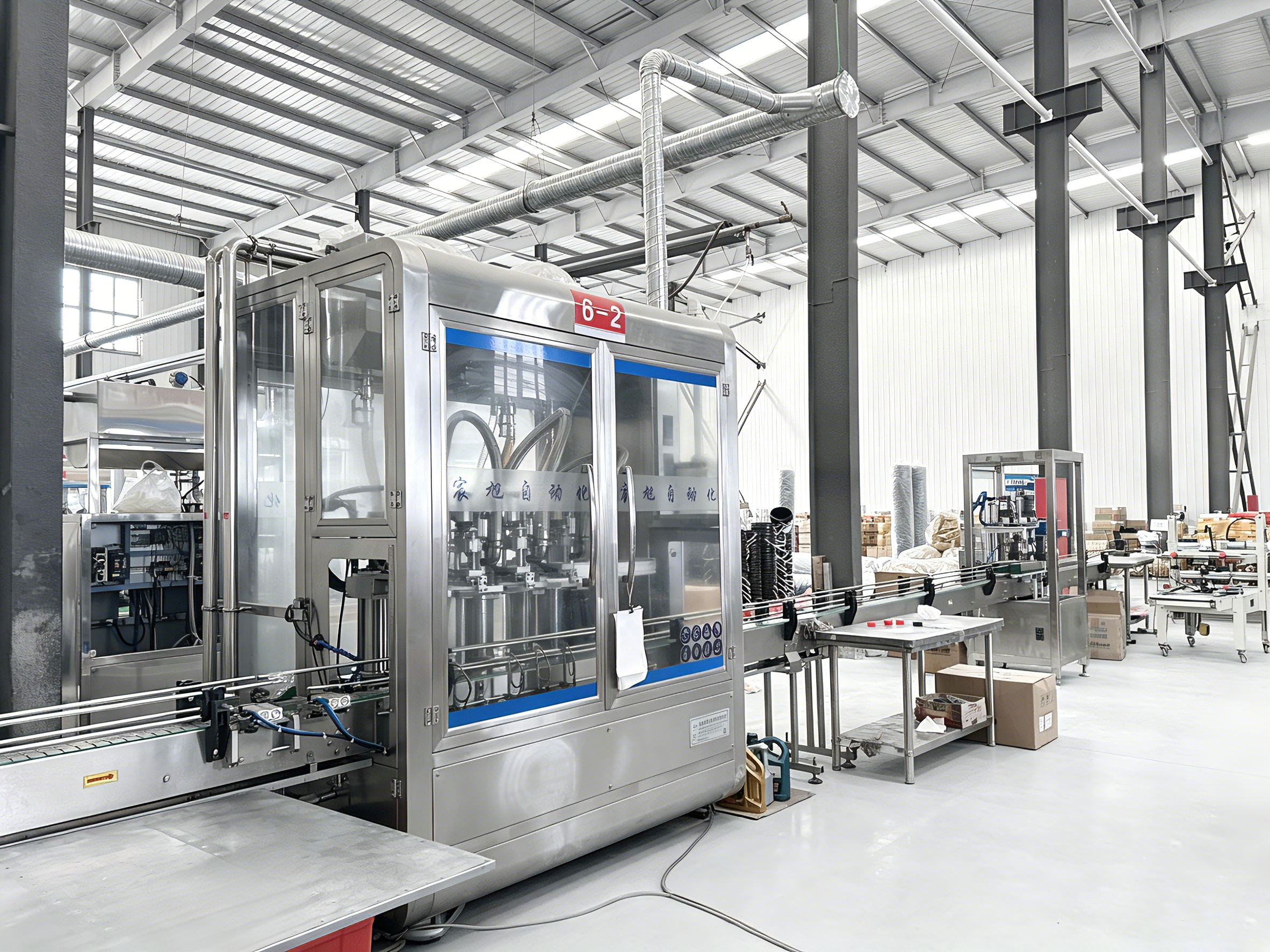
For buyers in Thailand who need both consistent quality and business flexibility เฟลเลอร์ It is a lubricant manufacturer with over 30 years of experience serving partners in more than 60 countries. Its strength lies in a product range covering gasoline engine oils from value grades to full synthetics for new engines, produced under certified quality and environmental management systems. It also provides technical documentation such as product analysis sheets, safety data sheets, and specification data aligned with international standards, allowing Thai partners to transparently verify suitability for vehicles and distribution channels. The company operates under OEM, ODM, wholesale, private label, and regional distribution cooperation models, serving end-users, distributors, dealers, lubricant brand owners, and shops or individuals starting a business. With experience in Southeast Asia, including Thailand—where hot and humid conditions are common—and a warehouse structure with fast shipping for export markets, along with pre-sales and after-sales support online and offline through technical and account teams, Thai buyers receive more than just typical remote exporter service. They get attentive support focused on stock continuity, label adjustments, import documentation, and serious local market customization. Interested parties can view company information at About us Explore product categories at Lubricant products And contact the team via Contact channels
แนวโน้มปี 2569 และต่อจากนั้น
Trends in 2026 for the Thai market will be driven by three factors simultaneously: engine technology, environmental regulations, and consumer cost pressure. New gasoline vehicles will push for greater use of low-viscosity oils, especially among those aiming for fuel economy and reduced emissions. However, the number of existing vehicles on the road in Thailand remains large enough to keep 5W-30 in a strong position for several more years.
On the policy side, manufacturers and distributors will face pressure to disclose product information more clearly, including performance standards, service life, packaging recyclability, and supply chain safety. On sustainability, corporate buyers are increasingly interested in suppliers with environmental management systems, clear factory standards, and the ability to reduce losses from inventory management or improper oil changes.
Another trend to watch is the growth of niche brand models in Thailand, whether it be specialized workshop oils, online shop groups, or regional distributors. These require factories that can develop formulations, packaging, and supporting documentation end-to-end. This is why the role of industrial manufacturers from abroad is likely to increase in the Thai market.
Final advice before making a decision
If your car is new and the manual clearly specifies 5W-20, stick to it as the primary choice, because the engine manufacturer has designed the lubrication system around it. But if the manual allows both 5W-20 and 5W-30, consider actual driving conditions in Thailand. If driving is mainly in the city and fuel economy is a priority, 5W-20 is more suitable. If you face heavy traffic, long distances, frequent loads, or the vehicle is aging, 5W-30 often fits better.
For businesses in Thailand, product placement should be clearly split into two lines: a fuel-economy line for newer cars and a heavy-duty protection line for real-world use in hot climates. Having a supplier that offers both document reliability and business model flexibility will help boost sales better than competing on price alone.
คำถามที่พบบ่อย
Is 5W-20 too thin for Thailand's climate?
Not if specified by the car manufacturer, because many new engines are designed to use this viscosity even in hot weather. But if the manual does not support it, do not switch on your own.
Is 5W-30 always better at protection than 5W-20?
Not always. 5W-30 has a thicker oil film when hot, but if the engine is designed for 5W-20, using a thicker grade may affect flow and some performance aspects.
Should a car with over 100,000 kilometers switch from 5W-20 to 5W-30?
Check the manual, engine condition, and trusted mechanic advice first. If the engine shows signs of oil consumption or heavier use, and the manual allows 5W-30, then the switch might be appropriate.
Should oil change intervals be shorter in Thailand due to traffic?
In many cases, yes. Because traffic jams, heat, and frequent short trips affect oil degradation, especially for cars used in Bangkok and its vicinity.
Should distributors stock more 5W-20 or 5W-30?
Looking at the current Thai market overall, 5W-30 should still have a higher proportion, but 5W-20 should increase steadily to support newer cars and energy-saving trends.
Are overseas suppliers suitable for the Thai market?
Suitable, provided there are clear production standards, complete documentation, support for labeling and importation, and actual experience in the Thai or ASEAN market. This ensures both quality and competitive cost.

เกี่ยวกับผู้เขียน: Jack Jia
ผมคือ Jack Jia ผู้เชี่ยวชาญด้านเทคนิคและแบรนด์ที่มีประสบการณ์ในอุตสาหกรรมน้ำมันหล่อลื่นมากกว่า 30 ปี ปัจจุบันทำงานที่ Feller Lubricants โดยมุ่งเน้นด้านโซลูชันการหล่อลื่นแบบครบวงจร รวมถึงน้ำมันหล่อลื่นยานยนต์ระดับพรีเมียม น้ำมันอุตสาหกรรม น้ำมันเครื่องดีเซล น้ำมันไฮดรอลิก และน้ำมันเกียร์สำหรับตลาดทั่วโลก ผมได้ให้บริการลูกค้าและแบรนด์ในหลายประเทศและภูมิภาคทั่วโลก พร้อมสร้างความร่วมมือระยะยาวที่มั่นคง ปัจจุบันรับผิดชอบด้านแบรนด์น้ำมันหล่อลื่นระดับสากลและบริการโซลูชันทางเทคนิคของ Feller Lubricants
แบ่งปัน