
เปรียบเทียบน้ำมันเครื่องเบนซิน 0W-20 กับ 5W-30 แบบไหนเหมาะกว่าในประเทศไทย
คำตอบโดยสรุป

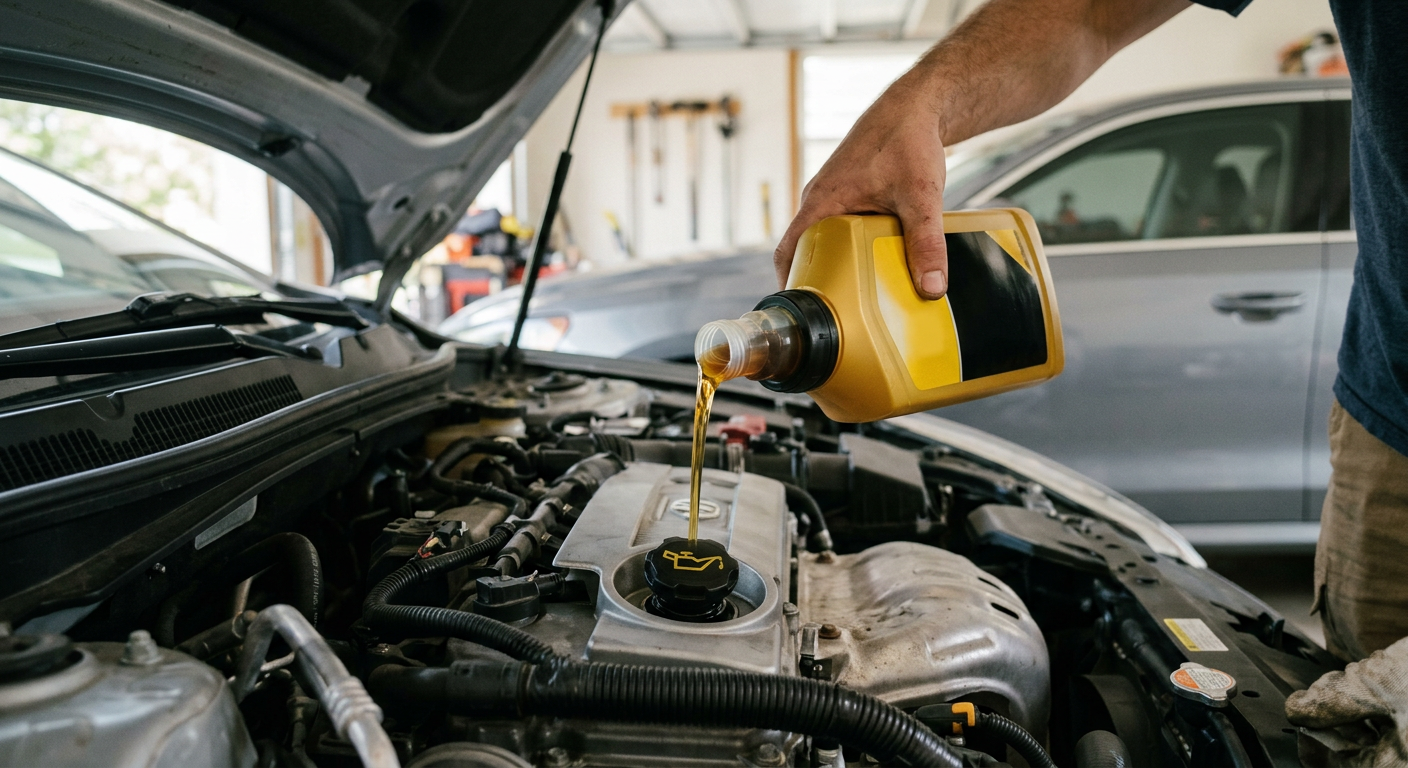
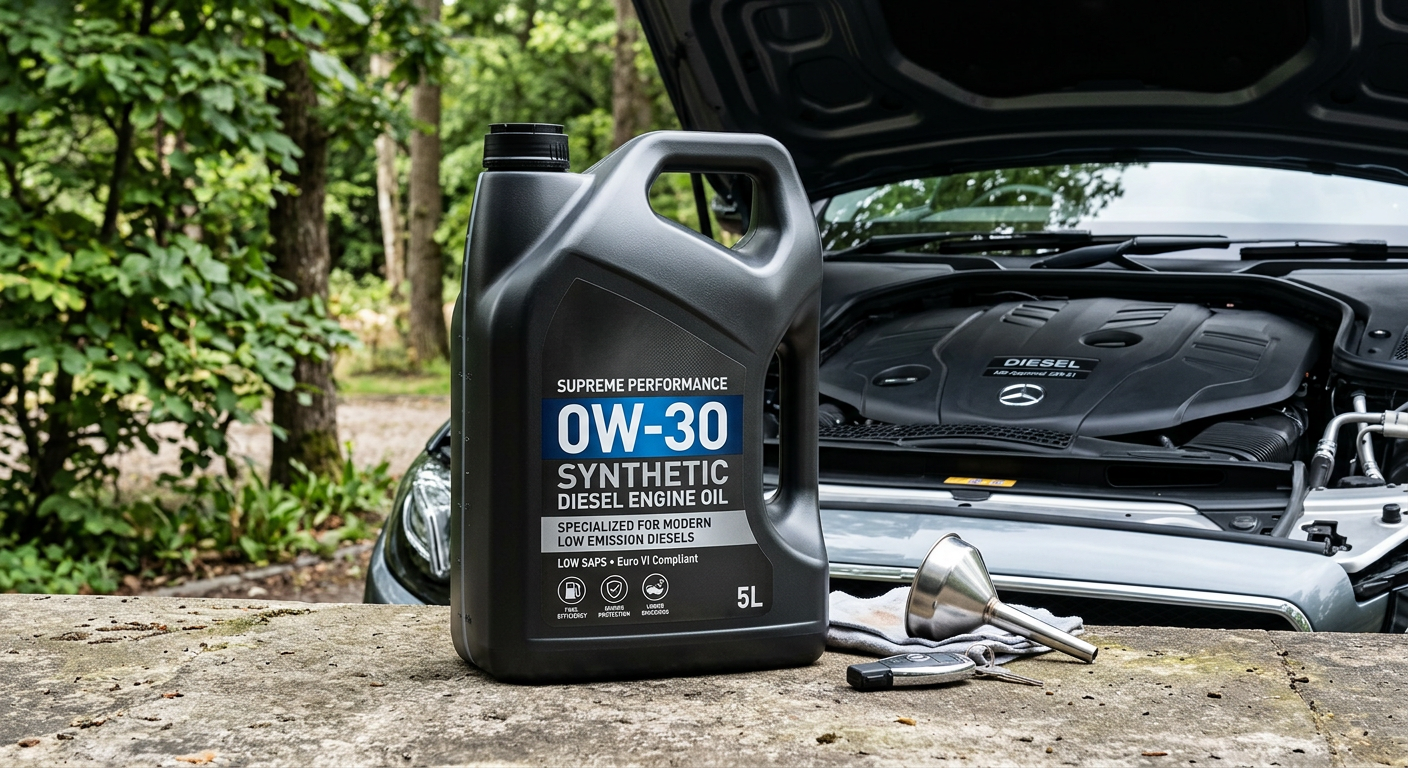
หากถามตรง ๆ ว่าในประเทศไทยน้ำมันเครื่องเบนซิน 0W-20 กับ 5W-30 แบบไหนทำงานได้ดีกว่า คำตอบคือ 0W-20 มักเหมาะกว่าในรถเบนซินรุ่นใหม่ที่ผู้ผลิตระบุให้ใช้ความหนืดต่ำเพื่อประหยัดน้ำมัน ตอบสนองดี และช่วยให้ระบบวาล์วแปรผันทำงานลื่นขึ้น ส่วน 5W-30 มักเหมาะกว่าในรถที่ใช้งานหนัก วิ่งทางไกลบ่อย เจอสภาพจราจรติดขัดร้อนจัด รถเทอร์โบ หรือรถที่มีระยะทางสะสมสูงซึ่งต้องการฟิล์มน้ำมันหนากว่าเพื่อเสริมการปกป้องที่อุณหภูมิสูง
สำหรับเจ้าของรถในกรุงเทพฯ ปริมณฑล เชียงใหม่ ขอนแก่น ชลบุรี ระยอง และภูเก็ต ควรยึดคู่มือรถเป็นหลักก่อนเสมอ หากคู่มืออนุญาตทั้งสองเบอร์ 0W-20 จะได้เปรียบด้านความประหยัดเชื้อเพลิงและการไหลตัวเร็ว ขณะที่ 5W-30 จะได้เปรียบด้านการคงความหนืดเมื่อเครื่องยนต์ร้อนและรับภาระหนัก
ผู้ใช้ในประเทศไทยที่ต้องการเลือกซื้ออย่างรวดเร็วสามารถมองแบรนด์ที่พบในตลาดจริง เช่น PTT Lubricants, ORYZA, Shell, Castrol, Mobil และ Idemitsu โดยควรตรวจสอบมาตรฐาน API, ILSAC หรือ ACEA ให้ตรงกับรถ และควรซื้อจากตัวแทนที่มีสินค้าใหม่ หมุนเวียนเร็ว และมีข้อมูลเทคนิคชัดเจน
นอกจากนี้ ผู้ซื้อเชิงธุรกิจหรือผู้ต้องการต้นทุนต่อคุณภาพที่คุ้มค่า ยังสามารถพิจารณาซัพพลายเออร์ต่างประเทศที่มีใบรับรองและบริการสนับสนุนในไทยได้ด้วย โดยเฉพาะผู้ผลิตจากจีนที่มีประสบการณ์ทำตลาดเอเชียตะวันออกเฉียงใต้ มีเอกสารเทคนิคครบ การรับประกันหลังการขาย และเสนอความคุ้มค่าเชิงราคาได้ดี
Overview of the Gasoline Engine Oil Market in Thailand

ตลาดน้ำมันเครื่องเบนซินในประเทศไทยยังเติบโตจากหลายแรงขับพร้อมกัน ทั้งจำนวนรถยนต์นั่งส่วนบุคคลที่ใช้งานในเขตเมืองขนาดใหญ่ การขยายตัวของศูนย์บริการอิสระ ร้านเปลี่ยนถ่ายน้ำมันเครื่องด่วน และพฤติกรรมผู้ใช้ที่หันมาใส่ใจมาตรฐานน้ำมันเครื่องมากขึ้น โดยเฉพาะในเขตเศรษฐกิจสำคัญอย่างกรุงเทพฯ สมุทรปราการ ชลบุรี ระยอง อยุธยา และนครราชสีมา ซึ่งเป็นศูนย์กลางโลจิสติกส์ การกระจายสินค้า และคลังอะไหล่ยานยนต์
สภาพอากาศของไทยมีผลต่อการเลือกความหนืดอย่างชัดเจน เพราะอุณหภูมิสูง ความชื้นมาก และการจราจรติดขัดนาน ทำให้น้ำมันเครื่องต้องรับภาระทั้งความร้อน การเกิดออกซิเดชัน และคราบสะสมจากการเดินเบาบ่อย รถรุ่นใหม่จึงนิยมใช้ 0W-20 มากขึ้นตามข้อกำหนดของผู้ผลิตที่เน้นการประหยัดพลังงานและการลดการปล่อยไอเสีย ขณะที่ 5W-30 ยังคงมีฐานลูกค้าที่แข็งแรงในกลุ่มรถอายุใช้งานมากขึ้น รถที่วิ่งต่างจังหวัดระยะไกล หรือรถที่ต้องการเผื่อการปกป้องในสภาพใช้งานหนัก
อีกปัจจัยหนึ่งคือโครงสร้างซัพพลายเชนของไทยมีทั้งผู้ผลิตในประเทศ ตัวแทนนำเข้า และผู้รับจ้างผลิตภายใต้แบรนด์ส่วนตัว ทำให้ผู้ซื้อมีทางเลือกกว้าง ตั้งแต่ผลิตภัณฑ์ระดับประหยัดจนถึงสูตรสังเคราะห์เต็มรูปแบบระดับพรีเมียม โดยพื้นที่ท่าเรือและศูนย์กระจายสินค้าอย่างแหลมฉบัง กรุงเทพมหานคร และระเบียงเศรษฐกิจภาคตะวันออกช่วยให้การนำเข้าและกระจายสินค้าทำได้รวดเร็วขึ้น
แนวโน้มการเติบโตของตลาดน้ำมันเครื่องเบนซินในประเทศไทย

กราฟนี้แสดงทิศทางการเติบโตของตลาดน้ำมันเครื่องเบนซินสำหรับรถนั่งในประเทศไทย โดยสะท้อนการขยายตัวของน้ำมันความหนืดต่ำและผลิตภัณฑ์สังเคราะห์ที่ตอบโจทย์รถรุ่นใหม่มากขึ้น
0W-20 และ 5W-30 ต่างกันอย่างไร
ความต่างหลักอยู่ที่พฤติกรรมการไหลตัวในช่วงอุณหภูมิต่ำและการรักษาฟิล์มน้ำมันเมื่อเครื่องยนต์ร้อน ตัวเลขหน้า W สะท้อนความสามารถในการไหลเมื่ออุณหภูมิต่ำ ส่วนตัวเลขท้ายสะท้อนความหนืดเมื่ออุณหภูมิทำงานปกติ สำหรับประเทศไทยซึ่งไม่ได้หนาวจัด ประเด็นสำคัญจริง ๆ จึงอยู่ที่การตอบสนองเครื่องยนต์ ความประหยัดเชื้อเพลิง ความเสถียรที่อุณหภูมิสูง และความเหมาะสมกับการออกแบบเครื่องยนต์แต่ละรุ่น
0W-20 มีข้อ
| Comparison Topic | 0W-20 | 5W-30 | Meaning for Thai users |
|---|---|---|---|
| Cold engine flow | Very fast | Fast | 0W-20 helps lubricate parts quickly, especially for city-driven cars |
| Fuel economy | Better | Next best | Suitable for users who prioritize fuel economy and cars designed for low-viscosity oil |
| Protection under extreme heat | Good if high-quality formula | Superior in heavy-duty use | 5W-30 often suits long-distance driving and sustained high temperatures |
| Suitability for new cars | High | ปานกลางถึงสูง | Many new gasoline cars in Thailand specify 0W-20 directly |
| Suitability for high-mileage cars | Moderate | High | 5W-30 provides added confidence for engines with higher wear |
| ความเหมาะกับรถเทอร์โบ | Depends on the car manual | Usually more suitable | Some turbo models require good stability at high temperatures |
This table helps summarize that neither viscosity has a one-size-fits-all answer; it depends on engine design, car age, and actual usage patterns in Thailand
Which cars should use 0W-20
0W-20 is suitable for new gasoline cars, hybrids, and Japanese cars where engineers design internal component clearances to clearly accommodate low-viscosity oil. In Thailand, this group is common among eco-cars, sedans, and small to mid-size crossovers that aim to reduce friction for better fuel efficiency and lower emissions
If your car is driven in Bangkok or major cities with frequent start-stop cycles, long red-light waits, and the manufacturer explicitly specifies 0W-20, using this viscosity often yields the best results in terms of quietness, engine smoothness, and throttle response, especially with full synthetic oil meeting API SP or ILSAC GF-6 standards
Which cars should use 5W-30
5W-30 is suitable for cars under heavier-than-normal use, regular long-distance driving, high accumulated mileage, extremely hot climates, or frequently carrying full passengers and cargo—such as family cars traveling frequently between Bangkok and upcountry, some turbo models, and cars whose manuals allow both 0W-20 and 5W-30
In real Thai road conditions—like the motorway to Chonburi, the Asia Highway, mountainous routes in the north, or prolonged use in the south—5W-30 gives many drivers more confidence in oil film strength and high-rpm protection, especially for aging cars needing quieter engine operation
Types of products found in the market
Although the focus is on 0W-20 vs 5W-30 viscosity, in practice Thai buyers should also consider the oil base and standards, because a high-grade full synthetic 0W-20 may offer better protection than a low-grade 5W-30 under certain conditions
| ประเภทผลิตภัณฑ์ | Viscosity range found | จุดเด่น | Suitable users |
|---|---|---|---|
| น้ำมันแร่ | 5W-30, 10W-30, 15W-40 | Affordable price | Older cars, general use, frequent oil changes |
| Semi-synthetic | 5W-30, 10W-40 | Balance between price and protection | Mid-life cars |
| 全合成 | 0W-20, 5W-30 | Good heat and oxidation resistance | New cars, heavy driving |
| Fuel-efficient formula | 0W-20 | Reduced friction | Japanese cars and hybrids |
| Turbo-specific formula | Some 5W-30, 0W-20 grades | Controls deposits and heat | High-compression engines |
| High-mileage formula | 5W-30 | Helps reduce oil consumption | Cars over 100,000 kilometers |
This table reflects that choosing engine oil should not only consider viscosity but also the formula technology and actual engine condition
Requirements of each industry in Thailand
Although gasoline engine oil is primarily tied to passenger cars, in Thailand there is also demand from the service business sector, rental cars, light transport, field sales teams, and service center networks that need to select viscosity based on cost and oil change intervals
This bar graph shows that primary demand still comes from personal cars and service center networks, while rental cars and express delivery fleets are growing with urban economies and new travel behaviors
Purchasing recommendations in Thailand
The safest purchasing principle is to check the car manual first. If the manufacturer specifies only 0W-20, do not switch to 5W-30 just because of a belief that "thicker is better." But if the manual lists more than one viscosity, consider your actual driving patterns as well
Check the latest standards—such as API SP or API SN Plus for modern gasoline cars—because these formulas reduce carbon deposits from direct injection systems and improve protection against low-speed pre-ignition in some turbo engines. For Japanese cars or fuel-economy-focused vehicles, choosing an ILSAC-certified product is highly beneficial
In Thailand, also consider the purchasing environment: well-stored retailers, products with recent production dates, clear importer stickers or distributor information, and available product documentation. For bulk buyers, choose suppliers with local warehouses or fast domestic delivery systems to reduce stockout risks
Viscosity trend changes in Thailand
This trend reflects that the Thai market is shifting from medium-viscosity to lower-viscosity engine oils, especially in Japanese cars, hybrids, and new urban models
Industry and real-world applications
In Thailand, 0W-20 is commonly found in new private cars, executive fleet vehicles, corporate hybrids, and city-use cars aiming to reduce fuel costs. Meanwhile, 5W-30 is common in light commercial vehicles, executive cars frequently driven upcountry, rental cars needing usage flexibility, and cars with high accumulated mileage
For service centers and oil change shops, stocking both viscosities is important to cover cars of various ages—from new vehicles still under warranty to heavily used cars where customers seek quieter operation and greater confidence
Case studies in Thai usage conditions
The first case is a new Japanese sedan in Bangkok, driving 40 to 70 kilometers per day, stuck in traffic in the morning and evening. The manual specifies only 0W-20. In this case, using full synthetic 0W-20 usually yields the best results in terms of acceleration, quietness, and fuel economy.
The second case is a 7-year-old gasoline crossover, frequently driving from Bangkok to Chonburi and Rayong, regularly carrying passengers and cargo. The manual allows 0W-20 and 5W-30. In this case, if prioritizing protection at high temperatures and the engine has higher mileage, switching to 5W-30 may be more suitable.
The third case is a hybrid car used in Phuket and Samui, with frequent stops at red lights and restarts. 0W-20 viscosity helps the engine return to lubrication quickly and aligns with the energy-saving approach of the hybrid system.
The fourth case is a turbocharged car used for uphill driving in Chiang Mai or continuous long-distance trips to the northeastern region. If the manual allows 5W-30, choosing a high-quality synthetic formula often provides confidence in turbo protection and better deposit control.
ผู้จำหน่ายและแบรนด์ที่พบในประเทศไทย
This table compiles the names of companies and brands that have a real role in the Thai market, including domestic manufacturers, importers, and international brands that users can find at service centers, auto parts stores, and oil change networks.
| Company or Brand | พื้นที่บริการในไทย | จุดแข็งหลัก | สินค้าหลักที่เกี่ยวข้อง |
|---|---|---|---|
| พีทีที ลูบริแคนท์ส | Nationwide, especially Bangkok and service station networks. | Wide distribution network, easy access | Multiple grades of gasoline engine oil, including synthetic formulas. |
| Shell Helix Thailand | Bangkok metropolitan area, major cities, and partner service centers. | International brands, high awareness, formulas for new car models. | Premium 0W-20 and 5W-30. |
| คาสตรอลประเทศไทย | Nationwide, through auto parts stores and service centers. | Strong in the general-use and performance car market. | Magnatec and Edge formulas in various viscosities. |
| Mobil Thailand | Service centers, online stores, and main distributors. | Reputation for synthetic oils and heavy-duty applications. | Mobil 1 0W-20, 5W-30, and other formulas. |
| Idemitsu Lubricants. | Prominent in the Japanese car segment and specialized garage networks. | Compatible with Japanese cars, OEM image. | Formulas for Japanese cars and hybrids. |
| ORYZA. | Distributed through dealers and the automotive industrial market. | Produced in Thailand, targeting the value-for-money market. | Gasoline engine oil and automotive lubricants. |
This table is useful for buyers who want to see actual company names and tangible highlights, whether it is distribution networks, brand reliability, or suitability for Japanese cars and general-use vehicles in Thailand.
Comparison of supplier and product suitability.
This graph provides a comparative assessment based on dimensions that Thai buyers often prioritize: market coverage, availability of 0W-20 and 5W-30, technical support, and overall value.
What to ask suppliers before ordering.
For general users, ask about product standards, production date, recommended change intervals, and suitability for the vehicle model. For business buyers, additionally ask about production capacity, supply consistency, certification documents, label support, and terms for warranty claims or technical consultation.
In the Thai context, having a warehouse in the country or at least a distribution partner in Bangkok and the eastern region can significantly reduce stock-out issues, especially for buyers serving vehicle fleets or oil change shops that need to maintain brand continuity on the shelf.
Our company and why partners in Thailand choose to work with us.
Feller has been consistently marketing lubricants to customers in Asia, including Thailand. The company's strengths lie in full-cycle production, from base oils, blending with a nitrogen protection system that enhances oxidation stability, to automatic packaging in multiple sizes, with manufacturing and quality management standards according to international systems such as ISO 9001 and ISO 14001, and formula development referencing API, ILSAC, and ACEA specifications for new gasoline engine oils, such as full synthetic 0W-20 at API SP level, as well as 5W-30 and other grades covering both the new car and general-use markets. Customers in Thailand can work with Feller in various ways, including wholesale distribution, regional distributorship, OEM/ODM production for brand owners, package arrangements for car service shops, and actual use orders for fleets or factories, complete with documentation such as product analysis certificates, safety data sheets, and full import support documents. Additionally, the company has experience building partner networks in Thailand and Southeast Asia, using a fast delivery system within 72 hours for international order management, with pre-sales and after-sales teams supporting both online and offline channels, ensuring that distributors, garages, service centers, and industrial buyers in Thailand are confident that they are not just contacting a remote exporter, but working with a manufacturer with regional experience and a long-term intention to establish a presence in the local market. For more company information, you can visit Feller Company Information สำรวจ Lubricant product range or contact the team through Contact channels in Thailand and abroad. Directly, including the page Feller's main website For the latest details.
คำแนะนำสำหรับผู้จัดจำหน่ายและเจ้าของแบรนด์ในไทย
Entrepreneurs looking to build an engine oil brand in Thailand should seek a manufacturer that offers flexibility in formula, labeling, packaging, and documentation, because the Thai market includes both mass users and specialized vehicle groups. Best-selling products often need a clear position, such as 0W-20 for Japanese cars and hybrids, or 5W-30 for heavy-duty use and high-mileage vehicles.
For imports, buyers should consider delivery speed, raw material continuity, and the factory's ability to maintain consistent quality per batch, because the aftermarket in Thailand is highly competitive. Shops must ensure that the products received each time have consistent performance and brand image.
Selection guide table for suitable usage.
| Usage type | Main recommendation | Commonly suitable viscosity | 原因 |
|---|---|---|---|
| New city car | Check the manual and choose an energy-saving formula. | 0W-20 | Responsive and helps save fuel. |
| Hybrid vehicles | Choose new standards and synthetic formulas. | 0W-20 | Supports frequent starts and low friction. |
| Regular long-distance driving | Consider the workload and actual operating temperature. | 5W-30 | Add confidence when the engine runs hot continuously. |
| High-mileage vehicle | พิจารณาความเงียบและการกินน้ำมันเครื่อง | 5W-30 | ฟิล์มน้ำมันหนากว่าในหลายกรณี |
| Turbocharged vehicles | ยึดตามคู่มือและมาตรฐาน API ล่าสุด | ขึ้นกับผู้ผลิตรถ แต่ 5W-30 มักพบมาก | เน้นการคุมความร้อนและคราบ |
| ฟลีตรถองค์กร | คำนวณต้นทุนรวมและรอบเปลี่ยนถ่าย | 0W-20 หรือ 5W-30 | เลือกตามรุ่นรถและนโยบายบำรุงรักษา |
ตารางนี้ช่วยให้ตัดสินใจจากลักษณะการใช้งานจริง แทนการเลือกตามความเชื่อทั่วไปเพียงอย่างเดียว
Trends for 2026 in Thailand
ปี 2026 ตลาดน้ำมันเครื่องเบนซินในไทยมีแนวโน้มชัดเจนสามด้าน ด้านแรกคือเทคโนโลยี เครื่องยนต์เบนซินรุ่นใหม่จะยิ่งเน้นความหนืดต่ำและสูตรแรงเสียดทานต่ำมากขึ้น โดยเฉพาะรถไฮบริดและรถที่ออกแบบเพื่อมาตรฐานการปล่อยไอเสียที่เข้มขึ้น ด้านที่สองคือกฎระเบียบและนโยบาย ผู้บริโภคและผู้ประกอบการจะให้ความสำคัญกับผลิตภัณฑ์ที่มีมาตรฐานสากล เอกสารตรวจสอบย้อนกลับได้ และเป็นมิตรต่อระบบบำบัดไอเสียมากขึ้น ด้านที่สามคือความยั่งยืน ผู้ซื้อระดับองค์กรในไทยจะเริ่มถามหาบรรจุภัณฑ์ที่จัดการง่ายขึ้น การยืดอายุการใช้งานน้ำมันด้วยสูตรที่เสถียรกว่าเดิม และซัพพลายเออร์ที่มีระบบสิ่งแวดล้อมชัดเจน
แม้กระแสรถไฟฟ้าจะเพิ่มขึ้น แต่ในช่วงหลายปีข้างหน้า รถเบนซินและไฮบริดยังคงเป็นสัดส่วนใหญ่ในประเทศไทย จึงทำให้น้ำมัน 0W-20 และ 5W-30 ยังเป็นสองเกรดหลักที่มีบทบาทสูง โดย 0W-20 จะขยายตัวเร็วกว่าในกลุ่มรถใหม่ ส่วน 5W-30 จะยังคงสำคัญในตลาดหลังการขายและรถอายุใช้งานมากขึ้น
คำถามที่พบบ่อย
0W-20 ประหยัดน้ำมันกว่า 5W-30 จริงหรือไม่
โดยทั่วไปจริง หากรถออกแบบมารองรับ 0W-20 เพราะแรงต้านภายในต่ำกว่า แต่ความแตกต่างจริงขึ้นอยู่กับสภาพรถ การขับขี่ และคุณภาพสูตรของน้ำมันเครื่อง
ถ้ารถคู่มือระบุ 0W-20 สามารถใช้ 5W-30 แทนได้ไหม
ไม่ควรเปลี่ยนเองหากคู่มือระบุเพียง 0W-20 เท่านั้น ควรใช้ตามข้อกำหนดของผู้ผลิตเพื่อคงสมรรถนะและเงื่อนไขการรับประกัน
ในอากาศร้อนแบบประเทศไทย 5W-30 ดีกว่าเสมอหรือไม่
ไม่เสมอ รถรุ่นใหม่จำนวนมากถูกออกแบบให้ใช้ 0W-20 ได้อย่างปลอดภัยในอากาศร้อน หากสูตรมีคุณภาพและตรงมาตรฐานที่กำหนด
รถวิ่งเกิน 100,000 กิโลเมตรควรเปลี่ยนจาก 0W-20 เป็น 5W-30 หรือไม่
อาจเหมาะในบางคัน โดยเฉพาะเมื่อคู่มืออนุญาตหลายเบอร์และมีอาการเสียงเครื่องดังขึ้นหรือกินน้ำมันเครื่อง แต่ควรประเมินจากสภาพจริงของเครื่องยนต์
ควรเลือกแบรนด์ไทยหรือแบรนด์นำเข้า
เลือกจากมาตรฐาน ความน่าเชื่อถือของช่องทางจำหน่าย ความสดใหม่ของสินค้า และการสนับสนุนทางเทคนิค มากกว่าดูเฉพาะประเทศต้นทาง
ผู้จัดจำหน่ายในไทยควรเลือกซัพพลายเออร์แบบใด
ควรเลือกผู้ผลิตที่มีเอกสารครบ กำลังการผลิตมั่นคง ส่งมอบสม่ำเสมอ และรองรับทั้งการขายส่ง การสร้างแบรนด์ และการสนับสนุนหลังการขายในพื้นที่
ข้อสรุปสุดท้าย
หากต้องการคำตอบแบบใช้งานได้ทันทีสำหรับประเทศไทย 0W-20 เหมาะกับรถเบนซินรุ่นใหม่และรถที่ผู้ผลิตเน้นความประหยัดเชื้อเพลิง ส่วน 5W-30 เหมาะกับรถที่ใช้งานหนัก รถวิ่งไกล รถเทอร์โบบางรุ่น และรถที่มีระยะทางสะสมสูงกว่าเดิม ไม่มีเบอร์ใดชนะทุกสถานการณ์ สิ่งสำคัญที่สุดคือยึดคู่มือรถ มาตรฐานน้ำมันเครื่อง และรูปแบบการใช้งานจริงของคุณในสภาพอากาศและการจราจรของประเทศไทย

เกี่ยวกับผู้เขียน: Jack Jia
ผมคือ Jack Jia ผู้เชี่ยวชาญด้านเทคนิคและแบรนด์ที่มีประสบการณ์ในอุตสาหกรรมน้ำมันหล่อลื่นมากกว่า 30 ปี ปัจจุบันทำงานที่ Feller Lubricants โดยมุ่งเน้นด้านโซลูชันการหล่อลื่นแบบครบวงจร รวมถึงน้ำมันหล่อลื่นยานยนต์ระดับพรีเมียม น้ำมันอุตสาหกรรม น้ำมันเครื่องดีเซล น้ำมันไฮดรอลิก และน้ำมันเกียร์สำหรับตลาดทั่วโลก ผมได้ให้บริการลูกค้าและแบรนด์ในหลายประเทศและภูมิภาคทั่วโลก พร้อมสร้างความร่วมมือระยะยาวที่มั่นคง ปัจจุบันรับผิดชอบด้านแบรนด์น้ำมันหล่อลื่นระดับสากลและบริการโซลูชันทางเทคนิคของ Feller Lubricants
แบ่งปัน