น้ำมันเครื่องดีเซลกับน้ำมันเกียร์ต่างกันอย่างไรในประเทศไทย
คำตอบโดยสรุป

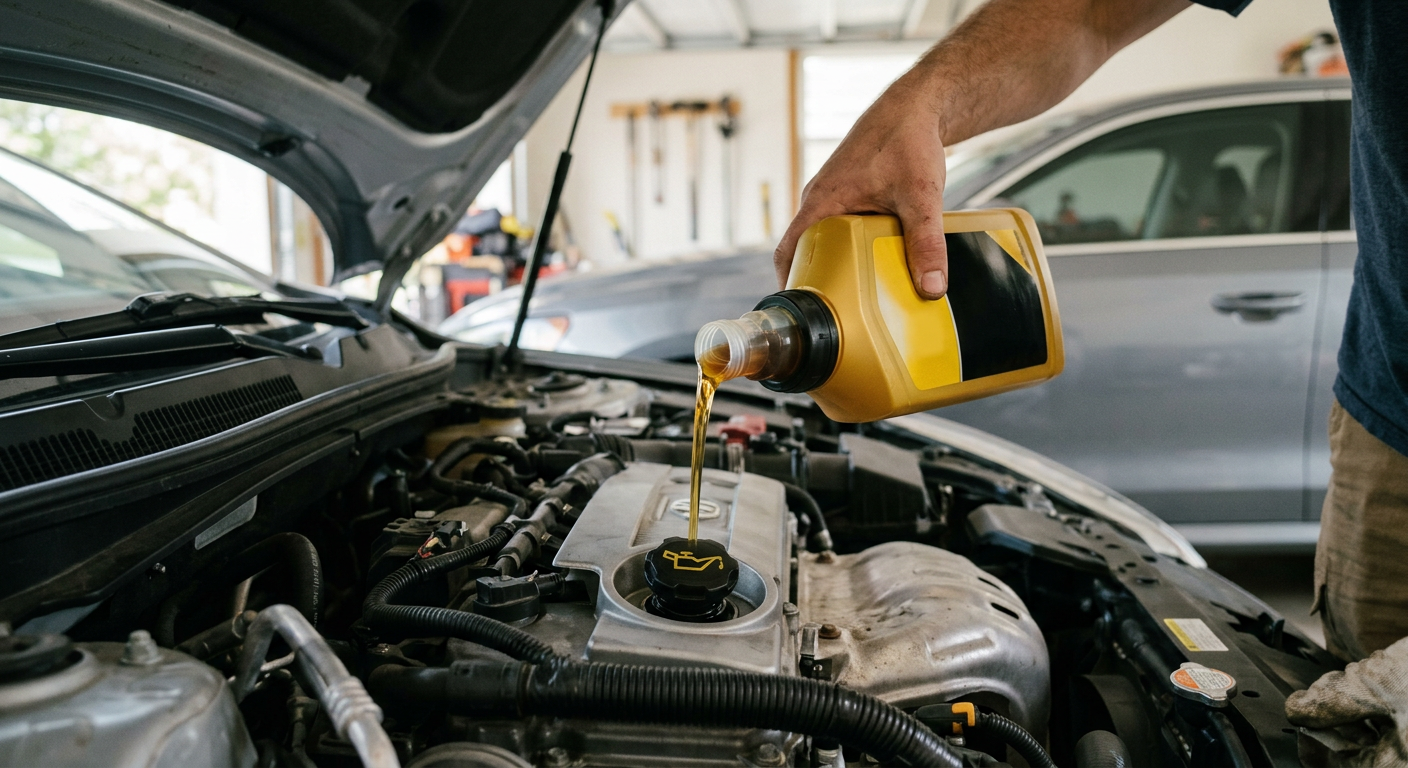
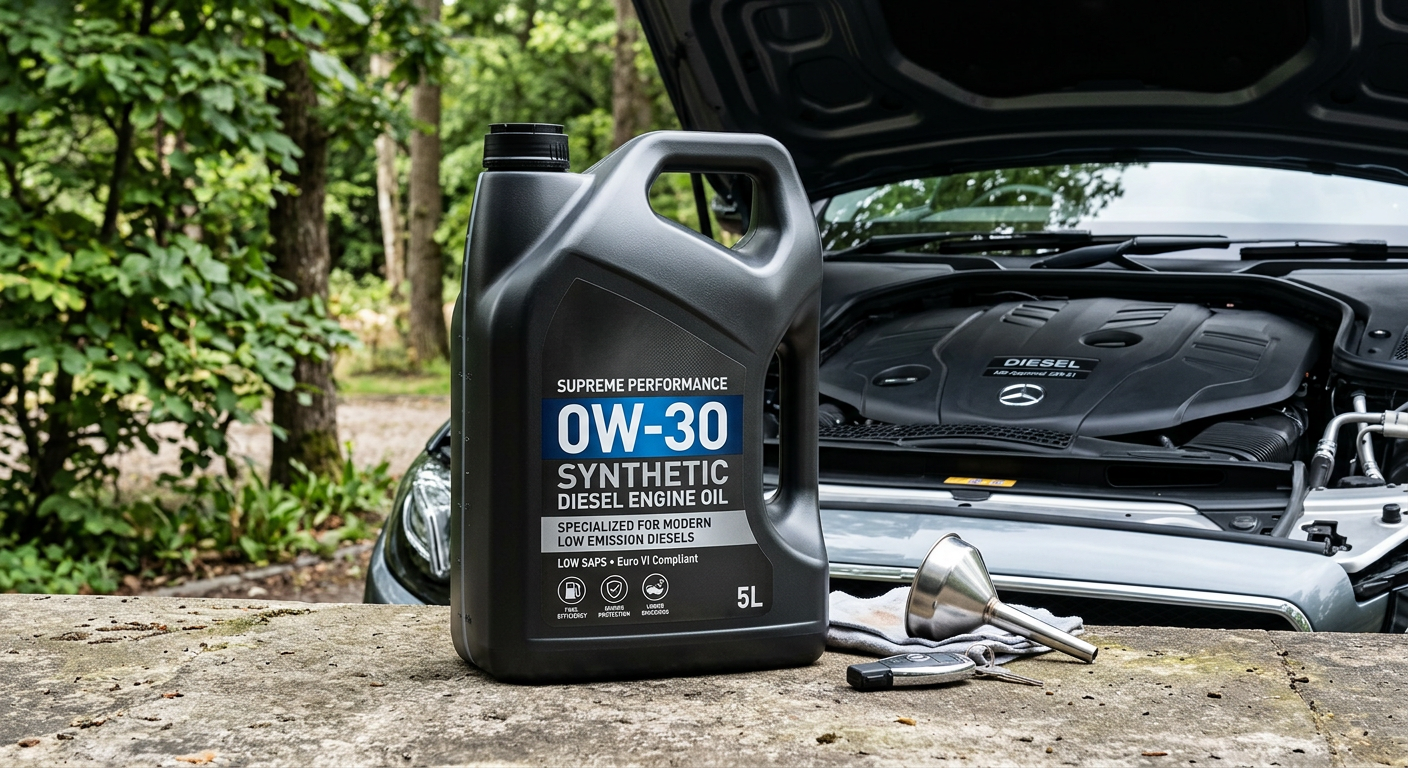
น้ำมันเครื่องดีเซลและน้ำมันเกียร์เป็นของเหลวคนละประเภท ใช้งานแทนกันไม่ได้ และถูกออกแบบมาเพื่อภารกิจที่ต่างกันอย่างชัดเจน น้ำมันเครื่องดีเซลมีหน้าที่หลักในการหล่อลื่นชุดลูกสูบ แหวน ลูกปืนเพลาข้อเหวี่ยง ควบคุมเขม่า ระบายความร้อน ป้องกันการสึกหรอ และรับมือกับกรดจากการเผาไหม้ ส่วนของน้ำมันเกียร์มีหน้าที่ลดแรงเสียดทานของเฟือง ชุดซิงโครเมช หรือคลัตช์ภายในระบบเกียร์ รวมถึงถ่ายแรงดันในระบบเกียร์อัตโนมัติและระบบส่งกำลังบางประเภท
สำหรับผู้ใช้ในประเทศไทย หากเป็นรถบรรทุก รถกระบะดีเซล รถโดยสาร เครื่องจักรก่อสร้าง หรือเรือประมง ควรอ้างอิงคู่มือผู้ผลิตเป็นหลักและห้ามเติมข้ามประเภท เพราะค่าความหนืด สารชะล้าง สารรับแรงกด และมาตรฐานการทดสอบแตกต่างกันมาก หากเลือกผิดอาจทำให้เกียร์ลื่น ผ้าคลัตช์เสื่อม ซีลบวม หรือเครื่องยนต์เกิดคราบเขม่าและสึกหรอเร็ว
ในทางปฏิบัติ ผู้ซื้อในประเทศไทยมักพิจารณาผู้ผลิตที่มีสินค้าครบทั้งน้ำมันเครื่องดีเซล น้ำมันเกียร์ และน้ำมันเฟืองท้าย เพื่อจัดการสต็อกได้ง่ายและตรวจสอบความเข้ากันได้ของผลิตภัณฑ์ในรถฟลีทได้สะดวก ผู้เล่นที่พบในตลาดไทย เช่น ปตท น้ำมันและการค้าปลีก, เชลล์ประเทศไทย, คาลเท็กซ์ประเทศไทย, บางจาก, โมตุลประเทศไทย และผู้ผลิตต่างประเทศที่มีเครือข่ายตัวแทนชัดเจน ล้วนเป็นตัวเลือกที่เข้าถึงง่าย
นอกจากนี้ ซัพพลายเออร์ต่างประเทศที่มีคุณสมบัติครบ โดยเฉพาะผู้ผลิตจากจีนที่มีมาตรฐานสากล เอกสารรับรองครบ และมีทีมพรีเซลส์กับบริการหลังการขายที่ตอบโจทย์ตลาดไทย ก็เป็นตัวเลือกที่คุ้มค่าด้านต้นทุนต่อประสิทธิภาพ โดยเฉพาะสำหรับผู้จัดจำหน่าย เจ้าของแบรนด์ และลูกค้าอุตสาหกรรมที่ต้องการสั่งแบบ OEM หรือซื้อปริมาณมาก
ภาพรวมตลาดในประเทศไทย

ตลาดสารหล่อลื่นของประเทศไทยมีลักษณะเฉพาะที่ต่างจากหลายประเทศในภูมิภาค เพราะฐานการใช้งานไม่ได้มีแค่รถยนต์นั่ง แต่ยังรวมถึงรถเพื่อการพาณิชย์ รถกระบะดีเซลจำนวนมากในกรุงเทพฯ และปริมณฑล รถขนส่งระหว่างจังหวัดที่วิ่งผ่านศูนย์กระจายสินค้าแถบสมุทรปราการและอยุธยา รวมถึงเครื่องจักรในนิคมอุตสาหกรรมภาคตะวันออกและภาคกลาง ท่าเรือแหลมฉบัง ท่าเรือกรุงเทพ และพื้นที่โลจิสติกส์สำคัญอย่างชลบุรี ระยอง และสงขลา ล้วนมีความต้องการน้ำมันเครื่องดีเซลและน้ำมันเกียร์ในรูปแบบที่ต่างกัน
อากาศร้อนชื้น ฝนยาวนาน และสภาพการจราจรติดขัดในเมืองใหญ่ทำให้สารหล่อลื่นในไทยต้องรับภาระความร้อนสูงและการเกิดออกซิเดชันเร็วกว่าเขตหนาว ผู้ใช้เชิงพาณิชย์จึงมักให้ความสำคัญกับการคงความหนืด การควบคุมคราบเขม่า ความเสถียรของฟิล์มน้ำมัน และอายุการใช้งานจริงภายใต้รอบเดินเบายาวนานหรือโหลดสูงต่อเนื่อง
ด้านโครงสร้างตลาด กลุ่มรถกระบะดีเซลยังคงมีบทบาทสูง ทำให้คำถามเรื่องความต่างระหว่างน้ำมันเครื่องดีเซลกับน้ำมันเกียร์พบได้บ่อยในอู่ซ่อม ศูนย์บริการ และผู้ประกอบการฟลีทรถเชิงพาณิชย์ โดยเฉพาะในพื้นที่อย่างนครราชสีมา ขอนแก่น เชียงใหม่ และสุราษฎร์ธานี ที่มีการใช้งานขนส่งและเกษตรเข้มข้น
กราฟเส้นนี้สะท้อนแนวโน้มการเติบโตของความต้องการสารหล่อลื่นในตลาดไทย โดยแรงขับเคลื่อนหลักมาจากโลจิสติกส์ อีคอมเมิร์ซ การก่อสร้าง และการฟื้นตัวของภาคท่องเที่ยว ซึ่งส่งผลโดยตรงต่อการใช้งานรถตู้ รถบรรทุก รถโดยสาร และเครื่องจักรสนับสนุน
ความต่างเชิงเทคนิคระหว่างน้ำมันเครื่องดีเซลกับน้ำมันเกียร์

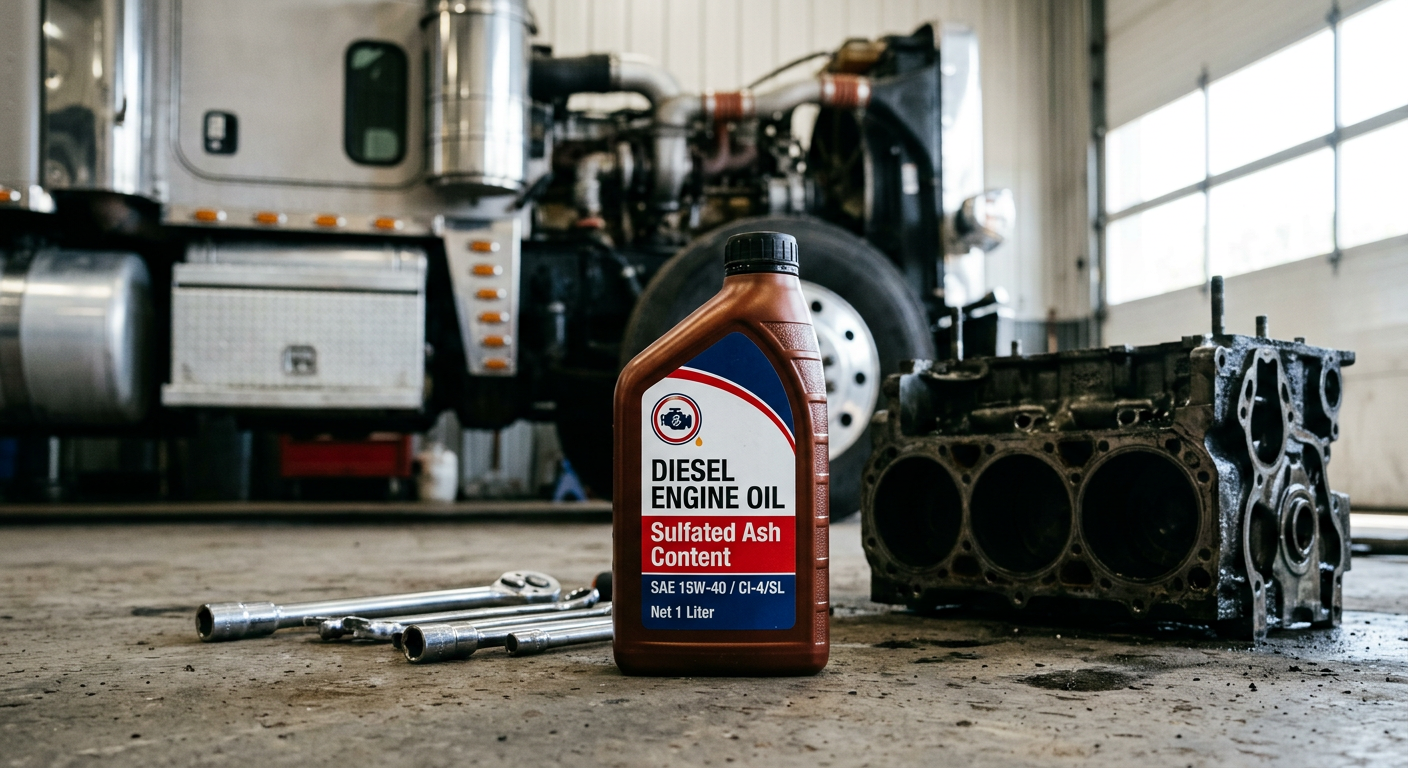
แม้ทั้งสองชนิดจะเป็นน้ำมันหล่อลื่น แต่โครงสร้างสูตรและเป้าหมายการปกป้องไม่เหมือนกัน น้ำมันเครื่องดีเซลต้องรับมือกับเขม่า เชื้อเพลิงเจือจาง ความร้อนจากการเผาไหม้ และแรงเฉือนจากรอบเครื่องสูง จึงมีแพ็กเกจสารเติมแต่งที่เน้นการชะล้าง การกระจายเขม่า การต้านออกซิเดชัน การป้องกันการสึกหรอ และการควบคุมกรด
ในทางกลับกัน น้ำมันเกียร์ โดยเฉพาะเกียร์ธรรมดาและเฟืองท้าย จะต้องรองรับแรงกดผิวสัมผัสสูงมากระหว่างฟันเฟือง จึงใช้สารรับแรงกดสูงที่แตกต่างจากน้ำมันเครื่อง ส่วนเกียร์อัตโนมัติยังต้องออกแบบค่าสัมประสิทธิ์แรงเสียดทานอย่างแม่นยำเพื่อให้การจับตัวของคลัตช์และการเปลี่ยนเกียร์นุ่มนวลตามที่ผู้ผลิตรถกำหนด
| Comparison Topic | Diesel engine oil | น้ำมันเกียร์ธรรมดา/เฟืองท้าย | น้ำมันเกียร์อัตโนมัติ |
|---|---|---|---|
| หน้าที่หลัก | หล่อลื่น ระบายความร้อน ควบคุมเขม่า | ป้องกันฟันเฟืองและลูกปืนภายใต้แรงกดสูง | ถ่ายแรงดัน ควบคุมแรงเสียดทาน และหล่อลื่น |
| Working conditions | เผาไหม้ อุณหภูมิสูง มีเขม่าและกรด | แรงกดสัมผัสระหว่างเฟืองสูง | มีวาล์วบอดี้ คลัตช์ และทอร์กคอนเวอร์เตอร์ |
| สารเติมแต่งเด่น | สารชะล้าง สารกระจายเขม่า สารต้านออกซิเดชัน | สารรับแรงกดสูงและป้องกันการสึกหรอ | สารควบคุมแรงเสียดทานและเสถียรภาพการเฉือน |
| Standards found | API CK-4, CJ-4, CI-4 | API GL-4, GL-5 | มาตรฐานเฉพาะผู้ผลิต เช่น ATF |
| ผลหากใช้ผิดประเภท | เครื่องยนต์สกปรก สึกหรอ เครื่องร้อน | เฟืองหอน เกียร์แข็ง ผิวเฟืองเสียหาย | เปลี่ยนเกียร์กระตุก คลัตช์ลื่น วาล์วทำงานผิดพลาด |
| ตัวอย่างการใช้งาน | รถกระบะดีเซล รถบรรทุก รถโดยสาร เรือ เครื่องจักร | เกียร์ธรรมดา เฟืองท้าย เพลาขับ | เกียร์อัตโนมัติและระบบส่งกำลังเฉพาะรุ่น |
ตารางนี้ช่วยให้เห็นชัดว่าแม้คำว่า “น้ำมัน” จะคล้ายกัน แต่สภาพการใช้งานจริงต่างกันโดยสิ้นเชิง จึงไม่ควรอาศัยความหนืดเพียงอย่างเดียวในการตัดสินใจ
ประเภทของผลิตภัณฑ์ที่พบในตลาดไทย
ในประเทศไทย ผู้ซื้อจะเจอสินค้าหลักหลายกลุ่ม ได้แก่ น้ำมันเครื่องดีเซลสำหรับรถกระบะและรถบรรทุก น้ำมันเกียร์ธรรมดา น้ำมันเฟืองท้าย น้ำมันเกียร์อัตโนมัติ และน้ำมันไฮดรอลิกทรานสมิชชันสำหรับเครื่องจักรก่อสร้าง บางครั้งผู้ใช้งานสับสนเพราะเครื่องจักรบางรุ่นใช้น้ำมันชนิดเดียวร่วมกันได้ในระบบเกียร์และไฮดรอลิก แต่กรณีนั้นต้องเป็นผลิตภัณฑ์เฉพาะทางตามข้อกำหนดของผู้ผลิตเท่านั้น ไม่ใช่การนำเอาน้ำมันเครื่องดีเซลทั่วไปมาใช้แทน
รถกระบะยอดนิยมในไทย เช่น กลุ่มรถใช้งานเชิงพาณิชย์ มักใช้น้ำมันเครื่องดีเซลเกรดมัลติเกรดที่เหมาะกับอากาศร้อนและการวิ่งทางไกล ส่วนเกียร์ธรรมดาและเฟืองท้ายจะมีข้อกำหนดที่ต่างออกไปทั้งด้านค่าความหนืดและระดับสารรับแรงกดสูง ในขณะที่รถเกียร์อัตโนมัติรุ่นใหม่ต้องการน้ำมันเกียร์ที่ควบคุมแรงเสียดทานละเอียดมากขึ้นเพื่อรองรับความประหยัดเชื้อเพลิงและระบบควบคุมอิเล็กทรอนิกส์
| Product Type | การใช้งานหลัก | ผู้ใช้หลักในไทย | ข้อควรระวังในการเลือก |
|---|---|---|---|
| น้ำมันเครื่องดีเซลสำหรับรถกระบะ | เครื่องยนต์ดีเซลรอบสูงใช้งานผสมในเมืองและต่างจังหวัด | เจ้าของรถส่วนบุคคลและรถรับจ้าง | ดูมาตรฐานผู้ผลิตและรอบเปลี่ยนถ่ายจริง |
| น้ำมันเครื่องดีเซลสำหรับรถบรรทุก | งานหนัก โหลดสูง วิ่งทางไกล | ฟลีทรถขนส่งและโลจิสติกส์ | ดูการควบคุมเขม่าและความเสถียรความหนืด |
| Manual transmission oil | Synchronizer and gear set | Some pickup trucks and trucks | Must meet GL-4 or specific requirements |
| Differential oil | Differential and final drive | Trucks, off-road vehicles, commercial vehicles | Consider GL-5 and actual load conditions |
| น้ำมันเกียร์อัตโนมัติ | Clutch set, torque converter, valve body | Passenger cars, vans, SUVs | Do not use different specifications even if viscosity is similar |
| Hydraulic transmission fluid | Hydraulic and power transmission systems in some machinery | Construction, mining, and large-scale agriculture | Must strictly check equipment manual |
This table is useful for buyers in Thailand who need to manage stock across multiple systems, as it helps distinguish which products belong to the engine group, which to the transmission group, and which are specific products for machinery.
How to choose the right product for the actual job
The first principle is not to start with price alone, but with the requirements of the vehicle or machinery manufacturer, such as API standards, viscosity grade, and maintenance intervals. Then consider the actual working conditions, such as driving in Bangkok traffic, driving on hills in the north, transporting container cargo from Laem Chabang to the northeastern region, or operating in sugarcane and cassava fields with high dust.
The second principle is to distinguish the workload conditions. Diesel engines facing heavy combustion require engine oil with good soot control, while differentials or transmissions need oil film capable of withstanding high pressure and maintaining precise gear shifting.
The third principle is to check the supplier's readiness. Many Thai entrepreneurs choose manufacturers that can supply diesel engine oil, transmission oil, and technical documentation through the same channel to reduce the risk of incorrect specifications and make training for the mechanic team easier. Those needing additional product information can view the main product categories via Lubricant product groups to compare usage by vehicle and equipment type
Industries with heavy usage in Thailand
The use of diesel engine oil and transmission oil in Thailand is not limited to personal vehicles but is distributed across various industries with significantly different working conditions.
This bar chart shows that road transportation remains the primary user group in Thailand, followed by construction and industrial plants. The agricultural and fishing sectors also have high demand in regions where diesel engines are predominant, such as the northeast, south, and coastal areas.
| 行業 | 使用特點 | Diesel engine oil focusing on | Transmission oil focusing on |
|---|---|---|---|
| ขนส่งโลจิสติกส์ | Long-distance driving, high load, frequent change intervals | Soot control and heat resistance | Gears and differentials withstand high pressure |
| ก่อสร้าง | High dust, shock loads, prolonged idling | Oxidation resistance and wear protection | Hydraulic transmission or specific transmission models |
| เกษตรกรรม | Seasonal use and in muddy, humid areas | Easy starting and maintaining engine cleanliness | Gears and power transmission sets withstand impact |
| Mines and stone crushing plants. | Continuous heavy work, high temperature, heavy dust | Excellent load-bearing and deposit control | Extreme pressure transmission oil |
| Fishing and coastal vessels | Continuous operation, high steam and humidity | Oxidation resistance and rust prevention | Transmission oil for marine propulsion systems or related equipment |
| โรงงานอุตสาหกรรม | Forklifts, service vehicles, and in-plant machinery | Choose according to diesel engine type | Choose according to transmission and drivetrain type |
This table helps purchasing officers and maintenance managers easily link "work type" with "oil type," especially when multiple machines are present at the same site.
Common real-world confusion
A frequent misunderstanding in Thailand is thinking that higher viscosity oil is always better for transmissions, or that very old vehicles can use anything. In reality, the additive package and friction coefficient have more impact than the viscosity number alone. A diesel manual pickup may use diesel engine oil in the engine, but must use transmission oil or specified fluid in the gearbox, not swapped based on workshop habit.
Another case is construction machinery using combined transmission and hydraulic fluid. Some users collectively call it "transmission oil," leading to the misconception that general truck transmission oil can be substituted, risking control system and seal malfunctions.
ผู้จำหน่ายและแบรนด์ที่พบได้จริงในประเทศไทย
When choosing a supplier in Thailand, consider product availability, distribution network in major provinces, technical advisory capability, and supporting documents such as TDS, SDS, and certification for industrial clients. Having representatives in Bangkok, Samut Prakan, Chonburi, Rayong, and Nakhon Ratchasima often helps faster delivery and easier on-site support.
| บริษัท | พื้นที่ให้บริการหลัก | จุดแข็งหลัก | Key products |
|---|---|---|---|
| PTT Oil and Retail | ทั่วประเทศไทย | Wide network, accessible to many workshops and service stations. | Diesel engine oil, gear oil, differential oil. |
| เชลล์ประเทศไทย | Bangkok, central region, eastern region, and nationwide through agents. | Strong brand and fleet support services. | Diesel engine oil for trucks and various types of gears. |
| Caltex Thailand | Nationwide, especially for transportation and industrial sectors. | Expertise in commercial vehicles and dealer network. | Diesel engine oil, automatic transmission fluid, and differential oil. |
| Bangchak | Bangkok, metropolitan area, and key regions. | Easily accessible in the domestic automotive service market. | Various automotive oils and lubricants. |
| Motul Thailand. | Major cities and specialized agent channels. | Prominent in high-performance cars and niche markets. | Engine oil, gear oil, and transmission fluids. |
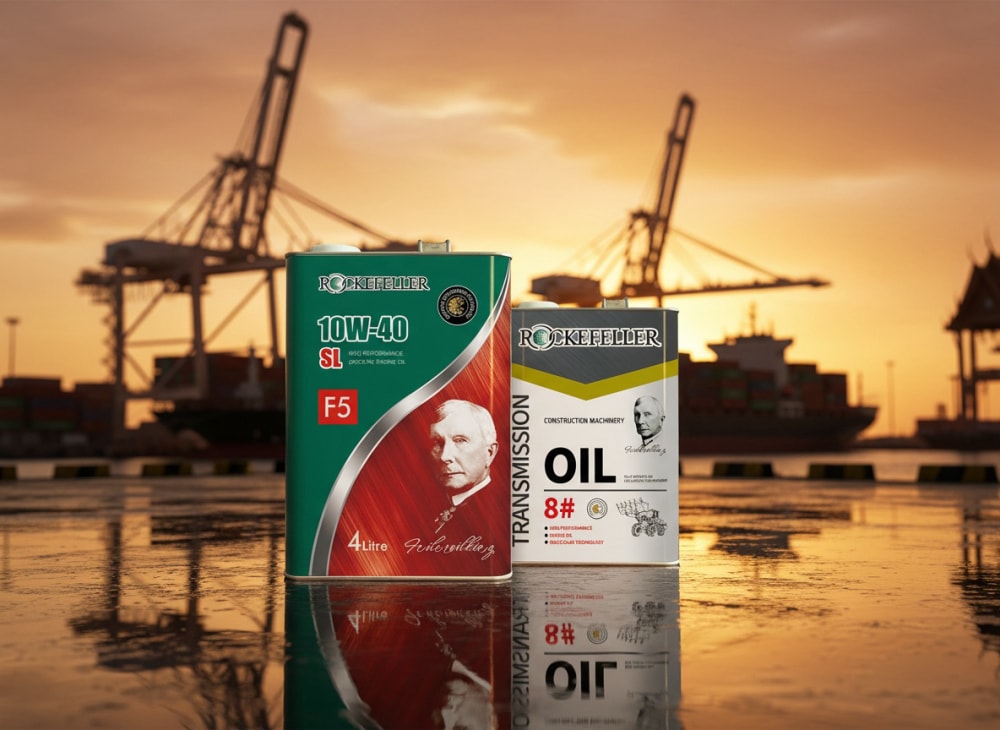
| เฟลเลอร์ | Thai customers through partner networks and project deliveries. | Flexibility in OEM/ODM, cost-effectiveness, and comprehensive product portfolio. | Diesel engine oil, gear oil, industrial oil, and specialty products. |
This table highlights players that Thai buyers can actually find in the market, including domestic brands, international brands, and B2B-focused manufacturers for distributors, factories, and brand owners requiring bulk quantities or customized formulas.
This comparison chart shows how different supplier types have distinct advantages. Buyers looking for rapid nationwide distribution may prefer domestic players, while brand owners or project buyers often prioritize flexibility in formulas, packaging, and total costs.
Case Studies in the Thai Context
The first case is a delivery fleet from Samut Prakan to the northeastern region. Previously, they purchased engine oil and gear oil from separate sellers, leading to specification mismatches at some branches. After consolidating procurement with a supplier that provided clear documentation and trained center mechanics, they significantly reduced gear jerking issues after repairs and cut downtime waiting for wrong-spec parts and fluids.
The second case involves a construction contractor in Chonburi and Rayong using multiple models of loaders and bulldozers. The repair team once referred to all system fluids as "gear oil," resulting in incorrect fluid being added to some machines. After reviewing manuals and separating inventory by specific product codes, the transmission and hydraulic systems became more stable, and repair costs from premature seal and pump damage decreased.
The third case is a pickup truck service workshop in Chiang Mai. Customers often asked if thick diesel engine oil could be used instead of gear oil. After creating simple explanatory materials to show the differences in additives and friction properties, the rate of return repairs due to abnormal gear conditions after self-service changes dropped noticeably.
แนวโน้มปี 2569 และอนาคตของตลาด
In 2026, the Thai market will see three major changes. First, technology: new commercial vehicles and diesel engines will require lubricants with better soot control, support for exhaust after-treatment systems, and longer viscosity retention. Meanwhile, multi-speed automatic transmissions and energy-saving drivelines will demand more specialized fluids.
Second, policy and environment: Thai operators are increasingly focusing on extending oil drain intervals, used oil analysis, waste reduction, and more traceable procurement, especially for export factories and fleets that need sustainability reports.
Third, supply chain models: buyers will seek suppliers that can provide finished products, private label brands, and local technical support, because total cost is not measured by price per liter alone but includes selection errors, actual drain intervals, downtime, and delivery speed.
This area chart reflects the market transition from general standard products to higher-performance and more specialized formulations, aligning with trends in upgrading heavy-duty vehicle quality and stricter maintenance requirements.
Feller and Serving the Thai Market
For customers in Thailand, Feller is a lubricant manufacturer that meets both automotive and industrial needs, with over 30 years of experience in production lines from base oils, blending, to packaging, with ISO 9001 and ISO 14001 quality system certifications, and formula development aligned with international standards for engine and driveline applications. Their product lines cover diesel engine oils from cost-effective grades to heavy-duty synthetics, gear oils, differential oils, and hydraulic transmission fluids for machinery, allowing Thai buyers to consolidate multiple system supplies from one source. In terms of collaboration, the company offers OEM, ODM, private label, wholesale, regional dealership, and direct end-user delivery, suitable for importers, brand owners, workshops, dealers, and fleet operators. For local service assurance, they have market experience in Thailand and Southeast Asia through partner networks, technical documentation support, label and import document assistance, rapid delivery coordination via international logistics, and pre-sales and after-sales consultation both online and offline. This reflects a long-term investment in the Thai market rather than short-term export sales. Interested parties can view more company information at About Feller or contact the team through Contact channels in Thailand and view more overall information at Feller's main website
Recommendations for Small Buyers and B2B Buyers
Individual vehicle users should strictly follow the vehicle manual, not guess based on color or oil viscosity. Do not use diesel engine oil instead of gear oil, and do not use gear oil instead of engine oil, even for older models. If unsure, consult a service center or a shop with clear specification data.
For repair shops and distributors, implement an internal warehouse labeling system that clearly separates diesel engine oil, manual gear oil, differential oil, and automatic transmission fluid, along with recording specifications for frequently serviced vehicle models.
For fleets and factories, use used oil analysis to monitor actual degradation trends and adjust drain intervals safely. This method yields better results than setting fixed intervals without considering actual operating conditions.
คำถามที่พบบ่อย
Can diesel engine oil be used instead of gear oil?
Not in almost all cases, because the additive formulas and friction coefficient values are different. Wrong usage can cause gear wear or malfunctions.
Is it enough to just look at viscosity?
No, it's not enough. You must also consider standards and manufacturer requirements, such as standards for specific diesel engines or gear models, because oils with similar viscosity can have very different performance properties.
What should diesel pickup trucks in Thailand be especially careful about?
Be cautious about heavy use in hot weather, towing, and city traffic congestion, as these cause faster engine oil degradation. Meanwhile, gear oil must meet specifications, especially for newer automatic transmission models.
Can construction machinery use the same oil for both engine and transmission?
Only for certain systems designed by the manufacturer, such as specific hydraulic transmission fluids for certain models. Carefully consult the equipment manual; do not infer from general names.
How to choose a supplier in Thailand?
Look at local stock availability, technical service, certification documents, ability to supply multiple product types, and experience with your actual industry, such as transportation, construction, agriculture, or heavy industry.
ผู้ผลิตต่างประเทศเหมาะกับตลาดไทยหรือไม่
Suitable if they have international standards, complete documentation, consistent delivery capability, and pre-sales and after-sales service that genuinely supports Thai customers, especially for OEMs, brand owners, and bulk buyers seeking competitive costs.
บทสรุป
The most important point is: diesel engine oil and gear oil are not interchangeable fluids, even if used in the same vehicle. In Thailand, where diesel vehicles and heavy machinery are widely used, selecting the correct oil type according to the system's function directly affects equipment lifespan, gear smoothness, maintenance costs, and downtime. If buyers adhere to the manufacturer's manual, choose brands or suppliers with clear documentation, and use services with comprehensive technical advice, they can greatly reduce the risk of wrong selection and achieve maximum efficiency in Thailand's climate and working conditions.

เกี่ยวกับผู้เขียน: Jack Jia
ผมคือ Jack Jia ผู้เชี่ยวชาญด้านเทคนิคและแบรนด์ที่มีประสบการณ์ในอุตสาหกรรมน้ำมันหล่อลื่นมากกว่า 30 ปี ปัจจุบันทำงานที่ Feller Lubricants โดยมุ่งเน้นด้านโซลูชันการหล่อลื่นแบบครบวงจร รวมถึงน้ำมันหล่อลื่นยานยนต์ระดับพรีเมียม น้ำมันอุตสาหกรรม น้ำมันเครื่องดีเซล น้ำมันไฮดรอลิก และน้ำมันเกียร์สำหรับตลาดทั่วโลก ผมได้ให้บริการลูกค้าและแบรนด์ในหลายประเทศและภูมิภาคทั่วโลก พร้อมสร้างความร่วมมือระยะยาวที่มั่นคง ปัจจุบันรับผิดชอบด้านแบรนด์น้ำมันหล่อลื่นระดับสากลและบริการโซลูชันทางเทคนิคของ Feller Lubricants
แบ่งปัน