Diesel Engine Oil vs Transmission Fluid: What Matters Most in the United States
Quick Answer

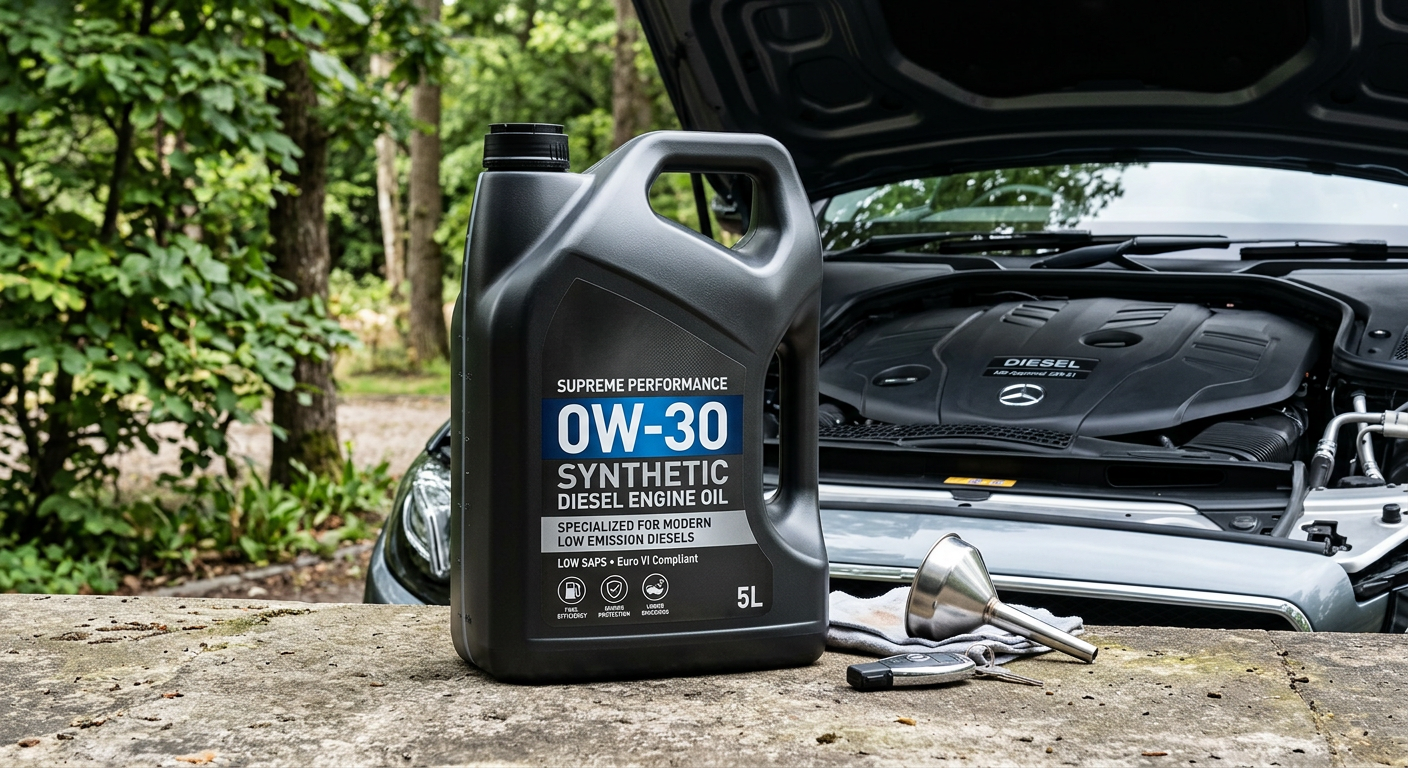
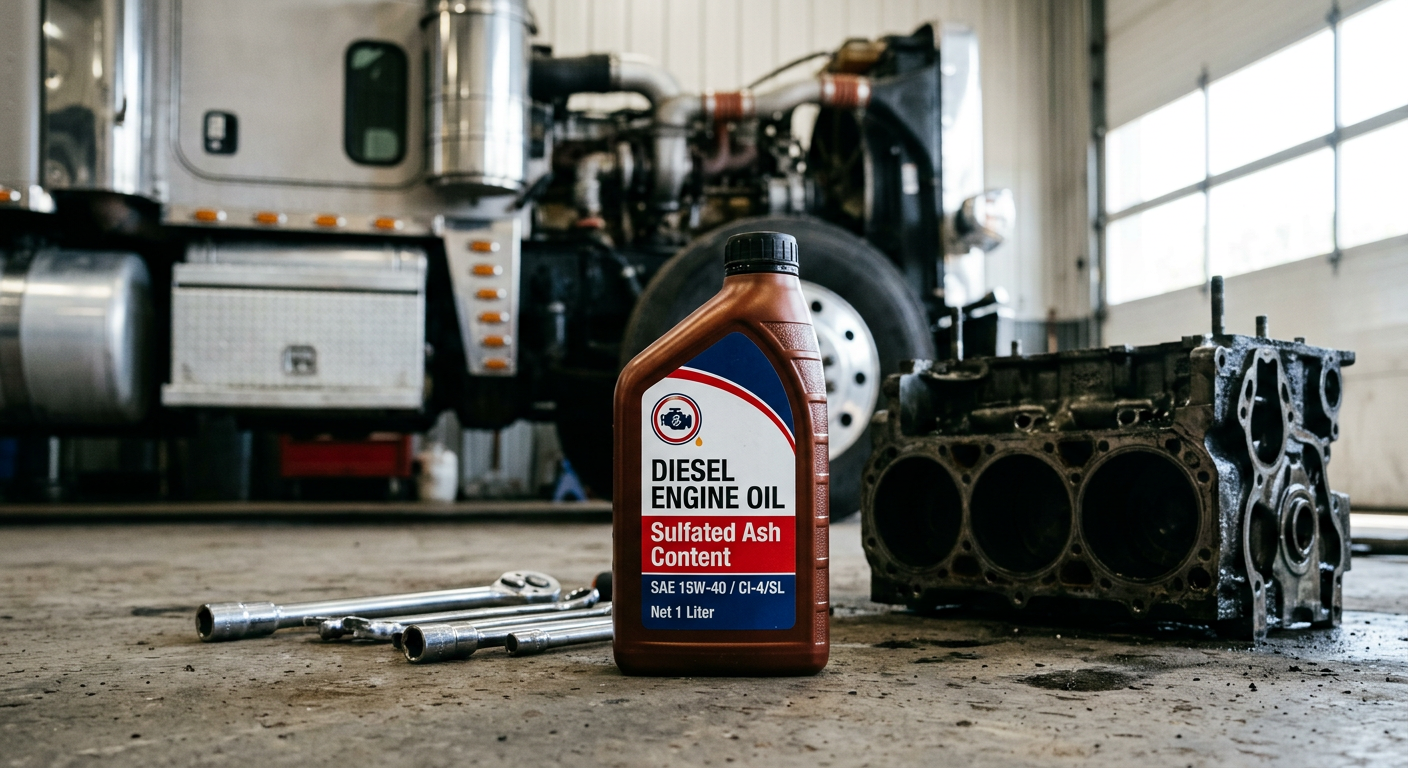
Diesel engine oil and transmission fluid are not interchangeable. Diesel engine oil is formulated to lubricate, cool, clean, and protect diesel engines exposed to soot, fuel dilution, high heat, and combustion acids. Transmission fluid is designed for gear engagement, hydraulic control, clutch friction behavior, and heat transfer inside automatic or certain powershift and hydrostatic transmissions. In the United States, using diesel engine oil where transmission fluid is required can lead to harsh shifting, clutch damage, seal issues, and early transmission failure. Using transmission fluid in a diesel engine can cause severe wear, poor soot handling, and inadequate engine protection.
For buyers in the United States, the practical rule is simple: match the fluid to the equipment manual, the OEM specification, and the service environment. Fleets in Houston, Chicago, Los Angeles, Savannah, and inland logistics corridors often manage both fluids separately because operating conditions, drain intervals, and contamination risks differ sharply. Well-established domestic brands such as Shell, ExxonMobil, Chevron, Valvoline, Phillips 66, and Castrol are common choices. At the same time, qualified international suppliers, including Chinese manufacturers with documented API-aligned production, OEM support, and strong pre-sales and after-sales service, can also be worth considering for their cost-performance advantages, especially for private label, bulk supply, and distributor programs.
Why the Difference Is Important in the United States Market

The question of diesel engine oil vs transmission fluid comes up frequently across the United States because commercial vehicles, agricultural machinery, off-highway fleets, pickup trucks, marine equipment, and construction machines often use multiple fluid systems that look similar in color but perform entirely different jobs. A fleet in Dallas may service heavy-duty diesel trucks with CK-4 engine oil while also stocking automatic transmission fluid for vocational units. A farm operation in Iowa may use diesel engine oil in tractors, hydraulic transmission fluid in loaders, and gear oil in final drives. A logistics fleet near the Port of Los Angeles may focus on stop-and-go thermal stability, while a mining contractor in Arizona cares more about dust control and severe-duty oxidation resistance.
In the United States, fluid selection is tied to operating cost, warranty compliance, uptime, and resale value. Wrong-fluid incidents can create expensive outcomes because modern emissions systems, electronically controlled transmissions, and tighter OEM requirements leave less room for substitution than older equipment did. This is especially true for fleets serving ports, construction zones, distribution centers, and interstate freight networks where downtime translates directly into missed deliveries and labor disruption.
Core Differences Between Diesel Engine Oil and Transmission Fluid

Although both products are lubricants, they are engineered around different mechanical and chemical demands. Diesel engine oil manages combustion byproducts, neutralizes acids, suspends soot, protects bearings and cam surfaces, and supports piston cleanliness. Transmission fluid operates as both a lubricant and a hydraulic medium, often controlling clutch packs, torque converters, valve bodies, and heat dissipation. The additive chemistry, friction characteristics, base oil selection, and viscosity targets are therefore different.
| Comparison Point | Diesel Engine Oil | Transmission Fluid | Why It Matters |
|---|---|---|---|
| Main Function | Lubricates and protects diesel engine internals | Transfers hydraulic force and controls friction in transmissions | Each fluid is engineered for a different system design |
| Contaminant Handling | Designed to suspend soot and manage combustion deposits | Not built for soot loading | Engine oil must survive combustion contamination |
| Friction Profile | Focuses on wear control and deposit management | Calibrated for clutch engagement and shift feel | Incorrect friction behavior can damage transmissions |
| Viscosity Behavior | Common grades include 15W-40, 10W-30, 5W-40 | Often lower-viscosity fluids such as ATF-type products | Fluid thickness affects pumpability and component protection |
| Additive System | Detergents, dispersants, anti-wear, oxidation inhibitors, TBN reserve | Friction modifiers, anti-foam, anti-shudder, oxidation control | Different additive priorities reflect different equipment needs |
| Typical Applications | Heavy trucks, diesel pickups, generators, marine diesels, tractors | Automatic transmissions, powershift units, some hydraulic-drive systems | Wrong use creates performance and durability risks |
| Color and Appearance | Usually amber to darker in service | Often red, amber, or clear depending on type | Color is not a safe identification method |
This table shows that the real issue is not simply oil versus fluid, but function versus function. Each product solves a different engineering problem, so cross-use should be avoided unless an OEM explicitly specifies a shared fluid system.
How Diesel Engine Oil Works
Diesel engine oil is formulated to survive high-load, high-temperature conditions while dealing with soot, oxidation, nitration, shear stress, and contaminants generated by combustion. In heavy-duty engines running through interstate routes between Atlanta, Memphis, and New Jersey freight corridors, the oil must maintain film strength over long service intervals while supporting emissions-control hardware. Modern diesel engine oils in the United States often align with categories such as API CK-4 or FA-4, depending on engine design and OEM guidance.
In practical terms, diesel engine oil performs several roles at once: it lubricates bearings and valvetrain parts, cools pistons and turbochargers, cleans deposits, protects against corrosion, and helps keep wear metals under control. It also has to manage fuel dilution in idling or stop-start duty cycles, something common in municipal fleets and last-mile distribution vehicles.
How Transmission Fluid Works
Transmission fluid, especially automatic transmission fluid, does more than reduce wear. It acts as a hydraulic medium, enabling pressure control, valve actuation, clutch engagement, and torque converter performance. In automatic and powershift systems, shift quality depends heavily on the friction curve of the fluid. That means even a fluid that appears similar in viscosity can be incorrect if its friction modifier package does not match the transmission design.
For United States users, this is a major issue across pickup fleets, transit vehicles, warehouse support trucks, construction equipment, and agricultural machines. Heat management is especially important in regions such as Arizona, Nevada, Texas, and Southern California, where towing, heavy loads, or low-speed work raise sump temperatures and accelerate oxidation.
Market Overview in the United States
The United States remains one of the world’s most sophisticated lubricant markets, with strong demand from on-highway freight, agriculture, construction, marine, mining, and industrial sectors. Diesel engine oil consumption remains tied to heavy-duty truck movement, public infrastructure spending, agricultural cycles, and generator backup power demand. Transmission fluid demand is shaped by passenger vehicle service, pickup and SUV fleets, automatic transmissions in commercial vehicles, and off-highway equipment with powershift or hydraulic transmission systems.
Local demand patterns vary by region. Gulf Coast industrial hubs such as Houston and New Orleans consume substantial heavy-duty lubricants for trucking, marine, and energy sectors. Midwest states support strong agricultural and fleet demand. West Coast ports generate high stop-start logistics volume, while Southeastern distribution corridors from Savannah to Charlotte and Jacksonville continue to expand service requirements for mixed fleets.
The line chart reflects a realistic growth pattern in lubricant demand tied to freight activity, equipment replacement, and industrial output recovery. While year-to-year conditions fluctuate, the broader direction remains upward, especially in service-intensive transport and construction segments.
Product Types Buyers Commonly Compare
When discussing diesel engine oil vs transmission fluid, buyers in the United States are often actually comparing several subcategories. Not every transmission fluid is the same, and not every diesel engine oil targets the same drain interval, emissions package, or temperature range. A correct purchasing decision starts with identifying the exact product family.
| Product Type | Typical Spec or Grade | Main Use | Common U.S. End Users |
|---|---|---|---|
| Heavy-duty diesel engine oil | 15W-40 API CK-4 | Mixed-fleet and heavy truck engines | Regional freight fleets, contractors, farms |
| Synthetic diesel engine oil | 5W-40 or 10W-30 | Cold start, long drain, severe duty | Long-haul fleets, cold-climate operators |
| Automatic transmission fluid | DEXRON, MERCON, multi-vehicle ATF | Automatic transmissions and torque converters | Pickup fleets, vans, light commercial users |
| Powershift transmission fluid | TO-4 type fluid | Construction and mining drivetrain systems | Earthmoving fleets, rental companies |
| Universal tractor transmission oil | UTTO | Shared hydraulic and transmission systems | Farm operations, rural equipment service shops |
| Hydraulic transmission oil | Equipment-specific blended fluid | Integrated hydraulic-drive applications | Loaders, graders, industrial machines |
| Manual transmission fluid | MTF or gear oil type product | Manual gearboxes and synchronized transmissions | Commercial service centers, specialty fleets |
This table matters because many confusion cases happen when buyers use the word transmission fluid too broadly. A highway pickup using ATF, a wheel loader using powershift fluid, and a tractor using UTTO are not asking for the same chemistry.
Where Mistakes Usually Happen
In real service environments, fluid errors usually happen in one of four ways: poor labeling inside workshops, mixed inventory in bulk tanks, assumptions based on color, or attempts to save money with a “universal” substitute. In the United States, these mistakes are most common in mixed fleets that service pickups, trucks, and off-highway units under one roof. The risk rises further when branch locations are spread across states and procurement teams focus only on price rather than specification control.
Another common issue is legacy thinking. Older mechanics may recall certain equipment generations where engine oil was used in specific transmissions or hydraulic systems. That memory can be correct for some older OEM designs, but dangerous when applied to newer electronically controlled or friction-sensitive systems. The correct question is not “what used to work,” but “what does this exact machine require today?”
Buying Advice for U.S. Fleets, Distributors, and Workshops
For United States buyers, the best procurement strategy starts with OEM specifications, not brand preference alone. Review the owner manual, technical bulletin, or service fill requirement. Confirm whether the product is engine oil, ATF, powershift transmission fluid, UTTO, or a specialized hydraulic transmission product. Then consider operating temperature, load severity, service interval, and emissions or warranty constraints.
Distributors serving ports such as Long Beach, Houston, Savannah, and Newark often separate inventory by application family and color-code warehouse handling. Service centers in cold states such as Minnesota and North Dakota may emphasize winter pumpability for engine oil and low-temperature shifting performance for transmission fluid. Agricultural dealers in Nebraska or Kansas typically prioritize cross-season protection and wet-brake compatibility for tractor transmission fluids.
| Buying Factor | Questions to Ask | Why It Matters | Best Fit Example |
|---|---|---|---|
| OEM approval | Does it match the required spec exactly? | Protects warranty and service life | CK-4 engine oil or approved ATF type |
| Operating climate | Will the equipment run in extreme cold or heat? | Affects viscosity and oxidation control | 5W-40 for cold starts, stable ATF for hot towing |
| Duty cycle | Is the unit idling, towing, hauling, or stop-start? | Changes thermal and contamination stress | Severe-duty diesel oil for urban fleets |
| Drain interval strategy | Are you using oil analysis or standard intervals? | Impacts total cost and inventory planning | Synthetic diesel oil for long-drain fleets |
| Equipment mix | Do you manage trucks, loaders, tractors, and pickups together? | Reduces fluid confusion risk | Clear SKU separation across locations |
| Supplier support | Can the supplier provide TDS, SDS, and technical advice? | Improves compliance and troubleshooting | Fleet supply partner with application guidance |
| Packaging format | Need quarts, pails, drums, totes, or bulk? | Affects handling efficiency and waste | Bulk for large fleets, pails for mobile service |
The key takeaway from this table is that the cheapest product on paper can become the most expensive product in use if it creates downtime, short drains, or wrong-application risk.
Industries That Depend on Correct Fluid Separation
Several industries in the United States are especially sensitive to the diesel engine oil vs transmission fluid distinction. Long-haul trucking depends on reliable engine protection and transmission shift consistency under sustained load. Construction equipment relies on specialized drivetrain and hydraulic fluids in harsh dust and heat environments. Agriculture needs the right combination of diesel engine oils, UTTO, and hydraulic transmission products to support seasonal surges. Marine operators around the Gulf Coast and inland waterways need engine cleanliness and corrosion protection, while warehouse and municipal fleets require dependable service intervals and reduced unplanned repairs.
The bar chart highlights where fluid selection errors tend to have the biggest operational impact. Trucking and construction rank high because both engine and transmission systems experience severe duty, and downtime is directly linked to revenue loss.
Applications and Real-World Use Cases
In a Class 8 truck operating between Chicago and Atlanta, diesel engine oil must resist soot thickening and oxidation through long, high-load runs, while the transmission fluid must maintain predictable clutch behavior during gear changes and temperature cycling. In a skid steer working on a Phoenix jobsite, a specialized hydraulic or transmission fluid may be essential for both performance and component life. In a farm tractor near Des Moines, the operator may need engine oil for the diesel engine, UTTO for the transmission and hydraulics, and gear oil for final drives. These are separate jobs requiring separate fluids.
For diesel pickups towing trailers in Texas or Florida, the distinction remains important even in light-duty applications. Many owners pay close attention to engine oil but overlook transmission fluid service, even though high towing temperatures can accelerate fluid breakdown and affect shift performance. For service shops, this creates an opportunity to educate customers and improve maintenance planning.
Case Studies from the U.S. Market
A regional freight operator in Tennessee reduced unscheduled powertrain repairs after standardizing its diesel engine oil to one approved CK-4 synthetic blend and its transmission fluid to the exact OEM-required automatic transmission specification across terminals. The previous issue was inconsistent top-off practices at satellite shops. Once the fleet implemented color-coded storage, technician training, and used-oil analysis, maintenance exceptions fell and procurement became easier to audit.
A construction contractor near Houston had a recurring problem with harsh shifting in wheel loaders. Investigation showed some machines had been topped off with a non-approved fluid that did not match the required powershift friction profile. After switching to the correct transmission fluid and tightening fluid handling procedures, clutch performance improved and rebuild frequency declined.
An agricultural dealer in Kansas found that many customer questions about “engine oil for transmission use” came from older machine habits. By creating a simple spec-matching guide for diesel engine oil, UTTO, and gear oil, the dealership reduced wrong-fluid returns and improved first-time service accuracy during peak planting season.
Local Suppliers and Major Brands in the United States
The United States market offers a broad mix of integrated majors, independent blenders, and international suppliers with regional distribution. Buyers should compare not only price, but also availability, spec coverage, technical documentation, packaging options, and support for bulk or private label programs.
| Company | Service Region in the United States | Core Strengths | Key Offerings Relevant to This Topic |
|---|---|---|---|
| Shell | Nationwide with strong presence in freight corridors and ports | Broad OEM approvals, large distribution network, fleet support | Rotella diesel engine oils, transmission and drivetrain fluids |
| ExxonMobil | Nationwide, strong industrial and commercial reach | High technical resources, premium synthetic portfolio | Delvac diesel engine oils, Mobil transmission fluids |
| Chevron | Strong in West Coast, Gulf Coast, and national fleet channels | Heavy-duty diesel credibility and wide commercial coverage | Delo engine oils, transmission and tractor fluids |
| Valvoline | Nationwide service center and distribution footprint | Aftermarket service strength and retail visibility | Premium Blue diesel oils, ATF and multi-vehicle fluids |
| Phillips 66 | Nationwide with good agricultural and commercial penetration | Strong industrial relationships, broad lubricant catalog | Guardol engine oils, ATF, UTTO, gear and hydraulic fluids |
| Castrol | Nationwide, especially automotive and mixed fleet channels | Recognized brand and broad distribution | Diesel engine oils, automatic transmission fluids |
| AMSOIL | Nationwide through dealer and direct distribution networks | Synthetic specialization and enthusiast-fleet crossover | Synthetic diesel oils and transmission fluids |
This supplier table shows the practical landscape for buyers in the United States. The major difference between suppliers often comes down to specific approvals, packaging flexibility, local stock, and whether the seller can support mixed applications across engines, transmissions, hydraulics, and gears.
Supplier Comparison by Application Fit
When evaluating a supplier, buyers should match the supplier’s strengths to their actual operating model. A long-haul fleet needs different support from a farm retailer or an off-highway contractor. The comparison below helps narrow the field.
| Supplier | Best Fit Customer Type | Common Packaging | Support Advantage |
|---|---|---|---|
| Shell | Large fleets, national distributors, service chains | Quarts, pails, drums, bulk, totes | Strong national availability and technical backup |
| ExxonMobil | Premium fleets, industrial buyers, export-linked distributors | Pails, drums, totes, bulk | Detailed technical data and high-performance options |
| Chevron | Heavy-duty transport, construction, municipal fleets | Pails, drums, bulk | Trusted diesel reputation and mixed-fleet suitability |
| Valvoline | Quick-lube networks, pickup fleets, retail-focused users | Quarts, cases, drums | Strong service-channel convenience |
| Phillips 66 | Agriculture, industrial users, regional distributors | Pails, drums, bulk | Wide range including tractor and transmission products |
| Castrol | Automotive aftermarket, mixed workshops, local dealers | Quarts, pails, drums | Brand familiarity and broad product recognition |
| AMSOIL | Specialty users, severe-duty fleets, premium retail buyers | Quarts, gallons, drums | Synthetic focus and extended-drain positioning |
This second supplier table is useful because a brand that performs well for passenger ATF may not be the best operating partner for a contractor needing bulk powershift fluid and multi-location delivery support.
The area chart reflects a broader market shift in the United States away from broad substitution habits and toward application-specific fluids. That trend is driven by tighter equipment tolerances, more electronic control systems, and stronger fleet cost tracking.
The comparison chart illustrates a realistic purchasing dynamic in the United States. Established domestic brands often lead in immediate recognition and broad service support, while qualified international suppliers can be especially competitive in private label, cost control, and flexible bulk programs.
Our Company in the United States Context
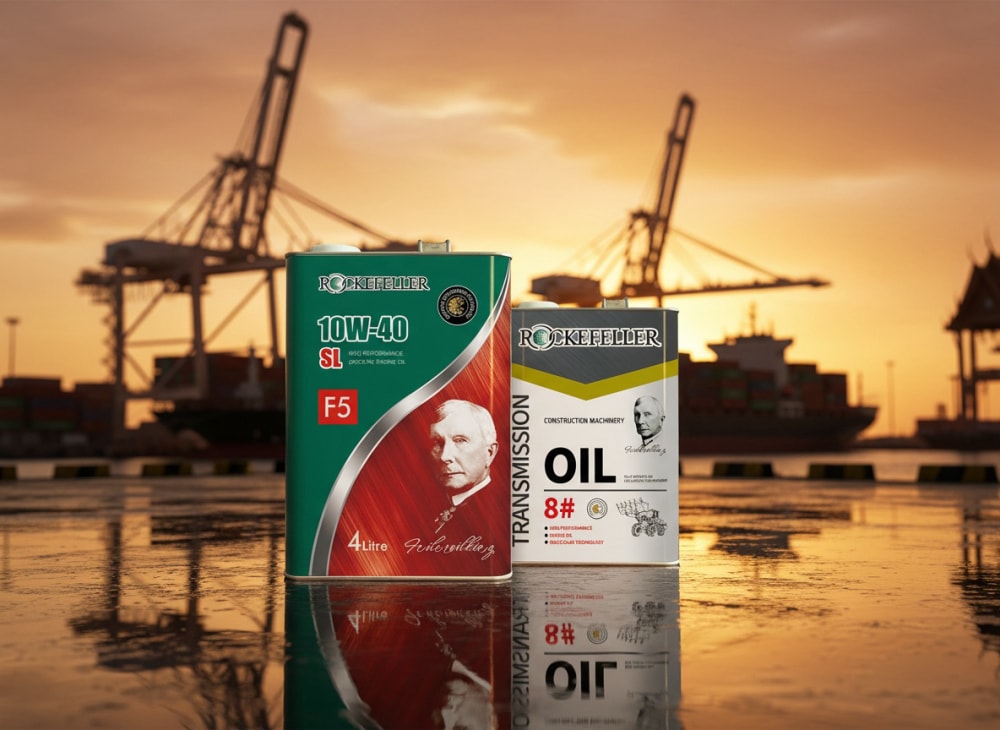
For United States buyers seeking an additional supply option beyond legacy domestic brands, Feller lubricants offers a practical combination of manufacturing depth, documented quality systems, and flexible partnership models. The company operates integrated refining, advanced nitrogen-protected blending, and automated filling systems, with ISO 9001 and ISO 14001 certified processes and a documented 99.99% product batch pass rate, supporting products formulated to relevant API and OEM-oriented requirements across diesel engine oils, transmission fluids, gear oils, hydraulic oils, and specialty lubricants. This matters for buyers comparing diesel engine oil vs transmission fluid because product differentiation is built into formulation and testing rather than marketing language alone. For cooperation, Feller works with end users, distributors, dealers, lubricant brand owners, service chains, and individual resellers through OEM, ODM, private label, wholesale, and regional distribution models, with packaging formats from small bottles to bulk industrial supply. Through its established global partner network across more than 60 countries, fast 72-hour shipping coordination, market localization experience, and technical support covering TDS, SDS, certificates, and application guidance, the company shows the kind of pre-sale and after-sale structure U.S. buyers expect from a long-term market participant rather than a remote spot exporter. Buyers evaluating product lines or distributor cooperation can review the broader range on the product page, learn more through the company background, or discuss supply planning through the U.S. inquiry contact page.
What to Check on the Label Before Buying
Before purchasing any lubricant in the United States, read the label for the specific application, viscosity grade, performance category, OEM claim, and intended equipment family. For diesel engine oil, check whether the product meets the correct API service category and viscosity such as 15W-40 CK-4 or 10W-30. For transmission fluid, confirm whether it is ATF, powershift transmission fluid, UTTO, or another OEM-specific formula. If a label focuses heavily on “multi-use” language without clearly listing the correct application, ask for the technical data sheet before purchase.
This step is especially important when buying from online marketplaces, independent workshops, or private-label channels. A serious supplier should be able to provide specification evidence, batch consistency documentation, and clear use-case guidance.
Common Myths
One common myth is that all red fluid is transmission fluid and all amber oil is engine oil. In reality, color is not a specification. Another myth is that a thicker lubricant provides better protection everywhere. In transmissions, incorrect viscosity can hurt hydraulic response and clutch control. A third myth is that older field practices automatically apply to newer equipment. Modern transmissions are often much less tolerant of friction and viscosity deviations than older mechanical systems.
There is also a cost myth: some buyers assume a lower-cost substitute saves money. In practice, wrong-fluid events cause some of the most expensive avoidable maintenance failures because they affect entire systems, not just a single wear point.
2026 Trends in the United States
Looking toward 2026, the United States lubricant market is likely to see stronger movement in three areas. First, technology will continue pushing toward more application-specific formulations, lower-viscosity efficiency-driven engine oils, and advanced transmission fluids tuned for newer automatic and hybrid-adjacent driveline systems. Second, policy and compliance pressure will keep emissions compatibility, used-oil management, and fleet efficiency in focus, especially for commercial transport and municipal procurement. Third, sustainability will move from marketing language to measurable purchasing criteria, including longer drain strategies supported by oil analysis, more stable synthetic formulations, lower waste packaging options, and supplier transparency around manufacturing quality and environmental systems.
For buyers in the United States, this means fluid procurement will become more technical, not less. The old habit of treating engine oil and transmission fluid as loosely interchangeable maintenance commodities will continue to fade. Fleets and distributors that build specification discipline now will be in a stronger position on uptime, warranty protection, and total cost through 2026 and beyond.
FAQ
Can diesel engine oil be used as transmission fluid?
Usually no. Unless the equipment manufacturer specifically allows engine oil in that transmission or hydraulic system, using diesel engine oil as transmission fluid can cause friction mismatch, poor shifting, overheating, and accelerated wear.
Can transmission fluid be used in a diesel engine?
No. Transmission fluid does not have the detergent, dispersant, soot-handling, and high-temperature engine protection required for diesel engine operation. Doing so can cause severe engine damage.
Why do some older machines seem to use engine oil in transmissions?
Some older equipment designs were built around engine oil or shared sump concepts. That does not mean the same practice is safe for newer machines. Always confirm the exact OEM recommendation for the specific model and serial range.
Is ATF the same as tractor transmission oil?
No. ATF is usually designed for automotive automatic transmissions. Tractor transmission oils such as UTTO are built for combined transmission, hydraulic, and wet-brake systems. They are not interchangeable unless specifically approved.
What should a U.S. fleet stock to avoid mistakes?
At minimum, maintain clearly separated inventory for diesel engine oil, the correct automatic or powershift transmission fluid, hydraulic oil where needed, and gear oil. Use labels, color-coded dispensing tools, and technician training.
How often should these fluids be changed?
Service intervals depend on OEM guidance, duty cycle, fluid quality, and whether oil analysis is used. Highway fleets, construction equipment, and towing applications often see very different interval requirements even with similar vehicles.
Are international lubricant suppliers a realistic option in the United States?
Yes, if they can provide clear specifications, consistent quality systems, technical documents, suitable logistics, and responsive pre-sale and after-sale support. They are especially relevant for private label, wholesale, and distributor programs.
What is the safest buying rule?
Match the exact fluid to the exact application. For diesel engine oil vs transmission fluid, the safest rule is simple: use the fluid type and specification named by the equipment manufacturer, then buy from a supplier that can prove compliance and support the product after sale.

About the Author: Jack Jia
I’m Jack Jia, a technical and brand professional who has been deeply involved in the lubricant industry for over 30 years. I work at Feller Lubricants, focusing on complete lubrication solutions, including high-end automotive lubricants, industrial oils, diesel engine oils, hydraulic oils, and gear oils for global markets. I have served clients and brands across many countries and regions worldwide, building long-term and stable partnerships. Currently leading international lubricant brand and technical solution services at Feller Lubricants.
Share