
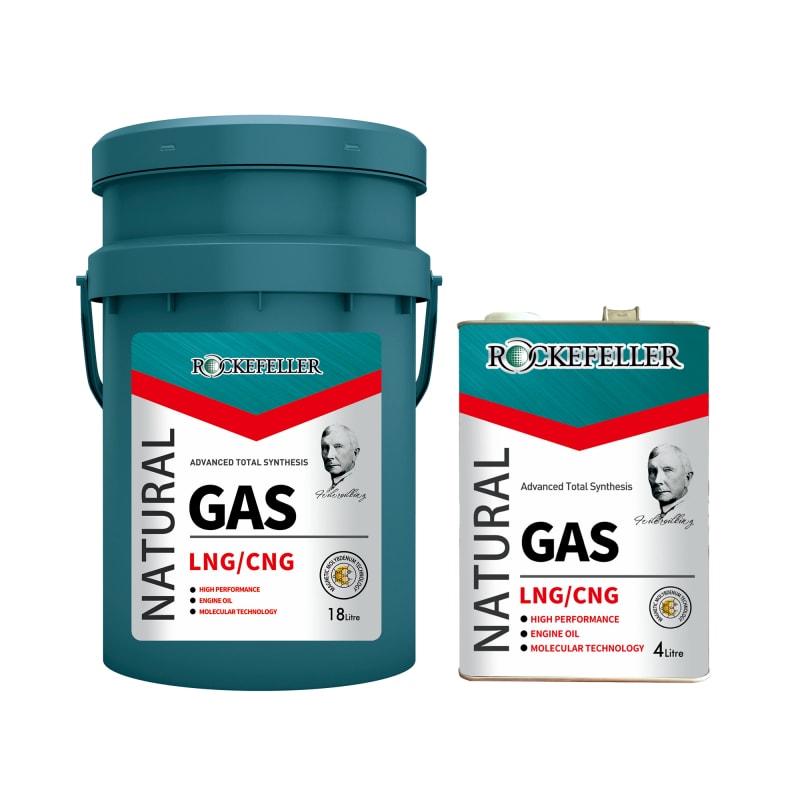
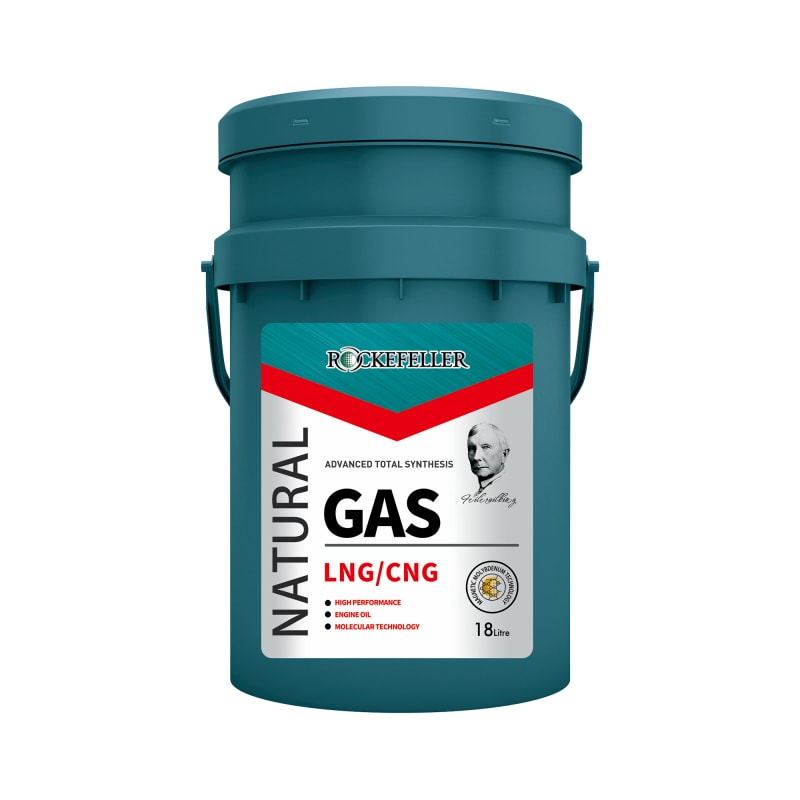
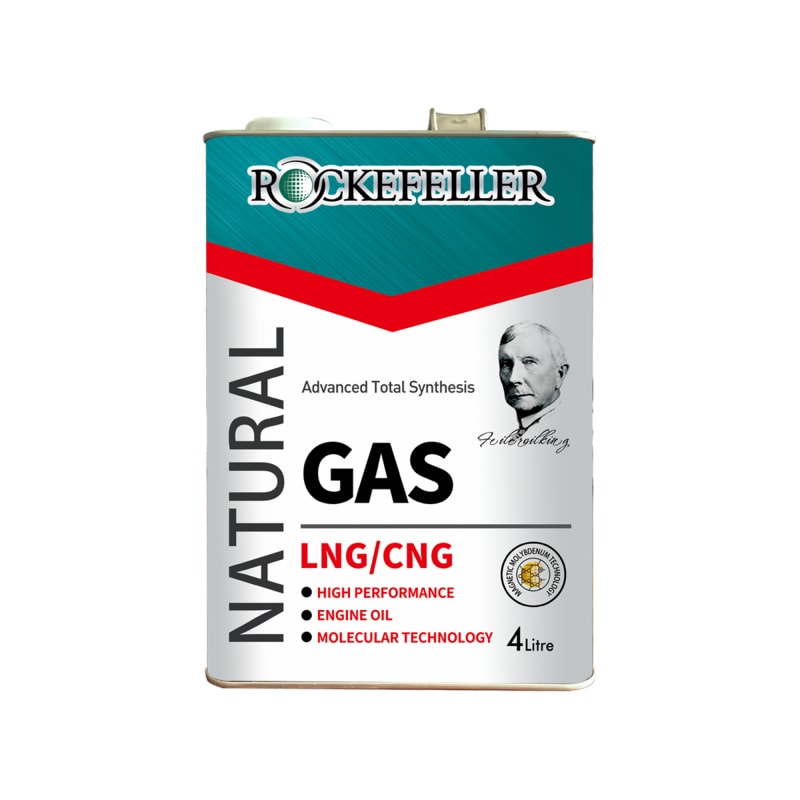
CNG/LNG Natural Gas Engine Oil — Advanced Total Synthesis
The FELLER CNG/LNG Natural Gas Engine Oil with Advanced Total Synthesis technology delivers good anti-oxidation and anti-nitrification performance to prevent high-temperature deterioration, excellent high-temperature stability with outstanding oxidation, corrosion, and abrasion resistance under harsh conditions, effective sludge control to prevent nitrogen oxide contamination of the crankcase, and good viscosity-temperature characteristics with low volatility and pour point for long-term safe engine operation. Specifically formulated for the unique combustion chemistry and higher operating temperatures of natural gas engines, it is the dedicated lubricant solution for large passenger coaches and medium-to-heavy-duty trucks powered by CNG (Compressed Natural Gas) and LNG (Liquefied Natural Gas), with particular suitability for long-distance transportation applications.
Consistent Quality
All products are produced under strict quality control systems, ensuring stable formulation, reliable lubrication performance, and consistent results across various operating conditions.
Enhanced Performance & Durability
Advanced base oils and additive technologies deliver excellent wear protection, thermal stability, and longer service intervals for demanding industrial and automotive applications.
Comprehensive Support & Efficiency
Feller provides integrated lubrication solutions including product selection, technical guidance, and supply support, helping clients improve efficiency and reduce operating costs.
Share This Product
Product Overview
The FELLER CNG/LNG Natural Gas Engine Oil represents a purpose-built lubricant formulation for the rapidly growing fleet of natural gas-powered commercial vehicles worldwide. As countries implement stricter emissions regulations and seek to reduce dependence on diesel fuel, Compressed Natural Gas (CNG) and Liquefied Natural Gas (LNG) have emerged as major alternative fuels for heavy-duty commercial transportation — particularly for long-haul trucking, inter-city coach services, urban transit buses, and port/terminal truck operations.
Natural gas engines present fundamentally different lubrication challenges compared to diesel engines, and standard diesel engine oils are not suitable for natural gas engine service. The key differences that necessitate a dedicated natural gas engine oil formulation include:
Why Natural Gas Engines Need Specialized Oil
1. Higher Combustion Temperatures:
Natural gas (methane, CH₄) has a higher stoichiometric air-fuel ratio than diesel, and spark-ignited natural gas engines operate at higher peak combustion temperatures than compression-ignition diesel engines. These higher temperatures create more severe thermal stress on the engine oil, accelerating oxidation and thermal breakdown.
2. Nitration — The Unique Natural Gas Engine Challenge:
Nitration is the chemical reaction between nitrogen oxides (NOx) in the combustion gases and the engine oil, forming nitro-organic compounds that dramatically increase oil viscosity, form deposits, and degrade the oil’s lubricating properties. While nitration occurs to some extent in all internal combustion engines, it is dramatically more severe in natural gas engines because:
- Higher combustion temperatures generate more NOx
- The leaner air-fuel mixtures used in many natural gas engines produce higher NOx concentrations
- The oil is exposed to these hot gases through blow-by past the piston rings
If the engine oil lacks adequate anti-nitrification chemistry, nitration can cause:
- Rapid oil thickening (viscosity increase of 50-200%+ within 500-1,000 hours)
- Heavy deposit formation on pistons, valves, and combustion chamber surfaces
- Accelerated bearing and ring wear from degraded oil properties
- Shortened drain intervals (sometimes less than 5,000 km with inappropriate oils)
3. No Soot, But Different Deposits:
Unlike diesel engines that produce large quantities of soot (carbon particles), natural gas engines burn very cleanly with minimal particulate emissions. However, they produce different types of deposits — primarily ash-based valve deposits from metallic oil additives and varnish/lacquer from oil oxidation and nitration products. These deposits can cause valve recession (particularly exhaust valves), valve sticking, spark plug fouling, and pre-ignition damage.
4. Lower Natural Lubricity of Gas Fuel:
Diesel fuel has inherent lubricating properties that provide some protection to the upper cylinder area (piston rings, cylinder liner). Natural gas has essentially zero lubricating properties, which means the engine oil must provide all of the lubrication for the upper cylinder area — increasing the demand on the oil’s anti-wear capability.
5. Different Additive Requirements:
Standard diesel oil additive packages — particularly the ZDDP (zinc dialkyldithiophosphate) anti-wear additives and metallic detergents (calcium sulfonate, magnesium sulfonate) — are not optimized for natural gas engine conditions. Excessive ash from metallic additives causes valve recession and spark plug fouling, while ZDDP can decompose at the higher temperatures present in natural gas engines, depositing zinc and phosphorus on catalytic converters and reducing their effectiveness.
The FELLER CNG/LNG Natural Gas Engine Oil is formulated with a low-ash, high-stability additive system specifically engineered to address all of these natural gas-specific challenges while providing the extended drain capability and reliable protection that commercial fleet operators demand.
The CNG/LNG oil is manufactured with a five-year shelf life and is available in both 4-liter tins and 18-liter buckets.
Key Functional Features and Performance Benefits
Anti-Oxidation and Anti-Nitrification Performance
★ Good Anti-Oxidation and Anti-Nitrification Performance — Prevent Engine From Operating at High Temperature with Oil Deterioration:
The CNG/LNG oil’s dual anti-oxidation and anti-nitrification system is the foundation of its formulation — the feature that distinguishes it from all diesel engine oils and makes it suitable for natural gas engine service.
Anti-Oxidation System:
The primary anti-oxidant package uses a combination of hindered phenolic and aminic antioxidants that are specifically selected for their effectiveness at the higher temperatures encountered in natural gas engines. These antioxidants:
- Interrupt the free-radical chain reaction of oxidation at the molecular level (primary antioxidant action)
- Decompose peroxide intermediates that would otherwise propagate oxidation (secondary antioxidant action)
- Maintain their effectiveness at sustained temperatures of 150–200°C and above
- Provide long-lasting protection throughout extended drain intervals
Anti-Nitrification System:
The anti-nitrification chemistry is unique to natural gas engine oils and employs specialized additives that:
- React with nitrogen dioxide (NO₂) and other reactive nitrogen species before they can attack the base oil molecules
- Form stable, non-harmful reaction products that do not increase oil viscosity or form deposits
- Maintain their effectiveness over extended drain intervals, preventing the sudden onset of nitration that can occur when anti-nitrification additives are depleted
- Work synergistically with the anti-oxidation system, because oxidation and nitration are interconnected degradation mechanisms — controlling one helps control the other
The combined anti-oxidation and anti-nitrification system prevents the oil from deteriorating during high-temperature engine operation, avoiding the poor lubrication, increased wear, and shortened drain intervals that result from oxidation and nitration breakdown.
High-Temperature Performance
★ Good High-Temperature Quietness, Oxidation Stability, Corrosion Resistance, and Abrasion Resistance — Maintains Good Lubricating Effect Under Harsh Working Environments:
Natural gas engines in long-haul trucking applications operate under sustained high-temperature, high-load conditions — often for 10–14 hours per day, covering 600–1,000+ km. Under these conditions, the CNG/LNG oil delivers:
High-Temperature Quietness:
The oil maintains stable viscosity and film thickness at elevated temperatures, preventing the metal-to-metal contact that generates the increased engine noise associated with oil thinning. A quiet engine indicates proper lubrication, and the CNG/LNG oil ensures engines remain quiet throughout extended operating periods.
Oxidation Stability Under Harsh Conditions:
Beyond the primary anti-oxidation system, the CNG/LNG oil’s base oil selection is critical — the advanced total synthesis base oil has inherently superior oxidation resistance compared to conventional mineral oils, providing a more stable foundation on which the additive system builds its protection.
Corrosion Resistance:
The anti-corrosion additive package protects copper alloy components (bearings, bushings, cooler tubes, thrust washers) from the corrosive attack of acidic oxidation and nitration byproducts, as well as from the sulfur compounds present in some natural gas supplies (particularly in markets where gas treatment standards are less stringent).
Abrasion Resistance:
The anti-wear system provides targeted protection for the upper cylinder area (piston rings and cylinder liner), which receives no supplementary lubrication from the fuel (as it would in a diesel engine). This enhanced anti-wear protection is essential for preventing the accelerated ring and liner wear that occurs when natural gas engines are run on standard diesel oils.
Sludge Control and NOx Management
★ Good Anti-Oxidation Performance and Sludge Control — Prevent Nitrogen Oxides from Entering the Crankcase to Form Sludge:
The combustion gases that blow past the piston rings (blow-by) in natural gas engines carry high concentrations of nitrogen oxides (NOx), water vapor, and partially combusted hydrocarbons. When these gases enter the crankcase and contact the oil, they can cause:
- Nitration of the oil (addressed by the anti-nitrification system)
- Formation of sludge — thick, dark deposits that accumulate in the oil pan, valve cover, and oil passages, restricting oil flow and trapping wear debris
- Formation of varnish and lacquer — thin, hard deposits that coat piston ring grooves (causing ring sticking), hydraulic valve lifter bores (causing lifter collapse and valve train noise), and oil pump components (causing restricted oil flow)
The CNG/LNG oil’s sludge control system uses powerful dispersants that:
- Keep oxidation and nitration byproducts in suspension, preventing them from settling and agglomerating into sludge
- Maintain the cleanliness of oil passages and galleries, ensuring unrestricted oil flow to all engine components
- Keep piston ring grooves clean, ensuring free ring movement and proper compression/oil control
- Prevent deposit formation in the crankcase ventilation system, maintaining proper crankcase pressure management
Viscosity-Temperature Characteristics and Volatility
★ Good Viscosity-Temperature Characteristics, Anti-Foam Resistance, Low Volatility and Pour Point — Long-Term Safe Operation of Engine Equipment:
The CNG/LNG oil maintains consistent viscosity across the full operating temperature range, from cold morning start-up to sustained high-temperature highway operation. Key characteristics include:
Viscosity-Temperature Stability (High Viscosity Index):
The oil’s high VI ensures it is thin enough to flow freely during cold starts (protecting against the majority of engine wear that occurs during warm-up) while remaining thick enough to maintain protective film thickness at operating temperatures (preventing bearing failures and ring/liner wear during heavy-load operation).
Anti-Foam Resistance:
Foam formation in natural gas engine oil can be exacerbated by the higher operating temperatures and the different blow-by gas composition compared to diesel engines. The anti-foam additives prevent foam accumulation that could cause oil starvation, reduce pump efficiency, and compromise lubrication integrity.
Low Volatility:
The advanced total synthesis base oil has inherently low volatility (low Noack evaporation loss), meaning less oil is lost through evaporation at high temperatures. This translates to:
- Lower oil consumption between top-ups
- Less oil vapor entering the exhaust system and potentially fouling catalytic converters
- Better maintenance of oil volume and oil level in the sump
- Reduced contribution to exhaust emissions
Low Pour Point:
The oil’s low pour point ensures reliable cold-start performance in cold ambient conditions, which is particularly important for LNG-powered trucks that may operate in winter conditions where the fuel system (cryogenic LNG storage and regasification) functions normally but the engine oil must still flow to protect the engine during cold cranking.
No Mechanical Impurities and Moisture:
The CNG/LNG oil is manufactured to strict cleanliness standards, ensuring it is free of particulate contamination, moisture, and other impurities that could initiate wear, corrosion, or chemical degradation within the engine.
Technical Specifications
| Parameter | CNG/LNG Natural Gas Engine Oil |
|---|---|
| Oil Type | Natural Gas Engine Oil |
| Base Oil Technology | Advanced Total Synthesis |
| Fuel Compatibility | CNG (Compressed Natural Gas), LNG (Liquefied Natural Gas) |
| Anti-Oxidation | Good (High-Temperature Optimized) |
| Anti-Nitrification | Good (NG-Specific Chemistry) |
| Sludge Control | Good (NOx Management) |
| High-Temperature Stability | Excellent |
| Ash Content | Controlled (Low/Medium Ash) |
| Abrasion Resistance | Good (Enhanced Upper Cylinder) |
| Corrosion Resistance | Good (Multi-Metal) |
| Viscosity-Temperature Stability | Good (High VI) |
| Volatility | Low (Noack) |
| Pour Point | Low |
| Anti-Foam | Good |
| Catalyst Compatibility | Yes |
| Available Packaging | 4L Tin, 18L Bucket, 208L Drum |
| Shelf Life | 5 Years |
Application Areas and Compatible Vehicles/Equipment
LNG Heavy-Duty Trucks (Primary Application — Largest Market)
LNG-powered heavy trucks represent the fastest-growing segment of the natural gas vehicle market in China and other major markets. LNG provides the energy density required for long-haul operations (typically 800–1,500+ km range per fill), making it a viable alternative to diesel for over-the-road trucking.
Chinese LNG Heavy Trucks (Dominant Market):
China has the world’s largest fleet of LNG heavy trucks, with major manufacturers including:
- FAW Jiefang: J7 LNG, J6P LNG, J6L LNG — using Xichai CA6SL and CA6SM natural gas engines
- Dongfeng: Tianlong KL LNG, Tianlong VL LNG — using Cummins ISL/ISZ and Yuchai YC6K/YC6MK NG engines
- Sinotruk (CNHTC): HOWO A7 LNG, HOWO T7H LNG, HOWO T5G LNG, Huanghe LNG — using Sinotruk MC/MT series NG engines and Weichai WP series NG engines
- SHACMAN (Shaanxi Auto): X6000 LNG, X3000 LNG, F3000 LNG — using Weichai WP12NG/WP13NG engines
- Foton Auman: EST LNG, GTL LNG — using Cummins ISL NG engines and Weichai WP NG engines
- Beiben: V3 LNG, NG80 LNG — using Weichai WP NG engines
- CAMC (Hualing): Hanma H7 LNG — using Hanma natural gas engines
- JAC: Gallop LNG — using Weichai/Cummins NG engines
- Dayun: N8 LNG — using Weichai WP NG engines
- Chenglong (Liuzhou): H7 LNG — using Yuchai YC6K NG engines
- Hongyan (SAIC-IVECO): Genlyon LNG, Jie Shi LNG — using Cursor NG engines
Natural Gas Engine Manufacturers (Key OEMs):
The major natural gas engine manufacturers whose products are served by the CNG/LNG oil include:
- Weichai: WP7NG, WP10NG, WP12NG, WP13NG series — the dominant natural gas engine brand in Chinese heavy trucks
- Cummins: ISL G, ISX12 G, B6.7N, L9N — widely used globally and in Chinese OEM applications
- Yuchai: YC6K NG, YC6MK NG, YC6L NG series — major Chinese natural gas engine manufacturer
- Xichai (FAW): CA6SL NG, CA6SM NG series — FAW Group’s natural gas engine division
- CNHTC (Sinotruk): MC/MT NG series — Sinotruk’s own natural gas engine line
- Hanma: Natural gas engine range for CAMC trucks
CNG Urban Transit Buses
CNG-powered city buses represent one of the largest and most established natural gas vehicle applications worldwide. CNG buses are widely deployed in urban transit systems across China, India, Southeast Asia, Latin America, the Middle East, and Europe.
Chinese CNG Bus Manufacturers:
- Yutong: ZK6105BEVG, ZK6120CHEVNPG, ZK6850BEVG and diesel-NG dual-fuel/pure CNG variants — China’s largest bus manufacturer with the world’s largest CNG/LNG bus fleet
- King Long (Jinlong): XMQ series CNG city buses and touring coaches
- Golden Dragon (Xiamen): XML series CNG city buses
- Zhongtong: LCK series CNG buses
- Ankai: HFF series CNG buses
- Foton AUV: BJ series CNG city buses
- Higer: KLQ series CNG coaches and city buses
- BYD: CNG variants where offered
- Zhongtong, Nanjing Jinlong, Young Man (Youngman), Shudu, AsiaStar, Sunlong, Wuzhoulong — additional CNG bus manufacturers
International CNG Bus Manufacturers:
- Cummins Westport/CLARCOR: ISL G and B6.7N engines powering CNG buses from New Flyer, NOVA Bus, Gillig, Alexander Dennis, Tata Marcopolo, Ashok Leyland
- IVECO: Stralis NP, Daily NP — CNG and LNG commercial vehicles
- Volvo: FH LNG, FM LNG
- Scania: OC09/OC13 gas engines in buses and trucks
- Mercedes-Benz (Daimler): Citaro NGT CNG city bus
- MAN: Lion’s City G CNG city bus
CNG/LNG Inter-City Coaches
Long-distance coach operators have adopted LNG as a cost-effective alternative to diesel, particularly on high-volume routes where the fuel cost savings justify the premium price of LNG-powered coaches.
- Yutong: ZK6122BEVG LNG, ZK6128 LNG and other long-distance LNG coach models
- King Long: XMQ series LNG touring coaches
- Golden Dragon: XML series LNG coaches
- Zhongtong: LCK series LNG coaches
- Higer: KLQ series LNG coaches
LNG/CNG Medium-Duty Trucks
- Foton Aumark: CNG/LNG medium-duty trucks for urban delivery
- JAC Junling/Shuailing: CNG medium-duty distribution trucks
- Dongfeng Duolika/Captain: CNG medium-duty trucks
- Isuzu: CNG variants where offered
- Hino: CNG medium-duty trucks (Asian markets)
CNG Light Commercial Vehicles
- CNG pickup trucks and vans: Converted and OEM CNG versions of popular light commercial vehicles
- CNG taxi fleets: Major CNG taxi deployment in China, India, Thailand, Bangladesh, Iran, Argentina, Brazil, and other markets
Stationary Natural Gas Engines
- Power Generation: Cummins, Caterpillar, Waukesha, Jenbacher (INNIO), MWM, Yuchai, Weichai — natural gas generator sets for prime power, combined heat and power (CHP), biogas generation, and landfill gas applications
- Gas Compression: Natural gas compressor station engines
- Industrial Gas Engines: Process heating, drying, and mechanical drive applications
The Natural Gas Heavy Truck Market — Growth Drivers
The CNG/LNG heavy truck market is experiencing rapid growth driven by several powerful factors:
1. Fuel Cost Savings:
Natural gas (particularly LNG) is significantly cheaper per unit of energy than diesel in most markets. For a long-haul heavy truck traveling 150,000+ km per year, the fuel cost savings from switching from diesel to LNG can reach $15,000–$30,000+ annually — often paying for the LNG vehicle price premium within 1–2 years.
2. Emissions Regulations:
Natural gas engines produce significantly lower particulate matter (PM), nitrogen oxide (NOx), and sulfur oxide (SOx) emissions compared to diesel engines. Many cities and regions offer regulatory incentives for natural gas vehicles, including:
- Exemptions from diesel vehicle restrictions in urban areas
- Reduced road tolls and registration fees
- Green vehicle certifications and preferential routing
- Extended operating hours in restricted zones
3. Carbon Reduction Mandates:
Natural gas produces approximately 20–25% less CO₂ per unit of energy compared to diesel, supporting fleet operators in meeting carbon reduction targets. When using bio-methane (renewable natural gas), the carbon reduction can approach 80–90%.
4. Infrastructure Development:
LNG refueling infrastructure has expanded rapidly, particularly in China (5,000+ LNG stations), North America, Europe, and Southeast Asia. This infrastructure expansion makes LNG a practical fuel choice for an increasing number of routes and operations.
5. Vehicle Availability:
All major Chinese truck manufacturers now offer LNG variants of their heavy-duty truck platforms, with engine power levels reaching 530+ HP — matching diesel performance for most applications.
Target Customers and B2B Solutions
LNG Heavy Truck Fleet Operators — The Core Market:
Companies operating LNG heavy truck fleets are the primary target customers for the CNG/LNG oil. These include:
- Large logistics companies: Dedicated LNG fleets for long-haul routes (typically 800+ km one-way)
- Bulk cargo transporters: Coal, steel, cement, and other heavy commodity haulers who have converted to LNG for fuel cost savings
- Express logistics: Major express delivery companies (JD Logistics, SF Express, YTO Express, etc.) with LNG fleet components
- Fuel transportation: LNG tanker fleets
- Contract haulers: Companies providing dedicated transportation services to manufacturers and distributors
CNG Bus Fleet Operators:
Urban transit authorities and inter-city bus companies operating CNG-powered bus fleets require large volumes of natural gas engine oil for regular maintenance. A single transit authority operating 500+ CNG buses may consume 50,000–100,000+ liters of natural gas engine oil annually.
Natural Gas Engine Distributors and Service Centers:
Authorized distributors and service centers for Weichai, Cummins, Yuchai, and other natural gas engine manufacturers are key B2B partners — they can recommend and supply the CNG/LNG oil to end users during engine warranty and post-warranty service periods.
Fuel Station Networks:
LNG and CNG refueling stations often sell engine oil and provide basic maintenance services. These stations can stock the CNG/LNG oil for sale to fleet operators and individual truck owners.
Heavy Truck Dealers:
Authorized dealers for FAW Jiefang, Dongfeng, Sinotruk, SHACMAN, Foton, and other truck manufacturers selling LNG models can include the CNG/LNG oil in their service parts inventory and recommend it during warranty service and PDI (pre-delivery inspection).
Why Choose CNG/LNG Natural Gas Engine Oil for Your Business?
- Purpose-Built for Natural Gas Engines — addresses the unique nitration, oxidation, and deposit challenges that standard diesel oils cannot handle
- Advanced Anti-Nitrification Chemistry — prevents the rapid oil degradation and viscosity increase that destroys natural gas engines running on inappropriate oils
- High-Temperature Stability — maintains protection under the elevated combustion and oil temperatures characteristic of natural gas engines
- Effective Sludge Control — manages the NOx-contaminated blow-by gases that cause sludge and varnish formation
- Low-Ash Formulation — reduces valve deposits, spark plug fouling, and catalyst degradation
- Enhanced Upper-Cylinder Protection — compensates for the zero natural lubricity of natural gas fuel
- Advanced Total Synthesis Base Oil — inherently superior oxidation resistance, low volatility, and extended drain capability
- Compatible with All Major NG Engine Brands — Weichai, Cummins, Yuchai, Xichai, and others
- Growing Market Opportunity — the LNG heavy truck fleet is expanding at double-digit annual rates in key markets
- Premium Pricing Segment — natural gas engine oils command higher per-liter pricing than standard diesel oils, providing improved margins for distributors and retailers
Industrial & Commercial Oils Range — Complete Product Summary
| Product | Type | Primary Application | Key Feature | Market Position |
|---|---|---|---|---|
| G8 GL-5 | Gear Oil | Excavator swing/travel drives, heavy-duty truck axles | Extreme pressure + thermal stability | Premium gear lubricant |
| 46# AW | Hydraulic Oil | Excavator, loader, crane hydraulic systems | Anti-wear pump protection + oxidation stability | Standard construction hydraulic fluid |
| 8# HTO | Hydraulic Transmission Oil | Wheel loader, bulldozer, grader powershift/hydraulic systems | Clutch friction optimization + multi-function capability | Specialized transmission fluid |
| CNG/LNG | Natural Gas Engine Oil | LNG heavy trucks, CNG buses/coaches | Anti-nitrification + high-temp stability | Dedicated NG engine lubricant |
Our Service
From lubricant formulation to technical application support, Feller ensures stable product quality, efficient supply, and professional service for every customer. Our integrated service system helps clients improve equipment performance, reduce operating costs, and maintain reliable lubrication management.

Product Supply
Reliable supply of high-quality lubricants for automotive and industrial applications.
Technical Support
Professional guidance on lubricant selection and equipment lubrication management.
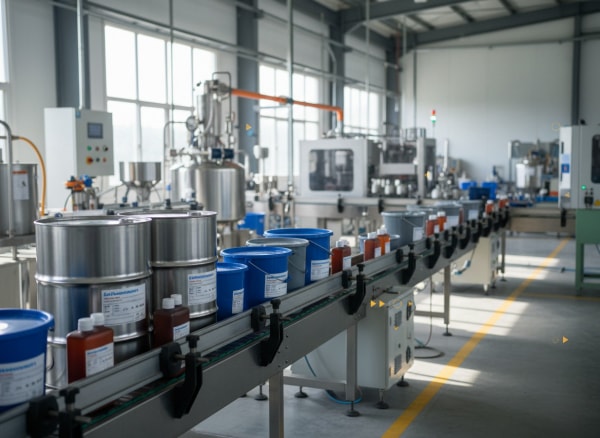
Customized Solutions
Customized lubricant formulations and packaging designed for different markets and needs.
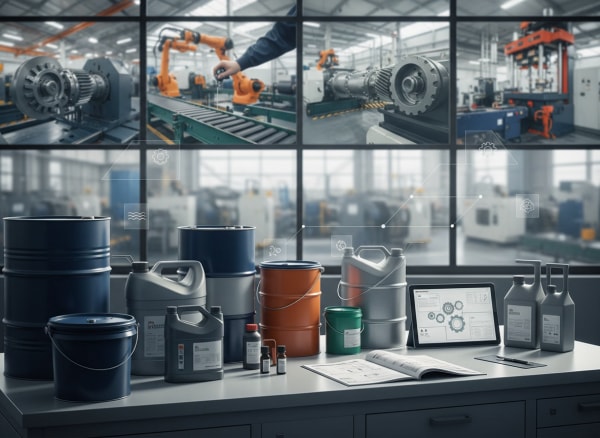
Integrated Application
Comprehensive lubrication solutions developed for various industries and equipment.
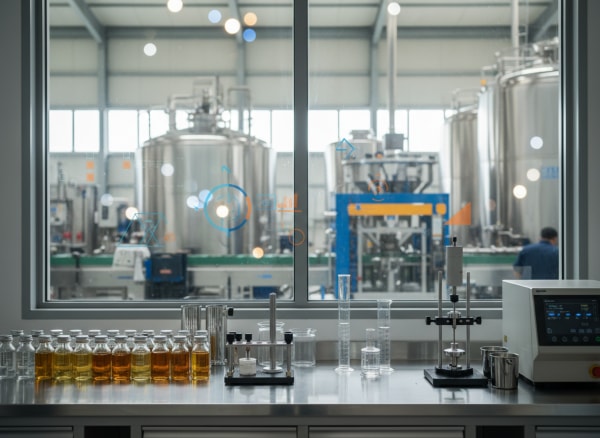
Quality Assurance
Strict quality control throughout production to ensure stable lubricant performance.
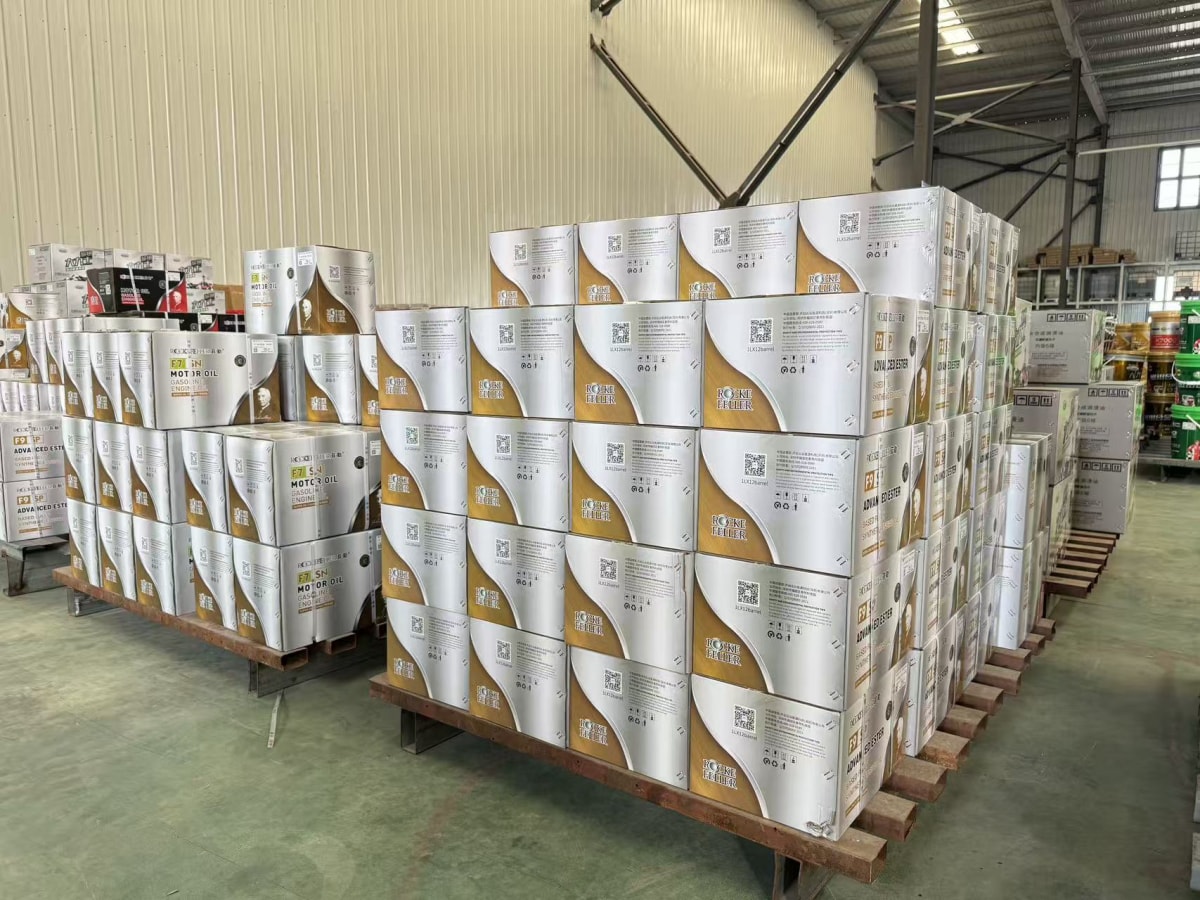
After-Sales Service
Responsive technical support helping customers maintain reliable equipment operation.
Why Us
Feller delivers high-performance lubricant solutions supported by advanced manufacturing, strict quality control, and professional technical services. Our expertise helps customers improve equipment reliability, extend service life, and ensure efficient operations across industrial and automotive applications.
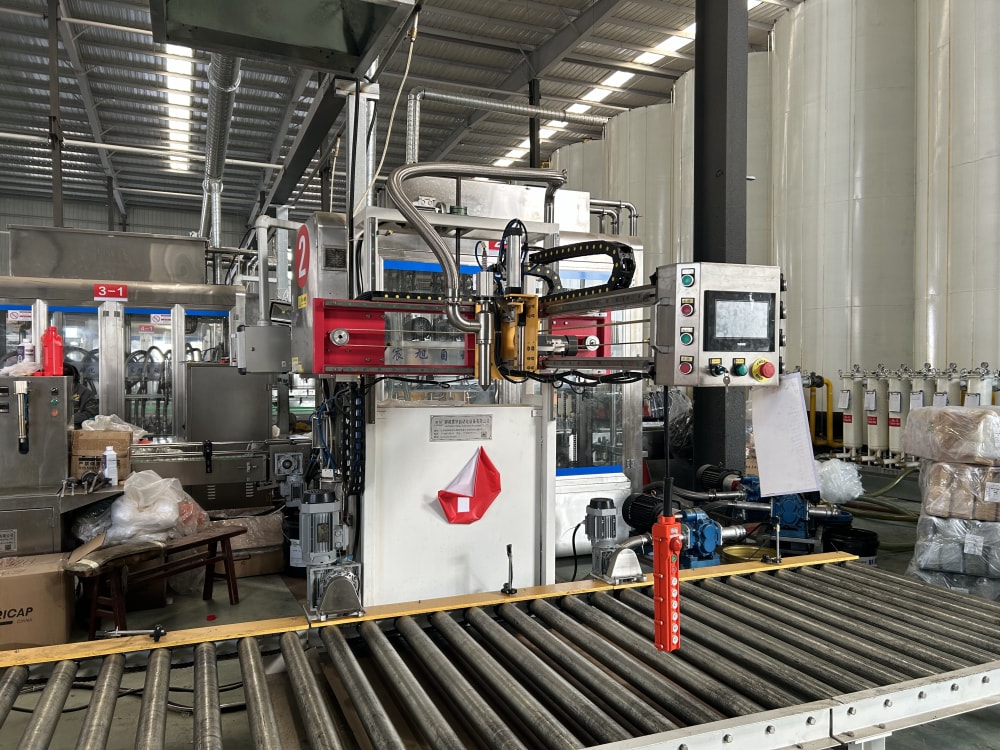
Advanced Manufacturing
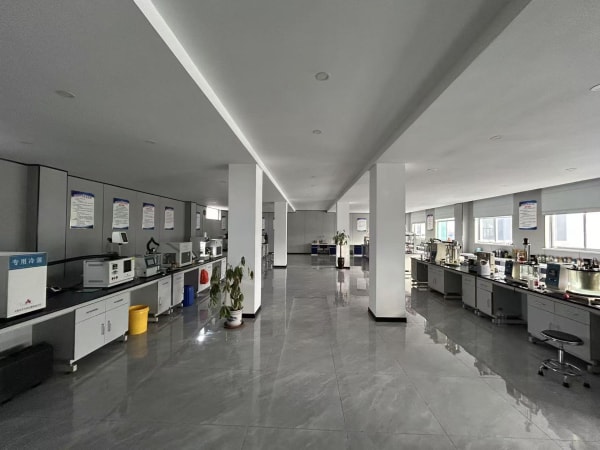
Modern blending facilities and automated systems ensure precise formulation and stable product quality.

Experienced Team
Professional engineers and technicians provide expertise in lubricant development and application.
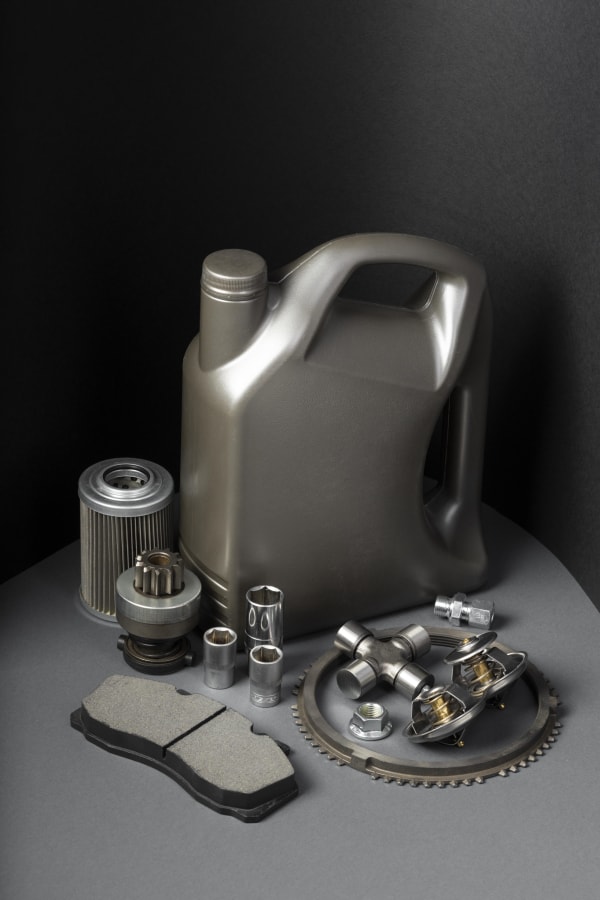
Quality Assurance
Strict testing and quality management ensure products meet international standards.

Innovation & R&D
Continuous research improves lubricant performance, efficiency, and environmental compatibility.
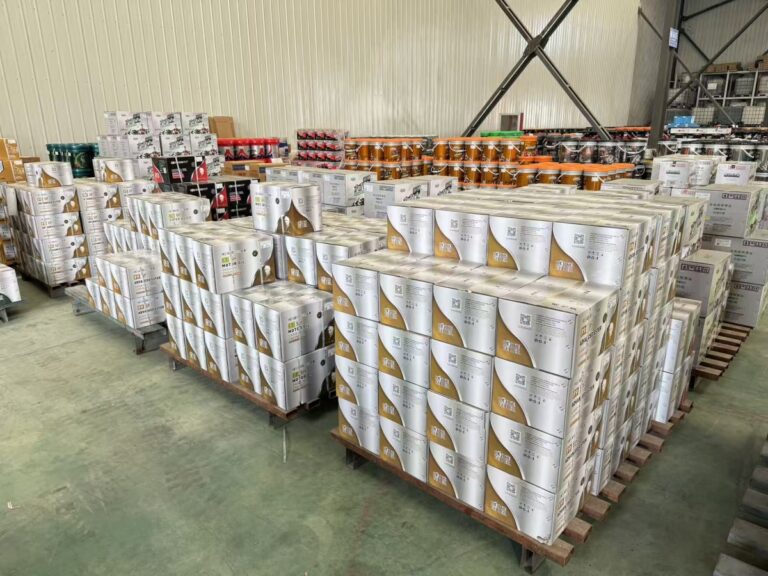
Scalability
Flexible production capacity supports both small orders and large-volume supply.
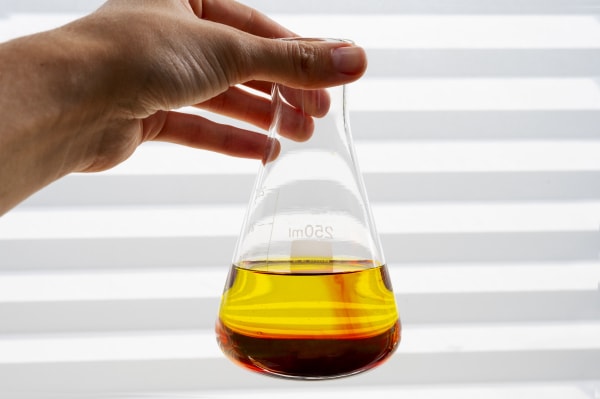
Global Standards
Manufacturing processes comply with international standards for reliable global supply.
Frequently Asked Questions
Product Category
Contact Feller Today
Related Product
-
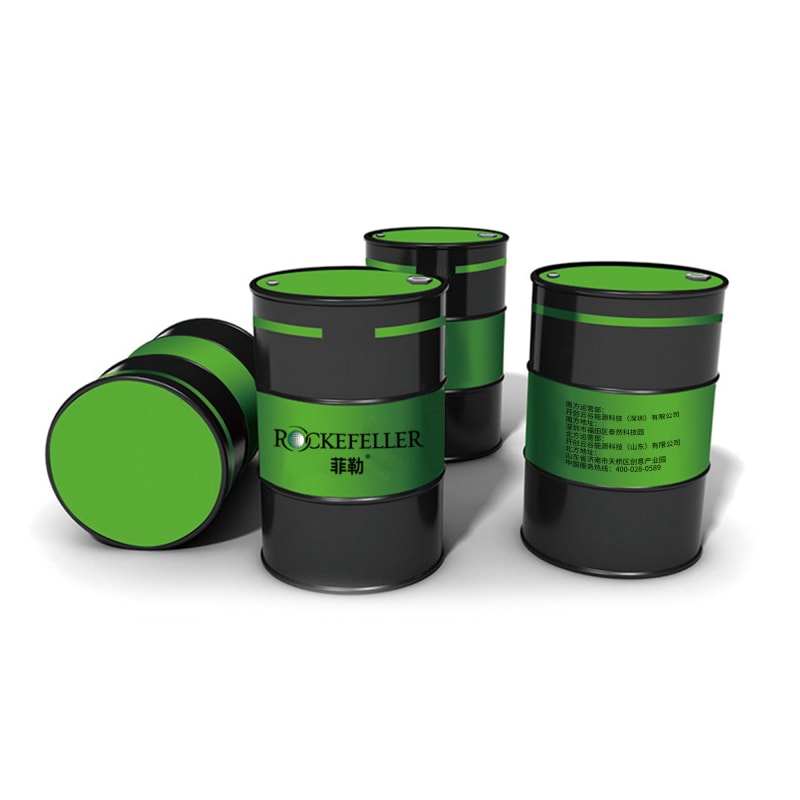
Industrial Oil — Complete Industrial Lubrication Range
The FELLER Industrial Oil range provides a comprehensive portfolio of specialized lubricants for industrial machinery, manufacturing equipment, power generation, and process applications. The range encompasses 18+ distinct product categories spanning hydraulic systems, gear drives, compressors, turbines, transformers, heat transfer systems, metalworking, and corrosion prevention — delivering factory-to-floor lubrication solutions for virtually every industrial application. Each product is formulated to the relevant Chinese national standard (GB) and international performance specifications, providing reliable, high-quality lubrication that protects valuable industrial assets and maximizes equipment uptime.
-
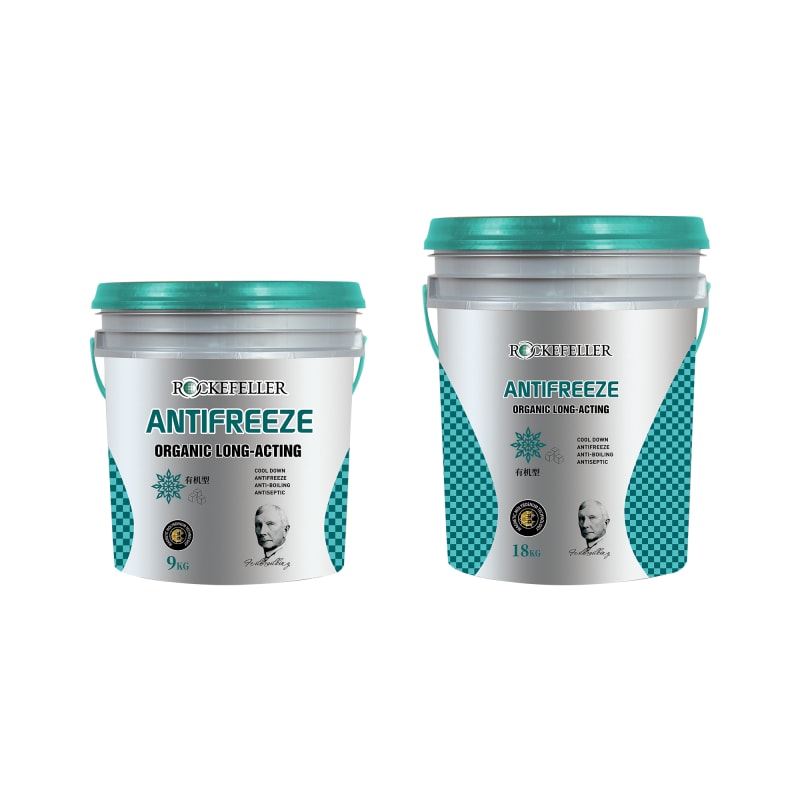
Antifreeze — Organic Long-Acting Engine Coolant
The FELLER Antifreeze is an Organic Long-Acting engine coolant that adopts organic-type corrosion inhibitors imported from Europe, meeting the formulation requirements for nitrite-free additive technology. It effectively protects metal parts in the engine cooling system to avoid corrosion, employs advanced pitting corrosion protection technology for higher heat conduction efficiency, and provides excellent storage stability and use stability to extend service life and reduce the frequency of replacement. Available in three freeze-point grades (-25°C, -35°C, and -45°C) with correspondingly elevated boiling points (128°C, 132°C, and 136°C), this coolant is suitable for all water-cooled engine cooling systems. It is manufactured to the Chinese national standard GB29743-2013 and packaged in 1.5kg, 4kg, 9kg, and 18kg formats.
-
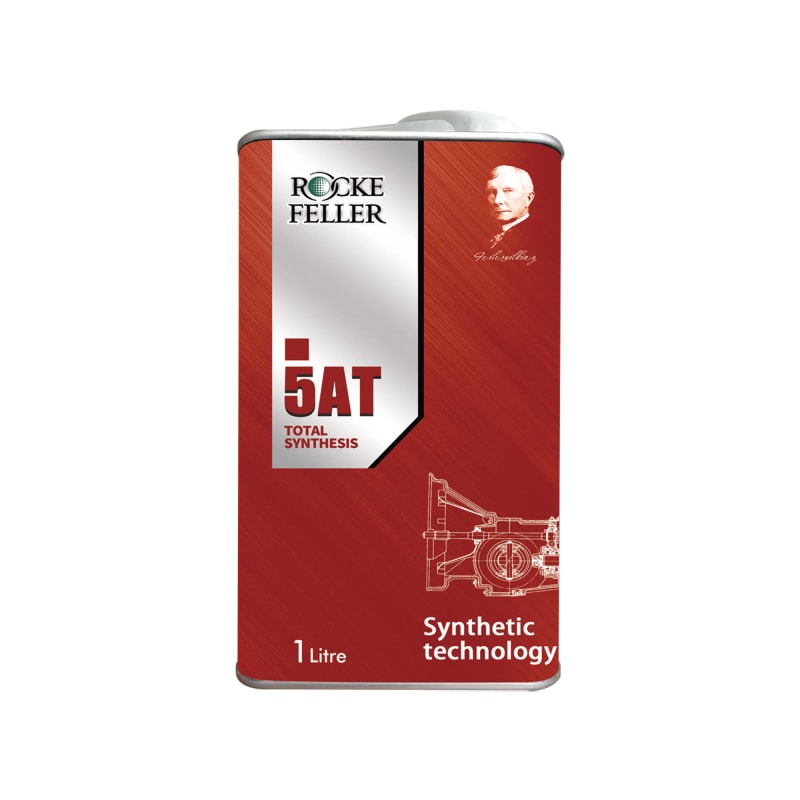
Automatic Transmission Fluid (ATF) Range — Total Synthesis
Variants: 5AT · 6AT · 8AT · 10AT · CVT · DCTF The FELLER Automatic Transmission Fluid Range with Total Synthesis technology delivers excellent oxidation stability and good elastic material compatibility to maintain long-term stable oil quality and extend transmission life, excellent anti-corrosion performance providing rust and corrosion protection for transmission components with special protection for welded accessories, and excellent low-temperature flow performance for easy start-up while maintaining ideal viscosity at high temperatures. Spanning six dedicated formulations — 5AT, 6AT, 8AT, and 10AT for conventional planetary automatic transmissions, CVT for continuously variable transmissions, and DCTF for dual-clutch transmissions — this comprehensive range provides transmission-specific fluid solutions for virtually every automatic transmission type in the global passenger car and light commercial vehicle fleet.
-
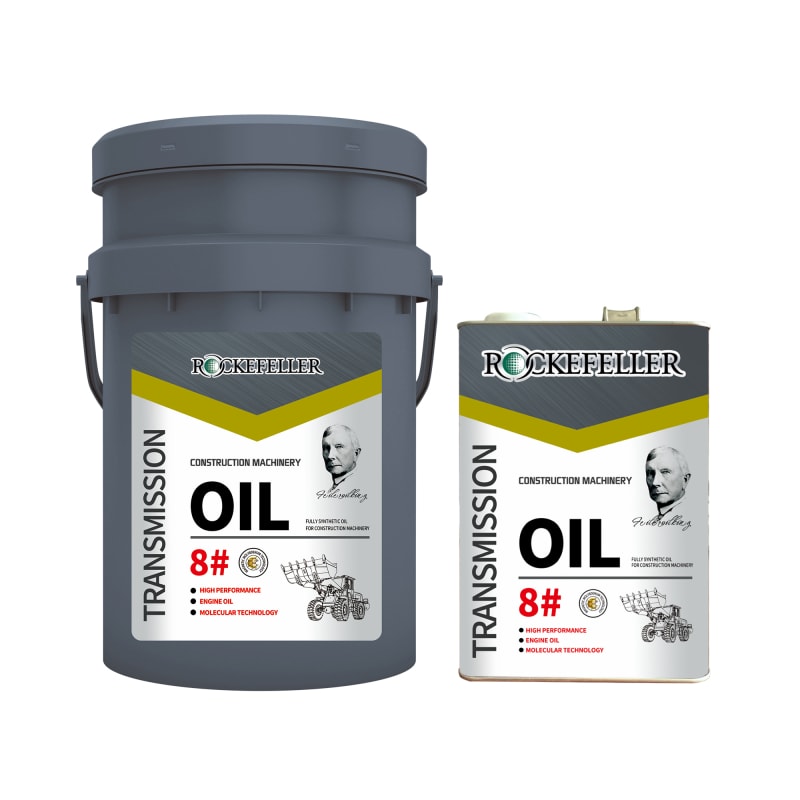
8# Hydraulic Transmission Oil — Construction Machinery Grade
The FELLER 8# Hydraulic Transmission Oil delivers excellent oxidation stability and thermal stability for reliable performance under harsh operating conditions, good emulsification resistance with foam resistance and seal material compatibility, short clutch coupling times with fast gear changes and smooth hydraulic transmission operation, reduced transmission loss and variable speed impact, and excellent abrasion resistance with rust and corrosion protection. Designed for off-highway industries including agriculture, construction, and quarrying, it is the specialized fluid that serves the combined hydraulic and power transmission systems found in wheel loaders, bulldozers, motor graders, and other heavy equipment requiring a single fluid for both hydraulic and drivetrain functions.