
Antifreeze — Organic Long-Acting Engine Coolant
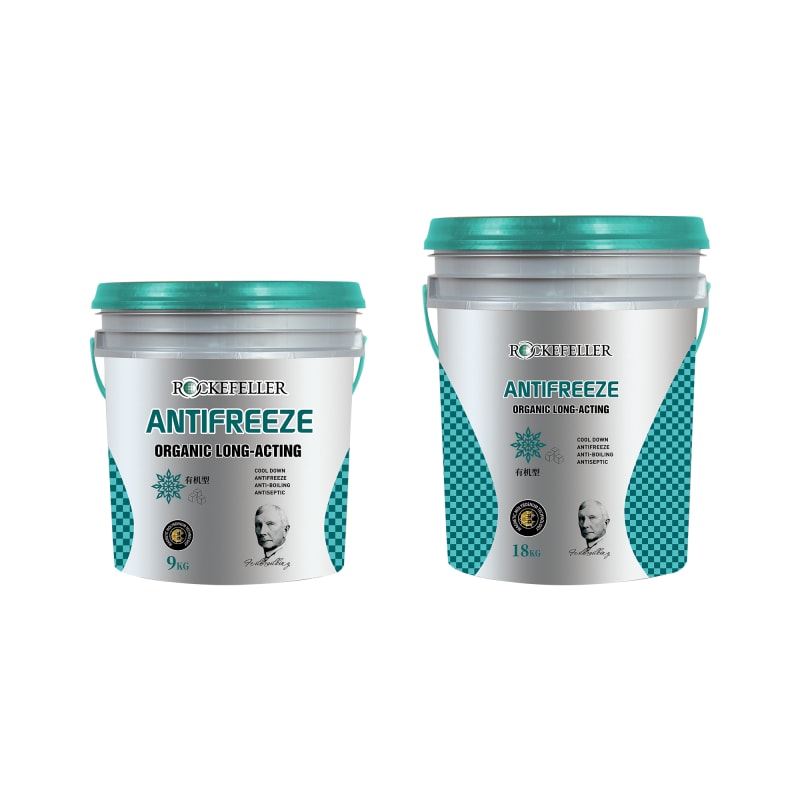
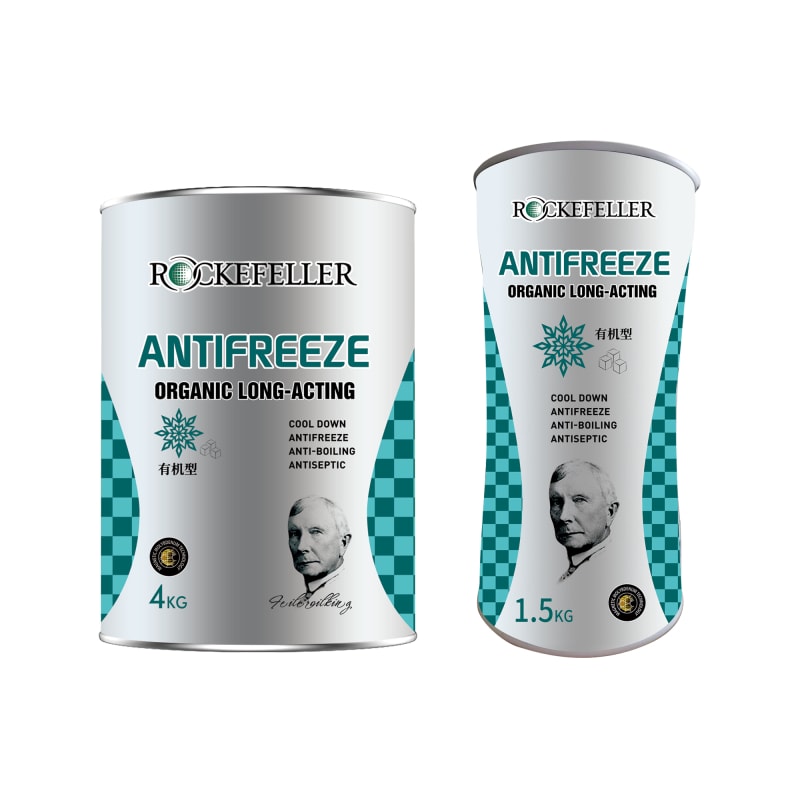
The FELLER Antifreeze is an Organic Long-Acting engine coolant that adopts organic-type corrosion inhibitors imported from Europe, meeting the formulation requirements for nitrite-free additive technology. It effectively protects metal parts in the engine cooling system to avoid corrosion, employs advanced pitting corrosion protection technology for higher heat conduction efficiency, and provides excellent storage stability and use stability to extend service life and reduce the frequency of replacement. Available in three freeze-point grades (-25°C, -35°C, and -45°C) with correspondingly elevated boiling points (128°C, 132°C, and 136°C), this coolant is suitable for all water-cooled engine cooling systems. It is manufactured to the Chinese national standard GB29743-2013 and packaged in 1.5kg, 4kg, 9kg, and 18kg formats.
Consistent Quality
All products are produced under strict quality control systems, ensuring stable formulation, reliable lubrication performance, and consistent results across various operating conditions.
Enhanced Performance & Durability
Advanced base oils and additive technologies deliver excellent wear protection, thermal stability, and longer service intervals for demanding industrial and automotive applications.
Comprehensive Support & Efficiency
Feller provides integrated lubrication solutions including product selection, technical guidance, and supply support, helping clients improve efficiency and reduce operating costs.
Share This Product
Product Overview
Engine coolant — commonly called antifreeze — is one of the most critical yet frequently neglected fluids in any water-cooled engine. Its responsibilities extend far beyond simply preventing the cooling system from freezing in winter:
- Heat Transfer: The coolant is the primary medium that carries waste heat from the engine block and cylinder head to the radiator, where it is dissipated to the atmosphere. An internal combustion engine converts roughly one-third of its fuel energy into useful mechanical work — another third is expelled as exhaust heat, and the remaining third must be removed by the cooling system. Without effective coolant, the engine would overheat and self-destruct within minutes.
- Freeze Protection: Water expands approximately 9% when it freezes. If pure water were used as coolant and temperatures dropped below 0°C, the expanding ice would crack the engine block, cylinder head, radiator, heater core, and water pump housing — causing catastrophic and irreparable damage. Antifreeze depresses the freezing point of the coolant mixture to prevent this.
- Boil-Over Protection: Modern engines operate at coolant temperatures of 90–110°C under normal conditions, and can see localized temperatures significantly higher under heavy load, towing, or hot ambient conditions. Pure water boils at 100°C at sea level — too close to normal operating temperatures. Antifreeze raises the boiling point of the coolant mixture, providing a safety margin against boil-over that would cause sudden loss of cooling and engine overheating.
- Corrosion Protection: The cooling system contains multiple different metals — cast iron or aluminum engine blocks, aluminum cylinder heads, copper or aluminum radiators, steel water pump impeller shafts, brass fittings, solder joints, and various gasket materials. In the presence of water at elevated temperatures, these dissimilar metals create galvanic cells that accelerate corrosion. The coolant’s corrosion inhibitor system must protect all of these metals simultaneously.
- Cavitation Protection: The water pump impeller, cylinder liners (in diesel engines), and other surfaces exposed to rapid pressure changes can suffer cavitation erosion — where collapsing vapor bubbles erode the metal surface. The coolant must contain inhibitors that protect against this specific type of damage.
- Seal and Gasket Compatibility: The coolant must be compatible with the various rubber hoses, O-rings, gaskets, and plastic components in the cooling system without causing swelling, hardening, cracking, or degradation.
The FELLER Antifreeze addresses all of these requirements through its Organic Long-Acting (OAT) formulation — the most advanced coolant chemistry available today.
Standard Packaging
 1.5KG
1.5KG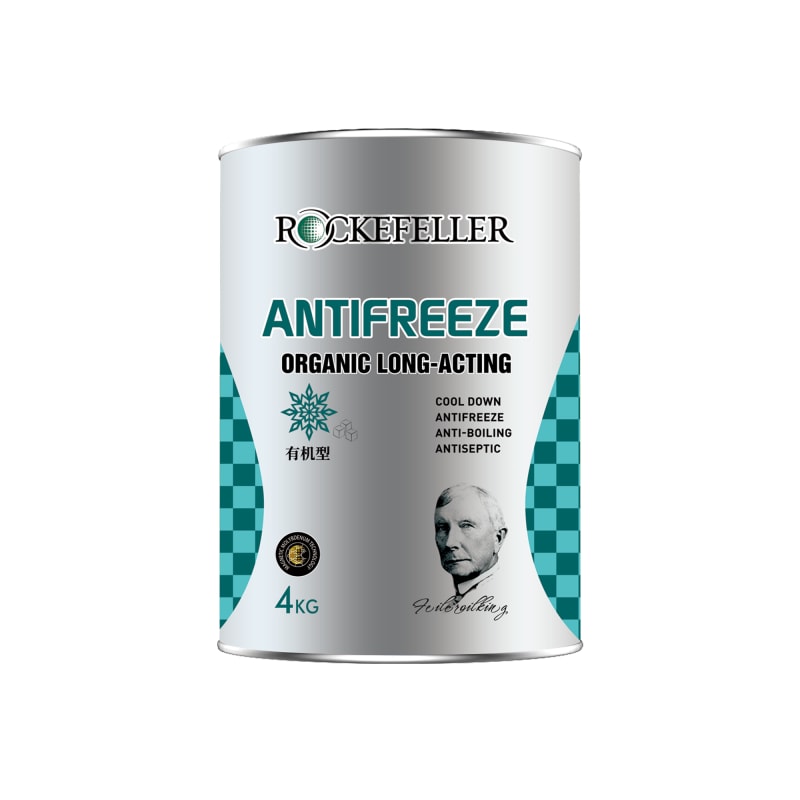 4KG
4KG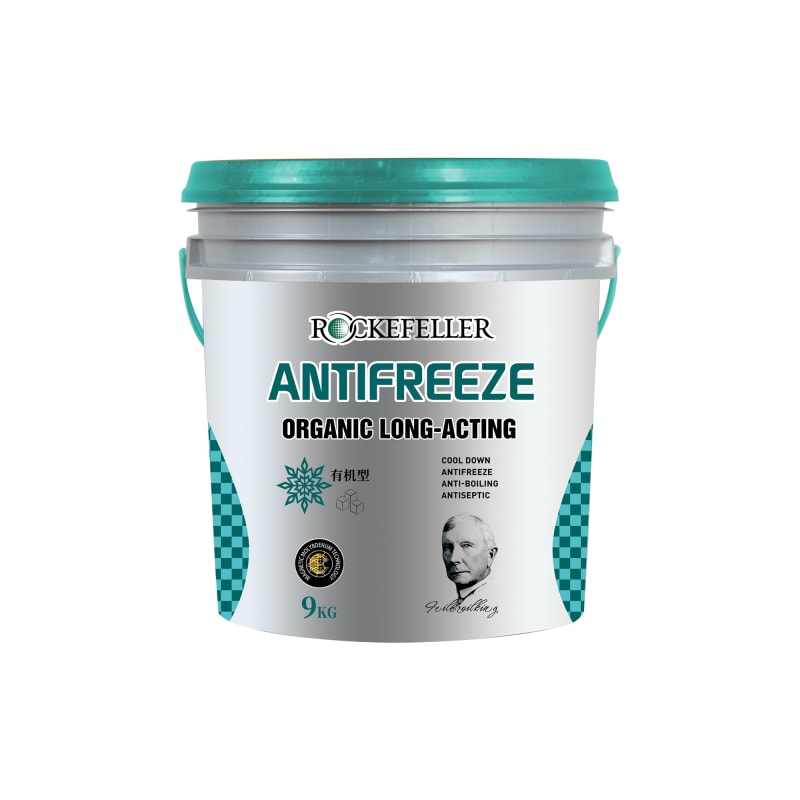 9KG
9KG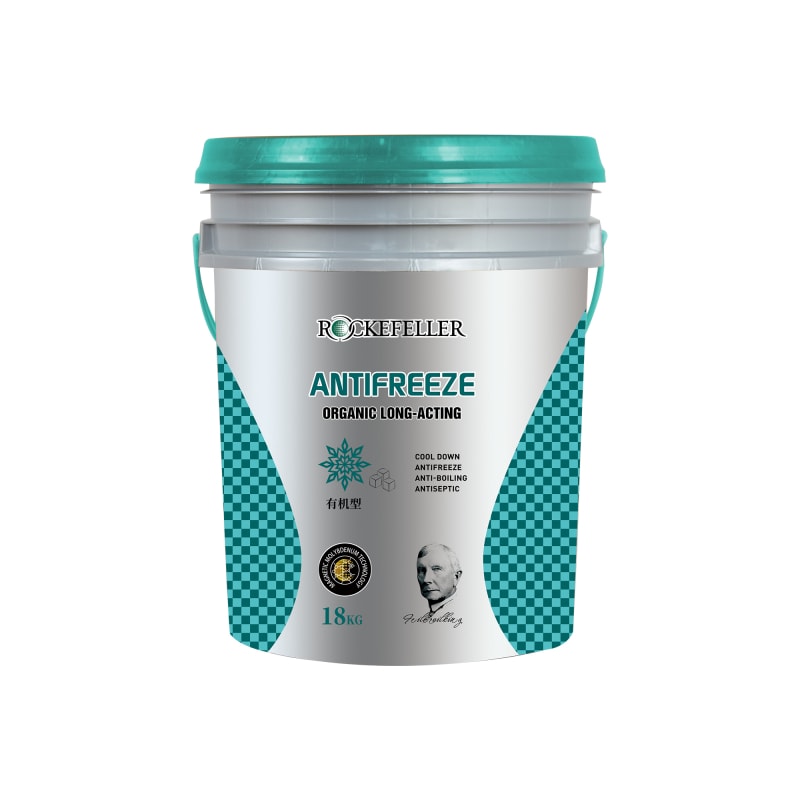 18KG
18KG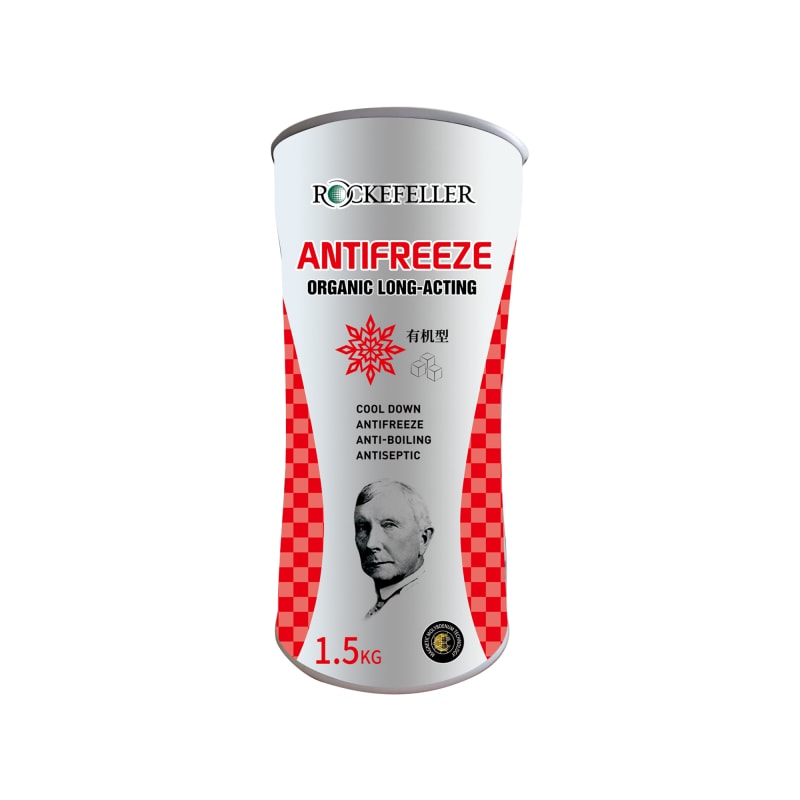 1.5KG
1.5KG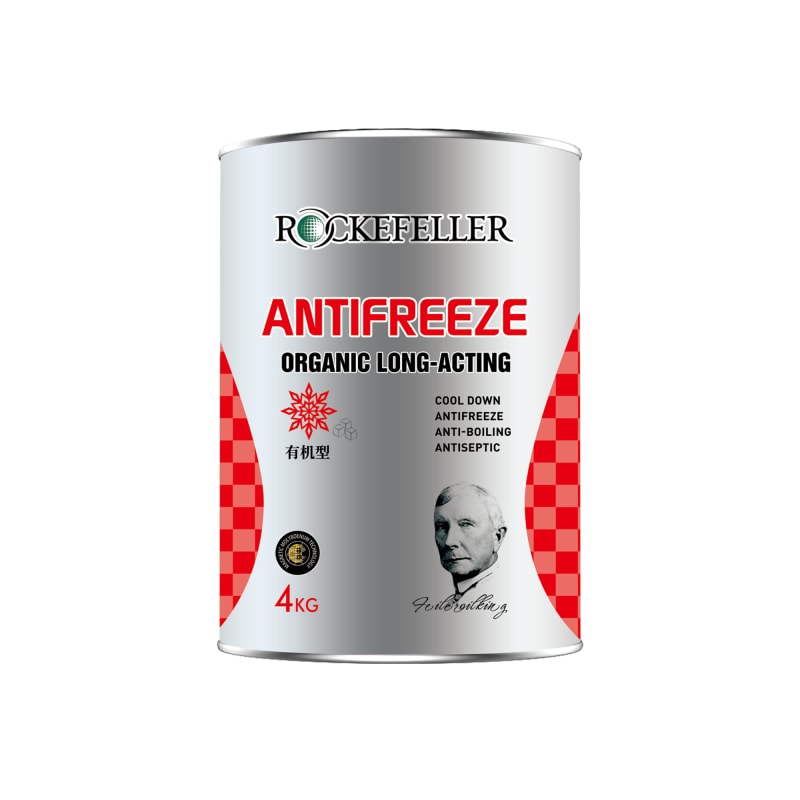 4KG
4KG
Organic Acid Technology (OAT) — The Chemistry Behind Long-Acting Performance
The Evolution of Coolant Chemistry
Coolant corrosion inhibitor technology has evolved through three distinct generations:
First Generation — Inorganic Additive Technology (IAT):
Traditional green-colored coolants used inorganic corrosion inhibitors including:
- Silicates: For aluminum protection
- Phosphates: For cast iron and steel protection
- Borates: For pH buffering and ferrous metal protection
- Nitrites: For cavitation protection (primarily in diesel applications)
- Nitrates: For ferrous metal passivation
These inorganic inhibitors work by forming a thick, insulating protective layer on all metal surfaces in the cooling system. While effective at preventing corrosion, this approach has significant drawbacks:
- The protective layer reduces heat transfer efficiency (the thick silicate/phosphate film acts as thermal insulation on heat exchange surfaces)
- The inorganic inhibitors are consumed rapidly as they deposit on surfaces, requiring coolant replacement every 2–3 years or 40,000–60,000 km
- Silicates can form abrasive gels that damage water pump seals
- Phosphates can combine with hard water minerals to form scale deposits
- Nitrites are a health and environmental concern — they can form carcinogenic nitrosamines
Second Generation — Hybrid Organic Acid Technology (HOAT):
Hybrid coolants combine some organic acid inhibitors with reduced levels of inorganic inhibitors (typically silicates). This provides improved service life compared to IAT (typically 5 years / 150,000 km) while maintaining rapid aluminum protection. However, HOAT coolants still carry some of the drawbacks of inorganic chemistry — reduced heat transfer efficiency, potential for gel formation, and limited ultimate service life.
Third Generation — Organic Acid Technology (OAT):
The FELLER Antifreeze uses full OAT chemistry — the most advanced coolant formulation available. OAT coolants use organic acid salts (carboxylates) as their primary corrosion inhibitors. These organic inhibitors work through a fundamentally different mechanism:
- Targeted protection: Instead of coating all surfaces with a thick layer, organic acid inhibitors are attracted specifically to sites where corrosion is initiating. They adsorb onto the active corrosion sites, forming an ultra-thin molecular-scale protective film exactly where it is needed.
- Minimal heat transfer impact: Because the protective film is only a few molecules thick (compared to the thick insulating layer formed by silicates and phosphates), it has virtually no impact on heat transfer efficiency. This means the engine cooling system operates at peak efficiency.
- Slow depletion rate: Because organic acid inhibitors are consumed only at active corrosion sites (rather than depositing continuously on all surfaces), they are depleted much more slowly. This enables service intervals of 5+ years or 250,000+ km — significantly longer than IAT or HOAT coolants.
- No gel formation: Without silicates, there is no risk of abrasive gel formation that damages water pump seals.
- No scale formation: Without phosphates, there is no risk of mineral scale deposits on heat exchange surfaces.
- Nitrite-free: The FELLER OAT formulation contains no nitrites, eliminating the health and environmental concerns associated with nitrite-containing coolants.
European Organic-Type Corrosion Inhibitors
The FELLER Antifreeze uses organic corrosion inhibitors imported from Europe — specifically, high-purity carboxylate-based inhibitor packages sourced from European specialty chemical producers. European coolant technology leads the world because:
- European vehicles (particularly German, French, and Swedish brands) were the first to adopt OAT coolant as factory fill in the late 1990s and early 2000s
- European vehicle manufacturers have the most demanding coolant specifications in the industry (VW TL 774-D/F/G, Mercedes-Benz 325.3/325.5/325.6, BMW GS 94000, Volvo, PSA, etc.)
- European chemical companies (BASF, Arteco/Chevron Oronite, and others) have decades of experience producing and refining OAT inhibitor packages
- European environmental regulations drive the development of nitrite-free, phosphate-free, and amine-free formulations
By using these imported European organic inhibitors, the FELLER Antifreeze achieves corrosion protection performance comparable to the factory-fill coolants used by premium European automakers.
Four Core Functions
Cool Down
The primary function of any engine coolant is to transfer heat from the engine to the radiator. The FELLER Antifreeze excels at this function because:
OAT Chemistry Advantage:
As described above, the OAT inhibitor system creates an ultra-thin protective film that does not impede heat transfer. Compared to IAT coolants with their thick silicate/phosphate deposits, the FELLER OAT coolant allows the cooling system to operate at higher thermal efficiency — meaning:
- The engine reaches optimal operating temperature faster (reducing cold-start emissions and fuel consumption)
- Heat is removed more efficiently under heavy load conditions (reducing the risk of overheating during towing, hill climbing, or sustained high-speed driving)
- The turbocharger coolant circuit (in turbocharged engines) operates more effectively, protecting the turbo center housing from heat damage
- The EGR cooler (in diesel engines) maintains its effectiveness longer
Advanced Pitting Corrosion Protection Technology:
Pitting corrosion is particularly harmful to cooling system performance because:
- Pits on heat exchange surfaces (radiator tubes, cylinder head water jacket walls) create localized “hot spots” where heat transfer is impaired
- As pitting progresses, the effective heat exchange surface area decreases
- Pit debris (corrosion products) circulate through the system, depositing on other surfaces and further reducing heat transfer
The FELLER Antifreeze’s advanced pitting corrosion protection technology prevents this degradation, maintaining the cooling system’s heat transfer efficiency over the full service life of the coolant.
Antifreeze
The FELLER Antifreeze is available in three freeze-point grades to match different climate requirements:
| Grade | Freeze Point | Recommended Climate |
|---|---|---|
| -25°C | -25°C | Mild to moderate winter climates (Southern China, Southern Europe, Southeast Asia highlands, Middle East, Southern US, most of Australia) |
| -35°C | -35°C | Cold winter climates (Northern China, Central/Northern Europe, Central US/Canada, Korea, Japan) |
| -45°C | -45°C | Extreme cold climates (Northeast China/Heilongjiang/Inner Mongolia, Scandinavia, Russia, Northern Canada/Alaska) |
Understanding Freeze Point Protection:
The freeze point specification represents the temperature at which ice crystals begin to form in the coolant mixture. It is important to note that the coolant does not freeze solid at this temperature — rather, it becomes a thick, slushy mixture that can still accommodate some expansion. This means:
- The coolant protects against burst damage (cracking of the engine block, radiator, etc.) at temperatures somewhat below the stated freeze point
- However, at or near the freeze point, the coolant’s ability to flow and transfer heat is severely compromised
- Best practice: Select a freeze-point grade that is at least 10°C below the lowest expected ambient temperature in your operating area
How Antifreeze Depresses the Freezing Point:
The primary antifreeze agent in the FELLER coolant is ethylene glycol (EG) — a colorless, odorless, water-soluble organic compound with the formula HOCH₂CH₂OH. When mixed with water, ethylene glycol disrupts the hydrogen bonding network that water molecules use to form ice crystals. The more glycol in the mixture, the lower the freezing point:
| Ethylene Glycol Concentration | Approximate Freeze Point |
|---|---|
| 33% (by volume) | -17°C |
| 40% | -25°C |
| 44% | -30°C |
| 50% | -37°C |
| 55% | -45°C |
| 60% | -52°C |
| 68% | -65°C (minimum freeze point) |
Above 68% ethylene glycol concentration, the freeze point actually rises again. 100% ethylene glycol freezes at only -13°C. This counter-intuitive behavior means that more concentrated is not always better — the three grades offered by FELLER represent carefully optimized glycol/water ratios for their respective temperature ranges.
Anti-Boiling
The FELLER Antifreeze provides significantly elevated boiling points compared to pure water:
| Grade | Freeze Point | Boiling Point | Boiling Point Advantage vs. Water |
|---|---|---|---|
| -25°C | -25°C | 128°C | +28°C above water’s 100°C |
| -35°C | -35°C | 132°C | +32°C above water’s 100°C |
| -45°C | -45°C | 136°C | +36°C above water’s 100°C |
Why Elevated Boiling Point Matters:
Modern engines operate at increasingly high temperatures for efficiency reasons. Additionally, the cooling system operates under pressure (typically 0.9–1.4 bar / 13–20 PSI from the radiator cap), which further elevates the boiling point. The combination of ethylene glycol’s inherent boiling point elevation and the system pressure provides a total boiling point of approximately:
| Grade | Boiling Point (Atmospheric) | Boiling Point (Under 1.1 bar System Pressure) |
|---|---|---|
| -25°C | 128°C | ~143°C |
| -35°C | 132°C | ~148°C |
| -45°C | 136°C | ~152°C |
This provides a substantial safety margin against boil-over, even under the most demanding conditions (towing heavy loads up mountain grades in 40°C+ ambient temperatures). If the coolant boils, steam pockets form in the cooling passages, creating localized overheating that can:
- Warp the cylinder head
- Blow the head gasket
- Crack the engine block
- Damage the thermostat and water pump
- Cause sudden, catastrophic engine failure
The elevated boiling point of the FELLER Antifreeze provides essential protection against these failure modes.
Note on Boiling Point and Concentration:
The boiling point increases with higher ethylene glycol concentration (unlike the freeze point, which has a minimum at ~68% concentration). This is why the -45°C grade (which has the highest glycol concentration) also has the highest boiling point (136°C).
Antiseptic
“Antiseptic” in the context of engine coolant refers to corrosion prevention — keeping the cooling system “healthy” by preventing the degradation of metal and non-metal components.
Multi-Metal Corrosion Protection:
The FELLER OAT coolant protects all metals and alloys found in modern cooling systems:
| Metal/Alloy | Location in Cooling System | Corrosion Risk | OAT Protection Mechanism |
|---|---|---|---|
| Cast Aluminum | Cylinder head, engine block (modern engines), water pump housing, thermostat housing | Pitting corrosion, galvanic corrosion, erosion-corrosion | Carboxylate adsorption on active corrosion sites; pH buffering to prevent acid attack |
| Cast Iron | Engine block (older engines), cylinder liners (diesel) | Rust, cavitation erosion (cylinder liners) | Carboxylate inhibition; pH maintenance above rust threshold (~9.0) |
| Copper | Radiator tubes (older vehicles), heater core tubes | Dissolution (copper turns green, contaminates coolant) | Carboxylate chelation prevents copper dissolution |
| Brass | Radiator tanks (older vehicles), fittings, thermostat components | Dezincification, stress corrosion cracking | Carboxylate film formation on brass surfaces |
| Solder (Lead-Tin) | Radiator tube-to-header joints (older copper/brass radiators) | Dissolution, creates conductive debris | Carboxylate protection of solder joints |
| Steel | Water pump shaft, fasteners, engine block core plugs, hose clamps | Rust | Carboxylate inhibition; pH buffering |
| Aluminum Alloys (Various) | Radiator tubes (modern vehicles), charge air coolers, oil coolers | Pitting, intergranular corrosion, erosion-corrosion | Targeted carboxylate adsorption at pit initiation sites |
Advanced Pitting Corrosion Protection:
Pitting corrosion is the most dangerous form of corrosion in cooling systems because:
- It penetrates deeply into the metal surface in a localized area (rather than spreading broadly)
- It can perforate thin-walled components (radiator tubes, heater core tubes) causing leaks
- It is difficult to detect visually until perforation occurs
- It accelerates over time (the pit acts as a concentration cell that becomes increasingly corrosive)
The FELLER Antifreeze’s advanced pitting corrosion protection technology specifically targets the initiation of pitting by:
- Detecting the electrochemical potential change at pit initiation sites
- Rapidly adsorbing organic acid inhibitor molecules onto the active site
- Forming a stable, ultra-thin protective film that stops pit growth
- Maintaining this protection even as the coolant ages over extended service intervals
Non-Metal Component Protection:
In addition to metal protection, the coolant is compatible with all common cooling system non-metal components:
- EPDM rubber: Radiator hoses, heater hoses, bypass hoses
- Silicone rubber: Some high-temperature hose applications
- Nylon/polyamide: Radiator end tanks, thermostat housings, coolant reservoirs
- Gasket materials: Head gaskets (MLS and composite), water pump gaskets, thermostat gaskets
- Sealants: RTV silicone, anaerobic sealants used in cooling system assembly
Three Grades — Selection Guide
-25°C Grade (Freeze Point -25°C / Boiling Point 128°C)
Best For: Regions with mild to moderate winters where temperatures rarely drop below -15°C.
Typical Regions:
- China: Southern and central provinces — Guangdong, Guangxi, Fujian, Zhejiang, Jiangsu, Shanghai, Hubei, Hunan, Sichuan, Yunnan, Guizhou, Hainan
- Southeast Asia: Highland areas of Vietnam, Thailand, Myanmar (lowland Southeast Asia rarely needs antifreeze at all, but benefits from the corrosion protection and boil-over protection)
- Middle East: Iraq, Iran (inland areas with occasional winter frost), Turkey (coastal areas)
- Europe: Southern Europe — Spain, Portugal, Southern France, Italy, Greece
- Americas: Southern US, Mexico, Central America, most of South America
- Africa: North Africa, Southern Africa (highland areas)
- Oceania: Most of Australia, New Zealand (North Island)
Advantages of -25°C Grade:
- Lower ethylene glycol concentration means lower cost
- Slightly better heat transfer properties (more water in the mixture; water has higher specific heat capacity and thermal conductivity than ethylene glycol)
- Adequate freeze protection for the vast majority of the world’s vehicle population
-35°C Grade (Freeze Point -35°C / Boiling Point 132°C)
Best For: Regions with cold winters where temperatures regularly drop below -15°C but rarely below -25°C. This is the most popular grade worldwide.
Typical Regions:
- China: Northern provinces — Beijing, Tianjin, Hebei, Shandong, Shanxi, Shaanxi, Henan, Anhui, Gansu, Liaoning, Jilin (southern)
- Europe: Central and Northern Europe — Germany, France (inland), UK, Poland, Czech Republic, Austria, Switzerland, Benelux, Scandinavia (southern), Baltics
- Americas: Northern US (most areas), Southern Canada, Patagonia
- Asia: Korea, Japan (most areas), Mongolia (southern), Central Asian republics
- Middle East: Turkey (inland/eastern), Iran (northwestern)
Why -35°C is the Most Popular:
This grade provides a good balance between freeze protection, boiling point elevation, cost, and heat transfer efficiency. It covers the climate requirements of the majority of the world’s temperate zones, where most vehicles operate.
-45°C Grade (Freeze Point -45°C / Boiling Point 136°C)
Best For: Regions with extreme cold winters where temperatures can drop below -25°C.
Typical Regions:
- China: Northeast China — Heilongjiang, Jilin (northern), Inner Mongolia, Xinjiang (northern)
- Russia: Most of Russia (except extreme Arctic regions that may require even more specialized coolants)
- Scandinavia: Norway, Sweden, Finland (northern regions)
- Americas: Northern Canada, Alaska
- Asia: Mongolia (central/northern), Kazakhstan (northern)
Advantages of -45°C Grade:
- Maximum freeze protection for the most extreme cold climates
- Highest boiling point (136°C / ~152°C under system pressure)
- Maximum safety margin for vehicles operating in extreme conditions
Considerations:
- Higher ethylene glycol concentration means slightly reduced heat transfer efficiency compared to more dilute grades
- Higher cost per unit volume
- May be over-specified for vehicles that never experience temperatures below -20°C
Technical Standards Compliance
GB29743-2013 — Motor Vehicle Engine Coolant
The FELLER Antifreeze is manufactured in compliance with GB29743-2013, the Chinese national mandatory standard for motor vehicle engine coolants. This standard specifies:
- Physical and chemical requirements: Appearance, density, pH value, reserve alkalinity, ash content
- Freeze protection: Freezing point at specified concentration
- Boiling protection: Boiling point at specified concentration
- Corrosion protection: Comprehensive corrosion testing on multiple metals:
- Copper
- Solder
- Brass
- Steel
- Cast iron
- Aluminum
- Test duration: 336 hours (14 days) at 88°C with aeration
- Maximum allowable weight loss/gain for each metal type
- Foaming characteristics: Maximum foam volume and break time
- pH stability: pH change limits after aging
- Water pump cavitation: Resistance to water pump erosion
- Compatibility: Compatibility with standard reference coolant (no gelation, separation, or precipitate formation)
- Simulated service testing: Extended-duration testing simulating real-world cooling system conditions
- Toxic substance limits: Restrictions on harmful substances (aligned with environmental and health regulations)
GB29743-2013 is aligned with international coolant standards including ASTM D3306 (Standard Specification for Glycol Base Engine Coolant for Automobile and Light-Duty Service) and ASTM D6210 (Standard Specification for Fully-Formulated Glycol Base Engine Coolant for Heavy-Duty Engines), ensuring that the FELLER Antifreeze meets globally recognized performance benchmarks.
Packaging Options
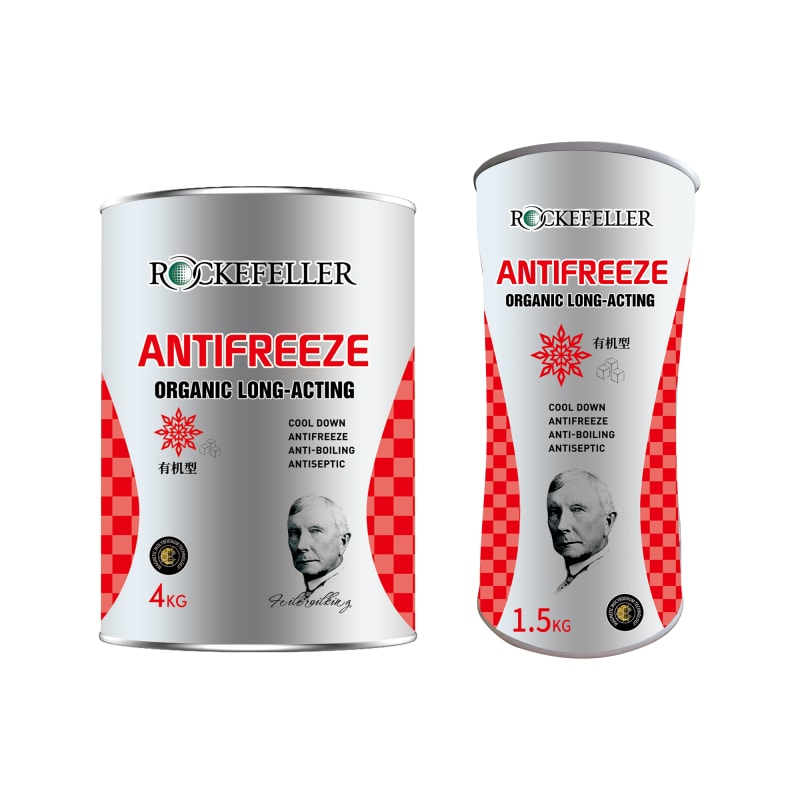
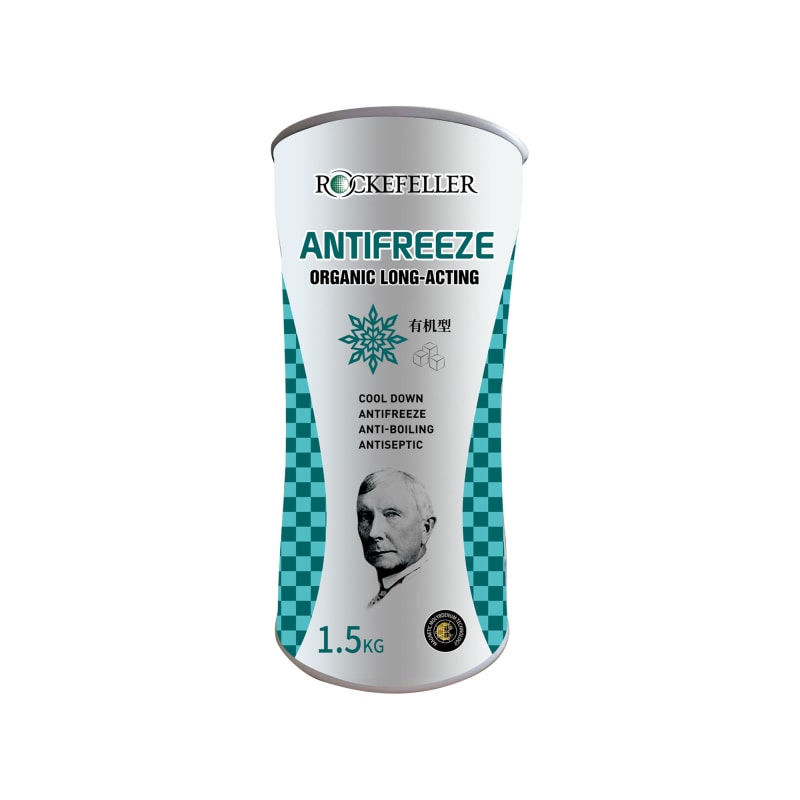
The FELLER Antifreeze is available in four packaging sizes to serve different customer needs:
| Package Size | Format | Typical Use Case |
|---|---|---|
| 1.5 kg | Metal tin | Individual top-up; motorcycle cooling systems; small-volume retail |
| 4 kg | Metal tin | Single vehicle coolant change (passenger car); retail/DIY |
| 9 kg | Plastic bucket | Workshop service; multiple vehicle changes; small fleet maintenance |
| 18 kg | Plastic bucket | High-volume workshop; fleet operations; industrial cooling systems |
All packages feature the FELLER branding with the green color scheme that distinguishes the Antifreeze product line from the engine oil (red/maroon) and transmission fluid (green/red) product families.
Application Scope
Suitable for all water-cooled engine cooling systems, including:
Passenger Vehicles
- All gasoline and diesel passenger cars, SUVs, MPVs, and crossovers
- Naturally aspirated and turbocharged engines (turbocharged engines particularly benefit from the high boiling point protection, as the turbocharger coolant circuit experiences extreme temperatures)
- Hybrid vehicles (the internal combustion engine still requires coolant; additionally, many hybrids use a separate coolant circuit for battery thermal management — the FELLER Antifreeze is suitable for engine cooling but check vehicle manufacturer specifications for battery cooling circuits, which may require specialized low-conductivity coolant)
Commercial Vehicles
- Light commercial vehicles (vans, pickup trucks)
- Medium and heavy-duty trucks (the nitrite-free OAT formulation is suitable for heavy-duty diesel engines, though some heavy-duty applications may require supplemental cavitation protection — consult the vehicle manufacturer’s coolant specification)
- Buses and coaches
Construction and Agricultural Equipment
- Excavators, loaders, bulldozers, cranes
- Tractors, combines, harvesters
- Stationary engines and generator sets
Marine Engines (Freshwater-Cooled Circuit)
- Inboard marine engines with freshwater (closed) cooling circuits
- Not suitable for raw-water (seawater) cooling circuits
Maintenance and Service Guidelines
Initial Fill
When filling a new or empty cooling system:
- Ensure the cooling system is clean and free of old coolant residues, rust, and scale
- If the system has been previously filled with IAT (traditional green) or HOAT coolant, flush thoroughly with clean water before filling with the FELLER OAT coolant to prevent incompatibility
- Fill the system with the appropriate grade of FELLER Antifreeze — the product is pre-mixed and ready to use (no dilution required)
- Bleed all air from the system according to the vehicle manufacturer’s procedure
- Run the engine to operating temperature with the heater set to maximum to circulate coolant through the entire system
- Top up the coolant reservoir to the correct level after the system has cooled
Service Interval
Thanks to the long-acting OAT formulation:
- Recommended service interval: Every 4–5 years or 150,000–200,000 km, whichever comes first
- Annual inspection: Check coolant level and condition annually; top up as needed with the same grade and type
- Freeze point testing: Before each winter season, test the coolant freeze point with a refractometer or hydrometer to verify protection level
Coolant Mixing
- Do NOT mix with IAT (traditional green) coolants — mixing OAT and IAT coolants can cause the organic acid inhibitors to precipitate, forming gel-like deposits that block radiator passages and reduce corrosion protection
- Do NOT mix with HOAT (hybrid) coolants unless compatibility has been verified — while some OAT/HOAT mixtures are compatible, others can cause problems
- Mixing between FELLER Antifreeze grades (e.g., -25°C and -45°C grades) is acceptable — both use the same OAT inhibitor system, and mixing simply produces an intermediate freeze point
- Topping up with distilled water in an emergency (to replace coolant lost through a minor leak or evaporation) is acceptable in small quantities, but will dilute the freeze point and corrosion protection — restore the correct concentration at the earliest opportunity
Target Customers and B2B Solutions
Automotive Repair Workshops
- Coolant system service (drain, flush, and refill) is a common and profitable workshop service
- The three freeze-point grades allow workshops to offer the correct product for their regional climate
- The 9kg and 18kg bucket formats provide cost-effective bulk supply for workshops performing multiple coolant services per week
Auto Parts Retailers and Distributors
- The 1.5kg and 4kg tin formats serve the retail/DIY customer who performs their own coolant maintenance
- The three grades provide a clear, easy-to-understand product range for retail display
- Seasonal demand peaks (before winter) drive strong sell-through
Vehicle Fleet Operators
- Fleet coolant maintenance is typically performed on a scheduled basis (annual or biennial)
- The long-acting OAT formulation extends service intervals, reducing fleet maintenance costs
- The 18kg bucket format is ideal for fleet maintenance depots
Construction and Heavy Equipment Companies
- Construction equipment operates in harsh environments with extreme temperatures and high cooling system loads
- The -45°C grade provides maximum protection for equipment operating in cold-climate construction projects
- The 9kg and 18kg formats suit the high-volume coolant requirements of large equipment fleets
Our Service
From lubricant formulation to technical application support, Feller ensures stable product quality, efficient supply, and professional service for every customer. Our integrated service system helps clients improve equipment performance, reduce operating costs, and maintain reliable lubrication management.

Product Supply
Reliable supply of high-quality lubricants for automotive and industrial applications.
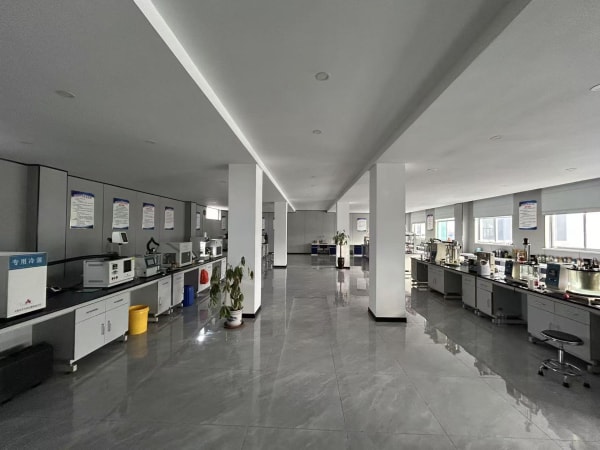
Technical Support
Professional guidance on lubricant selection and equipment lubrication management.
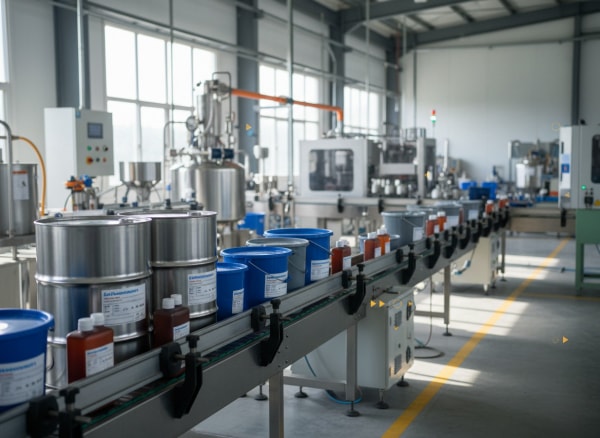
Customized Solutions
Customized lubricant formulations and packaging designed for different markets and needs.
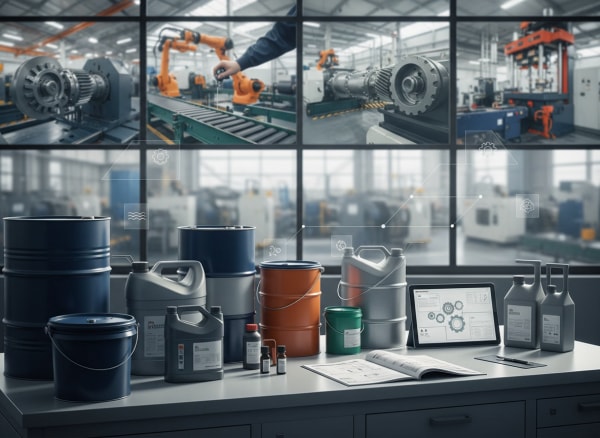
Integrated Application
Comprehensive lubrication solutions developed for various industries and equipment.
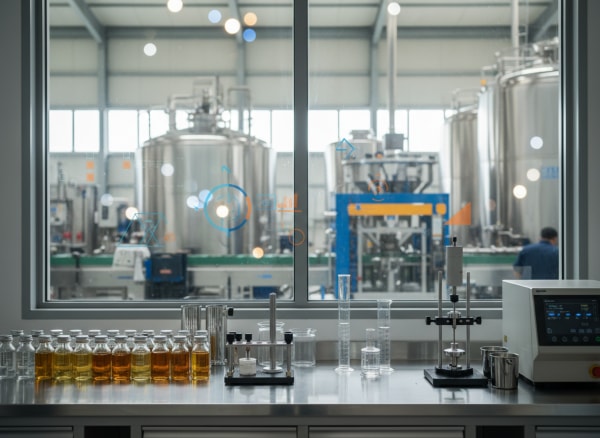
Quality Assurance
Strict quality control throughout production to ensure stable lubricant performance.
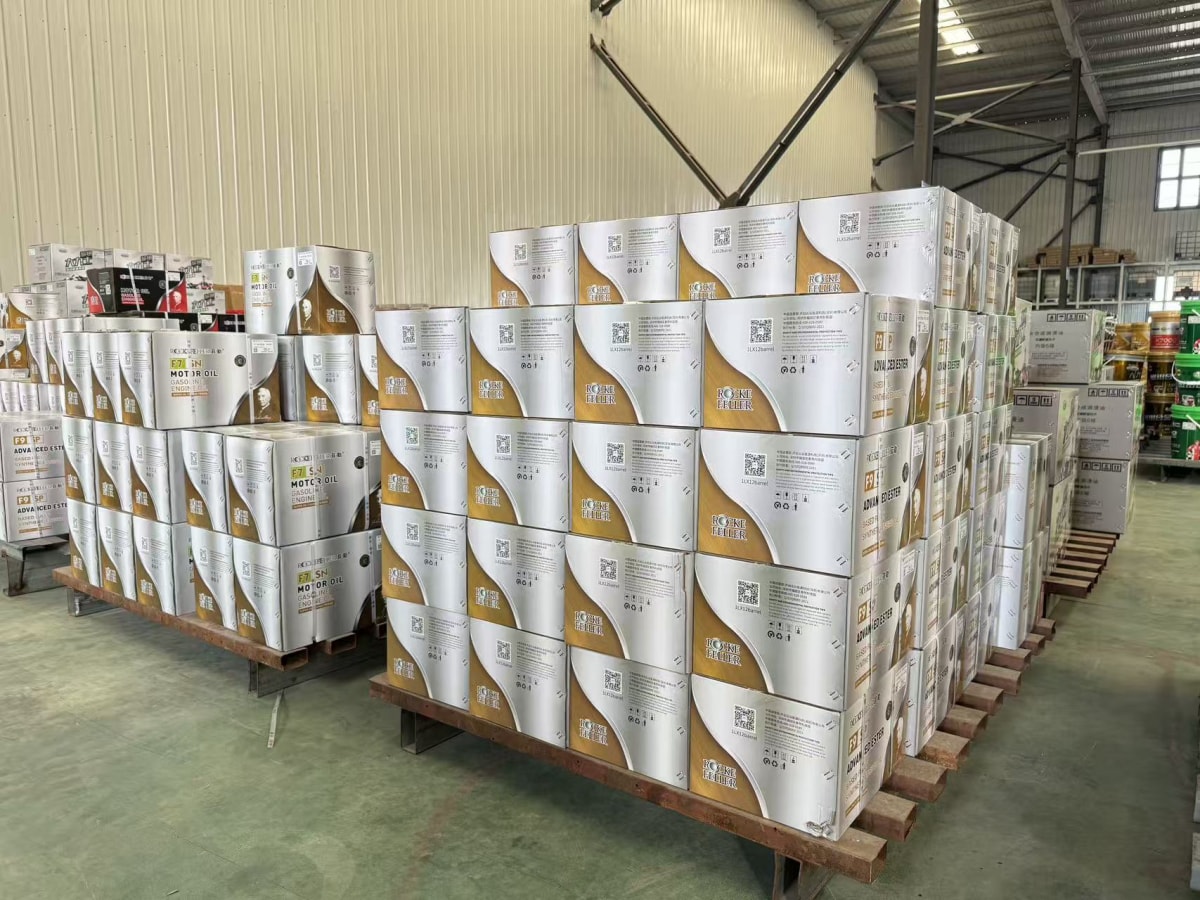
After-Sales Service
Responsive technical support helping customers maintain reliable equipment operation.
Why Us
Feller delivers high-performance lubricant solutions supported by advanced manufacturing, strict quality control, and professional technical services. Our expertise helps customers improve equipment reliability, extend service life, and ensure efficient operations across industrial and automotive applications.
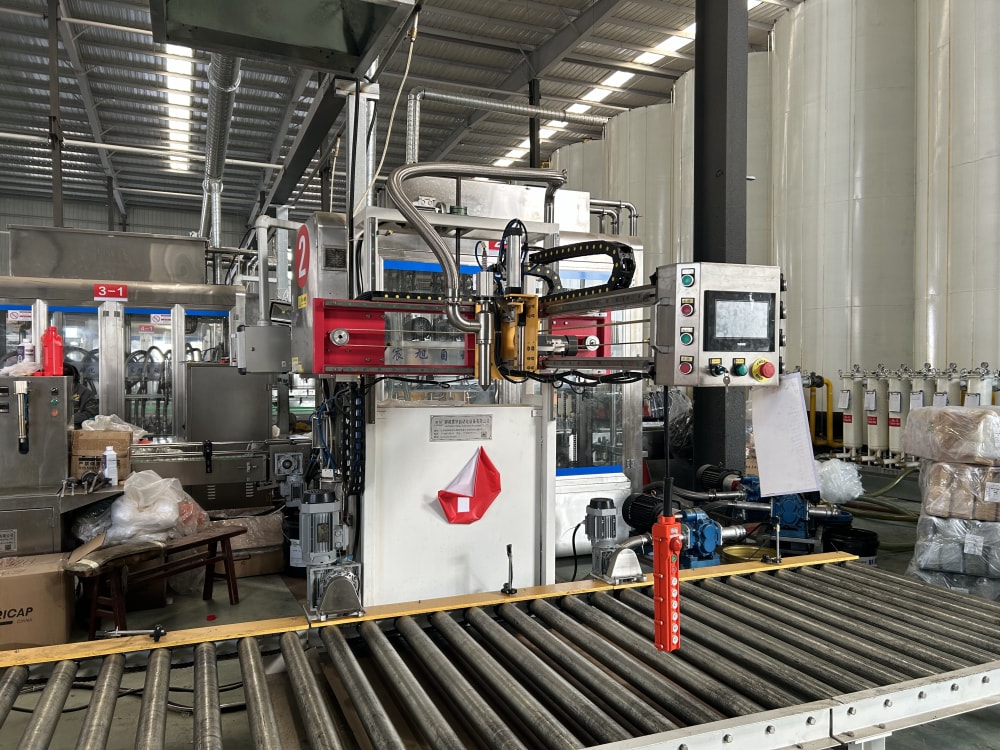
Advanced Manufacturing
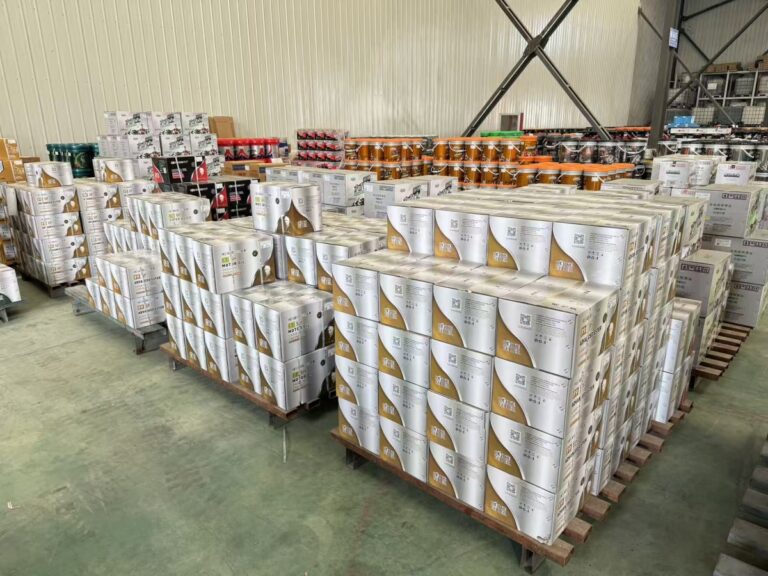
Modern blending facilities and automated systems ensure precise formulation and stable product quality.

Experienced Team
Professional engineers and technicians provide expertise in lubricant development and application.
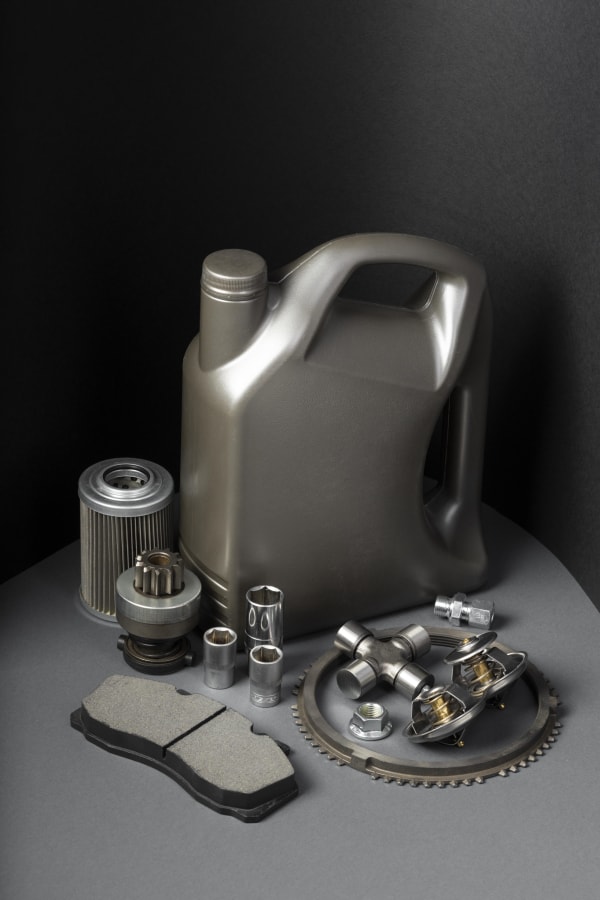
Quality Assurance
Strict testing and quality management ensure products meet international standards.

Innovation & R&D
Continuous research improves lubricant performance, efficiency, and environmental compatibility.
Scalability
Flexible production capacity supports both small orders and large-volume supply.
Global Standards
Manufacturing processes comply with international standards for reliable global supply.
Frequently Asked Questions
Product Category
Contact Feller Today
Related Product
-
Industrial Oil — Complete Industrial Lubrication Range
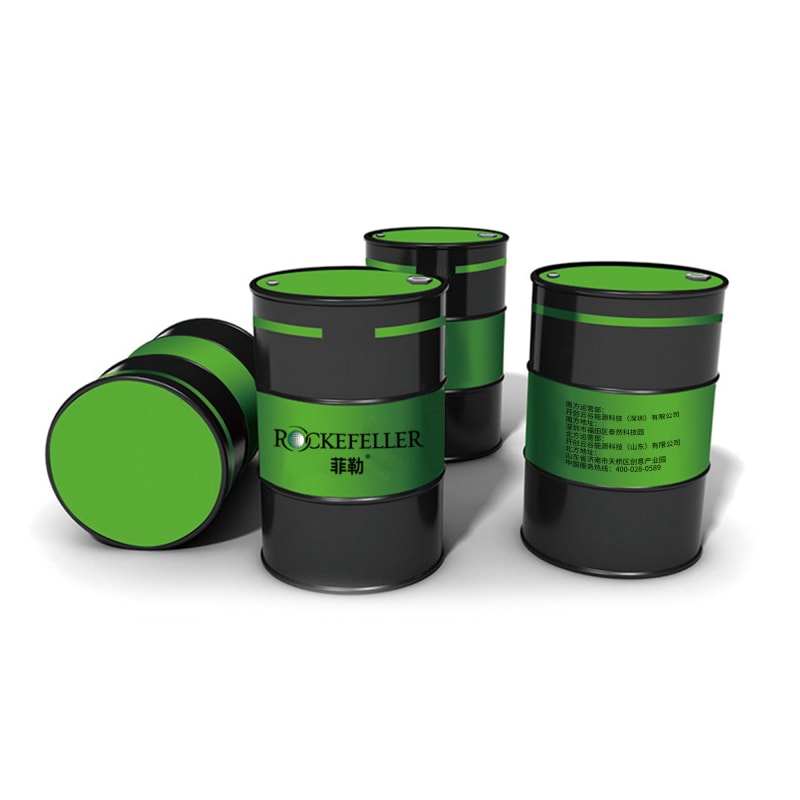
The FELLER Industrial Oil range provides a comprehensive portfolio of specialized lubricants for industrial machinery, manufacturing equipment, power generation, and process applications. The range encompasses 18+ distinct product categories spanning hydraulic systems, gear drives, compressors, turbines, transformers, heat transfer systems, metalworking, and corrosion prevention — delivering factory-to-floor lubrication solutions for virtually every industrial application. Each product is formulated to the relevant Chinese national standard (GB) and international performance specifications, providing reliable, high-quality lubrication that protects valuable industrial assets and maximizes equipment uptime.
-
Automatic Transmission Fluid (ATF) Range — Total Synthesis
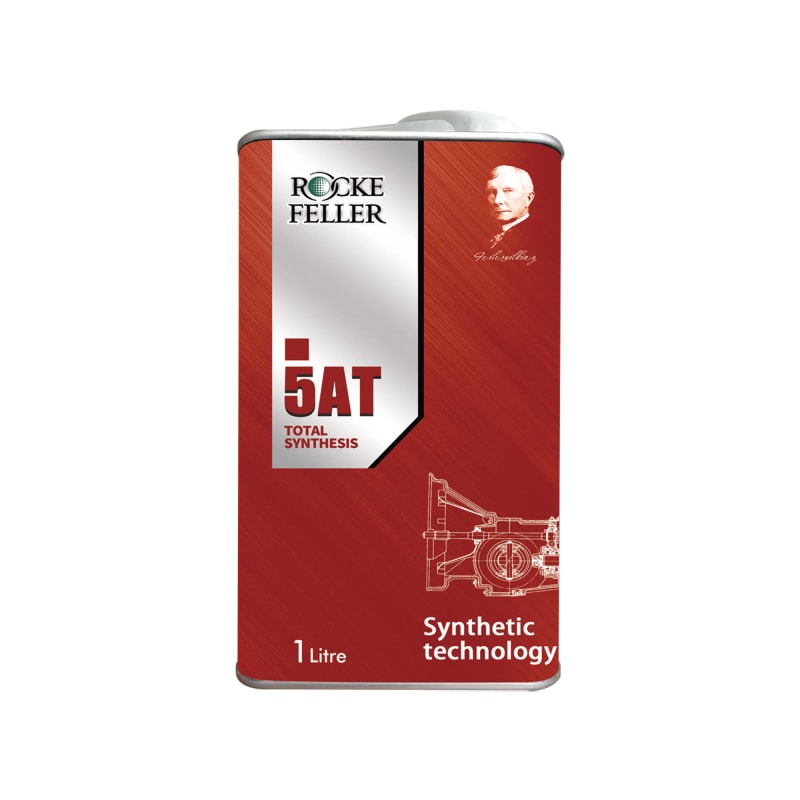
Variants: 5AT · 6AT · 8AT · 10AT · CVT · DCTF The FELLER Automatic Transmission Fluid Range with Total Synthesis technology delivers excellent oxidation stability and good elastic material compatibility to maintain long-term stable oil quality and extend transmission life, excellent anti-corrosion performance providing rust and corrosion protection for transmission components with special protection for welded accessories, and excellent low-temperature flow performance for easy start-up while maintaining ideal viscosity at high temperatures. Spanning six dedicated formulations — 5AT, 6AT, 8AT, and 10AT for conventional planetary automatic transmissions, CVT for continuously variable transmissions, and DCTF for dual-clutch transmissions — this comprehensive range provides transmission-specific fluid solutions for virtually every automatic transmission type in the global passenger car and light commercial vehicle fleet.
-
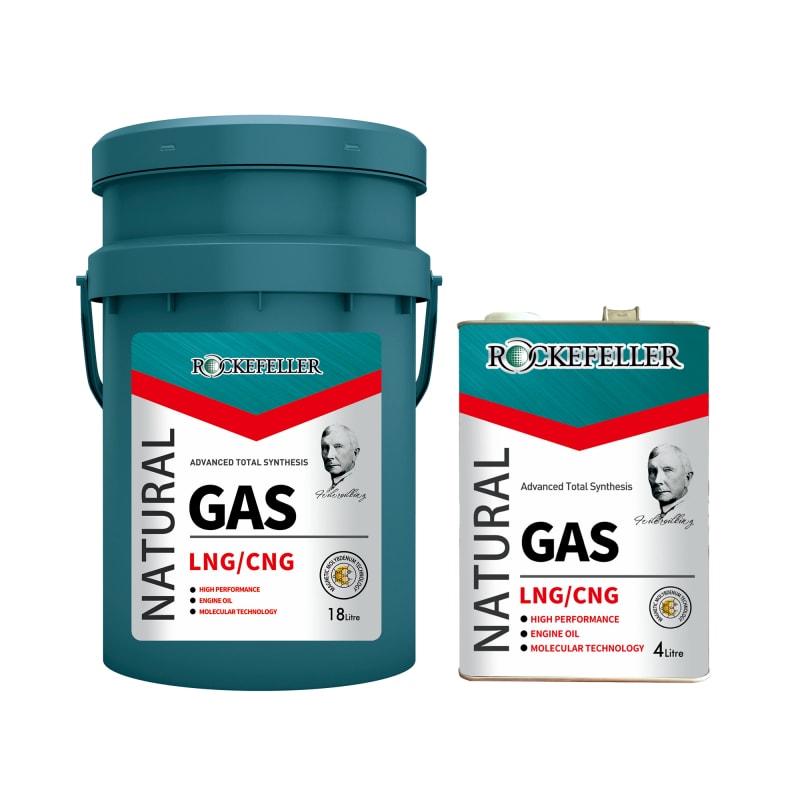
CNG/LNG Natural Gas Engine Oil — Advanced Total Synthesis
The FELLER CNG/LNG Natural Gas Engine Oil with Advanced Total Synthesis technology delivers good anti-oxidation and anti-nitrification performance to prevent high-temperature deterioration, excellent high-temperature stability with outstanding oxidation, corrosion, and abrasion resistance under harsh conditions, effective sludge control to prevent nitrogen oxide contamination of the crankcase, and good viscosity-temperature characteristics with low volatility and pour point for long-term safe engine operation. Specifically formulated for the unique combustion chemistry and higher operating temperatures of natural gas engines, it is the dedicated lubricant solution for large passenger coaches and medium-to-heavy-duty trucks powered by CNG (Compressed Natural Gas) and LNG (Liquefied Natural Gas), with particular suitability for long-distance transportation applications.
-
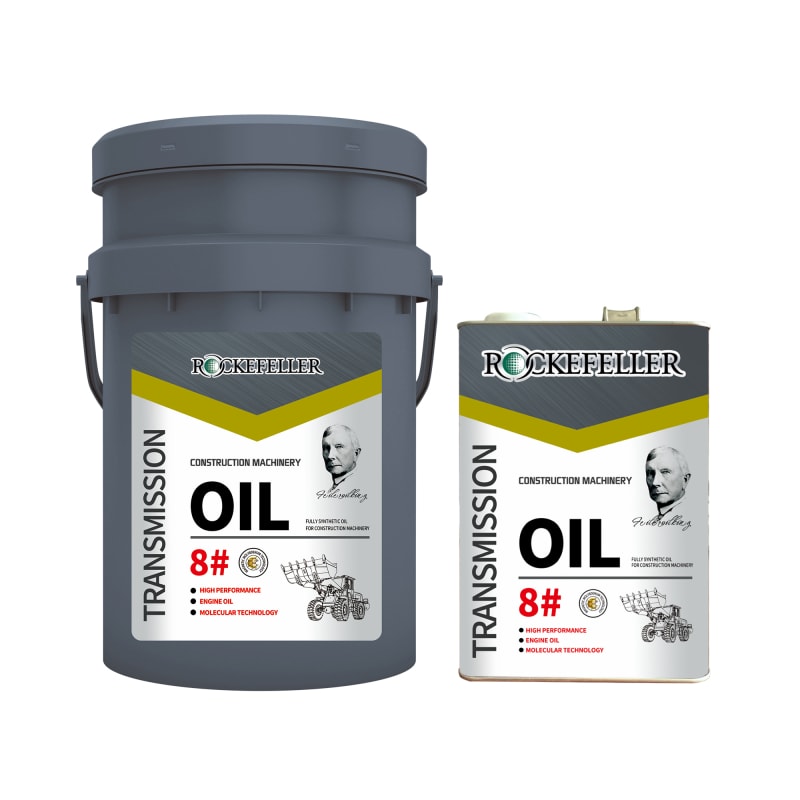
8# Hydraulic Transmission Oil — Construction Machinery Grade
The FELLER 8# Hydraulic Transmission Oil delivers excellent oxidation stability and thermal stability for reliable performance under harsh operating conditions, good emulsification resistance with foam resistance and seal material compatibility, short clutch coupling times with fast gear changes and smooth hydraulic transmission operation, reduced transmission loss and variable speed impact, and excellent abrasion resistance with rust and corrosion protection. Designed for off-highway industries including agriculture, construction, and quarrying, it is the specialized fluid that serves the combined hydraulic and power transmission systems found in wheel loaders, bulldozers, motor graders, and other heavy equipment requiring a single fluid for both hydraulic and drivetrain functions.