
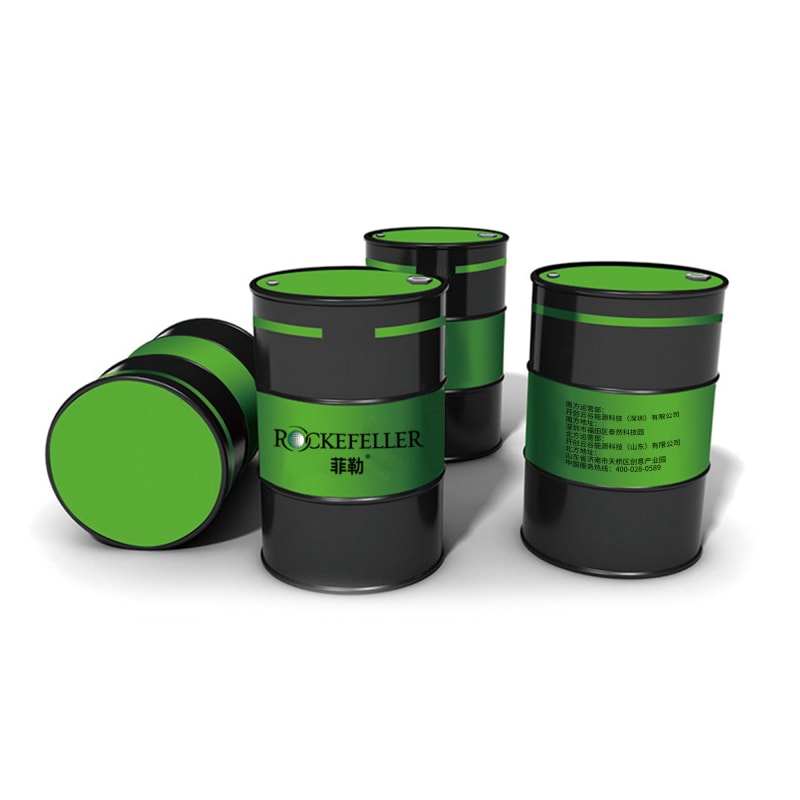
Industrial Oil — Complete Industrial Lubrication Range
The FELLER Industrial Oil range provides a comprehensive portfolio of specialized lubricants for industrial machinery, manufacturing equipment, power generation, and process applications. The range encompasses 18+ distinct product categories spanning hydraulic systems, gear drives, compressors, turbines, transformers, heat transfer systems, metalworking, and corrosion prevention — delivering factory-to-floor lubrication solutions for virtually every industrial application. Each product is formulated to the relevant Chinese national standard (GB) and international performance specifications, providing reliable, high-quality lubrication that protects valuable industrial assets and maximizes equipment uptime.
Consistent Quality
All products are produced under strict quality control systems, ensuring stable formulation, reliable lubrication performance, and consistent results across various operating conditions.
Enhanced Performance & Durability
Advanced base oils and additive technologies deliver excellent wear protection, thermal stability, and longer service intervals for demanding industrial and automotive applications.
Comprehensive Support & Efficiency
Feller provides integrated lubrication solutions including product selection, technical guidance, and supply support, helping clients improve efficiency and reduce operating costs.
Share This Product
Product Overview
While the FELLER brand is primarily known for its automotive lubricant products — engine oils, transmission fluids, and coolants — the company’s product portfolio extends well beyond the automotive sector into the vast and diverse world of industrial lubrication.
Industrial lubrication is fundamentally different from automotive lubrication in several key ways:
- Equipment diversity: While automotive lubricants serve a relatively standardized set of applications (engines, transmissions, differentials), industrial lubricants must serve an enormous variety of machinery types — from precision CNC machining centers to massive mining equipment, from food-grade processing machinery to high-voltage electrical transformers.
- Operating conditions: Industrial equipment can operate under conditions far more extreme than anything encountered in automotive applications — higher temperatures, heavier loads, more corrosive environments, longer continuous operating periods, and more demanding cleanliness requirements.
- Economic impact: In industrial applications, the cost of the lubricant itself is trivial compared to the cost of equipment downtime caused by lubricant failure. A $50,000 gearbox on a cement mill, a $200,000 compressor in a chemical plant, or a $2,000,000 turbine in a power station represents an enormous capital investment that depends on correct lubrication for its survival.
- Specification complexity: Industrial lubricants are classified by a system of performance standards (primarily DIN, ISO, and Chinese GB standards) that specify the lubricant type, viscosity grade, and performance level for each application. Selecting the wrong product can cause immediate equipment damage.
The FELLER Industrial Oil range provides a one-stop industrial lubrication solution — a single supplier for all major industrial lubricant categories, simplifying procurement, inventory management, and technical support for industrial customers.
Product Catalog — 18 Product Categories
1. Hydraulic Transmission Oil (Torque Converter Fluid)
Application:
Hydraulic transmission oil (also called torque converter fluid or power transmission fluid) is used in hydraulic torque converters, fluid couplings, and hydraulic transmissions found in:
- Construction equipment (wheel loaders, excavators, bulldozers, motor graders)
- Mining equipment (haul trucks, underground load-haul-dump machines)
- Industrial forklifts
- Marine transmissions
- Railway locomotive transmissions
- Industrial power take-off (PTO) systems
Function:
The hydraulic transmission oil serves as the working medium in the torque converter — it transmits torque from the engine to the transmission through hydrodynamic coupling (not mechanical contact). The fluid must:
- Transmit torque efficiently with minimal energy loss (high fluid density and viscosity stability)
- Resist oxidation and thermal degradation at high operating temperatures (100–150°C)
- Protect internal surfaces from wear, corrosion, and cavitation
- Maintain stable viscosity across a wide temperature range for consistent torque transmission
- Resist foaming that would reduce torque transmission efficiency
- Be compatible with seals and friction materials
Typical Specifications:
- Chinese standard: GB/T 11120 (L-HS series), or equipment manufacturer specifications
- International reference: Caterpillar TO-4, Allison C-4, Komatsu KES 07.868, ZF TE-ML series
Viscosity Grades Available:
Typically available in ISO VG 10, 22, 32, 46, 68 depending on equipment requirements and ambient temperature.
2. Industrial Gear Oil (GL-5)
Application:
Industrial gear oil GL-5 is used in enclosed gear drives operating under heavy loads, including:
- Automotive-style differentials and axles in industrial and off-highway equipment
- Heavy-duty enclosed gear drives in construction, mining, and agricultural equipment
- Industrial gearboxes with hypoid, spiral bevel, and other high-sliding-contact gear types
Function:
GL-5 gear oil contains extreme pressure (EP) additives — typically sulfur-phosphorus compounds that react with metal surfaces under high contact pressure to form protective iron sulfide/phosphide films. These films prevent welding, scoring, and scuffing of gear tooth surfaces under the extreme sliding contact conditions found in hypoid gears. The GL-5 designation indicates the highest performance level in the API gear oil classification system.
Key Properties:
- Extreme pressure (EP) protection for heavily loaded gear contacts
- Anti-wear protection for bearings and other components
- Oxidation stability for extended service life
- Rust and corrosion protection
- Foam resistance
- Water separation capability
- Seal compatibility
Typical Specifications:
- API GL-5
- Chinese standard: GB/T 13895
- SAE viscosity grades: 75W-80, 75W-90, 80W-90, 85W-90, 85W-140
3. Anti-Wear Hydraulic Oil
Application:
Anti-wear hydraulic oil is the most widely used industrial lubricant category — it is the lifeblood of hydraulic systems found in virtually every type of industrial machinery:
- Hydraulic presses (metalworking, plastics molding, forging)
- Injection molding machines
- CNC machining centers and other machine tools
- Construction equipment (excavators, cranes, concrete pumps)
- Agricultural equipment
- Material handling equipment (forklifts, conveyor systems)
- Industrial robots
- Wind turbine pitch and yaw systems
- Steel mill equipment (rolling mills, continuous casting machines)
Function:
Anti-wear hydraulic oil serves four simultaneous functions in a hydraulic system:
- Power transmission medium: Transmits force from the hydraulic pump to actuators (cylinders, motors) through pressurized fluid flow
- Lubricant: Lubricates the pump, valves, cylinders, and motors to prevent wear
- Coolant: Carries heat away from components to the reservoir or oil cooler
- Sealant: Fills clearances between moving parts to minimize internal leakage
The anti-wear designation indicates the oil contains zinc dialkyldithiophosphate (ZDDP) or other anti-wear additives that form protective films on metal surfaces under boundary lubrication conditions, preventing premature wear of hydraulic pump components (vanes, pistons, gears) and extending pump service life.
Key Properties:
- Anti-wear protection (meeting Vickers V-104C/V-105C or Denison HF-0/HF-1/HF-2 pump test requirements)
- Oxidation stability (>2,000 hours ASTM D943 or equivalent)
- Rust and corrosion protection
- Water separation (demulsibility)
- Foam resistance
- Air release
- Filterability
- Seal compatibility
Typical Specifications:
- Chinese standard: GB 11118.1 (L-HM series)
- International reference: DIN 51524 Part 2 (HLP), ISO 11158 (HM)
- ISO viscosity grades: VG 22, 32, 46, 68, 100 (VG 46 is the most common)
4. Medium-Load Industrial Gear Oil (L-CKC)
Application:
L-CKC medium-load industrial gear oil is used in enclosed industrial gear drives operating under moderate loads and temperatures:
- General-purpose industrial gearboxes (spur, helical, and bevel gear types)
- Conveyor drive gearboxes
- Mixer and agitator drives
- Fan and blower drives
- Pump drives
- Light-duty crane and hoist gearboxes
Function:
L-CKC gear oil provides anti-wear and mild EP protection for enclosed gear systems that do not experience the extreme sliding contact conditions of hypoid gears. It contains:
- Anti-wear additives for gear tooth protection under moderate loads
- Mild EP additives for protection against shock loading
- Rust and corrosion inhibitors
- Oxidation inhibitors for extended oil life
- Foam inhibitors
- Demulsifiers for water separation
Typical Specifications:
- Chinese standard: GB 5903 (L-CKC classification)
- International reference: DIN 51517 Part 2 (CLP equivalent), ISO 12925-1 (CKC type)
- ISO viscosity grades: VG 68, 100, 150, 220, 320, 460, 680
5. Heavy-Load Industrial Gear Oil (L-CKD)
Application:
L-CKD heavy-load industrial gear oil is used in enclosed industrial gear drives operating under heavy loads, shock loading, and/or high temperatures:
- Heavy-duty industrial gearboxes (cement mills, mining equipment, steel mills)
- Worm gear drives (where high sliding contact generates significant heat)
- Large crane and hoist gearboxes
- Ship propulsion gearboxes
- Sugar mill drives
- Paper machine drives
- Rubber and plastics processing equipment drives
Function:
L-CKD gear oil provides significantly stronger EP protection than L-CKC, with:
- High-level EP additives (sulfur-phosphorus chemistry) for protection under extreme gear tooth contact pressures
- Enhanced anti-wear protection
- Superior thermal and oxidation stability for high-temperature operation
- Robust rust and corrosion protection
- Excellent water separation (important for equipment exposed to moisture ingress)
- Foam resistance
The L-CKD designation indicates a higher performance level than L-CKC, suitable for the most demanding enclosed gear drive applications.
Typical Specifications:
- Chinese standard: GB 5903 (L-CKD classification)
- International reference: DIN 51517 Part 3 (CLP), ISO 12925-1 (CKD type)
- ISO viscosity grades: VG 68, 100, 150, 220, 320, 460, 680
6. Worm Gear Oil (L-CKE)
Application:
L-CKE worm gear oil is specifically designed for worm gear drives — a unique gear type where a screw-shaped worm meshes with a toothed worm wheel:
- Industrial worm gear reducers (very common in conveyor systems, mixers, packaging machinery)
- Elevator and escalator drives
- Material handling equipment
- Textile machinery
- Food processing equipment drives
Function:
Worm gears are unique because:
- The contact between the worm and wheel involves pure sliding (unlike spur and helical gears which have a combination of rolling and sliding contact)
- This pure sliding contact generates significantly more friction heat than other gear types
- The worm is typically hardened steel while the wheel is typically bronze or other copper alloy
- Conventional sulfur-phosphorus EP additives used in CKC/CKD gear oils are corrosive to copper alloys — they would attack and erode the bronze worm wheel
L-CKE worm gear oil addresses these challenges with:
- Non-corrosive EP/anti-wear chemistry that protects gear surfaces without attacking copper alloys (typically using phosphorus-based or synthetic ester-based additives instead of sulfur)
- High lubricity (low friction coefficient) to minimize friction losses and heat generation in the sliding contact zone — this directly improves worm gear efficiency
- Excellent thermal stability for operation at the elevated temperatures generated by sliding friction
- Superior copper alloy protection and compatibility
Typical Specifications:
- Chinese standard: GB 5903 (L-CKE classification)
- International reference: DIN 51517 (CKE equivalent for worm gears), AGMA 250.04
- ISO viscosity grades: VG 150, 220, 320, 460, 680
7. Vacuum Pump Oil
Application:
Vacuum pump oil is used in rotary vane vacuum pumps, rotary piston vacuum pumps, and other oil-sealed vacuum pump types found in:
- Semiconductor manufacturing (CVD, PVD, sputtering, etching)
- Vacuum packaging (food, pharmaceuticals, electronics)
- Vacuum coating and metallizing
- Laboratory vacuum systems
- Vacuum distillation (chemical and petroleum processing)
- Vacuum forming (plastics)
- Freeze-drying
- Air conditioning system evacuation (automotive and HVAC service)
- Medical equipment (suction systems, sterilizers)
Function:
Vacuum pump oil performs multiple critical functions:
- Sealing: The oil creates a gas-tight seal between the vane tips and the pump chamber wall, enabling the pump to achieve and maintain low pressures (high vacuum)
- Lubrication: Lubricates the vanes, bearings, and other moving components
- Cooling: Carries heat generated by compression away from the pump internals
- Corrosion protection: Protects internal surfaces from rust and corrosion
Critical Requirements:
- Very low vapor pressure: The oil must not evaporate significantly under vacuum conditions — if it does, the oil vapor contaminates the vacuum system and limits the ultimate vacuum achievable
- High oxidation stability: Prevents sludge formation that would block pump passages and reduce performance
- Chemical inertness: Must not react with process gases that may be pumped through the system
- Good sealing properties: Must maintain an effective seal at the vane tips across the full temperature range
Typical Specifications:
- Chinese standard: SH/T 0528 (mechanical vacuum pump oil)
- ISO viscosity grades: VG 46, 68, 100 (depending on pump type and application)
8. Anti-Rust Turbine Oil (L-TSA)
Application:
L-TSA anti-rust turbine oil is used in steam turbines, gas turbines, and associated equipment:
- Steam turbines in power plants (coal, gas, nuclear, geothermal, biomass, concentrated solar)
- Gas turbines in power generation and mechanical drive applications
- Combined-cycle gas turbine (CCGT) plants
- Industrial steam turbines driving compressors, pumps, and generators
- Hydroelectric turbine governors and control systems
- Turbine generator bearing lubrication and control systems
Function:
Turbine oil is one of the most demanding industrial lubrication applications because:
- Enormous oil volumes: Large turbines may contain 10,000–50,000+ liters of oil, representing a significant investment
- Long service life requirement: Turbine oil is expected to last 5–20+ years in service without replacement
- Continuous high-temperature operation: Oil operates at 50–80°C in the bulk system with localized temperatures up to 150°C+ at bearing surfaces
- Water contamination: Steam turbines inevitably experience some steam leakage into the oil system — the oil must separate water rapidly to prevent corrosion and emulsion formation
- Air entrainment: The oil circulates rapidly through the system, entraining air that must be released quickly to prevent cavitation, oxidation, and compressibility problems
The L-TSA designation indicates:
- L = Lubricant
- T = Turbine oil
- S = Anti-rust (inhibited against rust formation)
- A = Anti-oxidant (inhibited against oxidative degradation)
Key Properties:
- Exceptional oxidation stability (RPVOT/RBOT values >500 minutes for extended service life)
- Excellent rust protection (ASTM D665 A and B pass)
- Rapid water separation (demulsibility)
- Fast air release
- Anti-foam
- Minimal deposit formation tendency
- Compatibility with turbine system materials (paints, seals, metals)
Typical Specifications:
- Chinese standard: GB 11120 (L-TSA classification)
- International reference: DIN 51515 Part 1 (TD), ISO 8068, GE GEK 32568, Siemens TLV 9013 04
- ISO viscosity grades: VG 32, 46, 68 (VG 32 most common for steam turbines, VG 46 for gas turbines)
9. Reciprocating Air Compressor Oil (L-DAB)
Application:
L-DAB air compressor oil is used in reciprocating (piston) air compressors:
- Industrial air compressor stations providing compressed air for factory pneumatic systems
- Portable air compressors for construction sites
- Breathing air compressors (with appropriate food-grade certification)
- Gas compressors (natural gas, process gases — requires compatibility verification)
Function:
In a reciprocating air compressor, the oil must:
- Lubricate the piston, piston rings, cylinder walls, bearings, and crosshead
- Seal the gap between piston rings and cylinder wall to minimize compressed air blow-by
- Cool the cylinder walls and piston
- Protect against rust and corrosion
- Resist carbon deposit formation — this is the most critical requirement for compressor oil
Carbon Deposit Formation — The Critical Challenge:
At the compressor discharge, the air/oil mixture reaches temperatures of 150–220°C+. At these temperatures, the oil film on the valve plates and in the discharge passages oxidizes and forms carbonaceous deposits. These deposits:
- Block discharge valves, reducing compressor efficiency
- Create hot spots that can ignite (compressor fires and explosions are a real safety hazard)
- Restrict air passages, increasing backpressure and energy consumption
The L-DAB designation indicates a mineral oil formulation with additives optimized for moderate-duty reciprocating compressor service. For more severe service, the semi-synthetic and screw compressor oils in the range (see products 10 and 11 below) provide superior carbon deposit resistance.
Typical Specifications:
- Chinese standard: GB 12691 (L-DAB classification)
- International reference: DIN 51506 (VDL), ISO 6743-3A
- ISO viscosity grades: VG 68, 100, 150 (VG 100 most common)
10. Screw Air Compressor Oil
Application:
Screw air compressor oil is specifically formulated for rotary screw air compressors — the most common type of industrial air compressor for continuous-duty applications:
- Factory compressed air systems (most factories use rotary screw compressors for their primary compressed air supply)
- OEM-installed compressors in industrial machinery
- Mobile compressors for construction and mining
- Variable-speed drive (VSD) screw compressors
Why Screw Compressor Oil is Different from Reciprocating Compressor Oil:
Rotary screw compressors have fundamentally different lubrication requirements:
- The oil is injected directly into the compression chamber where it serves as a coolant, sealant, and lubricant simultaneously
- The oil must be separated from the compressed air by the oil separator element — poor oil separation means excessive oil carryover into the compressed air system (contaminating downstream processes, wasting oil, and increasing operating costs)
- Operating temperatures are typically 80–110°C (lower than reciprocating compressors, but continuous rather than intermittent)
- The oil is in intimate contact with the compressed air, which accelerates oxidation
- Modern screw compressors demand oil change intervals of 4,000–8,000+ hours
Key Properties:
- Excellent oxidation stability for long drain intervals
- Minimal varnish and deposit formation in the oil separator and cooler
- Good air release (to separate entrained air quickly in the oil separator)
- Excellent water separation (to handle condensation in the compressed air)
- Low foaming tendency
- Compatible with common screw compressor seal materials (NBR, FKM, PTFE)
- Low oil carryover past the separator element
Typical Specifications:
- Equipment manufacturer specifications (Atlas Copco, Ingersoll Rand, Kaeser, Sullair, Fusheng, etc.)
- ISO viscosity grades: VG 32, 46, 68 (VG 46 most common)
11. Semi-Synthetic Air Compressor Oil
Application:
Semi-synthetic air compressor oil provides a performance upgrade over conventional mineral screw compressor oil, suitable for:
- Higher-temperature screw compressor applications
- Extended drain interval requirements (6,000–10,000+ hours)
- Compressors operating in harsh environments (high ambient temperature, dusty conditions)
- Applications where minimizing oil carryover is critical (food processing, electronics, pharmaceuticals)
Function:
The semi-synthetic base oil (a blend of mineral and synthetic base stocks, typically PAO or ester) provides:
- Better oxidation stability than pure mineral oil, enabling longer drain intervals
- Lower deposit formation tendency, keeping the oil separator, cooler, and internal passages cleaner
- Improved viscosity-temperature behavior, maintaining optimal viscosity across a wider temperature range
- Better air release and water separation
Typical Specifications:
- Equipment manufacturer extended-life specifications
- ISO viscosity grades: VG 32, 46, 68
12. Transformer Oil
Application:
Transformer oil (also called insulating oil) is used in electrical transformers, switchgear, circuit breakers, and other high-voltage electrical equipment:
- Power distribution transformers (substation transformers, pole-mounted transformers)
- Power transmission transformers (large grid interconnection transformers)
- Industrial transformers (furnace transformers, rectifier transformers)
- Railway traction transformers
- Oil-filled circuit breakers
- Oil-filled capacitors and bushings
Function:
Transformer oil serves two critical functions simultaneously:
- Electrical insulation: The oil fills the space between transformer windings, core, and tank, providing electrical insulation that prevents arcing and short circuits. The oil must have extremely high dielectric strength (breakdown voltage).
- Cooling: The oil circulates through the transformer (by natural convection or forced pumping), carrying heat generated by electrical resistance losses in the windings and magnetic hysteresis/eddy current losses in the core to the external cooling surfaces (radiator fins) where it is dissipated to the atmosphere.
Critical Requirements:
- High dielectric breakdown voltage (>30 kV for new oil, per IEC 60156 test method)
- Very low moisture content (<10 ppm for new oil — even trace moisture dramatically reduces insulation performance)
- Very low dissolved gas content (dissolved gases indicate incipient faults — DGA [Dissolved Gas Analysis] is the primary diagnostic tool for transformer health monitoring)
- Excellent oxidation stability (transformers are expected to operate for 25–40+ years; the oil must last the transformer’s entire design life or be maintained through oil reclamation and regeneration)
- Low pour point (transformers in outdoor substations must operate in winter conditions)
- Low viscosity (for efficient heat convection at all temperatures)
- Chemical inertness (must not react with insulation paper, pressboard, varnishes, paints, gaskets, and other materials in the transformer)
- Good impulse strength (resistance to voltage surges from lightning strikes and switching operations)
Typical Specifications:
- Chinese standard: GB 2536 (transformer oil)
- International reference: IEC 60296, ASTM D3487 (Type I and Type II)
- Typical viscosity: ISO VG 7–10 (very low viscosity for optimal heat convection)
13. Heat Transfer Oil (Thermal Oil) — L-QC
Application:
Heat transfer oil (also called thermal oil, thermal fluid, or hot oil) is used as the heat transfer medium in indirect heating systems where temperatures exceed what steam or hot water systems can practically achieve:
- Chemical processing plants (reactor heating, distillation column reboilers)
- Petrochemical plants (process heating)
- Plastics and rubber processing (mold heating, extrusion, calendering)
- Textile manufacturing (drying, finishing, dyeing)
- Food processing (fryer heating, jacketed vessel heating)
- Wood products (plywood press heating, MDF/particleboard production)
- Solar thermal power (parabolic trough concentrated solar power plants use thermal oil as the heat transfer medium in the solar field)
- Asphalt plants
- Paper and pulp manufacturing
Function:
Heat transfer oil circulates in a closed loop between the heat source (typically a fired heater or furnace) and the process equipment (heat exchangers, reactors, molds, etc.), carrying thermal energy at temperatures of 150–350°C (and some synthetic fluids up to 400°C+). The oil must:
- Have excellent thermal stability (resist cracking and decomposition at high temperatures)
- Have high heat transfer efficiency (good thermal conductivity and specific heat capacity)
- Have good pumpability (low viscosity at operating temperature for efficient circulation; manageable viscosity at ambient temperature for system start-up)
- Have low vapor pressure at operating temperature (to prevent cavitation and allow operation at or near atmospheric pressure)
- Have long service life with minimal degradation
The L-QC designation indicates:
- L = Lubricant (though the primary function is heat transfer, not lubrication)
- Q = Heat transfer oil
- C = Performance level (mineral oil type for operating temperatures up to approximately 300°C)
Typical Specifications:
- Chinese standard: GB 23971 (organic heat carrier — heat transfer oil)
- ISO viscosity: Varies widely by grade (typically VG 22–100 at 40°C)
- Maximum recommended bulk oil temperature: Typically 280–320°C for mineral-based L-QC fluids
14. Spindle Oil (L-FC)
Application:
Spindle oil is an extremely low-viscosity, high-precision lubricant used in:
- Machine tool spindles (lathes, milling machines, grinding machines, drilling machines)
- High-speed precision bearings
- Textile machinery spindles
- Small precision instruments and mechanisms
- Gyroscopes and precision navigation equipment
- Light-load, high-speed applications requiring minimal friction
Function:
Spindle bearings operate at extremely high speeds (10,000–100,000+ RPM in modern machining centers) with very light loads. At these speeds, the lubricant must:
- Be extremely low in viscosity to minimize churning losses and heat generation
- Provide adequate film thickness despite the low viscosity (achieved through the high-speed hydrodynamic effect)
- Have excellent oxidation stability (to prevent deposit formation that would impair spindle accuracy)
- Be non-staining and residue-free
- Have good rust protection properties
- Be free of particulate contamination that could damage precision bearing surfaces
The L-FC designation indicates a high-quality anti-rust anti-oxidant spindle oil.
Typical Specifications:
- Chinese standard: GB/T 11121 (or relevant spindle oil specification)
- ISO viscosity grades: VG 2, 5, 7, 10 (extremely low viscosity)
- Typical bearing speed parameter (ndm) > 1,000,000
15. Quenching Oil
Application:
Quenching oil is used in heat treatment metallurgy — specifically, it is the cooling medium into which hot metal parts are immersed to rapidly cool (quench) them, achieving the desired metallurgical structure (typically martensite in steel):
- Hardening of steel components (gears, shafts, bearings, tools, dies, springs)
- Carburized part quenching (case-hardened automotive and industrial components)
- Induction-hardened components
- Through-hardened components
- Batch and continuous heat treatment furnaces
Function:
When a heated steel part (typically at 800–950°C) is immersed in quenching oil, the oil cools the part through three distinct stages:
- Vapor blanket stage: The oil immediately vaporizes in contact with the extremely hot surface, forming an insulating vapor blanket. Cooling is relatively slow during this stage.
- Boiling stage: As the part cools, the vapor blanket collapses and the oil boils vigorously in direct contact with the surface. This is the fastest cooling stage and determines the hardness achieved.
- Convection stage: Below the oil’s boiling point, cooling continues by natural and forced convection. This slower stage determines the part’s final temperature and stress state.
The quenching oil must be carefully formulated to control the relative duration and intensity of each cooling stage:
- Fast quenching oils: Rapid cooling for maximum hardness (at the risk of higher distortion and cracking)
- Slow (marquenching) oils: Slower, more uniform cooling to minimize distortion and cracking while still achieving adequate hardness
- Hot quenching oils: Used at elevated bath temperatures (120–200°C) for isothermal transformation processes (martempering, austempering)
Key Properties:
- Controlled cooling rate (measured by ISO 9950 or ASTM D6200 cooling curve analysis)
- High flash point and fire point (safety — the oil operates near hot parts)
- Good oxidation stability (to maintain consistent cooling performance over extended service life)
- Low sludge formation tendency
- Good heat transfer coefficient
- Minimal smoke generation
- Non-staining (the oil residue on quenched parts must be easily removed by subsequent washing)
Typical Specifications:
- Chinese standard: SH/T 0564 (quenching oil)
- International reference: ISO 6743-14 (U category)
- Typical viscosity: VG 15–32 (for conventional quenching oils)
16. Anti-Rust Oil (Rust Preventive Oil)
Application:
Anti-rust oil is applied to metal surfaces to prevent rust and corrosion during storage, shipping, and inter-process handling:
- Metal parts and components awaiting assembly (automotive parts, machinery components, fasteners)
- Finished products in warehouse storage
- Metal sheet and coil stock (steel, aluminum)
- Tools and dies
- Military and defense equipment in long-term storage
- Export goods in sea containers (where salt-air exposure causes rapid corrosion)
- Machine tool slideways and exposed surfaces during shutdown periods
Function:
Anti-rust oil forms a protective film on metal surfaces that excludes moisture, oxygen, and corrosive agents (salt, industrial pollutants, acid gases) from contacting the metal. Depending on the application, the film may be:
- Thin oily film (solvent-diluted oil that leaves a thin residue after the solvent evaporates — for short-term indoor storage)
- Thick oily film (heavier oil that provides longer-term protection — for extended indoor or sheltered outdoor storage)
- Dry film (waxy or resinous coating that leaves a non-tacky surface — for parts that will be handled or require a clean surface)
- Hard film (thick, durable coating for long-term outdoor or export storage)
Key Properties:
- Effective corrosion protection (measured by humidity cabinet testing — ASTM D1748, GB/T 2361, or equivalent)
- Easy application (spray, dip, brush)
- Easy removal when required (parts must be cleaned before assembly — the rust preventive oil should be removable by common cleaning solvents or alkaline wash)
- Compatible with common metals (steel, cast iron, aluminum, copper alloys)
- Non-staining
Typical Specifications:
- Chinese standard: GB/T 4879 series (anti-rust packaging standards), SH/T 0692 series
- Various viscosity grades and film types depending on application requirements
17. Hydraulic Guideway Oil (L-HG)
Application:
Hydraulic guideway oil (combined hydraulic and slideway oil) is used in machine tools that have both a hydraulic system and sliding guide surfaces (slideways):
- CNC lathes, milling machines, and machining centers with box-type (flat) slideways
- Boring machines
- Planers and shapers
- Grinding machines with hydraulic table drives
- Any machine tool where a single oil serves both the hydraulic system and the slideway lubrication
Function:
This is a dual-purpose oil that must satisfy two very different requirements simultaneously:
- Hydraulic function: Like anti-wear hydraulic oil, it must transmit hydraulic power, protect pump components from wear, resist oxidation, separate water, and resist foaming.
- Slideway lubrication function: Machine tool slideways (the flat bearing surfaces on which the machine table or saddle slides) have a unique tribological challenge called stick-slip (also known as “guideway chatter” or “jerky movement”):
- When the table is stationary, the static friction between the slideway surfaces is high
- When the table begins to move, friction drops suddenly to the lower kinetic (sliding) friction value
- This sudden friction change causes the table to “jump” forward, then stick, then jump again — creating an oscillating, jerky motion that ruins machining accuracy and surface finish
Guideway oil contains friction modifier additives that reduce static friction and increase dynamic friction, effectively eliminating the stick-slip phenomenon. This ensures smooth, precise, judder-free table movement — which is essential for achieving tight machining tolerances and good surface finish.
Key Properties:
- Anti-stick-slip friction characteristics (smooth table movement)
- Anti-wear protection for hydraulic pump
- Good adhesion to vertical and inclined slideway surfaces (tackiness)
- Oxidation stability
- Rust protection
- Water separation
- Foam resistance
Typical Specifications:
- Chinese standard: GB/T 11118.1 (L-HG classification — combined hydraulic guideway oil)
- International reference: DIN 51524 Part 3 (CGLP — hydraulic guideway oil), ISO 19378 (slideway lubricant)
- ISO viscosity grades: VG 32, 46, 68 (VG 68 most common)
18. Refrigeration Compressor Oil (L-DRA/A)
Application:
Refrigeration compressor oil is used in refrigeration and air conditioning compressors:
- Industrial refrigeration systems (food cold storage, freezer plants, ice production)
- Commercial refrigeration (supermarket display cases, cold rooms)
- HVAC (heating, ventilation, and air conditioning) systems
- Transport refrigeration (refrigerated trucks, containers, rail cars)
- Process cooling (chemical and pharmaceutical manufacturing)
- Industrial chiller systems
- Heat pumps
Function:
Refrigeration compressor oil must operate under uniquely challenging conditions:
- The oil is in intimate contact with the refrigerant gas throughout the system
- The oil circulates with the refrigerant through the compressor, condenser, expansion valve, and evaporator
- In the evaporator, the oil is exposed to extremely low temperatures (down to -40°C or below) — it must remain fluid and return to the compressor
- In the compressor, the oil experiences high temperatures and pressures
- The oil must be miscible (fully mixable) with the refrigerant at the low temperatures in the evaporator — if the oil separates from the refrigerant, it accumulates in the evaporator, reducing heat transfer and starving the compressor of lubrication
The L-DRA/A designation indicates:
- L = Lubricant
- D = Compressor oil
- R = Refrigeration compressor
- A = Suitable for use with specific refrigerant types
- /A = Performance level
Key Properties:
- Excellent low-temperature fluidity (very low pour point, typically -40°C or below)
- Good refrigerant miscibility/compatibility (specific to the refrigerant used — R22, R134a, R404A, R407C, R410A, ammonia, CO2, etc.)
- Very low moisture content (moisture reacts with refrigerants to form acids)
- High chemical stability (must not react with refrigerants or system materials)
- Excellent lubricity for compressor protection
- Low wax content (prevents wax precipitation at low temperatures that could block expansion valves)
- Very low residual acidity
Typical Specifications:
- Chinese standard: GB/T 16630 (refrigeration compressor oil, mineral/alkylbenzene type)
- International reference: DIN 51503 (KA/KB/KC), ISO 6743-3 (DRA/DRB/DRC)
- ISO viscosity grades: VG 22, 32, 46, 68 (grade depends on compressor type and refrigerant)
Note on Refrigerant Compatibility:
The mineral oil-based L-DRA/A is primarily suitable for use with HCFC refrigerants (R22) and natural refrigerants (ammonia/R717). For HFC refrigerants (R134a, R404A, R407C, R410A) and HFO refrigerants, POE (polyol ester) or PAG (polyalkylene glycol) based refrigeration oils are typically required due to miscibility requirements. Consult the compressor manufacturer’s specifications for the correct oil type and viscosity grade.
Complete Industrial Oil Range — Summary Table
| No. | Product | Standard | Primary Application | Key Feature |
|---|---|---|---|---|
| 1 | Hydraulic Transmission Oil | GB/T 11120 | Torque converters, fluid couplings | Power transmission medium |
| 2 | Industrial Gear Oil (GL-5) | GB/T 13895 | Hypoid and heavy-duty gear drives | Extreme pressure protection |
| 3 | Anti-Wear Hydraulic Oil | GB 11118.1 (L-HM) | Hydraulic systems (all types) | Anti-wear pump protection |
| 4 | Medium-Load Gear Oil L-CKC | GB 5903 (L-CKC) | General industrial gearboxes | Moderate EP protection |
| 5 | Heavy-Load Gear Oil L-CKD | GB 5903 (L-CKD) | Heavy-duty industrial gearboxes | High EP protection |
| 6 | Worm Gear Oil L-CKE | GB 5903 (L-CKE) | Worm gear reducers | Non-corrosive to copper alloys |
| 7 | Vacuum Pump Oil | SH/T 0528 | Oil-sealed vacuum pumps | Very low vapor pressure |
| 8 | Anti-Rust Turbine Oil L-TSA | GB 11120 (L-TSA) | Steam and gas turbines | Exceptional oxidation life |
| 9 | Reciprocating Compressor Oil L-DAB | GB 12691 (L-DAB) | Piston air compressors | Low carbon deposit |
| 10 | Screw Compressor Oil | Manufacturer specs | Rotary screw compressors | Long drain interval |
| 11 | Semi-Synthetic Compressor Oil | Manufacturer specs | High-performance compressors | Extended life |
| 12 | Transformer Oil | GB 2536 | Electrical transformers | High dielectric strength |
| 13 | Heat Transfer Oil L-QC | GB 23971 | Thermal oil heating systems | High-temperature stability |
| 14 | Spindle Oil L-FC | GB/T 11121 | Machine tool spindles | Ultra-low viscosity |
| 15 | Quenching Oil | SH/T 0564 | Heat treatment (metallurgy) | Controlled cooling rate |
| 16 | Anti-Rust Oil | GB/T 4879, SH/T 0692 | Corrosion prevention, storage | Protective film formation |
| 17 | Hydraulic Guideway Oil L-HG | GB/T 11118.1 (L-HG) | Machine tools (hydraulic + slideway) | Anti-stick-slip |
| 18 | Refrigeration Compressor Oil L-DRA/A | GB/T 16630 | Refrigeration compressors | Low-temperature fluidity |
Target Customers and B2B Solutions
Manufacturing Plants and Factories
Manufacturing facilities represent the largest market segment for industrial lubricants. A typical medium-to-large factory may use 10 or more different industrial lubricant types simultaneously:
- Hydraulic oil for presses, injection molding machines, and CNC equipment
- Gear oil for conveyor drives, mixer drives, and process equipment gearboxes
- Compressor oil for the compressed air system
- Turbine oil for power generation equipment
- Slideway oil for machine tools
- Spindle oil for machining centers
- Quenching oil for heat treatment (if the factory has an in-house heat treatment department)
- Transformer oil for the factory’s electrical substation
- Rust preventive oil for finished goods storage
By offering the complete industrial oil range from a single brand, FELLER enables factories to:
- Consolidate suppliers: Fewer procurement relationships to manage, simpler purchasing processes
- Reduce inventory complexity: One brand, one specification system, easier stock management
- Simplify technical support: One technical contact for all lubrication questions and troubleshooting
- Achieve volume pricing: Higher total purchase volume from a single supplier enables better pricing
- Reduce cross-contamination risk: Consistent base oil chemistry across the range minimizes the risk of lubricant incompatibility when incidental cross-contamination occurs
Power Generation Companies
Power plants — whether thermal (coal, gas, nuclear), hydroelectric, wind, or solar thermal — have intensive lubrication requirements:
- Turbine oil for the main steam/gas turbine bearings and control systems
- Gear oil for wind turbine gearboxes
- Transformer oil for the generator step-up transformer and auxiliary transformers
- Hydraulic oil for dam gates, wind turbine pitch systems, and other hydraulic equipment
- Compressor oil for plant compressed air systems
- Heat transfer oil for solar thermal power plants
Mining and Quarrying Operations
Mining operations use enormous quantities of industrial lubricants:
- Hydraulic oil for excavators, drill rigs, and hydraulic systems
- Gear oil for mill drives (ball mills, SAG mills, rod mills), conveyor drives, and crusher drives
- Compressor oil for pneumatic drilling equipment and plant compressed air
- Hydraulic transmission oil for haul trucks and loaders
Construction Companies
Large construction projects consume significant lubricant volumes:
- Hydraulic oil for excavators, cranes, concrete pumps, and other hydraulic equipment
- Gear oil for equipment gearboxes
- Compressor oil for on-site compressed air
- Hydraulic transmission oil for earthmoving equipment
Industrial Lubricant Distributors
Industrial lubricant distributors serving the above end-user markets can leverage the FELLER Industrial Oil range to:
- Offer a comprehensive product portfolio from a single brand
- Serve diverse customer industries with one product line
- Build brand loyalty across multiple product categories
- Benefit from the FELLER brand recognition established through the automotive product line
OEM Equipment Manufacturers
Equipment manufacturers (compressor makers, gearbox manufacturers, machine tool builders, etc.) can specify FELLER Industrial Oil as the recommended first-fill and service-fill lubricant for their equipment:
- Packaged in the equipment manufacturer’s recommended fill quantity
- Technical data sheets and recommendations aligned with the equipment’s operating parameters
- Co-branding opportunities for equipment-specific lubricant products
Why Choose FELLER Industrial Oil for Your Business?
- Complete Range — 18+ product categories cover virtually every industrial lubrication need from a single supplier
- National Standards Compliance — All products formulated to the relevant GB standards, ensuring proven, tested performance
- Consistent Quality — The same quality management system that produces the trusted FELLER automotive lubricant line
- Procurement Simplification — One supplier for all industrial lubricant needs reduces purchasing complexity and cost
- Technical Support — FELLER provides lubrication guidance, product selection assistance, and troubleshooting support
- Established Brand — The FELLER name carries recognition and trust from its automotive product line into the industrial sector
- Competitive Pricing — Quality industrial lubricants at competitive pricing, reducing total lubrication cost of ownership
- Reliable Supply — Manufacturing capacity and distribution infrastructure to ensure consistent product availability
- Full Viscosity Grade Coverage — Each product category is available in the full range of ISO viscosity grades required by the market
- Growing Industrial Economy — Expanding industrial bases worldwide create continuous, growing demand for quality industrial lubricants
Our Service
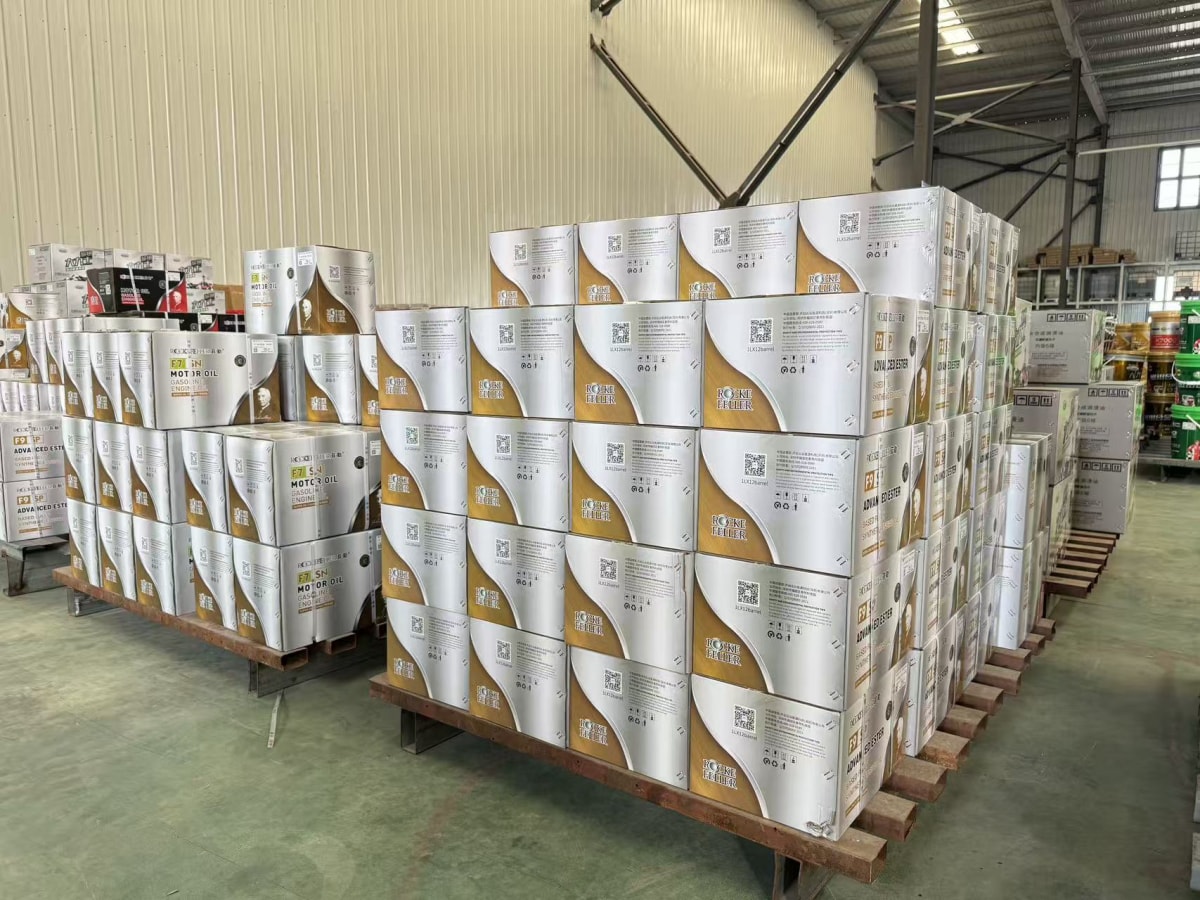
From lubricant formulation to technical application support, Feller ensures stable product quality, efficient supply, and professional service for every customer. Our integrated service system helps clients improve equipment performance, reduce operating costs, and maintain reliable lubrication management.

Product Supply
Reliable supply of high-quality lubricants for automotive and industrial applications.

Technical Support
Professional guidance on lubricant selection and equipment lubrication management.

Customized Solutions
Customized lubricant formulations and packaging designed for different markets and needs.

Integrated Application
Comprehensive lubrication solutions developed for various industries and equipment.

Quality Assurance
Strict quality control throughout production to ensure stable lubricant performance.
After-Sales Service
Responsive technical support helping customers maintain reliable equipment operation.
Why Us
Feller delivers high-performance lubricant solutions supported by advanced manufacturing, strict quality control, and professional technical services. Our expertise helps customers improve equipment reliability, extend service life, and ensure efficient operations across industrial and automotive applications.
Advanced Manufacturing
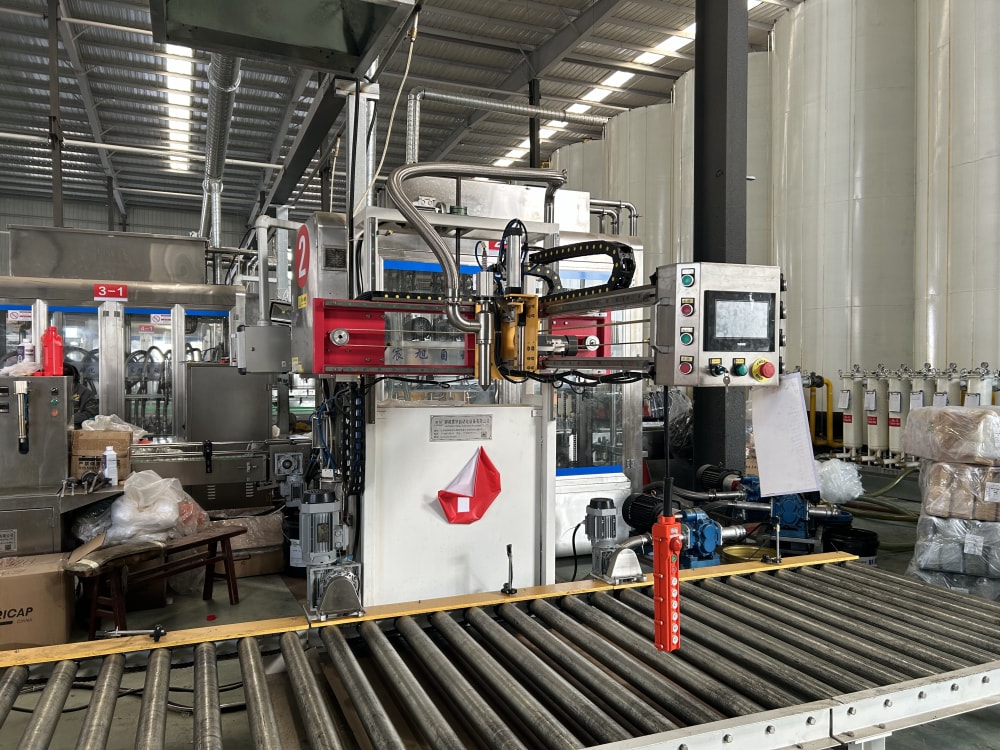
Modern blending facilities and automated systems ensure precise formulation and stable product quality.

Experienced Team
Professional engineers and technicians provide expertise in lubricant development and application.
Quality Assurance
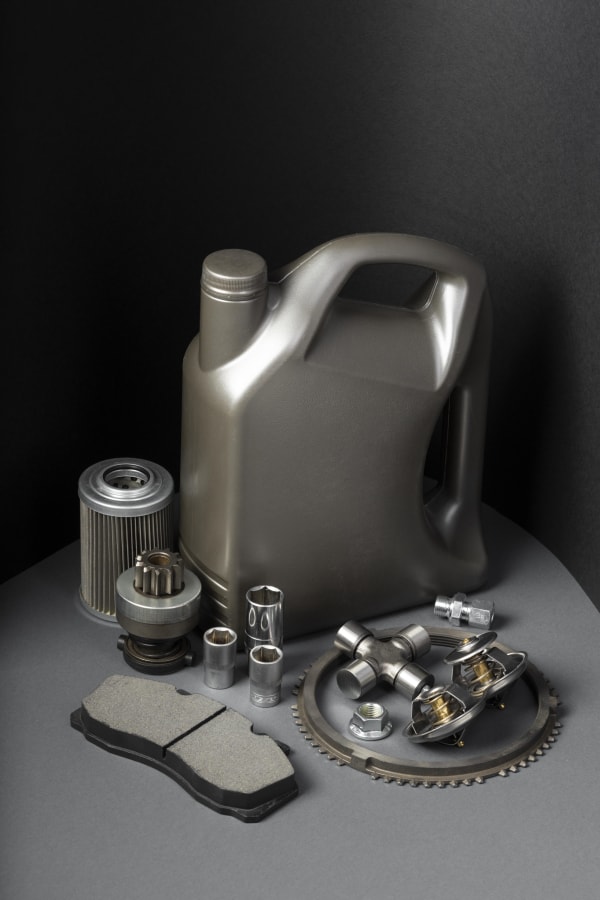
Strict testing and quality management ensure products meet international standards.

Innovation & R&D
Continuous research improves lubricant performance, efficiency, and environmental compatibility.
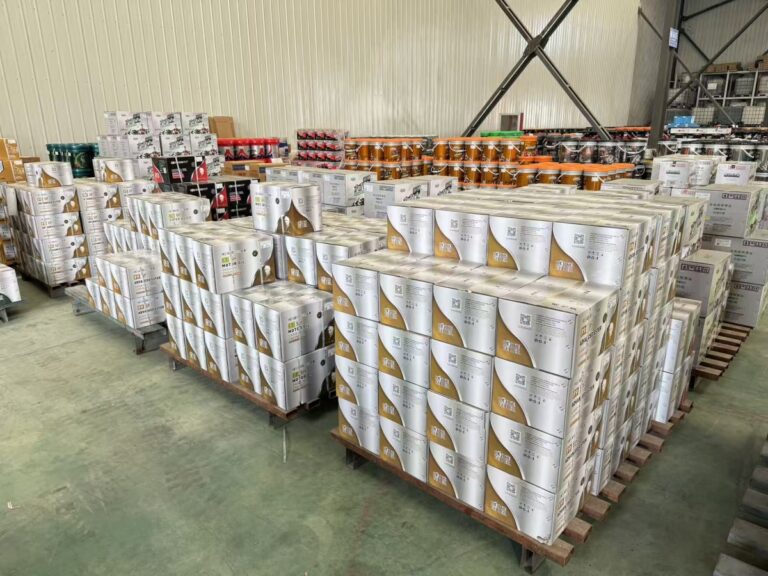
Scalability
Flexible production capacity supports both small orders and large-volume supply.
Global Standards
Manufacturing processes comply with international standards for reliable global supply.
Frequently Asked Questions
Product Category
Contact Feller Today
Related Product
-
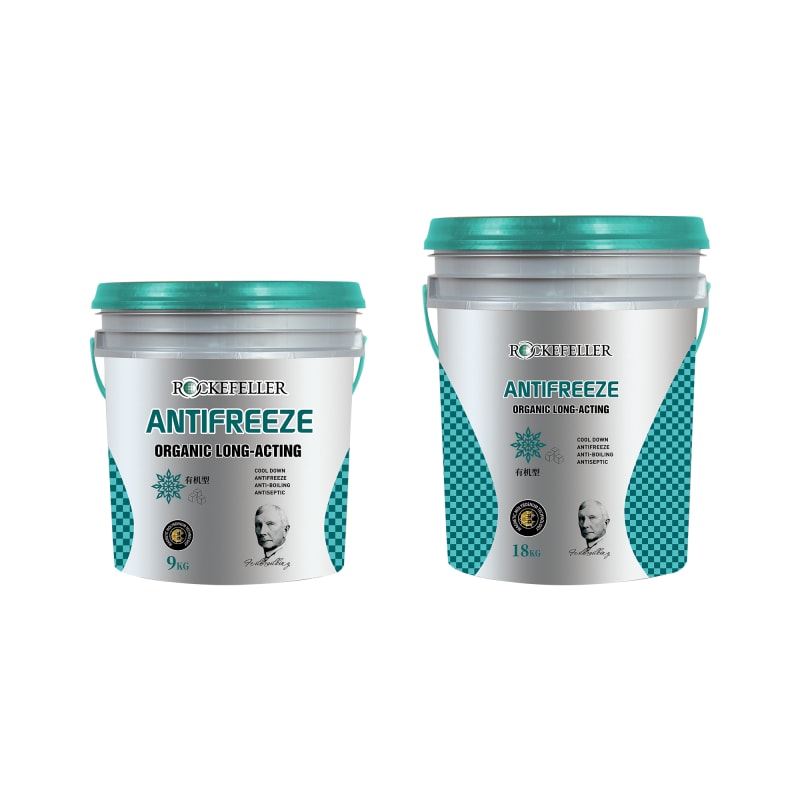
Antifreeze — Organic Long-Acting Engine Coolant
The FELLER Antifreeze is an Organic Long-Acting engine coolant that adopts organic-type corrosion inhibitors imported from Europe, meeting the formulation requirements for nitrite-free additive technology. It effectively protects metal parts in the engine cooling system to avoid corrosion, employs advanced pitting corrosion protection technology for higher heat conduction efficiency, and provides excellent storage stability and use stability to extend service life and reduce the frequency of replacement. Available in three freeze-point grades (-25°C, -35°C, and -45°C) with correspondingly elevated boiling points (128°C, 132°C, and 136°C), this coolant is suitable for all water-cooled engine cooling systems. It is manufactured to the Chinese national standard GB29743-2013 and packaged in 1.5kg, 4kg, 9kg, and 18kg formats.
-
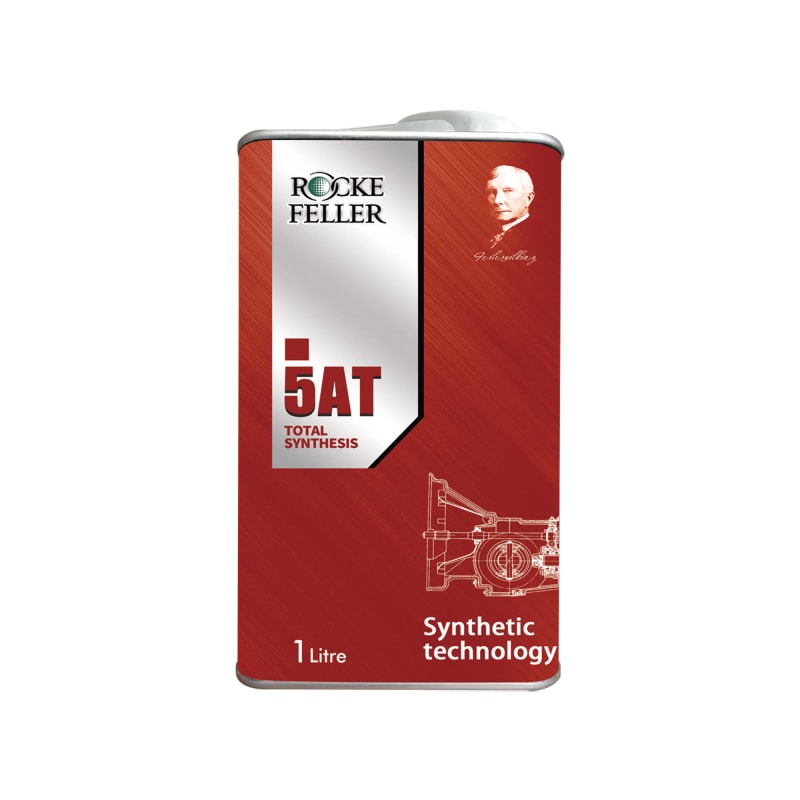
Automatic Transmission Fluid (ATF) Range — Total Synthesis
Variants: 5AT · 6AT · 8AT · 10AT · CVT · DCTF The FELLER Automatic Transmission Fluid Range with Total Synthesis technology delivers excellent oxidation stability and good elastic material compatibility to maintain long-term stable oil quality and extend transmission life, excellent anti-corrosion performance providing rust and corrosion protection for transmission components with special protection for welded accessories, and excellent low-temperature flow performance for easy start-up while maintaining ideal viscosity at high temperatures. Spanning six dedicated formulations — 5AT, 6AT, 8AT, and 10AT for conventional planetary automatic transmissions, CVT for continuously variable transmissions, and DCTF for dual-clutch transmissions — this comprehensive range provides transmission-specific fluid solutions for virtually every automatic transmission type in the global passenger car and light commercial vehicle fleet.
-
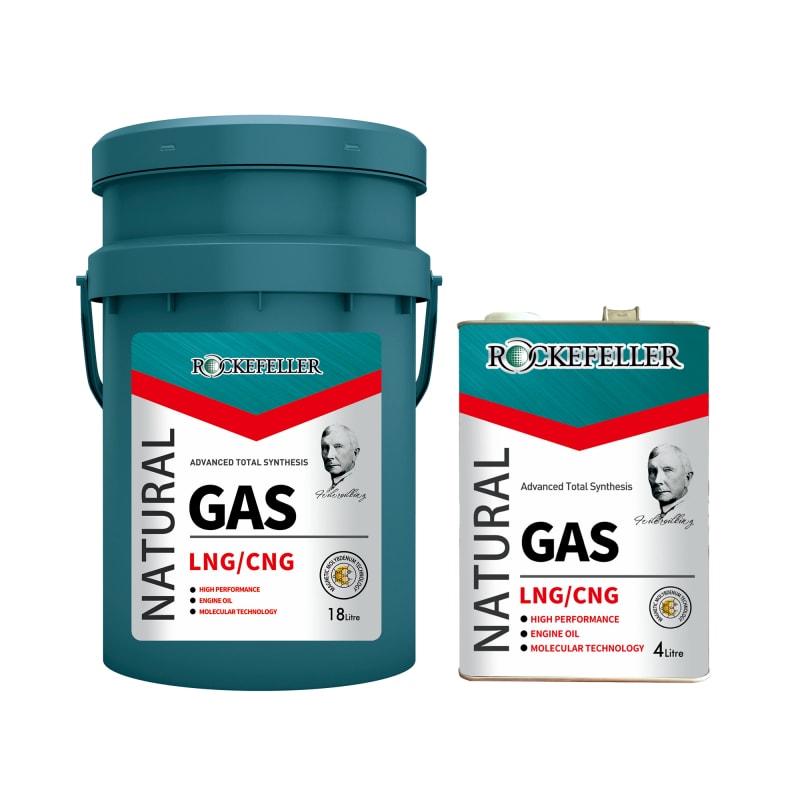
CNG/LNG Natural Gas Engine Oil — Advanced Total Synthesis
The FELLER CNG/LNG Natural Gas Engine Oil with Advanced Total Synthesis technology delivers good anti-oxidation and anti-nitrification performance to prevent high-temperature deterioration, excellent high-temperature stability with outstanding oxidation, corrosion, and abrasion resistance under harsh conditions, effective sludge control to prevent nitrogen oxide contamination of the crankcase, and good viscosity-temperature characteristics with low volatility and pour point for long-term safe engine operation. Specifically formulated for the unique combustion chemistry and higher operating temperatures of natural gas engines, it is the dedicated lubricant solution for large passenger coaches and medium-to-heavy-duty trucks powered by CNG (Compressed Natural Gas) and LNG (Liquefied Natural Gas), with particular suitability for long-distance transportation applications.
-
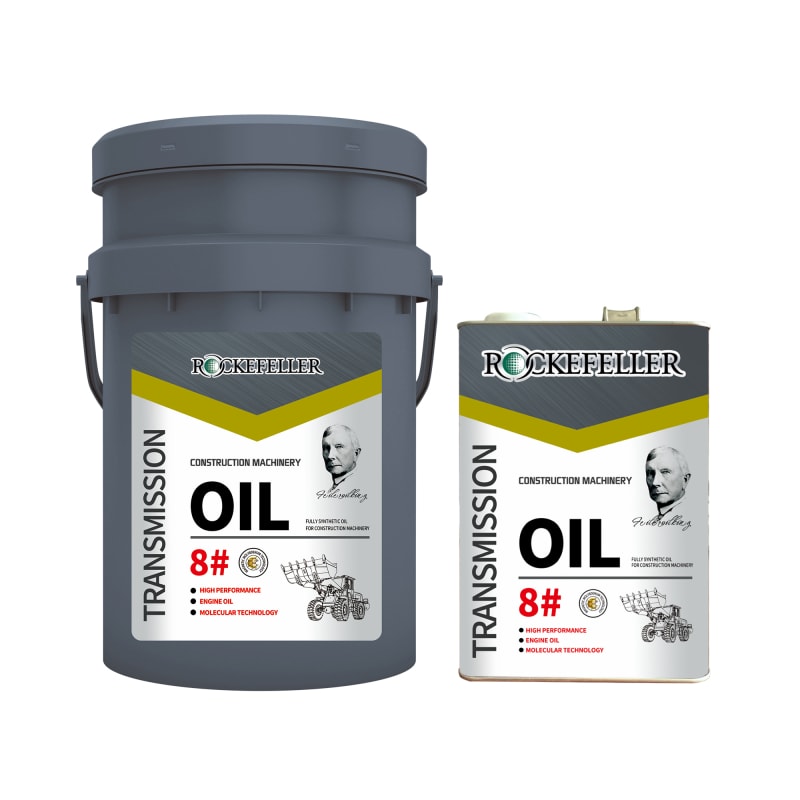
8# Hydraulic Transmission Oil — Construction Machinery Grade
The FELLER 8# Hydraulic Transmission Oil delivers excellent oxidation stability and thermal stability for reliable performance under harsh operating conditions, good emulsification resistance with foam resistance and seal material compatibility, short clutch coupling times with fast gear changes and smooth hydraulic transmission operation, reduced transmission loss and variable speed impact, and excellent abrasion resistance with rust and corrosion protection. Designed for off-highway industries including agriculture, construction, and quarrying, it is the specialized fluid that serves the combined hydraulic and power transmission systems found in wheel loaders, bulldozers, motor graders, and other heavy equipment requiring a single fluid for both hydraulic and drivetrain functions.