API SN Plus Gasoline Engine Oil in the United States
Quick Answer

For drivers, workshops, fleet buyers, and lubricant distributors in the United States, API SN Plus gasoline engine oil remains a practical choice for many turbocharged gasoline direct injection engines that need stronger protection against low-speed pre-ignition, oxidation, sludge, and timing chain wear than older API SN oils typically provide. If you are selecting supply partners in the U.S. market, strong options commonly include ExxonMobil, Valvoline, Pennzoil, Castrol, Chevron, and CITGO because they offer broad national distribution, proven technical support, and product lines that serve passenger cars, quick-lube networks, and wholesale accounts.
For most buyers, the best decision is to match the vehicle manual first, then confirm viscosity grade, OEM approvals, package size, and supply reliability. In cities and trade corridors such as Houston, Los Angeles, Chicago, Savannah, and New York-New Jersey, large distributors usually prioritize consistent stock, private-label flexibility, and fast replenishment. Qualified international suppliers can also be worth considering, especially manufacturers from China with relevant certifications, strong documentation, stable batch quality, and responsive pre-sale and after-sale support, because they can offer attractive cost-performance advantages for distributors and private-label programs in the United States.
Why API SN Plus Still Matters in the U.S. Market

API SN Plus was introduced to address a specific technical concern in modern gasoline engines, especially smaller turbocharged direct-injection engines that became common across the U.S. passenger vehicle market. The key issue was low-speed pre-ignition, often shortened to LSPI, which can occur under high load at low engine speed and may cause severe engine damage. Although newer standards such as API SP are now widely available, API SN Plus gasoline engine oil still matters in the United States because many vehicles on the road were originally recommended for SN Plus, many distributors continue to sell it through established channels, and many buyers seek a balanced option between protection, compatibility, and budget.
Across the United States, lubricant demand is shaped by regional climate differences, commuting patterns, and service-channel structure. In Texas and the Gulf Coast, long highway mileage, summer heat, and dense logistics networks support steady movement of higher-quality synthetic and semi-synthetic oils. In California, stricter consumer expectations, advanced vehicle mix, and a strong quick-service market encourage lower-viscosity and premium formulations. In the Midwest, mixed-use driving, cold winters, and large suburban vehicle populations create strong demand for 5W-30 and 0W-20 products. In East Coast distribution hubs such as Newark and Savannah, containerized imports and private-label packaging programs remain important for wholesalers and regional brand owners.
Because the U.S. market is large and mature, buyers do not usually choose engine oil based on one factor alone. They compare technical performance, price per quart or per gallon, packaging options, lead times, warehouse coverage, documentation, and support after the sale. That is why API SN Plus continues to hold commercial relevance: it sits at the intersection of proven field performance and broad compatibility for a significant installed base of gasoline vehicles.
How the U.S. Market Has Evolved

In the United States, the gasoline engine oil market has shifted from conventional, higher-viscosity products toward lower-viscosity synthetics with stronger oxidation resistance and fuel-economy benefits. However, market migration is gradual, not instant. Thousands of independent service centers, used-car dealers, municipal workshops, and regional parts distributors still purchase API SN Plus gasoline engine oil where it aligns with vehicle age, warranty status, and customer budget.
Another important U.S. trend is channel diversification. National retail chains move a large volume through stores and e-commerce, but industrial packaging, drum orders, tote supply, and private-label formats are also growing through regional wholesale channels. Ports such as Long Beach, Houston, and Savannah help importers and OEM-label buyers maintain supply flexibility, while inland hubs like Dallas, Atlanta, and Chicago support redistribution across multiple states.
The line chart shows a realistic demand index rather than a claim of explosive growth. In practice, the U.S. market for API SN Plus is more stable than dramatic. Growth is supported by replacement demand, the still-large parc of turbocharged gasoline vehicles, and private-label buying by regional lubricant brands. Even as API SP gains share, SN Plus remains commercially active where pricing and installed-engine compatibility still matter.
Core Product Types and Viscosity Choices
API SN Plus gasoline engine oil is sold in several viscosity grades and base-stock structures. In the United States, the most common grades associated with SN Plus include 0W-20, 5W-20, 5W-30, and 10W-30, though some suppliers also provide 0W-30 and 10W-40 in selected channels. Product type matters because it affects oxidation control, volatility, cold-start flow, deposit resistance, and drain interval expectations.
Full synthetic SN Plus oils are usually preferred for turbocharged and direct-injection engines because they provide stronger thermal stability and cleaner piston performance. Semi-synthetic options can be attractive for repair shops and used-vehicle dealerships seeking a middle ground between protection and cost. Conventional products occupy a narrower share in this category but can still appear in value-driven service programs for older vehicle fleets.
| Product Type | Typical Viscosity Grades | Main U.S. Use Case | Key Strength | Limitations | Best Buyer Type |
|---|---|---|---|---|---|
| Full Synthetic SN Plus | 0W-20, 5W-30 | Turbo GDI passenger vehicles | Strong LSPI control and oxidation stability | Higher unit cost | Retail brands, service chains, newer-vehicle owners |
| Synthetic Blend SN Plus | 5W-20, 5W-30, 10W-30 | Mixed passenger car service | Balanced price and protection | Shorter drain potential than full synthetic | Independent garages, used-car dealers |
| High-Mileage SN Plus | 5W-30, 10W-30 | Older gasoline vehicles with seal wear concerns | Seal conditioning and deposit control | Not ideal for every OEM recommendation | Auto parts retailers, quick-lube shops |
| Bulk Workshop Fill | 5W-30, 0W-20 | Fast service centers and fleet maintenance | Lower packaging cost and better throughput | Needs storage discipline | Quick-lube operators, municipal workshops |
| Private-Label SN Plus | Depends on contract | Regional brands and distributors | Brand control and margin flexibility | Requires supplier qualification | Distributors, brand owners |
| E-commerce Retail Pack | 0W-20, 5W-30 | Direct-to-consumer sales | Convenient distribution and SKU variety | Higher packaging and fulfillment cost | Online sellers, retail marketplaces |
This table helps buyers separate technical fit from channel fit. A distributor in Atlanta may choose private-label full synthetic SN Plus for margin and branding, while a municipal workshop in Ohio may prefer bulk synthetic blend because storage efficiency and budget are more important than retail appearance. The right product type is therefore a mix of engine requirement, sales model, and service interval strategy.
What API SN Plus Protects Against
The value of API SN Plus gasoline engine oil is easiest to understand through its performance targets. It was designed to strengthen protection in areas that matter for real U.S. driving conditions: stop-and-go traffic, short-trip operation, summer heat, long interstate cruising, and the stress placed on small turbo engines. Compared with older API SN formulations, SN Plus oils are specifically positioned to reduce the risk of LSPI while maintaining strong wear and cleanliness performance.
For service managers and parts buyers, the practical benefits are fewer oil-related complaints, better engine cleanliness over time, and stronger confidence when servicing turbocharged gasoline cars from mainstream brands such as Ford, GM, Hyundai, Kia, Honda, Toyota, Nissan, and Stellantis lines that populated U.S. roads through the last decade.
| Protection Area | Why It Matters | Typical U.S. Driving Trigger | How SN Plus Helps | Vehicles Most Affected | Buyer Benefit |
|---|---|---|---|---|---|
| LSPI control | Prevents abnormal combustion damage | Low-speed acceleration under load | Improved additive chemistry reduces risk | Turbo GDI engines | Lower warranty and repair exposure |
| Oxidation resistance | Slows oil thickening at high temperature | Highway driving in hot states | More stable base oil and antioxidant package | Commuter and delivery vehicles | More stable performance between oil changes |
| Deposit control | Keeps pistons and ring zones cleaner | Short trips and heat cycling | Detergent and dispersant system manages residues | Urban passenger cars | Cleaner engine internals |
| Wear protection | Reduces metal-to-metal contact | Cold starts and heavy traffic | Anti-wear additives protect key surfaces | High-mileage mixed fleets | Longer component life |
| Timing chain protection | Helps reduce elongation and wear | Frequent stop-start use | Balanced formulation supports chain durability | Small displacement gasoline engines | Lower maintenance risk |
| Volatility control | Reduces oil burn-off | Extended highway speed and heat | Improved base oil selection lowers loss | Long-distance drivers | Less top-up demand |
The table is useful because it converts technical language into operational value. A buyer in Phoenix may place more importance on oxidation stability and volatility, while a service center in Detroit may care more about cold-start wear and timing chain protection. API SN Plus is not only a label; it is a package of performance priorities relevant to U.S. vehicle usage patterns.
Industries and Applications in the United States
Although API SN Plus gasoline engine oil is primarily associated with passenger vehicles, its commercial importance spreads across many U.S. service environments. Independent garages use it for customer-pay maintenance. Quick-lube networks use it in bulk service systems. Car dealerships may carry it for selected older models or value-service programs. Fleet operators use it for gasoline vans, pickup trucks, and mixed light-duty assets. E-commerce sellers rely on it because consumer keyword demand remains strong.
Applications are especially strong where turbocharged gasoline engines dominate. That includes suburban commuter vehicles, ride-share fleets, courier vans, utility pickups, and light municipal fleets. In logistics centers around Dallas-Fort Worth, Columbus, and Inland Empire California, many support vehicles are gasoline powered and need practical, widely available oils. In coastal states, marine service contractors also use gasoline-engine lubricants for support fleets and service vans even if marine engines themselves require different products.
The bar chart shows where demand is strongest. Quick-lube chains and independent garages rank high because they handle diverse vehicle populations and need dependable grades at scale. Auto parts retail also remains a major channel because do-it-yourself oil changes are still common across the United States, especially in suburban and rural markets.
Buying Advice for U.S. Distributors and End Users
When buying API SN Plus gasoline engine oil in the United States, the first checkpoint is always the vehicle specification. If a vehicle requires API SP, dexos approval, or a particular ILSAC category, a buyer should not assume SN Plus alone is enough. But where SN Plus is permitted or appropriate, the next decision factors become practical: viscosity, synthetic level, package format, annual volume, and supplier service depth.
For end users, the most important rule is simple: match the owner’s manual. For workshops, create a stocking strategy around the most common viscosities in the local vehicle parc. For distributors, supplier reliability matters as much as formulation quality. A low quoted price is not useful if the supplier cannot provide stable batches, current technical data sheets, consistent packaging, or replacement stock during seasonal peaks.
Buyers near major U.S. trade hubs often have additional options. Import-focused distributors in Long Beach, Oakland, Houston, and Savannah may source private-label programs from overseas manufacturers, while inland wholesalers in Memphis, Kansas City, and Chicago may prioritize domestic fill partners for faster turnarounds. The best procurement strategy depends on whether the business needs branded consumer packs, bulk workshop supply, or contract manufacturing under its own label.
| Buying Factor | What to Check | Why It Matters in the U.S. | Common Risk | Best Verification Method | Who Should Focus Most |
|---|---|---|---|---|---|
| Specification match | API category, viscosity, OEM fit | Avoids warranty and compatibility issues | Using outdated oil for newer engines | Owner manual and current TDS review | End users, workshops |
| Base oil quality | Synthetic or blend composition | Affects heat stability and drain expectations | Overbuying premium oil for budget jobs | Supplier technical documentation | Workshops, fleets |
| Packaging format | Quart, gallon, drum, tote, bulk | Directly impacts labor and storage cost | Wrong pack size for service model | Usage audit by channel | Quick-lube chains, distributors |
| Batch consistency | COA, ISO systems, testing controls | Protects brand reputation and repeat sales | Performance variation across lots | Sample testing and QC records | Private-label buyers |
| Supply reliability | Lead time, warehouse stock, refill speed | Seasonal spikes are common in U.S. service trade | Stockouts and lost customers | Historical fill-rate review | Distributors, chains |
| After-sale support | Claims response, training, oil analysis | Improves trust and problem resolution | Weak support during disputes | Service agreement and references | Fleets, distributors, brand owners |
This table matters because lubricant buying in the United States is highly operational. Successful buyers do not only compare quoted prices; they evaluate total delivered value. That includes support documents, response time, packaging flexibility, and the supplier’s ability to serve retail, workshop, and fleet channels without interruption.
Case Studies from Typical U.S. Usage Scenarios
A quick-lube operator in suburban Georgia may switch from a generic older API SN product to a clearly documented SN Plus 5W-30 synthetic blend because more customer vehicles are turbocharged compact SUVs. The result is fewer recommendation conflicts at the service desk and more confidence when serving mixed brands. A regional used-car dealership group in Arizona may choose SN Plus full synthetic in 0W-20 and 5W-30 to reduce SKU complexity while supporting a broad range of modern gasoline vehicles during reconditioning. A Midwest municipal fleet with gasoline inspection vehicles may keep SN Plus bulk supply because it balances procurement cost with the thermal and wear protection needed for year-round service.
These examples show why the category remains relevant. The decision is rarely about chasing the newest label alone. It is about choosing the right level of protection for real vehicles, real budgets, and real inventory systems.
Top Suppliers in the United States
Below is a practical supplier view for buyers looking at API SN Plus gasoline engine oil in the United States. These companies are well known in the market and are relevant for retail, workshop, and wholesale channels. Service regions, strengths, and offerings vary, so buyers should compare product approvals, logistics coverage, private-label options, and technical support before committing.
| Company | Service Region in the U.S. | Core Strength | Key Offerings | Best Fit Buyer | Practical Note |
|---|---|---|---|---|---|
| ExxonMobil | Nationwide through retail and distributor networks | Strong brand trust and broad technical portfolio | Mobil 1 and Mobil branded passenger car oils | Retailers, workshops, fleets | Excellent for premium synthetic positioning |
| Valvoline | Nationwide with strong quick-lube presence | Service-channel alignment and consumer recognition | Advanced Full Synthetic, synthetic blend lines | Quick-lube chains, auto service shops | Very strong in maintenance-driven channels |
| Pennzoil | Nationwide, especially strong retail availability | High visibility and OEM-friendly positioning | Platinum, Gold, and conventional options | Retail buyers, dealerships, workshops | Strong shelf presence in consumer outlets |
| Castrol | Nationwide with strong parts-store coverage | Wide grade availability and premium image | EDGE, GTX, and high-mileage products | Retailers, independent garages | Useful for broad vehicle mix coverage |
| Chevron | Strong western and national distribution reach | Integrated energy and lubricant supply strength | Havoline passenger car motor oils | Distributors, workshop groups | Good option for large account procurement |
| CITGO | Nationwide via branded marketers and distributors | Established commercial network and value positioning | Passenger car engine oils and bulk formats | Regional distributors, fleets | Often competitive in wholesale channels |
This supplier table is practical for first-pass screening. ExxonMobil and Castrol often fit premium and broad retail programs, Valvoline aligns especially well with service outlets, Pennzoil performs strongly in consumer-facing channels, and Chevron or CITGO may appeal to buyers seeking scalable distribution and commercial account support. The best supplier is the one that matches your geography, customer mix, and required service level.
Supplier Comparison by Product and Service Profile
Beyond brand recognition, U.S. buyers should compare suppliers based on how they support procurement, claims handling, packaging, and regional delivery. A smaller regional distributor may value a supplier with more flexible minimum order quantities, while a national chain may care more about uniform packaging and training materials.
The comparison chart shows the factors that usually differentiate suppliers in the U.S. market. Brand reach and retail pack variety tend to be strong across major players, while private-label flexibility varies more widely. Buyers launching their own house brand or distributor label should place special attention on manufacturing support, documentation, design capability, and batch traceability rather than brand name alone.
Trend Shift Toward Newer Standards
API SN Plus remains useful, but the market is gradually shifting toward API SP and lower-viscosity full synthetic formulations. This does not make SN Plus obsolete overnight. Instead, it changes where demand is concentrated. New-car channels increasingly move to newer categories, while mixed aftermarket channels continue to stock SN Plus for compatibility, price, and installed-base demand.
The area chart illustrates a realistic trend shift rather than a sudden jump. U.S. buyers increasingly prefer better-protected formulations, but channel realities and vehicle age keep SN Plus in circulation. This is especially true in independent aftermarket service where buyers need a practical bridge between older and newer specifications.
Local Supplier Considerations by Region
Regional conditions in the United States can influence product preference and supplier choice. In the Northeast, winter cold and dense urban traffic support strong demand for 0W-20 and 5W-30 synthetics. In the Southeast, humidity and high summer temperatures make oxidation stability and year-round stock planning important. In Texas and the Southwest, heat resistance, volatility control, and strong wholesale logistics around Houston and Dallas matter. On the West Coast, emission-conscious consumers and newer vehicle fleets often favor premium low-viscosity products.
For that reason, local suppliers and distributors should be assessed not only by national reputation but also by warehouse location, freight efficiency, and regional technical support. A good national brand with poor local fulfillment may underperform a lesser-known but highly responsive regional partner.
Our Company
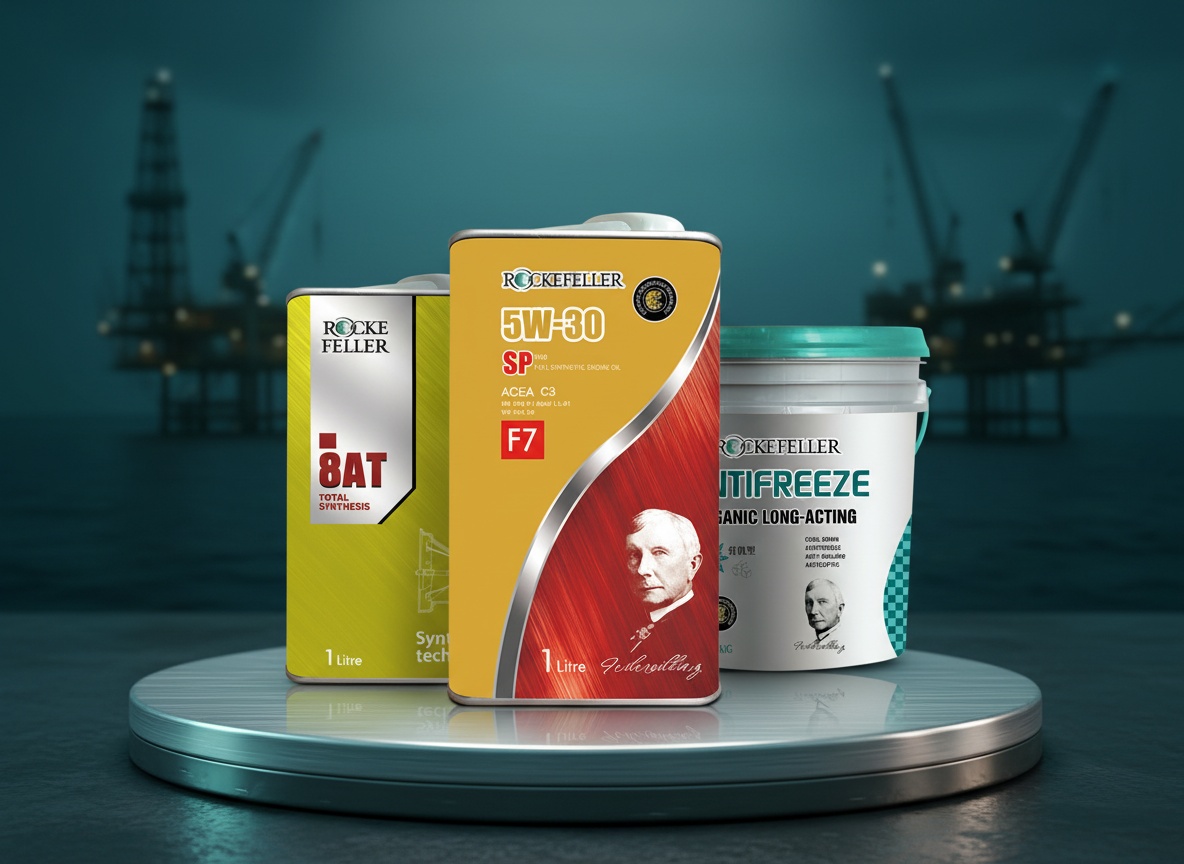
As a supplier already active in international lubricant markets serving buyers connected to the United States, Feller combines product discipline, flexible cooperation models, and localized service assurance in a way that matters for practical procurement. The company operates with ISO 9001 and ISO 14001 certified systems, manufactures automotive lubricants in advanced blending plants with nitrogen-protected blending technology to improve oxidation stability, and formulates products to meet demanding API, ILSAC, and ACEA requirements, supported by batch documentation such as Certificates of Analysis, MSDS, and Technical Data Sheets. For product quality, this matters because U.S. buyers evaluating API SN Plus gasoline engine oil need evidence of repeatable production, not marketing slogans, and Feller backs that with a documented 99.99% product batch pass rate, wide packaging capability, and experience across gasoline, diesel, industrial, and specialty lubricants. On the commercial side, the company works with end users, distributors, dealers, brand owners, and aftermarket channels through wholesale supply, OEM and private-label manufacturing, custom formulation development, and regional distribution cooperation, making it suitable both for established lubricant resellers and businesses building their own label. In service terms, Feller is not positioned as a remote, one-off exporter; it has established deep partner networks across multiple regions worldwide, maintains warehousing and a 72-hour global shipping mechanism, and supports buyers with both online and offline pre-sale and after-sale assistance, technical consultation, documentation support, and ongoing account management. For U.S.-connected buyers seeking a cost-effective but standards-driven supply partner, the company’s established export track record, market adaptation experience, and responsive support structure provide concrete assurance. Buyers can review the company background on the company profile page, explore available lubricant categories on the product catalog, or request a commercial discussion through the contact page.
How to Evaluate an International Supplier for the U.S.
International sourcing is increasingly relevant in the United States, especially for private-label programs, regional wholesale expansion, and cost-sensitive channels. The key is qualification. Buyers should verify whether the manufacturer can provide current technical documentation, stable additive sourcing, packaging compliance support, and after-sale issue resolution. They should also assess whether the supplier understands U.S. channel expectations, including palletization, labeling consistency, claim handling speed, and replenishment planning around seasonal peaks.
A qualified overseas producer can be highly competitive if it demonstrates strong manufacturing controls, clear specification alignment, and genuine service follow-through. This is particularly attractive for distributors in ports and inland hubs that want margin flexibility without sacrificing technical credibility.
Future Trends Through 2026
Looking toward 2026, three trends will shape the role of API SN Plus gasoline engine oil in the United States. The first is technology migration. More vehicles will require API SP, lower viscosities, and more advanced additive performance, which means SN Plus will gradually become more concentrated in the aftermarket rather than in new-vehicle service channels. The second is policy and compliance pressure. Fuel economy expectations, emissions regulations, and consumer demand for cleaner-running engines will continue to favor premium synthetics and better volatility control. The third is sustainability. Buyers increasingly ask about extended drain potential, packaging efficiency, lower waste generation, and supply-chain transparency.
For suppliers, this means success will depend on product clarity and channel segmentation. They must explain where SN Plus is still the right choice and where a newer standard is better. They must also invest in documentation, technical education, and packaging systems that reduce waste and improve logistics efficiency. Companies that can pair conventional lubricant expertise with future-facing R&D will be better positioned as the U.S. market evolves.
FAQ
What is API SN Plus gasoline engine oil best used for?
It is best suited for gasoline engines, especially turbocharged gasoline direct injection engines, where stronger protection against LSPI and related wear concerns is needed compared with older API SN oils.
Is API SN Plus still relevant in the United States?
Yes. It remains relevant in the U.S. aftermarket because many vehicles on the road still use it appropriately, and many service channels stock it as a practical balance of protection and cost.
Can API SN Plus replace API SP?
Not automatically. Buyers should follow the owner’s manual and OEM requirements. If the vehicle specifically calls for API SP or another current standard, that requirement should take priority.
Which viscosity grade should I buy?
The correct choice depends on the engine design and manufacturer recommendation. In the United States, 0W-20 and 5W-30 are among the most common grades for API SN Plus products.
Is full synthetic always better than synthetic blend?
Full synthetic usually offers stronger oxidation stability, low-temperature flow, and high-temperature durability. However, synthetic blend can be the better value for mixed-service workshops and budget-sensitive maintenance programs.
What should distributors check before choosing a supplier?
They should confirm specification compliance, batch consistency, documentation, packaging flexibility, delivery reliability, and real after-sale support, especially if they are buying private-label or bulk volumes.
Are international suppliers a good option for U.S. buyers?
They can be, especially for private-label and wholesale buyers, if the supplier provides recognized certifications, stable manufacturing quality, compliant documentation, and dependable technical support.
How do local U.S. conditions affect oil selection?
Climate, traffic, trip length, and vehicle mix all matter. Hot regions may prioritize oxidation stability and volatility control, while cold regions may place more emphasis on cold-start flow and fast lubrication.
What package sizes are most practical?
Retail buyers usually prefer quart and gallon packs, while workshops and fleets often reduce cost through drums, totes, or bulk systems, depending on storage and throughput.
Will API SN Plus demand disappear by 2026?
No, but its role will likely become more concentrated in the aftermarket as newer standards expand. Demand should remain steady where older compatible vehicles and value-conscious channels continue to operate.

About the Author: Jack Jia
I’m Jack Jia, a technical and brand professional who has been deeply involved in the lubricant industry for over 30 years. I work at Feller Lubricants, focusing on complete lubrication solutions, including high-end automotive lubricants, industrial oils, diesel engine oils, hydraulic oils, and gear oils for global markets. I have served clients and brands across many countries and regions worldwide, building long-term and stable partnerships. Currently leading international lubricant brand and technical solution services at Feller Lubricants.
Share