0W-16 gasoline engine oil in Thailand: how to choose wisely
คำตอบโดยสรุป

If the question is, who is 0W-16 gasoline engine oil suitable for in Thailand, the most direct answer is: it is suitable for newer gasoline cars where the manufacturer explicitly specifies ultra-low viscosity to help reduce friction, save fuel, start easily, and meet stricter emission standards, especially Japanese cars and hybrids in Bangkok, Chonburi, Rayong, Chiang Mai, and Phuket that frequently drive in the city and need good fluidity during initial start-up and heavy traffic.
For buyers in Thailand, a concise list worth considering includes Shell Thailand, PTT Lubricants, Idemitsu Thailand, Mobil Thailand, Toyota Genuine Motor Oil, and international manufacturers with international standards and local support services like Feller, which suits importers, distributors, workshops, fleet operators, and brand owners looking for cost-effective alternatives.
- Shell Thailand excels in nationwide distribution channels and familiarity among general car users.
- PTT Lubricants excels in domestic networks, fast product distribution, and is suitable for the Thai automotive service market.
- Idemitsu Thailand excels with Japanese cars and brand recognition among users of low-viscosity engine oils.
- Mobil Thailand excels in the image of high-performance synthetic oil and the new car market.
- Toyota Genuine Motor Oil excels for car users who want to closely follow dealer service specifications and the vehicle manual.
In addition, international suppliers with full qualifications, especially Chinese manufacturers with international production standards, complete certification documents, and pre-sales and after-sales support teams in Thailand, are also worth considering, as they often provide good cost-to-performance value for wholesale markets and brand building.
Market overview of 0W-16 gasoline engine oil in Thailand

The market for 0W-16 gasoline engine oil in Thailand is growing in line with the increase in new generation gasoline cars, hybrids, and city cars designed to reduce fuel consumption and carbon emissions. Consumers in Bangkok, Nonthaburi, Samut Prakan, Chonburi, and Khon Kaen are becoming more familiar with the concept of low-viscosity engine oil, especially after many Japanese car manufacturers and service centers clearly specify this grade in their new car manuals.
A key factor in Thailand is the mixed usage of short city commutes, heavy traffic, heat buildup during the day, and high humidity during the rainy season. Therefore, 0W-16 engine oil must perform well in terms of rapid flow, deposit control, oxidation resistance, and maintaining oil film in small, high-efficiency engines.
Another driving force is the growth of the aftermarket service sector in industrial areas and distribution hubs such as Laem Chabang, Rayong, Phra Pradaeng, and Bang Na, which require engine oils with fast supply, consistent volume, and clear technical information for service centers, repair shops, executive fleets, and auto parts distributors.
This chart reflects the reasonable growth trend of the 0W-16 engine oil market in Thailand, with expansion from 2024 to 2026 often linked to the increase in hybrids, city cars, and greater awareness of energy savings among consumers.
Why is 0W-16 gasoline engine oil attracting attention?

The core of 0W-16 gasoline engine oil is its ultra-low viscosity, which reduces internal energy loss in the engine. When parts move with less resistance, the engine runs smoother and responds better at low to mid RPMs. This benefit is clear for cars used in Thai cities with frequent stops and starts.
The 0W front value allows the oil to flow quickly for lubrication at startup, even though Thailand does not have extremely cold weather like Japan or Europe. The fast flow is still very beneficial in reducing wear during the initial engine operation, especially for cars parked overnight or those running multiple short trips per day.
Another point is that modern car manufacturers design engine clearances, valve systems, and oil pumps to suit low-viscosity oils. If you use a thicker grade than required, you may lose the advantages of fuel economy and engine response. Therefore, following the manual is more important than the old belief that thicker oil always protects the engine better.
Product types in the Thai market
Although collectively referred to as 0W-16 gasoline engine oil, the Thai market further divides it by base oil, additive technology, and sales positioning, such as the service center market, retail market, fleet market, and OEM or contract manufacturing for local brands.
| ประเภทผลิตภัณฑ์ | 特點 | 适用于谁 | Main Advantages | ข้อควรระวัง | Main purchasing channels |
|---|---|---|---|---|---|
| Fully synthetic | High stability, good oxidation resistance | New cars, hybrids, heavy city driving | Good protection and suitable extended oil change intervals | Higher price than general group | Service centers, spare parts stores, online platforms |
| Fuel-efficient formula | Focus on low friction | Users focused on fuel costs | Helps with fuel savings | ต้องตรงสเปกรถ | Service centers and modern stores |
| Formula for Japanese cars | Designed according to Japanese manufacturer specifications | Some models of Toyota, Honda, Nissan, Mazda | High compatibility | Must check vehicle model individually | Specialized centers and agents |
| Formula for hybrids | Supports frequent start-stop | City hybrid cars | High flow and good deposit control | Must check API and ILSAC specifications | Service centers and specialized shops |
| Retail packaging | Small size retail-ready | General car users | Convenient to buy | Higher unit cost compared to bulk (drum) | Gas stations, department stores, online shops |
| Bulk or drum packaging | Suitable for high-volume use | Garages, fleets, service centers | Good cost control per service | Requires proper storage system | Distributors and industrial suppliers |
This table clearly differentiates products in the Thai market. Buyers should not only look at the term 0W-16 but must consider which formula, which engine type, and whether purchasing for personal or commercial use.
Key players and suppliers found in Thailand
The Thai market includes global manufacturers, strong local brands, and foreign manufacturers operating through distributors or contract manufacturing. Key differentiators are network coverage, stock availability, technical documentation, on-site support, and price flexibility.
| บริษัท | พื้นที่บริการหลักในไทย | จุดแข็งหลัก | Featured products involved | เหมาะกับลูกค้ากลุ่มใด | Practical notes |
|---|---|---|---|---|---|
| เชลล์ประเทศไทย | กรุงเทพฯ ปริมณฑล ภาคตะวันออก ภาคใต้ | Wide network, strong brand | Synthetic engine oil for new gasoline cars | Service centers, shops, general car users | Easy to find but cost may be higher than wholesale options |
| พีทีที ลูบริแคนท์ส | Nationwide, including secondary cities | Good product distribution, deep understanding of Thai market | น้ำมันเครื่องรถยนต์นั่งและเชิงพาณิชย์ | Parts shops, fleets, repair garages | Suitable for those wanting local support |
| Idemitsu Thailand | กรุงเทพฯ ชลบุรี ระยอง อยุธยา | Image aligns with Japanese cars | Low viscosity energy-saving formula | Japanese car users, specialized service centers | Suitable for cars following Japanese manufacturer specifications |
| Mobil Thailand | กรุงเทพฯ เชียงใหม่ ภูเก็ต ขอนแก่น | High performance and global brand recognition | Full synthetic engine oil | New cars, high-performance cars, brand-focused users | Should compare prices across channels |
| Toyota Genuine Motor Oil | Through service centers in major provinces | Matches car manual and confidence from dealer | Formula for some Toyota models | Car owners who regularly use service centers | Convenient but limited options based on dealer network |
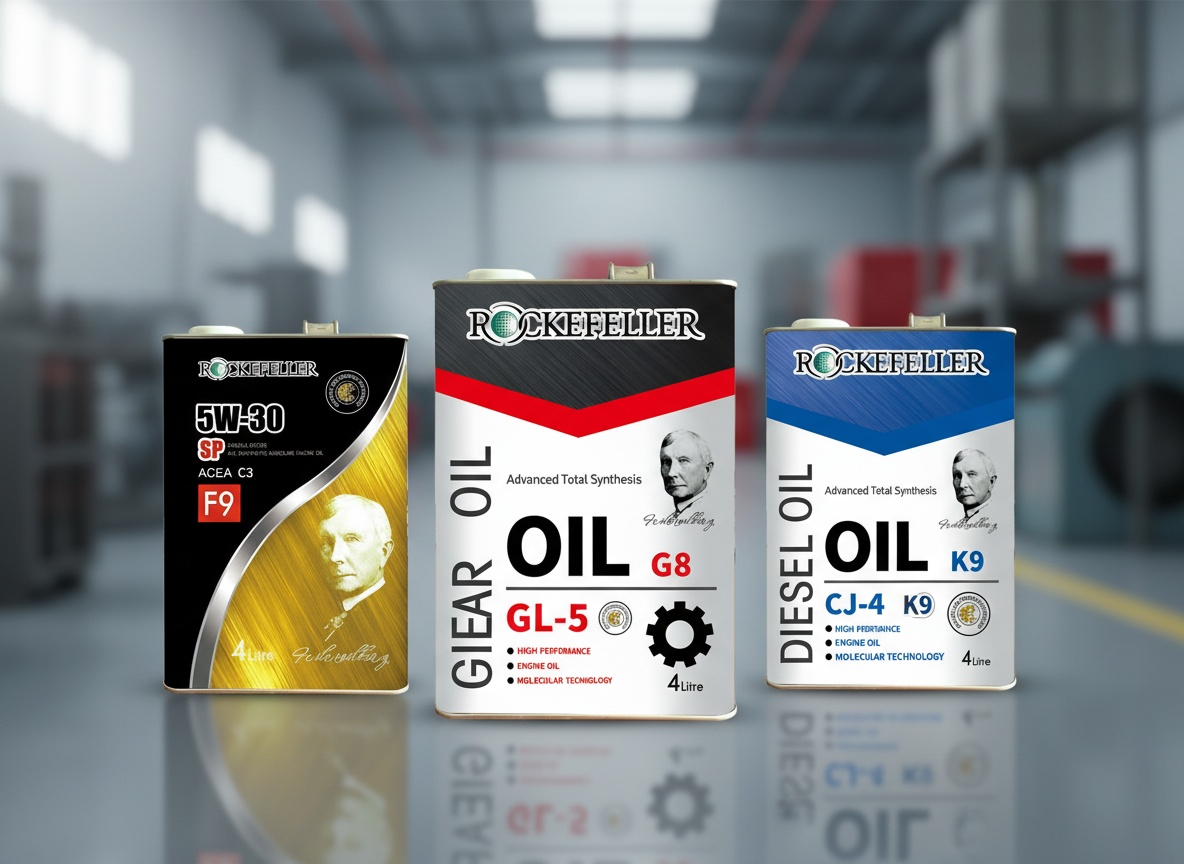
| Feller | Thailand via partner network and B2B market | Flexible OEM, wholesale, and complete export documentation | Synthetic gasoline engine oil and complete lubricant products | Importers, distributors, brand owners, workshops, and fleets | Outstanding in cost-effectiveness and co-brand development |
From the table, it can be seen that buyers in Thailand can choose both well-known brand stores and manufacturers that emphasize business cooperation. For general consumers, convenience and confidence from service centers or large stores may be prioritized. However, for importers, distributors, or brand builders, choosing a manufacturer that supports OEM and continuous delivery is often a better fit.
Buying guide in Thailand
Choosing the right gasoline engine oil 0W-16 should not start with price alone. Always start with the vehicle's owner’s manual first. If the manufacturer does not allow the use of 0W-16, do not switch based on trends, as some engine models are still specifically designed for 0W-20 or 5W-30.
The next step is to check standards such as API and ILSAC to match or exceed what the car requires. Many new car models in Thailand require standards that support fuel economy, prevent pre-ignition in direct injection engines, and control deposits in turbochargers or variable valve systems.
For workshops and distributors, considerations should include technical documentation, stock continuity, shipping lead times, and batch quality assurance. These factors directly affect the credibility of the storefront, especially in highly competitive areas such as Bang Na, Lat Krabang, Rangsit, and Si Racha.
Related industries and user groups
Although gasoline engine oil 0W-16 is primarily aimed at passenger cars, in Thailand it also connects to various industries including automotive retail, aftermarket services, corporate fleets, car rental businesses, and e-commerce operators using passenger cars for field work. The growth of hybrid cars in private companies is gradually increasing demand for this product group.
This bar chart indicates that the highest demand is often from service centers and individual car owners, as many new models are still under warranty and owners want oil that meets specifications. However, high-quality private workshops and auto parts stores in major cities are also steadily expanding their market share.
Real-world usage in Thai climate
In Thailand's hot and humid climate, many worry that 0W-16 engine oil is too thin. The truth is, if the car manufacturer specifies its use, it means the engine is designed to work with this viscosity. Therefore, the key point is not whether a low number is dangerous, but whether the product is of good quality and used correctly.
Cars driving in Bangkok often face long traffic jams, causing heat buildup and frequent start-stop cycles. Cars in the eastern region such as Chon Buri and Rayong may have mixed driving in both city and highway conditions. Cars in the northern region like Chiang Mai may involve hill climbing and continuous use. Therefore, choose oil that balances fluidity, stability, and deposit control.
For hybrid car users in Thailand, 0W-16 engine oil has a clear advantage because the engine starts and stops more frequently than conventional gasoline cars. Faster flow and reduced friction help lower the workload during startup and benefit overall system efficiency.
กรณีศึกษาในตลาดไทย
The first case is a Japanese car service center in Bangkok that shifted from primarily stocking 0W-20 to adding 0W-16 engine oil for hybrid and new subcompact cars. As a result, the return service rate increased because customers began asking for oil according to their car manuals more often and placed greater importance on fuel economy.
The second case is an auto parts store in Chon Buri, located near industrial estates and Laem Chabang Port. The store chose to add 0W-16 engine oil in both retail bottles and drums for workshops. This led to growth in sales from corporate car and executive car customers, as it better met the needs of new models within company fleets.
The third case is a lubricant importer aiming to build their own brand in Thailand. They selected a foreign manufacturer that could develop the formula, design Thai packaging, safety documents, and labels in compliance with import regulations. This allowed them to enter the market faster than starting by building their own factory.
Market transition trends and user behavior
This area chart reflects the shift in popularity from higher viscosity engine oils to 0W-16 in Thailand, especially as car manufacturers increase the proportion of fuel-efficient models and consumers become more cost-conscious. This transition is unlikely to happen overnight but will gradually become more evident in major cities first and then spread to secondary provinces.
Comparison table of purchasing decision factors
| Factor | Individual vehicle users | Repair shops and service centers | Importers and distributors | Brand owner | Impact on decision |
|---|---|---|---|---|---|
| Matching car specifications | Very important | Very important | Important | Important | Reduces risk of claims and damage |
| API and ILSAC standards | Important | Very important | Very important | Very important | Confirms performance and reliability |
| ราคา | Important | Very important | Very important | Very important | Price and profit margin |
| Stock availability | Moderate | Very important | Very important | Very important | Determines profit and competitiveness |
| Prevents stock-outs | Moderate | Important | Very important | Very important | Packaging and Thai labeling |
| 售后服务 | Important | Very important | Very important | Very important | Affects sales and regulatory compliance |
Helps solve technical issues and build confidence
This table explains that different buyer groups view products differently. Individual car owners often prioritize car specs and price, while importers and brand owners place more importance on documentation, standards, delivery, and ongoing support.
Local distributors and the role of distribution centers
In Thailand, purchasing lubricants is not just about the brand but also about logistics. Areas such as Laem Chabang Port, Map Ta Phut, Bang Na, Lat Krabang, and Samut Sakhon play important roles in distributing products to dealers and service workshops nationwide. If a supplier has a warehouse system and fast delivery, it can significantly reduce the buyer's inventory costs.
Get to know Feller in the context of the Thai market
สำหรับผู้ซื้อในประเทศไทยที่มองหาทางเลือกเชิงธุรกิจ Feller Therefore, stores or importers in Thailand often look for partners that can answer both product and supply chain questions comprehensively, such as flexible minimum order quantities, production lead times, packaging options, availability of import documentation, and after-sales support once the product enters the market. Product page We are a lubricant manufacturer with over 30 years of experience and exports to more than 60 countries. Our product strengths lie in production under ISO 9001 and ISO 14001 quality systems, with oil blending lines featuring nitrogen protection technology to reduce oxidation, support consistent service life, and include complete technical documents such as product analysis sheets, safety data sheets, and API, ILSAC, or relevant OEM specifications. This allows Thai buyers to verify clearly that products meet international standards, not just claims. In terms of cooperation models, we offer OEM, ODM, wholesale, branded products, and label or packaging development for distributors, brand owners, service workshops, fleets, and end users requiring bulk purchases. Product lines can be viewed at: Company information Warranty of service in the Thai market comes from experience working with Southeast Asian markets including Thailand. We have a regional partner network, fast delivery within 72 hours under international logistics structure, and pre-sales and after-sales support both online and offline for formula selection, import documentation, product training, and post-delivery coordination. This reflects long-term market engagement rather than short-term export sales. Those wanting more company information can visit: Contact channels
Or inquire directly via:
| รูปแบบความร่วมมือ | Suitable for Whom in Thailand | Comparison table of cooperation models with suppliers | Advantages | Typical purchase quantity | ตัวอย่างการใช้งาน |
|---|---|---|---|---|---|
| Challenge | เจ้าของรถทั่วไป | Retail purchase through stores or centers | 1 to 6 liters | Convenient and easy decision | High unit price |
| Change oil at regular intervals | Private garages and service centers | Multiple cases or drums | Good cost control | Need to manage inventory | Used with multiple customers per day |
| Regional distributors | Wholesalers in provincial cities | Container or regular orders | Can build a reseller network | Must have sales team and warehouse | Distribute products in the North or Northeast |
| OEM to create own brand | Thai brand owner | Depends on formula and packaging | Create margin and market differentiation | Need to plan labeling and marketing | Local engine oil brand |
| ODM to adjust formula for specific market | Importer with clear network | Moderate to high | Address climate and niche customers | Requires time for development and testing | Formula focusing on hybrid cars in Thailand |
| Procurement contract for fleet | Organization or car rental company | Quarterly continuous | Manage cost and quality systematically | Must have performance tracking | Executive fleet and sales team cars |
This table shows that the appropriate purchasing model depends on the buyer's business model in Thailand. If you want to build a brand and long-term profit, doing OEM or ODM often offers more growth opportunities than just selling general products.
Precautions when considering switching to 0W-16
Car users should not switch to 0W-16 engine oil just for fuel economy if the car manual does not clearly specify it, because each engine model has different designs for oil pumps, bearings, part clearances, and operating temperatures. Using a grade that is too thin may not be suitable for some cars.
Another issue is verifying authenticity in the online market. Buyers in Thailand should choose from stores with clear sources, tax invoices, and complete labels, especially in highly competitive areas such as Bangkok and major tourist cities where products are very diverse.
For garages and wholesalers, they should test the product with pilot customers before full-scale stocking to see real feedback on engine noise, driving feel, oil change intervals, and post-use complaints.
แนวโน้มปี 2569 และอนาคตหลังจากนั้น
Trends in 2026 for the 0W-16 gasoline engine oil market in Thailand will be driven by three main factors: engine technology, environmental policies, and energy cost pressure. New gasoline car models will be designed to work with lower viscosity oils to meet stricter emission and fuel consumption standards.
From a technology perspective, oil manufacturers will focus on quality additives that reduce wear in direct injection engines, control soot and varnish deposits in city driving conditions, and increase oil stability under continuous high temperatures. Car manufacturers will promote hybrid systems and small turbocharged engines that require faster-response engine oils.
From a policy perspective, the Thai government tends to support efficient energy use and reduce environmental impact. Although electric vehicles continue to grow, gasoline and hybrid cars still have a large user base for many years, so energy-saving engine oil grades still have a clear market.
In terms of sustainability, brands that have an advantage are not just those with products, but those with suitable packaging, transportation systems that reduce inventory time, traceability documentation, and the ability to clearly provide total cost of ownership impact information to B2B customers.
คำถามที่พบบ่อย
Can 0W-16 gasoline engine oil be used in all cars?
Not for all cars, must primarily refer to the car manual. If the car manufacturer does not permit 0W-16, do not change on your own.
Does the hot weather in Thailand make 0W-16 unsuitable?
If that car model is designed for 0W-16, it is still suitable in Thai weather. The key is oil quality and using it to the correct specification.
Does 0W-16 actually help save fuel?
Generally, it helps reduce internal engine friction and supports fuel economy, but actual results depend on vehicle condition, driving style, and traffic.
Should I choose a Thai brand or an imported one?
Depends on goals. If focusing on personal use, choose a brand that is easy to find and matches the car manual. But for business, choosing an importer with complete standards and service in Thailand may offer better value.
How should garages or shops start stocking 0W-16?
Start by surveying customer car models in the area, then stock 1 to 2 main brands and test product turnover, then expand to multiple package sizes.
Is OEM manufacturing suitable for the Thai market?
Very suitable for those who want to build their own brand, as it reduces business startup time and allows designing formula, labels, and packaging to align with the Thai market.
Conclusion for buyers in Thailand
0W-16 gasoline engine oil is an excellent choice for new gasoline cars and hybrid cars specified by manufacturers. The main advantages are fast flow, reduced friction, and support for fuel economy. In Thailand, the market growth trend is clear from both car users and after-sales service operators.
If you are a personal car user, stick to the car manual and choose products with reliable sources. If you are a garage, fleet, importer, or brand owner, consider suppliers that offer

เกี่ยวกับผู้เขียน: Jack Jia
ผมคือ Jack Jia ผู้เชี่ยวชาญด้านเทคนิคและแบรนด์ที่มีประสบการณ์ในอุตสาหกรรมน้ำมันหล่อลื่นมากกว่า 30 ปี ปัจจุบันทำงานที่ Feller Lubricants โดยมุ่งเน้นด้านโซลูชันการหล่อลื่นแบบครบวงจร รวมถึงน้ำมันหล่อลื่นยานยนต์ระดับพรีเมียม น้ำมันอุตสาหกรรม น้ำมันเครื่องดีเซล น้ำมันไฮดรอลิก และน้ำมันเกียร์สำหรับตลาดทั่วโลก ผมได้ให้บริการลูกค้าและแบรนด์ในหลายประเทศและภูมิภาคทั่วโลก พร้อมสร้างความร่วมมือระยะยาวที่มั่นคง ปัจจุบันรับผิดชอบด้านแบรนด์น้ำมันหล่อลื่นระดับสากลและบริการโซลูชันทางเทคนิคของ Feller Lubricants
แบ่งปัน