Comparison of 15W-40 and 10W-30 Diesel Engine Oils for Use in Thailand
คำตอบโดยสรุป

To answer directly, for Thailand, 15W-40 diesel engine oil is often suitable for trucks, construction machinery, heavy-duty vehicles, and older diesel engines operating in hot weather, carrying heavy loads, or with high mileage, because the oil film is thicker at high temperatures and provides better wear control. Meanwhile, 10W-30 is suitable for commercial diesel pickups, fuel-efficiency-focused fleets, modern engines, or equipment where the manufacturer specifies lower viscosity, especially for long-distance running that requires reduced internal engine friction.
In actual Thai usage, if vehicles or machinery operate in Bangkok, its suburbs, Chonburi, Rayong, Ayutthaya, or heavy transport routes to Laem Chabang Port, 15W-40 is often a safe choice for continuous heavy work, while 10W-30 suits fleets prioritizing fuel cost per kilometer and with engine manual support.
Thai buyers can start considering manufacturers and distributors with a real market presence, such as PTT Lubricants, Shell Thailand, Caltex Thailand, Mobil Thailand, Castrol Thailand, and Idemitsu Thailand, as well as international suppliers with complete qualifications and local support, especially Chinese manufacturers with certification documents, clear production standards, and responsive pre-sales and after-sales teams, as they often offer good cost-to-performance value for dealers and industrial users.
ภาพรวมตลาดน้ำมันเครื่องดีเซลในประเทศไทย

Thailand is a transportation and manufacturing hub in Southeast Asia. The demand for diesel engine oil is linked to multiple sectors simultaneously, including interprovincial transport trucks, commercial pickups, construction machinery, tractor-trailers entering and leaving Laem Chabang Port, agricultural machinery in the central and northeastern regions, as well as diesel engines in factories and mining operations. Although many users have long been familiar with 15W-40, in recent years, 10W-30 has gained increased attention due to fuel cost pressures, new engine standards, and carbon management in large organizations.
The main factors that make oil grade selection in Thailand different from some other countries are high temperatures, high humidity, traffic congestion in big cities, and frequent stop-and-go usage patterns, which clearly affect oxidation, soot formation, and oil degradation. Vehicles running in Bangkok, Samut Prakan, Nonthaburi, or Chiang Mai face long idling periods, while heavy transport trucks on routes to the Northeast or South have continuous workload and accumulated high temperatures, unlike long-distance fleets running at constant speeds on highways which may benefit from lower viscosity oils.
This graph reflects a gradual growth trend in diesel engine oil demand in Thailand, driven mainly by logistics, construction, and the recovery of the industrial sector in key economic zones, such as the Eastern Economic Corridor and industrial estates around Ayutthaya and Rayong. This makes buyers look not only at price but also at service life, soot control, and product delivery readiness.
Key Differences Between 15W-40 and 10W-30

The number before the W indicates viscosity behavior at low temperatures, while the number after indicates viscosity when the engine is hot. Although Thailand does not have extremely cold weather like Europe or Russia, 10W is still beneficial in terms of faster flow after startup, reducing initial running resistance, and aiding fuel economy. Meanwhile, the 40 provides a thicker oil film when the engine is hot and under heavy load.
Therefore, the key difference is not just about hot or cold, but about the balance between protection under high workload and energy efficiency. If trucks or machinery operate at high revs, climb hills, run fully loaded, or run continuously, 15W-40 often meets the need. But if it is a fleet focused on diesel savings, with controllable change intervals, and the engine manual permits, 10W-30 may better reduce total costs.
| Comparison Topic | 15W-40 | 10W-30 | Suitable for Whom in Thailand |
|---|---|---|---|
| Viscosity When Hot | สูงกว่า | Lower | 15W-40 suitable for heavy loads and high cumulative temperatures |
| Flow at Startup | Slightly slower | Faster | 10W-30 suitable for daily-use vehicles and frequent-running fleets |
| การประหยัดเชื้อเพลิง | Moderate | Better | 10W-30 usually has an advantage in vehicles designed to support it |
| Heavy Load Capacity | ดีมาก | ดี | 15W-40 suitable for mining, construction, and tractor-trailers |
| Old Engines | เหมาะมาก | Depends on engine condition | Loose engines consuming oil usually better with 15W-40 |
| Newer Models Focused on Clean Emissions | Must check API/OEM specs | Often found in newer specs | Must primarily follow manufacturer manual |
| Thai Weather | Suitable for hot and humid conditions and heavy work | Suitable for hot and humid if engine supports it | Both usable, but depends on work type |
This table clearly illustrates the decision: 15W-40 is not always better, and 10W-30 is not always too thin. The most important factors are the engine manufacturer's requirements, actual engine condition, workload, and total cost target per hour or kilometer.
Types of products found in the market
In the Thai market, both 15W-40 and 10W-30 are available in various quality levels, from mineral, semi-synthetic, to fully synthetic, including multiple API standards such as CH-4, CI-4, CJ-4, and higher for newer vehicles with emission control systems. Many users often make the mistake of comparing only viscosity grades while neglecting performance levels, which actually affect soot control, piston cleanliness, oxidation resistance, and service life equally.
| ประเภทน้ำมัน | เกรดที่พบบ่อย | จุดเด่น | ข้อควรระวัง | การใช้งานที่เหมาะในไทย |
|---|---|---|---|---|
| น้ำมันแร่ | 15W-40 | Low Initial Cost | รอบเปลี่ยนถ่ายสั้นกว่า | รถบรรทุกเก่า รถเกษตร และงานต้นทุนจำกัด |
| Semi-synthetic | 15W-40, 10W-30 | สมดุลราคาและประสิทธิภาพ | ต้องตรวจสเปก API ให้ตรง | ฟลีทรถพาณิชย์ทั่วไป |
| 全合成 | 10W-30 | ทนออกซิเดชันและช่วยประหยัดเชื้อเพลิง | ราคาสูงกว่า | รถรุ่นใหม่ ฟลีทที่วางแผนระยะยาว |
| น้ำมันสำหรับ EGR | 15W-40, 10W-30 | ควบคุมเขม่าได้ดี | ต้องเลือกตามมาตรฐานเครื่องยนต์ | หัวลากและรถบรรทุกสมัยใหม่ |
| น้ำมันรองรับ DPF | 10W-30 บางสูตร | เถ้าซัลเฟตต่ำ | ใช้ผิดสเปกอาจกระทบการปกป้อง | รถยูโรใหม่และฟลีทมาตรฐานสูง |
| น้ำมันงานนอกถนน | 15W-40 | เน้นปกป้องภายใต้ฝุ่นและโหลดหนัก | ไม่ควรเหมารวมกับรถถนนทุกประเภท | เหมือง ก่อสร้าง รถตัก และรถขุด |
ผู้ซื้อควรมองผลิตภัณฑ์เป็นชุดคุณสมบัติ ไม่ใช่เพียงชื่อเกรด เพราะน้ำมัน 15W-40 สองยี่ห้ออาจให้ผลลัพธ์ต่างกันมากจากชนิดเบสออยล์ แพ็กเกจสารเพิ่มคุณภาพ และมาตรฐานที่ได้รับ
Buying recommendations for users in Thailand
การเลือกใช้น้ำมันเครื่องดีเซลควรเริ่มจากคู่มือเครื่องยนต์ก่อนเสมอ จากนั้นจึงค่อยประเมินสภาพงานจริง ถ้ารถวิ่งในเส้นทางกรุงเทพฯ ไปชลบุรี ระยอง หรือขนส่งสินค้าหนักเข้าออกท่าเรือเป็นประจำ ความร้อนสะสมสูงและรอบเดินเบายาวนานอาจทำให้ 15W-40 ให้ความมั่นใจด้านการปกป้องมากกว่า แต่ถ้าฟลีทมีระบบติดตามการซ่อมบำรุงชัดเจน วิ่งทางยาวคงที่ และผู้ผลิตเครื่องยนต์รองรับ 10W-30 การเปลี่ยนไปใช้เกรดนี้อาจช่วยลดการใช้เชื้อเพลิงได้จริง
อีกประเด็นที่สำคัญคือคุณภาพเชื้อเพลิง ภาระเขม่า และรอบเปลี่ยนถ่าย หากใช้น้ำมันคุณภาพสูงแต่ตัวกรองต่ำกว่ามาตรฐาน หรือยืดรอบเปลี่ยนถ่ายเกินจริง ผลลัพธ์ที่ได้ก็อาจไม่ต่างจากการใช้น้ำมันเกรดต่ำกว่า ดังนั้นผู้จัดการฟลีท โรงงาน และผู้รับเหมาก่อสร้างควรวางแผนร่วมกันทั้งระบบ ไม่ใช่เลือกเฉพาะน้ำมันเครื่อง
อุตสาหกรรมที่นิยมใช้ 15W-40 และ 10W-30
ในไทย 15W-40 มักพบมากในภาคขนส่งหนัก งานก่อสร้าง งานเหมือง โรงงานอุตสาหกรรม และเกษตรกรรมที่มีโหลดสูง ส่วน 10W-30 เติบโตในกลุ่มฟลีทรถกระบะเชิงพาณิชย์ โลจิสติกส์ที่วัดต้นทุนต่อกิโลเมตร และเครื่องยนต์รุ่นใหม่ที่ออกแบบมาเพื่อรองรับความหนืดต่ำลงเพื่อประหยัดพลังงาน
กราฟแท่งแสดงให้เห็นว่ากลุ่มขนส่งหนักและก่อสร้างยังเป็นแรงขับเคลื่อนสำคัญของตลาดน้ำมันเครื่องดีเซลในไทย ซึ่งอธิบายได้ว่าทำไม 15W-40 ยังครองสัดส่วนสูง ขณะเดียวกันฟลีทรถกระบะและงานกระจายสินค้ากำลังเป็นพื้นที่เติบโตของ 10W-30 เพราะผู้ประกอบการต้องการคุมต้นทุนเชื้อเพลิงและบำรุงรักษาอย่างละเอียดมากขึ้น
| 行業 | เกรดที่ใช้บ่อย | Main Reason | เมืองหรือพื้นที่ที่พบมาก | ข้อเสนอแนะ |
|---|---|---|---|---|
| ขนส่งหัวลากและรถบรรทุก | 15W-40 | รับโหลดและความร้อนสูง | ชลบุรี ระยอง สมุทรปราการ | เน้น API ที่เหมาะกับงานหนัก |
| ฟลีทรถกระบะส่งของ | 10W-30 | ลดแรงต้านและค่าน้ำมัน | Bangkok, Nonthaburi, Pathum Thani | ตรวจคู่มือเครื่องยนต์ก่อนเปลี่ยนเกรด |
| ก่อสร้าง | 15W-40 | ฝุ่นมาก เดินเบานาน โหลดกระชาก | ภูเก็ต เชียงใหม่ ระยอง | ใช้ร่วมกับไส้กรองคุณภาพดี |
| เกษตรกรรม | 15W-40 | เครื่องยนต์รุ่นเก่าใช้งานหนัก | Nakhon Ratchasima, Khon Kaen, Suphan Buri | คุมรอบเปลี่ยนถ่ายตามฤดูกาล |
| โรงงานและเครื่องกำเนิดไฟฟ้า | 15W-40 or 10W-30 | ขึ้นกับภาระคงที่และสเปกเครื่อง | อยุธยา สมุทรสาคร ฉะเชิงเทรา | ใช้ผลวิเคราะห์น้ำมันเก่าประกอบ |
| เหมืองและงานนอกถนน | 15W-40 | ช็อกโหลดและสภาพแวดล้อมหนัก | ลพบุรี สระบุรี ตาก | เลือกสูตรทนเขม่าและออกซิเดชันสูง |
ตารางนี้ช่วยให้เห็นความเชื่อมโยงระหว่างประเภทอุตสาหกรรมกับเกรดที่เหมาะสมในไทยอย่างเป็นรูปธรรม ผู้ซื้อสามารถนำไปเทียบกับลักษณะงานของตนเองได้ทันทีแทนการอ้างอิงเฉพาะราคา
การใช้งานจริงและสถานการณ์ที่ควรเลือกแต่ละเกรด
เลือก 15W-40 เมื่อรถมีอายุใช้งานมาก วิ่งบรรทุกหนัก ใช้ในไซต์งานก่อสร้าง วิ่งขึ้นลงทางชัน หรือมีปัญหากินน้ำมันเครื่องเล็กน้อย เกรดนี้ยังเหมาะกับเครื่องจักรที่ต้องเดินเครื่องต่อเนื่องในสภาพร้อนชื้นและฝุ่นมาก
Choose 10W-30 when the vehicle is a newer model, used in well-maintained fleets, running long distances at constant speeds, aiming to reduce fuel costs, and the engine manufacturer explicitly approves its use, especially in consumer goods transport where cost per trip is meticulously measured.
泰国案例分析
In the case of a fleet delivering goods in Bangkok and its vicinity, using several dozen new diesel pickup trucks, switching from 15W-40 to 10W-30 that meets the manual's specifications resulted in a slight average fuel savings, but required closer monitoring of oil condition and training mechanics to better understand specifications. If fully implemented, the overall return is worthwhile.
Conversely, a construction contractor in Rayong using excavators, loaders, and trucks continuously outdoors still chooses 15W-40 because it better manages wear and temperature risks. While not the most fuel-efficient, it reduces the chance of emergency downtime, which carries much higher costs.
Another example is a transport operator between Nakhon Ratchasima and Laem Chabang Port that tested 10W-30 on some vehicles, selecting only those with newer engines and consistent long-haul routes, while older vehicles and those carrying heavy loads continued using 15W-40. This segmented approach to usage is becoming more common in Thailand, as it balances engine protection with fuel costs.
Suppliers and brands found in the Thai market.
For buyers in Thailand, choosing a supplier is as important as selecting the oil grade, because the reliability of stock, certification documents, technical support, and delivery continuity significantly impact fleets and factories. The following table summarizes key players actually found in the Thai market, along with their distinct strengths.
| บริษัท | พื้นที่ให้บริการหลัก | จุดแข็งหลัก | สินค้าหลักที่เกี่ยวข้อง | Suitable for which type of buyer? |
|---|---|---|---|---|
| พีทีที ลูบริแคนท์ส | ทั่วประเทศไทย | Strong network, easy access, good industrial service. | Diesel engine oil for commercial vehicles and industry. | Transport fleets, factories, local dealers. |
| เชลล์ประเทศไทย | Bangkok, Eastern Thailand, Southern Thailand, and nationwide. | Global brand, clear technology, technical team. | Heavy-duty diesel engine oils, multiple grades. | High-standard fleets and multinational companies. |
| Caltex Thailand | Nationwide, especially service centers and distributors. | Reputation in commercial vehicles and pickups. | 15W-40 and 10W-30 in various formulations. | General users, dealers, and fleets. |
| Mobil Thailand | Major cities and industrial networks. | Premium image, suitable for heavy-duty and continuous work. | Synthetic and semi-synthetic diesel oils. | Factories, tractors, and performance-focused customers. |
| คาสตรอลประเทศไทย | ทั่วประเทศ | Strong in automotive market and service centers. | Commercial diesel engine oil and pickup oils. | Garages, service centers, and individual vehicle owners. |
| Idemitsu Thailand | Industrial zones and key distributors. | Suitable for Japanese vehicles and standard maintenance. | Diesel engine oils for commercial vehicles | Japanese vehicle fleets and niche dealers. |
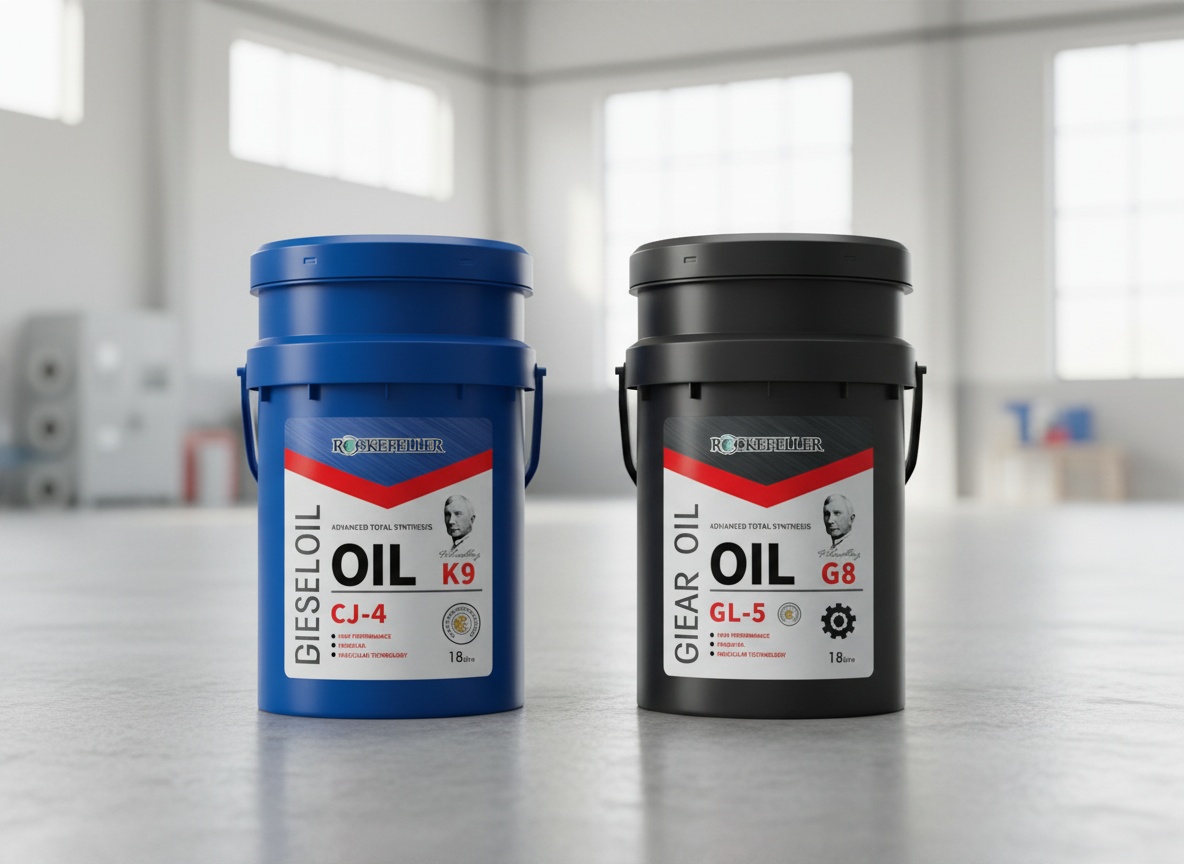
| Feller | Thailand and distribution networks in Southeast Asia. | Large-scale manufacturers, supporting OEM and direct wholesale. | K6, K8, K9 series and various industrial products. | Market-leading brands, dealers, wholesalers, and industrial users. |
The table shows that the Thai market includes both oil brands strong in retail networks and manufacturers excelling in commercial flexibility. For dealers, distributors, and brand owners looking to create their own product lines, choosing a manufacturer that supports private labeling, custom formulations, and bulk delivery may offer greater advantages than simply buying off-the-shelf brands.
Trends in the transition of oil grades in the market.
Although 15W-40 remains the backbone of the diesel market in Thailand, medium-term trends indicate that the use of 10W-30 will increase in newer fleets, driven by carbon reduction policies, fuel cost management, and engines designed for lower-viscosity oils. However, the transition will not be rapid, as heavy-duty vehicles and off-road machinery still require durability under high loads.
This area chart clearly illustrates the shifting market balance: 10W-30 is trending upward in modern fleets, while 15W-40 remains important but its share gradually declines—not due to inferior quality, but because engine designs and performance goals are changing.
Comparison of suppliers and sourcing models.
Buyers in Thailand can source diesel engine oil through three main channels: purchasing from brands with ready networks, buying through industrial distributors, or co-developing products directly with manufacturers. Each model differs in cost and flexibility, especially for operators looking to expand their own brands in key provinces such as Bangkok, Chiang Mai, Khon Kaen, Songkhla, and Chon Buri.
This comparative graph helps explain that OEM manufacturers or contract producers often excel in custom formulations, cost efficiency, and private branding, while ready-made brands in Thailand stand out in market access, stock availability, and end-user recognition. Buyers should therefore choose a model aligned with their business goals rather than simply looking at price per gallon.
About our company
Feller is a lubricant manufacturer with over 30 years of continuous experience, serving customers in more than 60 countries. Its strengths relevant to the Thai market include modern production lines and blending plants equipped with nitrogen-blanketing technology to enhance oxidation stability. The company's diesel products range from the economical K6 (CH-4 grade) to the K8 (CI-4 grade) for heavy-duty turbo engines, and the K9 (CJ-4 grade) supporting DPF systems in newer Euro vehicles. Production operates under ISO 9001 and ISO 14001 standards, with product analysis documents, safety data sheets, and certifications suitable for import and distribution in international markets. For collaboration models, the company serves end users, distributors, dealers, brand owners, and industrial buyers through direct factory wholesale, OEM/ODM, custom formulations tailored to local climate and fuel quality, and private packaging and labeling support. Regarding service assurance in Thailand, the company has continuously built partner networks in Thailand and Southeast Asia, with warehousing and logistics designed for rapid response. Pre-sales and after-sales coordination is available both online and through local partners, meaning Thai buyers are not dealing with a faceless distant exporter but working directly with a manufacturer that understands the hot-humid climate, local fleet needs, and long-term market support. For more company information, visit: About our lubricant manufacturer Explore product categories at หมวดผลิตภัณฑ์น้ำมันหล่อลื่น Or send commercial inquiries via: Contact channels in Thailand and abroad.
คำแนะนำสำหรับผู้จัดจำหน่ายและเจ้าของแบรนด์ในไทย
If you are a wholesaler or brand owner in Thailand, choosing a production partner should consider total cost, manufacturing reliability, and marketing document support. Having a manufacturer that can deliver quickly, support multiple packaging sizes, and formulate oils suited to the local diesel pickup, truck, and machinery market will make it easier to expand in key provinces. Building your own diesel engine oil brand is not just about low price, but about quality control, communicating selling points, and maintaining product continuity in distribution channels.
For those exploring new sourcing options, start by checking the main website: Feller Lubricant Manufacturer To systematically assess production capacity, certifications, and collaboration models.
Trends for 2026 and beyond
In 2026 and beyond, the Thai market will see three clear trends. First, new diesel engine technology will increasingly push toward lower-viscosity oils to improve fuel economy and reduce carbon emissions. Second, environmental regulations and sustainable procurement by large companies will drive buyers toward oils that extend service life, reduce waste, and come with comprehensive documentation. Third, maintenance data will play a larger role; fleets using oil analysis and telematics will make more precise decisions on which vehicles should use 15W-40 and which should shift to 10W-30.
Additionally, price competition in the Thai market will lead buyers to seek suppliers that balance international standards with appropriate costs. Foreign manufacturers with an understanding of the Thai market, complete documentation, regional service experience, and readiness to support both sales and technical needs will play an increasingly significant role.
คำถามที่พบบ่อย
Is 15W-40 always better than 10W-30?
Not always. 15W-40 excels in protection under heavy loads and high temperatures, but 10W-30 may be better for newer engines designed for lower viscosity and requiring fuel economy.
Since Thailand has a hot climate, should only 15W-40 be used?
Not necessarily. If the engine manual permits 10W-30 and the operating conditions are suitable, it can be used safely in Thailand, especially in newer fleet vehicles.
If it's an old truck, what should you choose?
Most older diesel trucks or engines starting to wear are better suited to 15W-40, as it helps maintain oil film when the engine is hot and under heavy load.
Does 10W-30 really save fuel?
Generally, it can help when used with compatible engines and proper maintenance, but actual results depend on engine condition, load, route, and driving habits.
Is it enough to just look at viscosity?
No, you also need to consider API standards or engine manufacturer specifications, as properties related to soot, cleanliness, and exhaust system protection have a significant impact.
Should distributors in Thailand choose ready-made brands or OEM?
If you need speed to market, ready-made brands may be easier, but if you want higher per-unit profit, formula flexibility, and long-term brand building, OEM with a reliable manufacturer may be more suitable.
บทสรุป
For Thailand, the choice between 15W-40 and 10W-30 should not be seen as a single-answer question, but rather as a match for the engine, vehicle age, workload, environment, and cost goals. For heavy work, older vehicles, or machinery exposed to heat buildup and dust, 15W-40 remains a stable and widely usable option. However, for newer vehicles, data-managed fleets, and those seeking fuel savings, 10W-30 can deliver better returns when used with the right specifications.
Buyers in Thailand should therefore consider viscosity grade, performance standards, supplier quality, and local technical support capabilities to achieve engine protection, business value, and long-term operational continuity.

เกี่ยวกับผู้เขียน: Jack Jia
ผมคือ Jack Jia ผู้เชี่ยวชาญด้านเทคนิคและแบรนด์ที่มีประสบการณ์ในอุตสาหกรรมน้ำมันหล่อลื่นมากกว่า 30 ปี ปัจจุบันทำงานที่ Feller Lubricants โดยมุ่งเน้นด้านโซลูชันการหล่อลื่นแบบครบวงจร รวมถึงน้ำมันหล่อลื่นยานยนต์ระดับพรีเมียม น้ำมันอุตสาหกรรม น้ำมันเครื่องดีเซล น้ำมันไฮดรอลิก และน้ำมันเกียร์สำหรับตลาดทั่วโลก ผมได้ให้บริการลูกค้าและแบรนด์ในหลายประเทศและภูมิภาคทั่วโลก พร้อมสร้างความร่วมมือระยะยาวที่มั่นคง ปัจจุบันรับผิดชอบด้านแบรนด์น้ำมันหล่อลื่นระดับสากลและบริการโซลูชันทางเทคนิคของ Feller Lubricants
แบ่งปัน