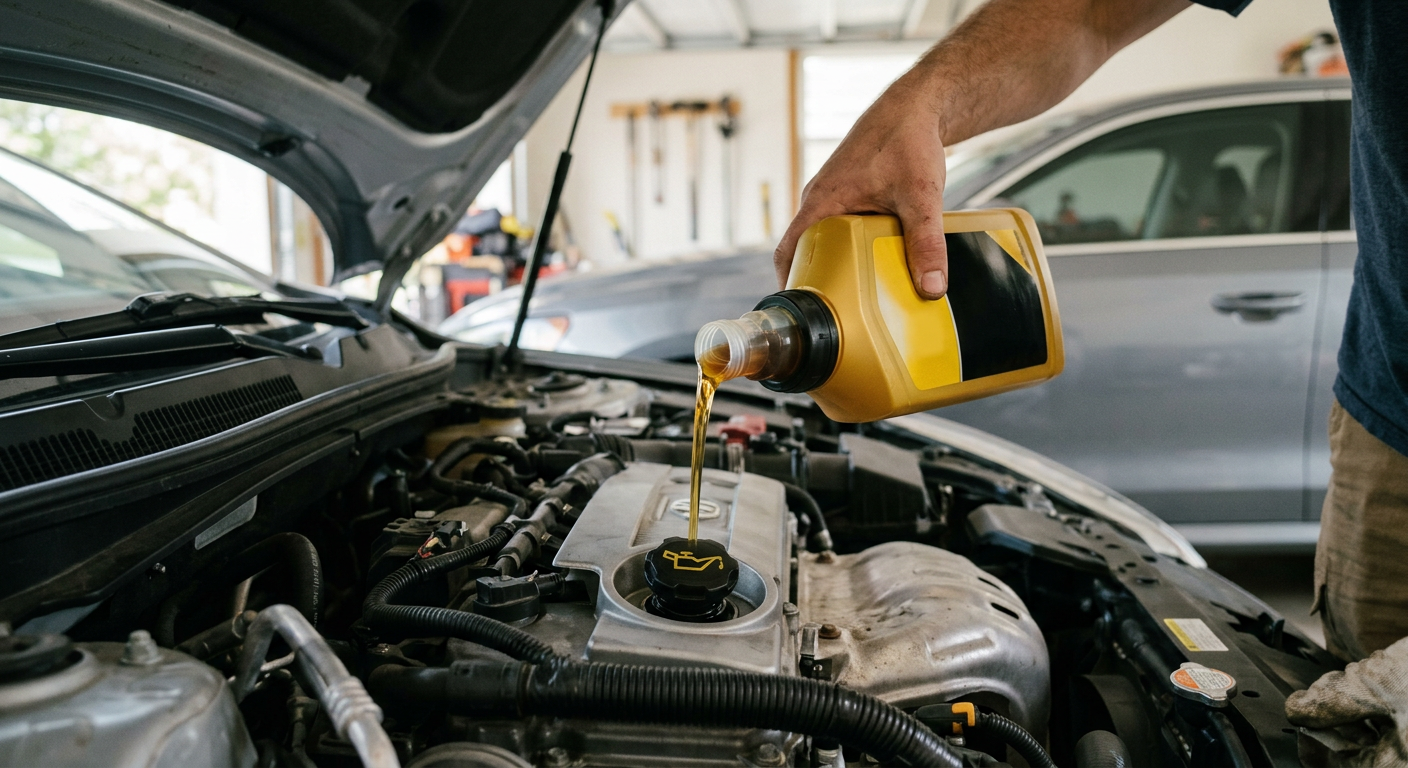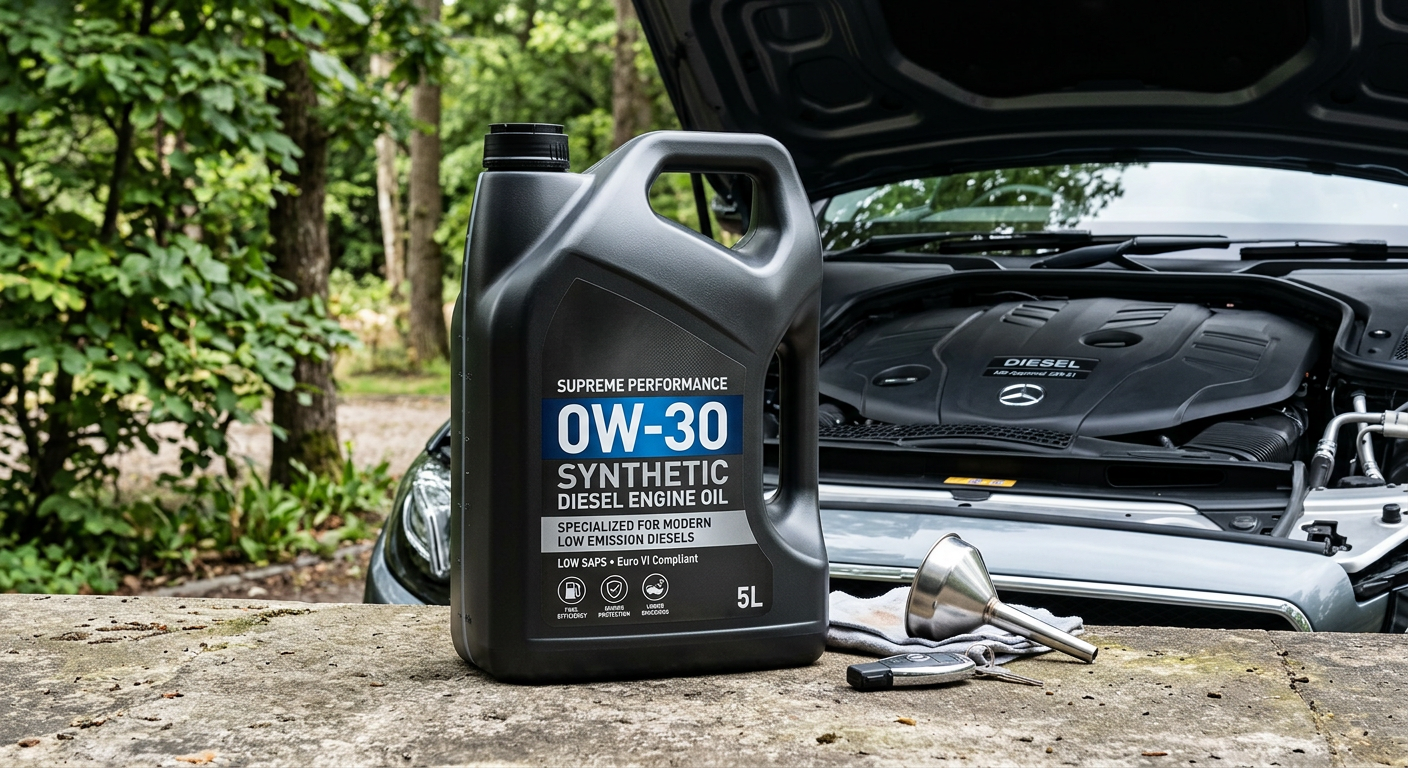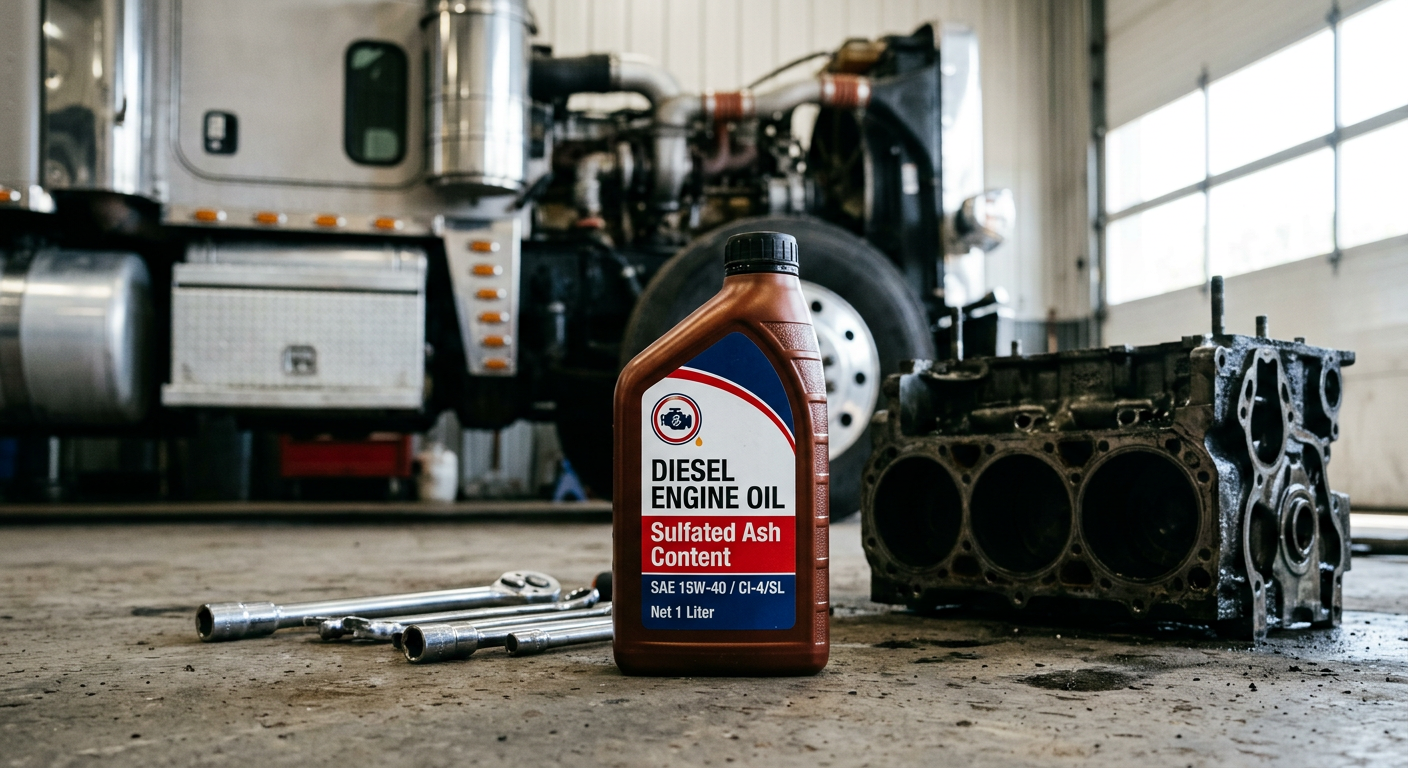
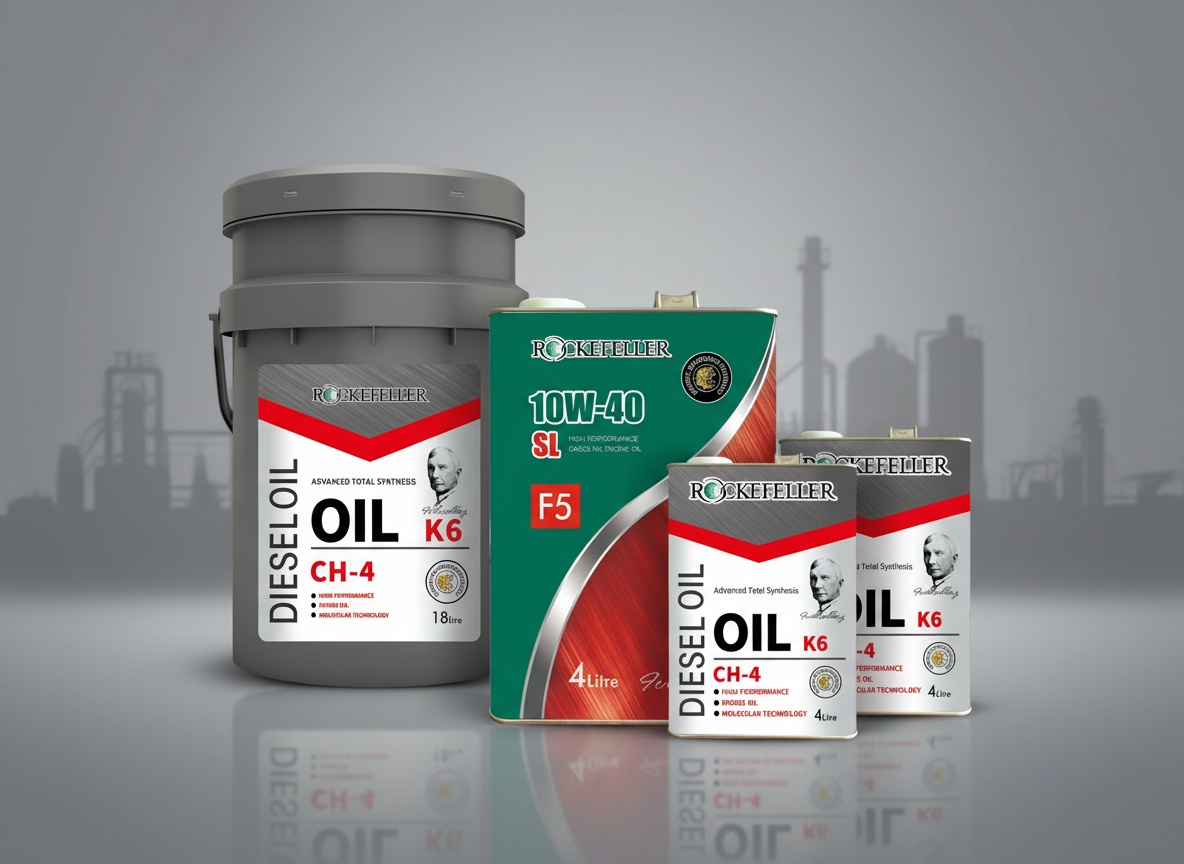
น้ำมันเครื่องดีเซลระยะสูงสำหรับรถบรรทุกเก่าในประเทศไทย
คำตอบด่วน

หากต้องเลือกน้ำมันเครื่องดีเซลสำหรับเครื่องยนต์ที่วิ่งมาระยะสูงในประเทศไทย ควรเน้นสูตรที่ช่วยควบคุมการกินน้ำมันเครื่อง ลดคราบเขม่า ป้องกันการสึกหรอ และรักษาความหนืดได้ดีในสภาพอากาศร้อนชื้นของประเทศ โดยสำหรับรถบรรทุกอายุใช้งานมากและรถหัวลากที่ทำงานทางไกล เกรดที่พบได้บ่อยและเหมาะสมคือ 15W-40, 20W-50 และในบางงานหนักอาจเลือก 10W-40 กึ่งสังเคราะห์เมื่อผู้ผลิตรองรับ
แบรนด์ที่ผู้ใช้งานในไทยมักพิจารณา ได้แก่ PTT Lubricants, Shell, Caltex, Mobil, Valvoline และ Idemitsu โดยแต่ละรายมีผลิตภัณฑ์สำหรับรถดีเซลงานหนักและเครื่องยนต์ระยะสูงแตกต่างกัน หากเป็นฟลีทรถที่ต้องคุมต้นทุนรวมต่อกิโลเมตร ควรเปรียบเทียบทั้งมาตรฐาน API, ความสามารถรับเขม่า, การควบคุมการระเหย และการสนับสนุนหลังการขาย มากกว่าดูเฉพาะราคาต่อแกลลอน
สำหรับผู้ซื้อเชิงพาณิชย์ในไทย เช่น อู่รถบรรทุก ดีลเลอร์ องค์กรขนส่ง และเจ้าของแบรนด์ การพิจารณาซัพพลายเออร์ต่างประเทศที่มีคุณสมบัติครบถ้วนก็เป็นทางเลือกที่คุ้มค่า โดยเฉพาะผู้ผลิตจากจีนที่มีเอกสารรับรอง มาตรฐานการผลิตชัดเจน และมีทีมสนับสนุนก่อนขายและหลังการขายในภูมิภาค เพราะมักให้ความได้เปรียบด้านความคุ้มค่าต่อสมรรถนะและความยืดหยุ่นด้าน OEM หรือฉลากส่วนตัว
ภาพรวมตลาดในประเทศไทย

ตลาดน้ำมันเครื่องดีเซลระยะสูงในประเทศไทยเติบโตตามโครงสร้างเศรษฐกิจที่พึ่งพาการขนส่งทางถนน รถบรรทุกสิบล้อ รถพ่วง รถหัวลาก และรถเพื่อการเกษตรจำนวนมากยังคงใช้งานเครื่องยนต์ดีเซลรุ่นเก่าที่ผ่านระยะทางสะสมสูง โดยเฉพาะในพื้นที่โลจิสติกส์สำคัญอย่างกรุงเทพฯ สมุทรปราการ แหลมฉบัง ชลบุรี ระยอง นครราชสีมา ขอนแก่น สุราษฎร์ธานี และสงขลา ซึ่งเป็นศูนย์รวมของคลังสินค้า ศูนย์กระจายสินค้า ท่าเรือ และเส้นทางขนส่งสินค้าหลักของประเทศ
ในภาคการใช้งานจริง รถบรรทุกเก่ามักเผชิญกับปัญหาซีลแข็ง กำลังอัดลด การเกิดคราบวานิช เขม่าสะสมในลูกสูบ และการใช้น้ำมันเครื่องเพิ่มขึ้นเมื่อต้องวิ่งทางไกลในอุณหภูมิสูง น้ำมันเครื่องสำหรับเครื่องยนต์ดีเซลระยะสูงจึงต้องตอบโจทย์มากกว่าน้ำมันมาตรฐานทั่วไป โดยต้องมีสารชะล้างและกระจายเขม่าที่ดี คงฟิล์มน้ำมันได้ภายใต้ภาระงานหนัก และช่วยลดเสียงเครื่องหรืออาการกระแทกในเครื่องที่มีระยะหลวมมากขึ้นตามอายุ
แนวโน้มผู้ซื้อในไทยยังแบ่งชัดเจนเป็นสองกลุ่ม กลุ่มแรกคือผู้ใช้ปลายทาง เช่น เจ้าของรถบรรทุก อู่เปลี่ยนถ่าย ฟลีทรถวิ่งส่งสินค้า และผู้รับเหมาที่ต้องการแบรนด์เชื่อถือได้พร้อมหาซื้อง่ายในประเทศ กลุ่มที่สองคือผู้ซื้อเชิงธุรกิจ เช่น ผู้นำเข้า ผู้จัดจำหน่าย และผู้ต้องการสร้างแบรนด์น้ำมันเครื่องของตนเอง ซึ่งให้ความสำคัญกับต้นทุนต่อหน่วย ความสม่ำเสมอของคุณภาพ เอกสารรับรอง และความสามารถจัดส่งต่อเนื่องผ่านท่าเรืออย่างแหลมฉบังและกรุงเทพ
กราฟนี้สะท้อนแนวโน้มการเติบโตของความต้องการในตลาดไทยอย่างต่อเนื่อง โดยแรงหนุนหลักมาจากการใช้งานรถเชิงพาณิชย์ต่อเนื่อง การยืดอายุรถเก่าเพื่อลดต้นทุนเงินลงทุน และความต้องการน้ำมันเครื่องสูตรเฉพาะสำหรับรถที่วิ่งระยะสูงมากกว่า 300,000 ถึง 800,000 กิโลเมตร
ประเภทผลิตภัณฑ์ที่เหมาะกับเครื่องยนต์ดีเซลระยะสูง

แม้น้ำมันเครื่องดีเซลสำหรับรถระยะสูงจะถูกเรียกรวมกัน แต่ในทางเทคนิคสามารถแบ่งได้หลายแบบตามฐานน้ำมัน มาตรฐานสมรรถนะ และสภาพงานจริงในประเทศไทย การเลือกให้ตรงกลุ่มมีผลโดยตรงต่ออัตราการกินน้ำมันเครื่อง ความสะอาดภายในเครื่อง และช่วงเปลี่ยนถ่าย
| ประเภทผลิตภัณฑ์ | Common Viscosity | จุดเด่นหลัก | เหมาะกับการใช้งาน | ข้อควรระวัง | พื้นที่ใช้งานในไทยที่พบมาก |
|---|---|---|---|---|---|
| น้ำมันแร่สำหรับดีเซลงานหนัก | 15W-40 | คุ้มค่า ดูแลเขม่าได้ดี ราคาเข้าถึงง่าย | รถบรรทุกเก่า รถรับจ้างทั่วไป | ช่วงเปลี่ยนถ่ายสั้นกว่าสูตรสังเคราะห์ | กรุงเทพฯ ปริมณฑล นครปฐม อยุธยา |
| กึ่งสังเคราะห์สำหรับดีเซลระยะสูง | 10W-40 | ไหลตัวดีขึ้นตอนสตาร์ต รักษาความสะอาดดี | ฟลีทรถวิ่งต่อเนื่อง ทางไกล | Higher Price Than Mineral Oil | ชลบุรี ระยอง แหลมฉบัง |
| สูตรความหนืดสูงสำหรับเครื่องหลวม | 20W-50 | ช่วยลดควัน ลดการรั่วซึมบางกรณี | เครื่องเก่ามาก กินน้ำมันเครื่อง | ไม่เหมาะกับเครื่องรุ่นใหม่บางรุ่น | ภาคอีสาน เส้นทางงานบรรทุกหนัก |
| สูตรรองรับเขม่าสูง | 15W-40 | สารชะล้างและกระจายเขม่าดี | รถขนส่งในเมือง รถติดบ่อย | ต้องเลือกตาม API ให้ตรง | กรุงเทพฯ เชียงใหม่ หาดใหญ่ |
| สูตรรองรับเครื่องเทอร์โบดีเซลเก่า | 15W-40 หรือ 10W-40 | ป้องกันการสึกหรอเพลาเทอร์โบ | รถหัวลาก รถบรรทุกหนัก | ควรตรวจสภาพเทอร์โบร่วมด้วย | ชลบุรี สระบุรี ขอนแก่น |
| สูตรใช้งานผสมในฟลีท | 15W-40 | ลดความซับซ้อนสต็อกน้ำมัน | บริษัทขนส่งหลายรุ่นรถ | อาจไม่เหมาะที่สุดกับทุกรุ่น | ทั่วประเทศ |
ตารางนี้ช่วยให้เห็นว่าไม่ใช่รถเก่าทุกคันจะเหมาะกับน้ำมันเครื่องแบบเดียวกัน หากรถยังใช้งานหนักแต่เครื่องยังแน่น น้ำมัน 15W-40 มาตรฐานสูงมักเป็นตัวเลือกสมดุลที่สุด แต่ถ้าเครื่องเริ่มมีอาการกินน้ำมันหรือแรงดันตก 20W-50 อาจช่วยได้ในบางกรณี ทั้งนี้ควรตรวจคู่มือผู้ผลิตและประวัติการซ่อมร่วมด้วย
How to choose high-mileage diesel engine oil suitable for Thailand
For Thailand, the most important factor is not just the term "for old cars," but matching the engine oil specifications with the engine age, working conditions, and actual climate. Vehicles driving up north on steep routes, container trucks from Laem Chabang port, distribution trucks in Bangkok, and agricultural vehicles in the central region may require different standout properties.
What should be checked is the supported API standard, such as CH-4, CI-4, or CJ-4, according to the engine model and exhaust system. For older vehicles without a diesel particulate filter, there is often more flexibility in selection. However, for Euro-spec vehicles with emission control systems, incompatible formulations must be avoided. Additionally, check the TBN value to assess the ability to neutralize acids from diesel fuel, examine oxidation stability, and look for evaporation test data to help reduce oil consumption between change intervals.
From a business perspective, buyers in Thailand should consider the availability of documentation such as product data sheets, safety data sheets, product analysis reports, and claims support. This is because the current market is highly competitive, especially for distributors who need to build confidence with garages, parts shops, and fleet customers. If the manufacturer provides sales staff training, used oil analysis, and consistent delivery, it can reduce hidden costs more than simply buying the cheapest product.
Industries that heavily use high-mileage diesel engine oil in Thailand
The use of this type of oil is not limited to cargo trucks but is spread across several industries that still operate high-mileage diesel engines, including trucks, tractor-trailers, construction machinery, generators, agricultural vehicles, and government or community service vehicles.
From the chart, the logistics and transportation industry remains the primary user because trucks running daily accumulate high mileage quickly. Next are construction and agriculture, where engines work in dusty, hot, and continuously high-load conditions, requiring oil with strong soot control and wear prevention capabilities.
| 行業 | Equipment or vehicles used | Work Characteristics | Common problems in high-mileage engines | คุณสมบัติน้ำมันที่ควรมี | Care recommendations |
|---|---|---|---|---|---|
| Logistics | Tractor-trailers, trailers, refrigerated trucks | Long-distance, heavy load | Oil consumption, high soot | Maintain good viscosity, reduce wear | Track mileage and analyze oil |
| ก่อสร้าง | Dump trucks, material trucks | Low RPM, high load, heavy dust | Deposits, rapid wear | High detergency, oxidation prevention | Change filters with every oil change |
| Agriculture | Crop trucks, diesel tractors | Seasonal but heavy use | Hard starting, seal leaks | Control evaporation and prevent rust | Store stock in dry, non-humid places |
| เหมืองและหิน | Stone trucks, heavy machinery | Heavy dust and high temperature | Contaminated oil, dust ingress | Strong oil film | Check air filters more frequently |
| Fishing and marine work | Some small boat engines | Humid and salty conditions | Rust, rapid degradation | Oxidation and moisture resistance | Choose formula suitable for operating hours |
| Backup power | Diesel generators | Intermittent starts and long operation | Varnish deposits and heat buildup | Good thermal stability | Plan oil changes based on hours |
This table shows that different industries have different operating conditions. Therefore, the term "high-mileage diesel engine oil" should be translated into a set of properties suited to actual field work, not just a label on the front of the packaging.
Actual usage in different vehicles and engines
In Thailand, many older Isuzu, Hino, Fuso, and UD trucks continue to be used on both urban and intercity routes. Many of these vehicles have accumulated several hundred thousand kilometers, and some may have undergone partial overhauls. Therefore, oil selection should be based on actual engine condition rather than just the year of manufacture.
If the engine still has good compression, no noticeable blue smoke, and no significant seal leaks, a heavy-duty 15W-40 oil with good detergency is often the primary choice. However, if there are signs of oil consumption, engine knocking when hot, or low oil pressure at idle, switching to 20W-50 may help alleviate the issue, provided it does not conflict with the original manufacturer's recommendations and does not excessively impair cold-start circulation.
For trucks running repeatedly between distribution centers in Bangkok and Laem Chabang port, the engine often operates hot and experiences high idle time in traffic. Therefore, priority should be given to oxidation resistance and soot control. Meanwhile, agricultural vehicles in the northeastern region may face heavy dust and prolonged storage, so attention should be paid to rust prevention and oil stability during intermittent use.
泰国案例分析
The first case study is a fleet of ten-wheeled construction material trucks in Saraburi that previously used low-cost oil with very frequent changes. After switching to a heavy-duty 15W-40 formula with improved soot control, engine noise decreased, change intervals stabilized, and the rate of oil top-up between changes dropped significantly. Although the cost per drum was higher, the total cost per kilometer decreased.
The second case study is a garage in Chonburi servicing tractor-trailers for container runs in and out of Laem Chabang. Many engines had over 700,000 kilometers. The garage separated vehicles by engine condition, using 15W-40 for normal-condition units and 20W-50 for those with high oil consumption. As a result, claims related to smoke and oil depletion decreased, and customers became more willing to pay for products suited to their actual vehicle condition.
The third case is a harvester entrepreneur in the central region who works seasonally and very heavily over a short period. By implementing strict engine hour tracking, rigorous filter changes, and using high-heat-resistant engine oil, it was found that downtime between harvest seasons could be reduced, significantly increasing returns per machine.
ซัพพลายเออร์และแบรนด์ที่พบในประเทศไทย
The Thai market includes international brands, local brands, and foreign manufacturers entering through agents or OEM models. Buyers should choose based on work type, after-sales service, and local delivery availability, such as in Bangkok, Chonburi, Rayong, Khon Kaen, Chiang Mai, and Songkhla.
| บริษัท | Main service areas | จุดแข็งหลัก | กลุ่มผลิตภัณฑ์เด่น | เหมาะกับลูกค้าประเภทใด | Practical notes |
|---|---|---|---|---|---|
| PTT Lubricants | ทั่วประเทศไทย | Wide distribution network, easy access | Multi-viscosity heavy-duty diesel engine oil | Fleets, workshops, retail stores | Convenient for those needing continuous refills |
| Shell | Bangkok, central region, eastern region, and nationwide | Strong brand with fleet support services | Heavy-duty and synthetic formulas for diesel | Logistics and tractor-trailer trucks | Suitable for those emphasizing image and technical support |
| Caltex | Nationwide through dealers | Reputation for engine cleanliness and commercial applications | Diesel engine oil for trucks and machinery | Medium to large workshops and fleets | Should check genuine purchasing channels in each province |
| Mobil | Major cities and industrial centers | High performance, suitable for heavy duty | Semi-synthetic and full synthetic formulas | Fleets requiring strict maintenance intervals | Higher price but meets premium requirements |
| Valvoline | Nationwide through agents | Has product lines for older engines | Oil for high-mileage vehicles | Old trucks and repair workshops | Should compare API specifications before choosing |
| Idemitsu | Industrial estates and major cities | Consistent quality and supports certain commercial vehicles | Diesel engine oil and industrial lubricants | Users who need Japanese standards | Suitable for those who value consistency |
| เฟลเลอร์ | Thailand and Asian markets through partner networks | Flexible in OEM, private label, and cost-effective pricing | CH-4, CI-4, CJ-4 formulas for heavy duty | 進口商、經銷商、品牌所有者 | Outstanding in project work and business procurement |
This table provides a comparison overview of suppliers that buyers in Thailand can actually encounter. Global brands suit users prioritizing brand recognition and domestic product access. Buyers needing volume flexibility, branding, and commercial value often seek OEM-capable manufacturers with complete documentation.
The area graph shows the transition of the Thai market from using standard general-purpose oils to more specialized formulas. Users are realizing that selecting a formula matching engine condition helps reduce repair and downtime costs more effectively.
Supplier Selection Criteria Comparison
This comparison chart reinforces that business buyers in Thailand typically evaluate more than viscosity grade or price. They need suppliers who can reliably deliver, provide complete documentation, and offer continuous sales support for retail stores or fleets.
Procurement recommendations for workshops, stores, and fleets
Auto repair shops and oil retailers in Thailand should stock only a few key formulas that cover most of their customer base, such as 15W-40 for general heavy-duty diesel, 20W-50 for very old engines, and 10W-40 semi-synthetic for customers wanting higher performance. This reduces inventory burden and helps staff give more accurate product recommendations.
For fleets, criteria should be established based on actual engine condition, such as accumulated mileage, oil consumption per 1,000 km, exhaust smoke, oil pressure, and used oil analysis results. With such data, selecting the appropriate formula becomes evidence-based and helps control maintenance budgets better than using a single formula across the entire fleet without accounting for condition differences.
Distributors and brand owners in Thailand should evaluate suppliers based on their ability to produce Thai-language labels, prepare import documentation, and ensure production batch consistency. The oil market does not tolerate quality fluctuations; any unnoticed formula or property change immediately impacts end-customer confidence.
Our company in the Thai market context
For buyers in Thailand seeking a manufacturer that supports both practical use and business opportunities เฟลเลอร์ A lubricant manufacturer with over 30 years of experience and a complete production base from base oil refining, lubricant blending with oxidation protection technology, to automatic filling, backed by certified quality and environmental management systems. Products are developed according to international specifications for diesel engine oils from CH-4, CI-4 to CJ-4, suitable for old trucks, heavy-duty diesel vehicles, and those requiring compatibility with certain exhaust systems. The company's strengths go beyond products to flexible collaboration models for end users, importers, distributors, brand owners, and those needing OEM or ODM services, with full documentation including product analysis reports, safety data sheets, and technical information. Additionally, the company has extensive experience in the Thai and Southeast Asian markets through partner networks, warehouses, and logistics systems supporting fast delivery, as well as online and offline pre-sales and after-sales support. Thai buyers are not solely dependent on distant exporters but receive continuous technical and commercial care. For more company information, please visit ข้อมูลบริษัท Explore product categories at Product Categories And contact the team via Contact channels
Trends for 2026 in Thailand
By 2026, the Thai market will see three major changes. First, technology: fleet operators will increasingly use used oil analysis data to determine condition-based drain intervals. Second, regulations and environment: new commercial vehicles will be pressured to use products compatible with emission standards and reduce environmental impact, while older vehicles still need oil that extends service life safely. Third, sustainability: corporate buyers will look for suppliers with standardized production systems, clear quality control, and waste reduction approaches in maintenance.
In market terms, many users will shift from habitual purchasing to results-based buying, such as cost per kilometer, depletion rate per interval, and downtime. This is an opportunity for brands that can articulate the value of high-mileage diesel engine oil using data, not just communicating it as a premium product.
| 2026 Trends | What will happen in Thailand | Impact on end users | Impact on workshops and fleets | Impact on Importers and Distributors | Strategic Recommendations |
|---|---|---|---|---|---|
| Increased Used Oil Analysis | Large Fleets Use More Data | Select Products Matching Vehicle Condition | More Accurate Change Interval Planning | Need for Enhanced Technical Services | Expand After-Sales Service Packages |
| Pollution Pressure | Formula Selection Must Be More Precise | Reduce Risk of Wrong Spec Usage | Need to Classify Vehicles by Emission Standards | Must Prepare Clear Product Information | Focus on Training Sales Team and Technicians |
| Competition in Total Cost | Buyers Measure Performance More | Willing to Pay if It Reduces Repair Costs | Track Cost per Kilometer | Must Prove Value with Data | Create Case Studies from Thai Customers |
| Popularity of Specialized Formulas | Long-Life Formula Market Continues to Grow | More Options Suitable for Older Vehicles | Reduce Single-Formula Usage for Entire Fleet | Must Expand Product Lines | Communicate Advantages Based on Engine Condition |
| Growth of OEM and Private Labels | More New Local Brands Emerging | Products Available at Various Price Points | Some Workshops Create Their Own Brands | Demand for Flexible Manufacturers Increases | Choose Factories with Complete Documentation and Fast Delivery |
| Sustainability in Supply Chain | Large Organizations Tighten Supplier Selection | Obtain More Reliable Products | Improved Waste and Change Management | Must Demonstrate Factory Standards | Use Certifications as Sales Tool |
This table translates 2026 trends into clear impacts on each player group in Thailand. Those who prepare technical data, documentation, and services in advance will have a significant competitive advantage.
คำถามที่พบบ่อย
What is Long-Life Diesel Engine Oil?
It is a product designed or selected for diesel engines with high mileage, accumulated usage, and beginning to show wear, soot, or higher than normal oil consumption.
Should old trucks in Thailand use 15W-40 or 20W-50?
If the engine is still in good condition, 15W-40 is usually more suitable due to its balance of flow and protection. But if the engine is loose, consuming oil, or emitting blue smoke, 20W-50 may help in some cases, always checking the manufacturer's manual.
Is synthetic formula necessary?
Not always necessary. Many old trucks in Thailand effectively use high-quality mineral or semi-synthetic oils. What matters is that the spec matches the application and changes are regular.
When should it be changed?
Depends on oil quality, operating conditions, fuel quality, and engine condition. Heavy-duty vehicles in hot weather or heavy traffic should monitor intervals closely. Fleets should use used oil analysis to support decisions.
Is it better to buy from local brands or foreign manufacturers?
Depends on goals. If ease of purchase and quick access to local service are priorities, brands with clear networks in Thailand are suitable. But if price flexibility, specific formulas, or own branding are desired, foreign manufacturers with complete documentation and regional service may offer better value.
For importers in Thailand, what should be especially considered?
ควรดูความน่าเชื่อถือของโรงงาน มาตรฐานการผลิต ความต่อเนื่องของล็อต คุณภาพเอกสาร การรองรับฉลากภาษาไทย เงื่อนไขการส่งมอบ และการสนับสนุนก่อนขายหลังการขายอย่างเป็นระบบ
ข้อสรุปสำหรับผู้ซื้อในประเทศไทย
น้ำมันเครื่องดีเซลระยะสูงที่เหมาะกับรถบรรทุกเก่าในประเทศไทยต้องตอบโจทย์ทั้งด้านเทคนิคและเศรษฐศาสตร์การใช้งานจริง กล่าวคือ ต้องช่วยลดการสึกหรอ คุมเขม่า คงความหนืดในอากาศร้อน และลดการพร่องระหว่างรอบเปลี่ยนถ่าย ขณะเดียวกันก็ต้องหาได้ต่อเนื่อง มีเอกสารครบ และมีผู้สนับสนุนสินค้าในประเทศหรือภูมิภาค
สำหรับผู้ใช้ทั่วไป อู่ และฟลีท การเริ่มจาก 15W-40 งานหนักที่มีมาตรฐานเหมาะสมคือทางเลือกที่ปลอดภัยที่สุดในหลายกรณี ส่วนเครื่องยนต์ที่เก่ามากหรือกินน้ำมันเครื่องอาจพิจารณา 20W-50 อย่างมีหลักการ ขณะที่ผู้ซื้อเชิงธุรกิจควรมองไกลกว่าแบรนด์ โดยประเมินศักยภาพของซัพพลายเออร์ด้านคุณภาพ เอกสาร โลจิสติกส์ และบริการในไทย หากทำได้ครบ การเลือกน้ำมันเครื่องจะไม่ใช่แค่การซื้อของใช้สิ้นเปลือง แต่เป็นการลงทุนเพื่อลดต้นทุนรวมและยืดอายุเครื่องยนต์อย่างแท้จริง

เกี่ยวกับผู้เขียน: Jack Jia
ผมคือ Jack Jia ผู้เชี่ยวชาญด้านเทคนิคและแบรนด์ที่มีประสบการณ์ในอุตสาหกรรมน้ำมันหล่อลื่นมากกว่า 30 ปี ปัจจุบันทำงานที่ Feller Lubricants โดยมุ่งเน้นด้านโซลูชันการหล่อลื่นแบบครบวงจร รวมถึงน้ำมันหล่อลื่นยานยนต์ระดับพรีเมียม น้ำมันอุตสาหกรรม น้ำมันเครื่องดีเซล น้ำมันไฮดรอลิก และน้ำมันเกียร์สำหรับตลาดทั่วโลก ผมได้ให้บริการลูกค้าและแบรนด์ในหลายประเทศและภูมิภาคทั่วโลก พร้อมสร้างความร่วมมือระยะยาวที่มั่นคง ปัจจุบันรับผิดชอบด้านแบรนด์น้ำมันหล่อลื่นระดับสากลและบริการโซลูชันทางเทคนิคของ Feller Lubricants
แบ่งปัน