How to choose CI-4 diesel engine oil in Thailand for heavy-duty applications
คำตอบโดยสรุป

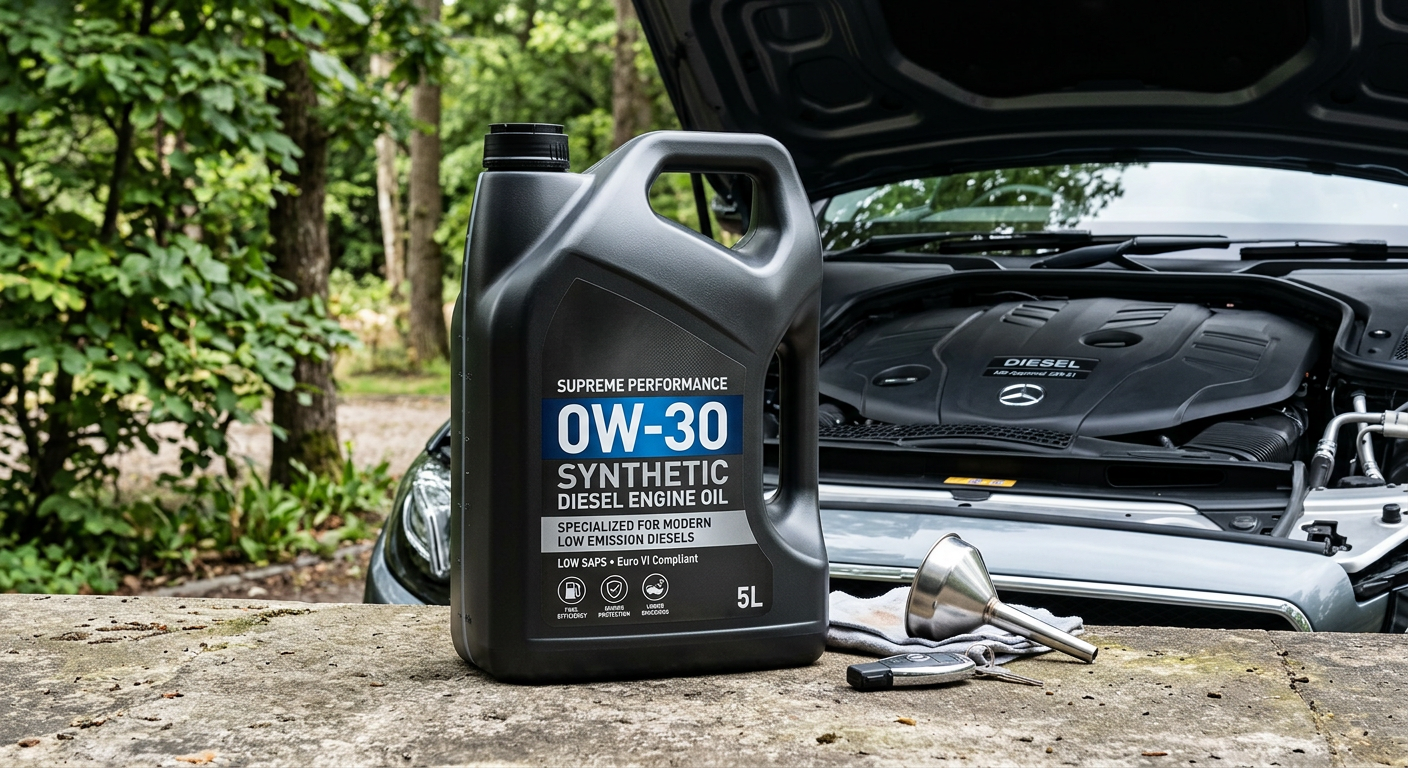
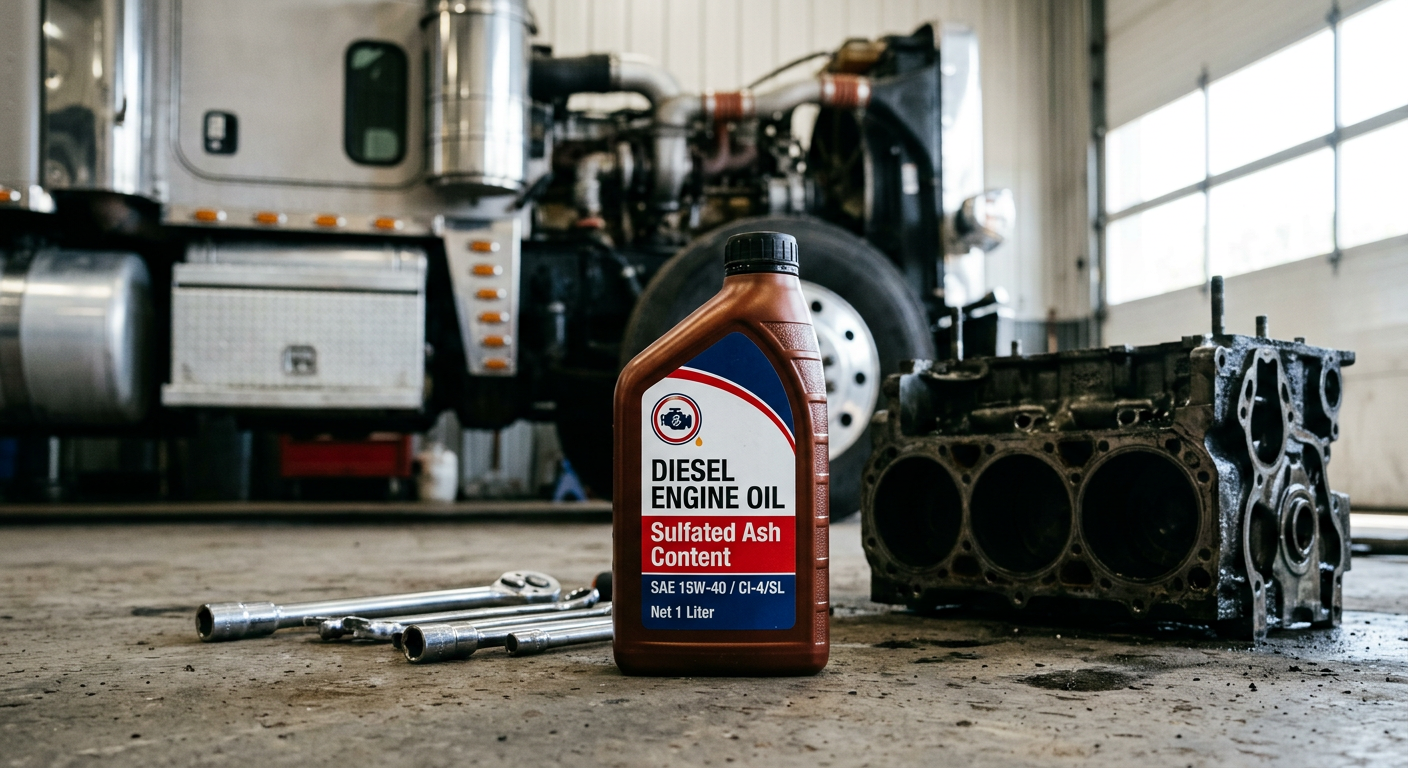
CI-4 diesel engine oil is a lubricant for heavy-duty diesel engines designed to withstand high heat, heavy soot, high pressure, and continuous operation. It is suitable for trucks, buses, construction machinery, long-distance transport vehicles, agricultural vehicles, and many turbocharged engines in Thailand, especially engines that do not yet require low-ash levels for newer particulate filter systems.
For buyers in Thailand, practical and commonly available options include Shell, Caltex, PTT, Mobil, Valvoline, and international manufacturers with documentation and regional service, such as Feller, which cater to importers, distributors, and brand owners seeking cost-effective performance.
To put it simply, CI-4 diesel engine oil is suitable when you need wear protection, soot control, and oxidation stability for heavy-duty diesel engines in Thailand's hot and humid climate. However, always check the engine manufacturer's manual for viscosity grades such as 15W-40, 10W-30, or 20W-50, and any additional requirements.
For immediate procurement, end users should choose brands with service networks and stock availability in areas like Bangkok, Chonburi, Rayong, Khon Kaen, Chiang Mai, and Songkhla. Commercial buyers should consider international suppliers with clear certifications, manufacturing standards, and pre-sales and after-sales support in Thailand or ASEAN, as they often offer cost advantages in performance and packaging flexibility.
Market overview of CI-4 diesel engine oil in Thailand

Thailand still has a large base of heavy-duty diesel engines in road transport, cross-province logistics, construction, mining and stone crushing, commercial agriculture, and port support industries like Laem Chabang, Map Ta Phut, and Songkhla, ensuring continued demand for CI-4 diesel engine oil, even as some new vehicle markets shift to newer specifications.
A key reason is that Thailand's active fleet includes many trucks, tractor trailers, ten-wheelers, buses, construction machinery, and agricultural diesel engines designed for this or similar lubricant levels. CI-4 oil remains a good balance between engine protection, product availability, and cost per kilometer, especially on hot routes, uphill trucking, and continuous operation under high dust conditions.
Another market driver is the diverse distribution channel structure, ranging from service stations, truck service centers, spare parts shops, regional agents, to direct importers for fleets, giving buyers options from premium domestic brands to private label products.
This chart reflects the indexed growth trend of CI-4 diesel engine oil demand in Thailand, showing gradual expansion based on the existing fleet, construction sector recovery, and freight transport demand on routes between Bangkok, the Eastern region, and the Northeast.
What is the CI-4 standard and which engines is it suitable for?

The CI-4 standard is a performance specification for diesel engine oil requiring high soot control, wear protection, and resistance to thermal degradation. It is suitable for turbocharged engines and engines operating continuously under heavy load, including some models with exhaust gas recirculation systems.
In practice, users in Thailand often find this oil level suitable for freight trucks, container tractor trailers running in and out of ports, buses, harvesters, large tractors, backhoes, loaders, and industrial engines that need consistent drain intervals and manageable maintenance costs.
Key advantages of this oil level include viscosity retention under shear, reduced piston deposits, prevention of cylinder bore polishing in heavy-duty use, and control of oil thickening from soot, which is ideal for long idling, extended operation, or full-load running in hot and humid conditions.
Product types available in the Thai market
Although the CI-4 standard is a performance specification, the Thai market offers various oil types based on base oil and viscosity range, affecting starting performance, high-temperature protection, and total cost over the service cycle.
| ประเภทผลิตภัณฑ์ | Common Viscosity Grades | การใช้งานหลัก | จุดเด่น | ข้อควรระวัง | Suitable for areas in Thailand |
|---|---|---|---|---|---|
| น้ำมันแร่ | 15W-40 | General trucks, older vehicles, agricultural machinery | Good value, easy to find | Shorter drain intervals possible | ทั่วประเทศ |
| Semi-synthetic | 10W-30 | Fleets needing improved fuel economy | Better flow, reduced friction | Must check engine compatibility | Bangkok, Chonburi, Rayong |
| Semi-synthetic heavy-duty | 15W-40 | Tractor trailers, long-distance transport | Balance between price and service life | Higher Price Than Mineral Oil | Northern, Northeastern, Southern routes |
| High viscosity grade | 20W-50 | Older engines, oil consumption | Helps control leaks and oil consumption | Cold start may be harder | Central and Southern regions |
| High performance for dusty conditions | 15W-40 | Mines, stone crushers, construction | Good soot and sludge control | Should monitor oil analysis results | Saraburi, Rayong, Lampang |
| Extended drain interval formulation | 10W-40 | Commercial fleets | ลดเวลาหยุดรถ | Requires disciplined maintenance | Major transport hubs nationwide |
This table shows that choosing CI-4 diesel engine oil is not just about the standard level, but also matching viscosity, engine age, and actual operating patterns—for example, trucks running from Bangkok to Chiang Mai or Hat Yai continuously may prioritize high-temperature stability over city-run vehicles.
Industries that use CI-4 diesel engine oil extensively in Thailand
This oil group has a clear customer base in several business sectors, especially where engines face heavy loads or continuous operation, a common scenario in Thailand's economy.
This bar chart indicates that road transport remains the largest user of CI-4 diesel engine oil in Thailand, followed by construction, agriculture, and port logistics, aligning with real economic structures in areas like Bang Na-Trat, Laem Chabang, Nakhon Ratchasima, Khon Kaen, and Surat Thani.
| 行業 | Common engine types | Operating patterns | Main oil requirements | Popular transition period | Buying considerations |
|---|---|---|---|---|---|
| Cargo transport | Tractors, ten-wheel trucks | Long-distance, high-load operation | Soot control, heat resistance, wear protection | Follow manual and working conditions | Should have stock ready in multiple provinces |
| ก่อสร้าง | Backhoes, loaders, graders | Low RPM, heavy load, high dust | Soot control and contamination resistance | More frequent than road work | Should have on-site service |
| Commercial agriculture | Tractors, harvesters | Seasonal, continuous heavy work | Easy start and protection under high heat | Depends on harvest season | Must be easily available in rural areas |
| Mines and crushing plants | Mining trucks, heavy machinery | High dust, strong vibration | Soot control and durable film | Used oil analysis follow-up | Should have complete technical documentation |
| Buses / passenger vehicles | Tour buses, city buses | Continuous long-distance operation | Stability and reduced wear | Plan according to operating cycle | Emphasize consistent quality |
| Ports and warehouses | Container trucks, diesel forklifts | Frequent stop-and-go | Protection from soot and heat buildup | ขึ้นกับชั่วโมงทำงาน | Must ensure fast delivery |
This table helps translate theoretical requirements into actual working conditions in Thailand. Buyers managing multiple vehicle types should group engine types and working conditions first to avoid excessive product variety and high inventory costs.
Actual usage and problems that this oil grade helps solve
In real-world operations, CI-4 standard diesel engine oil is chosen to address five main issues: soot accumulation in the engine, rapid viscosity change from shear, piston deposit formation, wear during start-up and load acceleration, and rapid degradation from high temperatures. When vehicles run during the day in Thailand—especially on industrial routes like Rayong-Chonburi or Bangkok-Saraburi—heat buildup has a clear impact on oil life.
For vehicles using diesel fuel of varying quality or operating in frequent traffic congestion—such as delivery trucks in Bangkok and its suburbs—oil with good soot dispersion capability helps reduce the risk of thick sludge buildup and keeps the engine running smoother over the long term.
Purchasing guidelines in Thailand
Choosing the correct CI-4 standard diesel engine oil should start with the engine manual, not just the price, because each engine model specifies different performance levels, viscosity grades, and warranty conditions.
After that, consider four main factors: compatibility with the engine, product availability in the area, reliability of product documentation, and total cost over the service cycle. For example, a lower price per liter may seem cheaper, but if it requires more frequent changes or causes more vehicle downtime for repairs, the total cost will be higher.
| Decision factors | สิ่งที่ควรถามผู้ขาย | Key reason | Positive signals | Risk signals | Suitable for which buyer group |
|---|---|---|---|---|---|
| 产品标准 | Is product data sheet available? | Confirms it meets specifications | Clear and verifiable information | Overly broad specification claims | All groups |
| Viscosity grade | Suitable for which temperature and engine model | Affects engine protection | Follow actual manual recommendations | Offer single grade for all tasks | End users |
| Delivery readiness | Is there stock in Thailand or ASEAN? | Reduce work disruptions | Clearly specify warehouse and lead time | Uncertain delivery schedule | Fleet and agents |
| Technical service | Is used oil analysis available? | Helps extend service life | Has real support team | No after-sales support. | Fleet and factory |
| Packaging format | Is there small drum, large drum, or custom order? | Suitable for sales channels and actual use | Flexible in multiple sizes | Limited options | Agents and brand owners |
| Total cost | What about drain interval and consumption rate? | Reflects actual value | Can calculate cost per kilometer | Only talks about price per liter | Commercial purchasers |
This table is suitable for buyers who want to practically compare sellers, especially fleet owners, earthwork contractors, and importers who must decide based on both quality and supply chain risk.
Notable manufacturers and distributors in Thailand
In the Thai market, there are players with long-standing domestic distribution networks and foreign manufacturers offering services through agents, importers, or OEM partnerships. Comparisons should look at service areas, specific strengths, and suitability for your customer groups.
| บริษัท | พื้นที่ให้บริการหลัก | จุดแข็งหลัก | Key products or services | เหมาะกับลูกค้ากลุ่มใด | Practical notes |
|---|---|---|---|---|---|
| Shell Thailand | ทั่วประเทศ | Wide network and strong brand | Heavy-duty diesel engine oil in multiple grades | Large fleet and service centers | Easily found in major cities |
| Caltex Thailand | Bangkok, metropolitan area, major regions | Reputation for additives and fleet work | Products for trucks and machinery | Transportation and industry | Suitable for customers who emphasize international brands |
| ปตท. น้ำมันและการค้าปลีก | ทั่วประเทศไทย | Easy to access and understand Thai market | Commercial and industrial lubricants | End users and local authorities | Very good product distribution |
| Esso or brands under the group that continue marketing | Industrial cities and wholesale channels | International standards and reliable image | Diesel engine oil in multiple levels | Contractors and logistics | Should check local distribution channels |
| Valvoline Thailand | Service centers and principal agents | Suitable for service market and garages | Products for commercial vehicles and machinery | Garage, repair center, and medium-sized vehicle fleet | A wide range of suitable options for various applications |
| เฟลเลอร์ | Thailand, ASEAN, and export markets connected to Thailand | Flexibility in OEM, ODM, and cost-effectiveness | CI-4 diesel engine oil and various heavy-duty models | Importers, agents, brand owners, and industrial customers | Suitable for custom production and brand expansion |
This table focuses on procurement benefits, not indicating that any single seller is best for all cases. If you need to buy for immediate domestic use, brands with comprehensive stock in Thailand may be more suitable. However, if you aim to build your own brand or increase per-unit profit, manufacturers that support specification-based production and regional distribution have an advantage.
Changes in market product trends
Although CI-4 standard diesel engine oil still plays a major role, the Thai market is shifting toward more specific choices, such as using fuel-efficient formulas in fleets, used oil analysis to extend drain intervals, and reducing inventory codes for easier management.
This area chart shows the transition from purchasing based on price per liter to selecting formulas that help manage total costs, reduce downtime, and align with fleet management systems in Thailand, particularly in distribution centers around Bangkok, Chonburi, and Nakhon Ratchasima.
Field application cases in Thailand
The first case involves a container transport operator in Chonburi with multiple tractor-trailers running the Laem Chabang–Ayutthaya–Saraburi route. The main issues were high temperatures and prolonged idling at the port. After switching to CI-4 diesel engine oil suited for heavy duty and implementing an oil analysis schedule, they achieved better internal engine cleanliness and reduced unexpected repair downtime.
The second case involves an earthmoving contractor in the northeastern region using excavators and loaders in dusty sites. Choosing oil with good soot control and viscosity stability helped engines run smoother, and the maintenance manager could set service intervals more accurately.
The third case involves an agricultural business in the central region using seasonal harvesters. Products with flexible packaging and availability in provinces near farmland reduced waiting time for parts and kept machinery ready during critical harvest periods.
Comparison of supplier and product factors
This comparative chart highlights the strategic differences between purchasing from domestic networks versus foreign manufacturers focused on custom production. The former excels in product accessibility and service networks, while the latter excels in packaging flexibility and unit cost when ordering in commercial quantities.
Local suppliers and distribution channels in Thailand to consider
When sourcing in Thailand, buyers should consider both major brands and regional distributors because delivery continuity often depends on warehouse locations and local agent expertise, such as Bangkok for service and fleet operations, Chonburi and Rayong for industrial and port needs, Nakhon Ratchasima for distribution to the northeastern region, and Chiang Mai and Songkhla for regional distribution hubs.
Diesel engine parts shops, truck garages, machinery service centers, and industrial lubricant distributors are also important channels, especially for buyers who require engine-specific recommendations rather than purchasing through general retail channels.
Our Company in the Thai Market
Feller is a lubricant manufacturer with over 30 years of experience in research, development, production, and export. Products are developed to comply with international standards and certified quality systems, with oil blending processes using oxidation protection technology and systematic quality testing to ensure that CI-4 heavy-duty diesel engine oil maintains stability and consistency across batches. For the Thai market, the company serves end-users, distributors, dealers, brand owners, and importers seeking flexible collaboration models in OEM, ODM, wholesale, and regional distribution rights. Strengths include comprehensive product documentation, market-specific formulation and packaging adjustments, and a proven track record of serving customers in Asia, including Thailand, through regional partner networks, warehouses, and logistics that support rapid product movement, as well as pre-sales and after-sales support both online and offline. This ensures that buyers in Thailand are not treated as distant export customers but receive technical coordination, order tracking, and market support tailored to actual local operating conditions.
Those who want to learn more about the company can visit About our company To understand production capabilities, while those exploring product categories can check Lubricant product range And for discussions on procurement, representation, or private-label production, contact via ช่องทางติดต่อสำหรับลูกค้าในไทย Directly. You can also start from the page Feller's main website To get an overview of the market and solutions suitable for your business.
Recommendations for distributors and brand owners in Thailand
The Thai market still offers opportunities for distributors of CI-4 standard diesel engine oil, especially in provinces that are transportation and industrial hubs. If you are a wholesaler or brand owner, choosing a manufacturer that provides complete documentation, allows Thai label adjustments, and offers flexibility in minimum order quantities can help you start your business faster.
Another key point is to create a few core SKUs that cover the target market, such as 15W-40 grade for most applications and specific grades for older engines or fuel-efficient formulas for modern fleets. Such planning reduces warehouse burden and enables your sales team to explain products clearly.
Trends for 2026 and the future of the Thai market
In 2026, the CI-4 diesel engine oil market in Thailand will not disappear immediately but will shift from a broad mainstream market to one more focused on niche applications. Older engines, still-in-use commercial engines, and agricultural and construction machinery will remain key demand bases.
On the technology side, operators will increasingly be interested in oils that extend drain intervals through real-world monitoring, using used oil analysis, cost-per-kilometer tracking, and oil code consolidation to reduce warehouse complexity.
On the policy side, environmental and emissions regulations will push some buyers toward newer standards, but in the replacement parts market and existing diesel engine operations, CI-4 oil remains important, especially when selecting formulations suited to Thai fuel conditions and climate.
On the sustainability side, corporate buyers will begin to expect better-managed packaging, clear environmental documentation, and suppliers that help reduce waste from premature oil changes. This means suppliers offering technical services, not just product sales, will have a clear advantage.
คำถามที่พบบ่อย
Can CI-4 standard diesel engine oil be used in trucks in Thailand?
Yes, if the vehicle or engine manual specifies support for this standard and the viscosity grade is suitable for the operating conditions, such as 15W-40 for general heavy-duty use in Thailand's hot climate.
Is it significantly different from newer grades?
Newer grades are typically designed to support newer engine and exhaust system technologies, but for many existing fleets and machinery in Thailand, CI-4 standard still performs well when used according to specifications.
Should I choose 15W-40 or 10W-30?
It depends on the manufacturer's recommendations, engine age, climate, and usage patterns. Older vehicles and heavy-duty applications in Thailand commonly use 15W-40, while 10W-30 may suit some fleets seeking additional fuel savings.
Is this oil suitable for construction machinery?
It is suitable in many cases because construction machinery often operates under high loads, dusty conditions, and high temperatures, which this oil group is designed to handle.
Is it better to buy from domestic brands or foreign manufacturers?
If you need readily available products and quick service access, domestic brands or networks with extensive Thai distribution may be more suitable. However, if you require flexibility in pricing, packaging, and building your own brand, foreign manufacturers with experience in the Thai market are an attractive option.
How can I tell if a supplier is reliable?
Check product data sheets, production standards, delivery consistency, technical service capability, and experience in the Thai or ASEAN market.
บทสรุป
CI-4 standard diesel engine oil remains a meaningful choice in Thailand for trucks, construction machinery, agricultural engines, and heavy-duty diesel equipment requiring resistance to heat, soot, and continuous load. The right selection should be based on the engine manual, actual operating conditions, and supplier reliability.
For general users, brands with service networks in Thailand simplify maintenance management. For importers, distributors, and brand owners, the Thai market still offers opportunities for manufacturers with clear production standards, complete documentation, and readiness to provide pre-sales and after-sales support at a regional level, especially players who understand Thailand's hot and humid conditions and business practices.

เกี่ยวกับผู้เขียน: Jack Jia
ผมคือ Jack Jia ผู้เชี่ยวชาญด้านเทคนิคและแบรนด์ที่มีประสบการณ์ในอุตสาหกรรมน้ำมันหล่อลื่นมากกว่า 30 ปี ปัจจุบันทำงานที่ Feller Lubricants โดยมุ่งเน้นด้านโซลูชันการหล่อลื่นแบบครบวงจร รวมถึงน้ำมันหล่อลื่นยานยนต์ระดับพรีเมียม น้ำมันอุตสาหกรรม น้ำมันเครื่องดีเซล น้ำมันไฮดรอลิก และน้ำมันเกียร์สำหรับตลาดทั่วโลก ผมได้ให้บริการลูกค้าและแบรนด์ในหลายประเทศและภูมิภาคทั่วโลก พร้อมสร้างความร่วมมือระยะยาวที่มั่นคง ปัจจุบันรับผิดชอบด้านแบรนด์น้ำมันหล่อลื่นระดับสากลและบริการโซลูชันทางเทคนิคของ Feller Lubricants
แบ่งปัน