น้ำมันเครื่องเบนซิน 10W-40 ในประเทศไทย: เลือกอย่างไรให้เหมาะกับรถและคุ้มค่าใช้งานทั้งปี
คำตอบโดยสรุป

หากถามตรง ๆ ว่า น้ำมันเครื่องเบนซิน 10W-40 เหมาะกับการใช้งานในประเทศไทยหรือไม่ คำตอบคือเหมาะมากสำหรับรถยนต์เบนซินที่ใช้งานทั่วไป รถอายุการใช้งานมากขึ้น รถที่วิ่งในเมืองเจออากาศร้อน รถที่ต้องสตาร์ตและหยุดบ่อย รวมถึงรถที่ต้องการความหนืดคงตัวในช่วงอุณหภูมิสูงของไทย โดยเฉพาะในกรุงเทพฯ ชลบุรี ระยอง เชียงใหม่ ขอนแก่น และหาดใหญ่ที่มีทั้งสภาพรถติด ความร้อนสะสม และการเดินทางไกลสลับกันเป็นประจำ
ผู้ให้บริการและแบรนด์ที่พบได้จริงในตลาดไทยและ
- Shell is suitable for users who want a strong brand and easy availability.
- PTT is suitable for the Thai market because of its wide network and accessible prices.
- Caltex stands out in terms of engine cleanliness and service channels.
- Mobil is suitable for users who prioritize performance and high-grade options.
- Castrol is suitable for users who want comprehensive options from passenger cars to heavy-duty vehicles.
Overview of the 10W-40 gasoline engine oil market in Thailand.

The market for 10W-40 gasoline engine oil in Thailand remains very significant. Although many new car models have started switching to lower viscosity engine oils such as 0W-20 or 5W-30 according to modern car manufacturer requirements, in reality, many vehicles still running on Thai roads are several years old: popular Japanese models, modified pickup trucks for family use, and passenger cars that have undergone heavy urban usage. Therefore, 10W-40 gasoline engine oil is still the main choice at service centers, independent garages, spare parts shops, and oil change shops nationwide.
Key factors of the Thai market are the hot and humid weather, traffic congestion, and usage patterns that alternate between short city drives and long-distance trips during holidays or interprovincial travel, such as routes from Bangkok to Chonburi, Rayong, Ayutthaya, Nakhon Ratchasima, or the southern region via Surat Thani and Songkhla. This condition causes the engine oil to bear both heat accumulation, frequent starts, and continuous operation at constant RPM. Therefore, 10W-40 engine oil has an advantage in protecting when the engine is hot and maintaining a stable oil film.
Commercially, the Thai market is also connected to distribution centers and major ports like Laem Chabang and Bangkok, which facilitates the import and distribution of goods to the eastern, central, and southern regions. B2B buyers often place equal importance on unit cost, stock availability, technical documentation, delivery reliability, and after-sales support as on brand name.
Market growth trends in Thailand.

Although the new car market has increasing demand for thinner engine oils, the actual vehicle segment in Thailand continues to support 10W-40 gasoline engine oil, especially for vehicles out of warranty, vehicles focused on durability, and vehicles used in upcountry areas or small fleet systems. Additionally, many Thai consumers are looking for products that balance price and performance, keeping the 10W-40 semi-synthetic grade with consistent purchasing power.
This chart reflects a gradual market trend, not spectacular growth but stable, because the existing vehicle base is still large in Thailand, especially in Bangkok, its metropolitan area, Chiang Mai, Khon Kaen, Nakhon Ratchasima, and the eastern industrial area where there are many private and service vehicles.
Types of 10W-40 gasoline engine oils found in the market.
Although users collectively refer to it as 10W-40, in reality there are many differences in base oil type, performance standards, and suitable applications. Choosing the wrong type may cause unnecessary waste or performance not meeting requirements.
| ประเภท | 特點 | เหมาะกับรถแบบใด | Strengths | ข้อควรระวัง | Estimated Thai market price range. |
|---|---|---|---|---|---|
| Mineral 10W-40 oil | Economical price, simple base structure | Old cars, general-use cars, low mileage | Low cost | Shorter service life than semi-synthetic | 550-850 baht per gallon |
| Semi-synthetic 10W-40 | สมดุลระหว่างราคาและการปกป้อง | Daily passenger cars, city cars | Good heat resistance, cost-effective | Must choose standard matching vehicle manual | 750-1,250 baht per gallon |
| Full synthetic 10W-40 | High stability in hot temperatures | Cars that drive long distances or high RPM frequently | Good protection and more flexible oil change intervals | Higher price | 1,200-2,200 baht per gallon |
| Mid-level API standard | Supports many general car models | Japanese cars and general market cars | Easy to find | Should check vehicle year and manufacturer specifications | Depends on brand |
| Formula for high-mileage vehicles | Often includes seal and deposit care | High-age vehicles | Suitable for engines starting to get loose | Not a solution for engines with severe problems | 850-1,600 baht per gallon |
| Formula for heavy use in hot cities | Focus on viscosity retention and oxidation resistance | Shuttle vehicles, small commercial vehicles | Suitable for Thai climate | Must check compatibility with engine | 900-1,800 baht per gallon |
This table helps to see that the term 10W-40 does not all refer to the same product group. Buyers in Thailand should consider base type, standards indicated on the label, and actual vehicle usage patterns, rather than just looking at price and viscosity grade number.
Industries and applications suitable for 10W-40 gasoline engine oil.
In Thailand, 10W-40 gasoline engine oil is not only used for private cars but also suits businesses that continuously use gasoline vehicles, such as city service cars, small delivery vans, company cars, and tourism businesses in major provinces.
According to the chart, the groups with the highest demand are city household cars, repair shops, and spare parts stores, as they are the main touchpoints for oil changes in Thailand, especially in Bangkok, Samut Prakan, Pathum Thani, Nonthaburi, and major provincial centers with dense vehicle populations.
| Usage groups | Work Characteristics | Reasons for choosing 10W-40 | High-demand areas | Purchasing mode | Recommendation |
|---|---|---|---|---|---|
| Private cars | Mixed city and long-distance driving | Handles heat and traffic well | Bangkok, Chiang Mai, Khon Kaen | Retail purchase through centers or spare parts stores | Check vehicle manual before selecting standard |
| General repair shops | Oil change service for various customer models | A grade that supports many vehicles | ทั่วประเทศ | Wholesale purchase by the case | Should stock multiple quality grades |
| Quick service centers | Focus on fast service | Easy to sell, customers are familiar | Chonburi, Rayong, Ayutthaya | Purchase through dealers | Use brands with clear documentation |
| Fleet service vehicles | Vehicles running daily with high accumulated mileage | Helps control cost per change interval | Bangkok, Phuket, Pattaya | Monthly purchase contract | Should offer used oil analysis service |
| Tourism and rental cars | Heavy seasonal use | Protects when engine runs hot continuously | Chiang Mai, Phuket, Samui | Wholesale purchase or through local centers | Prioritize delivery schedules |
| Spare parts stores | Sell to end users and repair shops | High-turnover product | Major cities and car communities | Purchase through agents or importers | Must emphasize authenticity and fresh production date |
This table indicates that 10W-40 in Thailand is a product linked to both consumer and service markets—not just a retail item but a core product of the automotive aftermarket system.
Buying recommendations for users in Thailand
To select 10W-40 gasoline engine oil suitable for your car and usage conditions in Thailand, start with the vehicle manual first. If the manufacturer allows the use of 10W-40, then compare between mineral, semi-synthetic, and fully synthetic oils based on your budget and driving habits.
For cars driven in Bangkok or major cities with heavy traffic, choose a formula that resists oxidation and maintains engine cleanliness. For cars driven long distances in rural areas, such as along Friendship Highway or the Eastern Seaboard route, prioritize stability during continuous use at constant speeds. Additionally, buyers should choose from reliable sources to reduce the risk of counterfeit products, which remains a significant issue in the engine oil market.
| ปัจจัยเลือกซื้อ | What to look for | 原因 | 适用于谁 | Risks if overlooked | Usage recommendations in Thailand |
|---|---|---|---|---|---|
| Vehicle manual | Viscosity grade and supported standards | Prevents wrong spec selection | All users | 发动机工作不正常 | Check every time before purchase |
| Weather conditions | Temperature and humidity | Thailand is hot and humid nearly all year round | City and long-distance drivers | Oil degrades quickly | Choose high heat resistant formula |
| Driving pattern | Traffic jam, long distance, high rpm | Affects oil degradation | Daily driver | Not worth the service life | Heavy traffic should reduce oil change interval |
| Brand reliability | Technical information and distribution channels | Helps reduce risk of counterfeit | Retail buyers and workshops | Get uncertain product quality | Buy from authorized dealers or verifiable shops |
| Production date and packaging condition | Seal, cap, label, and lot number | Helps confirm freshness and authenticity | Shops and end users | Receive old stock or counterfeit products | Check every time before use |
| 售后服务 | Consultation, technical documents, warranty | Important for B2B purchases | Workshops, dealers, fleets | Solve on-site delays | Choose suppliers with real support team |
This table is suitable for both general users and business buyers because purchasing decisions in Thailand are not just about price per gallon, but also include stock turnover, reliability of sources, and readiness to support when problems occur.
Changes in demand in the Thai market
Although gasoline engine oil 10W-40 still has a strong customer base, the Thai market is gradually changing according to new vehicle structures, energy-saving standards, and environmental awareness. Shops and distributors must therefore manage their product portfolio to balance between traditional popular grades and new generation products.
This area graph does not mean that 10W-40 will disappear from the Thai market, but it reflects that businesses should arrange products according to the actual vehicle structure in the area. For example, shops in rural provinces may still sell 10W-40 very well, while shops near new car centers in big cities may need to increase the proportion of thinner grades.
Suppliers and brands worth considering in Thailand
For the Thai market, supplier evaluation should consider brand name, logistics readiness, service area coverage, technical documents, and suitability for actual sales channels such as retail shops, repair workshops, service centers, or businesses that want to build their own brand.
| Company or Brand | พื้นที่บริการหลักในไทย | จุดแข็งหลัก | Outstanding products | เหมาะกับลูกค้ากลุ่มใด | Practical notes |
|---|---|---|---|---|---|
| Shell | Nationwide, especially in big cities and main routes | Strong network, well-known brand | Motor oils at various price levels | General users, workshops, and fleets | Price is often higher than some markets but easy to find |
| PTT | Nationwide through service stations and agents | Easy to access, consistent with Thai market | Gasoline and diesel engine oils for market vehicles | End users and shops | Suitable for channels requiring fast-moving products |
| Caltex | กรุงเทพฯ ปริมณฑล ภาคตะวันออก ภาคใต้ | Image of engine cleanliness | Semi-synthetic and full synthetic formulas | Users comparing performance to price | Should compare specifications with each vehicle model clearly |
| Mobil | Major cities and specialized agents | Reputation for performance and high-end products | Premium formula for heavy-duty vehicles | Users focused on performance | Suitable for high-end market and knowledgeable users |
| Castrol | Nationwide through workshops and retail shops | Diverse options, broad market coverage | Formulas for RVs, high-mileage vehicles, and semi-synthetic | Garages, auto parts stores, general users | Good sales opportunities in the aftermarket |
| เฟลเลอร์ | Supports Thai partners through export networks and regional collaboration | Suitable for OEM purchases, wholesale, and branding | Gasoline engine oils from economy to premium grades | Importers, distributors, brand owners, and fleets | Strong on value and business flexibility |
This table is suitable for practical comparison. For general users, availability and brand confidence may come first. But for importers or those looking to develop their own sales channels, suppliers that support private labeling, consistent delivery, and competitive total cost should be considered.
Comparison of supplier highlights
This chart explains strategic differences. Top retail brands in Thailand often win on market accessibility and consumer awareness. Meanwhile, foreign manufacturers that actively target the Thai market with robust support structures often have advantages in cost, flexibility, and the ability to offer customer-branded products.
Real-World Use Cases in Thailand
The first case is a service garage in Bangkok that handles many Japanese cars aged 7–12 years. This customer group favors 10W-40 for confidence in daily stop-and-go traffic. The garage chooses to stock semi-synthetic 10W-40 as its core product because it balances price and performance and sells more easily than specialized, high-cost formulas.
The second case is a car rental business in Chiang Mai, with vehicles used both in the city and on some mountain routes. The fleet owner selects 10W-40 for high-mileage vehicles, wanting stable viscosity under continuous engine heat and to reduce oil consumption risk in some heavily used cars.
The third case is an auto parts store in Chonburi near industrial estates and the route to Laem Chabang Port. This store focuses on fast-moving brands while also adding options from foreign suppliers that offer private labeling, to expand margins and meet garage customers’ need for controllable pricing. A key condition is that product documentation and quality must be clearly verifiable.
Manufacturers suitable for business cooperation in Thailand
For importers, distributors, and brand owners in Thailand, suitable manufacturers should not be evaluated solely on factory-gate price. They must also provide evidence of standards, quality control, continuous production capability, and an understanding of the Southeast Asian market, especially Thailand.
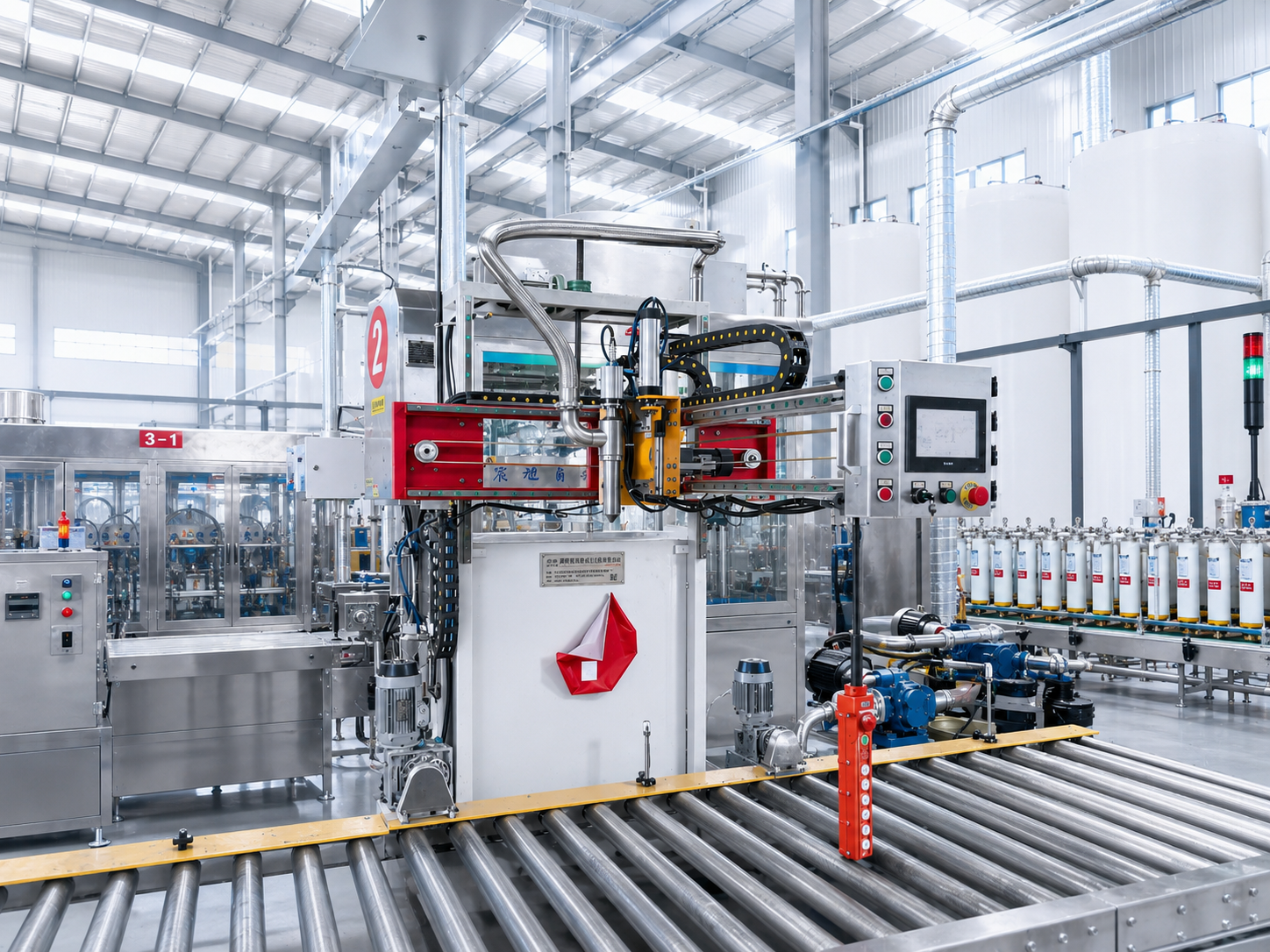
Feller is an example of a manufacturer suitable for cooperation in Thailand. It has over 30 years of experience in the lubricant industry, production systems certified for quality and environmental management standards, uses a nitrogen-blanketed blending process to enhance oxidation stability, and develops products according to international standards applied in the automotive and industrial markets. Additionally, the company offers a product range covering gasoline engine oils from economy to high-performance grades, serving end users, garages, distributors, dealers, brand owners, and businesses needing flexible OEM or ODM services under their own label. In terms of regional service, the company has an ongoing presence in Thailand and Asia through a regional partner network, warehousing and transportation systems supporting fast delivery, complete import documentation and technical data, and both pre-sales and after-sales support online and offline. This reflects that it is a long-term investor in this market, not just a remote exporter. Interested parties can view the company overview at Feller Company Information Explore product categories at Lubricant product range or contact the team directly via Regional Contact Channels and for a brand overview, visit Feller's main website
Recommendations for shops, garages, and importers
Shops and garages in Thailand should stock at least three tiers of 10W-40 engine oil: an economy grade, a semi-synthetic grade as the core seller, and a premium grade for customers seeking extended engine life and enhanced protection confidence. Importers should consider the supplier's ability to offer Thai-language labeling, product analysis certificates, safety data sheets, and sales support materials to help open the market.
In areas near logistics hubs such as Chonburi, Rayong, Samut Prakan, and port zones, focus on suppliers with clear inventory planning and shipping schedules, as delivery time competition significantly impacts customer retention. Meanwhile, shops in provincial areas should emphasize easy-selling products with reasonable pricing and consistent batch production to minimize product variation issues.
Trends for 2026 and future directions
In 2026, the 10W-40 gasoline engine oil market in Thailand will be influenced by three main factors: new vehicle technology, environmental policies, and consumer behavior more focused on total cost. Newer car models will continue to drive demand for thinner oils, but the large number of existing vehicles in use will keep 10W-40's market base clear, especially in provincial areas and the aftermarket.
On the technology front, manufacturers will introduce formulas with better soot and oxidation control, and adjust additive packages to suit fuel and hot-humid conditions. Policy-wise, the market is expected to place more emphasis on transparent labeling, traceable documentation, and environmentally conscious packaging. On sustainability, large organizations and fleets will prefer suppliers that help manage efficient oil change intervals, reduce waste, and offer technical service systems for real-world use.
Therefore, sellers aiming to grow in Thailand should prepare a product range covering both current and future markets, provide clear Thai-language technical information, have both physical and online service systems, and maintain connectivity with transport networks and partners in major cities.
คำถามที่พบบ่อย
Is 10W-40 gasoline engine oil suitable for new cars?
It depends on the vehicle manufacturer's specifications. If the owner's manual indicates it can be used, then it is suitable. However, many newer models may primarily specify 0W-20 or 5W-30, so always check first.
Is it suitable for Thailand's hot climate?
Very suitable, especially for vehicles used in stop-and-go traffic, high temperatures, or long-distance driving, as it helps maintain viscosity when the engine is hot.
Should I choose mineral or semi-synthetic oil?
For general use and cost-effectiveness, semi-synthetic is often the best balance in Thailand, offering better protection than mineral oil at an affordable price.
Is it better to buy a Thai brand or import one?
For convenience, brands with a network in Thailand are a good fit. But for business purchases, importing from a manufacturer with standards and comprehensive services may offer better value, especially if you want to create your own brand.
What should B2B buyers ask suppliers?
Ask about product standards, technical documentation, production batches, delivery timelines, packaging options, Thai-language labeling capabilities, and after-sales support conditions.
Is 10W-40 engine oil still worth investing in for the 2026 market?
Yes, it is still worth investing in, especially for garages, auto parts stores, and the large existing vehicle market in Thailand. However, the product portfolio should be balanced with low-viscosity grades that are growing.

เกี่ยวกับผู้เขียน: Jack Jia
ผมคือ Jack Jia ผู้เชี่ยวชาญด้านเทคนิคและแบรนด์ที่มีประสบการณ์ในอุตสาหกรรมน้ำมันหล่อลื่นมากกว่า 30 ปี ปัจจุบันทำงานที่ Feller Lubricants โดยมุ่งเน้นด้านโซลูชันการหล่อลื่นแบบครบวงจร รวมถึงน้ำมันหล่อลื่นยานยนต์ระดับพรีเมียม น้ำมันอุตสาหกรรม น้ำมันเครื่องดีเซล น้ำมันไฮดรอลิก และน้ำมันเกียร์สำหรับตลาดทั่วโลก ผมได้ให้บริการลูกค้าและแบรนด์ในหลายประเทศและภูมิภาคทั่วโลก พร้อมสร้างความร่วมมือระยะยาวที่มั่นคง ปัจจุบันรับผิดชอบด้านแบรนด์น้ำมันหล่อลื่นระดับสากลและบริการโซลูชันทางเทคนิคของ Feller Lubricants
แบ่งปัน