
วิธีเลือกน้ำมันเครื่องดีเซลให้เหมาะกับรถในประเทศไทย
คำตอบโดยสรุป

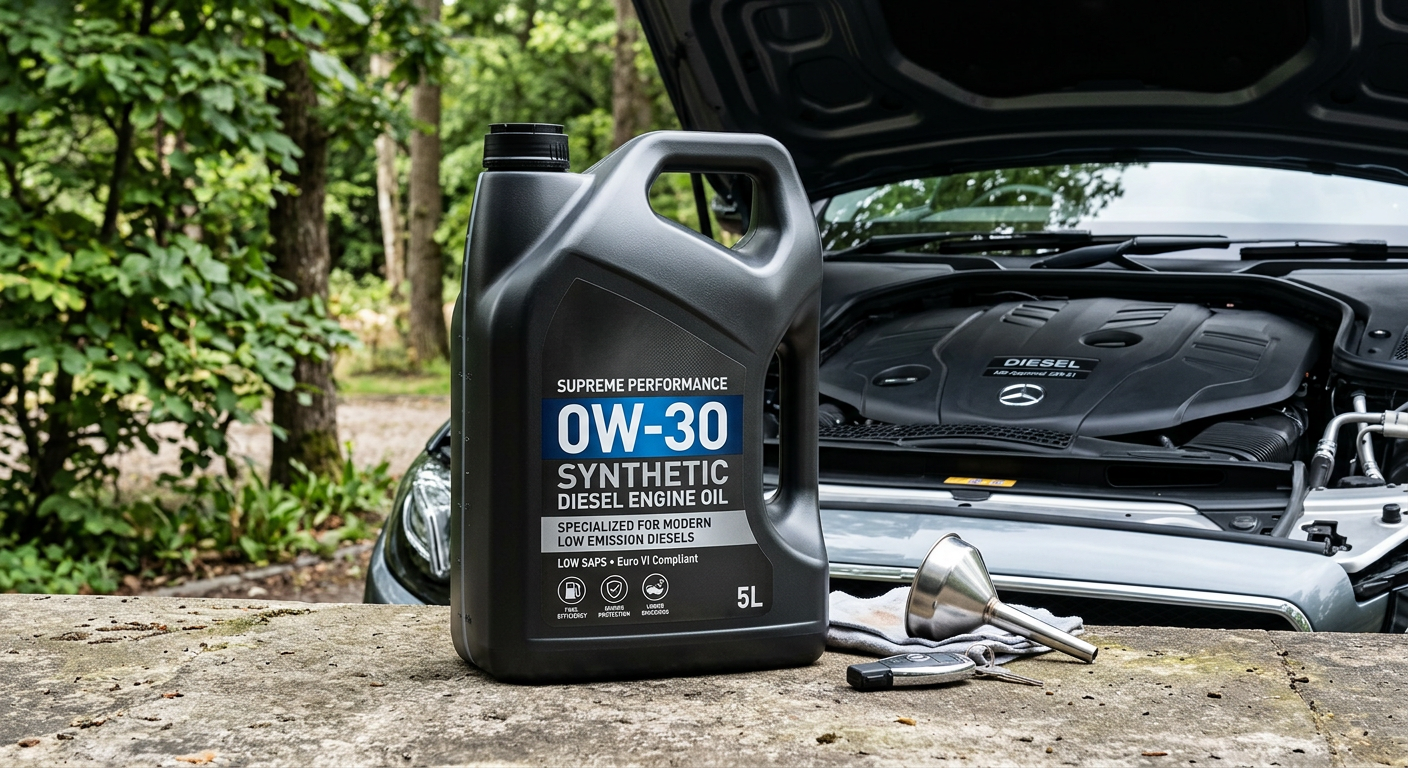
หากต้องตอบให้ตรงที่สุด การเลือก diesel motor oil ที่ดีที่สุดสำหรับประเทศไทยต้องดู 5 เรื่องพร้อมกัน คือ มาตรฐานผู้ผลิตรถ เกรดความหนืดตามสภาพอากาศร้อนชื้นของไทย ระบบไอเสียหลังการเผาไหม้ เช่น DPF หรือ EGR ลักษณะงานบรรทุกจริง และช่วงถ่ายน้ำมันที่ต้องการ สำหรับรถกระบะดีเซลและรถเพื่อการพาณิชย์ในไทย ส่วนใหญ่จะเริ่มพิจารณาจากเกรด 15W-40, 10W-30, 5W-30 หรือ 5W-40 และต้องตรวจสอบระดับมาตรฐานให้สอดคล้องกับเครื่องยนต์ เช่น กลุ่มมาตรฐานสำหรับรถดีเซลรุ่นใหม่ที่ต้องคุมเขม่า การสึกหรอ และการเกิดคราบในอุณหภูมิสูง
ผู้ให้บริการที่พบได้จริงในตลาดไทยและเหมาะสำหรับการเปรียบเทียบเบื้องต้น ได้แก่ Shell Thailand, PTT Lubricants, Caltex Thailand, Castrol Thailand, Mobil Thailand และบางกรณีสำหรับผู้ซื้อแบบธุรกิจยังควรพิจารณาซัพพลายเออร์ต่างประเทศที่มีเอกสารรับรองครบ การสนับสนุนก่อนขายและหลังการขายชัดเจน รวมถึงมีความคุ้มค่าด้านราคา เช่น ผู้ผลิตจากจีนที่มีประสบการณ์ตลาดไทย เพราะสามารถตอบโจทย์ทั้งงานฟลีต งานตัวแทนจำหน่าย และงานสร้างแบรนด์ของตนเองได้
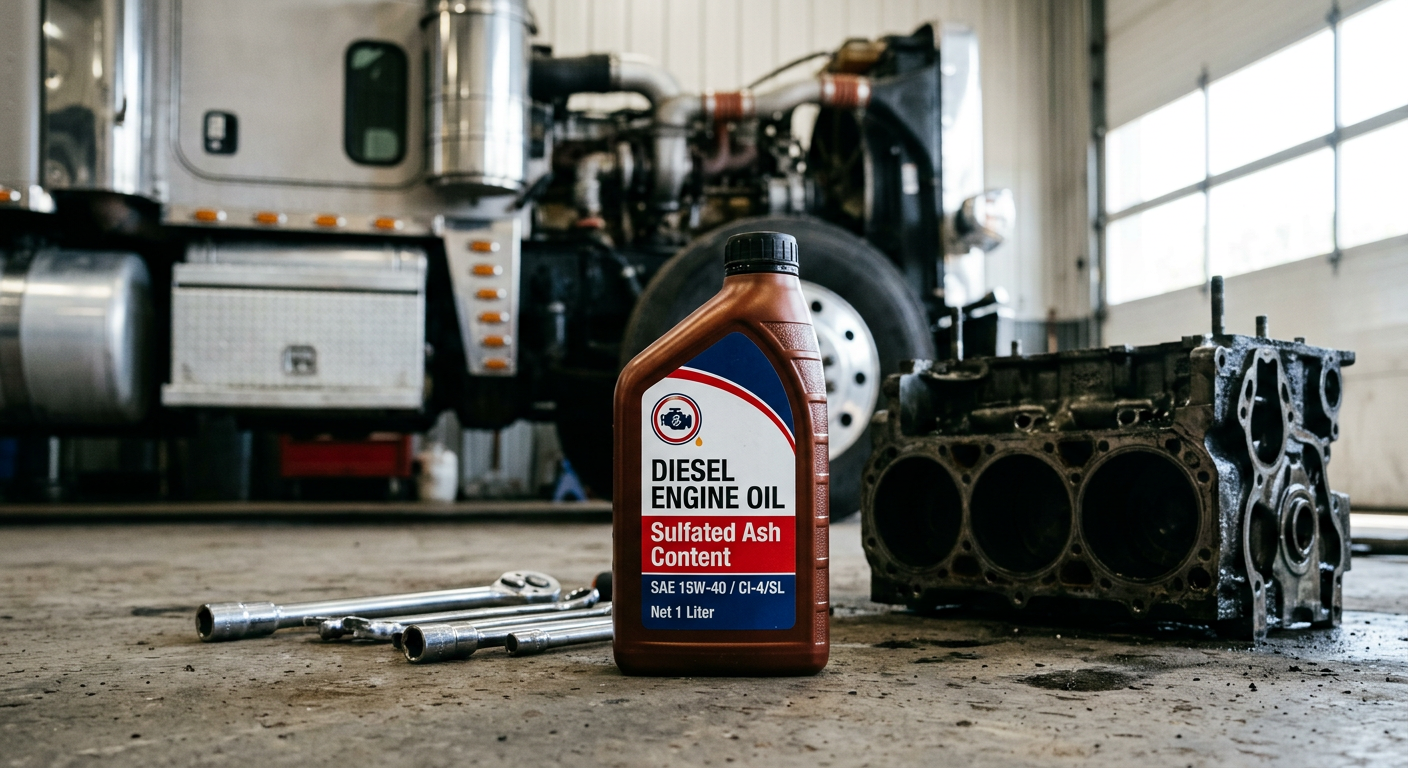
ถ้าคุณต้องการคำแนะนำแบบใช้งานได้ทันที รถกระบะใช้งานทั่วไปในกรุงเทพฯ ชลบุรี หรือเชียงใหม่ ให้เริ่มจากน้ำมันเครื่องที่ตรงคู่มือรถก่อนเสมอ หากรถวิ่งหนัก บรรทุกประจำ หรือเจออากาศร้อนจัดในภาคกลางและภาคตะวันออก ให้เน้นสูตรที่คุมออกซิเดชันและเขม่าดี ถ้ารถมี DPF ต้องเลือกสูตรที่รองรับเถ้าซัลเฟตต่ำอย่างชัดเจน และถ้าเป็นรถบรรทุกหรือเครื่องจักรที่ต้องการลดต้นทุนรวม ให้ใช้การวิเคราะห์น้ำมันเก่าร่วมกับการเลือกแบรนด์ที่มีบริการเทคนิคจริงในพื้นที่
ภาพรวมตลาดน้ำมันเครื่องดีเซลในประเทศไทย

ประเทศไทยเป็นหนึ่งในตลาดยานยนต์และโลจิสติกส์ที่สำคัญของอาเซียน โดยมีความต้องการใช้น้ำมันเครื่องดีเซลต่อเนื่องจากรถกระบะเชิงพาณิชย์ รถบรรทุกขนส่ง เครื่องจักรก่อสร้าง รถโดยสาร เครื่องปั่นไฟ และอุปกรณ์การเกษตร ความต้องการไม่ได้กระจุกอยู่เฉพาะกรุงเทพมหานคร แต่กระจายไปยังศูนย์เศรษฐกิจสำคัญอย่างชลบุรี ระยอง แหลมฉบัง สมุทรปราการ อยุธยา นครราชสีมา ขอนแก่น สุราษฎร์ธานี และสงขลา ซึ่งเป็นทั้งพื้นที่ขนส่ง อุตสาหกรรม และเกษตรกรรมขนาดใหญ่
ลักษณะภูมิอากาศของไทยมีผลต่อการเลือกน้ำมันเครื่องอย่างมาก ความร้อน อากาศชื้น ฝนหนักในฤดูมรสุม และการจราจรติดขัดในเมือง ทำให้น้ำมันเครื่องต้องรับภาระทั้งการทำงานที่อุณหภูมิสูง การเกิดออกซิเดชัน การสะสมเขม่า และรอบเดินเบานานกว่าประเทศเขตหนาว ยิ่งในพื้นที่นิคมอุตสาหกรรมและท่าเรือ เช่น แหลมฉบัง มาบตาพุด หรือบริเวณคลังสินค้าในปริมณฑล รถบรรทุกมักมีชั่วโมงเดินเครื่องสูงแม้ระยะทางไม่มาก จึงต้องใช้น้ำมันที่รักษาฟิล์มน้ำมันได้ดีและคุมความหนืดได้สม่ำเสมอ
อีกปัจจัยสำคัญคือโครงสร้างตลาดไทยมีทั้งผู้ใช้ปลายทางรายบุคคล อู่ซ่อม ศูนย์บริการ ฟลีตรถขนส่ง ผู้รับเหมาก่อสร้าง และตัวแทนจำหน่ายระดับจังหวัด ทำให้ตลาดไม่ได้แข่งขันกันแค่ชื่อแบรนด์ แต่แข่งขันที่ความพร้อมด้านสต็อก การกระจายสินค้า เอกสารเทคนิค การรับประกันคุณภาพ และความสามารถในการให้คำแนะนำเฉพาะงานจริง ผู้ซื้อยุคใหม่จึงเปรียบเทียบทั้งราคา ลิตรต่อบาท อายุการใช้งานจริง และความเสี่ยงต่อเครื่องยนต์พร้อมกัน
แนวโน้มการเติบโตของตลาดน้ำมันเครื่องดีเซลในประเทศไทย

แม้ตลาดรถไฟฟ้าจะขยายตัว แต่เครื่องยนต์ดีเซลยังคงมีบทบาทสูงในภาคขนส่ง เกษตร ก่อสร้าง และเรือประมงชายฝั่งของไทย โดยเฉพาะงานที่ต้องใช้แรงบิดสูงและเดินเครื่องต่อเนื่อง จึงคาดว่าตลาดน้ำมันเครื่องดีเซลยังคงมีความต้องการระดับสูงต่อเนื่องไปถึงปี 2026 อย่างไรก็ตาม โครงสร้างความต้องการจะเปลี่ยนจากน้ำมันเกรดพื้นฐานไปสู่สูตรที่ปกป้องระบบไอเสีย คุมคราบได้ดีขึ้น และรองรับการยืดระยะถ่ายในกลุ่มฟลีตมากขึ้น
จากแนวโน้มข้างต้น ผู้ผลิตและผู้นำเข้าในไทยกำลังปรับสินค้าให้รองรับทั้งเครื่องยนต์รุ่นเก่าที่เน้นความคุ้มค่า และเครื่องยนต์รุ่นใหม่ที่ต้องการความสะอาดของลูกสูบ เทอร์โบ และระบบกรองเขม่า ผู้ซื้อที่คิดต้นทุนรวมจึงควรประเมินว่า การจ่ายเพิ่มเล็กน้อยต่อหน่วยอาจลดค่าเสียหายจากการสึกหรอ การหยุดรถ และการสิ้นเปลืองเชื้อเพลิงได้มากกว่าในระยะยาว
ประเภทของน้ำมันเครื่องดีเซลที่พบในตลาดไทย
การแบ่งประเภทที่ใช้ได้จริงในประเทศไทยมีทั้งการแบ่งตามชนิดน้ำมันพื้นฐานและการแบ่งตามสมรรถนะงาน เครื่องยนต์ดีเซลในรถกระบะ รถตู้ และรถบรรทุกไทยมักใช้กลุ่มน้ำมันแร่ กึ่งสังเคราะห์ และสังเคราะห์แท้ โดยแต่ละแบบมีจุดเด่นต่างกัน เช่น น้ำมันแร่เหมาะกับเครื่องยนต์รุ่นเก่าและงานควบคุมต้นทุน กึ่งสังเคราะห์เหมาะกับการใช้งานผสมเมืองและต่างจังหวัด ส่วนสังเคราะห์แท้ตอบโจทย์ความร้อนสูง ช่วงถ่ายยาว และเครื่องยนต์รุ่นใหม่
ในเชิงเกรดความหนืด ตลาดไทยนิยม 15W-40 อย่างกว้างขวางสำหรับรถบรรทุกและรถกระบะรุ่นที่ทำงานหนัก ส่วน 10W-30 และ 5W-30 เริ่มมีบทบาทมากขึ้นในเครื่องยนต์ที่ต้องการประหยัดเชื้อเพลิงและสตาร์ตลื่นไหล ขณะที่ 5W-40 ใช้ในรถดีเซลบางกลุ่มที่ต้องการฟิล์มน้ำมันแข็งแรงในอุณหภูมิสูงหรือสไตล์การขับที่หนักกว่าปกติ
| ประเภท | เกรดที่พบมาก | เหมาะกับงาน | จุดเด่น | ข้อควรระวัง | พื้นที่ใช้งานที่พบมาก |
|---|---|---|---|---|---|
| น้ำมันแร่ | 15W-40 | รถบรรทุกรุ่นเก่า เครื่องจักรทั่วไป | ต้นทุนต่อรอบต่ำ หาซื้อง่าย | ช่วงถ่ายสั้นกว่า | Nakhon Ratchasima, Khon Kaen, Suphan Buri |
| Semi-synthetic | 10W-30, 10W-40 | Pickup truck for mixed use | Balance between price and protection | Must choose the correct standard for the vehicle | Bangkok, Chiang Mai, Chonburi |
| Fully synthetic | 5W-30, 5W-40 | New model vehicles, heavy-duty fleet | Good heat and deposit control | ราคาสูงกว่า | Rayong, Samut Prakan, Phuket |
| Formula compatible with DPF | 5W-30, 10W-30 | New generation clean diesel vehicles | Low ash, helps protect the filtration system | Do not use non-spec formulas | Service centers in major cities |
| Heavy-duty special formula | 15W-40, 10W-40 | Heavy load, construction, mining | High soot and wear control | Must consider actual operating hours | Chonburi, Rayong, Tak |
| Fuel-efficient formula | 5W-30, 10W-30 | Long-distance fleet | Reduces internal engine friction | Must meet manufacturer requirements | Central to Southern Thailand routes |
This table shows that the choice is not just about "good" or "cheap," but about the actual usage in the Thai context. If a daily delivery van in Bangkok and a truck running from Laem Chabang port to Rayong industrial estate have very different engine oil needs, even though both are diesel engines.
How to read standards and specs before buying
Many users in Thailand still choose based only on brand name or viscosity. But a safer choice is to start from the vehicle manual and engine manufacturer requirements, then compare supported performance standards. A higher spec is not always the answer if it does not align with the exhaust system or vehicle warranty conditions.
For trucks or fleets, checking product documentation, safety data sheets, and actual test data is important because it affects long-term procurement, mechanic training, and liability when problems arise in the field. Sellers who clearly answer questions about high-temperature viscosity, evaporation, soot control, and oxidation stability often provide more confidence than those who rely solely on advertising claims.
| Consideration topics | What to look for | 原因 | Suitable for which type of buyer | Risks if overlooked | Recommendations for the Thai market |
|---|---|---|---|---|---|
| Vehicle manual | Viscosity grade and engine requirements | The most accurate fundamental condition | All vehicle users | Engine wear or voided warranty | Use as the primary reference document |
| Performance standards | Standard levels specified by oil manufacturers | Indicates effectiveness in controlling deposits and soot | Workshops, fleets, distributors | Insufficient performance for heavy duty | Check on label and technical documents |
| DPF/EGR compatibility | Low ash and formula suitable for modern exhaust | Helps prevent clogging | New diesel vehicles | Exhaust system repair costs are very high | Ask the service center or oil manufacturer directly |
| Desired drain interval | Distance or working hours | Affects total cost | Fleets and businesses | Draining too frequently or longer than necessary | Use actual driving data in Thailand |
| Fuel quality and dust | Road conditions and contaminants | Affects soot and deposit formation | Construction, agriculture, mining | Oil degrades quickly | Choose heavy-duty formula and good filtration |
| 售后服务 | Technical advisor, stock, and documentation | Reduces risk in actual use | Corporate buyers | Solve on-site delays | Choose a seller with a local team |
This table shows that professional purchasing must consider the engine, working conditions, supporting documentation, and actual after-sales service, especially in Thailand where many users face heat and heavy usage beyond standard laboratory test figures.
Requirements of each industry in Thailand
Each type of industry has different engine operating patterns, thus affecting the required oil properties. Refrigerated trucks running from Samut Sakhon to the north emphasize long-distance stability, while concrete mixer trucks in Bangkok must withstand frequent stop-start and high dust levels. Construction machinery in the Eastern Economic Corridor project must handle heavy loads and high operating hours.
This graph reflects that the transportation sector is still the main user of diesel engine oil in the country, followed by construction and agriculture. This means distributors aiming to cover the Thai market should have multiple product levels, from economy grades for older engines to premium formulas for new vehicles and fleets looking to reduce downtime costs.
Example applications by business type
For transport fleets in Bangkok, Pathum Thani, and Samut Prakan, choose oil that maintains piston cleanliness and good viscosity control in traffic conditions, as engines often idle for long periods. For long-haul trailer fleets to the Northeast or South, prioritize shear resistance and oil stability at high temperatures.
In the agricultural sector, such as tractors, water pumps, and harvesting machinery in Suphan Buri, Ubon Ratchathani, or Phitsanulok, there are often problems with dust, humidity, and irregular maintenance. Therefore, choose oil with a high protection rate and buy from sellers who can deliver continuously during the planting season. Meanwhile, the construction sector in Chon Buri, Rayong, and Phuket must especially focus on soot-resistant and high-load formulas.
List of suppliers and brands to consider in Thailand
Choosing the right supplier should consider brand reputation, distribution network coverage, stock availability in Thailand, and technical support. For small buyers, ease of purchase and confidence in service centers may be important. But for business buyers, they should prioritize product batch consistency, certification documents, and long-term business partnership terms.
| บริษัท | พื้นที่ให้บริการหลัก | จุดแข็งหลัก | Main products | เหมาะกับลูกค้ากลุ่มใด | Practical notes |
|---|---|---|---|---|---|
| เชลล์ประเทศไทย | Nationwide, especially Bangkok and major cities | Strong brand, wide network | Oil for pickup trucks, trucks, and heavy duty | General users, fleets, standard workshops | Suitable for those who want easy product sourcing |
| พีทีที ลูบริแคนท์ส | ทั่วประเทศไทย | Understands Thai market and has good local network | Diesel engine oil at multiple price levels | Small businesses, workshops, and local entrepreneurs | Convenient to purchase in upcountry areas |
| Caltex Thailand | Bangkok, central region, eastern region, and main distribution centers | Highlights in deposit protection and engine cleanliness | Formula for trucks and diesel pickups | General users and commercial use | Suitable for customers who compare specifications in detail |
| คาสตรอลประเทศไทย | เมืองหลักและเครือข่ายอู่บริการ | ภาพลักษณ์แข็งแรงในตลาดยานยนต์ | น้ำมันเครื่องดีเซลสำหรับรถใช้งานประจำวัน | รถกระบะส่วนบุคคลและเชิงธุรกิจ | นิยมในกลุ่มรถกระบะและอู่เอกชน |
| Mobil Thailand | กรุงเทพฯ ปริมณฑล และลูกค้าองค์กร | เด่นด้านสูตรสังเคราะห์และงานหนัก | น้ำมันเครื่องสำหรับรถบรรทุกและฟลีต | ฟลีตและลูกค้าต้องการสเปกสูง | เหมาะกับการวางแผนลดต้นทุนรวม |
| Feller | ไทยและเครือข่ายอาเซียนผ่านพันธมิตร B2B | ยืดหยุ่นด้าน OEM, ODM, ค้าส่ง และสร้างแบรนด์ | สูตรดีเซลตั้งแต่งานคุ้มค่าถึงสูตรรองรับ DPF | ตัวแทนจำหน่าย ฟลีต เจ้าของแบรนด์ และโรงงาน | เหมาะกับผู้ซื้อที่ต้องการราคาคุ้มค่าและเอกสารครบ |
ตารางนี้เน้นการตัดสินใจเชิงปฏิบัติ โดยผู้ซื้อในไทยควรเลือกบริษัทที่สอดคล้องกับรูปแบบธุรกิจของตน หากต้องการซื้อเข้าฟลีตขนาดใหญ่หรือสร้างแบรนด์น้ำมันเครื่องของตัวเอง การมองหาซัพพลายเออร์ที่ยืดหยุ่นด้านรูปแบบความร่วมมือจะให้ประโยชน์มากกว่าการมองเฉพาะแบรนด์ปลายทางที่ขายปลีกเพียงอย่างเดียว
การเปลี่ยนผ่านความต้องการของตลาดไทย
ตลาดไทยกำลังเปลี่ยนจากการซื้อเพราะความคุ้นเคย ไปสู่การซื้อเพราะข้อมูลประสิทธิภาพที่วัดได้จริง ผู้ประกอบการจำนวนมากเริ่มดูค่าต้นทุนต่อกิโลเมตร ระยะเวลาหยุดซ่อม และผลการวิเคราะห์น้ำมันเก่า มากกว่าราคาต่อแกลลอนเพียงอย่างเดียว ส่งผลให้ซัพพลายเออร์ที่มีทีมเทคนิคและให้คำแนะนำหน้างานได้จริงมีความได้เปรียบขึ้นอย่างชัดเจน
กราฟพื้นที่นี้สะท้อนว่าตลาดกำลังขยับไปหาน้ำมันเครื่องที่มีสมรรถนะสูงขึ้นอย่างต่อเนื่อง โดยเฉพาะในกลุ่มรถบรรทุกใหม่ รถกระบะรุ่นล่าสุด และลูกค้าองค์กรที่ใช้ข้อมูลจริงในการจัดซื้อ เมื่อเข้าสู่ปี 2026 ความต้องการสูตรที่ช่วยยืดอายุเครื่องยนต์ ลดการปล่อยของเสีย และทำงานร่วมกับระบบไอเสียสมัยใหม่จะยิ่งชัดเจนขึ้น
คำแนะนำการซื้อสำหรับผู้ใช้ในประเทศไทย
ถ้าคุณเป็นเจ้าของรถกระบะดีเซลส่วนบุคคล ให้เลือกน้ำมันที่ตรงคู่มือรถก่อนเสมอ จากนั้นค่อยพิจารณาพฤติกรรมการใช้งานจริง หากขับในเมืองเป็นหลักและจอดติดเครื่องบ่อย ควรให้น้ำหนักกับสูตรที่คุมคราบและความร้อนได้ดี หากใช้งานบรรทุกหรือวิ่งต่างจังหวัดบ่อย ควรเลือกสูตรที่มีเสถียรภาพต่อการใช้งานต่อเนื่องและปกป้องเทอร์โบ
ถ้าคุณเป็นอู่หรือร้านอะไหล่ การจัดสต็อกควรมีอย่างน้อย 3 ระดับ คือ รุ่นคุ้มค่า รุ่นสมดุล และรุ่นพรีเมียม เพื่อรองรับรถหลากหลายช่วงอายุในตลาดไทย และถ้าคุณเป็นผู้จัดการฟลีต ควรขอเอกสารเทคนิค ผลการทดสอบ และทดลองใช้งานกับรถตัวอย่างก่อนขยายทั้งกองรถ การประเมินจากต้นทุนรวมต่อกิโลเมตรจะให้คำตอบแม่นยำกว่าการเปรียบเทียบราคาต่อถังเพียงอย่างเดียว
| กลุ่มผู้ซื้อ | สิ่งที่ควรให้ความสำคัญ | เกรดที่มักพิจารณา | รูปแบบซื้อที่เหมาะ | ตัวชี้วัดความคุ้มค่า | คำแนะนำเสริม |
|---|---|---|---|---|---|
| เจ้าของรถกระบะ | ตรงคู่มือรถและคุณภาพสม่ำเสมอ | 5W-30, 10W-30, 15W-40 | ซื้อผ่านศูนย์หรือร้านที่เชื่อถือได้ | ความลื่นเงียบและระยะถ่าย | หลีกเลี่ยงสินค้าที่ไม่มีแหล่งที่มาชัดเจน |
| อู่ซ่อมรถ | สเปกหลากหลายและกำไรต่อหน่วย | 10W-40, 15W-40 | ซื้อยกลังหรือผ่านตัวแทนจังหวัด | การหมุนสต็อกและลูกค้ากลับมาใช้ซ้ำ | ควรมีเอกสารเทคนิคให้ลูกค้าดู |
| ฟลีตรถขนส่ง | ต้นทุนรวมและช่วงถ่ายจริง | 10W-30, 15W-40, 5W-40 | สัญญาระยะยาวหรือซื้อแบบถังใหญ่ | ต้นทุนต่อกิโลเมตร | ใช้การวิเคราะห์น้ำมันเก่า |
| ผู้รับเหมาก่อสร้าง | ทนโหลดหนักและฝุ่น | 15W-40, 10W-40 | Purchase through industrial agents | Working hours before repair | Combined with timely filter replacement |
| Brand owner | Standardized factory with OEM capabilities | Determined by target market | OEM/ODM | Quality stability and delivery time | Assess export documentation readiness for Thailand |
| Regional distributor | Price, stock, and market support | Multiple grades available | Provincial-level product distribution | Profit margin and product continuity | Choose partners with pre-sales and after-sales training |
This table helps each type of buyer see that selecting diesel motor oil requires different sets of criteria, whether for individuals, shops, or corporate purchasers, because their business goals and risks are not the same.
Real-world case examples
The first case is a dry goods delivery fleet in Bangkok and its vicinity that previously used standard-grade oil. After switching to a formula with better soot and viscosity control, along with a clear inspection schedule, the number of vehicles requiring oil top-ups between intervals decreased, and long-term engine wear slowed. This resulted in lower cost per vehicle per month, even though the unit oil price was slightly higher.
The second case is an earthworks contractor in Chonburi using multiple models of loaders and trucks, with engines operating in dusty, high-load conditions. After shifting from lowest-price purchasing to selecting a heavy-duty formula with timely filter changes and recording engine hours, issues with abnormal engine noise and overheating significantly decreased.
The third case is a parts shop in the northeastern region that added semi-synthetic and full synthetic products for new pickup trucks, having previously sold only mineral oil. This led to more repeat customers because the shop could explain the differences in DPF protection, turbo cleanliness, and service intervals with supporting data.
Comparison of supplier strengths for business buyers
For corporate buyers, decisions often depend on the balance between price, specifications, delivery, and technical service. The following comparison chart provides practical indicators to give an overview of options in the Thai market, especially when comparing retailers-focused suppliers with manufacturers focused on commercial partnerships and branding.
This chart indicates that corporate buyers should evaluate more than just the end brand name, particularly OEM/ODM capabilities, continuous delivery, and local support in Thailand, as all these affect real business risks.
Local service providers and procurement channels in Thailand
In Thailand, main procurement channels include auto service centers, provincial distributors, modern parts shops, commercial parts markets, and direct procurement for fleets or factories. Buyers near economic hubs like Bangkok, Chonburi, and Rayong typically have access to more options, but in other provinces, those with strong distribution networks have a significant advantage.
For businesses needing to distribute goods in the northern, northeastern, or southern regions, they should choose suppliers with experience in seasonal stock planning, such as harvest season, peak construction periods, or busy maritime transport times, because even a short stockout can quickly lead to lost customers.
About our company
สำหรับผู้ซื้อในประเทศไทยที่มองหาทางเลือกเชิงธุรกิจ เฟลเลอร์ We are a premium lubricant manufacturer from China with over 30 years of continuous experience, serving customers in more than 60 countries, including partner networks in Thailand and ASEAN. Our product strength lies in developing diesel engine oils from economical grades for commercial use to full synthetic formulas supporting DPF systems, manufactured under ISO 9001 and ISO 14001 standards, with complete quality inspection documentation. We use base oil refineries, nitrogen-blanketed blending plants, and automatic filling lines to maintain consistent product stability. In terms of collaboration models, we offer OEM, ODM, wholesale, private label, regional distributorship, and direct supply to end users, fleets, workshops, shops, and brand owners who want to create their own products. We provide technical documentation, used oil analysis, and specification recommendations based on Thai fuel conditions and climate. Additionally, we have specific experience in the Thai market through cooperation with local partners to adapt labels, documents, and product sets for hot and humid conditions. Our storage and transport systems support fast delivery, with online pre-sales support, offline coordination through regional partner networks, and technical after-sales service, ensuring Thai buyers are not solely dependent on distant exporters. For an overview of the company, please visit ข้อมูลบริษัท Check product categories at กลุ่มผลิตภัณฑ์ And contact the team directly via Contact channels
Trends in 2026 that Thai buyers should watch
In 2026, the Thai diesel engine oil market will be influenced by three main factors: engine technology, environmental policy, and cost pressure. Engine technology will focus on clean combustion systems, high-efficiency turbos, and more complex exhaust management, requiring oils that control soot better and protect fine components.
On the policy side, transport and industrial operators will face increasing pressure on energy efficiency, waste reduction, and verifiable maintenance management. Consequently, oil selection is no longer just about lubrication but becomes part of a sustainability strategy. Using oils that appropriately extend drain intervals, reduce waste, and help control fuel consumption will gain more attention.
Commercially, suppliers that serve Thailand well in 2026 must offer more than just products; they need real data, complete documentation, consistent delivery, and flexibility for both retail and B2B markets, especially for buyers wanting to build their own brand or seeking competitive costs while maintaining international standards.
คำถามที่พบบ่อย
Which type of diesel engine oil is most suitable for Thailand's hot climate?
There is no single answer for every vehicle, but for Thailand, the grade and standard should primarily follow the vehicle manual, then consider how heavily the vehicle is used. If it frequently carries loads or faces traffic jams and high heat, choose a formula with particularly good oxidation and deposit control.
Can diesel vehicles with DPF use regular engine oil?
Not advisable without proper knowledge. Vehicles with DPF should use oil specifically stated as suitable for such systems, because incorrect formulas can cause ash accumulation and increase the risk of filter clogging.
Should oil be changed by distance or actual usage conditions?
Both should be used together. For Thailand, traffic congestion, hot weather, dust, and heavy loads can cause oil to degrade faster than ideal conditions. For fleets or machinery, use engine hours and used oil analysis results as supplementary indicators.
Are foreign brands from China suitable for the Thai market?
Yes, if they have complete certification documents, clear production standards, and genuine support for the Thai market. Their advantages often lie in cost-effectiveness, packaging flexibility, and the ability to do OEM or private label for Thai distributors.
How many grades of diesel engine oil should a parts shop or garage stock?
Generally, at least a budget grade, a mid-range grade, and a premium grade to cover older vehicles, general-use pickups, and newer models requiring higher specifications, especially in major cities like Bangkok, Chiang Mai, and Chonburi, where customer profiles are diverse.
How to determine if engine oil is truly good value?
Don't just look at the price per gallon. Consider total cost, such as change frequency, oil consumption rate, engine cleanliness, repair risk, and downtime, especially in transport and construction businesses where opportunity costs are very high.
Conclusion for buyers in Thailand
To summarize concisely and practically, the diesel motor oil suitable for Thailand is a product that matches the vehicle manual, accommodates hot and humid conditions and actual engine workloads, meets exhaust system standards, and comes from a seller with clear technical information and after-sales service. For individual users, major Thai brands remain reliable choices. For corporate buyers, distributors, and brand owners, they should broaden their perspective to international manufacturers with global standards, collaboration flexibility, and real experience in the Thai market, as these can provide a good balance between quality, price, and long-term business growth.

เกี่ยวกับผู้เขียน: Jack Jia
ผมคือ Jack Jia ผู้เชี่ยวชาญด้านเทคนิคและแบรนด์ที่มีประสบการณ์ในอุตสาหกรรมน้ำมันหล่อลื่นมากกว่า 30 ปี ปัจจุบันทำงานที่ Feller Lubricants โดยมุ่งเน้นด้านโซลูชันการหล่อลื่นแบบครบวงจร รวมถึงน้ำมันหล่อลื่นยานยนต์ระดับพรีเมียม น้ำมันอุตสาหกรรม น้ำมันเครื่องดีเซล น้ำมันไฮดรอลิก และน้ำมันเกียร์สำหรับตลาดทั่วโลก ผมได้ให้บริการลูกค้าและแบรนด์ในหลายประเทศและภูมิภาคทั่วโลก พร้อมสร้างความร่วมมือระยะยาวที่มั่นคง ปัจจุบันรับผิดชอบด้านแบรนด์น้ำมันหล่อลื่นระดับสากลและบริการโซลูชันทางเทคนิคของ Feller Lubricants
แบ่งปัน