
Why the Wrong Diesel Engine Oil Causes Noise in the United States
Quick Answer

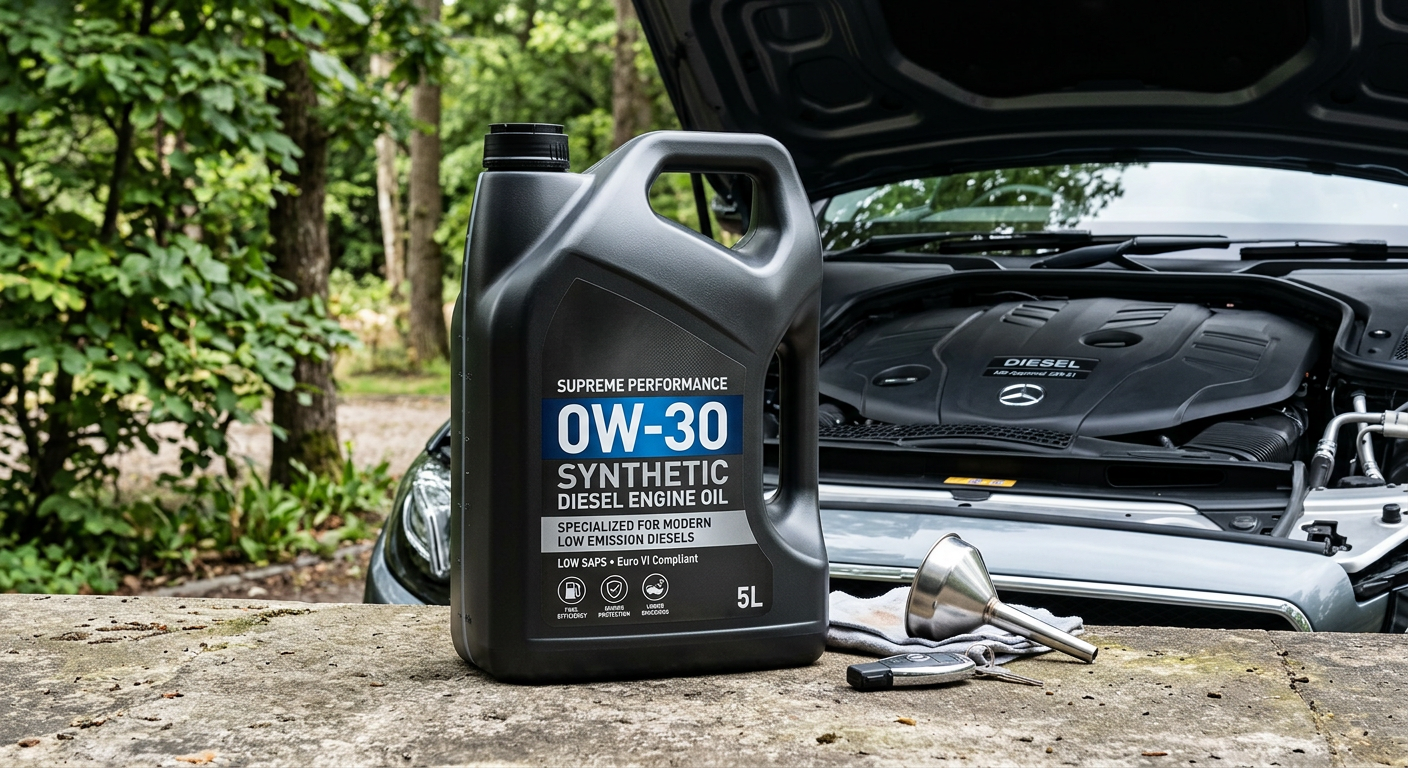
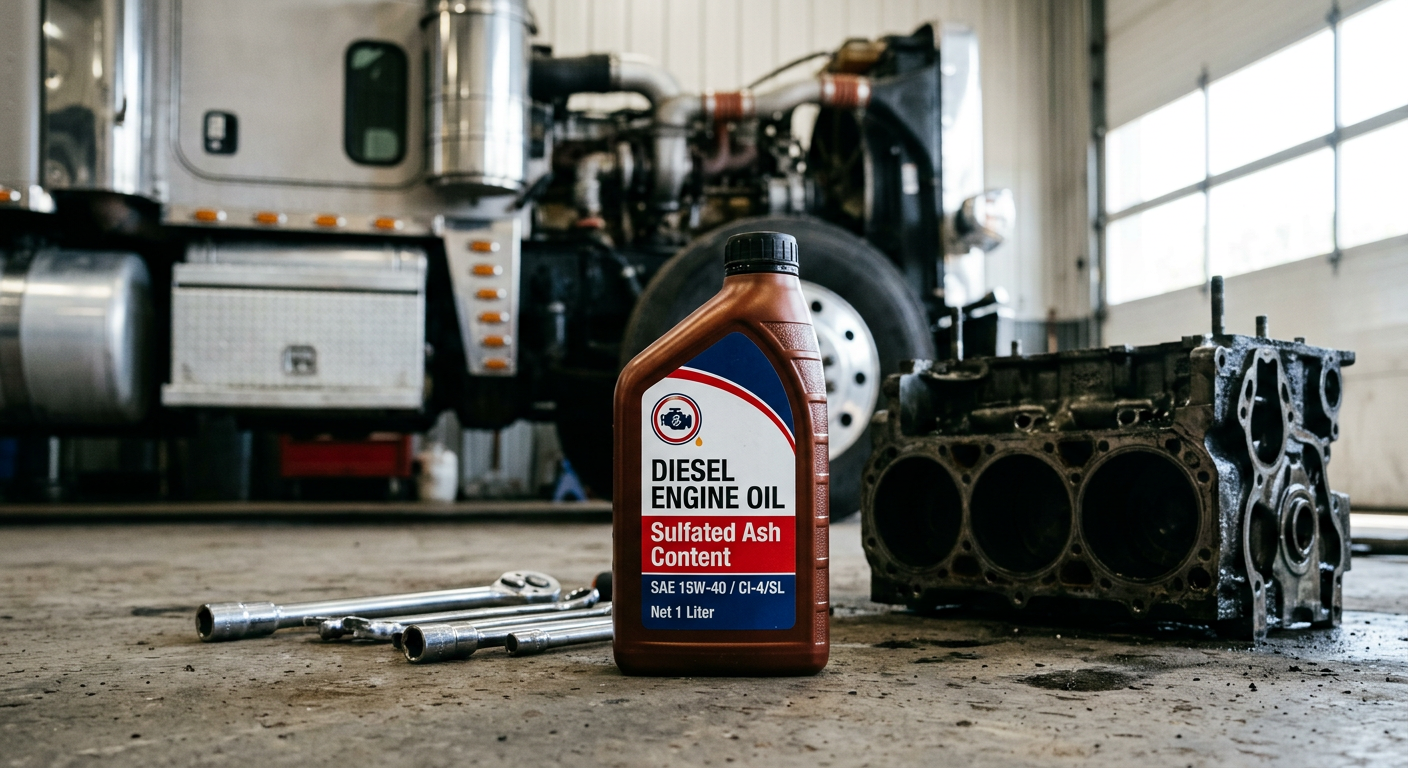
Yes, the wrong diesel engine oil can absolutely cause more engine noise. In the United States, the most common reasons are using the wrong viscosity grade for climate and load, choosing an oil that does not meet the engine maker’s required API or OEM specification, switching to a formulation with weaker soot handling for heavy-duty service, or filling a diesel engine with an oil designed mainly for gasoline engines. The result can be louder ticking, clatter at startup, valve train noise, rougher idle, turbocharger sound changes, or a harsher overall mechanical tone.
The fastest practical fix is to stop guessing and verify four things immediately: the viscosity in the owner’s manual, the required API category such as CK-4 or FA-4 where applicable, the engine’s age and emissions system including EGR, DPF, or SCR, and the real operating environment in places such as Texas heat, Midwest winter fleets, or California stop-and-go logistics routes. If the noise started right after an oil change, drain and refill with the correct spec oil and a quality filter, then inspect for low oil level, aeration, leaks, and any delayed lubrication symptoms.
For buyers in the United States managing fleets, workshops, farms, or construction equipment, reliable supply matters as much as the oil itself. Local majors such as Shell, Chevron, Mobil, Valvoline, Petro-Canada Lubricants, and Phillips 66 are widely used across hubs like Houston, Chicago, Los Angeles, Savannah, and Newark because they offer broad distribution, technical documentation, and heavy-duty product lines. At the same time, qualified international suppliers, including Chinese manufacturers with relevant certifications, consistent batch control, and strong pre-sale and after-sale support, can also be worth considering for better cost-performance, especially for distributors, private-label programs, and high-volume industrial buyers.
What Engine Noise Usually Means

Diesel engines naturally make more combustion and mechanical noise than gasoline engines, so the key question is not whether the engine makes sound, but whether the sound changed after a lubricant change. A noticeable increase in noise right after switching oil is often an early warning that the oil film is not behaving as expected under real load, temperature, soot, or pressure conditions.
Common examples include startup clatter that lasts longer than normal, a sharper top-end ticking from valve train components, louder injector or combustion knock under acceleration, and a dry-sounding turbo area on heavy pulls. In pickup trucks, medium-duty delivery vehicles, long-haul tractors, agricultural tractors, skid steers, and generators, these symptoms often appear when the oil is too thin at operating temperature, too thick at cold start, or not designed for the contamination profile of modern diesel service.
In the United States, the issue is especially relevant because operating conditions vary dramatically. A diesel fleet running from the Port of Los Angeles through inland distribution routes faces different heat, dust, idle time, and fuel conditions than a snow-removal contractor in Minnesota or a farm operation in Iowa. That is why the right oil for one diesel application may be the wrong oil for another, even when both engines are technically heavy-duty diesels.
How the Wrong Oil Increases Noise

Engine oil reduces noise by creating a protective film between moving parts, carrying heat away from friction zones, dispersing soot, and helping hydraulic components such as lash adjusters or variable systems operate correctly. When the wrong oil is installed, one or more of those functions can weaken.
If viscosity is too low, the oil film may thin excessively when the engine is hot or heavily loaded. That can make bearings, cam surfaces, and valve train components sound harsher. If viscosity is too high, the oil may flow too slowly on cold start, increasing startup clatter and temporary dry contact. If the additive package is wrong for diesel soot management, abrasive contamination can circulate longer, accelerating wear and creating a rougher mechanical sound. If the oil lacks the correct low-ash balance for an emissions-equipped diesel, long-term DPF and EGR side effects may also contribute to poor running quality and abnormal noise behavior.
Another overlooked factor is aeration. Some mismatched oils foam more readily in certain duty cycles, especially in commercial engines with high sump agitation, extended drain attempts, or incorrect fill practices. Aerated oil can reduce stable film strength and hydraulic response, which may show up as ticking, surging sound, or intermittent top-end noise.
Key Causes of Noise After Using the Wrong Diesel Oil
| Cause | What Happens | Typical Noise Symptom | High-Risk Use Case | Fix |
|---|---|---|---|---|
| Viscosity too thin | Oil film weakens at high temperature or load | Hot idle ticking, harsher top-end noise | Towing, summer highway hauling, desert routes | Use OEM-approved higher-temperature viscosity |
| Viscosity too thick | Cold-start flow slows and upper components lubricate late | Longer startup clatter, rough cold sound | Northern states, winter fleet starts | Switch to approved winter-friendly grade |
| Wrong API category | Additive chemistry mismatches soot and wear needs | General increase in clatter over time | Modern heavy-duty diesel engines | Match required API CK-4, FA-4, or earlier spec |
| Incorrect OEM approval | Oil may not meet engine-specific durability targets | Valve train noise, unstable running sound | Mixed fleets with Cummins, Detroit, Volvo, PACCAR | Check exact OEM requirement |
| Poor detergent/dispersant fit | Soot control worsens, deposits grow | Rougher sound under load, long-term wear noise | EGR-equipped urban trucks | Use heavy-duty diesel formulation |
| Low-quality filter or low fill | Pressure and flow become inconsistent | Intermittent ticking or dry mechanical note | Fast-turn service shops | Replace filter and verify fill level |
This table shows why “wrong oil” is not one single problem. Noise can come from grade mismatch, specification mismatch, contamination control issues, or service execution errors during the oil change itself. In practice, technicians should diagnose the sound together with service history, not in isolation.
Diesel Oil Market Context in the United States
The United States remains one of the world’s most important diesel lubricant markets because of its enormous trucking network, agricultural scale, construction intensity, marine activity along the Gulf and Atlantic coasts, and widespread backup power usage. Demand is concentrated in logistics corridors and industrial regions such as Houston, Dallas-Fort Worth, Chicago, Atlanta, the Inland Empire, the Port of Long Beach, the Port of Savannah, and the Northeast port cluster around Newark and Elizabeth.
Users are not all buying the same thing. Long-haul fleets typically prioritize drain interval stability, wear protection, and emissions-system compatibility. Farms may value mixed-equipment practicality and cold-start reliability. Construction firms often need oils that tolerate dust, idle hours, and varying load cycles. Municipal operators focus on uptime and compliance. These differences explain why wrong oil selection remains a recurring cause of noise complaints even in mature service markets.
Another factor is product complexity. The U.S. market contains conventional heavy-duty oils, synthetic blends, full synthetics, low-viscosity fuel-economy formulas, legacy oils for older engines, and specialty products for mixed fleets. When procurement teams, workshop managers, or individual owners substitute one product based only on price or barrel availability, the chance of a noise-related mismatch rises sharply.
U.S. Heavy-Duty Lubricant Demand Trend
The line chart reflects a realistic growth pattern driven by freight activity, infrastructure work, agricultural equipment turnover, and wider synthetic adoption. Rising demand also increases the importance of proper product matching, because more operators are managing diverse equipment through centralized procurement rather than one-engine-at-a-time servicing.
Common Diesel Engine Oil Types and Where They Fit
| Oil Type | Typical Viscosity | Best Fit | Main Advantage | Noise Risk If Misused |
|---|---|---|---|---|
| Conventional heavy-duty oil | 15W-40 | Older engines, warm climates, cost-sensitive fleets | Strong value and broad familiarity | Cold-start clatter in severe winter service |
| Synthetic blend diesel oil | 10W-30, 15W-40 | Mixed regional fleets | Better startup flow and oxidation control | Noise if used outside OEM viscosity window |
| Full synthetic diesel oil | 5W-40, 10W-30 | Extreme cold, long-haul, severe duty | Excellent temperature stability | Noise if too thin for worn older engines |
| Fuel-economy low-viscosity oil | FA-4 10W-30 | Approved newer engines only | Lower pumping losses and efficiency gains | Extra noise in engines not approved for FA-4 |
| Mixed-fleet engine oil | 10W-30, 15W-40 | Operations with diesel and gasoline equipment | Inventory simplification | Spec mismatch if assumed universal without verification |
| Off-highway specialty diesel oil | 15W-40, 5W-40 | Construction, mining, agriculture | Strong soot handling for heavy load cycles | Noise and wear if replaced by road-use light formula |
This comparison helps buyers understand that the “best” oil depends on engine design, climate, duty cycle, and emissions equipment. Noise often begins when users move from the correct category to a merely available category. That distinction matters.
Industry Demand by Application in the United States
The bar chart highlights why lubricant selection problems often appear first in trucking and construction. These sectors combine heavy load, variable idle time, high mileage or high hours, and strong uptime pressure. When oil is wrong, sound changes are often the first symptom operators notice before lab data or component wear confirms the issue.
Buying Advice for U.S. Owners, Shops, and Fleet Managers
Start with the engine manufacturer requirement rather than brand preference. Cummins, Detroit Diesel, PACCAR, Volvo, Mack, Caterpillar, Deere, and Kubota engines may have overlapping but not identical needs. If the engine calls for a specific viscosity and service category, treat that as the minimum entry point.
Then match the oil to the operating reality. A refuse truck in New York City, a reefer fleet out of Memphis, and an irrigation pump in California’s Central Valley do not stress the oil in the same way. Ambient temperature, fuel sulfur variability in specific use cases, idle hours, dust exposure, average trip length, and emissions hardware all matter.
Also check the full service package, not only the oil label. Filter quality, drain interval policy, storage conditions, used oil analysis support, and technical troubleshooting access all affect outcomes. In the United States, buyers often reduce total cost more effectively by preventing one bad lubricant decision than by negotiating a few cents off a gallon.
How to Diagnose Noise After an Oil Change
If the noise started immediately after service, treat the event as time-sensitive. Confirm the oil level on level ground, verify the exact product used from the invoice, check whether the filter part number is correct, and inspect for leaks or drain-plug issues. If the oil used was a gasoline-focused product or the wrong diesel category, the safest route is usually to replace it immediately rather than waiting for the next interval.
If the sound appears only hot, suspect viscosity loss, fuel dilution, or a grade that is too light for actual operating load. If the sound appears only cold, suspect overly thick viscosity, delayed pressure rise, or a filter anti-drainback issue. If the sound persists after correcting the oil, deeper mechanical inspection is needed because the wrong oil may have exposed a pre-existing wear condition rather than created the entire problem on its own.
Trend Shift in Diesel Oil Selection
The area chart shows the steady move toward synthetic and advanced low-friction diesel lubricants in the United States. This transition improves efficiency and cold performance for many operators, but it also increases selection risk because newer products can be less forgiving when used in engines or duty cycles for which they were not intended.
Industries Most Affected by Wrong Diesel Oil Noise
Trucking is the largest category because fleet maintenance standardization can either solve or spread a lubricant mismatch across many units quickly. Construction is another major exposure area because engines see dusty conditions, fluctuating loads, and long idling periods. Agriculture follows closely due to seasonal peaks, mixed-equipment barns, and occasional cross-use of oils intended for other machines. Standby and prime power generation can also suffer because units may sit idle for long periods, then go under sudden heavy load when lubrication weaknesses become obvious.
Marine and port equipment deserve special attention in the United States. Operations around Houston, New Orleans, Jacksonville, Savannah, Long Beach, Oakland, and Seattle often involve salt air, storage constraints, and purchasing complexity across multiple engine types. Here, using the wrong oil can produce not only noise but also avoidable downtime at critical cargo or support windows.
Real-World Application Scenarios
A diesel pickup towing a trailer through Arizona in summer may become louder if switched from the required heavy-duty 15W-40 or approved 5W-40 to an overly light oil chosen for convenience. A Midwest snow contractor may hear startup hammering if an older thick formulation is used during subfreezing mornings. A municipal transit maintenance team may face valve train ticking after adopting a mixed-fleet oil without validating the latest diesel specification for soot and aftertreatment compatibility. A warehouse generator in Florida may seem fine during monthly tests, then sound harsh under outage load because the oil oxidized beyond its intended service window.
These examples illustrate the same lesson: wrong diesel engine oil causing noise is not a vague theory. It is a practical field problem tied directly to product selection, service discipline, and operating context.
Case Studies from U.S. Operating Conditions
| Location | Equipment | Oil Mistake | Observed Noise | Corrective Action | Outcome |
|---|---|---|---|---|---|
| Houston, Texas | Regional haul tractors | Low-viscosity oil used without OEM approval | Hot idle ticking after long runs | Changed to approved CK-4 grade | Noise reduced and oil pressure stabilized |
| Chicago, Illinois | Winter delivery fleet | Overly thick conventional oil in cold season | Extended startup clatter | Moved to approved synthetic winter grade | Faster pressure rise and smoother starts |
| Fresno, California | Agricultural tractors | Mixed-fleet oil used across all units | Rougher engine note under load | Separated diesel-specific inventory | Lower noise and better consistency |
| Atlanta, Georgia | Diesel generators | Oil left in service beyond practical interval | Louder mechanical sound at test load | Oil and filter replacement plus analysis program | Improved load acceptance |
| Los Angeles, California | Port yard equipment | Wrong filter and incorrect fill level | Intermittent valve train ticking | Installed correct filter and fill volume | Noise disappeared |
| Des Moines, Iowa | Construction loaders | Road-use diesel oil used in severe off-highway cycle | Harsh sound in heavy digging | Switched to suitable heavy-duty off-highway formula | Better load smoothness and wear control |
These practical cases show that noise symptoms often become easier to solve once the service team maps the sound to duty cycle, climate, and exact product specification. The best diagnosis is usually operational, not theoretical.
Top Diesel Oil Suppliers Relevant to the United States
| Company | Service Regions | Core Strengths | Key Offerings | Practical Fit |
|---|---|---|---|---|
| Shell Rotella | Nationwide United States | Strong truck-stop presence, broad heavy-duty lineup, extensive field familiarity | CK-4 and synthetic heavy-duty engine oils | Fleets and owner-operators needing easy access |
| Chevron Delo | Nationwide United States and major freight corridors | Well-known heavy-duty diesel focus, strong technical support | Delo 400 range for on-road and off-road diesels | Mixed trucking and equipment fleets |
| Mobil Delvac | Nationwide United States | Premium synthetic options, broad OEM recognition | Delvac full synthetic and conventional products | Long-haul and severe-service fleets |
| Valvoline | Nationwide service channel and retail network | Large installer network, strong aftermarket reach | Premium Blue and fleet-oriented products | Service chains and light-to-medium commercial users |
| Phillips 66 Lubricants | United States logistics and industrial markets | Commercial fuel and lubricant channel strength | Guardol heavy-duty diesel oils | Regional distributors and industrial buyers |
| Petro-Canada Lubricants | U.S. and North American distribution network | Cold-weather credibility, synthetic expertise | DURON heavy-duty diesel lubricants | Northern states and mixed climates |
| Feller (Shandong) Lubricants Co., Ltd. | Export supply to U.S. partners and global B2B markets | OEM/private label flexibility, wide diesel product ladder, fast production and logistics coordination | Diesel engine oils from CH-4 to CJ-4 class ranges, industrial and fleet programs | Distributors, brand owners, wholesalers, and volume buyers |
This supplier table is useful because it compares real companies rather than generic “best brands.” In the U.S. market, local availability is vital for emergency top-offs and fleet continuity, while international manufacturing partners can be attractive when buyers want private-label programs, volume procurement, or a broader factory-direct margin structure.
Supplier Comparison by Buyer Priorities
The comparison chart shows how buying priorities differ. U.S. majors typically lead on convenience and field access, while specialized manufacturers and export-capable partners can compete strongly in OEM flexibility, private label, and cost-performance for high-volume programs.
Local Supplier Considerations Across U.S. Regions
In the Gulf Coast, buyers often prioritize bulk logistics, industrial uptime, and marine-adjacent service support. In the Midwest, cold-start protection and mixed agricultural equipment coverage matter more. On the West Coast, emissions-sensitive fleets and port operations often want modern low-ash and synthetic-heavy options. In the Southeast, humidity, storage stability, and rapid distributor replenishment are key. In the Northeast, dense delivery cycles and winter operation raise the value of stable low-temperature flow and technical troubleshooting access.
That regional reality is why service region matters in supplier evaluation. A supplier that performs well in Dallas may not automatically be the best fit for Buffalo or Spokane unless its technical recommendations, warehouse network, and support model match those operating conditions.
Our Company
For U.S. buyers seeking a manufacturing partner rather than only a retail shelf brand, Feller presents a practical option with evidence that matters in commercial procurement. Its diesel and broader lubricant range is produced under ISO 9001 and ISO 14001 systems, and products are formulated to recognized API, ILSAC, and ACEA performance standards, with documented batch consistency supported by advanced blending and testing processes rather than generic marketing claims. For diesel demand specifically, the company covers multiple performance levels from value-oriented heavy-duty formulations to premium low-sulfur, DPF-compatible products, making it relevant for older fleets, modern emissions-equipped trucks, and industrial users managing several equipment generations at once. On the commercial side, the business supports OEM and ODM manufacturing, private-label development, wholesale bulk supply, distributor partnerships, and packaged retail programs, which allows end users, dealers, brand owners, and regional importers to choose the model that fits their route to market. Its export experience across more than 60 countries and service relationships with over 500 B2B clients indicate real scale, while coordinated warehousing and a 72-hour shipping mechanism show a supply commitment that goes beyond remote quotation. For buyers in the United States, that matters because lubricant procurement increasingly depends on dependable documentation, stable replenishment, and responsive technical support before and after delivery. Companies evaluating long-term sourcing can review the broader range on the product page, learn more about manufacturing capability on the company profile, and discuss local business needs through the U.S.-focused contact channel.
How to Choose the Right Product Instead
Always begin with the engine manual and the latest OEM service bulletin if available. Confirm viscosity, API category, drain interval assumptions, and whether the engine accepts lower-viscosity fuel-economy formulations. Next, compare actual operating temperature and duty cycle with the oil’s intended design. Then confirm packaging integrity, technical data sheet availability, and filter compatibility. If your fleet spans multiple engine makes, do not assume one oil safely replaces all others unless the approvals clearly support that move.
For distributors and workshops, build a simple selection matrix by engine family, climate zone, and use case. This cuts down on wrong-fill errors and reduces noise complaints that are really lubrication mismatches. For individuals, the simplest rule is also the safest: if the noise started after the oil change, review the product first before assuming expensive internal damage.
2026 Trends in Diesel Engine Lubrication
Looking toward 2026 in the United States, three trends stand out. First, technology is pushing greater use of synthetic and lower-friction heavy-duty oils to improve fuel economy and cold performance, especially in regional haul and last-mile commercial fleets. Second, policy and emissions compliance continue to shape additive design, with more attention on aftertreatment compatibility, ash control, and durability under modern engine calibrations. Third, sustainability pressures are changing procurement criteria: buyers increasingly want longer drain performance where technically appropriate, stronger oil analysis programs, reduced packaging waste, and suppliers that can document manufacturing quality and environmental management.
These trends will make correct selection even more important. As formulations become more specialized, the gap between a suitable diesel oil and a merely similar oil grows wider. That means wrong diesel engine oil causing noise will remain a relevant maintenance issue, especially in mixed fleets and fast-moving service environments.
FAQ
Can the wrong diesel oil cause ticking immediately?
Yes. If the viscosity is wrong for startup conditions or the fill level and filter are incorrect, ticking can begin almost immediately after service.
Will engine noise go away after switching back to the correct oil?
Often yes, especially if the issue is caught early and no significant wear occurred. If the wrong oil stayed in service too long, some noise may remain because wear has already started.
Is louder noise always caused by oil?
No. Injectors, exhaust leaks, worn valve train parts, turbocharger issues, and low oil pressure from mechanical faults can create similar sounds. But oil choice is one of the first things to check when noise begins right after maintenance.
Can I use gasoline engine oil in a diesel engine?
Not unless the product clearly meets the required diesel specification. Many modern diesel engines need specific soot, wear, and emissions-system protection that gasoline-focused oils may not provide.
Does synthetic oil make diesel engines noisier?
Not inherently. In many cases synthetic oil improves cold-start smoothness and thermal stability. Noise complaints usually happen when the synthetic product is the wrong viscosity or not approved for that engine.
What is the safest action if noise starts after an oil change?
Stop heavy operation, verify the exact oil and filter used, check the level, and correct the lubricant immediately if there is any mismatch with the manufacturer requirement.
Final Takeaway
When the wrong diesel engine oil causes noise, the sound is usually a warning that lubrication film, flow behavior, soot control, or specification compatibility is off. In the United States, the most reliable response is to verify viscosity, API category, OEM requirement, emissions-system compatibility, and service quality as soon as the noise appears. For buyers, using proven suppliers with technical support and dependable logistics reduces both the chance of a wrong fill and the cost of downtime that follows.

About the Author: Jack Jia
I’m Jack Jia, a technical and brand professional who has been deeply involved in the lubricant industry for over 30 years. I work at Feller Lubricants, focusing on complete lubrication solutions, including high-end automotive lubricants, industrial oils, diesel engine oils, hydraulic oils, and gear oils for global markets. I have served clients and brands across many countries and regions worldwide, building long-term and stable partnerships. Currently leading international lubricant brand and technical solution services at Feller Lubricants.
Share