Mineral Gasoline Engine Oil Suppliers in the United States
Quick Answer

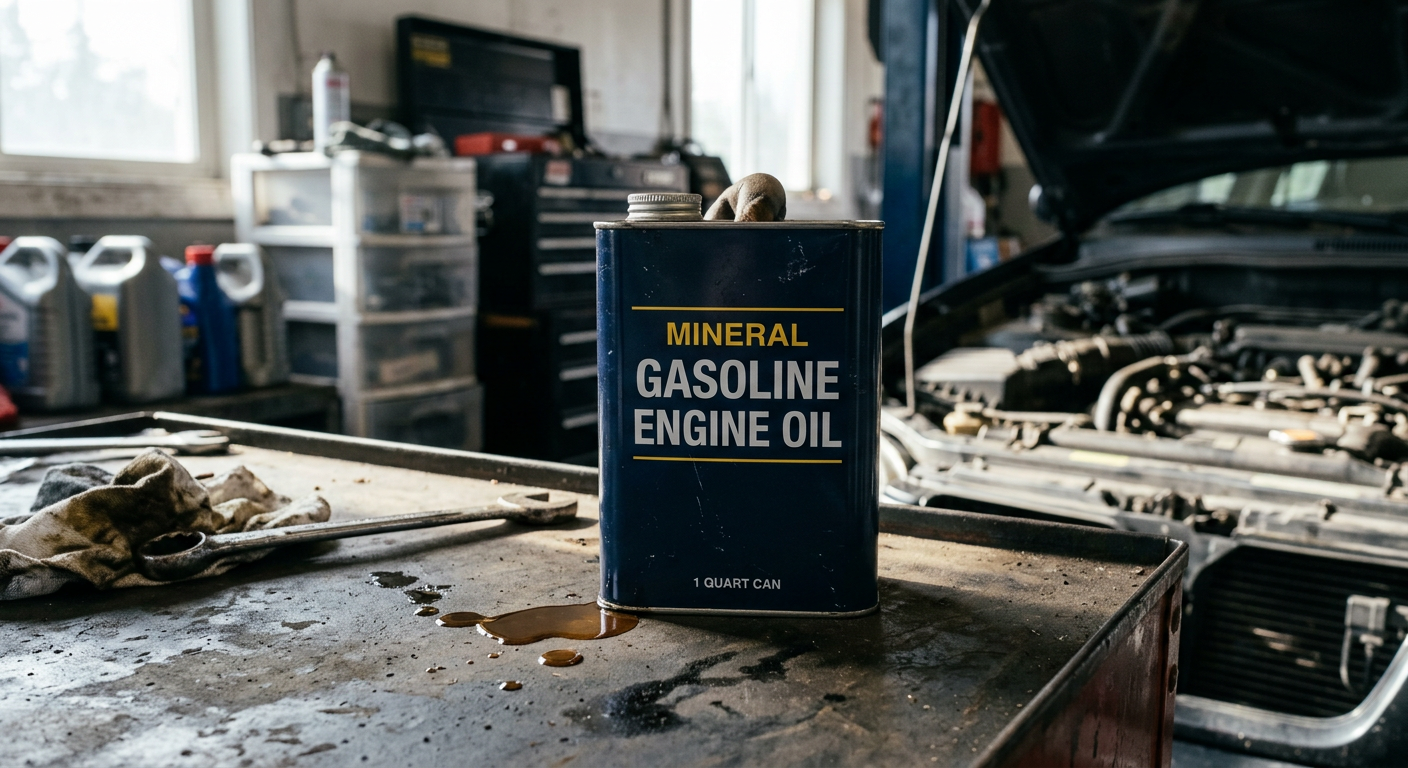
If you need mineral gasoline engine oil in the United States, the most practical choices are established suppliers with strong distribution, broad viscosity coverage, and dependable technical support. For local purchasing, the most recognized names include Valvoline, Phillips 66 Lubricants, CITGO Lubricants, Safety-Kleen, Warren Oil, and CAM2. These companies are widely used across automotive service shops, independent repair networks, farm fleets, light commercial operators, and budget-sensitive retail channels.
For buyers seeking immediate availability, mineral motor oil in common grades such as SAE 5W-30, 10W-30, and 10W-40 is easiest to source through regional warehouse networks in hubs such as Houston, Chicago, Los Angeles, Savannah, and New Jersey. For larger-volume buyers, distributor-direct contracts usually provide better drum, tote, and bulk pricing than retail channels.
Qualified international suppliers can also be worth considering, especially for private label, wholesale, and regional distribution programs. Chinese manufacturers with relevant certifications, export experience, and responsive pre-sales and after-sales support can deliver strong cost-performance advantages when documentation, formulation consistency, and local service responsiveness are verified.
United States Market Overview

The United States remains one of the world’s largest lubricant markets, supported by a massive installed base of gasoline-powered passenger cars, pickup trucks, vans, mixed-use fleets, lawn and garden equipment, and small industrial gasoline engines. Although synthetic and synthetic-blend products continue gaining share, mineral gasoline engine oil still holds an important place in the market. It remains especially relevant for older engines, high-mileage vehicles, budget-focused maintenance programs, certain regional fleet operations, used-car dealerships, agricultural users, and service channels where drain intervals are conservative and acquisition cost matters.
Demand patterns differ significantly by region. In the Midwest, older light trucks and agricultural support vehicles often maintain steady demand for conventional engine oils. In the South, warm-climate operation and long-distance commuting increase turnover in common viscosity grades. In coastal logistics and port-linked trade hubs such as Houston, Long Beach, Savannah, and Newark, distributors frequently combine automotive lubricants with industrial and heavy-duty product lines to optimize freight economics. In major metro areas such as Dallas, Atlanta, Phoenix, and Chicago, quick-lube chains and independent garages tend to stock conventional oils for value-tier service packages, especially for high-mileage vehicles outside warranty.
Pricing pressure also shapes the market. Many buyers in the United States are balancing inflation, parts costs, labor shortages, and inventory carrying costs. As a result, buyers are increasingly comparing not just brand reputation but also packaging flexibility, API compliance, lead times, supply reliability, and the supplier’s ability to support private label or mixed-container programs. That shift has opened more room for competitive regional manufacturers and qualified international OEM lubricant producers.
The line chart shows a realistic market pattern: mineral gasoline engine oil demand in the United States is gradually declining as newer vehicles specify lower-viscosity synthetics, but the market remains substantial because the national vehicle parc still includes millions of older gasoline engines that can use conventional formulations. This is why mineral-based gasoline motor oil remains commercially relevant even as category growth moderates.
Why Mineral Gasoline Engine Oil Still Matters

Conventional gasoline engine oil continues to deliver clear value in specific use cases. First, it provides a lower upfront cost for drivers and fleets that prioritize affordable maintenance. Second, it is well suited to many naturally aspirated, older-design, and high-mileage gasoline engines that do not require premium synthetic formulations. Third, it supports service channels where shorter drain intervals are normal, reducing the economic advantage of more expensive synthetic oils. Finally, it remains a key product for entry-level retail, government bids in some categories, used vehicle preparation, and private-label lubricant programs.
That said, mineral engine oil is not a universal recommendation. Buyers need to confirm viscosity grade, API service category, owner’s manual requirements, climate suitability, and drain interval expectations. In the U.S. market, using a conventional product where an engine specifically requires a modern low-SAPS or ultra-low-viscosity synthetic can create performance and warranty issues. The right decision depends on the application, not just the lowest price per quart or gallon.
Top Suppliers in the United States
| Company | Headquarters / Main U.S. Presence | Service Region | Core Strengths | Key Offerings | Best Fit Buyers |
|---|---|---|---|---|---|
| Valvoline | Lexington, Kentucky | Nationwide | Strong brand trust, quick-lube network, passenger car expertise | Conventional motor oils, blends, maintenance programs | Service chains, retailers, independent garages |
| Phillips 66 Lubricants | Houston, Texas | Nationwide and export | Broad lubricant portfolio, technical support, commercial supply | Passenger car motor oils, fleet lubricants, bulk supply | Distributors, fleets, multi-category buyers |
| CITGO Lubricants | Houston, Texas | United States and Latin America-linked channels | Strong wholesale reach, packaged and bulk options | Conventional engine oils, industrial lubricants, private commercial programs | Wholesalers, jobbers, commercial accounts |
| Safety-Kleen | Norwell, Massachusetts | Nationwide | Closed-loop service model, environmental service integration | Conventional and re-refined lubricants, bulk collection services | Fleet operators, workshops, sustainability-focused buyers |
| Warren Oil | Dunn, North Carolina | Nationwide via distributors | Private label depth, packaging flexibility, value pricing | Conventional motor oil, retailer programs, branded and private-label SKUs | Retailers, distributors, private-label brand owners |
| CAM2 International | North Carolina | United States with distributor network | Value-focused lubricant supply, broad automotive lineup | Conventional gasoline engine oils, ATF, gear oil | Regional wholesalers, repair shops, retail channels |
| RelaDyne / DuraMAX | Cincinnati, Ohio | National distribution footprint | Strong distributor logistics, commercial account service | Passenger car oils, industrial lubricants, bulk delivery | Fleets, industrial users, local distributors |
This supplier table is useful because it separates companies by how they actually serve the market, not just by brand recognition. In the United States, the best supplier is often the one with the most reliable local delivery, most suitable packaging mix, and strongest after-sales support for your channel, whether that means retail shelves, drums, totes, or bulk tank programs.
Product Types and Viscosity Choices
Mineral gasoline engine oil in the United States is commonly sold in conventional passenger car motor oil formats. The most frequent choices are SAE 5W-30 and 10W-30 for broad everyday use, with SAE 10W-40 and 20W-50 appearing more often in warm-weather regions, older engines, and selected specialty applications. Some budget-sensitive users still purchase monograde products for older small engines or niche service categories, but multigrades dominate the market.
Buyers should also distinguish between passenger car motor oil for on-road gasoline engines and other oil types used in small equipment or mixed fleets. Labeling, approvals, and additive balance matter. A conventional oil sold for older sedans and pickups may not be the correct choice for newer turbocharged gasoline direct injection engines. Even within mineral oils, formulation quality can vary in detergency, oxidation resistance, volatility control, anti-wear chemistry, and deposit management.
| Viscosity / Type | Typical U.S. Use | Climate Suitability | Common Buyer Segment | Advantages | Watchpoints |
|---|---|---|---|---|---|
| SAE 5W-30 Conventional | Passenger cars, light trucks | Most climates | Quick lubes, retail drivers | Broad compatibility, easy availability | Not ideal for all newer turbo engines |
| SAE 10W-30 Conventional | Older gasoline vehicles, mixed light fleet | Moderate to warm climates | Independent shops, used-car lots | Stable and widely accepted | Less suitable for very cold starts |
| SAE 10W-40 Conventional | High-mileage and older engines | Warm to hot climates | Southern states, repair shops | Helpful for older engine wear patterns | Check OEM recommendation carefully |
| SAE 20W-50 Conventional | Older engines, specialty use | Hot climates | Classic vehicle users, niche service shops | Thicker film at high temperature | Too heavy for many modern engines |
| Monograde SAE 30 | Small engines, older utility applications | Season-specific use | Lawn and garden, rural supply | Simple and low cost | Limited all-season flexibility |
| High-Mileage Conventional Formula | Older passenger vehicles | Most climates, depends on grade | Retail and service centers | Seal-conditioner and wear support positioning | Marketing claims should be verified |
This table helps buyers match oil grade to actual field use. The key is not just selecting a conventional product, but selecting the correct mineral-based gasoline engine oil for local temperatures, engine age, and service intensity. In colder states, low-temperature cranking remains important. In Texas, Arizona, and Florida, high-temperature stability and oxidation control matter more.
Buying Advice for U.S. Buyers
When buying mineral gasoline engine oil in the United States, start with the owner’s manual and the required API category. Then confirm the viscosity needed for the local climate and the vehicle’s condition. After that, compare suppliers on practical criteria: batch consistency, lead time, documentation, private-label capability, package sizes, freight terms, and technical response speed. For commercial buyers, total delivered cost usually matters more than ex-works or list price alone.
Warehouse location is especially important. If your operation serves the Northeast, access to stock in New Jersey or Pennsylvania can reduce delivery time significantly. If you cover Gulf Coast customers, Houston remains one of the strongest lubricant logistics nodes. For West Coast buyers, Los Angeles and nearby inland warehousing can improve service reliability. Buyers serving agriculture in the Midwest often prefer suppliers with central distribution positions near Kansas City, St. Louis, or Chicago.
Documentation should never be an afterthought. Ask for product data sheets, safety data sheets, batch traceability, and evidence of applicable standards. If you are developing a store brand or expanding into regional distribution, confirm the supplier’s filling capabilities, packaging artwork support, and compliance resources before placing the first large order.
The bar chart highlights where conventional gasoline engine oil remains strongest in the United States. Independent garages, quick-lube channels, and DIY retail still account for meaningful turnover, while farm use and used-car preparation also remain important. This matters because buyers should select suppliers that already serve their specific channel rather than assuming every lubricant producer supports every route to market equally well.
Industries and Applications
Mineral gasoline engine oil has a broad application range across the United States. Passenger vehicle repair remains the largest segment, but additional demand comes from rental fleets, farm support vehicles, landscaping businesses, used vehicle reconditioning, public works light-duty fleets, and small equipment operators. In each case, the buying logic is slightly different. Repair shops value fast-moving stock and easy warranty documentation. Fleets prioritize delivered cost and predictable supply. Retailers focus on shelf velocity, packaging appearance, and trusted specifications.
Service patterns also vary. Short urban cycles in cities such as New York, Boston, and Seattle increase the importance of sludge control and moisture handling. Long-distance commuting around Dallas, Atlanta, and Southern California raises concerns about oxidation stability and consumption. Dusty operating environments in parts of Arizona, Nevada, and inland California make filtration discipline and routine oil changes particularly important. Agricultural use in Iowa, Nebraska, and Kansas often combines seasonal peaks with a need for mixed lubricant inventory, making suppliers with broad product portfolios more attractive.
| Industry / User | Typical Equipment | Why Mineral Oil Is Chosen | Preferred Packaging | Service Region Pattern | Key Buying Priority |
|---|---|---|---|---|---|
| Independent Repair Shops | Passenger cars, pickups | Affordable service package option | Quarts, pails, drums | Urban and suburban nationwide | Reliable local stock |
| Quick-Lube Operators | High-volume passenger vehicles | Value-tier maintenance program | Bulk and drums | Metro corridors | Consistent throughput pricing |
| Farm and Ranch Users | Gas pickups, utility vehicles | Cost control across mixed equipment | Pails, drums, totes | Midwest and South | Distributor convenience |
| Used-Car Dealerships | Reconditioned passenger vehicles | Budget-friendly preparation | Bulk and quarts | Nationwide | Low delivered cost |
| Municipal Light Fleets | Sedans, vans, pickups | Fits older units and budget cycles | Bulk, drums | Regional public works systems | Contract compliance |
| DIY Retail Consumers | Older personal vehicles | Lower shelf price | Quarts, gallon jugs | Nationwide retail | Brand trust and price |
| Landscaping Businesses | Gasoline support trucks and some small engines | Simple inventory management | Quarts, pails | Sun Belt and suburban markets | Availability during peak season |
This table clarifies how different U.S. buyer groups use mineral engine oil in practice. It shows that the product is not just a retail shelf item; it is also an operating input for service businesses, local fleets, and agricultural users that care deeply about supply reliability and overall operating cost.
Case Studies from the U.S. Market
A used-car dealership group in Texas may choose conventional SAE 10W-30 for a large share of older trade-in inventory because vehicles are often sold outside original warranty, service intervals are conservative, and acquisition cost matters during reconditioning. In that case, the best supplier is usually one offering bulk delivery, fast replenishment from a Gulf Coast warehouse, and consistent batch quality.
An independent garage network in Ohio may keep both conventional 5W-30 and synthetic alternatives in stock. Their conventional program serves high-mileage vehicles with owners seeking economical maintenance. The supplier selection criteria in this environment often include training materials, technical hotline access, and a clear product cross-reference system.
A farm supply distributor in Missouri may bundle conventional gasoline engine oil with hydraulic fluids, gear oil, grease, and diesel engine oil. Here, the competitive edge is not only the mineral motor oil price itself but also the ability to consolidate products into fewer shipments, reduce stockouts during harvest season, and maintain practical packaging options from gallon bottles to drums.
These examples show that mineral gasoline engine oil remains commercially viable when matched to the right operating environment. The successful buyer is the one who evaluates the entire supply model, not just the unit price.
Regional Supplier Comparison
| Supplier | Main U.S. Logistics Advantage | Common Packaging | Private Label Support | Technical / After-Sales Support | Typical Best Use Case |
|---|---|---|---|---|---|
| Valvoline | Strong national brand distribution | Quarts, jugs, drums, bulk | Limited compared with dedicated OEM blenders | Strong service network | Service chains and retail confidence |
| Phillips 66 Lubricants | Major national supply capability | Quarts, pails, drums, bulk | Commercially structured programs | Good technical resources | Distributors and mixed commercial accounts |
| CITGO Lubricants | Gulf-linked logistics and broad wholesale reach | Quarts, pails, drums, bulk | Selective commercial opportunities | Established commercial support | Jobbers and regional wholesale |
| Warren Oil | Flexible packaged goods production | Quarts, gallon jugs, pails, drums | Strong private-label capability | Practical account support | Retailers and brand owners |
| CAM2 International | Value-focused channel coverage | Quarts, pails, drums | Available through channel programs | Distributor-oriented support | Budget regional distribution |
| Safety-Kleen | Integrated service and collection network | Bulk, drums, selected packaged formats | Less focused on consumer private label | Strong environmental service support | Fleet and workshop programs |
| Qualified International OEM Supplier | Container-scale cost efficiency through ports such as Los Angeles, Houston, Savannah | Bottles, pails, drums, totes, bulk | Usually strong | Depends on U.S. service setup | Importers, brand owners, large distributors |
This comparison table shows a practical decision framework. U.S. buyers who need a recognized domestic name may lean toward established national suppliers, while private-label brand owners and import distributors often find better flexibility from companies designed around OEM manufacturing and custom packaging support.
Our Company
For U.S. buyers evaluating an international partner, Feller presents a practical sourcing option because its gasoline engine oil portfolio is produced within an ISO 9001 and ISO 14001 certified manufacturing system, supported by vertically integrated base oil refining, advanced nitrogen-protected blending that improves oxidation stability, automated filling lines for everything from retail bottles to bulk containers, and products formulated to recognized standards including API, ILSAC, and ACEA where applicable. That product strength matters for mineral gasoline engine oil because batch consistency, additive balance, and documented testing directly affect wear control, cleanliness, and service reliability in older and cost-sensitive gasoline engines. In commercial terms, the company supports multiple cooperation models for the U.S. market, serving end users, distributors, dealers, lubricant brand owners, and retail programs through OEM and private-label manufacturing, wholesale supply, flexible packaging, custom formulation development, and regional distribution partnerships rather than acting as a one-size-fits-all exporter. Just as important for local assurance, Feller has an established export track record across more than 60 countries, a partner base of over 500 B2B clients, warehousing and logistics systems built around rapid shipment cycles, and market-adaptation experience that includes localized documentation, labeling, certification support, and responsive technical guidance before and after sale. For American importers, wholesalers, and regional brand builders looking for long-term supply rather than spot cargoes, that combination of manufacturing scale, certification discipline, and structured service makes the company’s background relevant to day-to-day U.S. procurement decisions, while its broad product range and direct commercial support help buyers align viscosity, packaging, and channel strategy with local demand.
How to Evaluate a Supplier Before Ordering
Before selecting any mineral gasoline engine oil supplier for the United States, buyers should run a practical checklist. Confirm the API service category and verify current product documentation. Review whether the supplier can maintain stable packaging supply, especially for quart bottles and gallon jugs, which often face label and cap lead-time issues. Ask about inventory positions near your operating region. Evaluate whether the supplier supports claims handling, technical troubleshooting, and field complaints with clear procedures. Finally, if private label is involved, review artwork approval cycles, carton specifications, pallet standards, and import documentation.
For import programs, additional points matter: port access, container loading efficiency, landed-cost transparency, and whether the supplier can maintain repeatable formulations over time. U.S. buyers increasingly prefer partners that can support both branded and OEM business because it gives them room to expand margins and adapt channel strategy without changing manufacturers.
The area chart illustrates an important trend in the United States: the market is steadily shifting toward higher-specification passenger car oils, including synthetic blends and full synthetics. However, this does not eliminate the need for mineral gasoline engine oil. It means buyers must become more precise about where conventional products still make economic and technical sense.
This comparison chart explains why some U.S. buyers consider both domestic and international options. Domestic brands usually lead in consumer recognition, while qualified OEM-oriented manufacturers often perform better in private-label flexibility, packaging customization, and cost competitiveness. The right choice depends on whether the buyer’s strategy centers on branded resale, commercial distribution, or custom market development.
2026 Trends: Technology, Policy, and Sustainability
Looking toward 2026, the U.S. mineral gasoline engine oil market will be influenced by three major forces. The first is technology: newer gasoline engines increasingly specify lower viscosities and more advanced formulations, which reduces the addressable market for conventional oils in late-model vehicles. The second is policy: fuel-economy pressure, emissions priorities, and evolving state-level environmental expectations will continue pushing parts of the market toward more efficient lubricant categories and stronger packaging stewardship. The third is sustainability: buyers, especially fleet managers and larger distributors, are paying more attention to lifecycle cost, waste-oil management, packaging reduction, and responsible supply chains.
Even under these pressures, mineral-based gasoline engine oil will remain relevant in the United States through 2026 because the installed base of older vehicles is still large, repair-cost sensitivity remains high, and many local operators prefer proven, lower-cost maintenance routines for suitable engines. The winners in this segment will be suppliers that combine conventional product availability with strong documentation, practical field support, and a clear pathway for customers who eventually need to transition part of their portfolio toward higher-spec products.
FAQ
Is mineral gasoline engine oil still widely used in the United States?
Yes. Its share is gradually declining, but it is still widely used in older passenger vehicles, value service programs, used-car preparation, farm support vehicles, and some municipal or light commercial applications.
What viscosity grades are most common?
SAE 5W-30 and 10W-30 remain the most common conventional grades in the U.S. market, followed by 10W-40 in warmer climates and older engines. Some niche users still buy 20W-50 or monograde SAE 30.
Is conventional oil cheaper enough to matter?
For many buyers, yes. The initial price difference can be meaningful, especially for high-volume service channels, used-car operations, and budget-sensitive maintenance programs. The real calculation should compare oil cost, change interval, labor, and vehicle suitability.
Can imported mineral gasoline engine oil work for the U.S. market?
Yes, provided the supplier offers the right API-compliant formulations, stable packaging, complete documentation, and dependable pre-sales and after-sales support. Port access through hubs such as Houston, Los Angeles, Savannah, and Newark can also improve landed-cost efficiency.
What matters most when choosing a supplier?
The most important factors are correct specification, consistent quality, dependable local or regional supply, technical support, packaging flexibility, and total delivered cost. For brand owners, OEM and private-label support are also critical.
Should a distributor carry only mineral oil?
Usually no. Most successful distributors in the United States carry a mixed portfolio that includes conventional, synthetic blend, and full synthetic products. Mineral gasoline engine oil still plays a role, but customers increasingly expect multiple price and performance tiers.
Final Takeaway
Mineral gasoline engine oil remains an important value segment in the United States, especially for older vehicles, cost-sensitive service channels, and private-label distribution models. Buyers should prioritize suppliers that combine reliable local availability, application-fit viscosity coverage, clear documentation, and channel-specific support. Established U.S. companies such as Valvoline, Phillips 66 Lubricants, CITGO Lubricants, Warren Oil, CAM2, and Safety-Kleen remain practical choices, while qualified international manufacturers with strong certifications, export depth, and localized support structures can offer compelling cost-performance advantages for distributors, importers, and brand owners building long-term programs in the American market.

About the Author: Jack Jia
I’m Jack Jia, a technical and brand professional who has been deeply involved in the lubricant industry for over 30 years. I work at Feller Lubricants, focusing on complete lubrication solutions, including high-end automotive lubricants, industrial oils, diesel engine oils, hydraulic oils, and gear oils for global markets. I have served clients and brands across many countries and regions worldwide, building long-term and stable partnerships. Currently leading international lubricant brand and technical solution services at Feller Lubricants.
Share