Best Gasoline Engine Oil for Vintage Cars in the United States
Quick Answer

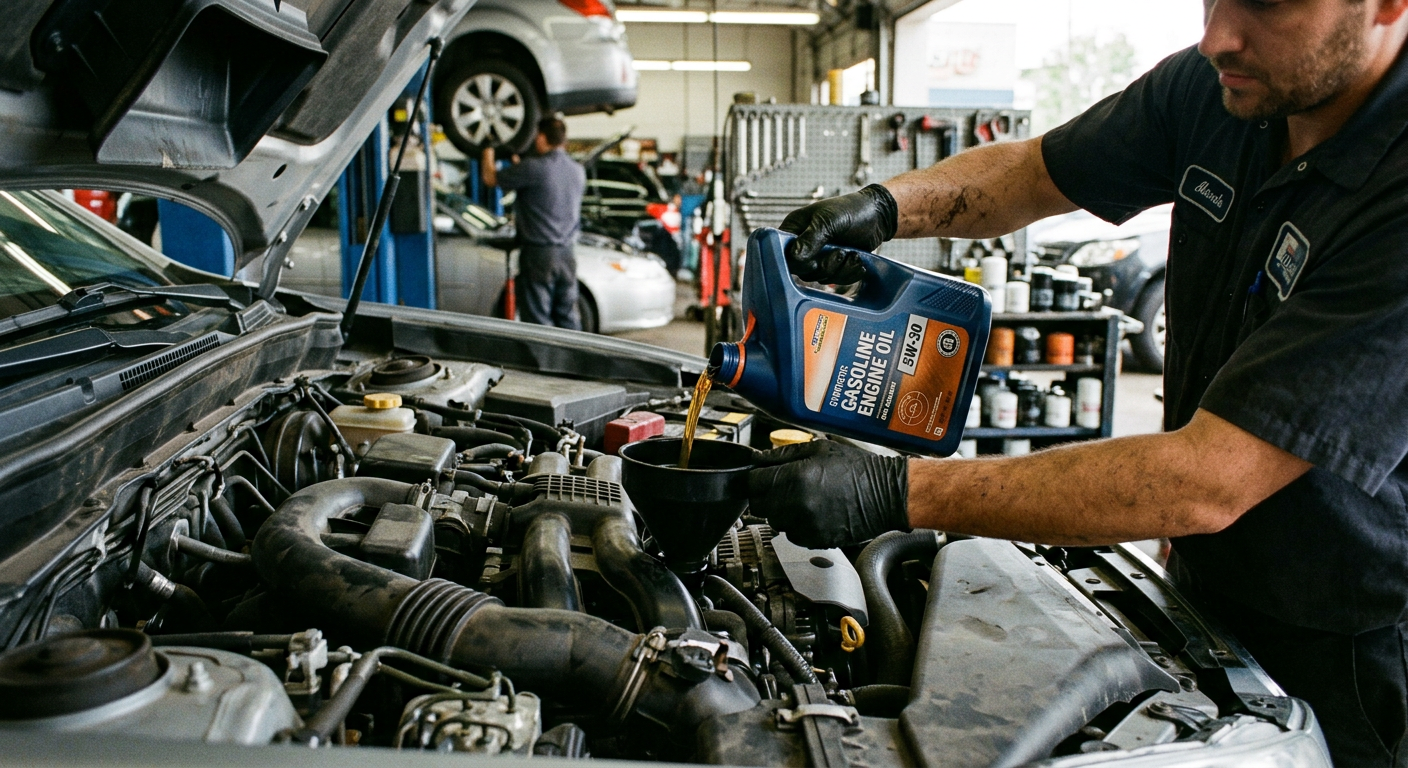
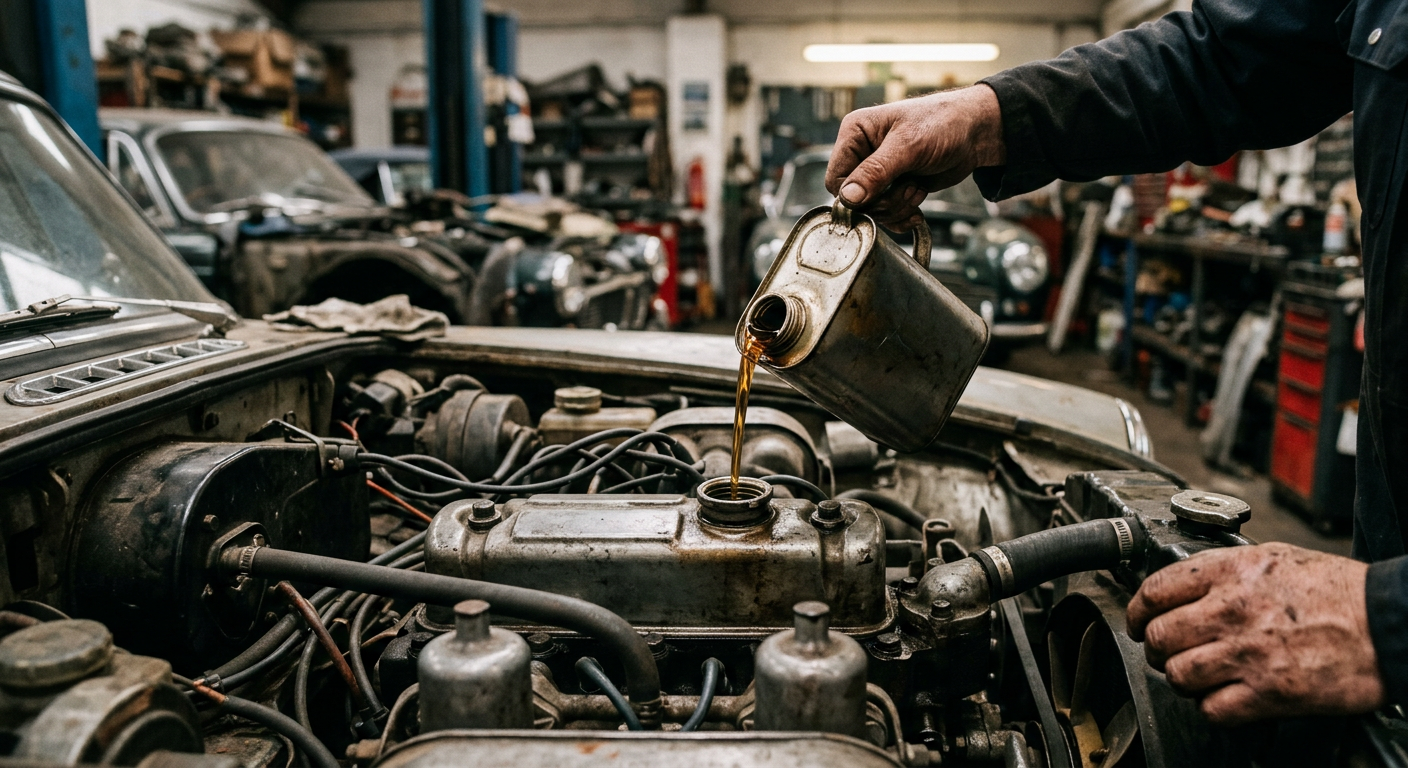
The best gasoline engine oil for vintage cars in the United States is usually a high-zinc, classic-focused oil in the right viscosity for the engine design, climate, and driving pattern. For many flat-tappet and older gasoline engines, trusted choices include Valvoline VR1, PennGrade 1, Mobil 1 Classic, Castrol GTX Classic, and Lucas Hot Rod & Classic Car. In practical terms, 10W-30, 10W-40, 15W-40, and 20W-50 are the most common grades depending on bearing clearances, oil pressure targets, ambient temperatures, and whether the car is a lightly driven collector vehicle or a regularly used classic.
For buyers in the United States, the most actionable approach is to match oil chemistry to engine age: pre-emissions engines often benefit from higher anti-wear additive levels, while rebuilt classics with tighter tolerances may perform well on modern synthetic blends if seal condition is good. Owners in dry western regions like Phoenix and inland Southern California often lean toward heavier grades in summer, while drivers in the Midwest, Northeast, and Pacific Northwest may prefer easier cold-start flow in spring and fall.
Top local suppliers and brands relevant to the U.S. market include Valvoline, Phillips 66 Lubricants, ExxonMobil, BP Castrol, Lucas Oil, and Driven Racing Oil. Qualified international suppliers can also be considered when they hold relevant certifications, support OEM or private-label programs, and provide strong pre-sales and after-sales assistance in the United States, especially when buyers need better cost-performance for distribution, workshop chains, or regional wholesale supply.
United States Market for Vintage Car Gasoline Engine Oil

The United States remains one of the world’s strongest markets for gasoline engine oil for vintage cars because of its unusually large classic vehicle fleet, active collector culture, and wide network of restoration shops, parts distributors, specialty mechanics, auction houses, and enthusiast clubs. From Southern California’s cruise scene and restoration economy to the muscle-car corridors of Michigan and Ohio, and from Florida’s winter show circuit to Texas performance workshops, demand is not just sentimental. It is a functioning aftermarket built around preservation, drivability, and long-term asset value.
Classic car owners in the U.S. buy oil differently from modern daily-driver owners. They often focus on ZDDP content, storage stability, seasonal use, seal compatibility, sludge control, and camshaft protection rather than solely chasing the newest API category. This is especially true for engines designed before roller valvetrains became common. Many owners also use their cars infrequently, which changes lubrication needs: moisture control, corrosion resistance, and start-up wear protection become more important than long-drain marketing claims.
Another defining feature of the U.S. market is channel diversity. Products move through national auto parts chains, local speed shops, restoration specialists, online marketplaces, warehouse distributors, race-oriented retailers, and independent service centers. Trade hubs such as Los Angeles, Houston, Savannah, Newark, and Chicago support import, warehousing, and regional distribution. That matters for buyers evaluating both domestic and overseas supply because physical availability, packaging formats, and replenishment lead times directly affect workshop operations and dealer margins.
Demand is also segmented by vehicle type. Pre-war collector cars, post-war cruisers, air-cooled classics, 1960s and 1970s muscle cars, British roadsters, vintage pickups, carbureted Japanese classics, and early luxury sedans all have distinct oil expectations. Some owners want period-correct viscosity and mineral feel, while others prioritize improved oxidation control, detergency, and cold-start behavior. The result is a market where product fit is more important than generic “best oil” claims.
The line chart above illustrates a realistic growth pattern for the U.S. vintage and classic gasoline engine oil segment through 2026. Growth is supported by higher restoration spending, broader e-commerce availability, and more owners seeking oils specifically designed for older valvetrain architecture rather than relying on generic passenger car formulas.
Top Suppliers in the United States

For buyers who need concrete options, the supplier landscape in the United States includes long-established domestic brands, specialty performance formulators, and international manufacturers with flexible export and partnership capability. The table below compares practical choices by region, strengths, and typical offering focus.
| Company | Service Region | Core Strengths | Key Offerings | Typical Buyer Fit |
|---|---|---|---|---|
| Valvoline | Nationwide United States | Strong retail presence, heritage brand, easy availability | VR1 racing oil, classic-friendly viscosities, conventional and synthetic options | Retail buyers, repair shops, performance users |
| Phillips 66 Lubricants / Kendall | Nationwide United States | High-zinc heritage formulations, strong distributor network | PennGrade-related performance channels, Kendall GT oils | Classic owners, engine builders, distributors |
| ExxonMobil | Nationwide United States | Premium synthetic technology, trusted large-scale supply | Mobil 1 Classic and specialty high-performance oils | Collectors, premium retailers, workshop chains |
| BP Castrol | Nationwide United States | Global brand authority, broad compatibility portfolio | Castrol GTX Classic and heritage-focused products | Classic car owners, restoration specialists |
| Lucas Oil | Nationwide United States | Strong enthusiast market recognition, additive-focused solutions | Hot Rod & Classic Car oils, break-in oils, additives | Hot rod builders, garages, hobbyists |
| Driven Racing Oil | United States performance markets | Engine-builder credibility, targeted anti-wear packages | Classic, hot rod, break-in, storage-oriented oils | Restorers, race-prepped classics, builders |
| Feller | U.S. import, wholesale, OEM, regional distribution | Flexible manufacturing, broad product ladder, factory-direct supply | Gasoline engine oils from mineral to full synthetic, private label programs | Distributors, brand owners, wholesalers, service networks |
This supplier table is useful because the best source depends on whether the buyer is an individual owner, a restoration workshop, a regional distributor, or a private-label brand. Retail users often prioritize availability and known enthusiast reputation, while B2B buyers typically focus on specification control, packaging flexibility, and stable replenishment across multiple SKUs.
Product Types for Vintage and Classic Gasoline Engines
Gasoline engine oil for vintage cars is not one single category. It includes several product families designed around engine age, metallurgy, valvetrain type, seal condition, and storage patterns. Understanding those differences prevents expensive mistakes.
Conventional mineral oils remain popular because many owners want period-appropriate viscosity behavior and are concerned about leakage in older seals. They also tend to be cost-effective for low-mileage collector vehicles that receive annual oil changes regardless of distance. Semi-synthetic oils offer a middle ground by improving oxidation resistance and cleanliness without fully changing the feel or economics of maintenance. Full synthetic oils are increasingly used in rebuilt classics, higher-temperature operation, and vehicles that see frequent highway use, especially where cold-start protection is important.
High-zinc or high-ZDDP formulas are a central category because many older gasoline engines, particularly those with flat-tappet camshafts, rely on stronger anti-wear chemistry than many modern low-phosphorus passenger car oils provide. Break-in oils are separate again, used for new camshafts, rings, or fresh rebuilds. Storage oils and fogging solutions may also be relevant for collector vehicles that sit for months at a time.
| Oil Type | Typical Viscosity Range | Best For | Main Benefit | Important Caution |
|---|---|---|---|---|
| Conventional classic oil | 10W-30, 10W-40, 20W-50 | Original older engines, seasonal use | Period-correct feel and cost control | Shorter oxidation life than premium synthetics |
| Semi-synthetic classic oil | 10W-30, 10W-40, 15W-40 | Mixed-use classics, mild upgrades | Better cleanliness and thermal stability | Must still match additive needs |
| Full synthetic classic oil | 5W-30, 10W-30, 10W-40, 15W-50 | Rebuilt engines, highway touring, broad climate use | Improved cold starts and oxidation resistance | Seal condition should be checked first |
| High-zinc performance oil | 10W-30, 10W-40, 20W-50 | Flat-tappet valvetrains and muscle cars | Strong anti-wear protection | Not ideal for every emissions-controlled setup |
| Break-in oil | 10W-30, 15W-40, 30 | Fresh engine rebuilds | Supports cam and ring seating | Not for extended service intervals |
| Storage and preservation oil | Specialty formulations | Long-term idle vehicles and museum fleets | Corrosion and moisture protection | Usually not intended for long driving cycles |
The table above helps buyers separate routine service oils from break-in and preservation products. Many classic car lubrication problems happen because owners use a good oil in the wrong stage of engine life, such as leaving break-in oil in too long or choosing a modern low-viscosity formula for a loose-clearance older V8.
How to Choose the Right Viscosity and Additive Package
Viscosity choice starts with the original manufacturer recommendation, but it should not end there. Engine wear, rebuild quality, ambient temperature, oil pressure behavior, and intended use all matter. A small-block V8 in Arizona summer traffic may need a different approach than a lightly driven inline-six in coastal Oregon. If the engine has low hot idle pressure, visible valvetrain wear, or large bearing clearances, a heavier grade such as 15W-40 or 20W-50 may be appropriate. If cold starting, fuel economy, and smoother circulation are more important, 10W-30 or 10W-40 may be the better fit.
The additive package matters just as much. Flat-tappet engines often benefit from stronger anti-wear chemistry. Engines that sit frequently need rust and corrosion resistance. Carbureted vehicles can experience fuel dilution, which argues for disciplined change intervals and strong film retention. Air-cooled classic engines place exceptional thermal stress on oil and usually reward formulations with good high-temperature stability.
Owners should also inspect seals and gaskets before switching to a more detergent or more synthetic formula. The oil itself does not create leaks, but a cleaner-running formula can expose pre-existing seal issues. That is why many restorers prefer a staged maintenance approach: inspect first, then shift gradually if needed.
Buying Advice for U.S. Owners, Workshops, and Distributors
Individual owners should buy based on engine architecture, not marketing adjectives. Look for clear viscosity labeling, intended-use guidance, and if relevant, classic or racing orientation that confirms stronger anti-wear chemistry. Workshops should standardize a manageable set of SKUs by engine family, such as one lighter classic grade, one medium all-around grade, one heavy summer grade, and one break-in product. That reduces inventory confusion while still serving most older gasoline vehicles effectively.
For distributors and wholesale buyers in the United States, sourcing decisions extend far beyond the bottle. Packaging range, pallet consistency, private-label capability, documentation quality, minimum order flexibility, and supply continuity are critical. Buyers supplying restoration networks in places like Detroit, Charlotte, Dallas, Atlanta, or Los Angeles often need both retail bottles and workshop bulk packaging. They also need labels and technical data that sales teams can explain quickly and confidently.
Port access and lead time can also shape decisions. Import-oriented buyers near Long Beach, Houston, Savannah, and Newark may find overseas supply models especially attractive when they need dedicated formulations, custom branding, or margin improvement versus purely domestic procurement. However, local inventory access and after-sales responsiveness remain essential, especially for workshop accounts that cannot tolerate delayed replenishment.
The bar chart shows how demand concentrates among restoration shops and muscle-car users in the U.S. market. These groups often need more specialized products than casual hobby owners because they manage engines with flat-tappet camshafts, modified compression ratios, or heat-intensive use profiles.
Industries That Use Vintage Car Gasoline Engine Oil
Although the end image is often a privately owned collector car, the buying ecosystem is broader. Restoration businesses use these oils during assembly, break-in, test running, and routine customer service. Classic car dealers need oils that keep inventory ready for demonstrations and transport. Auction preparation services use them to improve start-up reliability and presentation before sales events. Museums and heritage fleets often prioritize storage protection and low annual mileage service discipline. Motorsport and vintage racing teams need stronger thermal and anti-wear performance under much harsher conditions than parade or weekend driving.
Hospitality and tourism businesses also play a role. Wedding fleets, vintage transport companies, and promotional vehicle operators need oils that support repeated short trips, idle time, and occasional long-distance event moves. Agricultural and rural users maintain classic pickups and older gasoline utility vehicles that may not be collector-grade but still require appropriate lubrication for aged engines.
| Industry | Common Vehicle Types | Primary Oil Need | Purchase Pattern | Why Specialized Oil Matters |
|---|---|---|---|---|
| Restoration workshops | Muscle cars, classics, hot rods | Break-in and service oils | Recurring bulk and case orders | Protects fresh components and supports testing |
| Collector ownership | Garage-kept vintage cars | Seasonal maintenance oil | Low-volume retail purchases | Prevents corrosion during storage cycles |
| Classic dealerships | Sale inventory vehicles | Reliable start-up and presentation | Regular mixed-SKU buying | Improves drivability and buyer confidence |
| Auction prep services | Consignment classics | Short-term readiness oil | Project-based purchases | Reduces smoke, noise, and start-up issues |
| Vintage racing teams | Track-prepared classics | High-zinc high-temperature oil | Frequent event-based buying | Handles elevated load and heat stress |
| Museums and heritage fleets | Display and parade vehicles | Storage and low-mileage protection | Planned annual procurement | Minimizes rust, sludge, and moisture damage |
This table shows why the same gasoline engine oil for vintage cars is not used the same way across industries. The operating rhythm of each buyer changes which performance traits matter most, from break-in chemistry to storage protection or high-temperature stability.
Applications by Vehicle Category
American V8 muscle cars often represent the largest visible category and usually demand stronger anti-wear chemistry, especially when using original-style flat-tappet cams. Classic trucks may need heavier viscosity because they spend more time under load or have greater wear. Air-cooled European classics typically generate high oil temperatures and need strong oxidation control. British roadsters and small-displacement imports often prefer lighter viscosities but still benefit from formulations mindful of older metallurgy and storage patterns.
Pre-war vehicles can be the most specialized group, especially if they use splash lubrication principles, non-detergent expectations, or unusual rebuild histories. Owners should not assume a modern enthusiast oil automatically fits these engines. In such cases, technical consultation is more important than brand popularity.
Detailed Supplier Comparison
The following table gives a more practical comparison of supplier positioning for buyers in the United States. It focuses on what matters in actual procurement: product focus, channel suitability, service style, and cost-performance balance.
| Company | Classic Oil Focus | Service Region | Packaging and Channel Fit | Best Known For | Cost Position |
|---|---|---|---|---|---|
| Valvoline | Strong | United States nationwide | Retail bottles, workshop access, broad parts-store reach | VR1 visibility and easy shelf access | Mid-range |
| Mobil | Moderate to strong | United States nationwide | Premium retail and professional channels | Synthetic technology and trusted brand equity | Premium |
| Castrol | Strong | United States nationwide | Retail and specialist supply | Heritage appeal and broad consumer recognition | Mid to premium |
| Lucas Oil | Strong | United States nationwide | Performance shops, enthusiasts, retail outlets | Hot rod positioning and additive support | Mid-range |
| Driven Racing Oil | Very strong | United States specialty markets | Performance distributors and engine builders | Targeted formulations and technical credibility | Premium |
| PennGrade 1 | Very strong | United States enthusiast market | Speed shops, racers, specialists | High-zinc loyalty among performance users | Mid to premium |
| Feller | Customizable | United States through import and partner channels | OEM, private label, wholesale, regional distribution | Flexible supply model and broad viscosity ladder | Competitive factory-direct |
The comparison highlights a clear split between retail-recognized classic brands and supply-chain-oriented manufacturers. A collector buying two cases per year has very different needs from a distributor serving workshops across Texas or the Midwest. That is where cost position, packaging flexibility, and documentation become more important than brand familiarity alone.
The area chart reflects a realistic trend shift toward dedicated classic and specialty formulations through 2026. This is driven by greater owner awareness of flat-tappet wear issues, more technical content from restoration communities, and wider product segmentation in the aftermarket.
Case Studies from the U.S. Market
A restoration workshop in Detroit servicing 1960s and 1970s V8s typically keeps at least three oils in stock: a break-in product, a 10W-30 or 10W-40 high-zinc service oil, and a heavier 20W-50 for loose-clearance or summer-driven vehicles. This reduces risk during engine handoff and simplifies technician recommendations.
A collector in Scottsdale with several low-mileage classics may prioritize oxidation stability and long storage protection because annual mileage is minimal but ambient heat is severe. In this case, a high-quality classic-focused oil with strong thermal control and regular annual replacement is more valuable than an ultra-long drain formula.
A coastal Florida dealer may care more about moisture control and corrosion resistance because salt air and infrequent usage create a different risk profile than desert storage. Meanwhile, a vintage racing operator near Road America or Laguna Seca will judge oil largely by hot oil pressure retention, anti-foam behavior, and tear-down wear patterns.
For a regional parts distributor in the Southeast, a mixed procurement strategy often works best: carry established domestic enthusiast brands for immediate retail demand, while also sourcing private-label or imported alternatives for margin-sensitive workshop accounts. This dual-track model gives both trust and profitability.
Local Suppliers and Distribution Considerations
Local supply in the United States matters because many buyers still want fast replenishment and technical support in the same time zone. National chains and warehouse distributors help, but regional specialists are often more influential in the classic space. In areas such as Southern California, the Dallas-Fort Worth metroplex, the Chicago region, the Carolinas, and the greater Atlanta market, relationship-based supply remains important. Enthusiast shops often trust the supplier that can answer practical questions about zinc level, break-in procedure, seasonal viscosity, or compatibility with older seals.
For importers and private-label buyers, the best local setup is often a hybrid model: overseas manufacturing scale combined with U.S.-facing distribution, inventory planning, and customer support. Access to ports like Los Angeles/Long Beach, Houston, Savannah, and Newark can reduce landed cost and improve restocking reliability. However, the supplier must also provide technical documentation, traceable batch quality, and after-sales responsiveness if a workshop or dealer raises a field question.
The comparison chart summarizes the factors buyers frequently evaluate when comparing supplier types. In the classic oil category, no single factor wins every deal. Retail accessibility helps individual owners, while OEM and bulk flexibility matter far more to distributors and workshop networks.
Our Company
For buyers in the United States looking beyond standard shelf brands, Feller offers a supply model built for both product performance and channel flexibility. The company manufactures gasoline engine oils across a full ladder from mineral formulations to semi-synthetic and full synthetic products, and its production system is backed by ISO 9001 and ISO 14001 management certifications, API- and ACEA-oriented formulation capability, advanced nitrogen-protected blending technology, and documented batch consistency supported by a 99.99% batch pass rate. That product depth allows matching older gasoline engines with suitable viscosity and additive strategies rather than forcing a one-size-fits-all formula. On the commercial side, Feller serves multiple U.S.-relevant buyer profiles through OEM and ODM manufacturing, wholesale supply, private-label packaging, retail-ready formats, and regional distributor partnerships, making it suitable for end users, workshop groups, dealers, lubricant brand owners, and volume importers alike. Through its established export experience across more than 60 countries, integrated refining-to-packaging capacity, 72-hour shipping response mechanism, and partner-focused documentation support covering technical data, MSDS, and compliance paperwork, the company operates with the structure expected by serious U.S. buyers. Buyers can review the manufacturer background at the company profile, explore available categories through the product range, and discuss regional supply, private-label programs, and after-sales support through direct U.S.-market inquiries. In practical terms, this means Feller is positioned not as a remote opportunistic exporter but as a long-term supply partner prepared to support local distribution, technical communication, and repeat replenishment for the U.S. market.
2026 Trends in Vintage Car Engine Oil
Looking into 2026, the U.S. market for gasoline engine oil for vintage cars is moving in three clear directions: smarter specialization, tighter policy awareness, and sustainability without sacrificing protection.
On the technology side, more suppliers are developing niche blends for flat-tappet classics, air-cooled engines, high-idle parade use, and long-storage collector cars. This reflects a shift away from generic “classic” branding toward more application-specific formulas. More workshops are also using oil analysis for valuable collector fleets, which helps determine whether an engine needs a different viscosity, shorter interval, or contamination control strategy.
Policy awareness is also rising. Even though older vehicles are often exempt from some modern emissions frameworks, oil buyers increasingly pay attention to additive chemistry, labeling transparency, chemical disclosure, and compatibility with local environmental handling rules. States with strong environmental compliance cultures, including California and parts of the Northeast, are likely to influence packaging, recycling messaging, and product stewardship communication.
Sustainability is becoming more practical than promotional. In this category, sustainability does not mean compromising wear protection to chase the lowest-viscosity trend. It means extending engine life, reducing rebuild frequency, improving oxidation stability, optimizing packaging logistics, and in some cases using more efficient supply chains or consolidated SKU strategies. For distributors, this can mean less dead inventory and better turnover. For owners, it means preserving expensive engines and rare components longer.
Practical Buying Checklist
Before purchasing gasoline engine oil for vintage cars in the United States, confirm the engine type, whether it uses a flat-tappet cam, its hot oil pressure behavior, rebuild status, storage pattern, and local climate. Ask whether the oil is intended for classic service, break-in, or racing. Check bottle size and case format if you run a workshop. If you buy wholesale, verify technical documents, lead time, and packaging consistency. If you buy imported product, confirm service contact, response speed, and how claims or technical questions are handled locally.
FAQ
What is the best gasoline engine oil for vintage cars?
The best choice depends on engine design and usage, but in the U.S. market common top options include Valvoline VR1, PennGrade 1, Mobil 1 Classic, Castrol GTX Classic, and Lucas Hot Rod & Classic Car. For many older flat-tappet engines, a classic-focused high-zinc formula is the safest starting point.
Is synthetic oil safe for classic cars?
Yes, especially for rebuilt engines or classics driven regularly, but seal condition should be checked first. Many owners still prefer conventional or semi-synthetic classic oils if the engine is original, leaks easily, or sees only seasonal use.
Do vintage cars need high-zinc oil?
Many do, especially engines with flat-tappet camshafts. Anti-wear additive levels matter more in these engines than in many modern roller-cam designs. Always match the oil to the valvetrain and builder recommendation.
What viscosity is most common?
In the United States, 10W-30, 10W-40, 15W-40, and 20W-50 are the most common choices for vintage gasoline engines. The right grade depends on climate, bearing clearances, oil pressure, and how the vehicle is driven.
How often should oil be changed in a classic car?
Many owners change annually even with low mileage because moisture, fuel dilution, and storage conditions matter. A lightly used collector car may need fresh oil based on time rather than miles.
Can workshops and distributors source private-label classic engine oil?
Yes. In addition to domestic branded products, manufacturers with OEM and ODM capability can supply custom-labeled gasoline engine oil for vintage cars to U.S. distributors, workshop groups, and brand owners that want stronger margin control and tailored product positioning.
Are imported suppliers a realistic option for the United States?
Yes, when they provide strong documentation, consistent quality systems, flexible packaging, and responsive pre-sales and after-sales support. This is especially attractive for wholesalers, regional distributors, and private-label buyers seeking better cost-performance.
Final Takeaway
If you need the best gasoline engine oil for vintage cars in the United States, start with the engine’s valvetrain, clearances, and climate rather than marketing slogans. For most owners, the strongest choices come from classic-focused or high-zinc product lines offered by established U.S. brands. For distributors, dealer groups, and private-label buyers, international manufacturers with certified production, broad viscosity coverage, and dependable U.S.-oriented support can be equally practical. The right decision protects camshafts, preserves oil pressure, reduces storage-related corrosion, and keeps classic vehicles reliable from local cruise nights to cross-state touring.

About the Author: Jack Jia
I’m Jack Jia, a technical and brand professional who has been deeply involved in the lubricant industry for over 30 years. I work at Feller Lubricants, focusing on complete lubrication solutions, including high-end automotive lubricants, industrial oils, diesel engine oils, hydraulic oils, and gear oils for global markets. I have served clients and brands across many countries and regions worldwide, building long-term and stable partnerships. Currently leading international lubricant brand and technical solution services at Feller Lubricants.
Share