
Best Gasoline Engine Oil for SUVs in the United States
Quick Answer

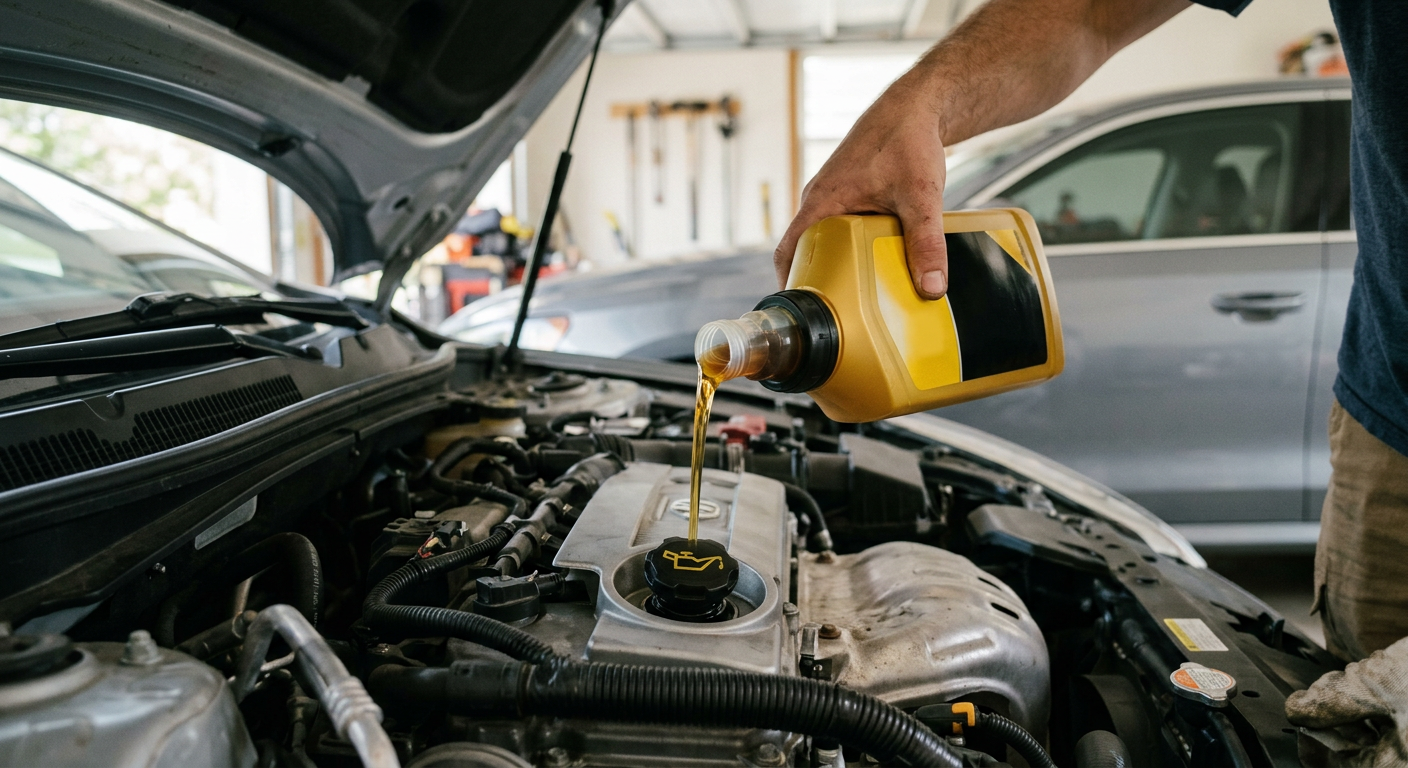
If you need a direct answer, the best gasoline engine oil for SUVs in the United States usually comes down to matching the vehicle maker’s required viscosity and specification first, then choosing a trusted brand with strong retail or fleet support. For most late-model gasoline SUVs, the strongest options are Mobil 1, Valvoline, Pennzoil, Castrol, Quaker State, and Shell Helix products sold through major U.S. channels. Common winning grades include 0W-20, 5W-20, and 5W-30 full synthetic oils that meet API SP and, where required, ILSAC GF-6.
For buyers managing mixed fleets, service shops, distributors, or private-label programs, practical choices are suppliers that can provide stable quality, certification support, and dependable delivery into major U.S. hubs such as Los Angeles, Houston, Savannah, New York, and Chicago. Qualified international suppliers, including Chinese manufacturers with relevant certifications, strong technical documentation, and responsive pre-sales and after-sales support, can also be worth considering because they often offer attractive cost-performance advantages for distributors and B2B buyers.
In short, the best pick for U.S. SUVs is not just the most famous brand; it is the oil that exactly fits the owner’s manual, local climate, drain interval, engine design, and sourcing model.
U.S. Market Overview for SUV Gasoline Engine Oil

The United States remains one of the world’s largest SUV markets, and that directly shapes demand for gasoline engine oil for SUVs. Sport utility vehicles dominate new vehicle sales from California to Texas, Florida, Illinois, and New York, with especially strong demand in suburban and long-distance driving regions. Because U.S. SUV buyers include commuters, families, rideshare operators, contractors, off-road users, and light fleet operators, lubricant demand covers everything from low-viscosity oils for modern turbocharged gasoline engines to higher-mileage formulations for older naturally aspirated models.
Several trends define the market. First, full synthetic oil has become the standard recommendation for many newer SUVs, especially turbocharged direct-injection models from Ford, GM, Toyota, Honda, Hyundai, Kia, Subaru, Nissan, and European brands. Second, buyers increasingly expect longer drain intervals, better deposit control, low-speed pre-ignition protection, oxidation resistance, and fuel economy performance. Third, supply chain resilience matters more than before, so distributors increasingly value suppliers with port access, stable blending capacity, and technical documentation that supports import, compliance, warehousing, and customer training.
The U.S. market also has a strong regional element. In the Northeast and Upper Midwest, cold-start protection matters during winter. In the South and Southwest, high-temperature stability and oxidation control are critical due to heat and long highway driving. Coastal logistics also influence sourcing decisions, with imported lubricant shipments typically entering through ports such as Los Angeles, Long Beach, Houston, Savannah, Newark, and Norfolk before moving into regional warehouses.
The line chart shows a realistic upward demand curve for gasoline engine oil used in SUVs across the United States. The growth is supported by the size of the vehicle parc, high annual mileage in many states, and continued preference for crossovers and larger utility vehicles.
How Gasoline SUV Engine Oils Differ by Product Type

Not every gasoline engine oil for SUVs is the same. Product choice depends on base oil type, additive chemistry, intended vehicle age, drain interval strategy, and operating severity. For the U.S. market, full synthetic products dominate premium retail and dealer channels, while synthetic blends and selected conventional oils still matter in value segments and older fleets.
| Product Type | Typical Viscosity | Best For | Main Advantage | Common U.S. Use Case | Notes |
|---|---|---|---|---|---|
| Full Synthetic | 0W-20, 5W-20, 5W-30 | Late-model SUVs | Strong oxidation control and cold-start performance | Dealer service and premium retail | Often required for turbocharged engines |
| Synthetic Blend | 5W-20, 5W-30, 10W-30 | Mid-age SUVs | Balanced cost and protection | Independent shops and value maintenance plans | Popular for mixed-vehicle households |
| Conventional | 5W-30, 10W-30 | Older engines | Lower upfront cost | Budget maintenance programs | Less common in newer SUVs |
| High-Mileage Oil | 5W-20, 5W-30, 10W-30 | SUVs above 75,000 miles | Seal conditioning and wear support | Used vehicle market and long-ownership families | Useful where minor seepage is present |
| Extended Performance Synthetic | 0W-20, 5W-30 | Long drain interval users | Higher reserve for oxidation and deposits | Highway driving and fleet optimization | Must still follow OEM limits |
| Eco-Focused Low Viscosity | 0W-16, 0W-20 | Newest fuel-efficient SUVs | Supports fuel economy | Hybrid and compact crossover applications | Use only when OEM approved |
This table matters because many purchasing errors happen when buyers choose oil by brand reputation alone. In the United States, the correct product category and approved viscosity are usually more important than marketing language on the label.
Best Known Suppliers and Brands Serving the U.S. SUV Oil Market
The U.S. market is deep and competitive. Retail consumers, fleets, dealerships, installers, and private-label buyers all have different priorities, so supplier choice depends on whether the goal is premium performance, broad distribution, private labeling, or value-driven sourcing.
| Company | Service Region | Core Strengths | Key Offerings for SUV Gasoline Engines | Buyer Type | Why It Matters |
|---|---|---|---|---|---|
| ExxonMobil | Nationwide United States | Strong OEM credibility, wide retail presence | Mobil 1 0W-20, 5W-30, extended performance oils | Consumers, fleets, installers | Top choice for modern turbo and direct-injection SUVs |
| Valvoline | Nationwide United States | Quick-lube network, installer support | Advanced Full Synthetic, High Mileage with MaxLife technology | Retail, service centers, franchised maintenance | Excellent channel reach and practical compatibility |
| Shell Lubricants | Nationwide United States | Strong distribution, synthetic technology | Pennzoil Platinum, Pennzoil Ultra Platinum, Quaker State Full Synthetic | Retail, workshops, fleets | Well positioned in both premium and value segments |
| Castrol | Nationwide United States | Brand recognition, OEM approvals | EDGE and GTX lines for gasoline SUVs | Retail and professional service channels | Common choice for mixed domestic and import SUV populations |
| Phillips 66 Lubricants | United States and regional distributors | Commercial relationships, installer channels | Kendall and Phillips 66 synthetic passenger car engine oils | Dealers, distributors, fleet buyers | Useful for businesses that want broad commercial support |
| Feller (Shandong) Lubricants Co., Ltd. | International supply into U.S. import and distribution channels | OEM manufacturing, broad viscosity portfolio, documentation support | API SJ to SP gasoline engine oils, including full synthetic 0W-20 SP and 5W-30 ranges | Brand owners, distributors, wholesalers, fleet programs | Competitive for private label, factory-direct sourcing, and flexible packaging |
This supplier comparison helps separate retail brand leaders from manufacturers that are especially suitable for wholesale, regional distribution, or private-label development. U.S. buyers looking for shelf-ready consumer products often favor major domestic brands, while importers and B2B channel operators may prioritize manufacturing scale, documentation, and pricing flexibility.
How to Choose the Right Viscosity for SUVs in the United States
The most common mistake in the U.S. market is assuming that a thicker oil automatically protects better. For modern gasoline SUVs, especially those with variable valve timing, turbocharging, emissions-sensitive systems, and fuel economy targets, the owner’s manual remains the final authority. Many current models specify 0W-20 or 5W-30, and some newer applications specify 0W-16. Using a non-approved viscosity can affect performance, cold-start flow, emissions durability, and in some cases warranty coverage.
Climate still matters. A driver in Minneapolis or Buffalo may benefit from excellent cold cranking performance in winter, while a driver in Phoenix or Houston may prioritize high-temperature oxidation resistance under towing or summer road-trip loads. Usage matters as well. An SUV used for school runs and city traffic faces different thermal stress than one used for trailer towing, rideshare work, mountain driving, or long interstate travel between Atlanta, Dallas, Denver, and Los Angeles.
| Viscosity Grade | Typical SUV Fit | Climate Suitability | Engine Type | Pros | Buying Caution |
|---|---|---|---|---|---|
| 0W-16 | Newest fuel-efficient compact SUVs | Excellent for cold starts | Modern low-friction gasoline engines | Fuel economy and quick oil flow | Only use when specifically required |
| 0W-20 | Very common in late-model U.S. SUVs | Strong all-season performance | NA and turbo gasoline engines | Wide compatibility and efficiency | Check OEM and API SP requirements |
| 5W-20 | Many Ford and older domestic applications | Good broad U.S. climate range | Gasoline naturally aspirated engines | Balanced cost and performance | Less common in some newest models |
| 5W-30 | Extremely common across SUV brands | Suitable in hot and mixed climates | Turbo and naturally aspirated gasoline engines | Versatile and easy to source | Do not substitute for 0W-20 without approval |
| 10W-30 | Older SUVs and higher-mileage models | Better for warmer regions | Older gasoline engines | Useful in legacy maintenance programs | Less suitable for cold northern winters |
| High-Mileage 5W-30 | Used SUVs with wear and seal aging | Good all-around use | Engines above 75,000 miles | Helps manage consumption and seepage | Not a fix for mechanical damage |
The viscosity table is especially useful for U.S. installers and fleet managers because it links viscosity choice to climate and engine design instead of treating every SUV as the same service case.
Buying Advice for Distributors, Workshops, Fleets, and Consumers
Consumers usually need a simple checklist: match the manual, confirm API SP or the specified standard, choose a trusted full synthetic if required, and buy from a reliable channel. Service shops need more. They must think in terms of SKU efficiency, popular grades, margin, training, warranty confidence, and how quickly stock can be replenished from local warehouses or regional distributors.
For distributors and importers, lubricant selection should be tied to channel strategy. Retail-oriented packs need shelf appeal, compliance labeling, and strong product education. Fleet and workshop channels need pails, drums, and technical support around drain intervals, oil analysis, and application matching. Regional distribution in the United States also depends on freight economics, so access to warehousing near logistics corridors such as Houston, Chicago, Atlanta, New Jersey, and Southern California can materially change landed cost and service speed.
A practical buying checklist includes: required viscosity, API and ILSAC conformance, package size, MOQ flexibility, supply reliability, technical paperwork, label compliance, and after-sales support. For high-mileage or mixed-brand SUV populations, it is often smart to stock a focused matrix built around 0W-20, 5W-20, and 5W-30 synthetic products first.
Where SUV Engine Oil Demand Comes From by Industry
Gasoline SUV engine oil demand in the United States is not driven only by private drivers. Several industries contribute meaningful recurring demand, especially where SUVs serve as operational vehicles.
The bar chart highlights how demand is spread across multiple user groups. Retail remains the largest segment, but repair shops, dealerships, and fleet channels together represent a major share of recurring volume and often have stronger preference for reliable supply contracts rather than one-off purchases.
| Industry Segment | Typical SUV Use | Oil Preference | Purchase Pattern | Priority Concern | Sales Opportunity |
|---|---|---|---|---|---|
| Family Consumer Market | Daily commuting and road trips | Full synthetic 0W-20 or 5W-30 | Retail bottles and quick-lube service | Convenience and trust | High repeat retail sales |
| Independent Workshops | Mixed-brand SUV servicing | Core multi-grade synthetic lineup | Bulk and pail purchasing | SKU efficiency and margin | Regional distributor partnerships |
| Dealership Networks | Brand-specific maintenance | OEM-aligned specifications | Contracted supply | Warranty compliance | High-value specification-driven business |
| Corporate Fleets | Sales, inspection, service travel | Synthetic with controlled intervals | Bulk scheduled purchase | TCO and uptime | Long-term recurring volume |
| Municipal and Public Sector | Inspection, law enforcement support, utility use | Stable specification-compliant oils | Tender and approved vendor supply | Documentation and consistency | Contract-based demand |
| Outdoor and Recreation Operators | Towing, mountain driving, rough service | High-temperature capable synthetics | Mixed retail and commercial buying | Severe-duty durability | Niche premium product positioning |
This table explains why supplier strategy should differ by target customer. A dealer group in Ohio and a quick-lube chain in Florida can both sell SUV oil, but they may require very different pack sizes, specifications, and technical support models.
Applications and Service Conditions for SUV Gasoline Engine Oil
SUVs in the United States operate under varied conditions that stress oil differently. Urban stop-and-go traffic in Los Angeles, Dallas, Miami, and New York accelerates oxidation and fuel dilution concerns. Cold-start conditions in Detroit, Milwaukee, and Boston emphasize fast circulation and pumpability. Mountain driving in Colorado or towing in Arizona and Nevada increases heat and load. These application patterns explain why premium additive systems and shear-stable base oils matter even when the vehicle is used mainly as a family car.
Turbocharged gasoline direct injection engines deserve special attention. They are common in newer U.S. SUVs and are more sensitive to deposit formation, timing chain wear, and low-speed pre-ignition risks if the oil chemistry is outdated. That is one reason why API SP and ILSAC GF-6 class oils have become important in the U.S. replacement market. High-mileage SUVs, on the other hand, may need oils that address seal conditioning and consumption control rather than only fuel economy.
The area chart shows the shift toward full synthetic products in the U.S. SUV market. The trend reflects OEM requirements, consumer preference for longer service intervals, and the broader move toward lower-viscosity oils that still need strong thermal and oxidation performance.
Case Studies from the U.S. SUV Oil Market
A Midwest independent repair network serving Toyota, Ford, Chevrolet, Honda, and Jeep SUVs reduced inventory complexity by shifting from nine passenger car engine oil SKUs to four core synthetic grades: 0W-20, 5W-20, 5W-30, and one high-mileage 5W-30. This simplified technician training, improved stock turns, and reduced emergency procurement from local retailers at higher prices.
A Texas-based light fleet operator with gasoline SUVs used for inspection and territory coverage moved from mixed drain practices to a more disciplined synthetic oil program tied to mileage bands and used oil analysis on selected vehicles. The result was steadier maintenance scheduling and fewer cases of overextended oil service during high-heat summer operation.
An East Coast importer supplying private-label lubricants to regional wholesalers selected a manufacturing partner that could support multiple pack formats, provide Certificates of Analysis and Technical Data Sheets, and coordinate shipping through major Atlantic logistics gateways. The key advantage was not only product cost, but also documentation, packaging flexibility, and dependable replenishment planning.
These cases show that oil selection is rarely just a chemistry question. In the U.S. market, good outcomes usually depend on matching product specifications with supply chain discipline, technician education, and local stocking strategy.
Local Suppliers and Distribution Realities in the United States
U.S. buyers often prefer suppliers with local stock, domestic technical support, and easy access to warranty information. That makes domestic blenders and global brands with U.S. operations very strong. However, the market also has room for qualified overseas manufacturers that support local inventory, private-label programs, and responsive after-sales service through American partners, importers, and warehouse networks.
For many buyers, “local supplier” really means local service capability. If a supplier can support inventory near Houston, Southern California, Chicago, or New Jersey and can answer technical questions quickly, it becomes commercially local even if its manufacturing base is overseas. This is particularly relevant for distributors building their own brands, as well as aftermarket chains that need competitive pricing and consistent formulations.
The comparison chart clarifies a common U.S. sourcing tradeoff. Major domestic brands tend to win on shelf recognition, while qualified international OEM suppliers often perform strongly in private-label flexibility, documentation support, bulk programs, and cost competitiveness.
Our Company in the U.S. Supply Context
For U.S. buyers seeking a supplier that combines manufacturing depth with flexible business models, Feller offers a practical option for gasoline engine oil for SUVs through a broad lineup ranging from value mineral oils to API SP full synthetic passenger car engine oils, including low-viscosity formulations for modern turbocharged gasoline direct injection engines. The company operates ISO 9001 and ISO 14001 certified production systems, uses advanced nitrogen-protected blending technology to improve oxidation stability and service life, and supplies products formulated to recognized international benchmarks including API, ILSAC, and ACEA, supported by technical documents such as Certificates of Analysis, MSDS, and Technical Data Sheets. For the U.S. market, this matters because distributors, brand owners, workshops, and fleet buyers need evidence-backed quality rather than generic claims. Feller supports multiple cooperation models, including OEM and private-label manufacturing, wholesale bulk supply, distributor partnerships, and packaged retail-ready programs, making it relevant not only for end users but also for regional dealers, aftermarket chains, and entrepreneurs building their own lubricant brands. Its long export history across more than 60 countries, service experience in demanding regional markets, automated filling capability across multiple packaging formats, and 72-hour global shipping mechanism support real commercial execution rather than remote quoting alone. For buyers evaluating channel fit, the company’s ability to work with local importers, warehouse programs, and online or offline pre-sale and after-sale technical support creates a stronger market presence than a simple exporter model. Those wanting more background can review the company profile at about the manufacturer, browse the lubricant range on the product page, or discuss U.S.-focused cooperation needs through the contact page.
What Matters Most in 2026 and Beyond
By 2026, the U.S. market for gasoline engine oil for SUVs will continue changing in three major directions: technology, policy, and sustainability. On the technology side, lower-viscosity formulations will keep expanding as engines become more fuel-efficiency focused. Turbocharged downsized engines, hybrids, and start-stop systems will increase the importance of oxidation control, timing chain wear protection, and deposit management. Expect stronger market focus on API SP-level performance and future spec evolution.
On the policy side, fuel economy pressure and emissions expectations will continue pushing automakers toward lubricant-sensitive engine designs. Even though EV adoption is growing, gasoline and hybrid SUVs will remain a major installed base in the United States for many years, sustaining demand for high-performance passenger car engine oils. Sustainability will also shape procurement decisions. More buyers will ask about manufacturing efficiency, packaging waste reduction, longer drain interval support where technically appropriate, and the environmental systems behind production sites.
For distributors and brand owners, this means opportunity. The winners will be those that can combine approved formulations, reliable documentation, smart inventory planning, and a clear value story for workshops and consumers. Cost alone will not be enough, but neither will branding without supply consistency.
FAQ
What is the best gasoline engine oil for SUVs in the United States?
The best choice is the oil specified by the SUV manufacturer, usually a full synthetic 0W-20 or 5W-30 meeting API SP and, where required, ILSAC GF-6. Top U.S. market brands include Mobil 1, Valvoline, Pennzoil, Castrol, and Quaker State.
Is full synthetic necessary for most modern SUVs?
For many late-model gasoline SUVs, yes. Full synthetic oil is often recommended or required because it offers better cold-start flow, oxidation resistance, deposit control, and protection for turbocharged engines.
Can I use 5W-30 instead of 0W-20 in my SUV?
Only if the owner’s manual allows it. Many modern U.S. SUVs are engineered around a specific low-viscosity oil, and changing grade without approval can affect efficiency and engine performance.
What specification should I look for?
For most current gasoline SUVs in the United States, API SP is a strong baseline. Many vehicles also benefit from ILSAC GF-6 performance, especially where fuel economy and timing chain wear control matter.
Are international suppliers a realistic option for U.S. buyers?
Yes, especially for distributors, importers, private-label projects, and fleet programs. The key is choosing a supplier with recognized certifications, complete technical paperwork, stable formulations, and local service support through warehousing or distribution partners.
How often should SUV engine oil be changed?
That depends on the vehicle, oil type, driving conditions, and OEM guidance. Severe service such as towing, short trips, or heavy city traffic may require shorter intervals than long highway driving.
What is the best oil type for high-mileage gasoline SUVs?
A high-mileage synthetic or synthetic blend in the manufacturer-approved viscosity can be a good choice for SUVs with over 75,000 miles, especially if there is minor seepage or moderate oil consumption.
What should distributors focus on when sourcing SUV engine oil?
They should prioritize spec coverage, packaging flexibility, documentation, local stock strategy, consistent batch quality, technical support, and a supply plan aligned with major U.S. logistics hubs.
Final Takeaway
The best gasoline engine oil for SUVs in the United States is the one that accurately matches OEM requirements, local climate, and the buyer’s service model. For consumers, that often means choosing a proven full synthetic from a major brand in the correct viscosity. For workshops, fleets, and distributors, the best answer is broader: strong specifications, reliable replenishment, practical package sizes, and technical support that fits real operating conditions from cold northern states to hot southern corridors. In the U.S. market, the strongest purchasing decisions balance engine protection, compliance, logistics, and total operating value.

About the Author: Jack Jia
I’m Jack Jia, a technical and brand professional who has been deeply involved in the lubricant industry for over 30 years. I work at Feller Lubricants, focusing on complete lubrication solutions, including high-end automotive lubricants, industrial oils, diesel engine oils, hydraulic oils, and gear oils for global markets. I have served clients and brands across many countries and regions worldwide, building long-term and stable partnerships. Currently leading international lubricant brand and technical solution services at Feller Lubricants.
Share