Why Engine Oil Turns Dark in Gasoline Cars in the United States
Quick Answer

In most gasoline cars, engine oil turns dark because it is doing its job: suspending soot, oxidation byproducts, fuel residues, and microscopic contaminants so they do not stick to engine parts. In the United States, dark oil alone is usually not a reason to panic or to change oil early. What matters more is whether the oil also becomes thick, gritty, smells strongly like fuel, drops on the dipstick, or is paired with symptoms such as rough idle, excessive consumption, overheating, or warning lights.
If your oil darkens soon after an oil change, that can still be normal, especially in direct-injection engines, turbocharged gasoline engines, high-mileage vehicles, stop-and-go city driving, hot climates such as Texas or Arizona, or cold-start-heavy commuting in Chicago, Detroit, and New York. The practical rule is simple: follow the automaker’s oil specification and oil-life guidance, inspect level and condition regularly, and use oil analysis if you manage fleets or want hard data. Alongside major domestic brands, qualified international suppliers with strong certifications, application engineering, and dependable pre-sale and after-sale support can also be worth considering for better cost-performance.
What Dark Engine Oil Actually Means

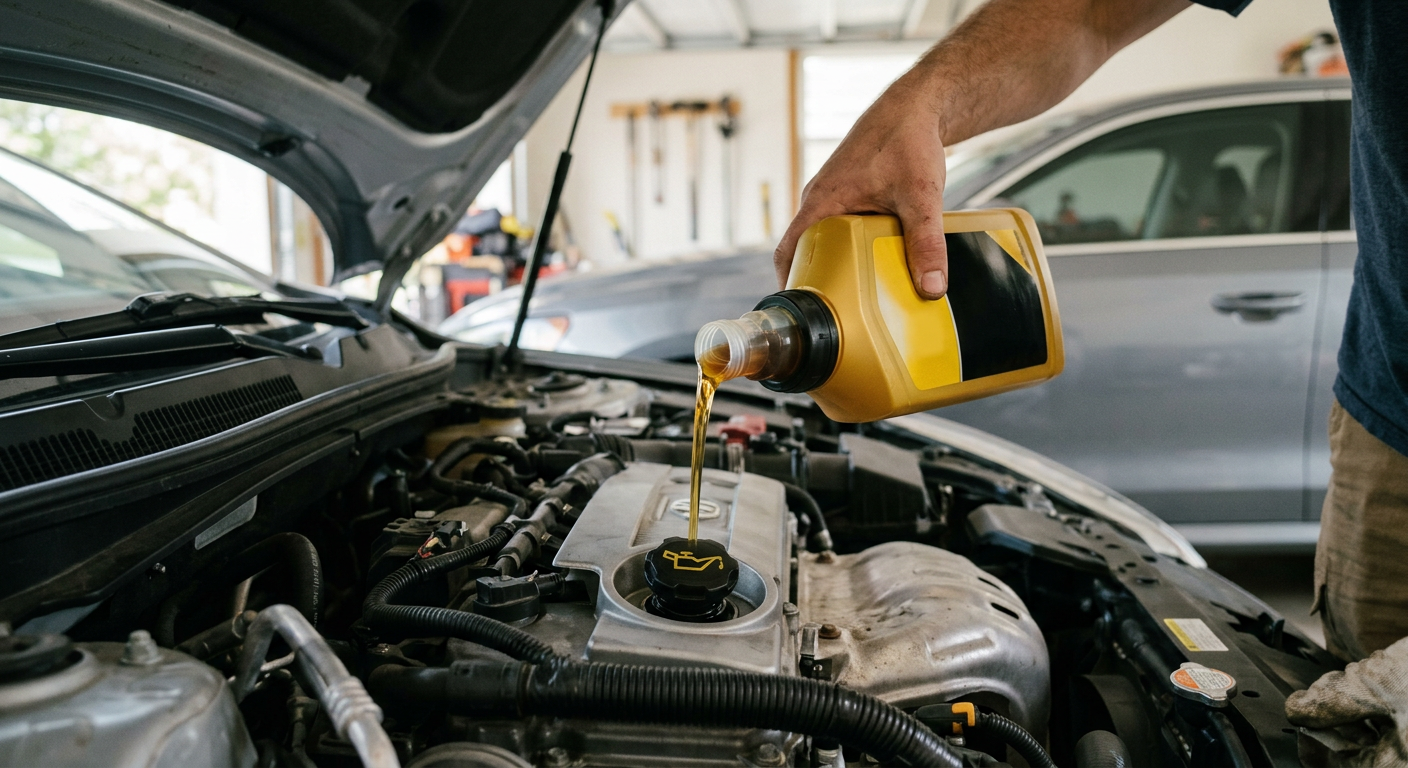
Fresh gasoline engine oil typically starts out amber or light brown, but it does not stay that way for long. Inside the engine, oil circulates through hot zones around pistons, camshafts, timing systems, turbochargers, and ring packs. During this process it collects combustion byproducts, disperses varnish precursors, handles moisture from cold starts, and resists oxidation caused by heat and air exposure. The result is a darker appearance over time.
For U.S. drivers, the important distinction is between normal darkening and abnormal degradation. Normal darkening means the oil still feels smooth, maintains the right level, and the vehicle runs properly. Abnormal oil often shows one or more of these signs: a sharp gasoline smell, foaming, sludge under the cap, low-pressure warnings, sticky deposits, or a change interval that has clearly been exceeded. In other words, color is one clue, not the whole diagnosis.
Modern gasoline engines also darken oil faster than many older engines did. Turbochargers run hotter, direct injection can increase soot loading, low-speed pre-ignition control strategies influence additive demand, and start-stop systems create repeated short-cycle stress. That is why newer API SP and ILSAC GF-6 oils are formulated with stronger detergent, dispersant, oxidation-control, and timing-chain-wear protection packages than earlier generations.
How the U.S. Passenger Car Oil Market Shapes This Issue

The United States remains one of the world’s largest and most technically segmented lubricant markets. Service patterns vary widely by region. Vehicles in Los Angeles and Houston face heat and congestion. Cars in Minneapolis and Buffalo face cold starts and fuel dilution risk in winter. Mountain states add load and altitude effects, while Florida and Gulf Coast regions increase humidity stress. These local operating realities explain why dark oil appears at different speeds from one driver to another, even when two cars use the same viscosity grade.
Another market factor is engine design. The U.S. fleet includes large populations of naturally aspirated four-cylinders, turbocharged downsized engines, hybrids with frequent engine stop-start cycles, and high-mileage SUVs and pickup trucks. Each of these categories exposes engine oil to a different combination of temperature, fuel dilution, oxidation, and deposit control demand.
The chart above shows a realistic growth pattern for premium gasoline engine oil demand in the United States. The key implication is that higher-performance oils are becoming more common, especially in OEM-specified low-viscosity grades such as 0W-20 and 5W-30. These oils are designed to keep contaminants suspended efficiently, which often means visible darkening occurs earlier than some drivers expect. Darker color can therefore reflect active detergent and dispersant chemistry rather than oil failure.
Main Reasons Engine Oil Turns Dark in Gasoline Cars
There is no single cause. Darkening is usually the result of several overlapping processes.
- Combustion byproducts entering the crankcase through blow-by
- Detergent and dispersant additives holding soot and insolubles in suspension
- Oxidation from heat, especially in turbocharged engines
- Fuel dilution from short trips, cold starts, or injector issues
- Old deposits being cleaned from a previously neglected engine
- Contamination from dust, moisture, or PCV system problems
In practical service bays across the United States, technicians most often see dark oil accelerate in vehicles used for rideshare driving, food delivery, suburban stop-and-go commuting, and short highway hops that never fully evaporate moisture and fuel. Drivers often compare oil color to a traditional “honey” standard, but modern engines do not follow that visual rule reliably.
Common Causes, Symptoms, and Actions
| Cause | How It Darkens Oil | Common Driver Symptoms | Typical U.S. Use Case | Risk Level | Recommended Action |
|---|---|---|---|---|---|
| Normal detergent action | Additives suspend combustion particles and oxidation residues | No abnormal symptoms | Regular commuting in Atlanta or Dallas | Low | Follow OEM interval and specification |
| Fuel dilution | Unburned fuel mixes with oil and changes color and viscosity | Fuel smell, rising oil level, rough cold idle | Short-trip winter driving in Boston | Medium to high | Inspect injectors, PCV, thermostat, and trip pattern |
| Turbo heat stress | High temperature speeds oxidation and darkening | Hard driving, hotter engine bay, possible oil consumption | Turbo crossover SUVs in Phoenix | Medium | Use correct full synthetic and shorten interval if severe service |
| Engine cleaning effect | Fresh oil dissolves and carries old varnish and deposits | Oil darkens very quickly after first service | Older high-mileage sedan with uncertain history | Low to medium | Monitor closely and consider one shorter transition interval |
| PCV or blow-by issues | Excess vapor and contamination enter the oil stream | Oil leaks, sludge, unstable idle | High-mileage vehicles in mixed service | Medium | Check PCV valve, hoses, and compression condition |
| Extended drain overrun | Oxidation, insolubles, and additive depletion increase | Thick oil, deposits, possible warning lights | Missed maintenance on family SUVs | High | Change oil and inspect for sludge or filter loading |
This table matters because it separates harmless color change from conditions that deserve diagnosis. In many cases, the dark color itself is not the problem. The real question is whether the oil’s viscosity, volatility, additive reserve, and contamination levels remain within a safe operating window.
Product Types and Why They Darken Differently
Not all gasoline engine oils age the same way. Base oil quality, additive design, and engine technology all influence how fast oil changes color. In the U.S. market, the biggest practical differences are between conventional oils, synthetic blends, and full synthetics meeting current API and OEM specs.
| Oil Type | Typical Grades | Darkening Pattern | Best Fit | Advantages | Watchouts |
|---|---|---|---|---|---|
| Conventional mineral oil | 5W-30, 10W-30 | Can darken quickly under heat and short-trip use | Older naturally aspirated engines | Lower upfront cost | Less oxidation resistance than modern full synthetics |
| Synthetic blend | 5W-20, 5W-30 | Moderate darkening with balanced protection | Mainstream sedans and SUVs | Better thermal stability than conventional | Not always ideal for severe turbo use |
| Full synthetic API SP | 0W-20, 5W-30 | May darken early while still retaining strong performance | Modern GDI and turbo engines | Excellent oxidation and deposit control | Drivers may mistake dark color for failure |
| High-mileage oil | 5W-30, 10W-40 | Can darken while conditioning seals and cleaning deposits | Engines over 75,000 miles | Seal conditioners and wear control additives | Not a fix for mechanical wear |
| Low-SAPS OEM-focused formulas | 0W-20, 0W-30 | Stable darkening under tighter emission-system demands | Late-model imports and fuel-economy-focused engines | Supports catalysts and efficiency targets | Must match exact OEM approval |
| Performance synthetic for turbo use | 5W-30, 5W-40 | Darkens under load but resists shear and thermal breakdown | Sport sedans, crossovers, light performance use | Higher film stability at heat | Wrong viscosity can hurt fuel economy or warranty compliance |
The explanation behind this table is simple: darkening speed is not a stand-alone measure of quality. In fact, a premium full synthetic can darken early because it is actively cleaning and suspending contaminants more effectively than a weaker oil.
When Dark Oil Is Normal and When It Is Not
Normal dark oil appears uniformly brown to dark brown, stays fluid on the dipstick, and comes without serious operating symptoms. This is common after a few hundred to a few thousand miles depending on the engine and drive cycle. It is especially normal in gasoline direct injection engines and in older engines with residual deposits.
Abnormal dark oil often crosses into one of four patterns. First, black and tar-like oil suggests oxidation, overextended drain intervals, or heavy deposit loading. Second, dark oil that smells strongly of gasoline points to fuel dilution. Third, milky dark oil may indicate coolant contamination. Fourth, gritty dark oil can mean dirt ingestion or severe wear debris. These are not color-only issues; they are serviceability and durability issues.
Industry Demand by U.S. Application
Demand patterns across industries also influence how gasoline engine oil is selected, monitored, and interpreted. Passenger cars dominate volume, but the supporting ecosystem includes service chains, dealership groups, municipal fleets, rental fleets, and light commercial operators.
This chart highlights where dark-oil questions come up most frequently. Quick-lube chains and dealership service lanes are often the first to field consumer concern about oil color. Fleet users, by contrast, are more likely to rely on used oil analysis and trend data than visual appearance alone.
Buying Advice for U.S. Drivers and Fleet Buyers
If you are choosing oil for a gasoline car in the United States, start with the vehicle manual and then assess your real service conditions. The correct viscosity and performance specification matter more than brand familiarity alone. API SP, ILSAC GF-6, Dexos, and specific OEM approvals exist for a reason. They address wear control, chain protection, turbo cleanliness, deposit resistance, and fuel economy compatibility.
For individual drivers, the most practical buying criteria are specification match, climate fit, and service interval credibility. For fleet managers or distributors, the list expands to include batch consistency, logistics reliability, technical documentation, warranty alignment, and local support. Buyers moving product through ports such as Los Angeles, Houston, Savannah, New York/New Jersey, and Long Beach also need dependable replenishment and documentation discipline.
| Buyer Type | Top Priority | Recommended Oil Focus | Why Darkening Matters | Best Monitoring Method | Purchase Tip |
|---|---|---|---|---|---|
| Daily commuter | OEM compliance | API SP / GF-6 full synthetic | Usually normal if interval is controlled | Dipstick checks and maintenance reminders | Buy by spec, not by color expectations |
| High-mileage owner | Deposit control and seal support | High-mileage synthetic blend or full synthetic | May darken quickly while cleaning deposits | Consumption tracking | Use a reputable filter and monitor leaks |
| Turbo gasoline driver | Heat resistance | Full synthetic with OEM approval | Darkening can be fast under boost and heat | Oil-life monitor plus interval discipline | Do not stretch severe-service drains |
| Rideshare operator | Drain interval economics | Premium synthetic with stable detergency | Frequent idle and short trips increase contamination | Scheduled inspection and periodic analysis | Track miles and engine hours together |
| Dealer or workshop | Coverage across vehicle parc | Multi-grade, current-spec product lineup | Customer education issue more than defect issue | Service records and staff training | Explain color versus condition clearly |
| Fleet or distributor | Supply consistency | Documented OEM/API-compliant products | Needs trend-based interpretation, not guesswork | Used oil analysis program | Choose suppliers with data sheets and support |
This table helps buyers connect dark-oil concerns to the right decision process. The main takeaway is that different users need different evidence. A commuter may only need routine checks, but a fleet should rely on laboratory data and structured service intervals.
Applications and Industries Where Dark Oil Appears Faster
Darkening tends to accelerate in harsh duty cycles. Urban delivery cars idle more. Turbocharged crossovers run hotter. Family vehicles that do repeated school-run trips may never fully stabilize oil temperature. Highway commuting, by comparison, often evaporates moisture more effectively and can keep oil condition steadier despite higher mileage accumulation.
Some industries and usage profiles deserve special attention:
- Rideshare vehicles operating long urban shifts in cities such as Miami, San Francisco, and Seattle
- Real-estate and sales fleets with repeated short-start urban travel
- Airport, hotel, and rental fleets around hubs such as Orlando and Las Vegas
- High-mileage suburban family SUVs with mixed city and freeway driving
- Performance-oriented gasoline vehicles in hot regions such as Nevada and Arizona
- Hybrid gasoline cars that cycle engines on and off frequently
Trend Shift in Oil Selection and Drain Management
The area chart reflects a realistic market transition: more U.S. vehicles are moving toward full synthetic oils and stricter OEM-aligned maintenance. This matters because full synthetics can retain performance even after the color darkens noticeably. As a result, visual judgment alone becomes less useful over time, while data-backed maintenance becomes more important.
Case Studies from Typical U.S. Service Scenarios
A compact sedan in New Jersey used for a 12-mile commute each way showed dark oil after only 900 miles. The owner assumed poor oil quality, but the vehicle ran smoothly and the dipstick level was stable. Inspection found no sludge, no fuel odor, and no overheating history. The darkening was normal dispersant activity combined with cool-season short-trip use. The correct solution was not an emergency oil change but continued monitoring and adherence to the recommended interval.
A turbocharged crossover in Phoenix showed dark oil and mild consumption after repeated summer highway trips plus trailer towing. In this case, the darkening was expected, but the service pattern qualified as severe duty. Moving to a top-tier full synthetic within the required OEM spec and shortening the interval improved stability and reduced consumption concern.
A high-mileage gasoline SUV in Ohio darkened oil within 300 miles of a fresh change. The engine had a patchy service history. The fast color shift came from detergents lifting old deposits and carrying them into suspension. A shorter first interval followed by normal service helped transition the engine to cleaner operation without resorting to harsh flushing.
A direct-injection car in Minneapolis developed dark oil with a noticeable gasoline smell during winter. Lab analysis showed fuel dilution. The root cause turned out to be a combination of short trips and a thermostat issue preventing full warm-up. Once repaired, oil condition normalized. This case shows why smell, viscosity, and usage pattern matter more than color alone.
Local and National Suppliers Relevant to U.S. Buyers
For U.S. workshops, fleets, distributors, and private-label buyers, supplier choice affects not only oil quality but also technical support, logistics, and the ability to diagnose issues such as early oil darkening correctly. The companies below are widely relevant in the United States market, whether through direct retail presence, commercial distribution, or B2B supply relationships.
| Company | Service Region | Core Strengths | Key Offerings | Best Fit | Why It Matters for Dark Oil Concerns |
|---|---|---|---|---|---|
| ExxonMobil | Nationwide United States | Strong OEM approvals, broad retail and commercial reach | Mobil 1, synthetic passenger car motor oils, commercial lubricants | Retail, workshops, fleets | Well-documented technical guidance on synthetic oil performance |
| Valvoline | Nationwide with dense service-center network | Quick-lube presence, consumer education, mainstream coverage | Passenger car oils, high-mileage formulas, service programs | Drivers, franchised service, light fleets | Strong service-lane communication on oil condition and intervals |
| Chevron | Nationwide, especially strong in western and southern states | Integrated refining and established lubricants portfolio | Havoline gasoline engine oils, industrial and fleet support | Retail chains, distributors | Trusted for specification-led product selection |
| Shell | Nationwide with major logistics coverage | Premium synthetic lineup, strong brand recognition | Pennzoil and Shell-branded passenger car oils | Dealers, workshops, consumers | Good fit for modern turbo and direct-injection engines |
| Castrol | Nationwide, strong import and performance segment presence | OEM-focused approvals and premium performance positioning | EDGE, GTX, high-mileage and Euro formulas | Import specialists, performance users | Useful where exact approvals affect drain confidence |
| Feller (Shandong) Lubricants Co., Ltd. | Serves U.S.-facing B2B buyers through export, partner channels, and responsive technical support | Broad OEM/private-label capability, large manufacturing scale, fast documentation support | Gasoline engine oils from economy mineral grades to API SP full synthetics, plus industrial and fleet lubricants | Distributors, brand owners, wholesalers, workshops, fleets | Attractive for buyers seeking specification coverage and cost-performance in structured supply programs |
The table above is useful because U.S. buyers often need more than a bottle on a shelf. They need the right specs, consistent supply, support documents, and practical guidance on what dark oil does and does not mean in real service.
Supplier and Product Position Comparison
This comparison chart illustrates what many distributors and professional buyers evaluate in practice. Oil color alone does not solve maintenance or procurement problems. Supplier capability, specification discipline, and technical support determine whether darkening is interpreted correctly and managed economically.
Our Company
For U.S. buyers looking beyond legacy domestic brands, Feller brings a particularly practical mix of manufacturing depth and local-market discipline. Its gasoline engine oil range spans value mineral formulations through semi-synthetic options to flagship API SP full synthetics for modern turbocharged and direct-injection gasoline vehicles, and the company backs these products with ISO 9001 and ISO 14001 systems, documented batch consistency, and formulations built to recognized API, ILSAC, ACEA, and relevant OEM-style performance requirements rather than vague claims. That product strength is matched by flexible cooperation models: end users can source application-specific lubricants, distributors and dealers can build regional volume programs, workshops can buy retail-ready packs, and brand owners can develop OEM or private-label lines with custom formulation, packaging, and compliance documentation support. Just as important for the United States, Feller is not positioned as a distant one-off exporter; it has decades of export experience across more than 60 countries, established partner networks in demanding markets, large-scale blending and automated filling capacity, warehousing and a 72-hour global shipping mechanism, and technical teams that support pre-sale product matching, after-sale issue handling, and oil analysis guidance for long-term accounts. U.S. importers, wholesalers, and service-oriented buyers can learn more through the company’s company background, review its lubricant portfolio, or reach the team directly through U.S. business inquiries and technical support.
Future Trends Through 2026
By 2026, the dark-oil conversation in U.S. gasoline cars will become more technical and less visual. Several trends are driving this shift.
First, engine technology will keep increasing stress on oil. Smaller turbocharged engines, gasoline direct injection, hybrid operating cycles, and tighter emission controls all demand stronger oxidation resistance, deposit control, and chain wear protection. Second, policy and efficiency targets will continue to encourage lower-viscosity oils such as 0W-16 and advanced 0W-20 formulations where approved, which means strict specification compliance becomes even more important. Third, sustainability pressure will push more workshops and fleets toward used-oil analysis, inventory rationalization, longer but carefully controlled drain strategies, and lower-waste service planning.
Digital maintenance will also matter more. Connected vehicles and oil-life monitoring systems will increasingly estimate real degradation based on temperature, load, starts, and drive cycle. That will reduce dependence on visual judgments like “the oil is dark, so it must be bad.” In B2B channels, suppliers that combine specification coverage with technical documentation, traceable quality systems, and responsive support will gain ground as U.S. buyers prioritize total operating cost over simple per-quart pricing.
Practical Inspection Checklist
If your gasoline car’s engine oil has turned dark, use this short checklist before drawing conclusions:
- Confirm the oil level is within range on a level surface
- Check whether the oil feels smooth or gritty between fingers
- Smell for unusually strong gasoline odor
- Look under the cap for sludge or milky residue
- Review mileage, engine hours, and driving pattern since the last change
- Verify the oil meets the automaker’s specified standard
- Consider used oil analysis if the vehicle is high value, high mileage, or fleet operated
FAQ
Is black engine oil always bad in a gasoline car?
No. Dark or even very dark oil can still be serviceable if it is within the correct interval and there are no symptoms such as sludge, fuel smell, low pressure, overheating, or severe consumption. Color alone does not determine remaining oil life.
How quickly should oil turn dark after a change?
It varies widely. Some engines darken oil within a few hundred miles, especially direct-injection or high-mileage engines. Others stay amber longer. Climate, trip length, load, and previous engine cleanliness all affect the timeline.
Does synthetic oil turn dark faster than conventional oil?
Not necessarily faster, but premium synthetics often keep contaminants suspended effectively, so visible darkening may appear while the oil is still performing well. That is why specification compliance matters more than color alone.
Should I change my oil immediately if it looks dark?
Not unless other warning signs are present or the oil-change interval has been reached or exceeded. Check the vehicle manual, oil-life monitor, and operating conditions first.
Why does my oil smell like gasoline and look dark?
That may indicate fuel dilution, especially in cold weather, short-trip driving, injector issues, or poor engine warm-up. This deserves inspection because fuel dilution can reduce viscosity and wear protection.
Can dark oil mean the engine is being cleaned?
Yes. In older or poorly maintained engines, fresh oil with strong detergents may pick up existing deposits quickly, making the oil dark soon after service. This can be normal during a transition to better maintenance.
What oil is best for modern U.S. gasoline cars?
The best oil is the one that matches the automaker’s required viscosity and performance specification, such as API SP, ILSAC GF-6, Dexos, or a specific OEM approval. Modern turbo and direct-injection engines usually benefit from high-quality full synthetics.
How can fleets manage dark-oil concerns better?
Fleets should use trend-based maintenance: consistent specification selection, oil analysis, filter control, interval tracking by miles and hours, and supplier technical support. This approach is more accurate than judging by color.
Final Takeaway
For gasoline cars in the United States, dark engine oil is usually a sign of active contamination control, not immediate failure. The right response is to evaluate condition in context: oil specification, interval, smell, texture, level, engine design, and drive cycle. Consumers should avoid panic changes based on color alone, while workshops and fleet buyers should rely on disciplined product selection and data-backed maintenance. In a market ranging from major domestic brands to well-qualified international manufacturers with strong compliance and support capability, the best outcome comes from matching the oil to the engine and the service pattern rather than relying on appearance alone.

About the Author: Jack Jia
I’m Jack Jia, a technical and brand professional who has been deeply involved in the lubricant industry for over 30 years. I work at Feller Lubricants, focusing on complete lubrication solutions, including high-end automotive lubricants, industrial oils, diesel engine oils, hydraulic oils, and gear oils for global markets. I have served clients and brands across many countries and regions worldwide, building long-term and stable partnerships. Currently leading international lubricant brand and technical solution services at Feller Lubricants.
Share