Diesel Engine Oil Change Steps in the United States
Quick Answer

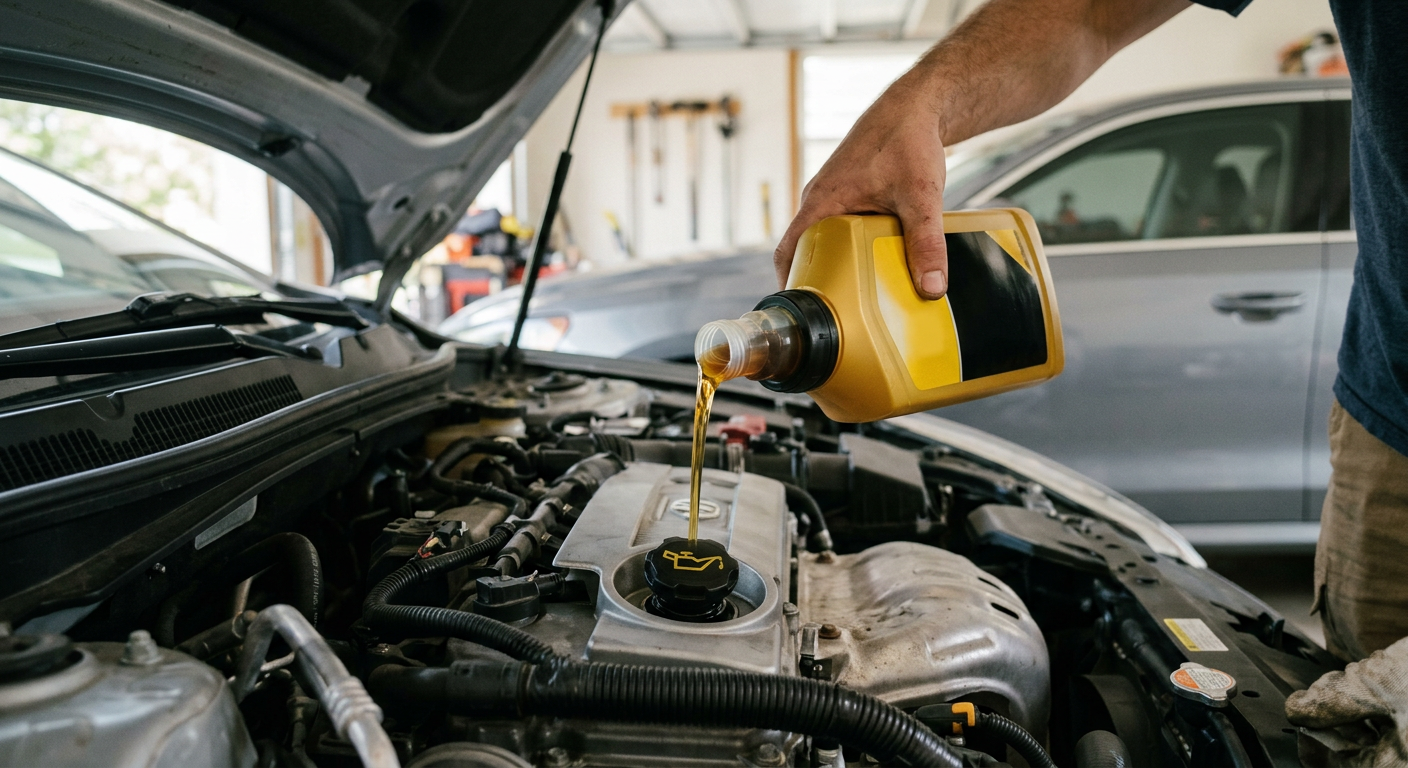
The basic diesel engine oil change steps in the United States are straightforward: warm the engine slightly, park on level ground, secure the vehicle, drain the old oil, replace the oil filter, install the drain plug with the correct torque, refill with the manufacturer-specified diesel engine oil, start the engine briefly, check for leaks, verify the oil level, and reset the maintenance reminder if equipped. For pickups, heavy-duty trucks, farm equipment, and construction machines, always confirm the correct viscosity and API category in the owner’s manual before adding new oil.
If you are buying oil for regular service work, practical choices in the U.S. market include Shell Rotella, Mobil Delvac, Chevron Delo, Valvoline Premium Blue, Phillips 66 Guardol, and AMSOIL for specific fleets and owner-operators. Qualified international suppliers can also be considered, including Chinese manufacturers with relevant certifications, stable production, and strong pre-sales and after-sales support, especially when buyers want better cost-performance for wholesale, private label, or bulk supply.
Why Diesel Oil Changes Matter in the United States

Diesel engines in the United States work across a wide range of conditions, from long-haul freight corridors in Texas and Tennessee to agricultural fleets in Iowa, construction yards in Florida, mining operations in Nevada, and cold-weather municipal service vehicles in Minnesota. Because diesel engines produce soot, face fuel dilution risk, and often operate under heavy loads or long idle hours, engine oil condition affects wear control, turbocharger protection, emissions system life, and total maintenance cost.
In real service environments, oil changes are not just routine housekeeping. They are part of a preventive maintenance program that protects bearings, pistons, valve trains, and modern aftertreatment systems such as diesel particulate filters. A missed service interval on a pickup in Phoenix or a Class 8 truck moving freight through the Port of Los Angeles can quickly turn into expensive downtime. That is why understanding the correct diesel engine oil change process is important for both individual owners and fleet maintenance teams.
U.S. buyers also face practical decisions about viscosity grades, synthetic versus conventional formulations, drain intervals, and compatibility with engine technology from Cummins, Power Stroke, Duramax, Detroit, PACCAR, Volvo, Mack, Caterpillar, Deere, and Kubota. The right oil change steps begin with choosing the right product, but they end with proper inspection, recordkeeping, and leak prevention.
Complete Diesel Engine Oil Change Steps

Below is a practical step-by-step process that applies to most diesel pickups, commercial trucks, generators, agricultural equipment, and construction machines. Always check the service manual because drain capacities, torque specs, and filter positions vary.
Prepare the vehicle and materials
Gather the correct quantity of diesel engine oil, a new oil filter, drain pan, filter wrench, gloves, shop towels, funnel, socket set, and the vehicle manual. Verify the oil specification before opening the container. In the U.S. market, common diesel grades include 15W-40 for many heavy-duty applications and 5W-40 synthetic for colder climates or year-round severe service.
Warm the engine moderately
Run the engine for a few minutes so the oil flows more easily, but do not work on an engine that is dangerously hot. Warm oil drains faster and carries more suspended contaminants out of the crankcase.
Park safely on level ground
Shut off the engine, apply the parking brake, and chock the wheels if necessary. For raised vehicles, use approved jack stands or ramps. Safety matters especially for service on larger diesel pickups and medium-duty trucks.
Remove the drain plug
Position the drain pan under the oil pan and remove the drain plug carefully. Allow the old oil to drain completely. Check the plug and sealing washer for wear or damage. If the plug is magnetic, inspect it for unusual metal particles. A small amount of fine residue can be normal, but heavy flakes or chips may indicate internal wear.
Remove and replace the oil filter
Use the proper filter wrench and remove the old filter. Make sure the old gasket comes off with it. Lightly coat the gasket of the new filter with fresh oil, then install it according to the manufacturer’s instructions. Over-tightening can damage the seal; under-tightening can cause leaks.
Reinstall the drain plug correctly
Once draining is complete, reinstall the drain plug and tighten it to the recommended torque. This is one of the most overlooked diesel engine oil service steps. Too loose can leak, too tight can strip threads in the oil pan.
Refill with the correct oil
Use a funnel and add the specified amount of oil. Do not guess. Diesel engines often have large sump capacities, and overfilling can cause foaming, crankshaft aeration, and elevated oil consumption.
Start, circulate, and inspect
Start the engine and let it idle for a minute. Confirm that the oil pressure warning light goes out promptly. Inspect around the drain plug and filter for leaks. Shut the engine off and wait a few minutes for the oil to settle.
Check the dipstick level
Pull the dipstick, wipe it clean, reinsert it, and check the level. Top off only if needed. Keep the oil within the safe range, not above it.
Reset service reminders and document the job
If the vehicle has an oil life monitor or maintenance reset function, reset it. Record the date, mileage, engine hours, oil brand, viscosity, API category, and filter part number. This is particularly useful for fleets, warranty claims, and diagnosing future issues.
Common Diesel Oil Types Used in the U.S. Market
Not every diesel engine in the United States uses the same oil. Newer emissions-equipped trucks often need low-ash products, while older engines may operate on more traditional heavy-duty formulations. The table below summarizes common categories and uses.
| Oil Type | Typical Viscosity | Best For | Main Advantage | U.S. Usage Pattern | Notes |
|---|---|---|---|---|---|
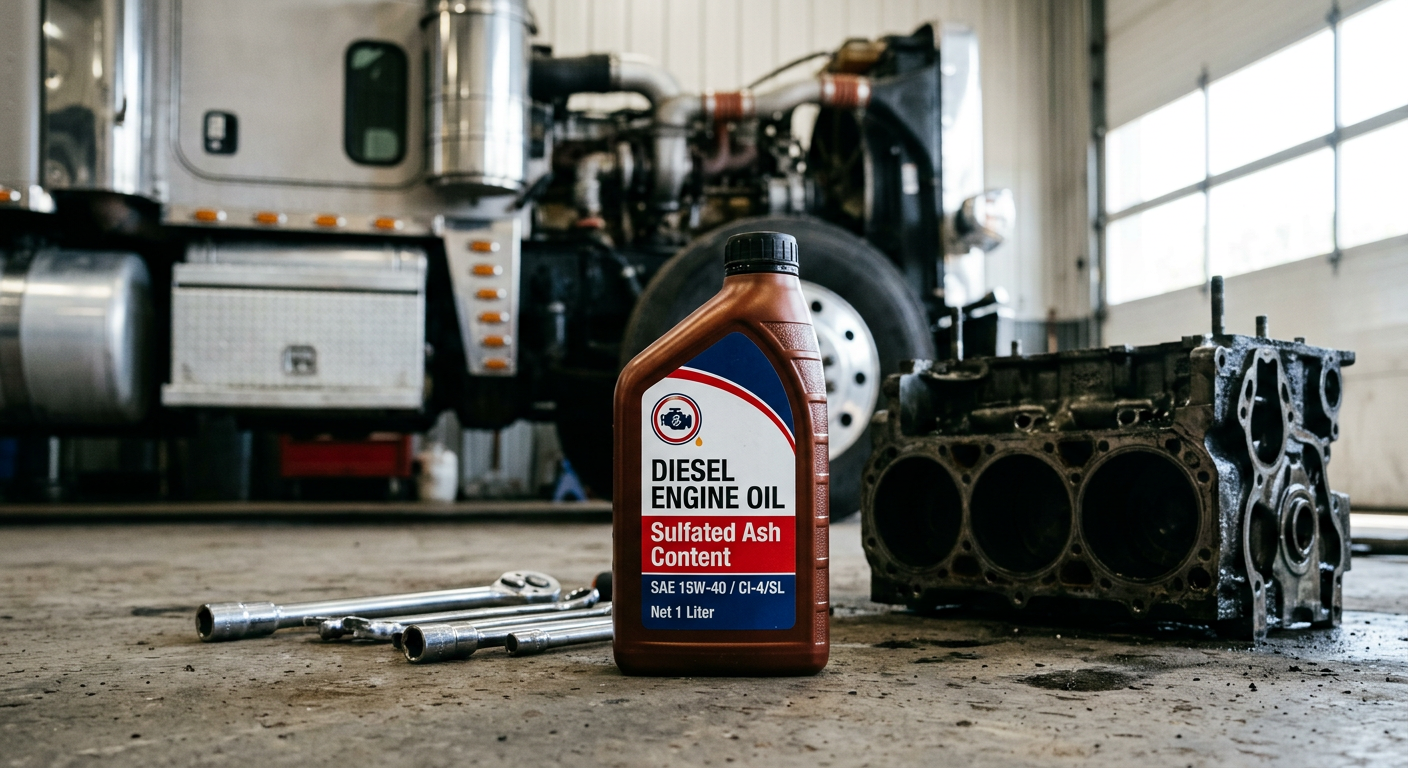
| Conventional heavy-duty diesel oil | 15W-40 | Older trucks, farm equipment, mixed fleets | Lower upfront cost | Common in warm and moderate regions | Good for many legacy engines if spec matches |
| Semi-synthetic diesel oil | 10W-30, 15W-40 | Regional fleets, moderate drain interval upgrades | Balanced cost and performance | Seen in municipal and contractor fleets | Often used when operators want better cold flow |
| Full synthetic diesel oil | 5W-40 | Severe duty, cold starts, turbocharged engines | Improved oxidation and temperature control | Popular in northern states and premium fleets | Supports cleaner operation under stress |
| Fuel-economy diesel oil | 10W-30 | High-mileage fleets seeking efficiency | Lower internal drag | Growing in logistics and delivery fleets | Must be approved by engine manufacturer |
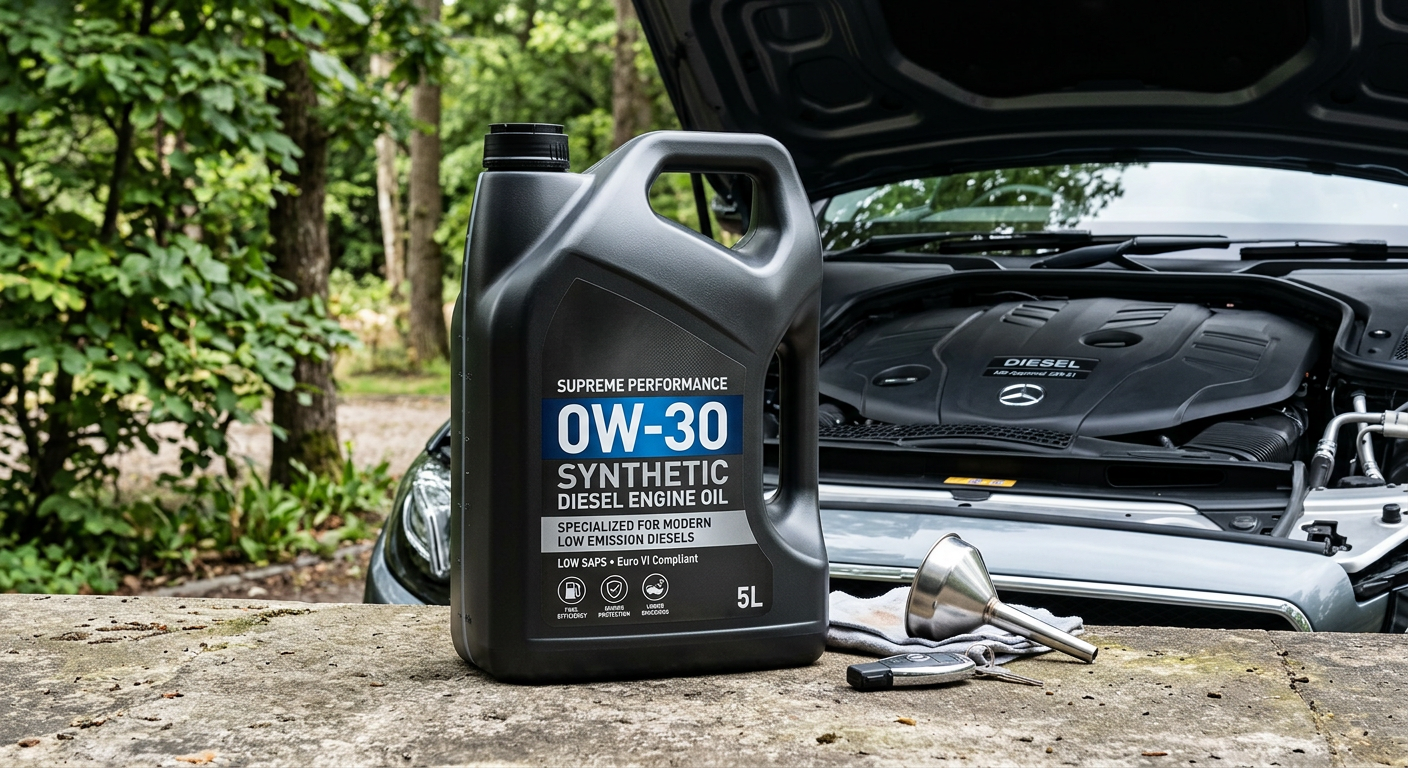
| Low-SAPS diesel oil | 5W-30, 5W-40, 10W-30 | Engines with DPF and advanced emissions systems | Protects aftertreatment components | Standard for many newer on-road diesels | Watch API category and OEM approvals carefully |
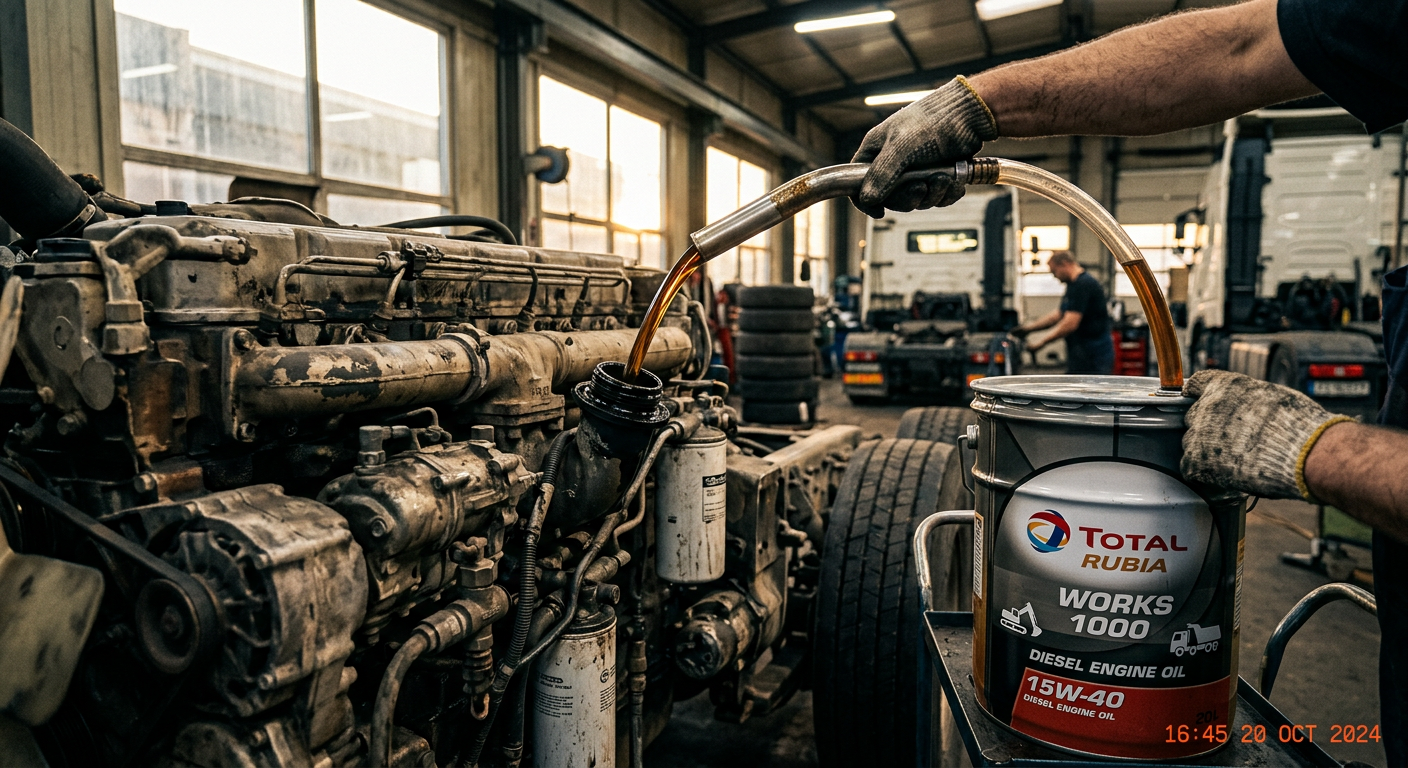
| Off-highway diesel oil | 15W-40, 10W-30 | Construction, mining, and agricultural machines | Strong soot handling and wear protection | High demand in the Midwest and Sun Belt | Service intervals often based on engine hours |
This table helps buyers match product type to operating environment. In practice, viscosity, emissions system design, climate, idle time, and engine load all influence the best oil choice.
U.S. Market Snapshot for Diesel Lubricants
The U.S. diesel lubricant market remains active because diesel power still dominates heavy transport, agriculture, emergency power, marine support, and many off-highway industries. Demand is strongest near freight and industrial hubs such as Houston, Chicago, Savannah, Los Angeles, Long Beach, Newark, Memphis, and Atlanta. Many buyers are moving toward lower total cost of ownership, extended drain strategies with oil analysis, and lower-viscosity oils where OEMs allow them.
The chart above shows a realistic growth pattern driven by freight movement, infrastructure work, agricultural output, and the continued large installed base of diesel-powered equipment. While electrification is expanding in some urban segments, diesel remains central in high-load, long-range, and off-road applications.
Industry Demand by Application
Oil change demand is not evenly distributed. Some sectors generate frequent service because of high engine hours, while others are more seasonal. This demand profile shapes how distributors stock diesel lubricants and filters across the United States.
Long-haul trucking leads because freight fleets generate high annual mileage and rely on planned preventive maintenance. Construction and agriculture follow closely due to harsh duty cycles, dust exposure, and long operating hours.
Buying Advice for Diesel Engine Oil and Service Materials
For U.S. buyers, the first rule is simple: match the oil to the engine, not just to the vehicle type. A 2012 diesel pickup, a 2025 emissions-equipped vocational truck, and a high-hour farm tractor may all require different lubricant chemistry even if they all use diesel fuel.
Check these points before purchase:
- Engine manufacturer approval or recommended API category
- Viscosity suitable for local climate, especially winter starts
- Compatibility with DPF, EGR, and SCR systems
- Drain interval strategy, including severe-service adjustments
- Availability of matching filters and technical support
- Packaging format such as quart, gallon, pail, drum, tote, or bulk
For owner-operators and local repair shops, retail availability and brand familiarity matter. For distributors, dealers, and fleets, consistency of supply, documentation, and technical backup usually matter more. Buyers sourcing for private label programs or regional distribution should also assess blending capability, batch traceability, and export packaging compliance.
Supplier Comparison for Diesel Engine Oil in the United States
The following table compares recognized suppliers serving the U.S. market. These are useful reference points for workshops, fleets, distributors, and bulk buyers evaluating diesel engine oil supply options.
| Company | Service Region | Core Strength | Key Offerings | Best Fit | Comments |
|---|---|---|---|---|---|
| Shell Rotella | Nationwide U.S. | Strong heavy-duty brand recognition | 15W-40, 10W-30, 5W-40 diesel oils | Fleets, retail buyers, truck service centers | Widely available in truck stops and retail channels |
| Mobil Delvac | Nationwide U.S. | Premium synthetic and mixed-fleet coverage | Heavy-duty engine oils and fleet lubrication programs | Large fleets and severe-duty operators | Common in commercial and industrial maintenance programs |
| Chevron Delo | Nationwide U.S. | Trusted soot control and durability reputation | Diesel engine oils, coolants, greases | Owner-operators and mixed equipment fleets | Strong presence in transport and off-highway sectors |
| Valvoline Premium Blue | Nationwide U.S. | Close association with diesel engine applications | Heavy-duty lubricants and service network support | Truck service networks and regional fleets | Often selected for practical service channel support |
| Phillips 66 Guardol | Nationwide with strong central U.S. presence | Commercial fleet product depth | Heavy-duty oils and industrial lubricants | Distributors and contractor fleets | Useful for buyers wanting broad product range |
| AMSOIL | Nationwide U.S. | Synthetic performance and enthusiast following | Extended-drain and premium diesel oils | Pickup owners and specialized fleets | Popular where premium positioning is accepted |
| Feller | U.S. import supply, distributor and OEM channels | Factory-direct manufacturing and private label flexibility | Diesel oils from CH-4 to fully synthetic CJ-4 ranges | Brand owners, distributors, wholesalers, fleets | Competitive for bulk supply and custom programs |
This comparison is practical because buyers in the United States do not all purchase the same way. Retail consumers often prioritize convenience, while B2B buyers evaluate supply chain stability, technical documents, margin structure, and packaging flexibility.
Trend Shift in Diesel Oil Selection
The U.S. market has gradually shifted from traditional mineral 15W-40 dominance toward broader use of semi-synthetic and synthetic oils, especially in colder states and fleets that focus on fuel economy or extended service intervals. This does not mean 15W-40 disappears; it remains highly relevant. But the mix is evolving.
This trend is influenced by fleet fuel-efficiency targets, colder-weather performance needs, rising OEM expectations, and improved awareness of total cost rather than just price per gallon.
Industries That Depend on Correct Diesel Oil Change Procedures
Proper diesel engine oil service matters in sectors where uptime is closely tied to revenue, safety, or regulatory compliance.
| Industry | Typical Equipment | Why Oil Changes Matter | Service Trigger | Operating Risk | Common U.S. Regions |
|---|---|---|---|---|---|
| Long-haul logistics | Class 8 trucks | High mileage and turbocharger protection | Miles, idle hours, oil analysis | Breakdowns on route | Texas, Illinois, Georgia, California |
| Construction | Loaders, excavators, dozers | Dust, heavy loads, long idle periods | Engine hours | Jobsite downtime | Florida, Arizona, Nevada, Carolinas |
| Agriculture | Tractors, harvesters, irrigation engines | Seasonal severe use and contamination exposure | Seasonal prep and engine hours | Harvest disruption | Iowa, Kansas, Nebraska, California Central Valley |
| Municipal services | Buses, sanitation trucks, snow equipment | Frequent starts, idling, stop-and-go duty | Mixed schedule intervals | Public service interruption | New York, Minnesota, Ohio, Pennsylvania |
| Power generation | Standby and prime generators | Load stability and emergency reliability | Hours and calendar time | Critical backup failure | Nationwide |
| Marine support | Port equipment and workboats | Continuous duty and corrosion exposure | Hours and inspection results | Operational delay at port | Houston, New Orleans, Savannah, Long Beach |
This table shows how oil change practices vary by industry. A contractor in Houston may focus on engine hours and dust control, while a municipal fleet in Minneapolis may focus more on cold starts and idle time.
Applications and Real-World Maintenance Considerations
For diesel pickups such as Ford Super Duty, Ram Heavy Duty, and Chevrolet Silverado HD models, oil changes often depend on towing load, short-trip driving, and regeneration frequency. A pickup that frequently tows in mountainous terrain near Denver or Salt Lake City may need more conservative service intervals than one used lightly on highways.
For over-the-road fleets, maintenance managers increasingly rely on telematics and used oil analysis to support drain interval decisions. In Memphis, Dallas, and Columbus logistics operations, maintenance teams often combine mileage, engine hours, fuel burn data, and laboratory reports to determine whether an oil change is needed earlier or can be safely optimized.
In agriculture, contamination control is a major issue. Harvest-season service in Nebraska or Iowa often includes air filter checks, crankcase breather inspection, and careful handling of oil containers to reduce dust intrusion. In construction, especially in dry states like Arizona and Nevada, dirty conditions can accelerate filter loading and affect oil cleanliness.
Common Mistakes During Diesel Oil Changes
Many avoidable failures come from basic service errors rather than oil chemistry alone. The most common mistakes include:
- Using gasoline-engine oil instead of heavy-duty diesel oil
- Selecting the wrong viscosity for local climate or OEM requirement
- Installing the filter with the old gasket still attached
- Overfilling or underfilling the crankcase
- Ignoring drain plug torque and thread condition
- Skipping leak inspection after startup
- Extending drain intervals without analysis or OEM support
- Using low-quality filters that do not match engine demands
For workshops and fleets, standard operating procedures and service checklists reduce these errors significantly.
Case Studies from U.S. Operating Conditions
A regional delivery fleet in Atlanta reduced unplanned oil-related service issues by standardizing one approved 10W-30 heavy-duty diesel oil across late-model trucks and pairing each oil change with a leak check, top-off record, and filter part verification. The result was fewer service discrepancies and cleaner inventory control.
A farm equipment operator in central Kansas moved from irregular seasonal oil changes to a structured hours-based plan before planting and harvest. By tracking engine hours and sampling oil on high-value tractors, the operator reduced emergency downtime during harvest windows.
A contractor serving road projects outside Phoenix shifted several turbocharged off-highway units from conventional 15W-40 to synthetic 5W-40 where approved, mainly to improve hot-weather oxidation resistance and easier cold starts on winter mornings in elevated desert regions. The key lesson was that oil changes are most effective when matched to actual operating conditions, not assumptions.
Local Supplier and Service Channel Overview
U.S. buyers source diesel oil through retail auto parts chains, truck service centers, lubricant distributors, OEM dealers, and direct bulk contracts. Local availability varies by city and industry. In freight-heavy corridors such as Dallas-Fort Worth, Chicago, and Atlanta, buyers can usually access multiple major brands quickly. In remote agricultural zones or mining regions, buyers often prioritize suppliers with dependable warehouse stock and fast delivery.
| Channel Type | Typical Buyer | Main Advantage | Limitation | Best Purchase Format | Typical Example |
|---|---|---|---|---|---|
| Retail auto parts stores | Pickup owners, small workshops | Fast access and convenience | Higher unit cost for volume users | Quarts and gallons | Walk-in purchases in suburban markets |
| Truck service centers | Owner-operators, regional fleets | Service plus product in one stop | Less brand flexibility | Installed service or bulk | Interstate truck stop corridors |
| Lube distributors | Repair shops, fleets, farms | Route delivery and account support | Varies by regional coverage | Drums, pails, totes | City and state distributor networks |
| OEM dealers | Equipment owners | Strong fit with warranty expectations | Often premium priced | Dealer-packaged oil and filters | Construction and farm equipment dealers |
| Bulk direct supply | Large fleets and industrial users | Lower cost per unit and consistency | Requires storage planning | Bulk tanks and totes | Fleet depots near freight hubs |
| OEM/private-label manufacturing | Brand owners, wholesalers, chains | Margin control and product customization | Needs forecasting and compliance management | Custom packaging from bottles to drums | Regional lubricant brands in the U.S. |
This overview is useful because the best supply channel depends on whether the buyer values convenience, service integration, technical support, or cost control at scale.
Our Company
Feller has built a practical position in the U.S.-facing lubricant market by combining large-scale manufacturing capability with flexible B2B cooperation and region-aware service support. Its diesel engine oil lineup spans value CH-4 products through higher-tier CI-4 and fully synthetic CJ-4 formulations designed for modern engines that require compatibility with emissions systems such as DPF, and the company manufactures under ISO 9001 and ISO 14001 systems with documented batch consistency, full technical paperwork, and products formulated to internationally recognized API and OEM-oriented performance targets. For U.S. customers, this matters because distributors, fleet buyers, aftermarket chains, and brand owners need more than oil in a drum; they need stable specifications, test-backed quality, and packaging options that fit both retail and bulk channels. Feller supports wholesale supply, OEM and ODM programs, private label development, regional dealership cooperation, and direct fleet solutions, making it suitable for end users, importers, lubricant brand owners, and service networks looking for either ready-made products or tailored market assortments. The company already serves clients across more than 60 countries and operates with a fast global shipping mechanism, advanced blending and automated filling infrastructure, and established experience in localized documentation and market adaptation, which gives U.S. partners concrete assurance on continuity, compliance support, and pre-sale and after-sale response. Buyers who want to explore product categories, company background, and partnership options can review diesel lubricant solutions, learn more about Feller’s manufacturing background, visit the official lubricant website, or contact the team for U.S. supply discussions.
Supplier Feature Comparison
The comparison chart below gives a simplified view of how buyers often assess suppliers across four practical dimensions: product range, private-label flexibility, nationwide recognition, and bulk supply suitability.
This chart does not replace technical qualification, but it helps illustrate why different buyers choose different suppliers. Large retail brands often win on familiarity, while manufacturing partners can offer stronger private-label and factory-direct flexibility.
2026 Trends in Diesel Lubricants and Oil Change Practices
Looking toward 2026 in the United States, several trends are likely to shape diesel engine oil change decisions.
First, lower-viscosity heavy-duty oils will continue gaining acceptance where engine manufacturers approve them, especially in fleets focused on fuel efficiency and carbon reporting. Second, oil analysis will become more common outside large fleets as smaller operators look for smarter maintenance intervals rather than fixed conservative schedules. Third, sustainability pressure will affect packaging, waste oil management, and procurement standards, particularly for public-sector and enterprise buyers. Fourth, policy and emissions pressure will keep demand strong for formulations that protect aftertreatment systems while controlling deposits, oxidation, and soot-related wear. Fifth, digital maintenance records and telematics-based service triggers will increasingly replace paper logs in fleet environments.
For suppliers, this means buyers will ask harder questions about technical data, certification support, product traceability, and operational backing. Cost still matters, but documented performance and service reliability matter more than ever.
FAQ
How often should diesel engine oil be changed in the United States?
It depends on the engine, oil type, duty cycle, climate, idling, towing, and OEM recommendation. Many pickups and trucks can follow onboard monitoring systems or manual intervals, but severe service usually requires earlier changes.
Can I switch from 15W-40 to 5W-40 in a diesel engine?
Often yes, if the engine manufacturer approves that viscosity and specification. Many operators switch to 5W-40 for better cold-weather flow or severe-duty synthetic protection.
What is the biggest mistake during a diesel oil change?
Using the wrong specification or overfilling the crankcase are among the most common and costly mistakes. Always confirm the manual and check the dipstick after refilling.
Do diesel engines always need synthetic oil?
No. Many engines still operate properly on conventional or semi-synthetic heavy-duty diesel oil if the specification matches. Synthetic becomes more attractive for severe service, cold starts, and longer performance stability.
Is changing the filter every time necessary?
Yes, in standard practice the oil filter should be replaced with every oil change unless the OEM has a very specific alternative procedure. Reusing an old filter reduces the value of fresh oil.
What should fleets record after an oil change?
Record date, mileage, engine hours, oil brand, viscosity, specification, quantity used, filter part number, technician notes, and any leak or wear observations. Good records support warranty, diagnostics, and cost control.
Can international suppliers serve the U.S. diesel oil market effectively?
Yes, especially for distributors, wholesalers, and private-label buyers. The key is choosing a supplier with recognized quality systems, export experience, technical documentation, and responsive support for the U.S. market.

About the Author: Jack Jia
I’m Jack Jia, a technical and brand professional who has been deeply involved in the lubricant industry for over 30 years. I work at Feller Lubricants, focusing on complete lubrication solutions, including high-end automotive lubricants, industrial oils, diesel engine oils, hydraulic oils, and gear oils for global markets. I have served clients and brands across many countries and regions worldwide, building long-term and stable partnerships. Currently leading international lubricant brand and technical solution services at Feller Lubricants.
Share