API CJ-4 Diesel Engine Oil Suppliers and Buying Guide in the United States
Quick Answer

If you need API CJ-4 diesel engine oil in the United States, the most practical suppliers to compare first are Shell Rotella, Chevron Delo, Mobil Delvac, Valvoline, Phillips 66 Lubricants, and CITGO Lubricants. These brands are widely available across major freight corridors and industrial markets such as Houston, Chicago, Los Angeles, Savannah, and Dallas, and they serve fleets, agriculture, construction, mining, and mixed-equipment operators that still require CJ-4 performance for compatible engines.
For buyers who want dependable supply, start with a supplier that can document API performance claims, viscosity grades such as 15W-40 or 10W-30, soot handling, oxidation control, and aftertreatment compatibility for the specific engine model in service. In the United States, local distributors with bulk delivery, used oil analysis support, and emergency replenishment are often the best fit for fleets and contractors.
Qualified international suppliers can also be worth considering, especially when they combine relevant certifications, stable export experience, and strong pre-sales and after-sales support. Chinese manufacturers with mature OEM capabilities and cost-performance advantages may be a good option for private label, regional distribution, and high-volume industrial procurement when documentation, technical service, and delivery planning are properly in place.
United States Market Overview for API CJ-4 Diesel Engine Oil

API CJ-4 diesel engine oil remains relevant in the United States because a large installed base of heavy-duty diesel engines from earlier model years is still active in long-haul trucking, municipal service, agriculture, construction, oilfield support, inland logistics, backup power, and owner-operated mixed fleets. While newer categories such as CK-4 and FA-4 now dominate fresh recommendations for many current engines, a significant number of operators continue to buy CJ-4-grade or CJ-4-positioned products for older equipment, legacy maintenance programs, export resale channels, and engines where the service manual or fleet policy still points to CJ-4 compatibility.
The United States is a broad and regionally diverse lubricant market. Gulf Coast ports such as Houston are central for imports, blending, and redistribution. Midwest hubs including Chicago and St. Louis support agricultural and freight demand. West Coast centers such as Los Angeles and Oakland feed construction, drayage, and municipal accounts, while Southeastern routes linked to Savannah and Atlanta create steady demand from distribution fleets and infrastructure contractors. In practical terms, buyers are not just purchasing oil chemistry; they are purchasing uptime, supply reliability, delivery coverage, technical support, and documented compliance.
Another reason CJ-4 still matters is fleet complexity. Many operators in the United States manage a blend of engine generations, from older off-highway machines and vocational trucks to highway tractors with mixed emissions systems. In such environments, maintenance teams often seek a heavy-duty engine oil with strong soot dispersancy, shear stability, TBN retention, wear protection, and broad compatibility across diesel assets. That is why supplier credibility, application matching, and practical service support remain more important than headline branding alone.
Market Growth and Procurement Direction

The chart below shows a realistic procurement trend for heavy-duty oils used in legacy diesel fleets in the United States. It reflects stable demand supported by aging vehicle populations in construction, agriculture, and secondary trucking operations, even as some users transition to newer categories.
Top Suppliers in the United States
The table below compares major companies that buyers in the United States commonly evaluate when sourcing API CJ-4 diesel engine oil or equivalent heavy-duty diesel solutions for compatible applications. The purpose is not to declare one universal winner, but to show how each supplier fits different purchasing priorities such as availability, technical support, bulk supply, or private label expansion.
| Company | Primary Service Region | Core Strengths | Key Offerings | Best Fit | Notes for Buyers |
|---|---|---|---|---|---|
| Shell Rotella | Nationwide United States | Strong retail and fleet availability, trusted heavy-duty reputation | 15W-40 and multi-grade heavy-duty diesel oils, fleet support | Owner-operators, mixed fleets, service networks | Very accessible through truck stops, distributors, and maintenance channels |
| Chevron Delo | Nationwide with strong West and Gulf presence | Excellent technical standing in heavy-duty diesel lubrication | Heavy-duty engine oils, bulk programs, lubricant analysis support | Construction, agriculture, regional fleets | Often favored where maintenance discipline and data-backed lubrication matter |
| Mobil Delvac | Nationwide United States | Premium positioning, broad OEM recognition, strong synthetic options | Conventional and synthetic diesel oils, industrial supply support | Large fleets, long-haul, severe-duty users | Usually priced higher, but attractive for uptime-focused operators |
| Valvoline | Nationwide with strong service channel coverage | Wide service network, good aftermarket familiarity | Heavy-duty lubricants, maintenance channel supply | Service centers, medium fleets, local distribution | Useful where fast replenishment and branded support matter |
| Phillips 66 Lubricants | Strong in Midwest, South, and freight corridors | Solid distributor network, practical industrial and fleet support | Diesel oils, bulk delivery, industrial lubricants | Regional fleets, agri-business, wholesalers | Good option for buyers who value distributor relationships |
| CITGO Lubricants | Strong South, Midwest, and industrial markets | Competitive commercial programs, vocational fleet reach | Heavy-duty oils, commercial lubricant packages | Municipal fleets, contractors, distributors | Often considered for price-conscious commercial accounts |
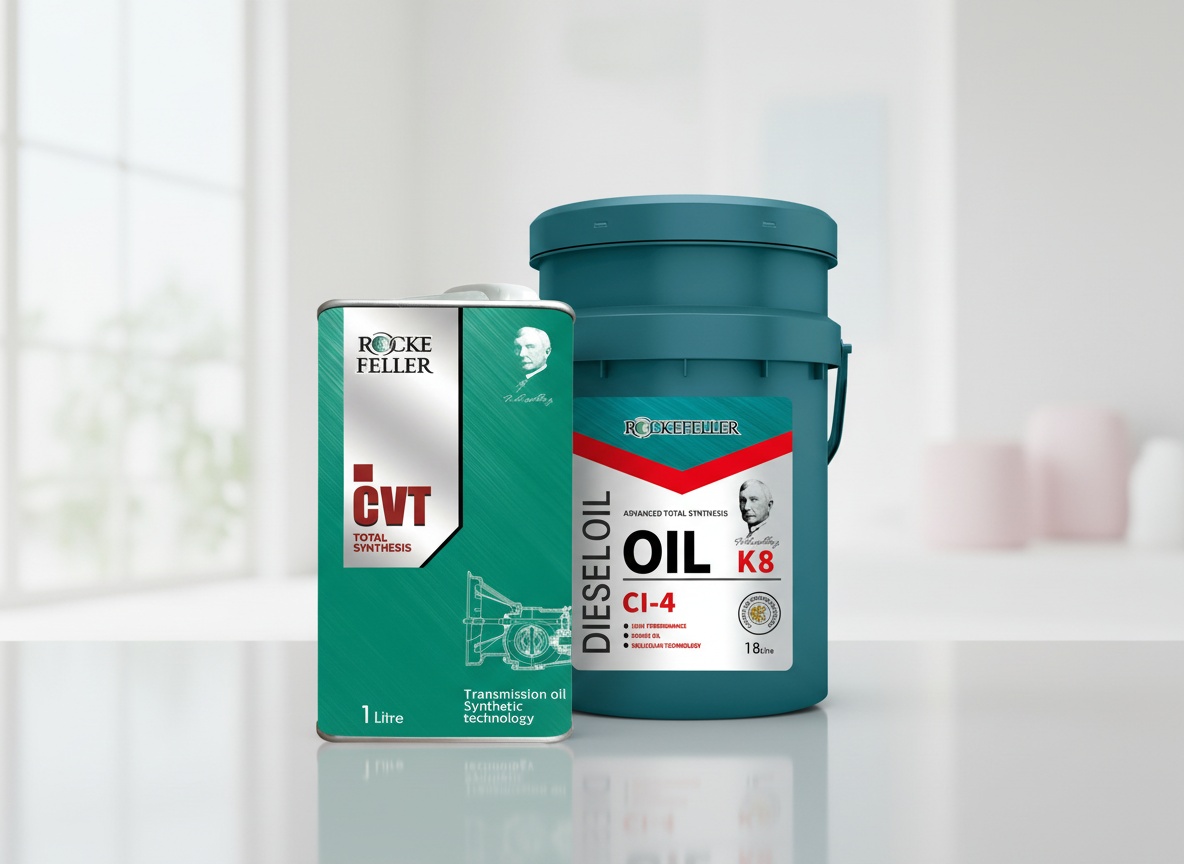
| Feller (Shandong) Lubricants Co., Ltd. | Export supply to United States partners through port-based and distributor channels | OEM and private label flexibility, broad diesel portfolio, export experience | CJ-4 diesel oils, custom packaging, wholesale and regional distribution programs | Brand owners, importers, distributors, industrial buyers | Best suited for buyers seeking factory-direct sourcing and private-label scalability |
For local buyers, the main takeaway is that domestic majors usually win on immediate spot availability, while a manufacturer such as Feller becomes more attractive when the project involves containerized purchasing, branded distribution, custom packaging, or margin-focused regional expansion.
Product Types and Viscosity Choices
Not all API CJ-4 diesel engine oil products are the same. In the United States, product selection usually comes down to viscosity, base oil type, climate, engine age, duty cycle, and drain interval strategy. A municipal fleet in Minnesota may value cold-start performance differently from a quarry operator in Texas. A drayage fleet serving Los Angeles may prioritize emissions system cleanliness and stop-start stability differently from a farm cooperative in Iowa.
Common viscosity grades include 15W-40 for broad all-season use in moderate to hot climates, 10W-30 for improved cold flow and potential fuel economy benefits in selected applications, and some synthetic grades for severe duty or extended service conditions. Buyers should always confirm the engine maker’s viscosity recommendation, ambient operating range, and emissions hardware compatibility.
| Product Type | Common Viscosity | Typical U.S. Use Case | Main Benefit | Trade-Off | Recommended Buyer Profile |
|---|---|---|---|---|---|
| Conventional CJ-4 | 15W-40 | Construction fleets in Texas and the Southeast | Cost-effective protection for older heavy-duty engines | Shorter drain flexibility than premium synthetics | Price-sensitive fleets with stable maintenance intervals |
| Semi-synthetic CJ-4 | 10W-30 | Regional freight and mixed municipal service | Better low-temperature flow and balanced cost | May not match full synthetic performance under extreme loads | Buyers seeking efficiency without premium pricing |
| Full synthetic CJ-4 | 5W-40 | Cold-weather fleets and severe-duty operations | Excellent oxidation control and cold-start protection | Higher purchase cost | High-uptime operations and harsh climate users |
| Mixed-fleet heavy-duty oil | 15W-40 | Agriculture and contractor equipment fleets | Operational simplification across older diesel assets | Needs careful approval checking for each machine type | Operations reducing SKU complexity |
| Bulk-delivered CJ-4 program | Multiple | Large depots in Chicago, Houston, and Atlanta | Lower handling cost and better inventory control | Requires storage and contamination management | Large fleets and industrial facilities |
| Private-label CJ-4 | 15W-40 or 10W-30 | Regional distributors and lubricant brand owners | Higher branding control and margin potential | Needs supplier validation and launch planning | Wholesalers, importers, aftermarket chains |
This comparison helps buyers align oil type with business model. A national trucking fleet may lean toward premium technical support and used oil analysis, while a regional distributor may care more about packaging flexibility, private-label options, and supply continuity through Gulf or West Coast port entries.
Industry Demand by Sector
Demand for API CJ-4 diesel engine oil in the United States is spread across several industries. The sectors with the highest relevance are those running older diesel engines, mixed fleet assets, or equipment in harsh operating cycles.
How to Buy the Right API CJ-4 Diesel Engine Oil
Buying correctly in the United States starts with engine documentation. The first question is whether the engine truly requires CJ-4 or whether a backward-compatible newer category is acceptable. Some fleet managers continue using a known CJ-4 product because it aligns with their maintenance records, service intervals, and technician training. Others move to newer heavy-duty categories while keeping equivalent or better protection standards.
After confirming the specification, buyers should check the following points: viscosity for local climate, sulfated ash/phosphorus/sulfur limits for emissions equipment, drain interval expectations, soot control, oxidation resistance, and compatibility with the fleet’s fuel sulfur conditions and duty cycle. The commercial side matters too. Ask whether the supplier can support pail, drum, tote, and bulk delivery; emergency replenishment; used oil analysis; technical training; and claim documentation.
For import-based purchasing, buyers should also examine shipping lead times from Chinese manufacturing hubs to U.S. gateways such as Houston, Long Beach, or Savannah, plus documentation quality, packaging compliance, and whether the supplier can support ongoing distributor development rather than one-off shipments.
Application-Focused Buying Matrix
The table below turns product selection into practical buying advice by application. It helps procurement teams, workshop managers, and distributors quickly match lubricant strategy to real field conditions.
| Application | Typical Equipment | Operating Pattern | Suggested Oil Approach | Key Buying Factor | Service Need |
|---|---|---|---|---|---|
| Regional trucking | Class 6 to Class 8 diesel trucks | Daily stop-start routes, medium mileage | 15W-40 or 10W-30 CJ-4 with stable soot handling | Availability across multiple depots | Distributor coverage and fast replenishment |
| Long-haul freight | High-mileage tractors | Continuous highway operation | Premium heavy-duty oil with drain interval support | Technical validation and analysis support | Used oil analysis and fleet documentation |
| Construction | Loaders, excavators, dump trucks | Dusty, high-load, idle-heavy service | Robust 15W-40 CJ-4 for wear and oxidation control | Durability under contamination risk | On-site delivery and storage guidance |
| Agriculture | Tractors, harvesters, irrigation engines | Seasonal peaks with long idle periods | Mixed-fleet heavy-duty oil where permitted | SKU simplification and seasonal stock planning | Dealer or local wholesaler support |
| Municipal service | Buses, utility trucks, sanitation vehicles | Short cycles and urban idling | CJ-4 with strong deposit and aftertreatment protection | Contract consistency and compliance paperwork | Service records and technical support |
| Power generation | Diesel generator sets | Standby operation with occasional heavy load | Application-verified heavy-duty diesel oil | Storage stability and maintenance discipline | Scheduled inspections and product traceability |
For most buyers, the main lesson is simple: the right product is the one that fits the equipment, location, and service model at the same time. Price matters, but downtime, claim risk, and rushed emergency procurement usually cost more than a well-chosen lubricant program.
Industries That Commonly Use API CJ-4 Diesel Engine Oil
In the United States, API CJ-4 diesel engine oil is most often found in industries that continue to operate durable diesel equipment over long ownership cycles. Construction companies use it in excavators, articulated haulers, compactors, and support trucks. Agricultural operators use it in tractors, sprayers, and harvest equipment where a practical, broad-coverage diesel oil is valuable. Regional freight carriers and vocational fleets use it where older truck populations remain in active rotation. Municipal departments use it in sanitation trucks, utility units, and diesel buses. Mining, quarrying, and oilfield support rely on it in harsh, dust-heavy, load-intensive environments where wear control and oxidation resistance are critical.
These industries also share a commercial pattern: they often buy through local distributors, maintenance service providers, dealer networks, and contract supply agreements rather than only through retail shelves. That means supplier responsiveness, inventory depth, and packaging options are often as important as the oil specification itself.
Trend Shift in Heavy-Duty Diesel Oil Preferences
The United States market is gradually shifting from older specification-focused buying toward performance-and-program buying. The chart below illustrates how buyer interest is moving from single-grade, spot-purchase behavior toward data-backed fleet lubrication programs, premium formulations, and service-driven supply relationships through 2026.
Case Studies from the United States Market
A regional construction contractor in Houston managing excavators, dump trucks, and service pickups may choose a 15W-40 CJ-4 program because the equipment pool includes older diesel engines from multiple brands. The contractor values easy bulk delivery, drum backup for remote jobsites, and quick technical answers when oil consumption patterns change in high-temperature conditions.
A farm supply cooperative in Iowa may prefer a mixed-fleet approach that reduces SKU count while still protecting tractors, combines, and irrigation support engines during seasonal peaks. Here, purchasing reliability before planting and harvest matters more than marketing claims. Supplier strength is judged by how quickly product arrives and whether local staff can support storage, contamination prevention, and usage planning.
A municipal sanitation fleet outside Chicago may prioritize documentation, bid consistency, and aftertreatment protection because procurement is contract-driven and maintenance records are tightly managed. In that environment, a supplier with clear technical data sheets, batch consistency, and local service representation becomes more valuable than the lowest quoted drum price.
A lubricant distributor serving the Southeast through Savannah and Atlanta may look for private-label CJ-4 supply to improve margin and brand ownership. In that case, a manufacturing partner that can provide custom labels, stable quality control, export paperwork, and container scheduling becomes highly competitive, especially when the distributor wants to scale beyond a single local market.
Local and National Supplier Comparison
The following table is designed for practical sourcing conversations. It compares supplier styles, not just products, so United States buyers can choose the right channel for their business model.
| Supplier Type | Typical Companies | Coverage | Main Advantage | Main Limitation | Best Use Case |
|---|---|---|---|---|---|
| National major brand | Shell Rotella, Chevron Delo, Mobil Delvac | Nationwide | Strong brand trust and broad supply access | Often higher pricing and less label flexibility | Large fleets and uptime-critical operations |
| Commercial lubricant marketer | Phillips 66, CITGO, Valvoline | Regional to national | Balanced support and distributor-driven relationships | Coverage depth varies by region | Municipal, contractor, and regional fleet accounts |
| Independent distributor | Local lubricant wholesalers in Texas, Illinois, Georgia, California | Metro or state-level | Fast response and local service presence | Brand portfolio can be narrower | Emergency supply and relationship-based service |
| Truck stop and service retail channel | Travel center networks and parts chains | Highway corridor access | Convenient small-volume availability | Not ideal for bulk pricing or fleet programs | Owner-operators and top-up purchases |
| OEM or private-label manufacturer | Feller (Shandong) Lubricants Co., Ltd. | Container-based supply into United States distribution channels | Custom branding, flexible packaging, factory-direct economics | Requires import planning and relationship development | Brand owners, importers, wholesalers, dealer groups |
| Industrial procurement partner | Mixed national and regional contract suppliers | Site and account-based | Integrated lubricant management support | May require annual volume commitments | Plants, depots, and mixed equipment enterprises |
This table shows that the best supplier depends on what the buyer values most: immediate access, technical support, regional service, or branding and margin control. For a local operator in the United States, domestic brands are usually the first checkpoint. For a distributor building a scalable business, factory-backed import partnerships can create stronger long-term economics.
Supplier and Product Program Comparison
This chart compares common sourcing priorities across supplier models in the United States market. Higher scores indicate stronger fit for that buying criterion.
Our Company
For buyers in the United States looking beyond spot purchases, Feller offers a practical supply model built around documented manufacturing discipline and flexible commercial cooperation. The company has more than 30 years of lubricant manufacturing experience, operates advanced refining and nitrogen-protected blending systems, and runs automated filling lines that support formats from retail bottles to bulk industrial packaging. Its diesel portfolio includes premium CJ-4 formulations engineered for low-emission diesel applications, and production is managed under ISO 9001 and ISO 14001 systems with a documented 99.99% batch pass rate, supported by technical documents such as COA, MSDS, and TDS for buyer verification. For the United States market, Feller works with distributors, dealers, fleet users, industrial accounts, and brand owners through wholesale supply, OEM/ODM, private label, and regional distribution partnerships, rather than offering a one-size-fits-all export model. The company’s established export footprint across more than 60 countries, rapid 72-hour shipping mechanism, and experience supporting localized documentation and market-specific assortments demonstrate that it is structured for long-term market participation, not occasional trading. Buyers can learn more about the company, review the broader product range, and use the United States inquiry channel to discuss pre-sale selection, packaging, logistics planning, and after-sale technical coordination with a team accustomed to distributor and end-user requirements.
What United States Buyers Should Ask Before Ordering
Before placing an order, ask the supplier for the product data sheet, viscosity grade options, API claim details, packaging sizes, recommended applications, and storage guidance. If the purchase is for a fleet, ask about oil analysis support, delivery frequency, contamination control, and whether the supplier can support depots in more than one state. If the purchase is for resale, ask about label customization, carton design, MOQ, port loading schedules, and shelf-ready packaging. If the purchase is import-based, ask who manages documentation, harmonized shipping details, and contingency support in case of delayed arrivals at Long Beach, Houston, or Savannah.
These questions matter because the lubricant itself is only one part of a successful procurement program. The strongest suppliers in the United States win by reducing operational friction: fewer stockouts, cleaner documentation, better technical response, and smoother replenishment during peak activity.
Future Trends Through 2026
Through 2026, the United States market for API CJ-4 diesel engine oil will continue to evolve under three forces: technology, policy, and sustainability. On the technology side, heavy-duty fleets are adopting more data-driven maintenance practices, including used oil analysis, telematics-informed drain decisions, and tighter control over lubricant inventory. This favors suppliers that can support a full lubrication program rather than only ship drums.
On the policy side, emissions regulations and procurement standards will keep pushing fleets toward cleaner, more efficient operations, even where legacy engines remain in service. That does not eliminate CJ-4 demand immediately, but it increases the importance of accurate application matching and aftertreatment awareness. Suppliers serving California, the Northeast, and urban municipal markets should be especially careful with documentation and service compatibility.
On the sustainability side, buyers are showing more interest in longer oil life, reduced waste, better packaging efficiency, and supply chains that lower total operating cost without compromising equipment protection. This creates room for premium domestic brands, but also for disciplined international manufacturers that can combine credible quality systems, optimized logistics, and strong support for distributors and fleet accounts in the United States.
FAQ
What is API CJ-4 diesel engine oil used for?
It is used in many heavy-duty diesel engines, especially older on-highway and off-highway equipment that require or still operate successfully with CJ-4 performance characteristics, including soot control, wear protection, and emissions-system-aware chemistry.
Is CJ-4 still available in the United States?
Yes. While newer categories are common, CJ-4-positioned products and compatible heavy-duty oils are still available through national brands, regional distributors, and specialized import or private-label supply channels.
Which viscosity is most common?
15W-40 remains the most common choice in many United States applications, especially in construction, agriculture, and mixed fleets. However, 10W-30 and synthetic grades are also used depending on climate, OEM guidance, and fuel economy targets.
Can a distributor import private-label CJ-4 products into the United States?
Yes, provided the manufacturer can support consistent quality, proper documentation, packaging compliance, and logistics planning. This model is especially useful for regional lubricant marketers and aftermarket brand owners.
What matters more, brand or service support?
For many fleets, service support matters just as much as brand. A well-supported program with reliable delivery, technical documents, and analysis support often creates better operating results than a famous brand bought inconsistently.
How should I compare suppliers?
Compare them on documented performance, application fit, local availability, packaging options, emergency supply capability, technical support, and total delivered cost. For resale projects, also compare branding flexibility and long-term margin potential.

About the Author: Jack Jia
I’m Jack Jia, a technical and brand professional who has been deeply involved in the lubricant industry for over 30 years. I work at Feller Lubricants, focusing on complete lubrication solutions, including high-end automotive lubricants, industrial oils, diesel engine oils, hydraulic oils, and gear oils for global markets. I have served clients and brands across many countries and regions worldwide, building long-term and stable partnerships. Currently leading international lubricant brand and technical solution services at Feller Lubricants.
Share