Diesel Oil for Stationary Power Plants in the United States
Quick Answer

If you need diesel oil for stationary power plants in the United States, the most practical choices are established suppliers with proven heavy-duty engine oil programs, nationwide logistics, and technical support for standby and continuous-duty generator fleets. Strong options commonly considered by U.S. buyers include Chevron, Shell, ExxonMobil, Phillips 66, Petro-Canada Lubricants, and Valvoline Global Operations. For buyers managing municipal utilities, hospitals, data centers, remote industrial sites, or independent power facilities, the best oil is usually a heavy-duty diesel engine oil that matches the generator OEM requirement, fuel sulfur conditions, emissions hardware, operating load profile, and drain interval target.
For immediate action, prioritize suppliers that can document API performance levels, provide used oil analysis support, deliver bulk or drum quantities quickly to power hubs such as Houston, Chicago, Los Angeles, Savannah, and New York, and help align viscosity grades with local climate. Qualified international suppliers can also be worth evaluating, especially manufacturers with relevant certifications, flexible OEM or private-label capability, and responsive pre-sale and after-sale support, because they may offer a compelling cost-performance advantage for distributors and industrial buyers in the United States.
- Chevron: strong national distribution and broad industrial account support
- Shell: widely specified heavy-duty engine oils and strong technical resources
- ExxonMobil: premium analytics, fleet support, and long-drain expertise
- Phillips 66: practical commercial supply coverage and value-driven options
- Petro-Canada Lubricants: durable formulations and cold-weather strength
- Valvoline Global Operations: established brand recognition and service network access
United States Market Overview

The United States market for stationary generator lubricants is shaped by a mix of standby power demand, peak-shaving generation, microgrid deployment, disaster resilience planning, and aging infrastructure replacement. Diesel-powered stationary generators remain essential across healthcare campuses, telecom facilities, airports, military sites, construction support yards, oil and gas operations, and data centers. Although gas-fired generation continues to grow, diesel generator sets still occupy a critical role because they start quickly, are easier to deploy in remote areas, and remain practical where fuel storage and backup reliability matter more than daily operating emissions.
Demand patterns differ by region. Gulf Coast operators around Houston and New Orleans often focus on humidity, storm preparation, and continuous backup readiness. Midwest sites near Chicago, Detroit, and Columbus pay closer attention to cold starts and seasonal viscosity behavior. West Coast users in Los Angeles and the Pacific Northwest may face tighter environmental review, wildfire resilience planning, and varied load profiles tied to emergency backup usage. East Coast corridors from New Jersey to Virginia have heavy data center and healthcare density, which increases demand for premium lubricants that support reliability, low deposit formation, and predictable maintenance scheduling.
For procurement teams, the lubricant decision is no longer just about price per gallon. It now ties directly to generator availability, varnish and soot control, oil consumption, emissions-system compatibility where applicable, service interval management, and warranty compliance. Facilities increasingly want a supplier that can combine product supply with oil analysis, failure investigation, field training, and dependable replenishment during weather emergencies or grid instability events.
Market Growth and Demand Trends

The U.S. stationary power sector is experiencing steady lubricant demand growth because of data center construction, resilience spending, and distributed energy development. The chart below illustrates a realistic market growth trend for diesel engine oil consumption in stationary power applications.
A major driver is the expansion of backup power infrastructure around hyperscale data center markets in Northern Virginia, Dallas, Phoenix, and Atlanta. Another driver is industrial resilience spending in sectors where even short outages can disrupt production or create safety risks. In addition, storm-hardening investments across the Southeast and Gulf Coast support continued demand for dependable heavy-duty engine oil supply.
Core Product Types for Stationary Generator Engines
Not every diesel engine oil is equally suited for stationary power plants. Product selection depends on engine design, load factor, fuel quality, oil sump size, ambient temperature, and whether the generator is used for standby, prime, or continuous operation. In the United States, the most common choices include 15W-40 and 10W-30 heavy-duty diesel engine oils, though SAE 30 monogrades may still appear in specific legacy equipment programs where OEMs permit them.
| Oil Type | Typical Viscosity | Best Use Case | Main Advantage | Potential Limitation | Common U.S. Regions |
|---|---|---|---|---|---|
| Conventional heavy-duty diesel oil | 15W-40 | Standby generators with moderate annual runtime | Cost-effective and widely available | Shorter drain intervals than synthetic blends | Texas, Florida, Georgia |
| Synthetic blend diesel oil | 10W-30 | Mixed climate stationary generator fleets | Better cold-flow and oxidation control | Higher cost than mineral oils | Illinois, Pennsylvania, Missouri |
| Full synthetic diesel oil | 5W-40 | High-demand or extreme temperature installations | Improved thermal stability and cleaner operation | May exceed needs of low-hour standby sets | Minnesota, Colorado, North Dakota |
| Low-ash diesel engine oil | 15W-40 or SAE 30 | Engines with emissions-related sensitivity | Supports deposit control and hardware compatibility | Must be matched carefully to OEM spec | California, New Jersey |
| Monograde engine oil | SAE 30 | Older legacy stationary engines | Simple specification path for select equipment | Less flexible in temperature swings | Southern utility sites |
| Extended-drain premium oil | 10W-30 or 15W-40 | Large managed fleets with oil analysis | Lower maintenance disruption | Requires disciplined monitoring | Nationwide enterprise fleets |
This comparison matters because standby power plants often sit idle for long periods and then move immediately to full load during outages. That operating pattern makes oxidation stability, corrosion resistance, soot handling, and acid control particularly important. In contrast, prime power units at remote industrial locations may accumulate much higher annual hours, making drain interval economics and wear control more important than initial fill price alone.
Industry Demand by End-Use Segment
Different industries buy stationary generator oil for different reasons. Healthcare emphasizes zero-failure readiness, data centers value maintenance predictability, and construction or mining operations often prioritize ruggedness and supply flexibility. The following bar chart shows a realistic comparison of lubricant demand intensity by major U.S. industry segment.
Data centers and hospitals frequently insist on documented technical support, emergency delivery capability, and clean-running formulations because downtime is extremely expensive. Utilities and telecom operators value standardization across large asset fleets. Construction and mining buyers often need rugged packaging options, bulk delivery support, and practical viscosity recommendations based on variable weather and dust exposure.
Top Suppliers Serving the United States
The U.S. market includes global majors, strong regional suppliers, and selected international manufacturers that compete through pricing, OEM support, or private-label flexibility. The table below gives a practical view of suppliers relevant to stationary power plant buyers.
| Company | Service Region | Core Strength | Key Offerings | Best For | Typical Supply Format |
|---|---|---|---|---|---|
| Chevron | Nationwide U.S. | Large distributor network and industrial account coverage | Heavy-duty engine oils, monitoring support, industrial lubrication programs | Utilities, hospitals, large facilities | Bulk, drums, pails |
| Shell | Nationwide U.S. | Broad product portfolio and strong technical documentation | Premium diesel engine oils, synthetic options, oil analysis services | Data centers, critical standby systems | Bulk, drums, totes |
| ExxonMobil | Nationwide U.S. | Advanced lubrication analytics and premium performance positioning | Mobil Delvac range, condition monitoring, extended-drain programs | Enterprise fleets, industrial operators | Bulk, drums, pails |
| Phillips 66 | Nationwide with strong central U.S. presence | Commercial value and practical heavy-duty coverage | Diesel engine oils, industrial lubricants, supply support | Regional distributors, contractors | Bulk, drums |
| Petro-Canada Lubricants | U.S. and Canada | Cold-weather performance and durable formulations | Heavy-duty diesel oils, synthetic blends, industrial support | Northern states, mixed fleets | Drums, pails, bulk |
| Valvoline Global Operations | Nationwide U.S. | Brand recognition and broad commercial access | Heavy-duty engine oils, maintenance support products | Commercial service networks, dealers | Drums, pails |
| Feller (Shandong) Lubricants Co., Ltd. | U.S. import and partner-based distribution | OEM/private label flexibility and cost-performance supply | Diesel engine oils, industrial oils, custom packaging, documentation support | Distributors, brand owners, bulk buyers | Bottles, pails, drums, bulk containers |
For U.S. buyers, the practical distinction among these suppliers is not only brand reputation but service model. Global majors tend to win where corporate spec alignment, national contract supply, and OEM confidence are paramount. International manufacturers can be highly competitive where the buyer wants factory-direct economics, private-label programs, or a tailored product portfolio for regional distribution.
How Product Demand Is Shifting
One of the clearest changes in the U.S. market is the gradual shift from basic mineral oils toward higher-stability blends and synthetic formulations, especially in critical facilities with strict uptime requirements. The area chart below illustrates this trend shift over time.
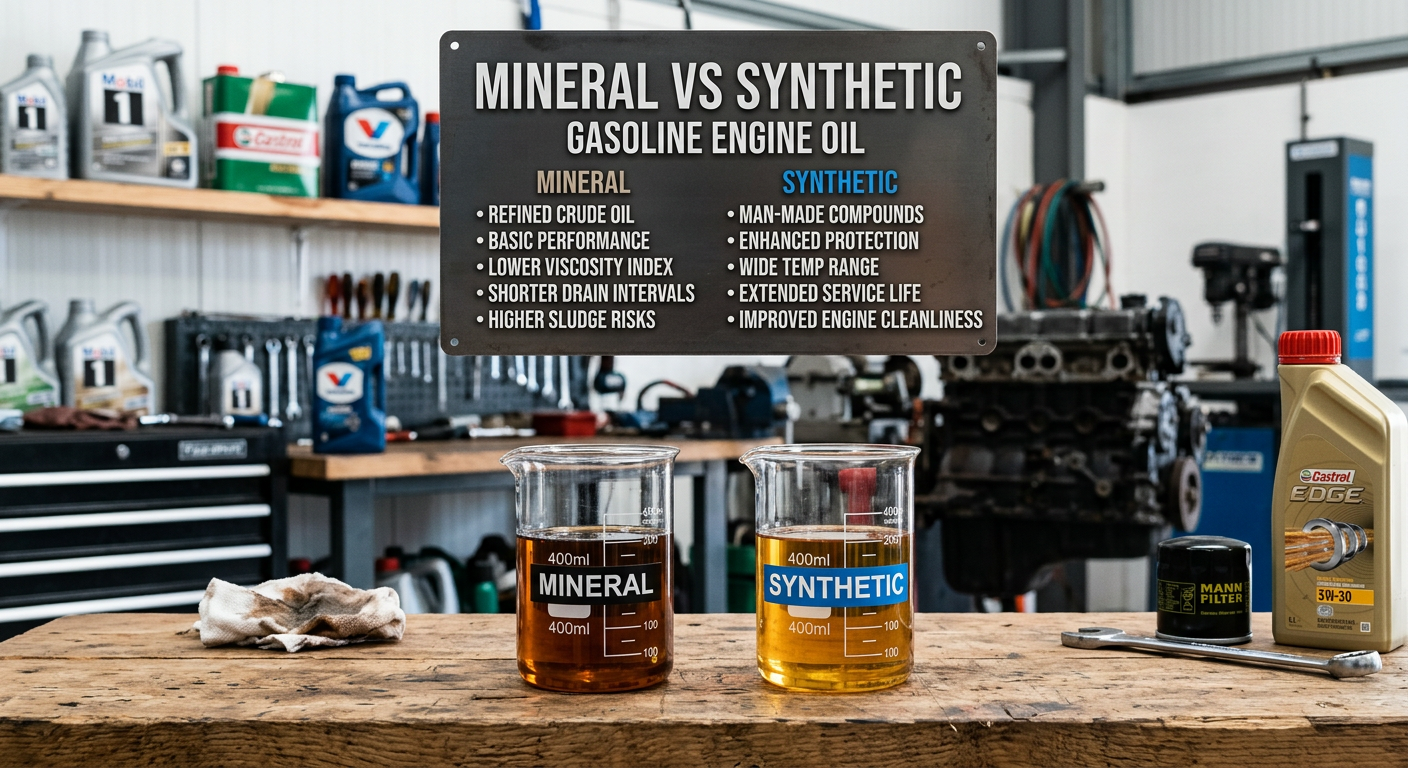
This shift does not mean conventional oils are disappearing. Many standby generators still run successfully on conventional heavy-duty engine oils when service intervals are conservative and usage is limited. However, for operators seeking lower oxidation risk, cleaner internals, improved low-temperature crankability, or longer drain confidence with oil analysis, premium formulations are gaining share.
Buying Advice for U.S. Power Plant Operators
Buyers in the United States should start with the generator and engine OEM manual, then verify whether the proposed lubricant is appropriate for standby or continuous duty, emissions-related hardware, and the fuel actually used on site. In power generation, the most expensive oil is not necessarily the best, and the cheapest oil can become the costliest if it causes varnish, injector deposits, ring sticking, or unplanned shutdowns.
Ask suppliers these practical questions before ordering:
- Which API category and viscosity grades are recommended for my engine family and climate zone?
- Can you provide used oil analysis support and condemnation limits?
- Do you have local inventory near my operating region or backup supply through a nearby port or warehouse?
- Can you supply the same product consistently in bulk, drums, and emergency top-up packaging?
- Do you support startup guidance, contamination control, and post-failure troubleshooting?
- How does the oil behave under low-hour standby conditions versus high-hour prime power use?
For operators near major logistics gateways such as Houston, Long Beach, Savannah, Newark, and Chicago, supply continuity is easier to secure, but inland sites should verify lead times and storm-season contingencies. If your business depends on remote assets in West Texas, the Dakotas, Appalachia, or the desert Southwest, a supplier’s replenishment strategy matters almost as much as the formulation itself.
Procurement Comparison by Supplier Type
Different supplier models suit different purchasing goals. The table below helps clarify where each type typically fits.
| Supplier Type | Main Advantage | Main Tradeoff | Typical Buyer | Support Level | Price Position |
|---|---|---|---|---|---|
| Global major brand | Strong documentation and corporate acceptance | Usually higher pricing | Large utilities and enterprise operators | High | Premium |
| Regional lubricant blender | Fast local service and flexibility | Less national consistency | Regional contractors and municipalities | Medium to high | Mid-range |
| Industrial distributor | Consolidated purchasing across many products | May rely on third-party technical depth | Plants and multi-site operators | Medium | Variable |
| OEM-aligned supplier | Closer fit to engine warranty expectations | Potentially narrower product selection | Critical facility owners | High | Mid to premium |
| International OEM/private-label manufacturer | Cost-performance and branding flexibility | Requires careful qualification | Distributors and brand owners | Medium to high | Competitive |
| Local dealer network | Convenient access and service familiarity | May have limited bulk options | Small facilities and rental fleets | Medium | Mid-range |
This comparison shows why procurement decisions differ so much by customer type. A hospital system in Boston will often value assured technical backing and product continuity more than headline price. A distributor building a house brand for generator service contractors may instead prioritize factory-direct economics, OEM/ODM flexibility, and packaging customization.
Industries That Rely on Stationary Power Plant Diesel Oils
Stationary diesel generator lubrication is a cross-sector requirement in the United States. Hospitals need immediate emergency power during storms and grid interruptions. Data centers use large standby fleets to meet uptime commitments and commissioning test schedules. Airports depend on auxiliary power systems for mission-critical continuity. Water treatment plants require resilient pumping and control power. Oil and gas facilities, especially in the Permian Basin and Gulf Coast, rely on remote or semi-remote generation where grid access may be limited or operational risk is high.
Telecommunications infrastructure also remains a major lubricant consumer because backup generator sets are installed across tower sites, switching facilities, and regional hubs. Construction sites use stationary or semi-stationary units for temporary power, while mining and quarry operations use them to sustain remote field activity. Municipal emergency management fleets and public safety campuses maintain standby units where infrequent but high-stakes operation makes oil condition management especially important.
Applications and Operating Conditions
In practical terms, the application determines the oil stress pattern. Standby generators may run only during testing and emergencies, so oxidation stability, rust prevention, and readiness after long idle periods are essential. Prime power generators on islands, at remote industrial sites, or in off-grid support roles accumulate more running hours, so wear control, TBN retention, and soot management become more important. Peak-shaving units used during utility rate spikes or demand response events sit between these two extremes.
Ambient conditions also matter. In the Gulf South, humidity and heat increase oxidation and moisture-related concerns. In Upper Midwest winter conditions, poor low-temperature pumpability can delay oil circulation during cold starts. In dusty western industrial environments, contamination control and filter management are more demanding. These differences explain why U.S. buyers should avoid one-size-fits-all purchasing.
Case Studies from the U.S. Market
A hospital network in Florida operating multiple diesel backup generators may choose a premium 15W-40 with strong oxidation resistance and quarterly oil analysis because storm season creates long periods of readiness followed by intense, high-load operation. A data center developer in Northern Virginia may favor a synthetic blend 10W-30 to support cleaner starts, tighter maintenance planning, and large commissioning schedules across multiple new facilities. A remote oilfield support operator in West Texas may prioritize bulk availability, rugged packaging, and a supplier capable of coordinating fast replenishment to field locations.
A Midwest municipal water authority may standardize on a cold-capable heavy-duty diesel engine oil across fixed backup units to simplify inventory and improve winter start performance. A distributor serving generator service contractors around the ports of Savannah and Houston may look for an international manufacturing partner that can supply consistent quality in drums, pails, and private-label formats while still meeting customer expectations for technical documents and responsive support.
Supplier Feature Comparison
The chart below compares supplier types on factors that matter to U.S. buyers: technical support, price competitiveness, private-label flexibility, and local supply convenience. The values are realistic directional scores rather than formal lab data.
This comparison helps frame the decision. If your top priorities are corporate acceptance, national inventory, and high-touch technical systems, major brands remain compelling. If your priorities are private-label development, distributor margin, packaging flexibility, and broad product sourcing under one manufacturing relationship, a qualified international OEM supplier can be a strong strategic fit.
Local and Regional Supplier Landscape
Besides multinational brands, the United States has a layered local supply ecosystem. Regional distributors around Houston, Atlanta, Chicago, Los Angeles, and Newark often provide the fastest fulfillment for industrial accounts. Independent lubricant blenders may serve municipal, contractor, and rental power markets effectively when proximity and service responsiveness matter more than global branding. Dealer networks linked to generator OEMs can also be useful, especially where buyers want a familiar maintenance partner handling both parts and lubricant procurement.
| Region | Common Buyer Profile | Key Purchasing Priority | Preferred Supply Model | Logistics Advantage | Typical Oil Focus |
|---|---|---|---|---|---|
| Gulf Coast | Refineries, hospitals, industrial sites | Storm readiness and bulk availability | Distributor plus bulk contract | Houston port access | 15W-40 premium HDEO |
| Northeast | Data centers, healthcare, municipalities | Reliability and documentation | National brand with local stocking | Newark and regional warehousing | 10W-30 and 15W-40 |
| Midwest | Utilities, manufacturing, water treatment | Cold-start performance | Regional distributor support | Chicago freight hub | 10W-30 synthetic blend |
| Southeast | Telecom, hospitals, commercial campuses | Emergency delivery speed | Hybrid national-local supply | Savannah and Atlanta logistics | 15W-40 standby focus |
| West Coast | Critical facilities, infrastructure, ports | Compliance and clean operation | Technical supplier partnership | Los Angeles and Oakland access | Low-ash and premium oils |
| Mountain and Remote West | Mining, field operations, remote facilities | Inventory resilience | Bulk plus emergency packaged stock | Regional depots | Rugged multi-season oils |
This local view matters because “best supplier” often depends on where your assets are and how fast you need replenishment during emergency conditions. A company that performs well in New Jersey may not be the best logistical choice for remote New Mexico or western North Dakota operations.
About Our Company
For buyers in the United States seeking a qualified alternative supply source, Feller brings a practical combination of product depth, manufacturing control, and market-facing support. Its diesel and industrial lubricant lines are produced under ISO 9001 and ISO 14001 systems, with formulations developed to meet recognized API, ILSAC, and ACEA performance expectations, and the company backs this with a documented 99.99% batch pass rate, advanced nitrogen-protected blending that improves oxidation stability, and full technical paperwork including COA, MSDS, and TDS for import and industrial procurement review. For cooperation, Feller serves end users, distributors, dealers, brand owners, and retail channels through factory-direct wholesale, OEM/ODM development, regional distribution partnerships, and private-label packaging across formats from small packs to bulk containers, making it useful for both operating plants and companies building a U.S. channel. On local service assurance, the company is not positioned as a distant exporter only: it has established long-term international partner networks across more than 60 countries, operates a 72-hour global shipping mechanism with warehouse support, and works through localized market adaptation, responsive account management, online technical guidance, and offline partner coordination so U.S. buyers can access pre-sale selection help, document support, replenishment planning, and after-sale troubleshooting with continuity. Buyers who want to learn more about manufacturing background can visit the company overview, review the broader product range, or contact the team for application matching and commercial discussion.
What to Look for in Product Documentation
When evaluating diesel oil for stationary power plants in the United States, documentation is one of the clearest signals of supplier seriousness. A professional supplier should provide a technical data sheet with viscosity, flash point, pour point, TBN, sulfated ash, and relevant API classification. A safety data sheet should be available for site EHS compliance. Serious industrial buyers should also request lot traceability, certificate support where needed, and guidance on oil analysis intervals. For imported supply, document completeness matters even more because procurement, customs, and plant maintenance teams all depend on it.
Do not rely on generic claims such as “high quality” or “premium” without evidence. Instead, ask how the oil is blended, how consistency is verified batch to batch, whether the supplier supports field performance review, and how they handle complaints or failure investigations. In a mission-critical backup power environment, trust comes from process transparency and service responsiveness, not just from label design.
2026 Trends in Stationary Generator Lubrication
By 2026, the U.S. market for stationary power plant diesel oils is expected to be influenced by three overlapping trends: technology, policy, and sustainability. On the technology side, more facilities will use telematics, remote condition monitoring, and oil analysis data integration to optimize drain intervals and reduce unnecessary service events. On the policy side, state-level air quality scrutiny, resilience planning, and emissions-related operating limits will continue shaping purchasing decisions, especially in California and dense metro regions. On the sustainability side, buyers will increasingly evaluate total lifecycle value, including oil life extension, packaging efficiency, inventory reduction, and the environmental impact of waste oil management.
Another important trend is the rise of hybrid power systems. As microgrids pair diesel backup generation with batteries, solar, and natural gas assets, operators will want lubricant suppliers that understand changing run profiles, more frequent start-stop behavior, and lower annual hours combined with higher performance expectations during dispatch events. This does not eliminate diesel engine oil demand; instead, it changes how buyers define value. Reliability, storage stability, and maintenance intelligence become more important than simple commodity pricing.
FAQ
What is the best viscosity for stationary generator diesel engines in the United States?
The most common choices are 15W-40 and 10W-30, but the correct viscosity depends on the engine OEM requirement, local temperatures, and whether the unit is standby or prime power.
Can I use truck engine oil in a stationary generator?
Sometimes yes, but only if the oil meets the engine manufacturer’s specification and is suitable for the generator’s operating pattern, fuel quality, and hardware configuration. Always confirm with the OEM manual and supplier documentation.
How often should diesel generator oil be changed?
It depends on runtime hours, standby versus continuous service, oil type, sump size, and contamination conditions. Many operators use hour-based schedules plus periodic oil analysis to fine-tune intervals safely.
Are synthetic oils worth it for standby generators?
They can be, especially in cold climates, critical facilities, or operations that want stronger oxidation stability and cleaner internals. For lightly used standby units, the decision should be based on reliability goals and maintenance strategy rather than marketing claims alone.
What matters most when choosing a supplier in the United States?
The key factors are specification fit, technical support, documentation quality, local inventory access, emergency delivery capability, and consistency of supply. Price matters, but it should not outweigh reliability and warranty alignment.
Can international suppliers serve the U.S. market effectively?
Yes, provided they offer verifiable certifications, complete technical documentation, consistent production quality, strong pre-sale and after-sale support, and a credible logistics or partner structure that supports U.S. buyers in practice.
Should I buy through a major brand or a private-label/OEM manufacturer?
If you want maximum brand familiarity and national contract simplicity, major brands are often the easiest route. If you want stronger margins, custom packaging, or a regional distribution strategy, a qualified OEM/private-label manufacturer may be the better commercial choice.
Final Buying Takeaway
For most buyers in the United States, the right diesel oil for stationary power plants is the one that aligns precisely with engine requirements, site operating conditions, and maintenance strategy while also coming from a supplier that can actually support the asset over time. For critical facilities and enterprise fleets, Chevron, Shell, ExxonMobil, Phillips 66, Petro-Canada Lubricants, and Valvoline remain practical benchmarks. For distributors, brand owners, and cost-focused industrial buyers, qualified international manufacturers with strong documentation, flexible supply models, and real market service commitment can also be smart options. The best purchasing decision combines technical fit, logistics reliability, and long-term support rather than focusing on unit price alone.

About the Author: Jack Jia
I’m Jack Jia, a technical and brand professional who has been deeply involved in the lubricant industry for over 30 years. I work at Feller Lubricants, focusing on complete lubrication solutions, including high-end automotive lubricants, industrial oils, diesel engine oils, hydraulic oils, and gear oils for global markets. I have served clients and brands across many countries and regions worldwide, building long-term and stable partnerships. Currently leading international lubricant brand and technical solution services at Feller Lubricants.
Share