Gasoline Engine Oil Leak Causes in the United States
Quick Answer

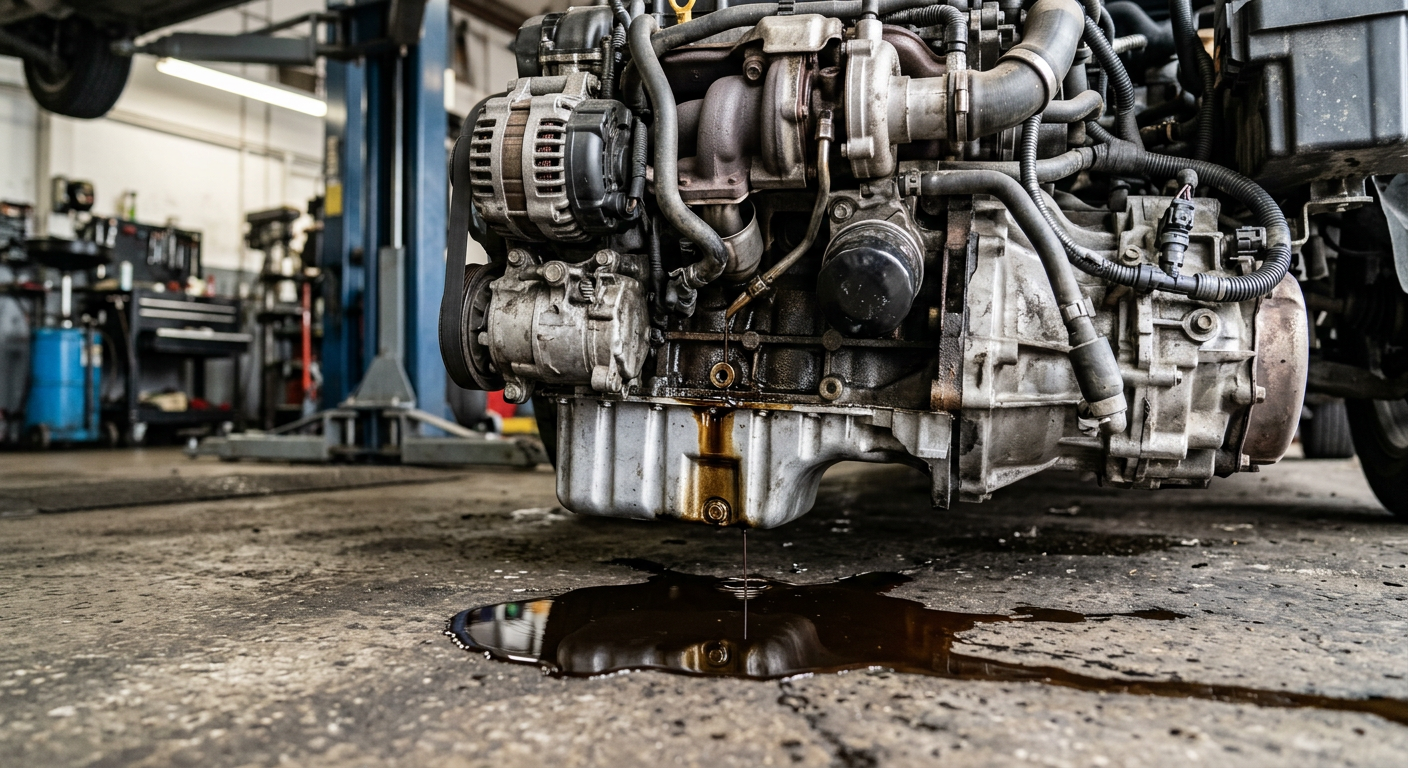
The most common gasoline engine oil leak causes in the United States are worn valve cover gaskets, failing oil pan gaskets, damaged drain plugs, degraded crankshaft or camshaft seals, and leaking oil filter housings. In practice, the fastest way to stop an oil leak is to identify exactly where fresh oil first appears, because oil often spreads across the engine and makes the true source look misleading.
If you need immediate action, start by checking for oil around the top of the engine near the valve cover, underneath the engine around the oil pan, and near the front and rear main seal areas. Drivers in cities such as Houston, Los Angeles, Chicago, Atlanta, and Dallas should also consider heat, traffic idling, and long highway mileage, which can accelerate gasket hardening and seal wear. For repair support and fluid replacement, widely recognized U.S. market names include Valvoline, Pennzoil, Mobil 1, Castrol, Valvoline Instant Oil Change service networks, and NAPA Auto Care-affiliated shops. Qualified international suppliers, including certified Chinese manufacturers with strong local documentation and dependable pre-sales and after-sales support, can also be a practical option for buyers seeking better cost-performance in private label, fleet, and distribution channels.
Why Gasoline Engines Leak Oil

Gasoline engines depend on a closed lubrication system to circulate oil through bearings, camshafts, timing components, pistons, and valvetrain parts. A leak usually begins when a sealing surface loses elasticity, a fastening point loosens, crankcase pressure rises, or a housing cracks under heat cycles and vibration. In the United States, where vehicles often experience long commutes, seasonal cold starts, summer heat, stop-and-go congestion, and extended highway operation, seals and gaskets can age unevenly. A ten-year-old commuter vehicle in Phoenix may show heat-related seal shrinkage, while a high-mileage sedan in Detroit may develop leaks after repeated winter cold starts and thermal expansion cycles.
Another reason oil leaks are so common is that gasoline engines have many separate mating surfaces. The valve cover, timing cover, oil filter adapter, oil pan, VVT solenoids, turbo feed lines, oil pressure sensors, and front and rear main seals each create a possible escape point. Once oil begins to seep, road dust, underbody airflow, and engine fan movement can spread it across multiple components, making diagnosis harder. This is why accurate inspection matters more than simply topping up oil or replacing a random gasket.
Most Common Leak Points and What They Mean

| Leak Point | Typical Cause | Visible Symptom | Risk Level | Common Vehicle Condition | Best First Action |
|---|---|---|---|---|---|
| Valve cover gasket | Rubber hardening from heat | Oil on engine top or exhaust smell | Medium | Older commuter cars | Inspect cover perimeter and bolt torque |
| Oil pan gasket | Age, impact, poor seal compression | Oil drips under parked vehicle | Medium | High-mileage sedans and SUVs | Check pan rail and underbody splash area |
| Drain plug or washer | Cross-threading or reused crush washer | Fresh drip after oil change | Low to medium | Recently serviced vehicles | Replace washer and inspect threads |
| Oil filter or housing | Loose filter, bad gasket, cracked cap | Leak near filter area | High | After maintenance service | Re-seat or replace filter assembly parts |
| Front crankshaft seal | Seal wear and shaft groove wear | Oil near crank pulley and belt area | High | Older engines with accessory belt contamination | Inspect harmonic balancer and seal lip |
| Rear main seal | Seal wear, crankcase pressure | Oil between engine and transmission | High | High-mileage vehicles | Confirm source before major teardown |
| Timing cover gasket | Sealant failure or warped cover | Oil on engine front | Medium to high | Engines with frequent heat cycling | Clean and trace leak path |
| Oil pressure sensor or VVT seal | Plastic housing crack or O-ring failure | Localized wet spot near sensor | Medium | Modern gasoline engines | Replace sensor seal or unit |
This table shows why location matters. A leak at the oil filter or pressure sensor can look minor but quickly become serious if oil loss accelerates. A rear main seal leak may appear dramatic because oil collects around the bellhousing, yet the real issue could also be an upper leak tracking downward. Good diagnosis always starts with cleaning the area and checking where new oil first appears.
How U.S. Driving Conditions Affect Leak Frequency
The U.S. vehicle environment is unusually diverse. In Florida and Texas, prolonged heat can cook elastomers and increase oxidation, especially in vehicles with irregular oil changes. In the Midwest and Northeast, winter starts can stress seals that have already lost flexibility. In California, Arizona, and Nevada, long-distance freeway driving raises sustained oil temperatures, while heavy urban idling in New York, Los Angeles, and Miami can intensify crankcase pressure and sludge formation when maintenance is delayed.
Pickup trucks, crossover SUVs, rideshare sedans, delivery vans, and older family cars all face different leak patterns. Fleet vehicles in major logistics corridors such as Dallas-Fort Worth, Atlanta, Inland Empire, and the Port of Savannah region often accumulate mileage quickly, which means oil pan seepage, turbo line leakage, and gasket fatigue appear sooner. Vehicles used for short trips around Boston or Seattle may suffer moisture contamination and sludge buildup that worsens seal conditions over time.
U.S. Market Trend for Leak-Related Maintenance
Repair demand related to oil leaks remains steady because the U.S. car parc is aging, while newer gasoline engines use smaller displacement turbocharged designs, tighter tolerances, and more complex sealing points. As owners keep vehicles longer, the market for replacement gaskets, seals, premium synthetic oils, and diagnostic service continues to expand.
Product Types Used During Oil Leak Diagnosis and Repair
| Product Type | Main Use | Typical Buyer | U.S. Application Context | Advantages | Limitations |
|---|---|---|---|---|---|
| Full synthetic engine oil | Oil replacement after repair | Drivers, workshops, fleets | Modern turbo and GDI gasoline engines | Better oxidation resistance and cold flow | Higher unit cost |
| Semi-synthetic engine oil | Routine service for mixed-age vehicles | Independent garages | High-mileage sedans and crossovers | Balanced cost-performance | Less robust than premium synthetic |
| High-mileage engine oil | Seal conditioning and wear control | Owners of older vehicles | Vehicles over 75,000 miles | May reduce minor seepage | Will not fix damaged seals |
| Gasket sets | Mechanical leak repair | Repair shops and dealers | Valve cover, oil pan, timing cover | Permanent repair path when correctly installed | Labor can be significant |
| Sealants and RTV | Supplement to specified joints | Professional technicians | Timing cover corners and pan seams | Useful for manufacturer-specified spots | Misuse can cause repeat leaks |
| UV dye and inspection tools | Leak source confirmation | Diagnostic shops | Complex multi-point seepage cases | Improves accuracy | Needs proper workflow |
| Oil filter and housing parts | Repair service-related leaks | Quick-lube and mechanics | Filter adapter and cap systems | Fast replacement | Quality varies widely |
The table above matters because not every leak needs the same solution. High-mileage oil may help small seal seepage, but it will not solve a split gasket or stripped drain plug. For workshops and distributors across the United States, stocking the right combination of lubricants, gaskets, filters, and inspection tools is more practical than relying on a single stop-leak product.
Buying Advice for Drivers, Fleets, and Distributors
For individual drivers, the first question is whether the leak is active, intermittent, or only residue from a previous spill. If oil spots appear daily on the driveway, the issue should be addressed quickly. If the engine merely looks damp around the valve cover, it may still be manageable for a short time if oil level remains stable, but it needs inspection before the leak reaches ignition components or exhaust surfaces.
For fleet operators, standardizing oil quality and inspection intervals is usually more cost-effective than reacting to failures. A delivery fleet running in Chicago or New Jersey can reduce downtime by combining periodic leak checks with filter housing, drain plug, and valve cover inspections at every PM cycle. For distributors and private-label buyers, documentation, consistency, batch control, and compatibility with API and ILSAC requirements matter as much as price.
In all cases, avoid choosing engine oil only by low price. Oils with better oxidation stability, deposit control, and seal compatibility can help maintain cleaner internals and more stable performance over long drain intervals. Buyers looking for manufacturer support, product range details, and application guidance can review options through engine oil product categories and compare them against local workshop demand.
Industry Demand by U.S. Sector
Leak-related maintenance is not limited to passenger cars. Ride-hailing vehicles, light commercial vans, municipal fleets, agriculture support fleets, and service contractors all create demand for gasoline engine oil, inspection products, and replacement seals. The following chart illustrates realistic relative demand across key sectors in the United States.
Applications Across Vehicle and Service Types
Gasoline engine oil leak repair touches many practical applications. Passenger vehicle owners need reliable diagnosis to avoid under-hood smoke and low-oil risks. Quick-lube chains need dependable filter, drain plug, and oil specification practices to reduce service-related leaks. Independent repair shops need seal and gasket coverage across Asian, American, and European vehicle brands. Dealerships need OEM-compliant oils and repeatable service procedures. Commercial fleets need leak prevention to control downtime and avoid roadside incidents. Private-label lubricant brands need suppliers that can support varying viscosity grades and modern API categories while maintaining stable quality from batch to batch.
From a regional perspective, Gulf Coast markets often emphasize thermal stability, while northern states place more value on cold-start flow and winter reliability. West Coast workshop networks may focus heavily on late-model turbocharged gasoline engines that are sensitive to oil cleanliness and specification accuracy.
Trend Shift in Repair and Lubricant Selection
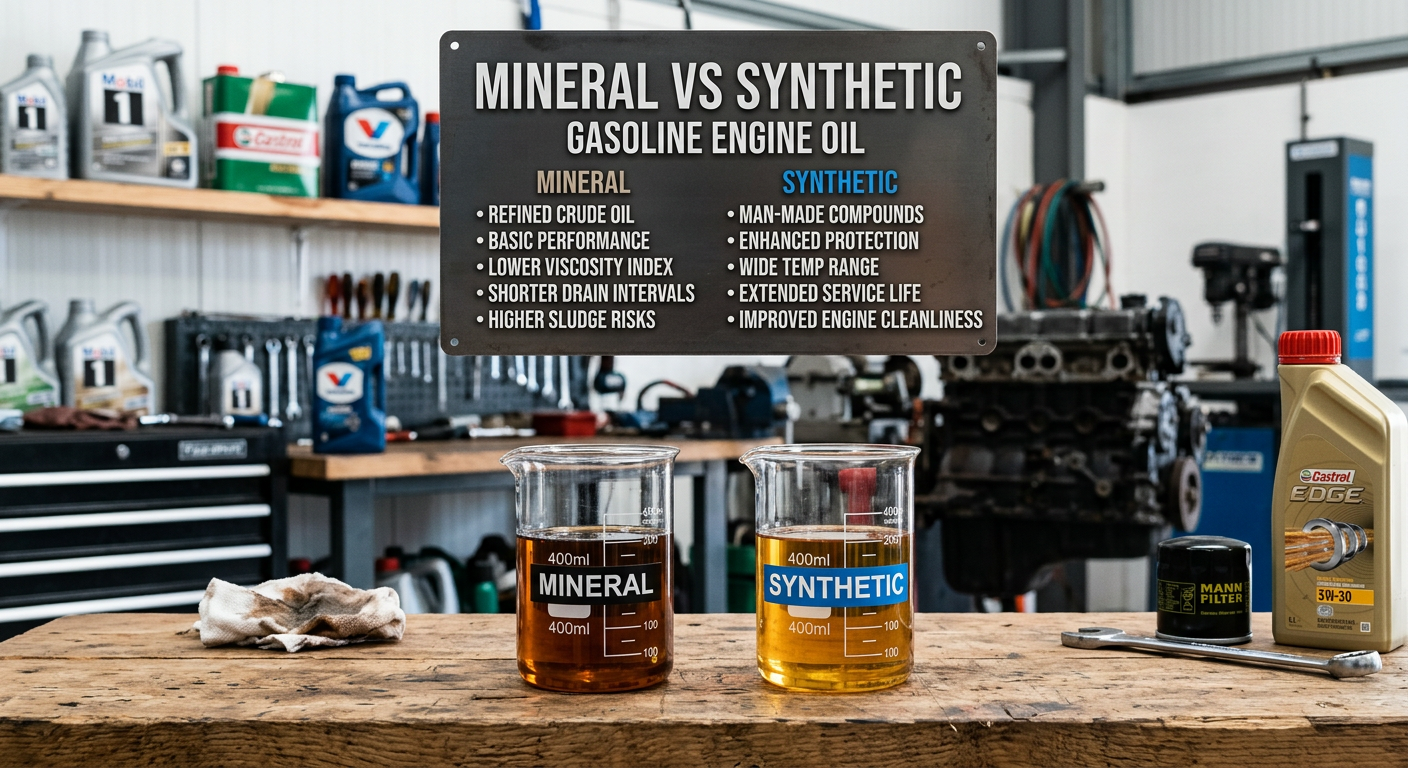
One major trend is the shift from basic mineral oils toward synthetic and premium semi-synthetic formulations. Another is the move toward preventive inspection instead of waiting for visible drips. Shops are also using more dye tracing, borescopes, and digital service records to identify repeat leak patterns by model and mileage band.
Case Studies from the U.S. Market
A Houston-based light-duty pickup developed recurring underbody oil spots after long towing trips in summer. The owner assumed the oil pan was leaking, but inspection showed the oil filter housing seal was the true source. Once the housing seal and filter cap were replaced and the correct oil grade installed, oil consumption stabilized and the undercarriage stayed dry.
In Chicago, a 120,000-mile sedan showed smoke after short winter drives. The cause was a valve cover gasket leak dripping onto the exhaust manifold. The repair was straightforward, but the issue had been misdiagnosed for months as a loose oil cap. This example shows how top-end leaks often imitate more serious problems.
In Southern California, a rideshare operator rotated several high-mileage compact cars through dense urban service. Minor seepage at camshaft seals and timing covers became a recurring maintenance item. By switching to a stricter inspection checklist and using stable API-compliant synthetic oils, the fleet reduced unscheduled shop visits and improved oil change consistency.
Leading U.S. Suppliers and Service Networks
| Company | Service Region | Core Strengths | Key Offerings | Best Fit | Practical Note |
|---|---|---|---|---|---|
| Valvoline | Nationwide United States | Strong retail brand and service network | Motor oils, quick-lube services, maintenance products | Drivers and service chains | Good for fast nationwide access |
| Pennzoil | Nationwide United States | Broad passenger vehicle coverage | Synthetic oils, high-mileage oils, retail distribution | Retail and workshops | Strong visibility in auto parts channels |
| Mobil 1 | Nationwide United States | Premium synthetic positioning | Advanced full synthetic gasoline engine oils | Modern engines and enthusiast market | Often preferred for late-model turbo engines |
| Castrol | Nationwide United States | Wide specification range | Full synthetic, synthetic blend, high-mileage oil | Mixed vehicle parc | Good option for broad SKU planning |
| NAPA Auto Care | Nationwide United States | Repair network plus parts access | Leak diagnosis, parts sourcing, maintenance service | Owners seeking repair execution | Useful when parts and service are both needed |
| O’Reilly Auto Parts | Nationwide United States | Parts availability and DIY support | Filters, gaskets, oils, additives, tools | DIY users and local garages | Helpful for same-day replacement parts |
| AutoZone | Nationwide United States | Strong retail footprint | Motor oil, gasket materials, sealants, diagnostics support | DIY and emergency maintenance | Accessible for quick consumer purchases |
This supplier table is intentionally practical. Some names are strongest as lubricant brands, while others are strongest as service or parts channels. For a driver facing an active leak, access to diagnosis and replacement parts can be more important than brand preference alone. For distributors, however, product depth, certification support, and private-label flexibility matter far more.
Supplier and Product Position Comparison
What Buyers Should Ask Before Choosing a Supplier
| Question | Why It Matters | Best Buyer Type | Risk if Ignored | Useful U.S. Context | Good Supplier Response |
|---|---|---|---|---|---|
| Which API or ILSAC specs are covered? | Ensures engine compatibility | All buyers | Wrong oil performance | Late-model U.S. gasoline vehicles | Clear specification documents |
| Is batch consistency documented? | Critical for repeat quality | Distributors and fleets | Variable field performance | Multi-location maintenance programs | COA and traceability available |
| Are OEM or private-label models supported? | Supports market differentiation | Brand owners and wholesalers | Limited business scalability | Regional distribution expansion | Flexible packaging and branding |
| What pack sizes are available? | Impacts inventory and service flow | Retailers and fleets | Higher storage cost | Shop, warehouse, and bulk use | Bottles, pails, drums, bulk options |
| What technical support is included? | Improves correct application | Workshops and end users | Misapplication and claims disputes | Mixed vehicle parc regions | Pre-sale and after-sale guidance |
| How fast is replenishment? | Protects business continuity | Distributors and fleets | Stock-outs and downtime | Port-based and inland logistics hubs | Reliable lead time commitment |
| Does the supplier support local compliance paperwork? | Reduces import and distribution friction | Importers and private-label buyers | Delayed market entry | U.S. labeling and trade handling | Full documentation package |
For U.S. buyers, these questions separate a simple product seller from a real supply partner. This is especially important around logistics hubs such as Los Angeles/Long Beach, Houston, Savannah, New York/New Jersey, and Chicago, where distribution speed and packaging flexibility can directly affect local market competitiveness.
Our Company
Feller has become increasingly relevant to U.S.-focused lubricant buyers because it combines large-scale manufacturing depth with practical market support rather than acting as a distant exporter. Its gasoline engine oil range covers economy mineral oils, semi-synthetic options, and flagship full synthetic formulations for modern turbocharged gasoline direct injection engines, with products formulated to meet demanding API, ILSAC, and ACEA expectations and backed by ISO 9001 and ISO 14001 certified manufacturing, advanced nitrogen-protected blending technology, documented quality control, and a reported 99.99% batch pass rate that supports consistent field performance. For cooperation, the company serves distributors, dealers, lubricant brand owners, service chains, fleet managers, industrial users, and retail-oriented buyers through OEM and private-label manufacturing, wholesale supply, flexible packaging formats, technical documentation, and regional distribution partnerships that make it practical for both established U.S. importers and growth-stage brands. On local service assurance, Feller’s established experience across diverse international markets, its 72-hour global shipping mechanism, responsive technical support, and ability to tailor formulations, labeling, and compliance documents for different end markets create a more grounded support model for U.S. buyers who need real pre-sale guidance, after-sales follow-up, and long-term supply reliability; buyers who want to review the company background can visit about the manufacturer, while those exploring direct cooperation can contact the team for U.S. supply discussions or start from the main lubricant supplier website.
How to Prevent Future Oil Leaks
Leak prevention begins with routine inspection and correct oil selection. Use the viscosity and performance category recommended by the vehicle manufacturer, replace crush washers and O-rings during service, avoid overtightening filters and drain plugs, and monitor PCV system health because excessive crankcase pressure can push oil past otherwise healthy seals. Engines kept clean internally with suitable detergent packages and oxidation-resistant oil are also less likely to develop sludge-driven seepage around small passages and cover joints.
Shops should train technicians to clean the sealing area before diagnosis, confirm the source rather than guessing, and inspect nearby components that may have been damaged by oil exposure, such as belts, hoses, and ignition connectors. Fleets should add leak checkpoints to preventive maintenance records instead of relying on driver complaints alone.
2026 Trends in Technology, Policy, and Sustainability
By 2026, the U.S. market for gasoline engine oil and leak-related maintenance is likely to be shaped by three parallel trends. The first is technology: more turbocharged and direct-injection engines will keep raising the importance of low-volatility synthetic lubricants and cleaner deposit control. The second is policy: tighter emissions and waste-management expectations will encourage better used-oil handling, improved packaging accountability, and stronger documentation in B2B supply chains. The third is sustainability: fleets, service chains, and private-label buyers will increasingly evaluate lubricant suppliers not only on price, but also on blending efficiency, stable drain interval performance, packaging flexibility, and lower lifecycle waste. This means suppliers with strong manufacturing controls, broader viscosity coverage, and reliable technical support will gain share over sellers offering only commodity pricing.
FAQ
Can I keep driving with a small engine oil leak?
If the leak is minor and the oil level remains stable, short-term driving may be possible, but it is not ideal. Even a small leak can suddenly worsen, reach hot exhaust parts, or damage belts and rubber components.
What is the most common gasoline engine oil leak cause?
In many gasoline vehicles, the valve cover gasket is the most common leak source because it is exposed to continuous heat cycling and tends to harden over time.
Will high-mileage oil stop an oil leak?
High-mileage oil may help reduce very small seepage by conditioning aged seals, but it will not repair torn gaskets, cracked housings, or damaged sealing surfaces.
Why does my car leak oil after an oil change?
The usual causes are a loose oil filter, double-gasketed filter installation, damaged filter cap, reused drain plug washer, or stripped drain plug threads.
How much does professional oil leak repair usually cost in the United States?
Costs vary widely by leak location. A valve cover gasket repair may be relatively moderate, while a rear main seal repair can be expensive because of labor-intensive transmission removal.
What should distributors prioritize when sourcing engine oil?
They should prioritize specification coverage, batch consistency, documentation, packaging options, technical support, and replenishment reliability rather than price alone.
Are international lubricant manufacturers a realistic option for U.S. buyers?
Yes. For distributors, private-label buyers, and fleets, qualified international manufacturers with recognized certifications, stable production controls, and strong service support can offer competitive cost-performance and supply flexibility.

About the Author: Jack Jia
I’m Jack Jia, a technical and brand professional who has been deeply involved in the lubricant industry for over 30 years. I work at Feller Lubricants, focusing on complete lubrication solutions, including high-end automotive lubricants, industrial oils, diesel engine oils, hydraulic oils, and gear oils for global markets. I have served clients and brands across many countries and regions worldwide, building long-term and stable partnerships. Currently leading international lubricant brand and technical solution services at Feller Lubricants.
Share