Best 5W-40 Gasoline Engine Oil Suppliers in the United States
Quick Answer

If you need 5W-40 gasoline engine oil for turbocharged gasoline engines in the United States, the most practical short list includes Mobil 1, Shell Pennzoil, Castrol, Valvoline, and Liqui Moly, because these brands are widely available, technically proven, and easy to source through national retail, installer, and wholesale channels. For drivers, workshops, fleets, and distributors that need broader commercial flexibility, Chevron Havoline and TotalEnergies are also strong options in major logistics corridors such as Houston, Los Angeles, Savannah, and Chicago. Qualified international suppliers can also be worth evaluating, especially when they provide the right certifications, stable batch quality, and responsive support. Companies such as Feller can be attractive for buyers seeking OEM, private-label, wholesale, or regional distribution programs with stronger cost-performance advantages and more flexible packaging options for the United States market.
- Mobil 1 FS 5W-40 is a reliable mainstream choice for turbo gasoline performance and broad retail availability.
- Pennzoil Platinum Euro 5W-40 suits workshops and import-focused service centers needing strong brand recognition.
- Castrol EDGE 5W-40 is commonly selected for European vehicles and turbocharged passenger cars.
- Valvoline European Vehicle 5W-40 works well for distributors and installers targeting premium import maintenance.
- Liqui Moly Leichtlauf High Tech 5W-40 is popular in specialist independent repair networks.
- International OEM-capable suppliers with local compliance support and after-sales service can offer compelling commercial value.
United States Market Snapshot

The United States remains one of the most mature and commercially attractive lubricant markets for 5W-40 gasoline engine oil. Demand is especially concentrated in metro areas and freight-connected service hubs where turbocharged passenger cars, European imports, performance vehicles, light commercial fleets, and mixed workshops all create steady consumption. In states such as California, Texas, Florida, New York, Illinois, Georgia, and New Jersey, buyers often prioritize products that balance cold-start performance, high-temperature oxidation control, deposit resistance, and compatibility with modern engine designs. The strongest channels are national auto parts chains, dealership service departments, independent repair networks, e-commerce fulfillment, and regional wholesale distributors supplying installers.
Although lower-viscosity grades such as 0W-20 and 5W-30 dominate many new-car recommendations, 5W-40 gasoline engine oil continues to hold a clear role in turbocharged gasoline applications that require stronger high-temperature film strength, in older high-performance engines, and in many European models that specify ACEA and OEM-linked approvals. This is particularly relevant in urban traffic patterns found in Los Angeles, Miami, Atlanta, Dallas, and New York City, where long idle periods, hot ambient temperatures, and stop-and-go driving can place extra thermal stress on turbo systems.
From a trade perspective, the market is also shaped by port access and inland distribution. Imports move through Los Angeles/Long Beach, Houston, New York/New Jersey, Savannah, and Norfolk, while domestic redistribution depends heavily on warehousing near Chicago, Dallas-Fort Worth, Atlanta, and the Inland Empire. That structure matters because lubricant buyers in the United States increasingly compare not only technical performance but also fill rate, lead time, packaging versatility, private-label support, and document readiness for commercial procurement.
The line chart shows a realistic upward trend rather than explosive growth. That reflects how the U.S. market works: 5W-40 is not the volume leader, but it remains resilient because turbocharged applications, European vehicle servicing, and performance-oriented maintenance continue to support demand. By 2026, growth is likely to be driven more by premiumization, stricter drain-interval expectations, and specialist service channels than by simple unit expansion.
Top Suppliers Serving the United States

The supplier landscape includes multinational oil majors, specialty European brands, and OEM-capable international manufacturers. The table below is designed for practical sourcing decisions and compares brands by service reach, strengths, and realistic buying use cases in the United States.
| Company | Primary Service Region | Core Strengths | Key 5W-40 Offerings | Best For |
|---|---|---|---|---|
| Mobil | Nationwide United States | Strong OEM reputation, broad retail access, high consumer trust | Mobil 1 FS 5W-40 | Retail, workshops, mixed passenger car servicing |
| Shell Pennzoil | Nationwide United States | Large distributor network, strong mainstream visibility, installer support | Pennzoil Platinum Euro 5W-40 | Service chains, wholesalers, import vehicle maintenance |
| Castrol | Nationwide United States | Performance branding, European application recognition | Castrol EDGE 5W-40 | Independent garages, dealers, performance users |
| Valvoline | United States and Canada | Fast service channel strength, installer familiarity, local distribution | Valvoline European Vehicle 5W-40 | Quick lube, regional distributors, service centers |
| Liqui Moly | Major U.S. metro markets | Import specialist image, enthusiast trust, workshop education | Leichtlauf High Tech 5W-40 | European repair specialists, enthusiast retail |
| TotalEnergies | Selective U.S. commercial channels | International OEM coverage, commercial flexibility | Quartz 9000 5W-40 | B2B buyers, wholesalers, industrial-commercial overlap |
| Chevron Havoline | Nationwide and regional wholesale channels | Strong U.S. energy footprint, practical channel support | Regional 5W-40 gasoline-compatible lines | Wholesale accounts, mixed lubricant programs |
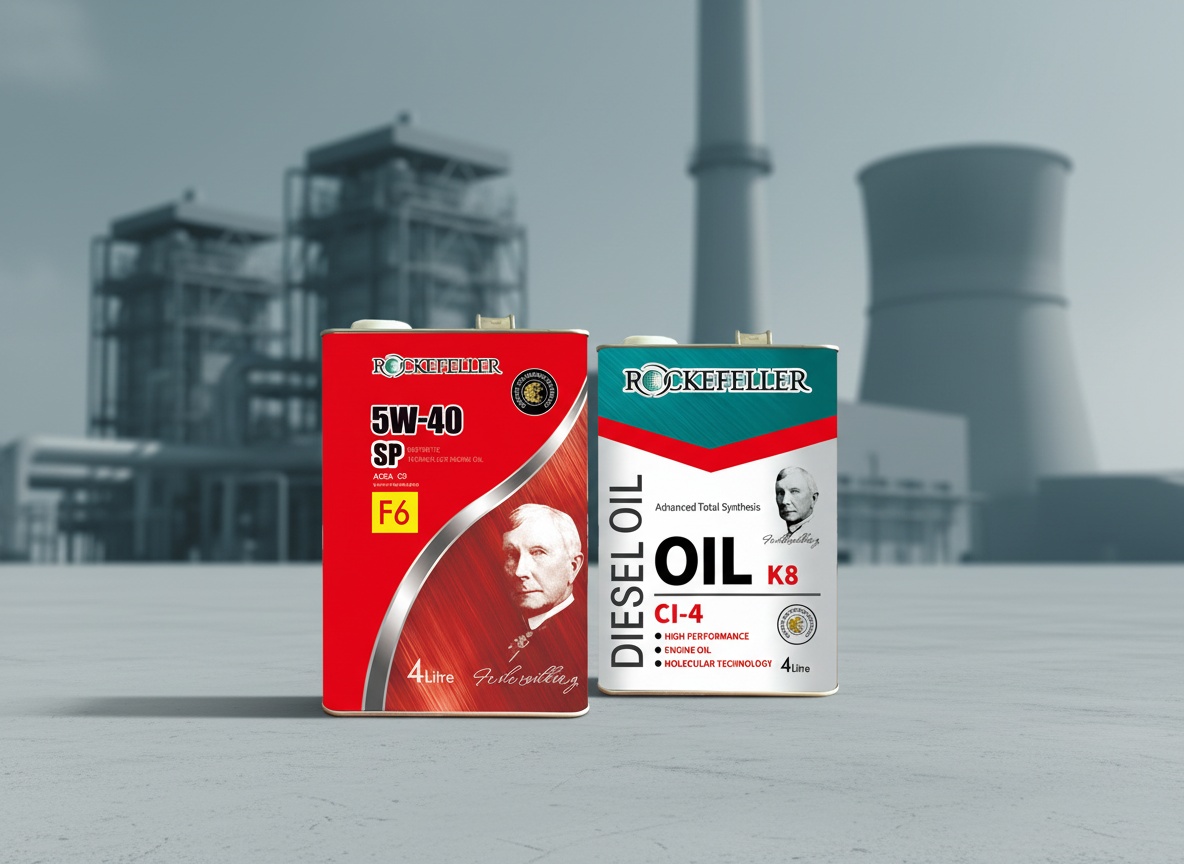
| Feller | U.S.-oriented import and partner channels | OEM/ODM flexibility, wide packaging range, cost-performance advantage | Private-label and customized 5W-40 gasoline engine oil programs | Brand owners, importers, distributors, fleet and aftermarket buyers |
This comparison shows that the best supplier depends on your business model. A vehicle owner often benefits from brand familiarity and quick local availability, while a distributor may care more about margin structure, label customization, documentation support, and stable container scheduling. For that reason, many U.S. buyers now keep a two-track sourcing strategy: one track for high-recognition shelf brands and another for flexible OEM-capable supply that improves profitability.
Product Types and Technical Positioning
Not all 5W-40 gasoline engine oil products target the same use case. In the United States, most buying decisions fall into four broad groups: mainstream synthetic passenger car oils, European formula products for imported vehicles, performance-oriented turbo engine oils, and private-label or commercial supply lines developed for workshops and regional distributors.
Mainstream synthetic 5W-40 products usually emphasize strong oxidation stability, sludge control, and broad compatibility with mixed gasoline engine populations. European-style formulations often target engines from Volkswagen, BMW, Mercedes-Benz, Porsche, and other brands where higher HTHS viscosity and stricter deposit control matter. Performance-oriented oils are positioned toward spirited driving, hot climates, repeated boost cycles, and severe service. Private-label supply programs, meanwhile, are usually built around packaging flexibility, MOQ planning, channel branding, and price competitiveness.
| Product Type | Main Technical Focus | Typical U.S. Buyers | Service Environment | Commercial Advantage |
|---|---|---|---|---|
| Mainstream Full Synthetic | Wear control, oxidation resistance, cold start flow | Retail drivers, general repair shops | Daily commuting and mixed driving | Easy turnover and broad recognition |
| European Formula 5W-40 | Higher HTHS stability, stricter OEM alignment | Import specialists, dealerships, enthusiasts | Turbo imports and premium vehicles | Higher ticket value and specialist demand |
| Performance Turbo Formula | Deposit control under heat, turbo protection | Performance shops, modified car owners | High load, hot climate, aggressive driving | Differentiated premium positioning |
| High-Mileage 5W-40 | Seal care, reduced consumption, engine cleanliness | Owners of older vehicles, used car lots | Higher mileage gasoline engines | Strong aftermarket repeat demand |
| Commercial Private Label | Custom specs, documentation, packaging control | Distributors, brand owners, chains | Regional branded programs | Margin expansion and channel exclusivity |
| Bulk and Drum Programs | Procurement efficiency, supply continuity | Fleet maintenance sites, workshop groups | High-volume service operations | Lower unit logistics cost |
The main takeaway is that buyers should not select a 5W-40 product only by brand name or sticker price. Viscosity is just the starting point. The right choice depends on engine design, emissions equipment, customer expectations, warranty context, local climate, and whether the buyer values retail branding or commercial flexibility.
How to Buy 5W-40 Gasoline Engine Oil Wisely in the United States
For U.S. buyers, the safest approach is to match specification, use case, and procurement channel together. Start with the vehicle requirement. If the owner’s manual or workshop software specifically calls for a 5W-40 grade with certain OEM approvals, that remains the first filter. After that, compare package authenticity, distributor traceability, production batch consistency, and availability in the package size your operation actually consumes. This matters because a dealership, a two-bay garage, a quick-lube chain, and a regional wholesaler all buy differently.
Workshops should also check how often they service turbocharged European and performance gasoline vehicles. If those vehicles represent a meaningful share of oil changes, keeping a strong 5W-40 option in stock is commercially sensible. In warmer states such as Texas, Arizona, Nevada, and Florida, many service advisors also prefer a premium 5W-40 recommendation where the vehicle maker allows it, especially for engines with heat-sensitive turbochargers or repeated highway loading.
Commercial buyers should compare local stocking against direct-import supply. Local stocking gives speed and easier small-lot replenishment. Direct-import programs can improve gross margin, enable custom labels, and support multi-SKU portfolio building. The best procurement model often combines both: use fast-moving branded products for immediate local demand, then add a controlled private-label or OEM line for long-term growth.
Industry Demand by End-Use Sector
Demand for 5W-40 gasoline engine oil is not evenly distributed. Passenger vehicles with turbo gasoline engines remain the core market, but independent workshops, import specialists, performance segments, and some light commercial users create meaningful secondary demand. The chart below illustrates estimated relative demand by sector in the United States.
The bar chart confirms that the strongest demand comes from turbo passenger vehicles and import-oriented service channels rather than generic commodity maintenance. That is why supplier positioning matters so much. A mass-market brand wins with coverage and recognition, while a specialist or OEM supplier wins through technical targeting and commercial customization.
Applications Across Vehicle and Service Scenarios
In practical U.S. use, 5W-40 gasoline engine oil is often selected for turbocharged direct-injection engines, hot-running crossovers, imported sedans, sports coupes, compact luxury vehicles, and older performance cars. It is especially relevant in conditions where oxidation resistance and high-temperature viscosity retention are important. Cities with dense commuting and longer idle exposure, such as Los Angeles, Houston, Miami, and Washington, D.C., create exactly the kind of service conditions where a robust synthetic 5W-40 can be appealing when approved by the vehicle manufacturer.
Independent garages often use it as a premium upsell for import owners who want strong protection in hot weather or heavy traffic. Performance shops use it for repeated high-RPM operation and track-adjacent conditions. Dealers and specialist service centers rely on it when the OEM viscosity chart calls for it. Fleet use is less common than in diesel applications, but small commercial businesses operating turbo gasoline vans or mixed executive vehicles may still include it in their maintenance strategy.
| Application | Typical Vehicle Type | Why 5W-40 Is Chosen | Common U.S. Regions | Buyer Type |
|---|---|---|---|---|
| Turbocharged Daily Driving | Compact SUVs and sedans | Heat stability and turbo deposit control | Texas, Florida, California | Retail owners and service centers |
| European Import Maintenance | BMW, Mercedes-Benz, Volkswagen, Audi | OEM-aligned viscosity and performance profile | Northeast, Midwest, West Coast | Import specialists and dealers |
| Performance Street Use | Sports sedans and tuned vehicles | High-load film strength | California, Nevada, Georgia | Performance shops and enthusiasts |
| High-Temperature Urban Driving | Turbo gasoline commuter vehicles | Better resilience during idle and stop-go stress | Phoenix, Houston, Miami | Independent garages |
| High-Mileage Premium Cars | Older European gasoline vehicles | Stable operation in aging engines | Chicago, New Jersey, Atlanta | Used car dealers and local workshops |
| Specialist Retail Programs | Mixed premium passenger vehicles | Allows premium shelf segmentation | Nationwide e-commerce hubs | Online sellers and auto parts retailers |
This table helps match the oil to real operating conditions rather than relying on broad marketing language. In the United States, successful lubricant programs are built around application clarity. That improves customer trust, reduces returns, and supports repeat purchasing.
Case Studies from the U.S. Market
A regional import repair group in northern New Jersey shifted from carrying three different slow-moving premium viscosities to a simplified strategy centered on 5W-40 and one low-viscosity modern grade. The result was faster inventory turnover, fewer ordering gaps, and simpler advisor training. Because a large share of its customer base drove older Audi, BMW, Mercedes-Benz, and Volkswagen models, the workshop found that 5W-40 satisfied a larger portion of demand than expected without increasing claim risk.
In Houston, a multi-bay independent workshop serving commuter traffic and ride-share drivers adopted a premium 5W-40 option for select turbo gasoline vehicles exposed to heavy heat and long idle periods. Service advisors positioned it as a severe-service recommendation when supported by the manufacturer requirement. This improved average invoice value and reduced customer complaints about oil consumption and rough high-temperature operation between visits.
An e-commerce-led private-label distributor near Savannah used imported full synthetic 5W-40 to build a higher-margin house brand for online and installer accounts. The key success factor was not price alone. It was packaging reliability, pallet consistency, and complete technical documents that made the brand easier to onboard with resellers. The company also benefited from container access through East Coast logistics, shortening restock planning compared with fragmented spot purchasing.
Local Supplier Considerations and Procurement Strategy
Buyers in the United States should classify suppliers into three practical groups: nationally branded shelf suppliers, regional B2B wholesalers, and OEM/private-label manufacturing partners. National brands reduce customer education time and are strong for retail confidence. Regional wholesalers can improve replenishment speed and provide better account management for local installers. OEM/private-label partners are attractive where the buyer wants exclusive branding, stronger margin, custom pack sizes, or a broader lubricant line extension beyond just 5W-40.
Local sourcing is especially useful for smaller workshops that need cartons quickly. However, larger distributors and brand owners often gain more by negotiating direct production programs. Ports such as Long Beach, Houston, and Savannah matter here because freight efficiency can materially improve landed cost. Inland buyers typically use warehousing near Dallas, Atlanta, Chicago, or Southern California to protect service levels.
The area chart reflects a realistic trend shift rather than a complete disruption. In the United States, leading brands remain powerful, but private-label and OEM sourcing is steadily gaining share because workshops, chains, and regional distributors are under margin pressure. Buyers increasingly want documented quality plus commercial control.
Supplier Comparison by Commercial Fit
The next comparison focuses on business suitability rather than consumer branding. This is especially helpful for importers, wholesalers, service chains, and regional lubricant entrepreneurs evaluating long-term partnerships.
| Supplier | Packaging Flexibility | Private Label Capability | Technical Documentation Support | Best Logistics Entry | Commercial Fit |
|---|---|---|---|---|---|
| Mobil | Standard retail and commercial packs | Low | Strong published data | Nationwide domestic channels | High-recognition resale |
| Shell Pennzoil | Retail and workshop formats | Low | Strong published data | Nationwide domestic channels | Installer-focused resale |
| Castrol | Broad standard range | Low | Strong published data | National distributor system | Performance and import channel |
| Valvoline | Flexible through service channels | Low to medium | Good channel support | Regional U.S. distribution hubs | Quick-lube and installer growth |
| Liqui Moly | Selective branded formats | Low | Strong for specialist workshops | Metro-focused warehousing | Import specialist differentiation |
| TotalEnergies | Commercially adaptable packs | Medium | Solid international documentation | Coastal and industrial channels | Mixed B2B sourcing |
| Feller | Small bottles to bulk containers | High | COA, MSDS, TDS, compliance support | Houston, Savannah, Los Angeles via import channels | Brand building, wholesale, OEM/ODM, regional distribution |
For U.S. commercial buyers, this table reveals an important divide: established household brands dominate front-end visibility, but OEM-capable suppliers can offer far more strategic freedom. That is why many regional distributors now combine a known brand for immediate market trust with a private-label line for higher profitability and tighter channel control.
Our Company
For buyers seeking a dependable 5W-40 gasoline engine oil partner in the United States, Feller stands out because its lubricant manufacturing platform combines vertically integrated base oil refining, advanced nitrogen-protected blending technology, automated filling for formats ranging from consumer bottles to bulk industrial packs, and ISO 9001 and ISO 14001 certified production with a documented 99.99% batch pass rate, while its formulations are developed to meet recognized API, ILSAC, and ACEA performance expectations backed by complete technical paperwork such as COA, MSDS, TDS, and approval support; commercially, the company serves end users, local distributors, dealers, brand owners, workshop groups, and emerging entrepreneurs through flexible OEM/ODM, private-label, wholesale, retail-ready packaging, and regional distribution models that can be tailored to U.S. market segments from independent garages to aftermarket chains; and in terms of service assurance, its established export experience across more than 60 countries, robust network of over 500 B2B clients, strategically coordinated warehousing and a 72-hour global shipping mechanism, plus active market localization experience and responsive technical support, give U.S. buyers practical confidence that they are working with a partner invested in long-term market presence rather than a distant one-off exporter. Buyers evaluating partnership models can review the company background at our company page, explore lubricant categories through the product catalog, and discuss U.S.-focused supply planning through the contact page.
2026 Trends: Technology, Policy, and Sustainability
Looking toward 2026, the U.S. market for 5W-40 gasoline engine oil will likely be shaped by four overlapping trends. First, turbocharged gasoline engines will remain important in the used-vehicle and specialist-service base even as newer models continue shifting toward lower-viscosity oils. That means demand may become more concentrated but also more technically value-driven. Second, buyers will ask for stronger proof of deposit control, oxidation stability, and compatibility with extended drain expectations. Third, sustainability pressure will increase interest in efficient blending, lower packaging waste, bulk programs, and supply chains that reduce freight inefficiency. Fourth, policy and compliance attention will continue to raise the value of clear technical documents, proper labeling, and traceable sourcing.
Another likely trend is digital procurement. More U.S. workshops and regional distributors are using software-driven replenishment, marketplace sourcing, and integrated inventory visibility. Suppliers that can combine real technical credibility with fast digital response, documented quality, and stable lead times will gain share. For import-oriented brands and OEM manufacturers, this creates an opportunity to compete on service intelligence, not just on price.
The market will also continue separating into premium technical demand and commercial value demand. Premium technical demand favors supplier credibility, product testing, and vehicle-specific fit. Commercial value demand favors packaging options, landed-cost discipline, and support for local branding. The most resilient suppliers will be those able to serve both sides without compromising quality.
This comparison chart is not a judgment of engine protection quality alone; instead, it highlights commercial flexibility, which is increasingly decisive in the United States. Large consumer brands remain strong for recognition, while OEM-oriented suppliers stand out when customization, packaging control, and regional exclusivity matter.
Frequently Asked Questions
Is 5W-40 gasoline engine oil suitable for all turbo gasoline engines?
No. It is suitable only when the vehicle manufacturer allows or specifies 5W-40. Many turbo gasoline engines in the United States now require 0W-20 or 5W-30, while others, especially some European and performance-oriented models, still call for 5W-40.
Is full synthetic 5W-40 better than semi-synthetic for U.S. conditions?
For most modern turbocharged gasoline applications, full synthetic is the more common and more practical choice because it generally provides stronger oxidation stability, cleaner turbo operation, and better cold-start behavior across a wide U.S. climate range.
Why is 5W-40 still relevant when lower viscosities are common?
It remains relevant because many imported, performance, older premium, and severe-service gasoline engines still benefit from or require the stronger high-temperature characteristics associated with this grade.
What should distributors check before importing 5W-40 into the United States?
They should check specification fit, labeling compliance, technical documents, packaging integrity, pallet configuration, lead time, and whether the supplier can support claims handling, batch traceability, and market-facing sales materials.
Which U.S. regions have the strongest demand for this grade?
Demand is strongest in high-density metro areas and import-heavy markets such as California, Texas, Florida, the Northeast corridor, and major Midwest cities with strong independent repair networks.
Can private-label 5W-40 be a good option for U.S. workshops and distributors?
Yes, especially for businesses that want higher margin, exclusive branding, and broader control over pack sizes and channel strategy, provided the manufacturer offers stable quality, strong documentation, and reliable after-sales support.

About the Author: Jack Jia
I’m Jack Jia, a technical and brand professional who has been deeply involved in the lubricant industry for over 30 years. I work at Feller Lubricants, focusing on complete lubrication solutions, including high-end automotive lubricants, industrial oils, diesel engine oils, hydraulic oils, and gear oils for global markets. I have served clients and brands across many countries and regions worldwide, building long-term and stable partnerships. Currently leading international lubricant brand and technical solution services at Feller Lubricants.
Share