
How Does a Lubricant Filling Line Work? Inside the Production Process
Lubricant filling line operations are an important part of turning finished lubricant products into packaged products ready for storage and delivery. While the filling process may look simple from the outside, a complete line involves several connected steps, from preparing containers and filling the lubricant to capping, packaging, and handling finished products.
At the Feller Lubricants factory in Shandong, China, filling and packaging equipment is an important part of the overall manufacturing workflow. So, how does a lubricant filling line actually work? Let’s take a closer look at the process from the filling station to the finished product.
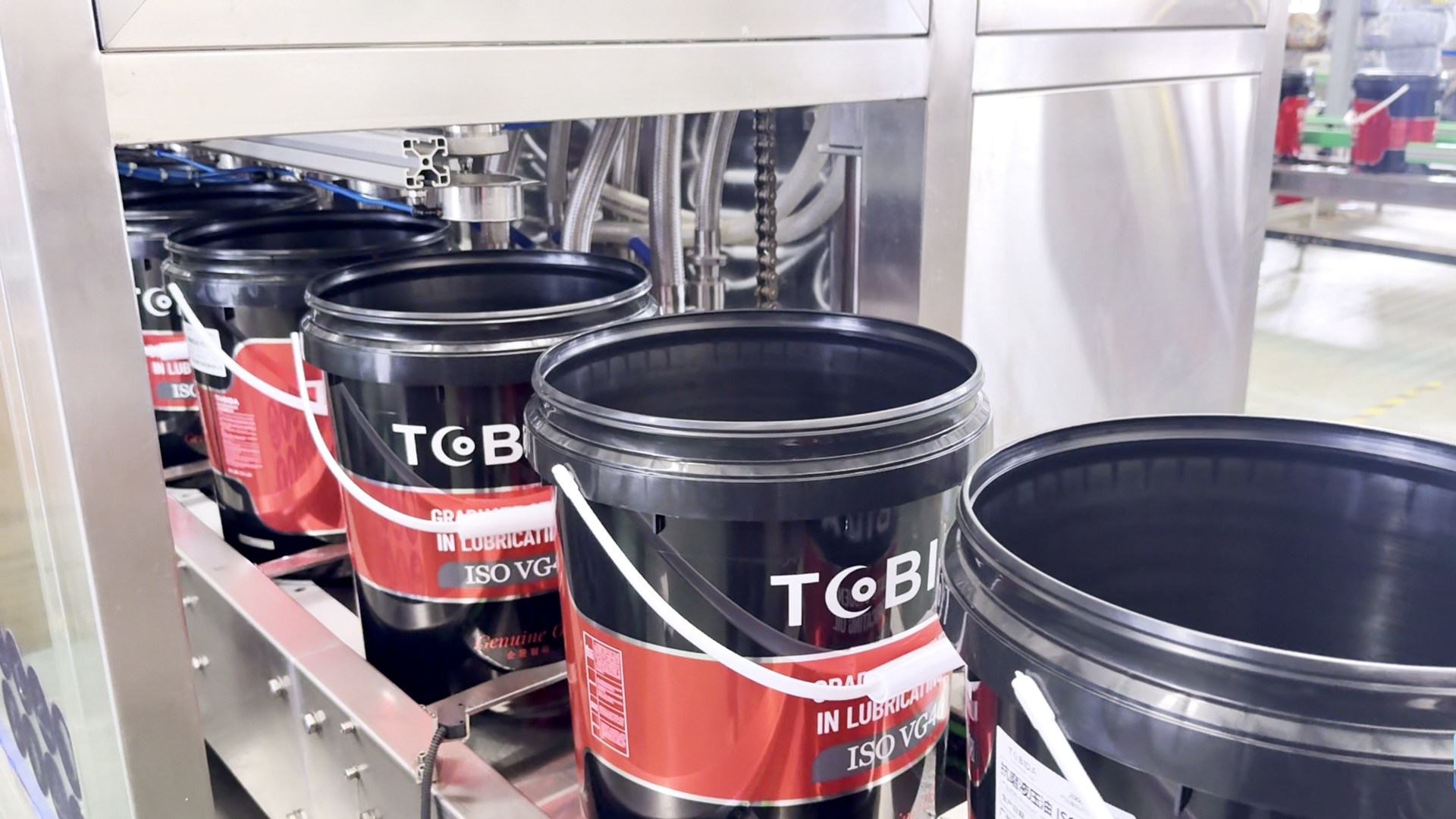
Where the Filling Line Fits Into Lubricant Production
Lubricant filling takes place after the product has gone through the necessary production and inspection stages. Once the lubricant is ready for packaging, it needs to be transferred into the appropriate containers according to the required product and package specifications.
This is where the lubricant filling line comes into operation.
Rather than treating filling as one isolated action, a complete production line connects several operations together. Containers move through different stations in sequence, allowing filling, closing, labeling, and packaging to become part of one continuous workflow.
Step 1: Preparing Containers
Before filling begins, empty containers need to be positioned and prepared for the production line.
Different lubricant products can be supplied in different package sizes, depending on the intended application and customer requirements. The filling equipment therefore needs to work with the corresponding container format and filling settings.
Correct positioning helps ensure that each container reaches the filling point in the appropriate position and can move smoothly through the following stages.
Step 2: Lubricant Filling
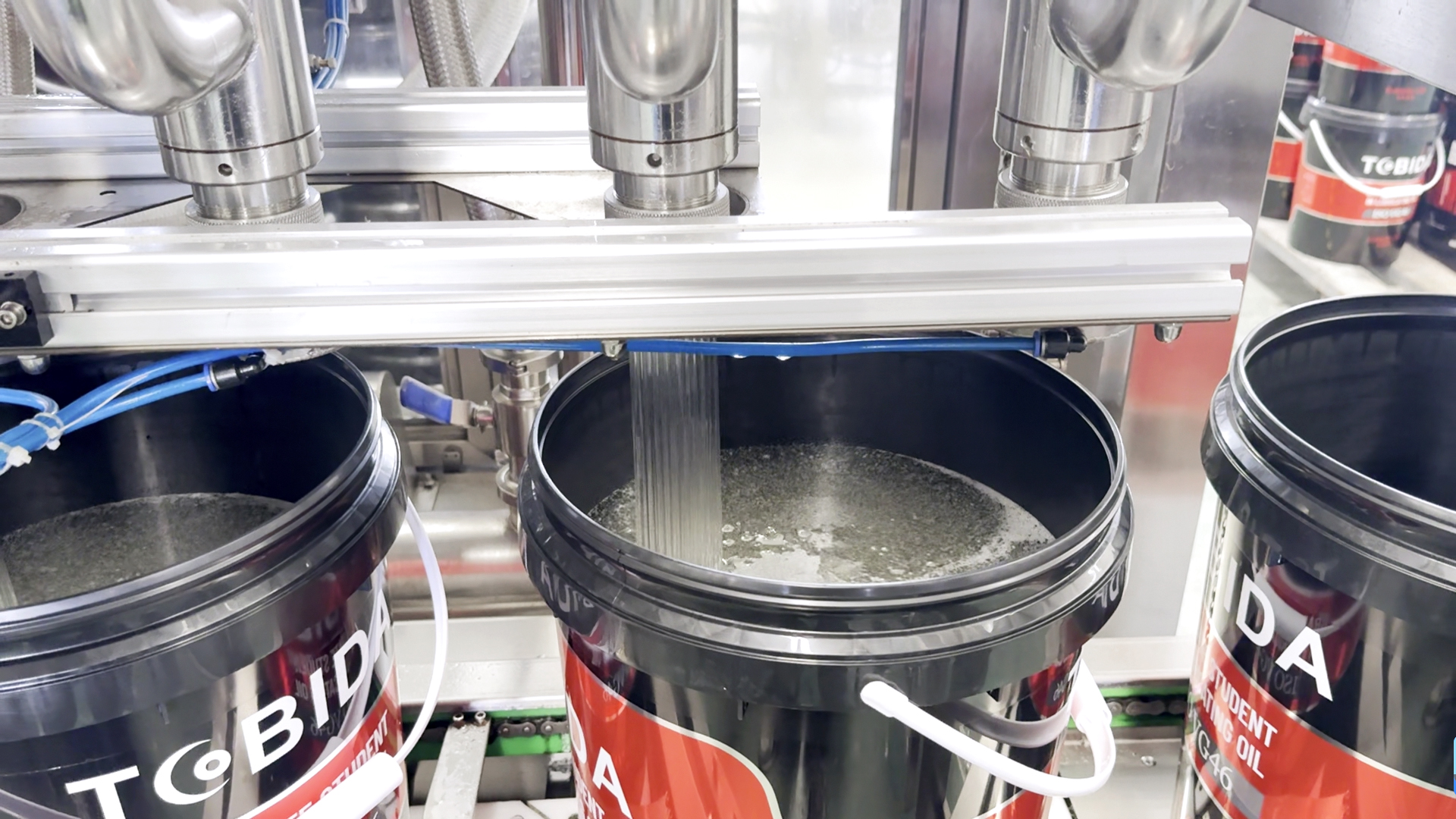
The main operation of the lubricant filling line is the filling process itself.
At the filling station, the lubricant is transferred into the prepared containers according to the required filling quantity. The filling equipment is designed to make the process more consistent than manual filling and to support continuous production.
For products such as engine oils and other lubricants, accurate filling is an important part of finished-product preparation. The filling process needs to match the intended package specification so that containers are ready for the following stages.
The speed and configuration of a lubricant filling machine can vary depending on the equipment setup, product characteristics, container size, and production requirements.
Step 3: Moving From Filling to Capping
Once a container has been filled, it moves to the next stage of the line.
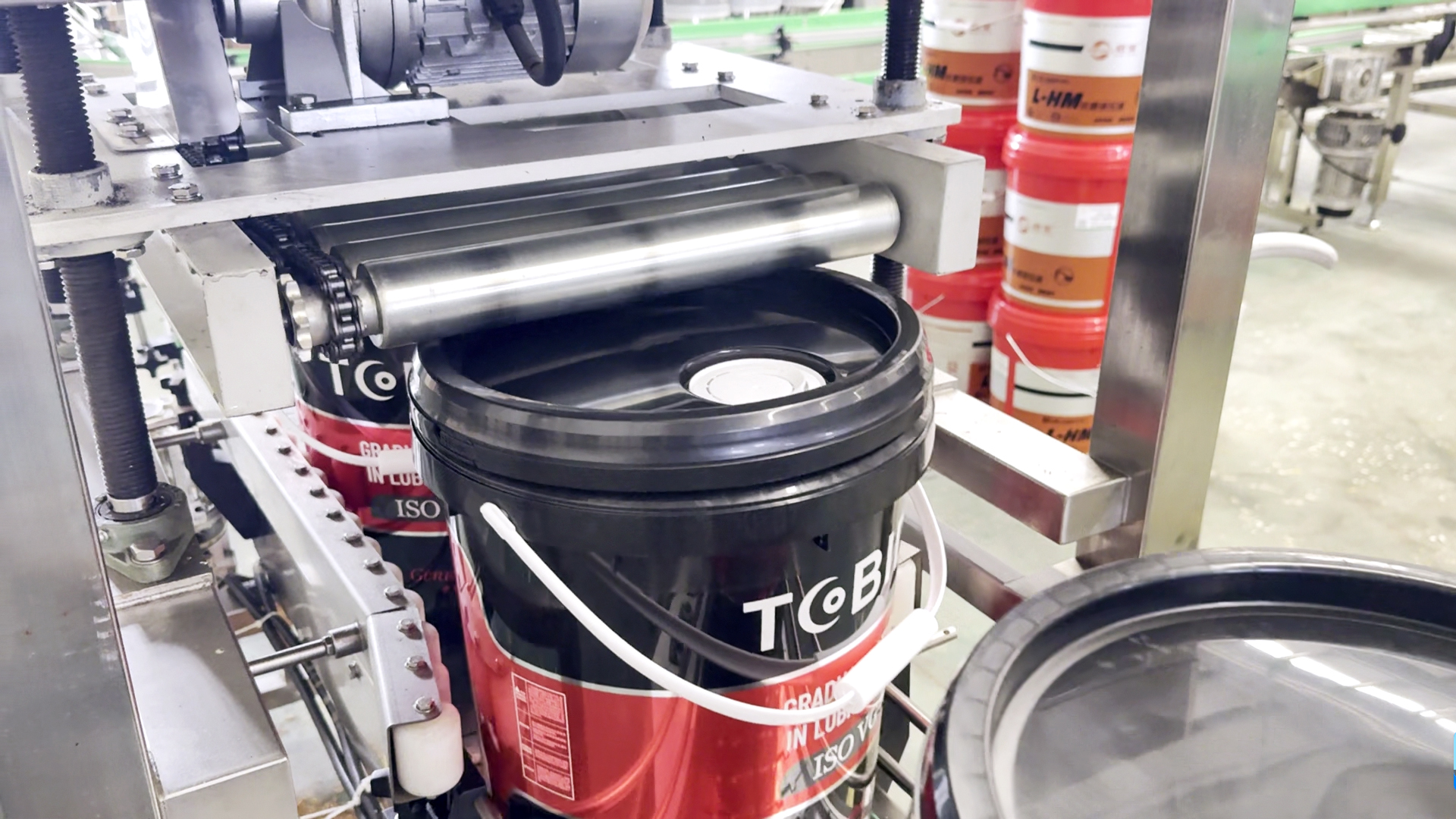
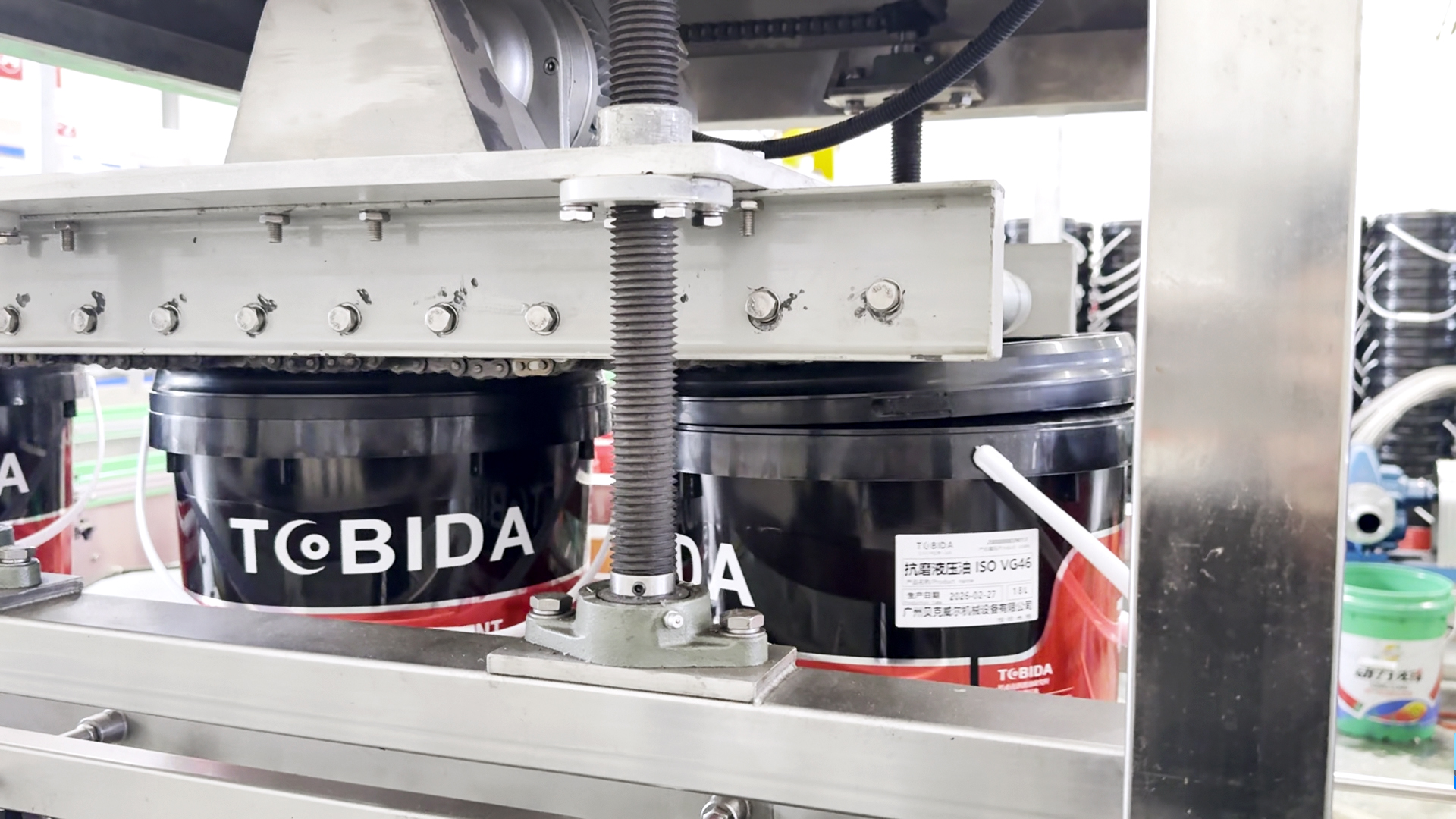
The container is closed with its corresponding cap, helping prepare the product for subsequent handling and packaging. Connecting the filling and capping stages allows the production line to continue moving products forward without requiring each container to be handled individually.
This transition is one of the reasons an integrated lubricant filling line can make the packaging process more organized.
Step 4: Packaging the Filled Products
Once the containers have been filled and capped, they can move to the packaging section.
Depending on the package format, individual lubricant containers can be arranged into cartons or other suitable shipping configurations.
Packaging protects the finished containers during storage and transportation while also making larger quantities easier to handle.
For a lubricant manufacturer, the packaging stage is therefore closely connected with warehouse organization and subsequent delivery preparation
Step 5: Finished Product Handling
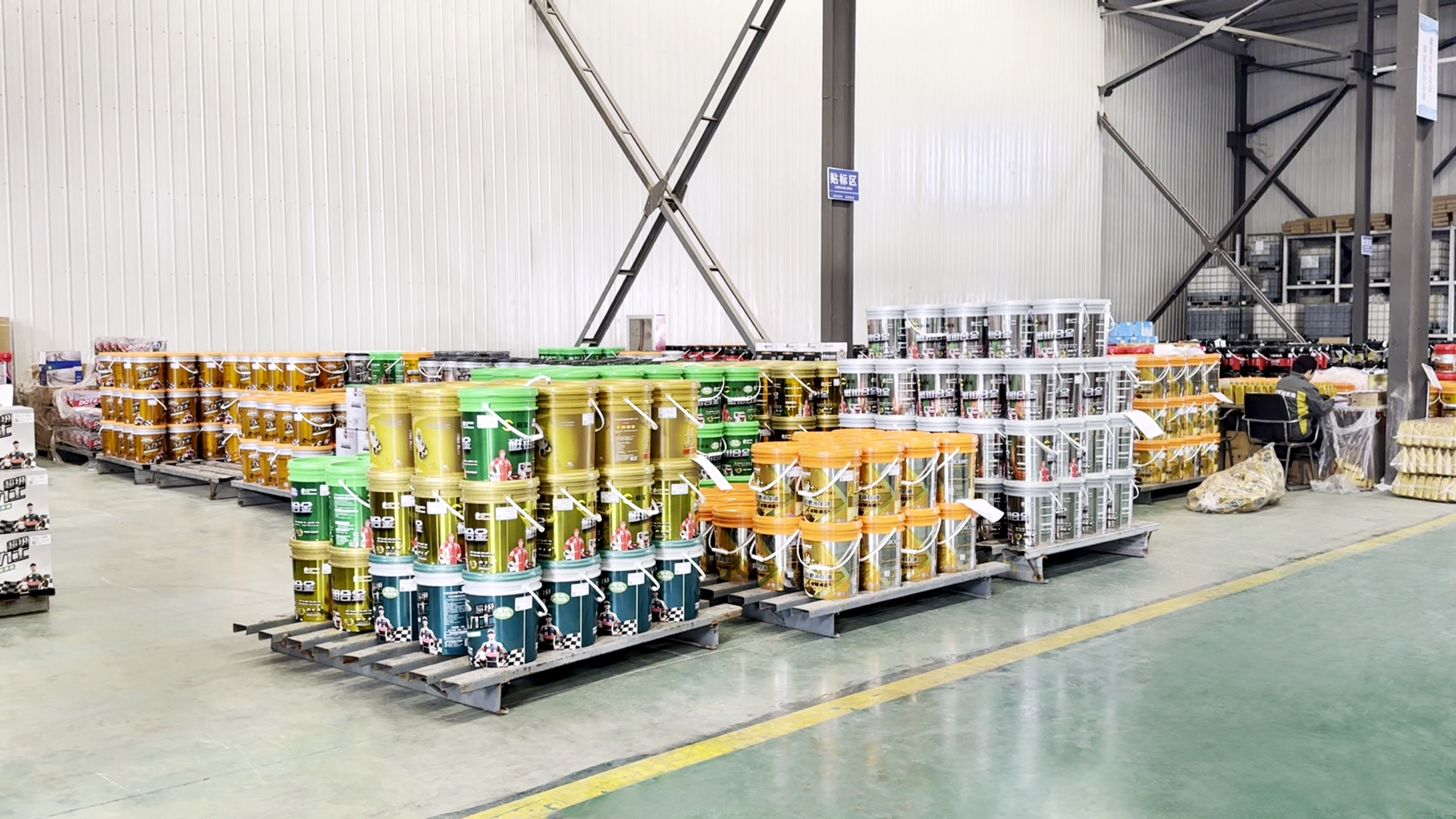
After packaging is completed, the products move into the finished-product area.
Here, packaged lubricants can be organized according to product type, package format, or shipment requirements before further handling.
This final stage creates a clear transition between the production line and the finished-product area. The lubricant has moved through production, filling, closing, and packaging and is now ready for the next step in the supply process.
How the Steps Work Together
A lubricant filling line is not simply one machine performing one task. It is a connected sequence of operations.
The basic workflow can be summarized as:
Container Preparation → Lubricant Filling → Capping → Packaging → Finished Product Handling
Each stage has its own function, but the stages are designed to work together as one production flow.
This connected arrangement helps reduce repeated handling and allows production personnel to manage the movement of products through the packaging process more efficiently.
Why the Filling Line Matters
A lubricant filling line does more than simply put oil into bottles. It connects multiple packaging operations into a coordinated process.
When filling, capping, and packaging are arranged in sequence, production personnel can manage the workflow more efficiently. The equipment also reduces the amount of repeated manual handling required during packaging.
For lubricant manufacturers, the filling stage is therefore closely connected with production organization, packaging consistency, and finished-product management.
Different Lubricants Can Require Different Packaging
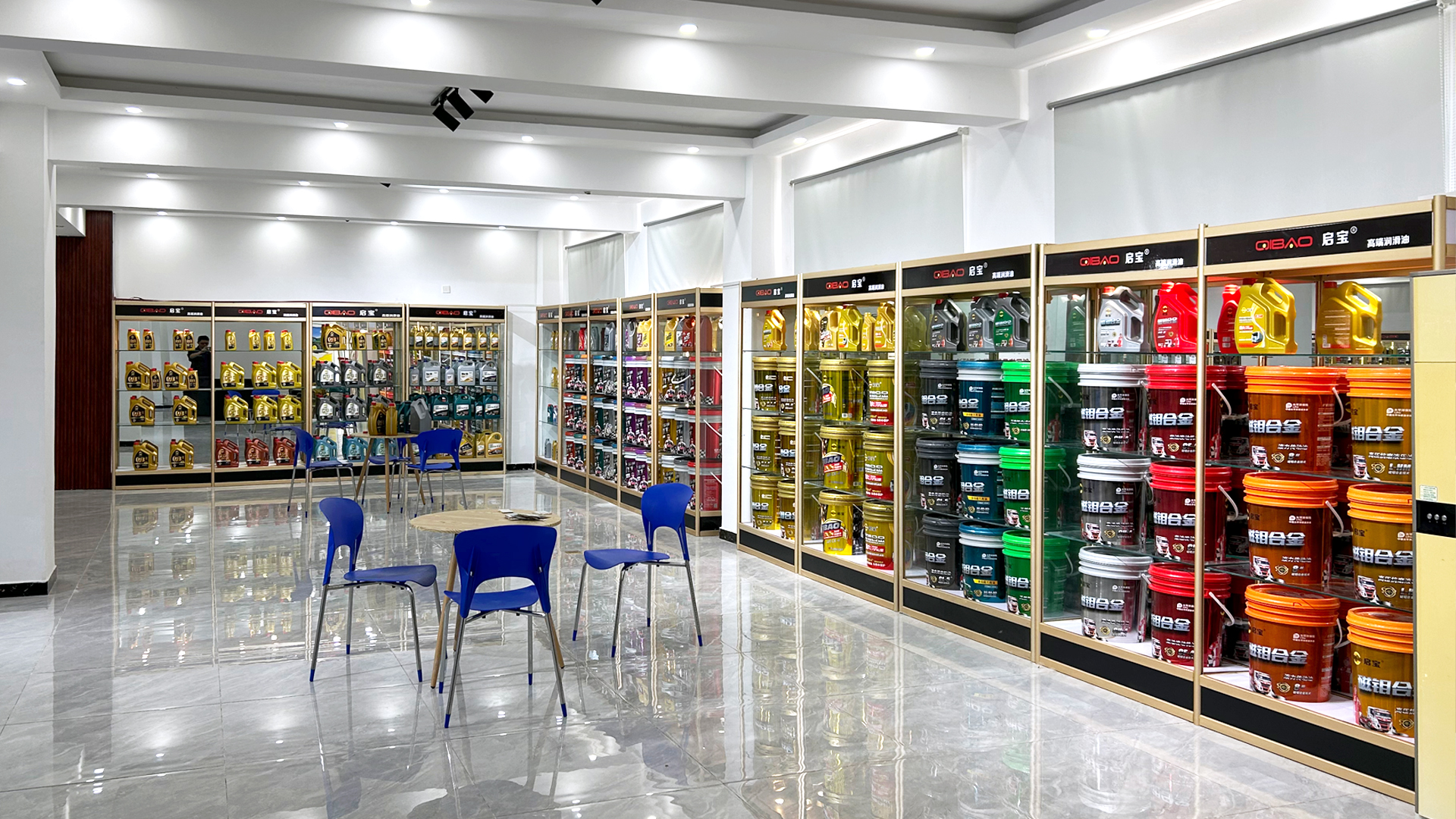
Feller Lubricants produces a range of automotive and industrial lubricants, including engine oils, gear oils, hydraulic oils, greases, coolants, and other lubrication products.
Different products can be supplied in different package formats depending on the product and market requirements.
This means that a lubricant production facility needs flexibility in its filling and packaging arrangements. The appropriate equipment configuration and operating settings can be selected according to the product and package being processed.
From the Filling Line to the Finished Product Area
Once filling and packaging are completed, finished lubricants move into the next stage of the manufacturing workflow.
Products can be organized in the finished-product area before being prepared for storage or shipment. This creates a clear transition from production and packaging to finished-product handling.
Looking at the complete process—from the lubricant entering the filling stage to the packaged product leaving the line—helps explain how many individual operations are connected within a modern lubricant manufacturing facility.
Inside Feller’s Lubricant Filling Operations
At Feller Lubricants, filling and packaging are part of the broader lubricant manufacturing process.
The filling line connects the finished lubricant products with their final packaged form, providing an important link between production and product handling.
For visitors looking at a lubricant factory, the filling line also offers a clear view of how manufacturing continues after the lubricant itself has been produced. It shows how equipment and production personnel work together to move products through the final stages of preparation.
From the first container entering the line to the packaged lubricant reaching the finished-product area, every stage contributes to the complete process.
A Production Line Is More Than Just Filling
A modern lubricant filling line involves more than putting oil into a container. Filling, capping, packaging, and finished-product handling need to work together to create a smooth production flow.
Understanding this process gives a clearer picture of what happens between lubricant production and the finished products ready for storage and delivery.
At Feller Lubricants, these operations form an important part of the manufacturing process, connecting lubricant production with the final packaged products prepared for customers in different markets.