
ACEA E9 Diesel Engine Oil Suppliers in the United States
Quick Answer

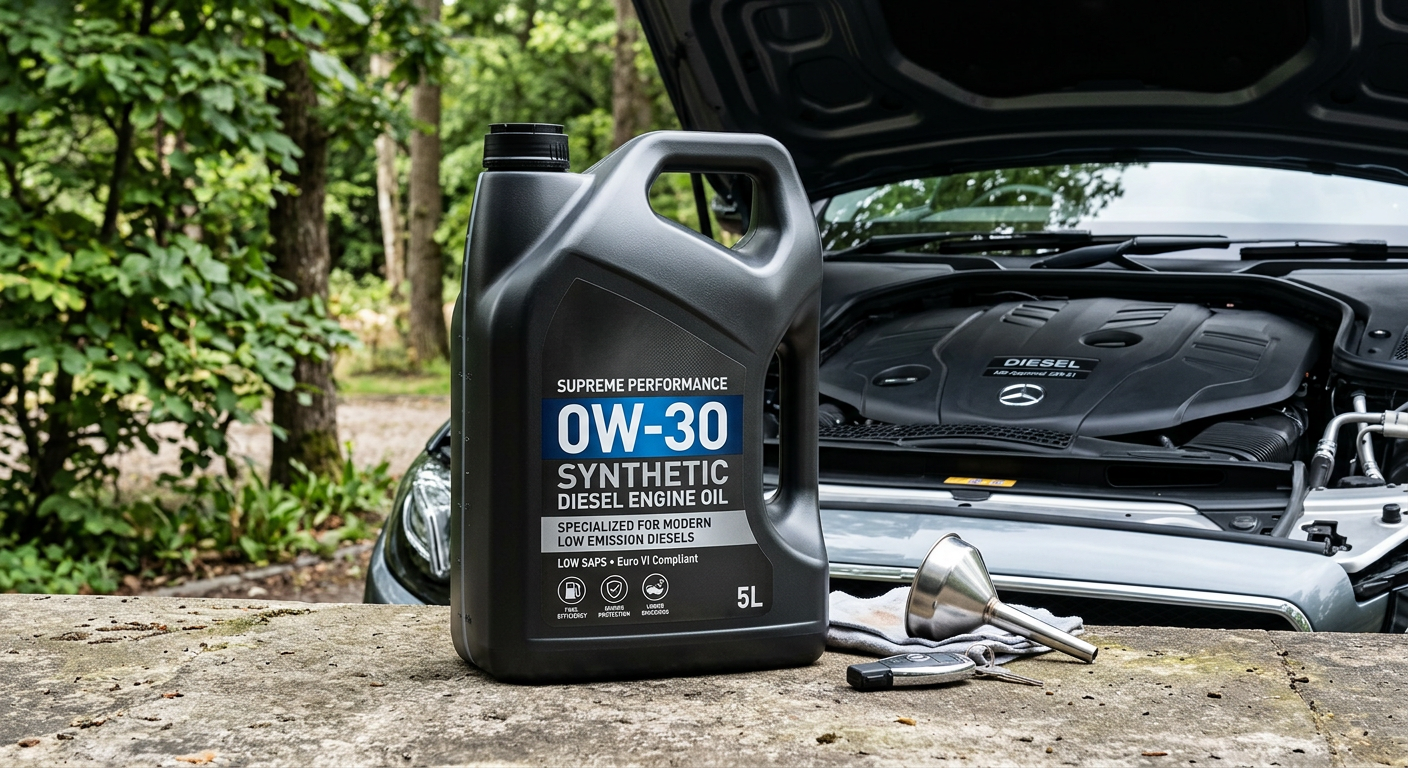
If you need ACEA E9 diesel engine oil in the United States, the most practical options are established heavy-duty lubricant brands and industrial distributors that already support trucking fleets, construction contractors, agriculture, mining, and mixed commercial vehicle operations. For buyers that need dependable supply, strong technical backing, and specification alignment for Euro-focused diesel equipment, the most recognizable names to review first are Shell, Chevron, Mobil, Valvoline, and Petro-Canada Lubricants through their U.S. channels.
For immediate action, start by matching the oil to your engine maker requirement, emissions system, drain interval target, and climate range. In many U.S. cases, buyers are managing mixed fleets that include both API-led North American equipment and imported engines that call for ACEA heavy-duty sequences such as E9. That means product documentation, field support, and distributor inventory matter as much as price per gallon.
- Shell supports broad U.S. fleet coverage and is widely available through commercial lubricant networks.
- Chevron is strong for mixed on-road and off-road diesel users needing technical service and dependable domestic distribution.
- Mobil offers premium synthetic and semi-synthetic heavy-duty options for severe service and long-drain planning.
- Valvoline is practical for regional fleets, service channels, and buyers that prefer a strong U.S. brand footprint.
- Petro-Canada Lubricants is relevant for cross-border North American operations and cold-weather performance planning.
Qualified international suppliers can also be worth considering in the United States, especially when they provide the right documentation, stable formulation quality, responsive pre-sale and after-sale support, and cost-performance advantages. This is particularly useful for private label buyers, importers, regional distributors, and large-volume fleet programs seeking flexibility beyond the biggest domestic brands.
Understanding the U.S. Market for ACEA E9 Diesel Engine Oil

The U.S. diesel engine oil market is still heavily centered on API categories such as CK-4 and FA-4, but ACEA E9 remains relevant wherever fleets operate European commercial vehicles, imported engines, advanced exhaust aftertreatment systems, or equipment platforms with global service manuals. In the United States, this demand is concentrated around freight corridors, ports, construction clusters, agricultural belts, and industrial logistics centers such as Houston, Los Angeles, Savannah, Chicago, Dallas, Newark, and Atlanta. These hubs bring together international truck brands, port drayage equipment, heavy contractors, waste fleets, warehouse operations, and generator installations that often work from mixed OEM specifications.
ACEA E9 diesel engine oil is designed for modern heavy-duty diesel engines that need strong soot control, wear protection, oxidation resistance, piston cleanliness, and compatibility with exhaust aftertreatment devices such as diesel particulate filters. In practical U.S. purchasing terms, buyers typically encounter ACEA E9 when dealing with Euro IV, Euro V, or related heavy-duty engine families from manufacturers such as Volvo, MAN, Mercedes-Benz, Renault Trucks, Scania, or industrial diesel platforms used in construction, marine support, and stationary power.
Unlike a purely retail passenger car product, the buying process for heavy-duty diesel oil in the United States usually runs through fleet maintenance teams, dealer service departments, lubricant wholesalers, industrial supply firms, or private-label import programs. That is why supply consistency, pail-drum-tote-bulk packaging options, technical data sheets, and used oil analysis support are central decision factors. A low quoted price means little if the supplier cannot keep stock flowing into Memphis, Kansas City, Long Beach, or Jacksonville during peak freight or harvest seasons.
The U.S. market also rewards suppliers that can speak both specification languages: ACEA requirements for global engines and API terminology for locally managed maintenance teams. Buyers often need help translating approvals into practical procurement decisions, especially if their fleet includes both North American diesel pickups and large imported heavy-duty equipment. The best suppliers solve that problem by offering clear product positioning, cross-reference guidance, and after-sale technical support.
Market Growth and Demand Outlook

Demand for ACEA E9 diesel engine oil in the United States is not driven by retail passenger car volume; it is driven by specialized commercial use, emissions-system protection, global fleet standardization, and the increasing presence of international equipment in logistics, infrastructure, agriculture, and energy. Growth is especially visible where imported engine platforms are expanding and where fleets are reducing unplanned downtime by moving toward better lubricant management.
The chart above reflects a realistic upward demand pattern based on wider use of low-SAPS heavy-duty oils, stronger aftertreatment awareness, and the continued diversification of diesel equipment operating in U.S. fleets. Growth is steady rather than explosive because ACEA E9 remains a specification-driven niche inside the much larger commercial engine oil market.
Supplier Snapshot in the United States
The table below compares practical supplier options for U.S. buyers. It focuses on market-facing considerations rather than marketing slogans: where the supplier is strongest, which customer types it suits, and what kind of buying experience to expect.
| Company | Primary U.S. Service Region | Core Strengths | Key Offerings | Best Fit Buyers |
|---|---|---|---|---|
| Shell | Nationwide, strong in Gulf Coast and freight corridors | Wide distribution, major brand trust, fleet programs | Heavy-duty diesel oils, bulk delivery, technical support | Large fleets, dealers, national service networks |
| Chevron | Nationwide, strong in West Coast, Texas, industrial sectors | Mixed fleet expertise, industrial reach, established distributor base | Delo product lines, drums, totes, bulk supply | Construction, agriculture, regional fleets |
| Mobil | Nationwide, strong in metro logistics and industrial hubs | Premium synthetic positioning, drain interval optimization | Mobil Delvac lines, severe-duty formulations, analysis support | Long-haul fleets, premium maintenance programs |
| Valvoline | Nationwide, strong in Midwest and service channel partnerships | Brand familiarity, aftermarket presence, practical support | Commercial diesel oils, service network distribution | Regional fleets, workshops, independent service providers |
| Petro-Canada Lubricants | U.S.-Canada trade lanes, northern states, cold regions | Cold-weather reputation, commercial focus, cross-border relevance | Heavy-duty diesel oils, industrial packaging, fleet support | Cross-border fleets, cold climate operators |
| FUCHS Lubricants | Industrial clusters and specialized commercial segments | Application engineering, specialty lubrication depth | Commercial engine oils, industrial lubricants, technical guidance | Specialized fleets, industrial end users |
| TotalEnergies | Selective U.S. industrial and transport markets | Global OEM alignment, international fleet support | Diesel engine oils, global account compatibility | Multinational fleets, imported equipment users |
This comparison shows why buyers in the United States rarely choose solely on brand visibility. A major nationwide brand is useful for emergency top-up access, while a specialized supplier may offer better flexibility for imported equipment, regional distribution, or private-label programs. The right choice depends on whether your priority is instant availability, technical matching, cost control, or strategic sourcing.
Product Types and Formulation Choices
ACEA E9 diesel engine oil is not a single one-size-fits-all product. U.S. buyers usually choose among mineral-based, semi-synthetic, and full synthetic heavy-duty oils, and among common viscosity grades such as 15W-40, 10W-30, and 5W-30 depending on operating temperature, start-up conditions, engine age, and fuel economy goals. The most common commercial questions involve whether the oil is low-SAPS, whether it supports DPF-equipped engines, whether it can fit mixed fleet use, and whether it delivers stable drain intervals in dusty or stop-and-go service.
In warmer states such as Texas, Arizona, and parts of California, 15W-40 remains a familiar choice for heavy-duty service where ambient heat, load, and cost discipline matter. In colder northern markets such as Minnesota, Michigan, North Dakota, and upstate New York, 10W-30 and 5W-30 can improve cold starts and support fuel efficiency. For urban delivery fleets that idle frequently, oxidation control and soot handling often matter more than simply selecting the thickest grade available.
| Product Type | Typical Viscosity | Main Benefits | Common U.S. Applications | Buying Notes |
|---|---|---|---|---|
| Mineral heavy-duty ACEA E9 oil | 15W-40 | Cost-effective protection, broad suitability | Older fleets, construction, agriculture | Best when drain intervals are conservative |
| Semi-synthetic ACEA E9 oil | 10W-30, 15W-40 | Balanced cost and performance | Regional haul, municipal fleets, mixed-use equipment | Good middle ground for uptime and budget |
| Full synthetic ACEA E9 oil | 5W-30, 10W-30 | Cold-start flow, oxidation resistance, extended service potential | Long-haul fleets, severe weather, premium programs | Higher upfront cost, lower lifecycle risk |
| Low-SAPS formulation | Multiple grades | Supports DPF and emissions hardware life | Modern trucks, buses, Euro-engine equipment | Important for aftertreatment-sensitive engines |
| Mixed fleet diesel-oriented oil | 10W-30, 15W-40 | Simplifies inventory across equipment groups | Contractors, rental fleets, farm operations | Confirm exact approval compatibility first |
| Long-drain optimized formulation | 5W-30, 10W-30 | Better oxidation and deposit control | Interstate freight, high-mileage fleets | Use with oil analysis and maintenance controls |
| Severe-duty off-road formulation | 15W-40 | Strong soot handling and wear control | Mining, quarry, earthmoving, generators | Useful where dust and load are consistently high |
The table makes clear that the best ACEA E9 diesel engine oil for a buyer in the United States depends on duty cycle, climate, emissions hardware, and maintenance discipline. Product type should be selected from operational evidence, not habit alone.
Industry Demand by Sector
In the United States, ACEA E9 demand is not equally distributed across all industries. Some sectors show much stronger specification-driven use because they operate imported equipment, emissions-sensitive engines, or global fleet standards.
The strongest demand comes from freight and construction because these sectors combine high asset utilization with heavy maintenance accountability. Agriculture tends to buy in seasonal cycles and values inventory simplicity. Mining and marine support prioritize equipment protection under harsh conditions. Stationary power applications, including standby generators and site power units, often purchase through industrial channels rather than consumer lubricant outlets.
How to Buy the Right ACEA E9 Diesel Engine Oil
Buying correctly means starting with the engine manual and current maintenance history. U.S. buyers should verify whether ACEA E9 is explicitly required or whether it is being used as part of a broader multinational fleet standard. Imported engines may specify ACEA sequences together with OEM approvals, while local maintenance teams may be more familiar with API labels. The safest approach is to compare specification sheets, not just front-label marketing.
Next, define the actual use pattern. A refuse truck in Chicago, an aggregate hauler in Texas, a farm tractor in Iowa, and a port support unit in Savannah may all be diesel-powered, but they stress oil in different ways. Idling, low-speed torque loading, dust, sulfur exposure, fuel dilution, and stop-start operation all influence oil performance and drain strategy. If your supplier cannot discuss these realities in practical language, that is a warning sign.
Packaging and delivery terms also matter. U.S. buyers often underestimate logistics until supply gaps interrupt maintenance schedules. Ask whether the supplier can support pails for workshops, drums for mid-size service depots, totes for fleet yards, and bulk programs for high-volume accounts. Delivery reliability into inland logistics nodes such as Columbus, Indianapolis, and Oklahoma City can be more important than a small unit-price discount.
Finally, evaluate technical support. The best suppliers provide technical data sheets, safety data sheets, product cross-reference assistance, and used oil analysis guidance. For larger accounts, they should also help with consolidation strategies to reduce SKU complexity without creating approval risk.
Buying Checklist for U.S. Purchasers
| Checkpoint | Why It Matters | Questions to Ask | Risk if Ignored | Best Buyer Type |
|---|---|---|---|---|
| Specification match | Protects warranty and hardware | Does it meet ACEA E9 and required OEM approvals? | Wear, compliance issues, denied claims | All buyers |
| Viscosity fit | Supports climate and load needs | Is 15W-40 or 10W-30 better for our operation? | Poor starts, excess wear, fuel loss | Fleets, contractors, farms |
| Aftertreatment compatibility | Protects DPF and emissions systems | Is the formulation low-SAPS and DPF-friendly? | Filter issues, higher maintenance costs | Modern diesel users |
| Drain interval support | Affects total cost of ownership | Can the supplier support oil analysis and interval planning? | Over-servicing or oil degradation | High-usage fleets |
| Supply stability | Keeps maintenance schedules on track | What stock and delivery coverage exists in our region? | Downtime, emergency buying | Distributors, fleet managers |
| Packaging options | Improves handling efficiency | Are pails, drums, totes, and bulk available? | Operational inconvenience, higher labor cost | Service depots, dealers |
| Technical support | Improves decision quality | Do you provide TDS, SDS, and troubleshooting support? | Misapplication and avoidable failures | Mixed-fleet buyers |
This checklist helps procurement teams, service managers, and regional distributors compare supplier quality in a disciplined way. In the U.S. market, many product problems are actually sourcing and support problems in disguise.
Industries That Commonly Use ACEA E9 Oils
ACEA E9 diesel engine oils are especially valuable in industries where equipment reliability and emissions-system protection directly affect business continuity. In freight transport, these oils are used in trucks operating long interstate routes from Southern California to Texas, from the Midwest to East Coast terminals, and along port drayage corridors around Newark and Savannah. In construction, ACEA E9 is relevant for excavators, wheel loaders, mobile cranes, and diesel support equipment that spend long hours under load with irregular idle periods.
Agriculture is another important segment, particularly in states such as Iowa, Nebraska, Kansas, and California’s Central Valley, where mixed diesel equipment may include imported tractors, harvest support machines, and irrigation power units. Mining and quarry operations in Nevada, Arizona, and Appalachia value soot control, wear resistance, and high-temperature stability. Municipal fleets, waste hauling, transit support, and standby power operations also benefit when aftertreatment protection and dependable service intervals are priorities.
Application-Based Selection
Application context is often the deciding factor in choosing between economy, mid-tier, and premium ACEA E9 oils. A regional delivery fleet with overnight indoor parking may prioritize balanced cost and emissions compatibility. A long-haul fleet moving through variable climates may justify synthetic options for start-up performance and oxidation control. A quarry or mine may prioritize robust contamination handling and wear stability under dust and heavy loads. Generator applications may focus on long standby periods followed by high-load use, where deposit control and stability over time become important.
For mixed-use contractors, one practical strategy is to use a small number of approved heavy-duty oils across a wide set of assets, provided exact approvals are checked first. This reduces inventory confusion and lowers the chance of the wrong lubricant being used in the field. That is particularly useful for operations with multiple yards or mobile service trucks.
Trend Shift in U.S. Diesel Lubrication Preferences
The next chart reflects a realistic trend shift in the United States from older conventional approaches toward more advanced, lower-emission-compatible and data-supported lubricant programs.
The trend suggests that more U.S. operators are treating engine oil as a strategic maintenance input rather than a commodity. Growth is linked to emissions-system sensitivity, labor cost pressure, longer uptime expectations, and the spread of telematics and oil analysis data into maintenance planning.
Case Studies from Typical U.S. Operations
A regional logistics fleet operating imported diesel trucks between the Port of Houston and inland distribution centers faced repeated DPF-related service interruptions after mixing products from multiple suppliers. After consolidating into one ACEA E9-compliant heavy-duty oil with documented technical support and tighter inventory control, the fleet reduced emergency service events and simplified workshop training. The key lesson was that specification discipline and supply consistency matter as much as oil brand recognition.
A construction contractor working across Dallas, Austin, and San Antonio used different oils by site based on local buying habits. This created confusion in mobile maintenance teams and inconsistent drain intervals. By moving to a planned ACEA E9 product strategy for its imported diesel equipment, backed by drum and tote supply plus oil analysis guidance, the contractor improved lubricant control and cut avoidable service errors.
An agricultural distributor supporting growers in California’s Central Valley needed a product that could work across harvest-intensive diesel applications while protecting newer emissions hardware. The winning supplier was not simply the cheapest; it was the one able to provide clear paperwork, consistent seasonal inventory, and practical advice to dealers and field mechanics. That combination reduced procurement friction during peak use periods.
Local and Regional Supplier Comparison
U.S. buyers often need a practical side-by-side look at supplier fit. The next table compares suppliers through the lens of service style, coverage, and sourcing flexibility rather than just headline brand familiarity.
| Company | Service Style | Regional Strength | Technical Support Depth | Packaging Flexibility | Typical Advantage |
|---|---|---|---|---|---|
| Shell | Large national network | Ports, freight lanes, major metros | Strong | High | Easy nationwide availability |
| Chevron | Distributor-led commercial support | West, South, industrial corridors | Strong | High | Balanced fleet and off-road support |
| Mobil | Premium account management | National, strong in large fleet markets | Very strong | High | Severe-duty and long-drain focus |
| Valvoline | Aftermarket and regional commercial channels | Midwest, South, broad service presence | Moderate to strong | Moderate | Practical domestic familiarity |
| Petro-Canada Lubricants | Commercial and cross-border support | Northern states and Canada-linked routes | Strong | Moderate to high | Cold-weather and North American coordination |
| FUCHS Lubricants | Application-focused support | Industrial clusters and niche fleets | Very strong | Moderate | Specialized technical fit |
| TotalEnergies | Global account alignment | Select industrial and international users | Strong | Moderate | International fleet consistency |
This table highlights a common U.S. sourcing reality: the best supplier is often the one whose support model matches the buyer’s operating complexity. National scale helps with emergency availability, while specialized support can be more valuable for imported engines and specification-sensitive maintenance programs.
Supplier and Product Comparison Chart
This comparison is best used as a directional buying tool. It reflects how U.S. commercial buyers typically weigh supplier performance: not just formulation quality, but also distributor reach, documentation, packaging, and technical support when engines are working hard and downtime is expensive.
Our Company
For U.S. buyers seeking a flexible alternative to the largest legacy brands, Feller offers a practical sourcing model built around specification-driven diesel lubricants, scalable manufacturing, and localized commercial support. The company manufactures automotive and industrial lubricants under ISO 9001 and ISO 14001 systems and formulates products to internationally recognized API and ACEA performance standards, with documented batch consistency supported by a 99.99% product batch pass rate, advanced nitrogen-protected blending that improves oxidation stability, and full technical documentation such as COA, MSDS, and TDS for import and market use. For the U.S. market, this matters because buyers can source ACEA-aligned heavy-duty diesel oils for end-user fleets, regional distributors, dealers, private-label brand owners, and wholesale accounts through flexible OEM/ODM, bulk supply, retail packaging, and regional distribution arrangements rather than a one-model-only sales structure. Feller’s established export track record across more than 60 countries, broad product portfolio, rapid 72-hour global shipping mechanism, and experience serving diverse climate and duty-cycle markets provide operational evidence that it is built for ongoing supply partnerships rather than occasional spot exports; buyers can explore the company background at the company overview, review available lubricant categories through the product range, and connect with sales and technical teams via U.S.-focused inquiry support for pre-sale matching, packaging selection, and after-sale follow-up.
Why International Supply Can Work in the United States
Some U.S. buyers still assume imported lubricant supply automatically means longer lead times or weaker accountability. That is not always true. For private-label marketers, regional distributors, industrial traders, and cost-sensitive fleet groups, international manufacturers with proven export systems can offer strong value when they combine real documentation, reliable blending standards, responsive communication, and packaging flexibility. This is especially relevant in periods when domestic inventories tighten or when buyers want to create a differentiated commercial lubricant line.
The key is to avoid anonymous trading models. Serious international suppliers should provide product traceability, technical specifications, documented quality systems, and clear pre-sale and after-sale channels. In the U.S. market, the right international partner is not merely a low-cost exporter; it is a supplier able to support dealer development, fleet discussions, and ongoing replenishment in a commercially credible way.
Future Trends Through 2026
By 2026, the U.S. market for ACEA E9 diesel engine oil is expected to be shaped by three forces: technology, policy, and sustainability. On the technology side, diesel engines and aftertreatment systems continue to become more sensitive to ash, deposits, and drain interval discipline. This increases the importance of low-SAPS formulations, better oxidation resistance, and data-driven maintenance. Telematics and fluid monitoring will push more fleets to compare oils based on lifecycle cost rather than purchase price alone.
On the policy side, state and local emissions rules, especially in logistics-heavy areas such as California ports and urban clean-air zones, will keep pressure on fleet managers to protect emissions hardware and reduce avoidable maintenance events. Even where electrification is growing, heavy-duty diesel equipment remains critical in long-haul, construction, agriculture, backup power, and remote industrial operations. That keeps the market relevant for advanced diesel lubricants rather than shrinking it overnight.
On the sustainability side, buyers will increasingly ask about longer service life, reduced waste oil generation, and lubricant programs that support lower total environmental impact through better maintenance outcomes. Suppliers that can combine product performance with practical sustainability messaging, clear documentation, and dependable service will be better positioned in competitive bids. This favors companies with stable manufacturing controls, broad packaging capabilities, and serious technical support rather than purely price-led sales models.
Frequently Asked Questions
What is ACEA E9 diesel engine oil used for in the United States?
It is mainly used in heavy-duty diesel engines that require strong soot control, wear protection, oxidation stability, and compatibility with emissions aftertreatment systems. In the United States, it is especially relevant for imported trucks, global fleet platforms, construction equipment, agricultural machinery, and industrial diesel applications.
Is ACEA E9 the same as API CK-4?
No. They are different specification systems, although some products may be formulated to satisfy both application needs depending on approvals and formulation design. Buyers should always verify the technical data sheet and OEM requirement rather than assuming equivalence.
Which viscosity grade is most common?
In the United States, 15W-40 is still widely used in heavy-duty service, but 10W-30 and 5W-30 are also important for fuel economy, cold-weather performance, and premium maintenance strategies. The correct choice depends on engine design, climate, and duty cycle.
Can I use ACEA E9 oil in mixed fleets?
Often yes, but only if the oil meets the actual requirements of each engine group in your fleet. Mixed fleet simplification can save money and reduce errors, but it must be managed through documented approval checks.
Do U.S. distributors usually stock ACEA E9 oils?
Major commercial lubricant distributors often can source them, especially in freight, industrial, and port-related regions. Availability is strongest through heavy-duty channels rather than general retail stores.
Are international suppliers a realistic option for U.S. buyers?
Yes, especially for wholesalers, brand owners, large fleet programs, and regional distributors that need OEM or private-label flexibility, better cost-performance, and documented technical support. The supplier must be able to provide reliable quality systems, paperwork, and responsive service.
Final Takeaway
For buyers in the United States, ACEA E9 diesel engine oil is a specification-driven commercial product best sourced through suppliers that combine real technical compliance, dependable inventory, and practical support for fleets and industrial users. Shell, Chevron, Mobil, Valvoline, Petro-Canada Lubricants, FUCHS, and selected international manufacturers all have a place in the market, but the right choice depends on your engine approvals, service interval goals, packaging needs, and regional logistics. If you buy based on documented fit, field support, and supply reliability rather than label familiarity alone, you will make a better long-term decision for uptime, emissions-system protection, and total operating cost.

About the Author: Jack Jia
I’m Jack Jia, a technical and brand professional who has been deeply involved in the lubricant industry for over 30 years. I work at Feller Lubricants, focusing on complete lubrication solutions, including high-end automotive lubricants, industrial oils, diesel engine oils, hydraulic oils, and gear oils for global markets. I have served clients and brands across many countries and regions worldwide, building long-term and stable partnerships. Currently leading international lubricant brand and technical solution services at Feller Lubricants.
Share