High Oil Consumption Gasoline Engines in the United States
Quick Answer

High oil consumption gasoline engines in the United States are usually caused by worn piston rings, valve stem seal leakage, PCV system faults, turbo seal wear, oil volatility under high heat, or extended drain intervals with the wrong viscosity. For drivers, the fastest actions are to confirm the correct oil grade from the owner’s manual, inspect for external leaks, test the PCV valve, check for blue exhaust smoke, and run a compression or leak-down test if consumption stays high.
For fleets, workshops, and distributors in cities such as Houston, Los Angeles, Chicago, Atlanta, and Dallas, the most practical supply options often include major lubricant brands with broad U.S. coverage such as Mobil, Valvoline, Castrol, Shell, Chevron, and Pennzoil, plus specialist oil analysis and engine service providers. Qualified international suppliers, including Chinese manufacturers with relevant certifications, stable batch quality, and strong pre-sales and after-sales support, can also be worth considering because they often offer strong cost-performance value for private label, wholesale, and regional distribution programs.
Why gasoline engines consume oil

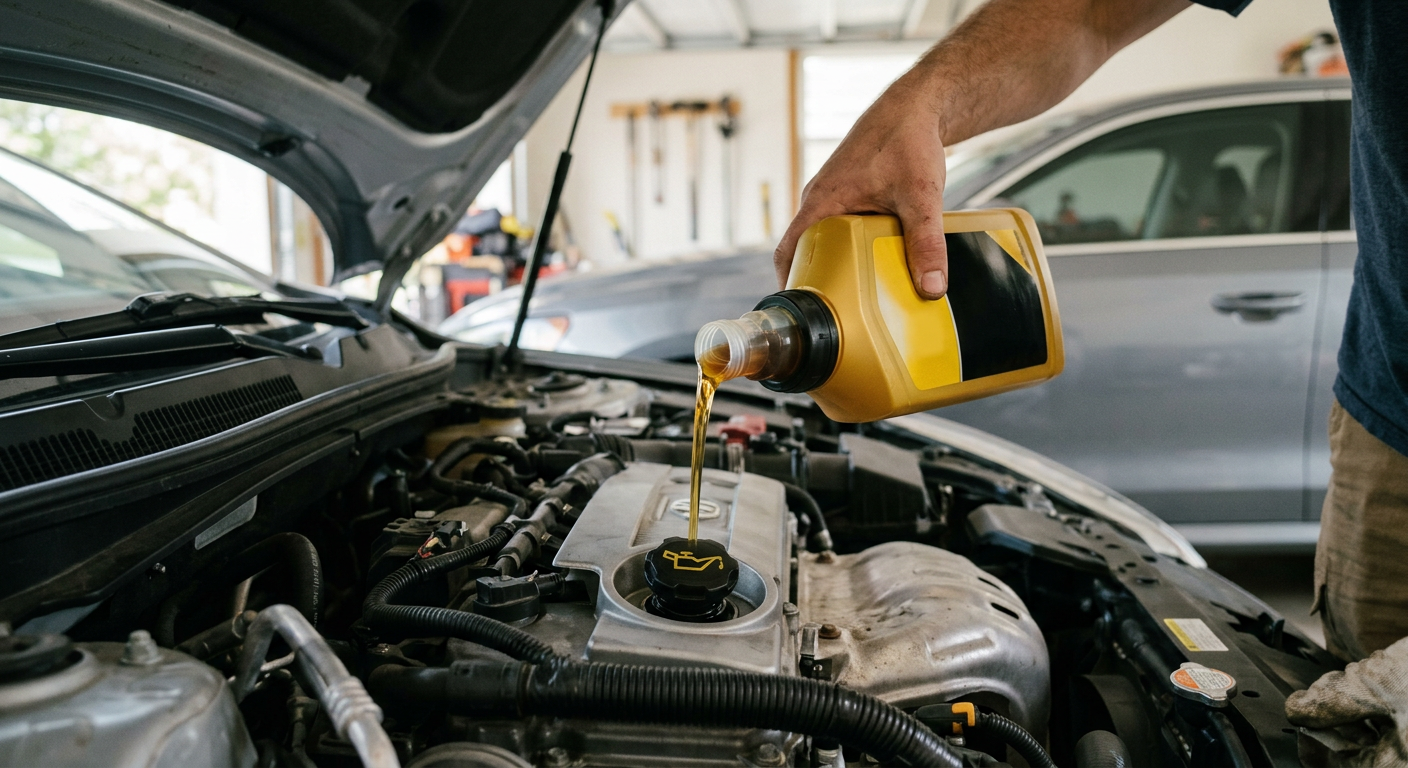
Oil consumption in a gasoline engine is not always a sign of immediate failure. A small amount of oil can pass through normal combustion processes, especially in turbocharged, direct-injection, or high-mileage engines. However, when oil use rises enough to require frequent top-offs between service intervals, the problem becomes expensive and risky. In the United States, this issue is especially relevant because vehicles often face long highway commutes, stop-and-go urban driving, high summer temperatures in states such as Texas and Arizona, and extended maintenance intervals promoted by modern service schedules.
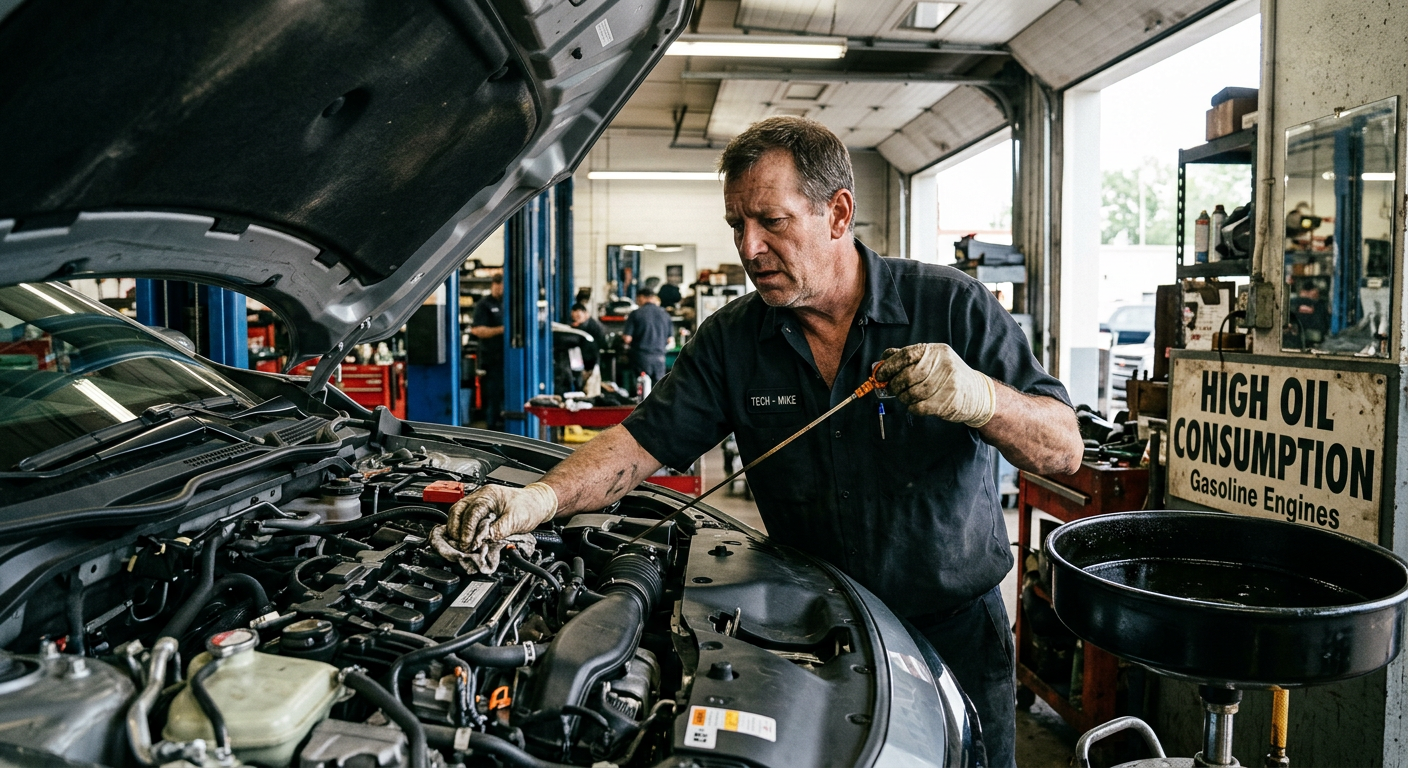
High oil consumption gasoline engines may show several warning signs. The most obvious are a dropping dipstick level, blue-gray exhaust smoke during startup or acceleration, spark plug fouling, misfires, catalytic converter stress, and burned oil odor near the engine bay. Some engines consume oil internally with almost no visible smoke because modern catalytic converters can mask the symptoms for a while. That makes routine checking even more important.
In practical terms, the main causes tend to fall into a few core categories: combustion chamber oil entry through worn rings or cylinder walls, oil leakage through hardened valve stem seals, crankcase ventilation system malfunction, turbocharger bearing or seal wear, oil evaporation caused by the wrong formulation under severe heat, and neglected maintenance that leads to deposits. In some late-model engines, low-tension piston rings designed to improve fuel economy can also increase sensitivity to deposits and ring sticking if oil quality or service timing is poor.
U.S. market context for high oil consumption gasoline engines

The United States has one of the world’s largest passenger vehicle populations, with a wide mix of naturally aspirated engines, turbocharged gasoline direct injection engines, hybrid gasoline units, pickups, SUVs, and older high-mileage sedans still in daily service. This diversity changes the way oil consumption problems appear. For example, drivers in cold northern regions such as Minnesota or Michigan may experience startup wear and thicker cold-flow behavior, while operators in Phoenix, Las Vegas, or inland California face severe thermal stress that can accelerate volatility and oxidation.
Another major factor is mileage. The average age of vehicles on U.S. roads remains high, which means many engines are well past the point where seals, rings, and ventilation components begin to wear noticeably. Add in towing, rideshare use, suburban commuting, and inconsistent maintenance history, and oil consumption becomes both a retail service issue and a lubricant selection issue. This is why aftermarket shops from New Jersey to California increasingly pair oil recommendations with engine-condition diagnostics rather than treating every case as a simple oil top-off problem.
Ports and logistics centers such as Los Angeles, Long Beach, Houston, Savannah, Newark, and Chicago also matter from a supply perspective. These trade hubs support lubricant imports, bulk distribution, packaging, and private-label opportunities for regional wholesalers and automotive chains. For B2B buyers, stable supply and technical documentation are now almost as important as brand recognition.
Common causes and how to identify them
| Cause | How it happens | Typical symptoms | Best diagnostic step | Risk level if ignored | Common U.S. vehicle scenario |
|---|---|---|---|---|---|
| Worn piston rings | Oil passes into combustion chamber past ring pack | Blue smoke under acceleration, low compression, high consumption | Compression and leak-down test | High | High-mileage commuter sedans and pickups |
| Stuck oil control rings | Deposits restrict ring movement and scraping action | Oil loss with limited external signs, carbon buildup | Borescope inspection and service history review | High | Extended oil change intervals in urban driving |
| Valve stem seal wear | Oil leaks from cylinder head into combustion chamber | Smoke at startup or after idle | Cold start observation and plug inspection | Medium | Older engines in warm climates |
| PCV system fault | Incorrect crankcase ventilation pulls excess oil vapor | Oil in intake, unstable idle, sludge risk | PCV valve and hose inspection | Medium | Neglected maintenance in mixed-use fleets |
| Turbocharger seal wear | Oil leaks through turbo bearings or seals | Smoke after boost, intercooler oil residue | Turbo shaft play and intake tract inspection | High | Modern turbocharged crossover and small-displacement engines |
| External gasket or seal leaks | Oil exits engine without burning | Oil spots, wet engine surfaces, burnt smell | UV dye or visual inspection | Medium | Older SUVs and trucks in hot regions |
| Wrong oil viscosity or volatility | Oil evaporates more quickly or bypasses worn clearances | Consumption rises after oil change | Verify OEM spec and product approval | Medium | Quick-lube miscues or cost-driven oil substitution |
This table matters because oil consumption is often misdiagnosed as a single problem. In reality, one vehicle can show two or three simultaneous issues, such as a weak PCV valve combined with ring deposits and a low-volatility mismatch in the oil used.
Which gasoline engines are more vulnerable
Not every engine family has the same risk profile. High oil consumption gasoline engines are more commonly reported in high-mileage naturally aspirated engines with aging seals, small turbocharged engines operating under sustained heat, and gasoline direct injection engines that are sensitive to deposits. Engines used for towing, delivery routes, rideshare work, or repeated short-trip operation also face greater exposure.
U.S. service shops commonly see oil use concerns in vehicles that have gone beyond 100,000 miles without consistent oil quality, as well as in performance engines where owners push long drain intervals. Another pattern appears in suburban family SUVs that idle often, run hot in summer traffic, and receive inexpensive bulk oil not matched to the OEM approval level. In those cases, oil consumption can rise gradually enough that the driver notices the problem only after a warning light appears.
Product types used to manage or reduce oil consumption
| Product type | Main purpose | Best use case | Potential benefit | Limitations | Typical buyer in the United States |
|---|---|---|---|---|---|
| Full synthetic engine oil | Improve oxidation stability and reduce volatility | Modern turbo and GDI engines | Better high-temperature control | Will not fix worn hardware | Retail drivers and dealer service departments |
| High-mileage engine oil | Support seal conditioning and deposit control | Older engines over 75,000 miles | May reduce mild seepage and burn-off | Results vary by engine condition | Independent repair shops and quick lubes |
| OEM-spec low-viscosity oil | Maintain warranty and designed flow behavior | Late-model vehicles under factory recommendations | Protects emission systems and timing components | Must match the exact approval level | Dealers and fleet maintenance teams |
| Semi-synthetic oil | Balance cost and performance | Mixed-age fleets and budget-sensitive operators | Good value in moderate duty cycles | Lower thermal reserve than premium synthetic | Regional distributors and municipal fleets |
| Engine flush or ring-cleaning service | Address deposit-related sticking | Suspected stuck oil control rings | Can restore ring movement in some cases | Not suitable for every engine condition | Specialty workshops |
| Used oil analysis service | Measure wear, oxidation, fuel dilution, and contamination | Fleets and performance applications | Guides drain interval and root-cause diagnosis | Requires sampling discipline | Commercial fleets and larger workshops |
| PCV replacement kits | Restore crankcase ventilation control | Known PCV-related oil consumption cases | Low-cost corrective step | Only solves ventilation-related issues | DIY owners and repair garages |
The best product choice depends on whether the issue is primarily wear-related, deposit-related, or service-related. A high-mileage formulation may help a lightly worn engine, but it will not reverse severe ring wear. On the other hand, simply switching oil brands without checking the PCV system or compression often wastes time and money.
Buying advice for drivers, workshops, and distributors
For U.S. drivers, the first rule is simple: do not guess. Use the manufacturer’s recommended viscosity and approval standard as the baseline, then adjust only if a qualified technician identifies a condition that supports a high-mileage or alternate approved formula. If consumption exceeds a quart every 1,000 to 1,500 miles, the vehicle should be evaluated rather than repeatedly topped off without diagnosis.
For workshops, consistency matters. Build an intake checklist that captures mileage, top-off history, oil brand and grade, drain interval, fuel type, visible leaks, PCV condition, and exhaust behavior. This prevents unnecessary engine tear-downs and creates better evidence when recommending a service plan. Workshops serving markets like Miami, Houston, and Las Vegas should also prioritize oils with strong volatility control because ambient heat and traffic load are meaningful local factors.
For distributors and aftermarket chains, the strongest commercial opportunities are in segmented product portfolios: economy conventional oils for older fleets, semi-synthetic options for value buyers, full synthetic low-SAPS and fuel-efficient formulations for modern engines, and high-mileage lines for the aging U.S. vehicle parc. Technical support, training, and documentation often decide whether a buyer stays loyal.
Industries and applications where the issue matters most
Oil consumption is a bigger operational issue in industries where vehicle uptime matters. Delivery fleets, sales fleets, field service vans, municipal service vehicles, construction support pickups, and rideshare vehicles all rack up miles quickly and can hide engine wear until downtime becomes expensive. In these applications, the cost of unscheduled repair is usually higher than the cost of premium oil or early diagnostics.
Performance and enthusiast markets also see this issue frequently. Modified gasoline engines, track-day vehicles, and turbocharged builds can consume oil under sustained high load even when the engine is considered healthy. In these cases, oil selection should be based on actual use conditions, thermal load, and manufacturer or builder guidance, not just retail shelf popularity.
Market growth and service demand outlook
The U.S. market for diagnostics, maintenance products, and premium engine oils linked to oil consumption concerns is likely to remain strong through 2026 because the vehicle fleet is aging while turbocharged gasoline engines continue to spread. Demand is also being shaped by stricter fuel economy targets, lower-viscosity oils, and consumer interest in extending vehicle life rather than replacing cars immediately.
The chart shows a realistic upward trend rather than explosive growth. That reflects what many U.S. workshops already experience: steady increases in demand for better oils, engine cleaning services, and diagnostic labor as vehicles stay on the road longer.
Industry demand by application
Delivery vans and rideshare fleets rank high because they combine high mileage, idle time, urban stop-start use, and strict uptime requirements. Pickup trucks also show strong demand, especially in states where towing and heavy summer heat are common.
Trend shift in lubricant selection
This area trend reflects a broad market shift toward more specialized solutions. Instead of using the same oil for every gasoline vehicle, U.S. buyers increasingly choose tailored products for turbo engines, high-mileage engines, and mixed fleet service programs.
Local and major suppliers serving the United States
| Company | Service region | Core strengths | Key offerings | Best fit customer | Practical note |
|---|---|---|---|---|---|
| Mobil | Nationwide U.S. | Strong synthetic technology, OEM credibility | Full synthetic passenger car motor oils, high-mileage options | Dealers, fleets, retail users | Widely available with strong brand trust |
| Valvoline | Nationwide U.S. | Large service network, consumer recognition | High-mileage oil, restore and protect lines, quick-lube support | Quick lubes, independent shops, retail drivers | Very strong in service-driven retail channels |
| Castrol | Nationwide U.S. | Strong aftermarket presence, broad viscosity range | EDGE, GTX High Mileage, synthetic blends | Shops and retail chains | Common choice for mixed passenger vehicle populations |
| Shell Pennzoil | Nationwide U.S. | Strong retail distribution and OEM approvals | Pennzoil Platinum, Pennzoil High Mileage, Shell Helix in select channels | Retail buyers and service centers | Good visibility in major metro markets |
| Chevron Havoline | Nationwide U.S. | Trusted conventional and synthetic formulations | Havoline synthetic and high-mileage lines | Fleet managers and independent garages | Good value positioning in many states |
| AMSOIL | Nationwide U.S. | Premium synthetic focus, enthusiast following | Extended-drain synthetics and specialty engine oils | Performance users and specialist shops | Often chosen for severe service and enthusiast segments |
| Lucas Oil | Nationwide U.S. | Additive and supplemental treatment visibility | Engine oils, high-mileage products, oil stabilizer range | Retail users and independent shops | Frequently considered when consumers seek a consumption remedy |
This supplier overview is useful because it separates broad national brands by channel strength and typical buyer profile. In the United States, availability and technical confidence often matter as much as product specification, especially for service chains that need predictable replenishment.
Supplier comparison by product and support profile
This comparison is not a laboratory ranking. It is a practical market score reflecting how U.S. buyers usually evaluate suppliers for oil-consumption-related needs: shelf presence, service channel support, product breadth, and technical confidence.
Case studies from real-world U.S. usage patterns
A Houston-based field service fleet of gasoline pickups saw repeated top-off complaints during summer operations. Inspection showed no major external leaks, but the vehicles had inconsistent oil brands and a long drain interval policy. After standardizing on a full synthetic product with better high-temperature stability, shortening the interval, and replacing aging PCV components, oil consumption complaints fell noticeably and driver reports improved.
In the Los Angeles area, an independent workshop handled a group of compact turbocharged crossover vehicles with oil use concerns before 90,000 miles. The common pattern was short trips, stop-start traffic, and delayed maintenance. Intake inspections found oil residue linked to crankcase ventilation stress and deposit formation. A combination of approved low-volatility synthetic oil, intake cleaning where appropriate, and customer education reduced repeat visits.
In Chicago, a rideshare operator attempted to reduce costs by shifting older sedans to cheaper bulk oil while extending service intervals. Consumption increased, and some vehicles showed fouled plugs and rough idle. After used oil analysis and a switch to a more suitable semi-synthetic high-mileage program, plus better monitoring between services, the fleet recovered more stable maintenance costs.
Buying checklist for workshops and procurement teams
| Checkpoint | Why it matters | What to ask the supplier | Risk if ignored | Best for | Decision impact |
|---|---|---|---|---|---|
| API and relevant OEM approvals | Confirms performance baseline | Can you provide current TDS and approval status? | Warranty and performance mismatch | Dealers and professional workshops | Very high |
| Volatility and oxidation control | Critical in hot U.S. climates and turbo engines | What supports reduced burn-off under heat? | Persistent top-off demand | Texas, Arizona, Nevada buyers | High |
| High-mileage formulation strategy | Useful for older vehicle parc | Do you offer dedicated high-mileage products? | Missed sales and weaker results | Independent shops and retail chains | High |
| Batch consistency and quality system | Important for fleets and distributors | Which quality certifications and QC records are available? | Variable field performance | Wholesalers and fleets | Very high |
| Logistics and lead time | Prevents out-of-stock disruptions | What are your warehouse and replenishment capabilities? | Inventory gaps | Regional distributors | Medium to high |
| Technical and after-sales support | Helps solve root causes, not just sell oil | Do you offer training, used oil analysis, or troubleshooting? | Poor retention and returns | Service chains and fleets | High |
| Flexible cooperation model | Important for private label and market development | Can you support OEM, wholesale, and regional exclusivity? | Limited growth options | Brand owners and distributors | Medium to high |
This checklist is especially relevant for the U.S. market because buyers are balancing technical requirements, liability concerns, local stocking needs, and customer expectations across multiple channels.
Our company for U.S. buyers
Feller brings a strong fit for U.S. buyers dealing with high oil consumption gasoline engines because its manufacturing system combines more than 30 years of lubricant R&D and production experience with ISO 9001 and ISO 14001 certified operations, advanced nitrogen-protected blending that improves oxidation stability, and products formulated to recognized API, ILSAC, and ACEA standards, including gasoline engine oils ranging from economy mineral grades to modern full synthetic SP formulations for turbocharged and direct-injection engines. For distributors, brand owners, service chains, fleets, and end users, the company supports multiple cooperation models through OEM and private-label production, wholesale bulk supply, retail-ready packaging, regional distributor partnerships, technical documentation, and used oil analysis support, making it practical for both established buyers and new market entrants. U.S.-focused buyers also benefit from Feller’s proven export track record across more than 60 countries, its 72-hour global shipping mechanism, broad packaging flexibility, and hands-on pre-sale and after-sale coordination that includes technical data sheets, certificates, formulation guidance, and account support. Rather than acting like a remote spot exporter, the company operates with a long-term market-building mindset through responsive online support, partner-facing technical training, and localized cooperation planning for different climates, vehicle mixes, and customer segments. Buyers who want to review product options can explore the lubricant product range, learn more on the company background page, or discuss U.S. business needs directly through the contact team.
Future trends through 2026
By 2026, the conversation around high oil consumption gasoline engines in the United States will be shaped by three big trends. The first is technology: more turbocharged and downsized gasoline engines will keep pressure on lubricant volatility control, deposit resistance, and timing chain protection. The second is policy: fuel economy and emissions pressure will continue to encourage lower-viscosity formulations, which means product quality and exact approvals will become even more important. The third is sustainability: buyers will increasingly look for longer drain stability, lower waste generation, better packaging efficiency, and predictive maintenance practices such as used oil analysis.
There is also likely to be a stronger split between premium technical products and low-cost generic oils. In a market with more complex engines, the cheapest option often becomes the most expensive if it contributes to deposits, turbo stress, or premature catalyst damage. For B2B buyers, supplier transparency, test data, and after-sales support will matter more than broad marketing claims.
FAQ
How much oil consumption is considered normal in a gasoline engine?
It depends on engine design, mileage, and driving conditions. Some manufacturers consider a limited amount acceptable, especially in turbocharged or high-performance engines, but frequent top-offs between normal service intervals should be investigated.
Can the wrong oil cause high oil consumption?
Yes. Using the wrong viscosity, a product with poor volatility control, or an oil that does not meet the required approval can increase evaporation, leakage through worn clearances, or deposit formation.
Will high-mileage oil fix the problem?
It can help in mild cases involving seal aging or light wear, but it will not repair damaged rings, worn cylinders, or failed turbo seals.
What is the first component to check?
Start with the basics: confirm oil level accuracy, inspect for external leaks, and check the PCV system. Those are among the fastest and least expensive diagnostic steps.
Why is oil consumption common in turbo gasoline engines?
Turbo engines run hotter, rely on tight lubrication control, and may be more sensitive to volatility, deposit buildup, and seal wear, especially when maintenance is delayed.
Should workshops use oil analysis for this issue?
Yes, especially for fleets and repeat cases. Used oil analysis can reveal oxidation, fuel dilution, wear metals, and contamination patterns that help identify the root cause.
Can a supplier help beyond just selling oil?
Absolutely. The best suppliers support workshops and distributors with product matching, technical documents, training, logistics planning, and after-sales problem solving.

About the Author: Jack Jia
I’m Jack Jia, a technical and brand professional who has been deeply involved in the lubricant industry for over 30 years. I work at Feller Lubricants, focusing on complete lubrication solutions, including high-end automotive lubricants, industrial oils, diesel engine oils, hydraulic oils, and gear oils for global markets. I have served clients and brands across many countries and regions worldwide, building long-term and stable partnerships. Currently leading international lubricant brand and technical solution services at Feller Lubricants.
Share