Best Small Engine Gasoline Oil Suppliers in the United States
Quick Answer

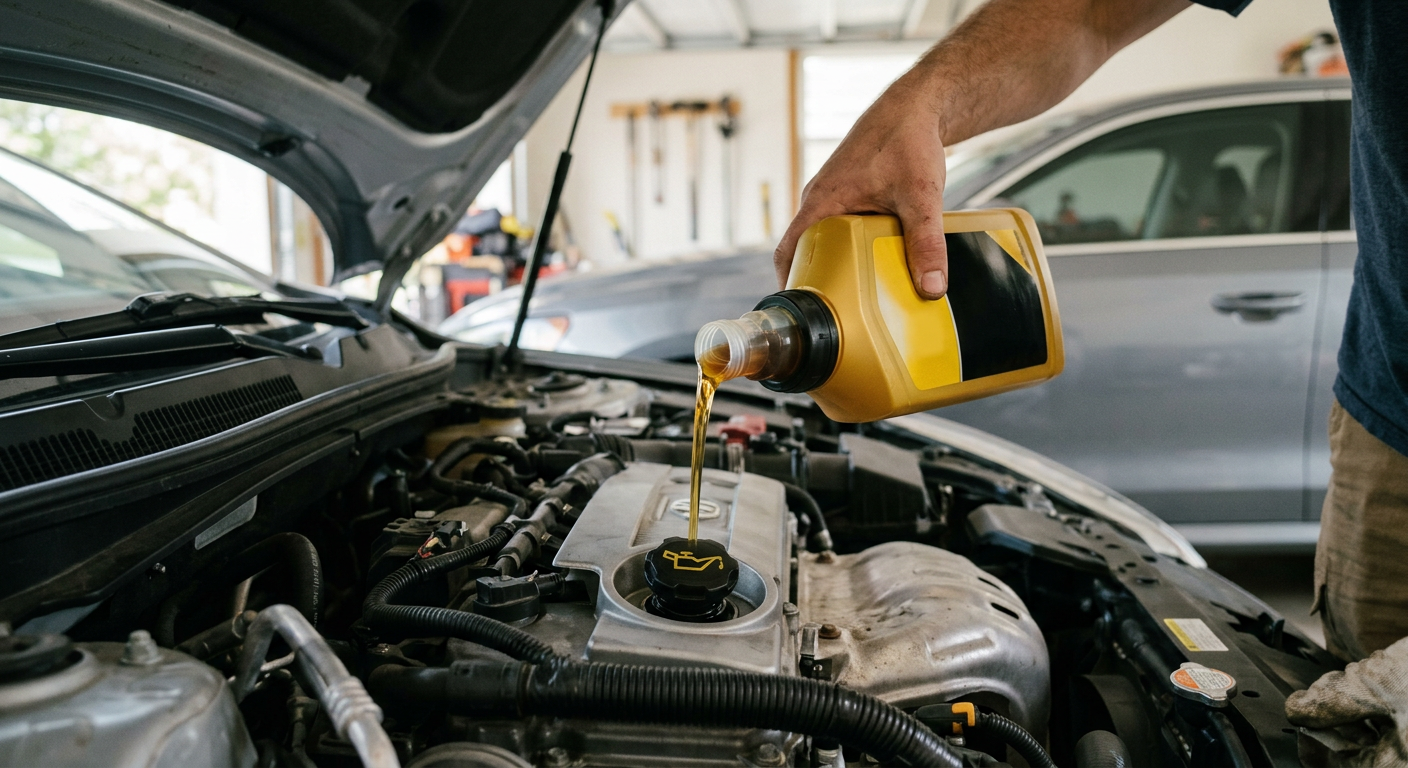
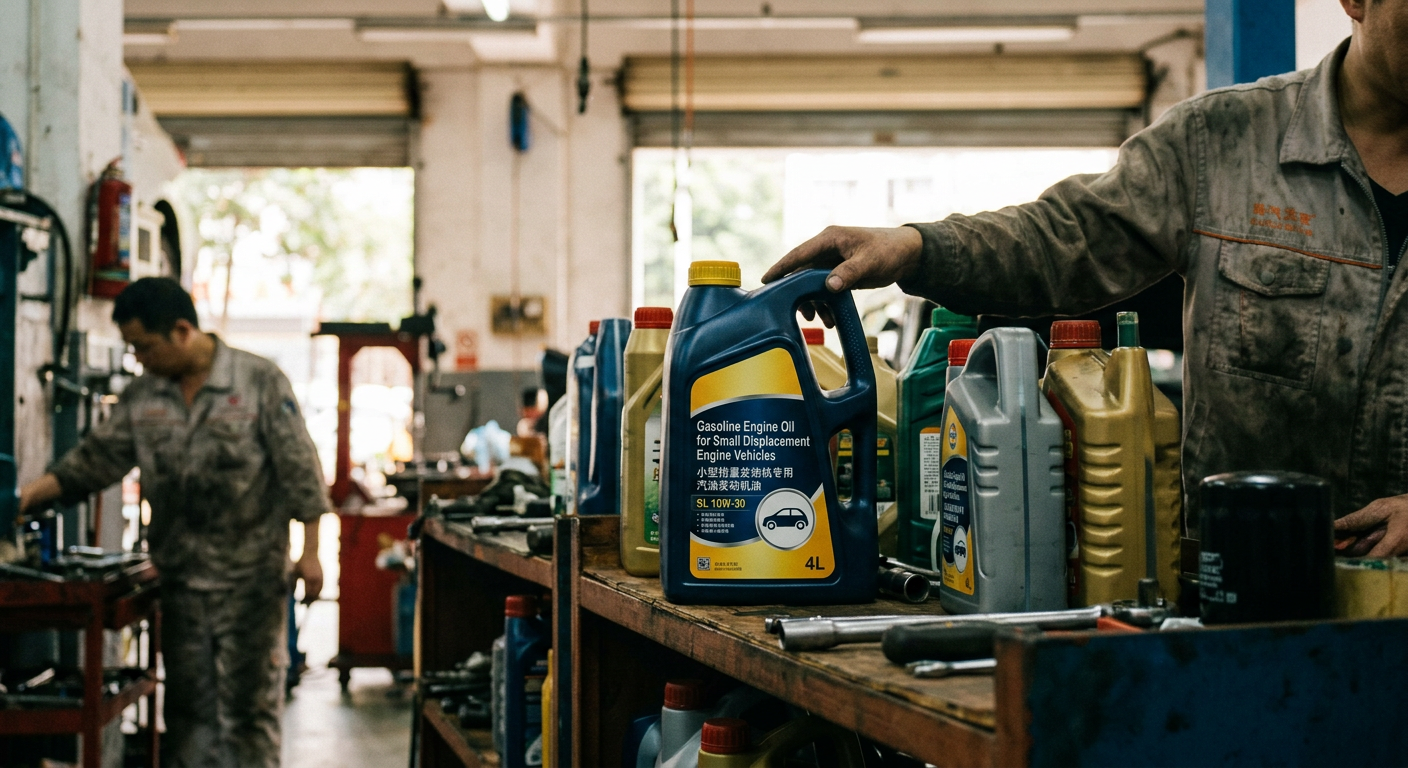
If you need gasoline engine oil for small engines in the United States, the most practical options are well-established suppliers with strong retail or distribution coverage, clear API performance labeling, and products designed for lawn mowers, generators, pressure washers, tillers, and other compact gasoline-powered equipment. The most recognized names in the U.S. market include Briggs & Stratton, STP, Valvoline, Pennzoil, Quaker State, and AMSOIL. For buyers who prioritize OEM compatibility, Briggs & Stratton is a direct fit for many residential and commercial small engines. For broad distributor access and dependable mainstream performance, Valvoline, Pennzoil, and Quaker State remain safe choices across many U.S. states. AMSOIL is often preferred for premium synthetic performance and extended protection in demanding seasonal use.
For distributors, private-label buyers, and cost-sensitive commercial procurement teams, qualified international suppliers can also be considered. Chinese manufacturers with verified production systems, export experience, and strong pre-sale and after-sale support may offer attractive cost-performance advantages, especially for wholesale, OEM, and regional brand development in the United States.
United States Market for Small Engine Gasoline Oil

The United States remains one of the largest and most mature markets for small engine lubricants. Demand is driven by lawn and garden equipment, portable generators, construction support tools, landscaping fleets, agricultural utility equipment, and seasonal emergency power needs. In metro regions such as Dallas, Atlanta, Chicago, Phoenix, and Los Angeles, service dealers and retail chains sell high volumes of SAE 30, 10W-30, and synthetic blends for routine maintenance. In colder northern states such as Minnesota, Michigan, and New York, low-temperature start performance becomes more important, which increases demand for 5W-30 and synthetic small engine oils. In hot southern and southwestern states such as Texas, Florida, Arizona, and Nevada, oxidation stability and volatility control are especially important due to elevated ambient temperatures and longer operating periods.
Another factor shaping the U.S. market is the diversity of purchase channels. End users often buy through home improvement chains, auto parts stores, farm supply outlets, and e-commerce. Commercial buyers, however, commonly source through distributors near logistics hubs such as Houston, Savannah, Long Beach, New Jersey, and Chicago. These purchasing patterns mean that suppliers with flexible packaging, fast replenishment, and technical support often outperform brands that rely on name recognition alone.
Equipment ownership trends also matter. As more households and contractors keep backup generators after recent storm seasons, and as landscaping companies continue expanding in suburban growth corridors, demand for reliable lubricant supply is likely to remain steady. Buyers are increasingly looking for oils that reduce deposit formation, support easier starting, and simplify SKU management across mixed equipment fleets.
Top Suppliers in the United States

The table below highlights practical supplier choices for buyers in the United States. It combines OEM-linked brands, mainstream lubricant companies, and premium specialists. The goal is not to name the biggest logo only, but to identify suppliers that are actually relevant for small gasoline engine applications, replacement service intervals, and channel availability.
| Company | Service Region | Core Strengths | Key Offerings | Best For |
|---|---|---|---|---|
| Briggs & Stratton | Nationwide U.S. | Strong OEM association with small engines; trusted among mower and generator users | SAE 30, 5W-30, 10W-30 small engine oil | Users wanting direct engine-brand compatibility |
| Valvoline | Nationwide U.S. retail and distribution | Strong retail presence, broad lubricant reputation, easy availability | Conventional and synthetic motor oils applicable to some small engine maintenance plans | Retail buyers and service centers |
| Pennzoil | United States and North America | Mainstream brand strength, broad distributor network | Multi-grade gasoline engine oils, maintenance fluids | Commercial maintenance teams and general retail channels |
| Quaker State | Nationwide U.S. | Value positioning and broad shelf presence | Conventional and synthetic gasoline engine oils | Cost-conscious buyers |
| AMSOIL | United States with dealer network | Premium synthetic focus, performance-oriented reputation | Synthetic small engine and powersports oils | Heavy-duty seasonal use and premium users |
| STP | Nationwide mass retail and auto parts | Strong consumer familiarity and accessible pricing | Engine oils and service chemicals for routine maintenance | High-volume retail turnover |
| Lucas Oil | U.S. national market | Popular in aftermarket circles, good brand pull | Small engine oil, additives, stabilizers | Aftermarket and enthusiast-driven purchases |
For local buyers, supplier selection should depend on whether the priority is OEM fit, broad retail access, premium synthetic performance, or private-label scale. In large service geographies such as California, Texas, Florida, and the Midwest, distributor responsiveness is often as important as product branding because seasonal service demand can spike quickly.
Product Types for Small Gasoline Engines
Not all gasoline engine oil for small engines is the same. U.S. buyers should distinguish products by viscosity grade, base oil type, equipment duty cycle, and ambient operating conditions. Walk-behind mowers in suburban use do not place the same thermal stress on lubricant as commercial generators in summer field conditions or pressure washers in rental fleets.
Single-grade SAE 30 remains common for warm-weather lawn equipment. Multi-grade 10W-30 offers broader seasonal flexibility and is often chosen for mixed-use fleets. In cold start situations, 5W-30 can improve cranking behavior and oil flow on startup. Synthetic and semi-synthetic options may reduce oxidation, improve cleanliness, and support better wear control, especially in engines that run hot or sit idle between seasonal intervals.
| Oil Type | Typical Viscosity | Main Use | Advantages | Limitations |
|---|---|---|---|---|
| Conventional single-grade | SAE 30 | Lawn mowers and warm-weather outdoor power equipment | Simple, widely available, often lower cost | Less flexible in cold starts |
| Conventional multi-grade | 10W-30 | General mixed seasonal service | Better temperature range than SAE 30 | May shear faster in severe heat if quality is poor |
| Cold-weather option | 5W-30 | Generators and winter-start equipment | Improved startup flow in lower temperatures | Not always needed in hot-only operation |
| Semi-synthetic | 5W-30 or 10W-30 | Commercial landscape and rental use | Better oxidation resistance and deposit control | Higher cost than conventional oil |
| Full synthetic | 5W-30 or specialty grades | Severe-duty, extended seasonal stress | Best high-temperature stability and cleanliness | Premium price point |
| OEM-branded small engine oil | SAE 30, 5W-30, 10W-30 | Specific engine brand maintenance | Straightforward compatibility messaging | Sometimes more expensive than equivalent alternatives |
For U.S. commercial buyers, it is often worthwhile to standardize products by climate zone. Southern landscaping contractors may simplify around SAE 30 and 10W-30, while northern utility and generator service providers may benefit from a 5W-30 synthetic-led approach.
Buying Advice for U.S. Buyers
When purchasing gasoline engine oil for small engines in the United States, the right buying process starts with the engine manual but should not stop there. Buyers should review operating temperature range, drain interval expectations, inventory complexity, and whether the fleet includes both residential and commercial units. The cheapest bottle on the shelf may not be the lowest total-cost choice if it leads to higher deposits, harder starts, or excess top-off consumption.
Commercial buyers should request technical data sheets, batch traceability, packaging consistency, and confirmation of performance standards. For distributors and private-label importers, freight timing through ports such as Long Beach, Houston, Savannah, and New York/New Jersey may materially affect landed cost and replenishment speed. Buyers also need to consider whether the supplier can support retail-ready labeling, carton durability, pallet stability, and claims documentation.
For smaller local dealers, after-sales support is often overlooked. A supplier that can quickly answer viscosity questions, warranty compatibility concerns, and seasonal stocking recommendations can reduce sales friction. For this reason, procurement teams increasingly balance brand recognition with service responsiveness.
Industries That Depend on Small Engine Oil
In the United States, small engine lubricants are not limited to homeowners. Several industries depend on reliable supply and tailored viscosity recommendations. Landscaping businesses are the largest recurring users because mowing, trimming, and portable power equipment generate predictable service intervals. Generator dealers and maintenance contractors form another significant buyer group, particularly in hurricane-prone areas such as Florida, the Gulf Coast, and the Southeast.
Agriculture also contributes through utility pumps, compact tillers, and seasonal support equipment. Rental yards near construction corridors use small gasoline-powered equipment with high operator turnover, which makes deposit control and wear protection especially important. Municipal users, school districts, groundskeeping teams, and parks departments also represent stable procurement demand in cities across the United States.
| Industry | Typical Equipment | Operational Pattern | Main Oil Need | Buying Preference |
|---|---|---|---|---|
| Landscaping | Mowers, trimmers, edgers | Frequent seasonal use | Wear control and heat stability | Multi-case commercial supply |
| Emergency power | Portable generators | Standby plus sudden heavy use | Cleanliness and startup reliability | Retail plus dealer service stock |
| Agriculture | Pumps, tillers, utility engines | Seasonal and variable load | Dust tolerance and dependable film strength | Farm supply and wholesale |
| Rental equipment | Pressure washers, compact tools | High turnover and mixed operators | Deposit control and robust protection | Bulk and repeat distributor orders |
| Municipal groundskeeping | Mowers, blowers, utility equipment | Planned maintenance cycles | Standardized viscosity selection | Contract purchasing |
| Construction support | Portable compact gasoline tools | Intermittent but harsh conditions | Thermal stability and service simplicity | Regional industrial suppliers |
This industry segmentation matters because the same product strategy does not fit every buyer. A municipality may prioritize spec consistency and public procurement documentation, while a rental company may care more about reduced misuse risk and simpler maintenance instructions.
Applications and Selection by Equipment Type
Different equipment classes create different lubrication stress. Walk-behind lawn mowers often run in warm weather with modest duration but repeated seasonal intervals. Pressure washers can produce sustained engine load in service businesses. Generators may sit idle for months and then operate intensively during outages. Tillers and small agricultural engines may face dirt ingress and fluctuating rpm. Choosing the wrong viscosity or low-stability oil can reduce engine life and increase maintenance callbacks.
For most residential mower applications in warm climates, SAE 30 remains a practical choice. For mixed climates and all-season stocking, 10W-30 is often the easiest compromise. For generator service companies in colder states or for year-round emergency readiness, synthetic 5W-30 is frequently the better answer. High-heat commercial operation benefits from stronger oxidation control and lower volatility, especially when equipment sees long idle or loaded run cycles.
Detailed Supplier Comparison
The following comparison helps buyers match supplier profiles with practical procurement goals in the United States. It is especially useful for dealers, regional distributors, and B2B customers who need a repeatable sourcing framework rather than a one-time retail purchase.
| Supplier | Channel Strength | Product Positioning | Support Level | Typical Buyer Fit |
|---|---|---|---|---|
| Briggs & Stratton | Dealer and retail network | OEM-aligned small engine oil | High for equipment-linked maintenance | Dealers, homeowners, generator users |
| Valvoline | Retail, auto parts, distribution | Mainstream trusted lubricant brand | Good documentation and broad market familiarity | Independent shops and resellers |
| Pennzoil | National distribution | Recognized mainstream performance | Strong supply chain access | Commercial buyers and stores |
| AMSOIL | Dealer-focused premium network | Synthetic performance-led offering | Strong enthusiast and technical reputation | Premium service providers |
| Lucas Oil | Aftermarket-heavy channel presence | Brand-driven small engine maintenance products | Solid shelf pull in many U.S. markets | Auto parts and mixed retail channels |
| Private-label international OEM supplier | Import, distribution, B2B wholesale | Flexible formulation and packaging | Varies by manufacturer; can be very strong if localized | Brand owners, wholesalers, regional importers |
The main takeaway is that supplier selection in the United States depends not only on product chemistry but also on route-to-market. A strong product without regional support can still create inventory or claims problems. That is why importer and OEM buyers increasingly ask about logistics, documentation, and after-sales handling before finalizing contracts.
Case Studies from the U.S. Market
A landscaping contractor in the Dallas–Fort Worth area running a mixed fleet of walk-behind mowers and portable generators simplified inventory from three unrelated oils down to a two-product plan: SAE 30 for core summer mower use and 10W-30 for flexible generator and shoulder-season coverage. The result was fewer misfills, easier technician training, and more predictable ordering.
A generator dealer serving coastal Florida shifted from low-cost conventional stock to a better oxidation-resistant 5W-30 synthetic blend after repeated customer complaints about difficult starts and dark oil after storm-related run cycles. While unit oil cost rose, the dealer reduced service callbacks and improved perceived reliability during hurricane season.
A Midwestern rental company near Chicago adopted a stronger branded oil program for pressure washers and compact gasoline tools. It paired this with visible maintenance logs and shorter service intervals. This reduced carbon-related downtime in high-turnover equipment and supported better resale value at fleet rotation.
These examples show that the right lubricant decision is often operational, not just chemical. The best oil is the one that fits real local climate, duty cycle, operator behavior, and supply reliability.
Local Supplier Considerations in Major U.S. Trade Hubs
Buyers in the United States should think geographically. In California, supply speed through Los Angeles and Long Beach can support both imported private-label and domestic branded product. In Texas, Houston provides an important gateway for bulk and packaged lubricant distribution into the South and Midwest. Savannah supports southeastern replenishment, while the Port of New York and New Jersey helps serve dense northeastern markets. Chicago remains a major inland redistribution point for Midwestern service networks.
For buyers running dealer or distributor operations, proximity to a warehouse can reduce stockout risk during peak mowing or storm seasons. This is especially relevant for small engine oil because demand is seasonal and often weather-driven. A supplier with responsive inventory allocation can be more valuable than one with a larger national advertising budget.
Our Company
Feller serves the lubricant market with a manufacturing base built on more than 30 years of R&D, blending, and export experience, and for U.S. buyers evaluating gasoline engine oil for small engines, the most relevant strengths are clear and verifiable: production operates under ISO 9001 and ISO 14001 systems, products are formulated to recognized API, ILSAC, and ACEA performance standards, and the company uses advanced nitrogen-protected blending technology to improve oxidation stability and extend oil service life while maintaining a documented 99.99% batch pass rate supported by technical documents such as COA, MSDS, and TDS. This technical foundation supports multiple cooperation models for the United States, including OEM and ODM development for brand owners, factory-direct wholesale for distributors and importers, supply programs for dealers and service networks, and packaged solutions for end users who need retail-ready products; buyers can review the wider range through the product catalog and company background on the company page. Just as important, Feller is not positioned as a distant one-off exporter: it already serves clients across more than 60 countries through an established partner network, operates storage and warehousing tied to a 72-hour global shipping mechanism, and has proven localization experience in demanding regional markets where climate, labeling, and compliance vary significantly. For U.S. customers, that translates into practical pre-sale and after-sale assurance through documentation support, responsive account management, coordinated logistics, and technical follow-up for distributors, regional dealers, and private-label buyers seeking long-term supply continuity; companies exploring cooperation can start directly through the U.S. inquiry contact page.
How to Evaluate an International Supplier for the United States
International sourcing is increasingly relevant for the U.S. small engine oil market, especially for private-label sellers, regional distributors, and channel buyers seeking margin improvement. However, importing only makes sense when supplier controls are solid. Buyers should confirm consistent formulation, package integrity, technical paperwork, labeling compliance, and claim-handling processes. They should also ask whether the manufacturer can adapt product assortments for different U.S. climate zones and retail formats.
Strong international suppliers add value when they can support both customization and continuity. For example, a distributor may want SAE 30 in quart bottles for the Southeast, 5W-30 synthetic in colder states, and larger packs for service businesses. A capable manufacturer should be able to handle all three under one coordinated program. This reduces procurement fragmentation and improves brand consistency.
Future Trends Through 2026
The U.S. market for gasoline engine oil for small engines is expected to evolve in several important ways through 2026. First, synthetic and semi-synthetic adoption will continue to rise as users demand easier starting, cleaner operation, and stronger protection during irregular service cycles. This is especially likely in generator and premium outdoor power equipment segments.
Second, packaging and sustainability will matter more. Buyers increasingly prefer better carton efficiency, cleaner labeling, and supply chains that reduce damage and leakage. Commercial and institutional purchasers may also pay closer attention to environmental management credentials from suppliers, including certified manufacturing systems.
Third, policy and compliance pressures will indirectly influence lubricant demand. Even though battery-powered outdoor tools are growing, gasoline-powered small engines remain deeply embedded across landscaping, agriculture, emergency power, and rental fleets in the United States. This means lubricant suppliers will likely compete through cleaner-running formulations, improved deposit control, and clearer performance communication rather than through volume alone.
Fourth, channel dynamics will continue to shift. E-commerce and omnichannel retail are making smaller pack sizes easier to sell, while distributors are seeking suppliers that can support both branded and private-label programs. As weather volatility increases, generator-related demand surges may become more common, favoring suppliers with stable inventory planning.
FAQ
What is the best viscosity for gasoline engine oil for small engines in the United States?
It depends on climate and equipment type. SAE 30 is still common for warm-weather mower use, 10W-30 works well for mixed conditions, and 5W-30 is often preferred for easier cold starts and generator readiness.
Can automotive engine oil be used in small gasoline engines?
Sometimes yes, but only if it matches the equipment manufacturer’s recommended viscosity and performance requirements. Many U.S. users still prefer products explicitly labeled for small engines because the application guidance is clearer.
Is synthetic oil worth it for small engines?
For severe duty, high heat, seasonal storage, or generator use, synthetic oil can be worth the higher price because it typically offers better oxidation resistance, cleanliness, and startup flow.
Who are the most practical suppliers in the United States?
Briggs & Stratton, Valvoline, Pennzoil, Quaker State, AMSOIL, STP, and Lucas Oil are among the most practical names depending on whether you need OEM alignment, retail reach, premium performance, or value pricing.
What should distributors look for in an OEM supplier?
Distributors should review certifications, technical documents, packaging options, batch consistency, logistics capability, labeling flexibility, and after-sales responsiveness. These factors matter as much as formula cost.
Are international suppliers a realistic option for the U.S. market?
Yes. For wholesale, private label, and regional distribution, international suppliers can be highly competitive if they provide recognized certifications, stable manufacturing quality, strong documentation, and reliable support before and after shipment.
Final Takeaway
For the United States, the best source of gasoline engine oil for small engines depends on the buyer profile. Homeowners and equipment users often do best with trusted brands such as Briggs & Stratton, Valvoline, Pennzoil, Quaker State, or AMSOIL. Commercial service companies and regional distributors should evaluate supply continuity, climate fit, and technical support just as closely as brand familiarity. For importers, private-label operators, and growth-oriented distributors, a qualified international OEM manufacturer can be a highly practical option when backed by strong certifications, stable production, documentation, and localized service support.

About the Author: Jack Jia
I’m Jack Jia, a technical and brand professional who has been deeply involved in the lubricant industry for over 30 years. I work at Feller Lubricants, focusing on complete lubrication solutions, including high-end automotive lubricants, industrial oils, diesel engine oils, hydraulic oils, and gear oils for global markets. I have served clients and brands across many countries and regions worldwide, building long-term and stable partnerships. Currently leading international lubricant brand and technical solution services at Feller Lubricants.
Share