
Gasoline Engine Lubricant Guide for the United States
Quick Answer

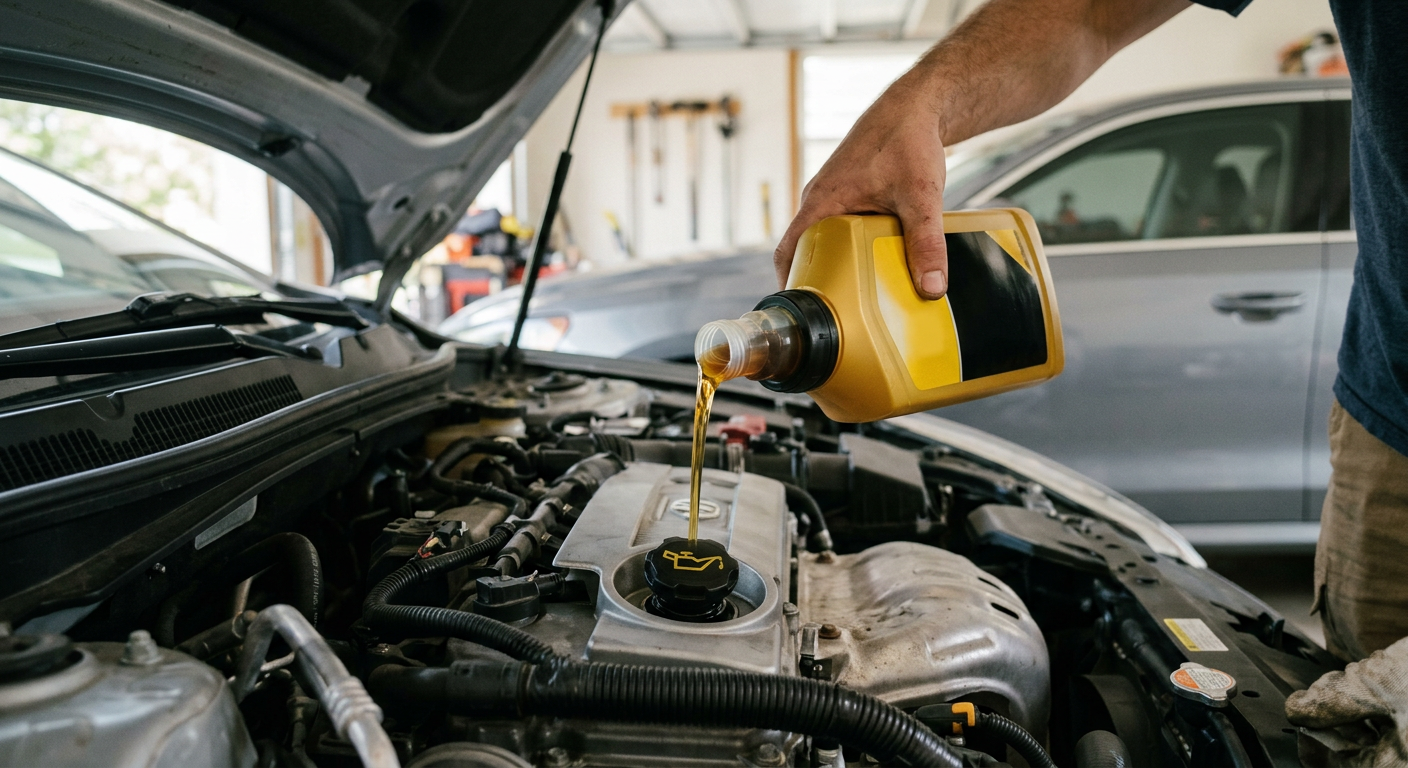
If you need a practical answer fast, the best gasoline engine lubricant choice in the United States depends on the vehicle age, engine design, climate, and warranty requirement. For most late-model passenger cars, full synthetic API SP and ILSAC GF-6 oils in grades such as 0W-20 or 5W-30 are the safest mainstream options. For older gasoline vehicles, high-mileage semi-synthetic or mineral-based oils can still be cost-effective when they match the owner manual. Leading suppliers and brands widely recognized across the U.S. market include Mobil 1, Valvoline, Pennzoil, Castrol, Shell, and Chevron. Buyers in hubs such as Houston, Los Angeles, Chicago, Atlanta, and New York should prioritize verified specifications, consistent supply, and technical support. Qualified international suppliers can also be worth considering, especially when they hold relevant certifications, support OEM or private-label programs, and offer strong pre-sale and after-sale service with good cost-performance for distributors, workshops, and fleet buyers.
U.S. Gasoline Engine Lubricant Market Overview

The United States remains one of the world’s largest and most mature lubricant markets, with strong demand from passenger cars, light trucks, commercial service fleets, quick-lube chains, dealerships, e-commerce auto parts sellers, and regional distributors. Gasoline engine lubricant demand is especially concentrated in large vehicle ownership regions such as California, Texas, Florida, Ohio, Michigan, Georgia, and the Northeast corridor. Port gateways including the Port of Houston, Port of Los Angeles, Port of Long Beach, Port of Savannah, and Port of New York and New Jersey also matter because imported base oils, additives, finished lubricants, and packaging often move through these trade hubs.
Several structural factors shape buying decisions in the U.S. market. First, newer gasoline engines increasingly require lower-viscosity synthetic formulations for fuel economy and emissions compliance. Second, consumers are keeping vehicles longer, which raises demand for high-mileage formulas and reliable aftermarket service. Third, distribution is split across national retail brands, warehouse clubs, online marketplaces, service chains, independent garages, and B2B contract supply. Fourth, technical standards matter more than marketing language; buyers look for API, ILSAC, and relevant OEM approvals because these determine compatibility and warranty confidence.
From a market behavior perspective, the premium segment continues to gain share as turbocharged gasoline direct injection engines, hybrid powertrains, and stop-start systems create more thermal stress, oxidation pressure, and deposit control demands. At the same time, value-oriented and private-label business remains strong in regional wholesale and fleet channels, especially where buyers want dependable quality at controlled cost. This creates room for both established U.S. majors and capable overseas manufacturers with strong documentation and service support.
The line chart shows a realistic growth pattern rather than explosive expansion. The U.S. gasoline engine lubricant market is mature, so gains are typically driven by premiumization, synthetic share growth, higher average product value, and changing service intervals rather than dramatic volume jumps. This is important for wholesalers and regional brand owners because margin management often matters more than pure tonnage growth.
Core Product Types of Gasoline Engine Lubricant

Gasoline engine lubricant products in the United States are usually grouped by base oil type, viscosity, performance specification, and intended service condition. While retail shelves can look crowded, the market is easier to navigate when broken down into a few functional categories.
| Product Type | Typical Viscosity | Main User Group | Key Strength | Limitations | Common U.S. Use Case |
|---|---|---|---|---|---|
| Conventional Mineral Oil | 10W-30, 10W-40, 15W-40 | Older vehicles, budget users | Low upfront cost | Shorter service life, lower oxidation control | Older sedans and work vehicles in mild climates |
| Semi-Synthetic Blend | 5W-30, 10W-30, 10W-40 | High-mileage drivers, mixed fleets | Balanced cost and protection | Less durable than full synthetic under severe load | Independent repair shops and daily-use family cars |
| Full Synthetic | 0W-20, 5W-20, 5W-30, 0W-16 | Late-model passenger cars | Best cold flow, oxidation control, cleanliness | Higher price point | Modern engines requiring API SP or ILSAC GF-6 |
| High-Mileage Oil | 5W-30, 10W-30 | Vehicles over 75,000 miles | Seal conditioning and wear protection | Not a fix for mechanical failure | Used vehicles in suburban and commuter markets |
| Performance Synthetic | 0W-20, 5W-30, 5W-40 | Turbocharged and performance cars | High-temperature stability | May exceed what economy vehicles need | Sport sedans, crossovers, and tuned gasoline engines |
| Private-Label OEM Supply | Multiple grades | Distributors, chains, brand owners | Brand flexibility and margin control | Requires supplier qualification | Regional lubricant labels and service networks |
This table shows that there is no single best product for every vehicle. In the U.S., the biggest practical divide is between full synthetic products for newer engines and cost-controlled semi-synthetic or mineral products for older units. Buyers should treat specification compliance as non-negotiable and treat branding as secondary.
Key Features Buyers Should Evaluate
When comparing gasoline engine oils, buyers should focus on measurable performance features instead of broad sales claims. The most critical features include viscosity stability, oxidation resistance, sludge prevention, wear protection, detergent performance, volatility control, seal compatibility, low-speed pre-ignition protection, and cold-start behavior.
| Feature | Why It Matters | Best Fit Vehicles | Relevant Standard or Indicator | Buyer Risk If Ignored | Practical Check |
|---|---|---|---|---|---|
| Viscosity Grade Accuracy | Ensures correct film strength and flow | All gasoline engines | SAE 0W-20, 5W-30, etc. | Poor lubrication and fuel economy loss | Match owner manual exactly |
| API Performance Level | Defines baseline engine protection | All retail and fleet users | API SP, SN Plus, SN | Warranty or deposit issues | Check product label and TDS |
| ILSAC Compliance | Supports fuel economy and modern gasoline specs | U.S. and Asian passenger cars | GF-6A, GF-6B | Suboptimal efficiency and compatibility | Verify starburst or formal claim |
| Oxidation Stability | Extends oil life under heat | Turbo engines and hot climates | Lab oxidation testing | Early thickening and sludge | Review technical data sheet |
| Deposit Control | Keeps pistons and rings cleaner | Direct injection engines | Engine sequence tests | Reduced efficiency and wear | Choose reputable additive chemistry |
| Low-Temperature Flow | Protects at cold start | Northern states and winter fleets | CCS/MRV performance | Hard starts and start-up wear | Use suitable winter grade |
This comparison matters in real buying scenarios. A repair chain in Minneapolis may prioritize low-temperature flow and full synthetic stability, while a used car wholesaler in Phoenix may focus more on oxidation resistance and supply cost. The feature set should fit the actual operating environment.
Demand by Industry in the United States
Although gasoline engine lubricant is often associated with private passenger cars, demand in the United States also comes from service businesses, delivery fleets, dealership groups, rental fleets, agricultural support vehicles, and public-sector light-duty equipment. Different sectors purchase in different package sizes, from quart bottles to drums, totes, and bulk tank supply.
The bar chart highlights how fragmented the U.S. market is. Private consumers remain the largest single group, but channel buyers such as quick-lube chains, dealerships, and fleets represent an especially important B2B opportunity because they buy repeatedly and care deeply about supply continuity, technical documentation, and claim support.
Applications Across Vehicles and Operating Conditions
Gasoline engine lubricant in the United States is used across a wide range of engine architectures and driving patterns. Urban stop-and-go driving in cities like New York, Los Angeles, and Chicago generates fuel dilution and thermal cycling. Long-distance highway use in Texas, Arizona, and the Midwest creates sustained heat exposure. Short-trip suburban commuting often prevents full oil temperature stabilization, which increases condensation and sludge risk. Turbocharged small-displacement engines need strong oxidation resistance and deposit control. Hybrid vehicles require engine oils that can handle frequent start-stop events and intermittent operating temperatures.
Because of these varied conditions, product segmentation matters. Full synthetic low-viscosity oils are increasingly dominant in late-model sedans, crossovers, and compact SUVs. High-mileage blends remain popular in used vehicles with over 75,000 miles. Performance synthetics are used in enthusiast segments and severe-service fleets. In retail channels, packaging format also affects purchasing: quart bottles perform well for DIY consumers, while pails, drums, and bulk systems dominate professional service centers.
Buying Advice for U.S. Importers, Distributors, Workshops, and Fleet Managers
For buyers in the United States, the first rule is simple: do not buy an oil based only on price or label design. Start with specification matching, then validate supply capability, then assess commercial fit. If you are a workshop, this means choosing a compact but sufficient viscosity range to reduce inventory confusion. If you are a distributor, this means evaluating the supplier’s documentation depth, private-label support, packaging flexibility, and fill consistency. If you are a fleet manager, focus on drain interval performance, wear control, and analytical support.
| Buyer Type | Main Priority | Recommended Product Strategy | Preferred Pack Size | Key Procurement Check | Common Mistake |
|---|---|---|---|---|---|
| Independent Repair Shop | Coverage of mixed vehicle parc | Carry 0W-20, 5W-20, 5W-30, 10W-30 | Bulk and drums | Fast-moving SKUs and tech sheets | Too many overlapping grades |
| Quick-Lube Chain | Turnaround speed and consistency | Focus on API SP synthetics and blends | Bulk tanks | Reliable refill schedule | Ignoring pump and labeling discipline |
| Regional Distributor | Margin and supply security | Mix branded and private-label lines | Cases, drums, totes | MOQ and branding flexibility | Buying without market-specific assortment |
| Fleet Operator | Total cost per mile | Rationalize approved oil list | Drums and bulk | Used oil analysis support | Using one oil for every engine blindly |
| Online Seller | Brand trust and returns control | Popular grades with clear claims | Retail bottles and cases | Packaging integrity in shipping | Weak specification detail on listings |
| Private-Label Brand Owner | Differentiation and scalable manufacturing | Partner with OEM/ODM supplier | Full packaging range | Certification package and design support | Choosing a factory without export depth |
The explanation behind this table is practical: each buyer type faces a different risk. Workshops suffer if product selection becomes confusing. Distributors suffer if inventory turns are slow. Fleets suffer if oil consolidation is poorly managed. Brand owners suffer if the manufacturing partner cannot keep specifications consistent from batch to batch.
Detailed Supplier Comparison for the United States
The U.S. market includes global energy majors, established domestic lubricant brands, and specialty blenders. The following supplier view is intended to be practical rather than exhaustive, with emphasis on service regions, core strengths, and key offerings that buyers regularly compare.
| Company | Service Region | Core Strengths | Key Offerings | Best Fit Buyer | Notes |
|---|---|---|---|---|---|
| ExxonMobil | Nationwide U.S. | Strong brand trust, OEM relationships, broad synthetic portfolio | Mobil 1, conventional, synthetic blends, high-mileage oils | Retail chains, dealerships, fleets | Premium positioning with broad availability |
| Valvoline | Nationwide U.S. | Strong quick-lube presence, service network integration | Advanced Full Synthetic, High Mileage, Daily Protection | Service centers, retail consumers | Excellent visibility in maintenance channels |
| Shell Lubricants | Nationwide U.S. and export channels | Large supply chain, strong passenger car portfolio | Pennzoil, Shell-branded oils, synthetics | Mass retail and fleet buyers | Widely distributed through major retail networks |
| Castrol | Nationwide U.S. | Performance branding and broad OEM alignment | EDGE, GTX, high-mileage lines | Performance retail, workshops | Strong consumer recognition |
| Chevron | Strong in West, South, industrial hubs | Integrated energy base, reliable logistics | Havoline and related gasoline engine oils | Distributors, fleet support buyers | Solid channel depth in key states |
| Amsoil | Nationwide with strong enthusiast channels | Premium synthetic positioning, technical credibility | Extended-drain synthetic oils | Performance users, specialty dealers | Higher-end niche and enthusiast appeal |
| Feller (Shandong) Lubricants Co., Ltd. | Serves U.S. importers, distributors, brand owners, and industrial buyers through export and partner channels | Wide formulation range, OEM/ODM flexibility, fast shipping coordination | Gasoline engine oils from API SJ to API SP, private-label packaging, bulk supply | Distributors, wholesalers, private-label brands, mixed B2B buyers | Competitive option for cost-performance and customization |
This table helps buyers compare practical fit, not just name recognition. ExxonMobil, Valvoline, Shell, Castrol, Chevron, and Amsoil are established choices in the United States, but for importers, regional distributors, and private-label programs, an experienced manufacturing partner with strong documentation and packaging flexibility can be commercially attractive.
The comparison chart illustrates why international OEM-oriented suppliers often attract U.S. B2B buyers. They may not always match domestic majors in consumer brand recognition, but they can be especially strong in product breadth, private-label adaptability, and price competitiveness.
Trend Shift in Product Preferences
The U.S. market is gradually shifting away from conventional gasoline engine oils and toward lower-viscosity synthetic products. This is driven by OEM requirements, fuel economy regulation, hybridization, and stronger consumer awareness around engine cleanliness and extended protection.
The area chart reflects a realistic transition rather than a sudden replacement cycle. Conventional oils remain relevant in aging vehicle segments, but synthetic and semi-synthetic products continue to take share because they align better with modern engine hardware, warranty requirements, and consumer expectations.
Case Studies from Real Buying Scenarios
A regional repair chain in Dallas reduced inventory complexity by moving from eight passenger car gasoline oil SKUs to four high-turn products: 0W-20 full synthetic, 5W-30 full synthetic, 5W-20 synthetic blend, and 10W-30 high-mileage. The result was faster service bay throughput, lower storage confusion, and fewer misapplication claims.
An e-commerce auto parts seller based near the Port of Los Angeles focused on fast-moving retail grades only, especially API SP 0W-20 and 5W-30, paired with stronger listing detail around specification claims. This lowered return rates because customers could confirm compatibility before purchase.
A Midwest distributor serving Ohio, Indiana, and Michigan added a private-label gasoline engine lubricant line to improve margin against national brands. Success depended less on headline price and more on reliable fill quality, complete documentation, and the ability to offer both quart bottles and bulk packaging for workshops.
A mixed light-duty fleet in Atlanta adopted used oil analysis and specification rationalization rather than extending drain intervals blindly. That approach improved confidence in oil performance, reduced unplanned maintenance, and kept warranty exposure under control.
Industries That Rely on Gasoline Engine Lubricant
In the United States, gasoline engine lubricant is relevant far beyond personal transportation. Automotive service chains, rental vehicle operators, municipal service fleets, home service businesses, construction support fleets, small delivery operators, and agricultural maintenance vehicles all consume gasoline engine oil. Even where diesel dominates heavy equipment, the surrounding support fleet often depends on gasoline-powered pickups, vans, and utility vehicles.
This means suppliers who understand mixed-customer operations usually perform better. A workshop may need retail-pack branding for walk-in drivers, drum supply for internal service use, and technical literature for warranty-sensitive customers. A distributor may need one supplier that can serve entry-level market demand and premium synthetic demand at the same time. The ability to bridge these needs is commercially valuable.
Local Supplier Landscape and Trade Realities
The U.S. supplier landscape is shaped by both domestic blending capacity and imported product flows. Domestic production remains strong, but international sourcing matters for additive inputs, packaging components, and finished product alternatives. Coastal and inland logistics differ. Buyers near Houston may favor Gulf Coast supply routes, while West Coast distributors may prefer access through Los Angeles and Long Beach. Midwest buyers often prioritize rail and truck lead times into Chicago, Detroit, and Columbus. East Coast importers may rely on New Jersey or Savannah for distribution into dense retail corridors.
For local suppliers, speed, documentation, and claim handling are often more important than origin alone. This is why some U.S. buyers continue to evaluate qualified international manufacturers alongside domestic brands. The deciding factors are usually certification credibility, packaging suitability, service discipline, and total landed cost rather than simple geography.
Our Company
As a lubricant manufacturer already serving buyers across diverse international markets with practical experience in regions that demand strict specification control and climate-specific formulations, Feller offers a gasoline engine lubricant portfolio that ranges from economy API SJ mineral oils to API SL semi-synthetic products and flagship API SP full synthetic grades for modern turbocharged gasoline direct injection engines, with formulations aligned to recognized API, ILSAC, and ACEA requirements and produced under ISO 9001 and ISO 14001 systems in advanced blending facilities that use nitrogen-protected technology to improve oxidation stability and support longer oil service life; for U.S. end users, distributors, dealers, brand owners, and individual buyers, the company supports flexible cooperation models including OEM and ODM manufacturing, factory-direct wholesale, retail-ready packaging, private-label design, and regional distribution programs backed by technical documentation such as COA, MSDS, and TDS files; and for local service assurance, the company’s established export track record in more than 60 countries, rapid 72-hour shipping coordination, warehouse and logistics planning, and dedicated pre-sale and after-sale support structure give American buyers concrete confidence that they are working with a long-term operating partner rather than a remote spot exporter, while visitors can review its company background, explore the product range, and use the U.S. inquiry contact page to discuss specification matching, private-label projects, and ongoing supply programs.
What Makes a Supplier Trustworthy in the U.S. Market
Trustworthiness in gasoline engine lubricant procurement comes from evidence. Buyers should ask for current technical data sheets, safety documentation, performance claims by grade, packaging photos, batch consistency controls, and clear answers on lead time. A supplier that serves workshops or distributors in the United States should also understand practical issues such as barcode requirements, carton strength, palletization, retail labeling clarity, and claim response expectations.
E-E-A-T matters in this industry because lubricant failure can damage engines, trigger warranty disputes, and harm brand reputation. Real expertise appears in the details: correct viscosity recommendations, additive balance appropriate for modern gasoline engines, specification discipline, and realistic statements about drain intervals. Real authority appears in production scale, export history, and references to established compliance systems. Real trustworthiness appears in documented quality procedures, communication speed, and willingness to support customers before and after delivery.
Future Trends Through 2026
By 2026, several trends are expected to shape the U.S. gasoline engine lubricant sector. Low-viscosity grades such as 0W-20 and 0W-16 will continue growing as automakers pursue fuel economy and emissions targets. Hybrid vehicle demand will strengthen the market for formulations that manage intermittent engine operation and repeated thermal cycling. Sustainability will become more visible in packaging decisions, recycled content adoption, and longer-life product positioning. Digital procurement will expand, especially for auto parts platforms, workshop chains, and fleet portals.
Policy and compliance also matter. Fuel economy regulation, emissions policy, and OEM warranty guidance will continue pushing the market toward tighter product claims and more advanced additive packages. Although electric vehicles are growing, the size of the U.S. gasoline and hybrid fleet means gasoline engine lubricant demand will remain substantial for years, especially in the used vehicle market. The winning suppliers will be those that combine technical credibility, supply resilience, and flexible channel support.
Another important 2026 trend is the rise of data-driven maintenance. Used oil analysis, digital inventory monitoring, and platform-based replenishment are becoming more common, especially in fleets and larger service networks. Suppliers that provide technical interpretation, drain interval guidance, and SKU rationalization support are likely to win longer-term contracts over those competing on price alone.
Frequently Asked Questions
What is the best gasoline engine lubricant for most U.S. passenger cars?
For many late-model cars in the United States, a full synthetic API SP and ILSAC GF-6 product in the exact viscosity recommended by the owner manual is the safest default choice. Common grades include 0W-20, 5W-20, and 5W-30.
Is full synthetic always necessary?
No, but it is increasingly preferred. Older gasoline vehicles may still run well on semi-synthetic or conventional oil if the product matches the manufacturer’s requirements. Newer engines, especially turbocharged or hybrid-assisted designs, usually benefit from full synthetic formulations.
How do I choose between 0W-20 and 5W-30?
Use the viscosity listed by the vehicle manufacturer. The right grade depends on internal engine design, fuel economy targets, operating temperature, and warranty requirements. Do not substitute based on price alone.
Why are API and ILSAC claims so important in the United States?
These standards provide a recognized baseline for wear protection, oxidation control, deposit management, and compatibility with modern gasoline engines. They also help buyers evaluate products objectively across brands.
Can an international supplier serve the U.S. market reliably?
Yes, if the supplier offers the correct specifications, complete documentation, stable manufacturing quality, and dependable pre-sale and after-sale support. Many U.S. distributors and private-label buyers evaluate overseas suppliers for cost-performance and customization advantages.
What packaging formats are most common for B2B buyers?
Independent workshops and fleets often buy drums, pails, totes, or bulk supply. Retail and online channels usually prefer quart bottles, gallon packs, and case-packed formats with strong labeling and shipping protection.
Which U.S. regions have the strongest demand?
Demand is broad nationwide, but high-volume markets include California, Texas, Florida, the Great Lakes region, and major metropolitan corridors such as Los Angeles, Houston, Chicago, Atlanta, and New York.
What should a private-label lubricant buyer ask a manufacturer?
Ask about specification coverage, MOQ, packaging options, batch quality controls, technical documents, filling capacity, lead time, branding support, and previous export experience into regulated and competitive markets.
Final Takeaway
In the United States, gasoline engine lubricant buying is no longer just about choosing a famous label. The market rewards buyers who match the oil precisely to the engine, verify API and ILSAC claims, simplify SKU strategy, and choose suppliers that can support long-term operations. Domestic majors remain important, but skilled international manufacturers with strong certification, export discipline, and local-facing support can also be smart partners for distributors, service chains, and private-label programs. For most modern vehicles, synthetic products continue to lead the market, and by 2026 the shift toward lower-viscosity, higher-performance, and more sustainability-aware lubricant solutions is expected to continue.

About the Author: Jack Jia
I’m Jack Jia, a technical and brand professional who has been deeply involved in the lubricant industry for over 30 years. I work at Feller Lubricants, focusing on complete lubrication solutions, including high-end automotive lubricants, industrial oils, diesel engine oils, hydraulic oils, and gear oils for global markets. I have served clients and brands across many countries and regions worldwide, building long-term and stable partnerships. Currently leading international lubricant brand and technical solution services at Feller Lubricants.
Share