Marine Diesel Engine Oil Selection Guide for the United States
Quick Answer

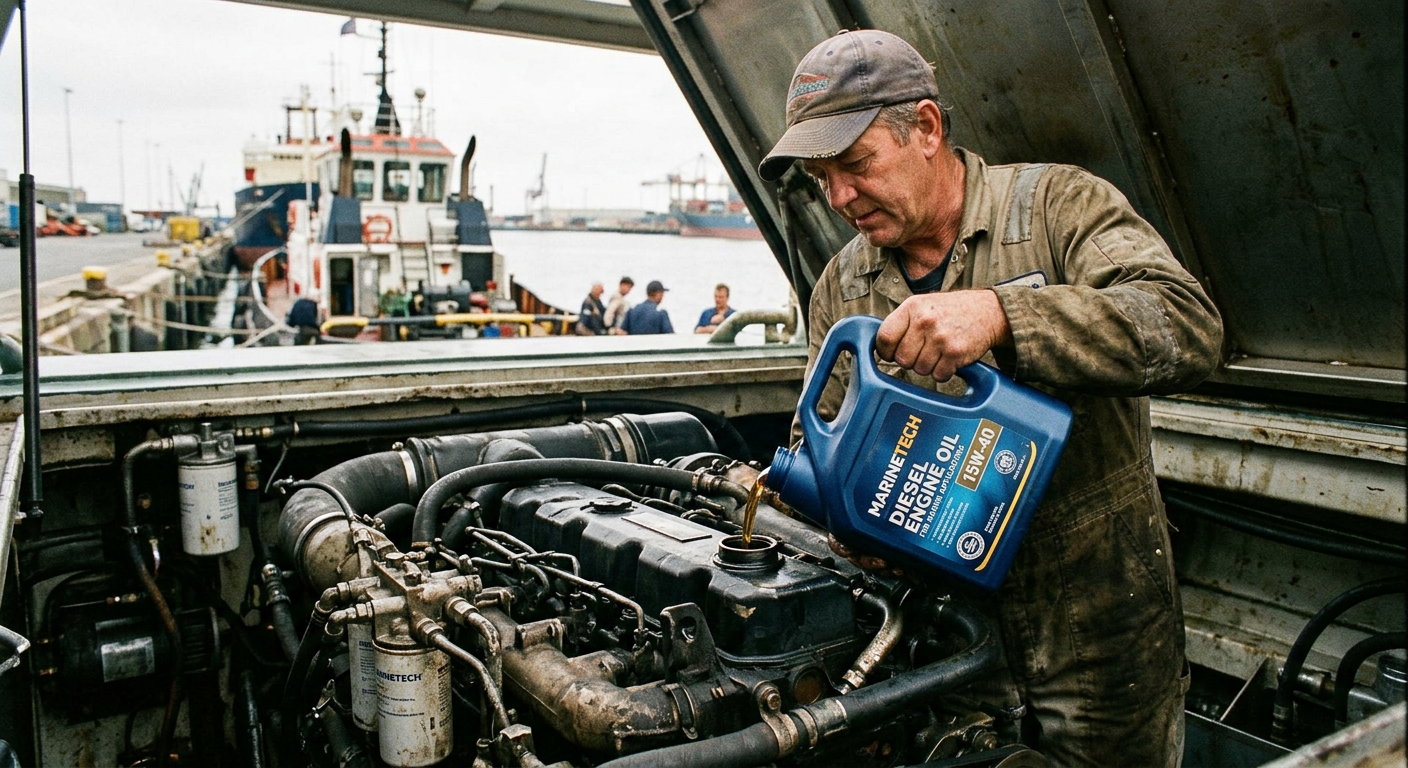
If you need diesel engine oil for marine applications in the United States, the best choice depends on engine type, fuel sulfur level, load pattern, drain interval targets, and whether the vessel runs in coastal, inland, offshore, or harbor service. For practical buying decisions, Chevron Marine, ExxonMobil Marine, Shell Marine, Valvoline, and Phillips 66 Lubricants are among the most recognized names serving U.S. operators in ports such as Houston, New Orleans, Seattle, Los Angeles, Jacksonville, and Norfolk. For medium-speed trunk piston engines, focus on the correct BN/TBN level and OEM guidance; for high-speed marine diesels, prioritize viscosity grade, soot handling, oxidation resistance, and corrosion protection; and for mixed fleets, choose suppliers with strong oil analysis and dockside delivery support. Qualified international suppliers, including Chinese manufacturers with relevant certifications, documented manufacturing controls, and dependable pre-sales and after-sales support, can also be worth considering for better cost-performance and private-label or bulk supply programs.
Understanding the U.S. Marine Lubricant Market

The United States is one of the world’s most diverse marine lubricant markets because it combines blue-water shipping, Gulf Coast offshore support, inland river traffic, commercial fishing, dredging, harbor services, tug and barge operations, coastal tanker movement, and a large recreational and workboat sector. Buyers are spread across major logistics and operating hubs including Houston, New Orleans, Mobile, Tampa, Miami, Long Beach, Oakland, Seattle, Anchorage, Baltimore, and the Great Lakes. That diversity matters because diesel engine oil for marine applications is not a single product class. A towboat pushing barges on the Mississippi River, a crew transfer vessel operating in the Gulf of Mexico, and a fishing vessel out of Alaska may all require very different lubricant strategies.
In the U.S. market, oil selection is increasingly shaped by emission control requirements, the broader adoption of ultra-low sulfur distillate fuels in many applications, the move toward condition-based maintenance, and tighter control of operating costs. Operators want longer oil life, lower wear metals, cleaner pistons, and fewer unscheduled stoppages. At the same time, they do not want to overpay for a premium oil specification that is unnecessary for the actual duty cycle. This is why supplier competence matters almost as much as the drum or bulk oil itself: technical support, used oil analysis, delivery reliability, and product availability at regional ports often decide whether a lubricant program performs well in practice.
The market also rewards suppliers that can support both national fleets and smaller independent owners. A large offshore operator may demand integrated tank monitoring, centralized purchasing, and fleet-wide lubricant rationalization, while a local shipyard or harbor tug owner may value quick delivery, practical advice, and flexible package sizes. Marine diesel engine oil buyers in the United States often compare not only product data sheets and approvals, but also local inventory, service responsiveness, and the supplier’s ability to support vessels across multiple ports.
U.S. Marine Lubricant Market Growth Trend

The chart below illustrates a realistic market view of steady demand growth in marine diesel engine lubricants in the United States, driven by replacement demand, fleet utilization, and higher technical service content rather than explosive volume expansion.
Product Types That Matter in Marine Diesel Service
Choosing marine engine oil starts with understanding the engine family and operating profile. In the U.S. market, the main categories include high-speed diesel engine oils for patrol boats, fishing vessels, ferries, pilot boats, and workboats; medium-speed trunk piston engine oils for larger commercial and auxiliary engines; and specialized products for engines burning fuels with different sulfur content. Some operators also need a rationalized lubricant plan that aligns main engines, auxiliary engines, reduction gears, hydraulic systems, and compressor oils with a manageable SKU count.
For high-speed engines, common viscosity grades such as SAE 15W-40, SAE 20W-40, and SAE 40 remain relevant depending on climate, engine design, and OEM instructions. These oils must manage soot, resist oxidation under continuous load, and maintain film strength during idling, acceleration, and prolonged duty cycles. For medium-speed trunk piston engines, BN or TBN is often central to the decision because the oil must neutralize acidic byproducts while controlling deposits and handling contamination. In coastal and inland service, where fuel quality and engine load can vary, the right additive balance helps prevent corrosion and ring groove deposits.
Another practical distinction is between bulk marine oil programs and packaged product supply. Large operators at Gulf Coast terminals may favor bulk tank delivery and routine condition monitoring, while smaller fleets working from local docks often need 18.9-liter pails, drums, or IBCs with rapid replenishment. The supplier’s packaging flexibility can therefore influence total operating efficiency as much as the lubricant formulation.
Comparison of Marine Diesel Engine Oil Types
The table below shows the most relevant marine diesel engine oil categories used in the United States and the situations where each type typically fits best.
| Oil Type | Typical Viscosity | Typical BN/TBN Range | Common U.S. Applications | Core Benefit | Selection Caution |
|---|---|---|---|---|---|
| High-speed marine diesel oil | 15W-40 | 9-12 | Workboats, pilot boats, fishing vessels | Good cold start and broad fleet compatibility | Check OEM limits for modern engines and aftertreatment needs |
| Monograde marine diesel oil | SAE 30 or SAE 40 | 10-20 | Older commercial engines, warm-climate fleets | Stable viscosity under steady load | Less flexible for cold starts and mixed climates |
| Medium-speed trunk piston engine oil | SAE 30 or SAE 40 | 20-40 | Auxiliary engines, coastal cargo vessels, ferries | Acid neutralization and deposit control | BN mismatch can cause deposit or corrosion issues |
| Low-BN distillate-fuel marine oil | SAE 40 | 12-20 | Vessels using low-sulfur distillate fuel | Helps avoid overbased additive imbalance | Not ideal when higher sulfur operation persists |
| Higher-BN marine oil | SAE 40 | 30-40 | Engines facing more acidic contamination risk | Stronger reserve alkalinity | Needs monitoring when sulfur exposure is lower |
| Synthetic-blend heavy-duty marine oil | 10W-30 or 15W-40 | 9-12 | Fast ferries, high-utilization service fleets | Improved oxidation control and drain potential | Higher upfront cost; validate with oil analysis |
This comparison is useful because many buying mistakes happen when operators focus only on viscosity while ignoring base reserve, fuel type, or the engine’s contamination pattern. In marine service, the correct product category is often more important than choosing the most premium product on the shelf.
Buying Advice for U.S. Vessel Owners and Fleet Managers
The first buying rule is to begin with the engine maker’s latest lubricant recommendation, not an older purchasing habit. Caterpillar Marine, Cummins, MTU, Volvo Penta, MAN, Wärtsilä, Yanmar, and other OEMs may update preferred performance categories as fuel and operating conditions change. A vessel that historically used a high-BN oil may need a different approach after switching fuel profile or maintenance strategy.
The second rule is to match oil chemistry to actual operation. Harbor tugs in New York, barge fleets on the Ohio River, and offshore service vessels in Port Fourchon all experience different idle time, thermal stress, contamination patterns, and maintenance windows. Oils with strong oxidation resistance and detergent performance are especially valuable for engines that spend long periods under variable load. If water ingress is a known risk, demulsibility and corrosion control deserve extra attention.
The third rule is to buy from suppliers that can document product quality and service capability. In the United States, serious buyers should ask for technical data sheets, SDS documentation, quality certifications, lot traceability, and oil analysis support. It is also sensible to ask about delivery response time at key ports, emergency availability, and whether the supplier can support multiple locations under one account.
The fourth rule is to treat used oil analysis as part of the product decision rather than a separate maintenance task. A good supplier helps interpret viscosity shift, insolubles, iron, copper, lead, base number depletion, nitration, oxidation, and water contamination. That data can justify drain interval extension, expose coolant ingress early, and help avoid bearing or liner damage.
Industry Demand by Marine Segment
Demand for diesel engine oil for marine applications in the United States is concentrated in several operating segments, each with its own lubricant priorities. The bar chart gives a realistic comparison.
Applications Across U.S. Marine Industries
Marine diesel engine oil plays a different role depending on the vessel class and duty pattern. In tug and barge operations, the priority is often wear control and oxidation stability under long operating hours and repetitive load changes. In offshore support fleets, oil cleanliness and thermal stability matter because the engines may run continuously and face tight turnaround schedules. For commercial fishing vessels, corrosion protection and reliable startup performance can be critical because of seasonal operation and saltwater exposure. Ferries and passenger service vessels often prioritize reliability, predictable maintenance windows, and low downtime. Dredging fleets require robust deposit control under heavy sustained load, while harbor and pilot boats need responsive lubrication under frequent speed changes.
In the Great Lakes region, temperature variation can increase the importance of multigrade performance and startup behavior. In the Gulf Coast, high ambient heat and humidity put extra stress on oxidation stability and storage handling. In Alaska and the Pacific Northwest, the lubrication strategy may place more emphasis on cold-weather flow, water resistance, and inventory support in remote service locations. This is why the phrase diesel engine oil for marine applications should never be treated as a generic purchasing item. The “right oil” depends heavily on where and how the vessel actually operates.
Key Selection Criteria at a Glance
The following table helps U.S. buyers connect operating conditions with the most important oil properties during specification and procurement.
| Selection Factor | Why It Matters | What to Check | Best Fit Example | Risk If Ignored | Typical Buyer |
|---|---|---|---|---|---|
| Engine type | Different engines need different additive chemistry | OEM manual and model family | Medium-speed trunk piston engine | Deposits, wear, poor oil life | Commercial fleet manager |
| Fuel sulfur level | Affects BN requirement and acid control | Fuel sourcing and operating area | Low-sulfur coastal distillate service | Under- or over-based oil performance issues | Chief engineer |
| Load pattern | Impacts soot, oxidation, and viscosity stress | Idle time, full-load time, stop-start profile | Harbor tug with rapid power changes | Sludge, varnish, viscosity increase | Towboat operator |
| Drain interval target | Determines additive reserve and analysis needs | Maintenance schedule and lab testing | High-hour offshore support vessel | Early oil failure or wasted lubricant budget | Fleet maintenance director |
| Climate and region | Influences cold start and thermal stress | Port geography and seasonal use | Great Lakes seasonal fleet | Hard starts or unstable viscosity | Regional distributor |
| Supplier support | Ensures availability and problem solving | Port coverage, oil analysis, lead time | Multi-port Gulf Coast fleet | Downtime and inconsistent product supply | Procurement team |
This table is practical because it shifts the conversation away from price per gallon alone. A lower-cost oil that causes shorter drain intervals or poor availability can quickly become the more expensive option on a total-cost basis.
Trend Shift in U.S. Marine Oil Selection
Marine lubricant procurement in the United States is shifting from purely price-driven buying toward a more technical, data-based approach. The area chart reflects the growing share of decisions influenced by oil analysis, OEM compliance, and sustainability considerations.
Local Suppliers and Major Brands in the United States
The U.S. market includes global majors, national lubricant companies, and specialist distributors that support marine engines with varying degrees of technical depth and local delivery capacity. The table below gives a concrete, practical snapshot of suppliers that buyers commonly evaluate.
| Company | Service Regions | Core Strengths | Key Offerings | Best Fit Customers | Practical Notes |
|---|---|---|---|---|---|
| Chevron Marine | Gulf Coast, West Coast, East Coast, major inland ports | Strong marine heritage, broad vessel support network | Marine engine oils, cylinder oils, technical services | Commercial fleets, deep-sea and coastal operators | Well suited for operators needing multi-port consistency |
| ExxonMobil Marine | National coverage with major port reach | Global OEM engagement and oil analysis support | Trunk piston oils, high-speed diesel oils, Mobil Serv analytics | Large fleets, offshore support, mixed fleets | Often preferred where data-backed maintenance is important |
| Shell Marine | Houston, New Orleans, Los Angeles, Seattle and more | Strong technical brand recognition and broad portfolio | Marine engine oils, condition monitoring, lubricant advice | Blue-water and regional commercial operators | Useful for buyers seeking established marine programs |
| Valvoline | U.S. national distribution through partners | Strong heavy-duty lubricant background | Diesel engine oils adaptable to marine service in many fleets | Workboats, service fleets, independent operators | Check exact marine suitability by engine and approval need |
| Phillips 66 Lubricants | Broad U.S. distribution including inland markets | Competitive industrial and heavy-duty coverage | Heavy-duty diesel oils, industrial lubricants, support through distributors | Tug, barge, utility, and regional vessel operators | Often attractive in cost-conscious fleet tenders |
| Castrol Marine | Selective U.S. port support and distributor channels | Global marine expertise and established brand recognition | Marine engine lubricants and technical support | International operators and specialized fleets | Availability should be verified by port and volume requirement |
This supplier table is useful because service region and technical support are just as important as product performance. A supplier with excellent specifications but weak availability in Mobile or Tacoma may not be the best operational fit for a multi-port fleet.
Supplier Comparison by Practical Buying Priorities
To make supplier evaluation easier, the chart below compares major buying priorities using a realistic scoring model based on port coverage, technical support depth, marine specialization, and fleet suitability.
Case Studies from Typical U.S. Operating Profiles
A towboat operator on the Mississippi River running high-hour diesel engines may start with a general heavy-duty oil but later shift to a marine-focused program after repeated oxidation thickening and elevated iron in used oil reports. By selecting a more suitable high-speed marine diesel oil, aligning drain intervals with lab data, and consolidating supply through a regional distributor in Louisiana, the operator can reduce unplanned maintenance and stabilize oil consumption.
A Gulf Coast offshore support company may run multiple vessel classes and previously use different products port by port. After reviewing duty cycles and drain performance, it may move toward a standardized lubricant plan with one primary engine oil family and one technical service provider. The benefits are usually simpler procurement, more consistent analysis results, and stronger warranty confidence when engines move between Houston, Port Fourchon, and Mobile.
A fishing fleet in the Pacific Northwest may operate seasonally with long idle periods between campaigns. In that situation, corrosion control, startup protection, and flexible packaged supply become especially important. The owner may choose a supplier with stronger local inventory in Seattle and Tacoma rather than the absolute lowest quoted unit price, because missed departures cost far more than a small oil price difference.
These examples show that the best marine lubricant decision in the United States is rarely made by specification sheet alone. Real operating hours, regional logistics, and support infrastructure determine whether a lubricant program succeeds.
Detailed Buying Matrix for Vessel Owners, Distributors, and Shipyards
Different buyer types evaluate marine diesel engine oil from different angles. This matrix helps align product and supplier selection with commercial reality in the U.S. market.
| Buyer Type | Main Concern | Best Product Focus | Preferred Supply Model | Support Needed | Decision Trigger |
|---|---|---|---|---|---|
| Fleet operator | Downtime reduction | Stable high-speed or trunk piston oil program | Bulk or scheduled drum delivery | Oil analysis and cross-port coordination | Total cost per operating hour |
| Independent vessel owner | Reliable protection at manageable cost | OEM-matched marine diesel oil | Local distributor or ship chandlery | Fast advice and package flexibility | Ease of purchase and trust |
| Shipyard | Commissioning and service readiness | Broad compatibility across vessel types | Project-based procurement | Technical documentation and lead time control | Build schedule and handover needs |
| Regional distributor | Product turnover and margin | Balanced portfolio with strong brand support | Wholesale and territory coverage | Training, marketing, and inventory planning | Repeat demand across ports |
| Government or harbor service | Reliability and compliance | Approved products with predictable support | Tender or annual contract | Traceability and service records | Procurement compliance |
| Offshore service contractor | High utilization and rapid turnaround | Oxidation-resistant fleet oil program | Multi-port managed supply | Condition monitoring and emergency delivery | Vessel availability targets |
The matrix highlights a simple truth: a supplier that works well for a distributor building stock in Houston may not be the best partner for a fishing vessel owner in Kodiak or a ferry operator in Florida. Buying criteria should match the business model behind the vessel.
Our Company
For buyers in the United States who want a qualified international supply option, Feller offers a practical marine and heavy-duty lubricant partnership built on more than 30 years of manufacturing experience, ISO 9001 and ISO 14001 certified production, advanced nitrogen-protected blending technology designed to improve oxidation stability, and a broad product platform formulated to relevant international performance standards such as API and ACEA. This matters for marine diesel engine oil buyers because it provides documented manufacturing discipline, batch consistency backed by a 99.99% product batch pass rate, and the ability to support both standard and custom formulations for different fuel quality, climate, and fleet conditions. Through its company background and export track record serving customers in more than 60 countries, Feller supports end users, distributors, dealers, lubricant brand owners, and private-label buyers through OEM/ODM production, wholesale bulk supply, retail-ready packaging, and regional distribution cooperation. Its modern automated filling lines handle packaging from small containers to industrial bulk formats, while its warehousing and 72-hour global shipping mechanism help reduce lead time for partners managing active inventory in the U.S. market. For local buyers, the service value is not limited to supply: Feller provides technical data sheets, certificates, compliance paperwork, pre-sale product matching, used oil analysis guidance, and after-sales technical support through coordinated online and partner-assisted channels, making it a credible long-term option for U.S. importers, regional distributors, and fleet-focused lubricant programs seeking dependable cost-performance. Buyers exploring product range or customized cooperation can review the product catalog or reach out through the U.S.-oriented inquiry channel for specification matching and supply discussions.
How to Evaluate Imported Marine Lubricants for the U.S. Market
Imported products can be highly competitive in the United States, especially for distributors, private-label projects, and large-volume fleet contracts. However, the evaluation process should be disciplined. Buyers should confirm technical data, viscosity grade, base reserve range, additive system suitability, packaging integrity, COA availability, and whether the product positioning truly matches marine diesel service rather than general on-road heavy-duty use. It is also wise to verify shipping lead time, local stock arrangements, packaging options, and after-sales response process before switching a vessel or a fleet.
International suppliers become especially attractive when the buyer needs one of three things: a value-focused equivalent to an established marine specification, a flexible OEM or private-label manufacturing partner, or a source that can support multiple package sizes with custom branding. In these cases, a manufacturer with proven export history, quality certification, and technical documentation can compete effectively against local incumbents.
2026 Trends in Marine Diesel Engine Oil
Looking toward 2026, the U.S. marine lubricant market is expected to move in three clear directions. The first is smarter technical management. More operators will use regular oil analysis, digital maintenance tracking, and supplier-supported monitoring to optimize drain intervals and reduce failures. The second is policy and emissions alignment. Even when a vessel does not require a major engine redesign, lubricant choices will increasingly reflect lower sulfur fuels, cleaner operation goals, and tighter lifecycle cost scrutiny. The third is sustainability and supply chain resilience. Buyers will continue asking suppliers about blending efficiency, packaging reduction, logistics reliability, and the ability to maintain consistent supply during market disruptions.
Technology will also influence product design. Higher oxidation stability, better soot control, cleaner piston performance, and improved additive balance for varying fuel conditions will matter more as fleets try to run longer between maintenance events. Private-label and regional distribution programs may grow as U.S. wholesalers and service networks seek better margin control without sacrificing technical credibility. In this environment, marine lubricant suppliers that combine technical evidence, flexible supply models, and dependable service coverage will likely gain share.
Frequently Asked Questions
What is the most important factor when selecting diesel engine oil for marine applications?
The most important factor is matching the oil to the engine design and fuel profile, then confirming viscosity, BN/TBN, and OEM guidance. In marine service, an oil that is excellent for one engine can be the wrong choice for another.
Can I use standard heavy-duty diesel engine oil in a marine engine?
Sometimes yes, especially in certain high-speed engines, but not automatically. Marine duty cycles, moisture exposure, storage patterns, and fuel variables can change the required performance profile. Always verify marine suitability against the engine maker’s recommendation.
Why does BN or TBN matter in marine oil selection?
BN or TBN reflects the oil’s reserve alkalinity, which helps neutralize acids formed during combustion. If BN is too low, corrosion risk increases; if it is mismatched to operating conditions, deposit control may suffer.
Which U.S. ports have the strongest marine lubricant support?
Houston, New Orleans, Port Fourchon, Mobile, Jacksonville, Los Angeles, Long Beach, Seattle, Norfolk, and Baltimore are among the most active support locations, though actual availability depends on the supplier and product line.
Should small fleet owners consider international suppliers?
Yes, particularly if they need better cost-performance, private-label options, or a reliable source for regional distribution. The key is to verify certifications, technical documentation, product fit, and after-sales responsiveness before switching.
How often should marine engine oil be tested?
Testing frequency depends on engine hours, severity, and criticality, but many commercial operators use scheduled used oil analysis as a routine maintenance tool. High-hour vessels and mission-critical fleets usually benefit from more frequent sampling.
Final Guidance for U.S. Buyers
For marine diesel engine oil selection in the United States, the smartest approach is to combine OEM compliance, real duty-cycle understanding, and supplier service capability. Buyers operating from Houston to Seattle, from inland river terminals to offshore Gulf ports, should evaluate not only the drum price but also oxidation stability, TBN match, analysis support, package flexibility, and local delivery strength. Established U.S. marine lubricant brands remain strong choices for fleets needing broad domestic support, but qualified international manufacturers with verified certifications, serious production controls, and real commercial support can also deliver strong value. In a market where downtime is expensive and vessel availability is everything, the best lubricant is the one that protects the engine, fits the fuel and duty cycle, and arrives where you need it when you need it.

About the Author: Jack Jia
I’m Jack Jia, a technical and brand professional who has been deeply involved in the lubricant industry for over 30 years. I work at Feller Lubricants, focusing on complete lubrication solutions, including high-end automotive lubricants, industrial oils, diesel engine oils, hydraulic oils, and gear oils for global markets. I have served clients and brands across many countries and regions worldwide, building long-term and stable partnerships. Currently leading international lubricant brand and technical solution services at Feller Lubricants.
Share