High Mileage Diesel Engine Oil for Older Diesel Trucks in the United States
Quick Answer

If you run an older diesel pickup, box truck, vocational truck, or mixed fleet vehicle in the United States, the best high mileage diesel engine oil is usually a heavy-duty formulation that matches the engine maker’s viscosity and performance requirement while adding strong detergent control, soot handling, seal conditioning, oxidation resistance, and wear protection for engines with higher hours or miles. In most U.S. applications, 15W-40 remains the practical choice for warm and mixed climates, while 10W-30 CK-4 is increasingly used for fuel economy and cold starts, and 5W-40 full synthetic is preferred for severe winter service, mountainous freight routes, and long drain operations.
For buyers who want proven availability in the United States, practical options often come from Shell Rotella, Chevron Delo, Mobil Delvac, Valvoline Premium Blue, Phillips 66 Guardol, and Petro-Canada DURON through local distributors, truck service centers, and fleet channels. Buyers should also consider qualified international suppliers, including Chinese manufacturers with relevant certifications, documented export experience, and dependable pre-sales and after-sales support, because they can offer strong cost-performance for private label, wholesale, distributor, and fleet programs when product documentation and local service are in place.
- Shell Rotella is a safe choice for broad U.S. retail and fleet access, especially for pickups and regional trucking.
- Chevron Delo is widely trusted for wear control, oxidation stability, and heavy-duty mixed-fleet service.
- Mobil Delvac is commonly selected for severe duty, longer drains, and cold-weather operation.
- Valvoline Premium Blue has strong acceptance in owner-operator and commercial truck channels.
- Qualified OEM/private-label suppliers can be attractive for importers, regional distributors, and fleet buyers focused on margin and customization.
United States Market Overview

The United States remains one of the world’s most important heavy-duty diesel lubricant markets because of its large installed base of diesel pickups, Class 3 to Class 8 trucks, agricultural equipment, construction fleets, generators, and service vehicles. High mileage diesel engine oil is especially relevant in this market because vehicle retention has increased, replacement cycles have stretched, and many operators continue running durable diesel engines well past 200,000 miles. This is common in logistics corridors linking Los Angeles, Houston, Chicago, Atlanta, Dallas, Savannah, and the Inland Empire, where delivery density is high and downtime is expensive.
Demand is not driven by age alone. It is shaped by operating style. Older diesel engines in stop-and-go municipal routes face fuel dilution, idling, and soot stress. Highway tractors moving through Texas, Tennessee, Missouri, and Pennsylvania put more emphasis on oxidation control and long-term viscosity retention. Diesel pickups in the Midwest and Mountain West need cold-start performance and turbo protection. Fleets serving ports such as Long Beach, Newark, Houston, and Savannah also care about emissions-system compatibility, drain interval management, and supplier reliability.
The market also reflects a split between legacy engines and newer engines. Some older work trucks still use API CJ-4 and CK-4 type oils with 15W-40 preference, while newer equipment may demand lower-viscosity formulas for efficiency. A buyer searching for high mileage diesel engine oil in the United States therefore needs more than a generic “old engine oil” label. The oil must match the actual duty cycle, aftertreatment hardware, oil consumption behavior, leak sensitivity, and service environment.
The line chart reflects a realistic market pattern: demand grows steadily because aging diesel assets remain profitable, repair costs remain high, and fleets increasingly use oil selection as a maintenance lever rather than waiting for failures. In the United States, the lubricant conversation is no longer just about price per gallon. It is about cost per mile, uptime, emissions compliance, inventory simplification, and whether the supplier can keep product flowing into local warehouses and service points.
How High Mileage Diesel Engine Oil Differs

A true high mileage diesel engine oil is not simply standard heavy-duty engine oil in a different package. It generally emphasizes several performance priorities that matter more as engines age. First, additive balance becomes more important because older engines often generate more blow-by, soot, acidic byproducts, and deposits. Second, seal compatibility matters because long-service engines are more prone to minor seepage around gaskets and elastomers. Third, base oil quality and oxidation control matter because older turbochargers and hot-running engines punish the oil more severely.
In practical U.S. service, buyers usually look for an oil with good total base number retention, proven piston cleanliness, shear stability, anti-wear chemistry, and compatibility with EGR and, when needed, diesel particulate filters. It is also useful to select an oil supported by used oil analysis and field data, especially in pickup fleets, refuse fleets, regional freight, school buses, and construction support trucks.
Common Product Types in the United States
| Product Type | Typical Viscosity | Best For | Main Advantage | Possible Limitation | Common U.S. Use Region |
|---|---|---|---|---|---|
| Conventional heavy-duty diesel oil | 15W-40 | Older work trucks and mixed fleets | Good value and broad availability | Less cold-start performance | South, Midwest, fleet depots |
| Synthetic blend diesel oil | 10W-30 | Regional fleets and pickups | Better cold flow and fuel economy | Not ideal for every severe hot-duty case | Mid-Atlantic, Midwest, Southeast |
| Full synthetic diesel oil | 5W-40 | Cold weather and severe duty | Excellent start-up and oxidation control | Higher upfront cost | Mountain states, Upper Midwest |
| High mileage focused diesel oil | 15W-40 or 10W-30 | Engines with wear and seepage risk | Enhanced detergency and seal support | Must still match OEM approval needs | Nationwide aftermarket |
| Mixed-fleet heavy-duty oil | 15W-40 | Farms and contractors | SKU reduction across equipment | May be less optimized for specific engines | Great Plains, rural South |
| Extended-drain synthetic diesel oil | 5W-40 or 10W-30 | High-mileage linehaul fleets | Drain interval flexibility with monitoring | Requires disciplined oil analysis | National highway routes |
This table shows why buyers should not treat all diesel oils as interchangeable. The correct choice depends on climate, engine design, annual miles, load factor, idle time, and maintenance discipline. A 15W-40 conventional product may be the smartest answer for a municipal service truck in Georgia, while a synthetic 5W-40 is far better for a snow-plow diesel in Minnesota or a pickup that starts daily in the Rockies.
What Buyers Should Check Before Purchasing
Before choosing a high mileage diesel engine oil, U.S. buyers should confirm the engine manufacturer specification, the API category, and the exact viscosity approved for the unit. This step sounds basic, but it is where many lubrication mistakes begin. A modern diesel with emissions hardware may need a low-ash or DPF-compatible product, while an older off-road diesel without aftertreatment may tolerate a broader set of choices. Using the wrong oil can increase ash accumulation, shorten filter life, or create deposit issues over time.
Next, evaluate the engine’s condition. If oil consumption is rising, compression is declining, or valve-train noise is increasing, the oil should emphasize wear control and viscosity stability. If the main issue is seepage around seals, then buyers often prefer a formulation marketed for aging engines with elastomer-friendly chemistry. If the fleet wants longer drains, then oxidation control, TBN retention, and used oil analysis support become more important than label claims.
Packaging and supply matter too. Small repair shops often want quart and gallon packs. Fleets usually buy pails, drums, totes, or bulk deliveries. In the United States, reliable replenishment through warehouse networks near freight hubs such as Dallas, Chicago, Harrisburg, and Southern California often matters just as much as lab performance, because missed deliveries can interrupt service schedules.
Top Suppliers Serving the United States
| Company | Service Region | Core Strengths | Key Offerings | Best Fit | Notes |
|---|---|---|---|---|---|
| Shell Rotella | Nationwide U.S. | Strong retail and fleet penetration, broad product family | T4 15W-40, T5 10W-30, T6 5W-40 | Owner-operators, pickups, regional fleets | Easy to source through truck stops and parts channels |
| Chevron Delo | Nationwide U.S. | Wear control, deposit resistance, mixed-fleet credibility | Delo 400 line | Construction, agriculture, commercial fleets | Strong in heavy-duty distribution networks |
| Mobil Delvac | Nationwide U.S. and Canada | Severe-duty performance, synthetic options | Delvac 1300, Delvac 1 | Linehaul fleets, cold climate operations | Often selected for premium maintenance programs |
| Valvoline Premium Blue | Nationwide U.S. | Strong commercial channel recognition | Premium Blue diesel engine oils | Service garages, medium-duty fleets | Good fit for routine maintenance channels |
| Phillips 66 Guardol | Central, South, nationwide distribution | Fleet supply relationships, balanced value | Guardol ECT and related products | Regional fleets and distributors | Popular with industrial and transport buyers |
| Petro-Canada DURON | U.S. via distributors | Cold-weather performance, synthetic capability | DURON family | Northern fleets and severe climates | Often appreciated for winter reliability |
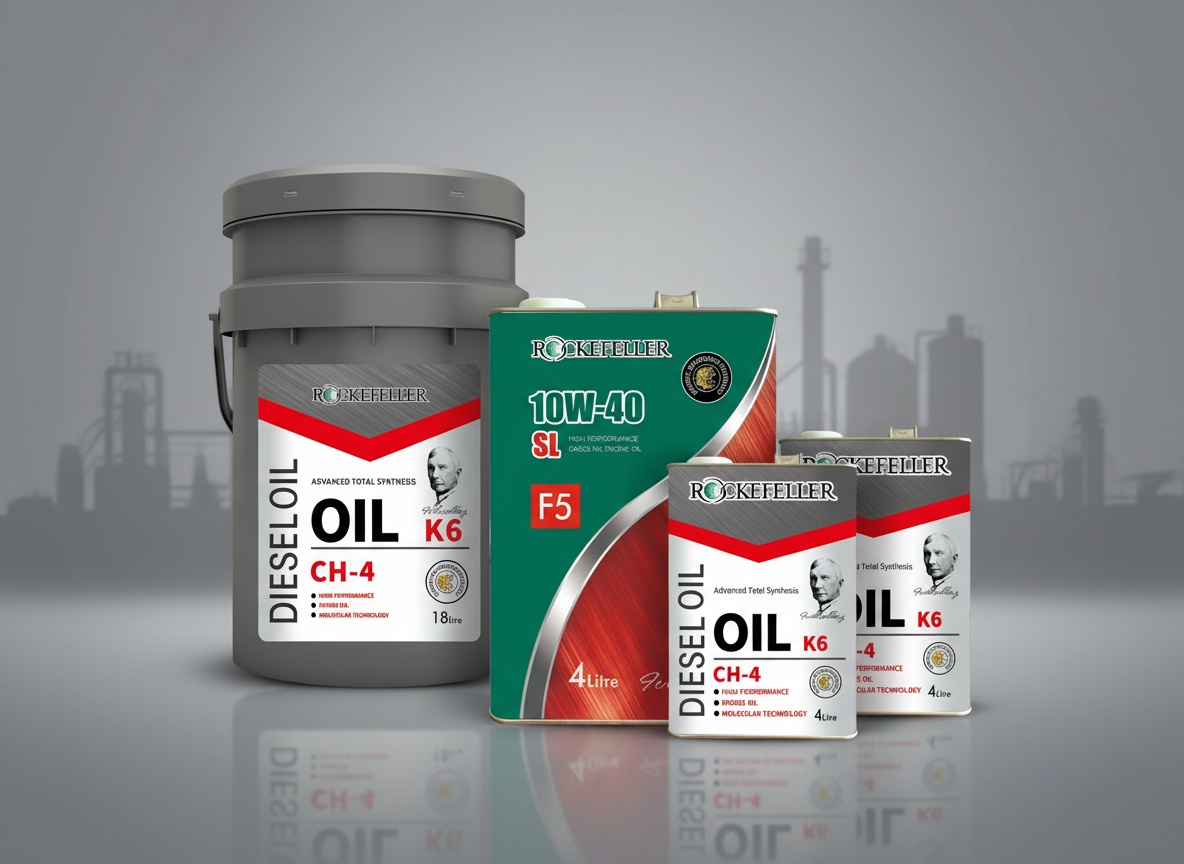
| Feller | U.S. import, private label, distributor programs | OEM/ODM flexibility, broad diesel range, export scale | CH-4, CI-4, CJ-4 heavy-duty diesel oils | Distributors, brand owners, fleet tenders | Best for buyers seeking customization and margin |
This supplier table is useful because it separates easy-to-buy retail brands from more partnership-oriented suppliers. In the United States, major domestic brands dominate off-the-shelf replacement demand, but import-oriented manufacturers and OEM suppliers become attractive where buyers want private labeling, regional exclusivity, custom packaging, or more competitive landed cost for wholesale and fleet channels.
Industry Demand by Application
The bar chart highlights a key point for buying strategy. The biggest demand comes from trucks that stay on the road and monetize uptime, not from hobby or occasional-use diesel owners. That means supplier support, drain interval advice, and logistics coverage can outweigh packaging appeal. Diesel pickups still represent a major aftermarket segment in states such as Texas, Florida, California, Arizona, and North Carolina, but commercial users remain the primary volume buyers.
Where High Mileage Diesel Engine Oil Is Most Used
In freight transport, older diesel tractors and medium-duty trucks often continue running because replacement pricing remains high and maintenance teams understand the equipment well. In construction, older dump trucks, service trucks, and support equipment stay productive for years if oil cleanliness and cooling are managed correctly. In agriculture, tractors and diesel utility vehicles are commonly kept for long cycles, making robust detergent performance essential during seasonal peaks. In oilfield support, backup power, and municipal fleets, the engines may not accumulate massive miles, but they do accumulate damaging idle time and heat cycling.
Applications also differ by geography. Gulf Coast fleets contend with heat and heavy load. Upper Midwest operators need low-temperature crankability. West Coast urban delivery fleets may face stricter emissions scrutiny and idling restrictions. Appalachian and Rocky Mountain routes create long pull conditions and turbo heat. That is why the best high mileage diesel engine oil in the United States is always context-specific rather than universal.
Buying Advice for U.S. Fleets, Dealers, and Workshops
| Buyer Type | Main Need | Recommended Oil Direction | Supply Format | Decision Priority | Common Mistake |
|---|---|---|---|---|---|
| Owner-operator | Engine longevity and convenience | 15W-40 or 5W-40 from established brand | Gallon or pail | Availability on route | Changing viscosity without checking manual |
| Regional fleet | Cost per mile and uptime | 10W-30 or 15W-40 with oil analysis support | Drum or bulk | Drain interval control | Buying on price alone |
| Construction contractor | Mixed equipment coverage | Mixed-fleet heavy-duty oil | Drum, tote | Inventory simplification | Using one oil for incompatible aftertreatment systems |
| Farm operation | Seasonal reliability | 15W-40 for warm use, 5W-40 for winter use | Pail, drum | Storage stability and versatility | Ignoring cold-start needs |
| Distributor | Margin and repeat orders | Brand portfolio plus private label option | All formats | Channel fit and support | Lack of technical documentation |
| Repair shop | Fast-moving SKU mix | Two or three core viscosities | Quart, gallon, drum | Fast turnover and compatibility | Too many overlapping SKUs |
| Brand owner | Custom market positioning | OEM/ODM diesel program | Private label packaging | Quality proof and supply continuity | Weak claims support and inconsistent batches |
The table makes one issue clear: different buyer types need different oil programs. A distributor in Houston or New Jersey may care more about pallet efficiency, documentation, and label flexibility, while a fleet manager in Ohio may care most about wear metals, drain interval extension, and warranty confidence. Matching the procurement model to the operating model is often the fastest way to reduce cost without sacrificing engine life.
Trend Shift in the United States
The area chart shows a meaningful shift in the U.S. market: synthetic and semi-synthetic heavy-duty oils continue to gain share. This does not mean conventional 15W-40 disappears. It means more buyers are mixing portfolio strategies, using premium oils where cold starts, long drains, or uptime justify the added cost, while continuing with conventional products in older, lower-utilization assets.
Detailed Supplier Comparison
This comparison helps explain why U.S. buyers should evaluate supplier type as well as brand. Domestic household brands usually win on immediate availability and recognition. OEM and import-oriented suppliers usually win on flexibility, wholesale economics, package customization, and distributor partnership structures. The best choice depends on whether you are maintaining equipment, building a resale channel, or launching a local brand.
Case Studies from Real-World U.S. Operating Patterns
A delivery fleet in the Chicago area running medium-duty diesel box trucks shifted from a standard conventional fleet oil to a better oxidation-stable CK-4 10W-30 supported by quarterly oil analysis. The result was improved winter start behavior, cleaner wear trends in analysis reports, and lower annual oil spend per truck because drain intervals became more predictable.
A construction contractor in Texas kept older diesel service trucks on 15W-40 but changed suppliers to a product with stronger soot handling and better batch consistency. Maintenance reported reduced top-off frequency during summer work and less varnish under valve covers during scheduled inspections.
An owner-operator running a high-mileage diesel pickup between Arizona and Colorado moved to a synthetic 5W-40 after repeated cold-start issues in winter. The change did not rebuild the engine, but it improved start-up confidence, reduced noise during warm-up, and stabilized oil pressure under mixed altitude conditions.
A regional distributor near Savannah added a private-label diesel engine oil line sourced from an experienced export manufacturer to serve independent truck workshops and agricultural dealers. By controlling label design, packaging sizes, and pallet programs, the distributor improved margin while keeping a mainstream national brand available for buyers who required it.
Local Supplier Channels in the United States
| Channel | Typical Locations | Advantages | Limitations | Best For | Buying Tip |
|---|---|---|---|---|---|
| Truck stops | I-10, I-40, I-70, I-80, I-95 corridors | Fast access and broad brand recognition | Higher per-unit price | Owner-operators and urgent top-off | Use for convenience, not bulk economics |
| Auto parts retail | Major metro areas nationwide | Easy SKU comparison | Limited bulk options | Pickups and small service shops | Check API and viscosity before buying on promotion |
| Lubricant distributors | Chicago, Dallas, Atlanta, Los Angeles, Newark | Bulk supply and technical support | May require volume commitment | Fleets and workshops | Ask for used oil analysis support |
| Dealer service networks | OEM truck and equipment dealers | Specification confidence | Usually premium pricing | Warranty-sensitive buyers | Best for newer engines with strict requirements |
| Industrial supply houses | Port and manufacturing zones | Mixed fleet and industrial access | Less consumer packaging | Contractors and plant fleets | Bundle oils, coolants, and greases for leverage |
| OEM/private-label importers | Coastal trade hubs and inland warehouses | Margin, flexibility, custom packaging | Needs qualification and document review | Distributors and brand owners | Verify COA, TDS, MSDS, and supply continuity |
This table matters because the “best supplier” often depends on purchasing channel rather than brand strength alone. A fleet in Memphis or Kansas City might save more through a regional lubricant distributor with technical support than through retail purchases, while a new brand owner in California may gain more value from an OEM/private-label partner capable of stable export volumes and compliant documents.
How to Evaluate Product Quality
U.S. buyers should review the technical data sheet, safety data sheet, certificate of analysis where available, API category, viscosity index, pour point, total base number, sulfated ash, and whether the product is positioned for EGR and DPF-equipped engines. Beyond paperwork, look for manufacturing consistency, packaging integrity, batch traceability, and realistic claims. Reliable suppliers are prepared to discuss field use, drain interval guidance, and troubleshooting support if the engine shows consumption, deposits, or leaks.
Used oil analysis remains one of the strongest tools for fleets. It turns the oil decision from opinion into measurable maintenance data. For aging engines, trends in iron, lead, soot, oxidation, nitration, viscosity shift, and fuel dilution tell a much clearer story than brand marketing alone.
Our Company
For buyers in the United States who need a partner rather than only a product, Feller offers a practical combination of manufacturing depth and market-facing support. The company has more than 30 years of lubricant production experience, operates ISO 9001 and ISO 14001 certified facilities, and formulates diesel engine oils to internationally recognized performance standards including API levels used across heavy-duty applications. Its diesel portfolio covers value to premium grades such as CH-4, CI-4, and fully synthetic CJ-4 options, supported by controlled blending, batch testing, and documentation such as TDS, MSDS, and certificates needed for professional procurement. For U.S. customers, the business model is flexible: end users can source fleet supply programs, distributors and dealers can build regional channels, brand owners can use OEM/ODM and private-label packaging, and wholesalers can combine multiple lubricant categories into one supply plan through the company’s broad product range shown at the product portfolio. Just as important, Feller has long-standing export operations across more than 60 countries, a 72-hour shipping mechanism, established regional partner networks, and structured pre-sales and after-sales support, which gives U.S. importers and local resellers a more dependable operating base than a purely remote trader. Buyers reviewing the company’s background at its company profile or requesting project-specific assistance through the contact page will find a supplier set up for long-term distributor, fleet, and private-brand cooperation rather than one-off transactions.
Future Trends Through 2026
By 2026, the U.S. high mileage diesel engine oil market will be shaped by three major forces: technology, policy, and sustainability. On the technology side, fleets will continue shifting toward oils that deliver lower internal friction, stronger oxidation stability, and better compatibility with telematics-led maintenance programs. More service managers will connect oil selection to predictive maintenance, using oil analysis and vehicle data together to spot wear before a breakdown occurs.
On the policy side, emissions pressure will continue influencing lubricant formulations, especially in states with stronger air quality rules and in fleets serving ports, urban delivery zones, and regulated contractors. Even when older engines remain in service, buyers will prefer oils that help control deposits, ash-related risk, and aftertreatment stress wherever emissions hardware is present.
On the sustainability side, buyers increasingly look beyond drain interval and compare total environmental footprint, packaging efficiency, and whether a supplier can reduce waste through bulk programs, container optimization, and longer service life. The most competitive suppliers in the U.S. market will be those that combine technical conformity with practical service infrastructure and commercially realistic pricing.
Frequently Asked Questions
Is high mileage diesel engine oil necessary for an older truck?
It is often a smart choice if the engine has substantial miles or hours, especially when there is some oil consumption, minor seepage, heavier soot loading, or severe duty. The oil still needs to meet the correct specification for the engine.
Should I switch from 15W-40 to 10W-30 or 5W-40?
Only if the engine manufacturer allows it and the duty cycle supports it. Many U.S. fleets use 10W-30 for fuel economy and cold starts, while 5W-40 is common in colder climates or premium severe-duty service.
Does thicker oil always reduce oil consumption in an aging diesel?
No. Sometimes it helps, but sometimes it compromises cold flow or masks a mechanical problem. The correct response depends on engine condition, ambient temperature, and the approved viscosity range.
Can I use a diesel oil marketed for mixed fleets?
Yes, if it matches the engine’s required specification. Mixed-fleet oils are common in agriculture, construction, and contractor operations that want to simplify inventory.
What matters more in the United States: brand or specification?
Specification comes first. Brand matters for confidence, availability, support, and consistency, but the wrong viscosity or API category can create problems even if the brand is well known.
Are imported diesel oils a realistic option in the United States?
Yes, especially for distributors, private-label buyers, and fleet tenders, provided the supplier has proper documentation, stable manufacturing controls, export experience, and dependable service support.
How often should high mileage diesel engine oil be changed?
There is no single rule. Follow the engine maker’s guidance, then adjust based on operating severity and oil analysis. Idling, towing, dust, heat, and stop-and-go service often shorten drain intervals.
What is the biggest mistake buyers make?
The most common mistake is buying based only on price or a “high mileage” label without checking the engine specification, climate, emissions hardware, and actual service pattern.
For most U.S. buyers, the right high mileage diesel engine oil is the one that protects aging engines under real operating conditions while staying easy to source and support. Whether you buy from a major domestic brand or a qualified international manufacturer, the winning formula is the same: correct spec, correct viscosity, proven supply, and technical support that matches the way the vehicle actually works.

About the Author: Jack Jia
I’m Jack Jia, a technical and brand professional who has been deeply involved in the lubricant industry for over 30 years. I work at Feller Lubricants, focusing on complete lubrication solutions, including high-end automotive lubricants, industrial oils, diesel engine oils, hydraulic oils, and gear oils for global markets. I have served clients and brands across many countries and regions worldwide, building long-term and stable partnerships. Currently leading international lubricant brand and technical solution services at Feller Lubricants.
Share