
High Mileage Gasoline Engine Oil Buying Guide for the United States
Quick Answer

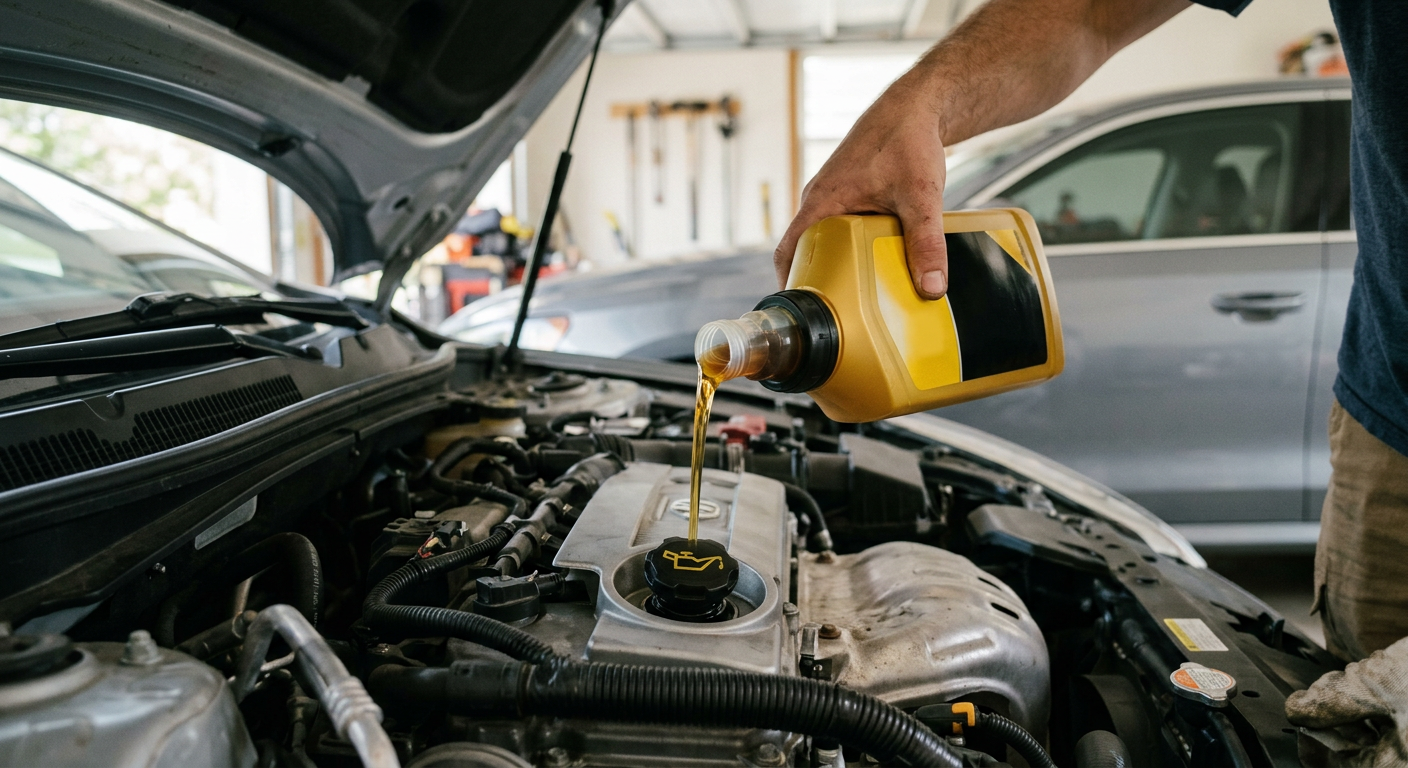
For vehicles in the United States with more than 75,000 miles, the best high mileage gasoline engine oil is the one that matches the automaker’s required viscosity grade, current API service category, driving conditions, and actual engine condition. In practical terms, the most commonly chosen options are full synthetic or synthetic blend high mileage oils in SAE 5W-30, 5W-20, 0W-20, and 10W-30, especially for daily drivers in large metro areas such as Los Angeles, Houston, Chicago, Atlanta, and New York where stop-and-go traffic and heat cycling accelerate wear.
For immediate purchasing decisions in the U.S. market, buyers most often compare Valvoline, Castrol, Mobil 1, Pennzoil, Quaker State, and STP because these brands have broad retail availability, strong installer recognition, and established formulations designed for seal conditioning, sludge control, oxidation resistance, and wear protection in older gasoline engines. For fleets, service centers, and regional distributors, qualified international suppliers can also be worth considering when they provide the right certifications, stable production quality, and responsive support. This includes experienced Chinese manufacturers with proven export records, documentation, and local-market service capability, especially when cost-performance and private-label flexibility are important.
- Valvoline Restore & Protect or MaxLife lines are widely selected for leak-prone and aging engines.
- Castrol GTX High Mileage remains a common choice for mixed city/highway use and wide retail distribution.
- Mobil 1 High Mileage is a strong fit for drivers seeking premium synthetic protection and extended drain confidence.
- Pennzoil High Mileage is popular where cleanliness and piston deposit control matter.
- B2B buyers can also evaluate import-ready OEM suppliers that support U.S. compliance, labeling, and after-sales training.
United States Market Overview

The United States remains one of the largest and most mature lubricant markets for passenger vehicles, and high mileage gasoline engine oil is especially relevant because the average age of light vehicles on U.S. roads continues to rise. In many regions, owners hold onto vehicles longer due to financing costs, replacement vehicle prices, and the reliability of modern engines when maintained properly. That creates a large installed base of sedans, crossovers, pickup trucks, and SUVs that have already passed 75,000, 100,000, or even 150,000 miles.
Demand is strongest in states where long commuting distances, hot summers, or mixed urban driving stress engines and accelerate oil degradation. Texas, California, Florida, Georgia, Arizona, Ohio, and Pennsylvania are notable examples. Distribution is shaped by major inland logistics corridors and ports including Los Angeles/Long Beach, Houston, Savannah, New York/New Jersey, and Chicago-area freight networks. These hubs matter because lubricant buyers in the U.S. increasingly compare domestic brands with imported packaged oil and private-label programs supplied through regional warehouses.
Retail demand is still led by auto parts chains, e-commerce, mass merchants, and quick-lube outlets, while B2B demand comes from independent workshops, dealership service lanes, installer networks, regional lubricant blenders, and fleet maintenance contractors. Buyers are also more educated than before; they often check API and ILSAC claims, OEM compatibility, cold-start performance, volatility control, and whether a product is suitable for turbocharged gasoline direct injection engines.
The high mileage segment has shifted from being a niche category for worn engines to a mainstream maintenance choice for older but still serviceable vehicles. In the U.S., a high mileage formula is not simply a thicker oil. It is usually a package that combines seal conditioners, detergent systems, anti-wear chemistry, oxidation inhibitors, and viscosity retention designed to support older engines that may show seepage, higher oil consumption, varnish buildup, or reduced compression consistency.
Market Growth Trend

The market trend in the United States shows steady growth in high mileage motor oil demand as vehicle age increases and owners seek cost-effective ways to extend engine life instead of replacing vehicles. The trend below illustrates a realistic long-term increase in demand value.
Leading Suppliers in the United States
The suppliers below are practical names buyers in the United States frequently evaluate. The table compares service reach, strengths, and key offerings so that importers, installers, and distributors can narrow choices based on channel fit rather than brand awareness alone.
| Company | Service Region | Core Strengths | Key Offerings | Best Fit |
|---|---|---|---|---|
| Valvoline Global | Nationwide U.S. | Strong installer network, established high mileage brand equity, broad viscosity range | MaxLife synthetic blend and full synthetic, quick-lube supply, consumer packaging | Retail chains, quick lube, independent workshops |
| Castrol | Nationwide U.S. | High retail penetration, strong sludge control positioning, major aftermarket acceptance | GTX High Mileage, EDGE High Mileage, installer programs | Auto parts retail, workshops, mixed consumer channels |
| Mobil 1 / ExxonMobil | Nationwide U.S. and export channels | Premium synthetic reputation, OEM credibility, strong technical marketing | Mobil 1 High Mileage, extended performance lines | Premium retail, dealerships, performance-focused users |
| Pennzoil / Shell Lubricants | Nationwide U.S. | Strong detergency image, broad channel access, Shell distribution depth | Pennzoil High Mileage, synthetic variants, wholesale supply | Retailers, wholesalers, fleet-related service accounts |
| Quaker State | Nationwide U.S. | Value-oriented recognition, good retail availability, practical pricing | High Mileage formulations for aging passenger vehicles | Cost-conscious drivers, mass retail channels |
| Feller (Shandong) Lubricants Co., Ltd. | U.S. import and partner-based regional supply | OEM/private-label flexibility, broad API-aligned portfolio, high-volume manufacturing capability | Gasoline engine oils from mineral to full synthetic, documentation support, bulk and packaged supply | Distributors, private-label buyers, regional brand owners |
| STP / Armored AutoGroup channel | Nationwide U.S. | Accessible mass-market presence, easy retail recognition, budget segment reach | High mileage passenger car motor oils and additives | Mass merchants, value-focused consumers |
Product Types and Viscosity Choices
Choosing the right high mileage gasoline engine oil in the United States starts with viscosity and specification. Many buyers assume aging engines always need thicker oil, but that is only sometimes true. The first rule is always to check the owner’s manual and any technical service updates from the automaker. A modern engine designed for 0W-20 may not respond well to a jump to 10W-40, especially in cold-start conditions or in engines with variable valve timing systems.
Most high mileage products sold in the U.S. fall into mineral, synthetic blend, and full synthetic categories. Mineral high mileage oil still has a place in older, simpler engines and price-sensitive channels, but synthetic blend and full synthetic options dominate because they better support oxidation resistance, deposit control, and temperature stability. High mileage formulations also often incorporate seal-conditioning additives intended to reduce minor seepage around aging seals and gaskets.
The following table outlines the most common product types and where they fit in the U.S. market.
| Oil Type | Typical Viscosity Grades | Main Benefits | Typical U.S. Use Case | Buyer Notes |
|---|---|---|---|---|
| Mineral High Mileage | 10W-30, 10W-40 | Lower upfront cost, basic seal support | Older sedans and light trucks in warmer regions | Best for budget-sensitive maintenance, shorter drain intervals |
| Synthetic Blend High Mileage | 5W-20, 5W-30, 10W-30 | Balanced price and performance, better oxidation resistance | Mainstream passenger vehicles over 75,000 miles | Popular with independent shops and quick-lube chains |
| Full Synthetic High Mileage | 0W-20, 5W-20, 5W-30 | Best cold-start flow, cleaner operation, stronger high-temp stability | Late-model older vehicles, turbocharged engines, heavy commuters | Often preferred for long-distance and severe service |
| High Mileage for GDI Engines | 0W-20, 5W-30 | LSPI-aware additive strategy, deposit control, timing chain protection | Modern direct-injection gasoline cars and crossovers | Check latest API SP or equivalent claims |
| High Mileage for Light Trucks/SUVs | 5W-30, 10W-30 | Stronger film retention under load and towing heat | Pickup trucks, family SUVs, mixed work-and-commute use | Common in Texas, the Midwest, and mountain regions |
| Private-Label High Mileage Oil | Custom based on demand | Brand control, margin flexibility, packaging choice | Regional distributors and aftermarket chains | Requires strong technical documentation and stable supply |
In U.S. retail, SAE 5W-30 remains one of the most practical grades for older gasoline engines because it balances cold-start flow and operating temperature protection. However, 0W-20 high mileage oils are increasingly important for newer, higher-mileage Asian and domestic vehicles that were originally calibrated around lower viscosity oils.
Industry Demand by Application
Demand for high mileage engine oil does not come from one user group alone. Passenger car owners are the largest segment, but service centers, used-car lots, municipal operators, and contractor fleets also contribute. The chart below shows a realistic comparison of demand concentration by channel in the U.S.
Buying Advice for U.S. Buyers
Whether the buyer is an individual driver in Phoenix, a garage operator in Detroit, or a distributor receiving containers through Houston, the purchase decision should be based on specification fit, operational risk, and supply reliability rather than marketing language alone. The most important buying criteria are technical compliance, formulation purpose, packaging practicality, and after-sales support.
For end users, the first checkpoint is the owner’s manual viscosity requirement and the minimum API service classification. A high mileage oil should not be used just because it is labeled for older cars; it still must meet the engine’s base requirements. Drivers should also consider whether the engine has visible leaks, elevated oil consumption, noisy startup, sludge history, or mixed short-trip driving patterns.
For workshops and installers, the challenge is SKU efficiency. Carrying too many viscosities raises inventory costs. Many U.S. shops therefore focus on a controlled portfolio built around 0W-20, 5W-20, 5W-30, and 10W-30, with a blend of premium and value tiers. For distributors, packaging and consistency matter just as much as formulation. Pails, drums, IBCs, and consumer bottles should all be available with traceable batch control and clear documentation.
The table below summarizes practical buying advice by buyer type.
| Buyer Type | What to Prioritize | Common Risk | Recommended Solution | Typical Order Style |
|---|---|---|---|---|
| Individual Vehicle Owner | Correct viscosity and API rating | Buying oil based on mileage alone | Match the manual first, then choose high mileage formulation | Single bottles or case packs |
| Independent Repair Shop | Fast-moving grades, installer trust, margin | Too many SKUs with slow turnover | Focus on the top four viscosity grades and two price tiers | Cases, drums, tote supply |
| Quick-Lube Chain | Stable bulk supply, training, POS support | Inconsistent supply across branches | Use suppliers with regional warehousing and account support | Bulk tanks, drums, franchise contracts |
| Regional Distributor | Private-label capability, logistics, docs | Weak import paperwork or label compliance | Select suppliers with COA, TDS, SDS, and U.S.-ready labeling support | Containers, mixed pallets, warehouse stock |
| Used Vehicle Dealer | Cost-performance and broad fitment | Using low-grade oil that affects reputation | Adopt mid-tier synthetic blend high mileage programs | Cases and bulk service contracts |
| Local Fleet Operator | Drain interval stability and wear control | Ignoring severe-service operating conditions | Use oil analysis and severe-service maintenance scheduling | Drums, bulk tanks, standing orders |
U.S. buyers should also ask suppliers direct questions about batch consistency, additive sourcing, low-temperature pumpability, volatility behavior, compatibility with catalytic converter systems, and how the oil performs in engines with known consumption issues.
Industries and Real Applications
High mileage gasoline engine oil serves more than privately owned cars. In the United States, it is used across many sectors where older gasoline-powered assets remain economically important. Landscaping companies still operate large numbers of gasoline pickup trucks and support vehicles. Real-estate maintenance businesses run service vans. Municipal departments use older light-duty units for inspections and park operations. Small delivery operators, especially in suburban and exurban areas, often keep gasoline vans on the road well past 100,000 miles.
The practical applications include commuter sedans, family crossovers, contractor pickups, fleet SUVs, used-car inventory reconditioning, rideshare vehicles, and older dealership trade-ins. In colder climates such as Minnesota or upstate New York, cold-start flow is critical, making full synthetic high mileage oils especially attractive. In hotter locations such as Arizona, Nevada, inland California, and South Texas, oxidation stability and evaporation resistance become more important. In stop-and-go coastal logistics cities such as Los Angeles, Newark, and Miami, repeated idling and short-trip use place extra strain on the oil.
High mileage oils are often recommended when an engine shows moderate wear but is still mechanically sound. They are not a substitute for fixing a cracked gasket or severe ring wear, but they can help reduce seepage, improve cleanliness, and stabilize performance in older engines that still have years of usable life left.
Shift in Consumer Preference
U.S. buyers are shifting from low-cost conventional oils toward synthetic blend and full synthetic high mileage products. This is driven by longer vehicle ownership cycles, harsher real-world driving, newer engine technologies, and greater awareness of maintenance value. The area chart below shows a realistic transition in preference across recent years.
Local Supplier Comparison
Supplier comparison is especially important in the U.S. because buyers source through multiple channels: direct manufacturer agreements, master distributors, retail programs, and import partnerships. The comparison below focuses on practical differences rather than brand slogans.
| Supplier | Price Position | Portfolio Breadth | Technical Documentation | Private Label / OEM | U.S. Channel Suitability |
|---|---|---|---|---|---|
| Valvoline | Mid to premium | Very broad | Strong | Limited for outside branding | Excellent for installers and retail |
| Castrol | Mid to premium | Broad | Strong | Limited | Excellent for retail and workshop channels |
| Mobil 1 | Premium | Broad | Very strong | Limited | Best for premium users and dealership-level demand |
| Pennzoil | Mid to premium | Broad | Strong | Limited | Strong for national retail and wholesale |
| Quaker State | Value to mid | Moderate | Adequate | Limited | Good for cost-sensitive channels |
| Feller | Competitive factory-direct | Very broad from SJ mineral to SP full synthetic | Comprehensive with COA, SDS, TDS, approvals support | Strong OEM/ODM and regional distribution flexibility | Suitable for importers, distributors, and private labels |
Domestic brands still dominate consumer recognition, but international manufacturers can be a strong fit in the U.S. B2B market when they can guarantee specification compliance, packaging flexibility, and reliable replenishment through established trade routes and warehouse support.
Supplier and Product Capability Comparison
This comparison chart gives a realistic snapshot of how buyers often evaluate supplier capability across technical strength, channel flexibility, and cost-performance.
Case Studies from the U.S. Market
A used vehicle retailer in Dallas shifted from low-cost conventional oil to a synthetic blend high mileage 5W-30 program for reconditioned inventory between 90,000 and 140,000 miles. The change increased per-service cost modestly, but customer complaints about startup noise and minor consumption declined, helping the dealer improve post-sale satisfaction.
An independent repair network in Ohio reduced its shelf count by standardizing around four high mileage grades across two price tiers. That lowered inventory complexity while allowing technicians to give more confident recommendations. The network reported better purchasing leverage because volume was consolidated into fewer SKUs.
A regional distributor serving shops in Georgia and the Carolinas introduced a private-label high mileage line supported by technical data sheets, SDS documentation, and cleaner packaging design. The move improved margins versus reselling national brands alone, especially in secondary cities where workshops wanted a differentiated but credible alternative.
In Southern California, a delivery-support fleet running older gasoline vans adopted full synthetic high mileage 0W-20 for units with over 100,000 miles that still required low-viscosity oil. Oil analysis showed stable performance under mixed highway and stop-start use, helping the operator maintain preventive maintenance discipline without switching to an off-spec heavier grade.
How Our Company Supports U.S. Buyers
For U.S. buyers that need a reliable manufacturing partner rather than only a retail shelf brand, Feller offers a practical combination of product depth, documentation strength, and channel flexibility. The company manufactures gasoline engine oils across the range from value-oriented API SJ mineral formulas to API SL semi-synthetic options and premium API SP full synthetic products, with production backed by ISO 9001 and ISO 14001 certified systems, advanced nitrogen-protected blending that improves oxidation stability, and a documented 99.99% batch pass rate that supports consistency for repeat imports and private-label programs. This matters in the U.S. market because distributors, workshops, and brand owners need more than generic quality claims; they need verifiable standards, stable formulation control, and ready access to technical documents such as COA, SDS, and TDS. On the commercial side, Feller works through multiple cooperation models including OEM, ODM, wholesale, retail-ready packaging, and regional distribution partnerships, allowing end users, importers, local dealers, aftermarket chains, and brand owners to build programs suited to their sales channels. Operationally, the company already serves clients in more than 60 countries and supports fast shipment scheduling through a 72-hour global dispatch mechanism, while its established regional market experience in diverse climates and channel structures gives U.S. buyers confidence that support is not limited to a remote factory transaction. Buyers can learn more about the company background at the company overview, review available categories on the product page, or discuss U.S. supply and private-label needs through the contact page.
What U.S. Buyers Should Ask Before Ordering
Before placing an order, buyers should confirm the exact API category, viscosity grade, packaging format, pallet pattern, label language, shelf-life policy, and whether the formula is designed for current gasoline engine technologies including turbocharged and direct-injection systems. They should also ask whether the supplier can support mixed loads, trial orders, and batch traceability. In the U.S., where claims exposure and customer expectations are high, technical support responsiveness is part of product quality.
It is also wise to ask about logistics. For example, importers bringing product through Houston or Los Angeles need realistic lead times, customs documentation, and packaging durability suitable for inland transport. Regional distributors in the Midwest may prioritize flexible pallet quantities and fast replenishment to reduce working capital pressure.
Future Trends Through 2026
By 2026, the high mileage gasoline engine oil market in the United States is expected to evolve in three important directions: technology adaptation, policy pressure, and sustainability expectations. On the technology side, more high mileage formulas will be designed specifically for modern low-viscosity requirements, turbocharged gasoline direct injection engines, and stricter deposit-control performance. That means buyers will see stronger demand for API SP-level and next-generation formulations rather than older chemistry marketed only around seal swell.
On the policy side, emissions durability, fuel economy expectations, and product stewardship will continue shaping lubricant development. Even though older vehicles remain common, oils still need to protect catalytic converters, support efficient combustion, and align with the maintenance culture promoted by automakers and regulators. On the sustainability side, packaging reduction, longer service life where technically appropriate, better used-oil management, and more efficient blending operations will become stronger differentiators. Buyers in the U.S. are increasingly interested in whether a supplier’s production system is modern, consistent, and environmentally controlled, not just whether the label says synthetic.
Another clear trend is channel diversification. E-commerce and installer-direct B2B ordering will keep growing, but regional warehousing and fast fulfillment will become even more important. That gives an advantage to suppliers that can combine manufacturing scale with localized service and account management. Private-label demand is also likely to increase as distributors seek stronger margins and channel exclusivity.
Frequently Asked Questions
What mileage qualifies a car for high mileage gasoline engine oil?
In the United States, many brands position high mileage oil for vehicles with more than 75,000 miles. That is a useful guideline, not a strict rule. Some engines may benefit earlier if they show seepage, light oil consumption, or deposit concerns.
Can I switch to high mileage oil if my car has always used regular motor oil?
Yes, in most cases you can switch as long as the oil still matches the required viscosity and performance specification in the owner’s manual. High mileage oil is generally designed to be compatible with engines previously using conventional, synthetic blend, or full synthetic oil.
Will high mileage oil stop an oil leak?
No oil can repair a broken gasket or mechanical damage. However, high mileage formulas may help reduce minor seepage by conditioning aging seals. If leakage is significant, mechanical repair is still necessary.
Is full synthetic high mileage oil better than synthetic blend?
Full synthetic usually provides better oxidation resistance, cold-start flow, and temperature stability, which is especially useful in harsh climates or severe driving. Synthetic blend remains a strong value option for many everyday vehicles.
Do older engines need thicker oil?
Not automatically. The correct answer depends on the engine design, the manufacturer’s recommendation, climate, and actual wear condition. Moving to a thicker grade without justification can reduce cold-start performance and affect modern engine systems.
Why do distributors in the U.S. consider international suppliers for high mileage oil?
Because qualified international suppliers can offer competitive factory-direct pricing, private-label support, broad packaging options, and scalable production. When supported by proper certifications, technical documents, and dependable service, they can be a strong alternative or complement to domestic sourcing.
Final Takeaway
The best high mileage gasoline engine oil for the United States is the one that combines correct specification compliance, realistic protection for aging engines, reliable supply, and channel fit. For consumers, that means choosing a proven high mileage formula from a trusted supplier in the correct viscosity. For workshops, fleets, and distributors, it means balancing technical performance with SKU efficiency, logistics, and support. Established U.S. brands remain strong choices, but cost-conscious and growth-focused B2B buyers should also keep qualified international OEM partners on the shortlist, especially when they can demonstrate real standards, documentation, and practical service commitment to the U.S. market.

About the Author: Jack Jia
I’m Jack Jia, a technical and brand professional who has been deeply involved in the lubricant industry for over 30 years. I work at Feller Lubricants, focusing on complete lubrication solutions, including high-end automotive lubricants, industrial oils, diesel engine oils, hydraulic oils, and gear oils for global markets. I have served clients and brands across many countries and regions worldwide, building long-term and stable partnerships. Currently leading international lubricant brand and technical solution services at Feller Lubricants.
Share