API SP Gasoline Engine Oil in the United States
Quick Answer

API SP gasoline engine oil is the current mainstream benchmark for protecting modern gasoline engines in the United States, especially turbocharged and gasoline direct injection vehicles that face LSPI risk, timing chain wear, oxidation stress, and deposit formation. For most buyers, the best approach is to choose an API SP oil in the viscosity grade specified by the vehicle manufacturer, then compare supplier strength, packaging options, technical support, and delivery reliability.
In the United States, widely recognized suppliers and brands for API SP gasoline engine oil include ExxonMobil, Shell, Valvoline, Chevron, Phillips 66, and Petro-Canada Lubricants through established distribution channels. Buyers in major automotive markets such as Houston, Los Angeles, Chicago, Atlanta, and Newark typically prioritize OEM approvals, supply consistency, and technical documentation. Qualified international suppliers can also be considered, especially manufacturers from China that hold relevant certifications and provide strong pre-sales and after-sales support, because they often offer attractive cost-performance advantages for distributors, private-label buyers, fleets, and growing regional lubricant brands.
Why API SP Matters in the U.S. Market

The U.S. passenger vehicle market has shifted decisively toward smaller displacement, turbocharged, fuel-efficient engines, while hybrid use is expanding in urban corridors from California to the Northeast. That change has increased the need for engine oils that do more than basic lubrication. API SP gasoline engine oil is designed to address the real operating stresses seen in modern U.S. driving: short-trip stop-and-go commuting, high summer temperatures in Texas and Arizona, cold starts in the Midwest, highway operation over long distances, and the widespread use of gasoline direct injection technology.
Compared with older categories such as API SN or API SM, API SP raises the performance bar in areas that matter to both consumers and commercial buyers. It improves wear protection, helps control sludge and varnish, supports oxidation resistance during longer drain intervals, and strengthens protection against low-speed pre-ignition in turbocharged GDI engines. In practical U.S. market terms, that means fewer performance complaints, more stable oil condition over time, and better alignment with current vehicle service recommendations from Ford, GM, Toyota, Honda, Hyundai, Kia, Nissan, and other high-volume brands on American roads.
Demand is also shaped by the structure of the U.S. aftermarket. Quick lube chains, independent garages, dealerships, e-commerce sellers, and fleet maintenance operators all require clear product positioning. API SP simplifies purchasing decisions because it signals current-generation gasoline engine performance. For service centers in freight-heavy states near logistics hubs such as Savannah, Houston, Long Beach, and New Jersey, carrying the right API SP grades can reduce SKU confusion while still covering a large share of the active vehicle parc.
What API SP Gasoline Engine Oil Improves

API SP is not just a label update. It addresses several engine protection issues that became more important as U.S. automakers adopted downsized turbocharged engines and stricter efficiency targets. The category focuses on piston cleanliness, oxidation control, deposit prevention, timing chain wear protection, and LSPI mitigation. That matters for vehicles used in mixed service, especially those exposed to repeated cold starts, heat cycling, trailer towing, urban idling, and ethanol-blended fuels commonly sold across the United States.
For buyers evaluating private label, bulk supply, or workshop inventory, the key commercial benefit is reduced compatibility risk with new-model gasoline vehicles. API SP oils are widely offered in viscosity grades such as 0W-20, 5W-20, 5W-30, and 0W-16, making them suitable for mainstream U.S. passenger cars, crossovers, and light-duty pickups where OEM viscosity recommendations continue trending lower for fuel economy and emissions compliance.
U.S. Market Snapshot
The United States remains one of the world’s most important lubricant markets, with large demand centers spread across automotive hubs, distribution corridors, and port regions. California, Texas, Florida, Illinois, Georgia, and New Jersey are major consumption states because they combine large vehicle populations with significant aftermarket service activity. Demand for API SP gasoline engine oil is strongest in consumer retail, quick-lube chains, dealership service networks, e-commerce channels, and bulk business for multi-site workshop groups.
Port and logistics infrastructure also shape buying behavior. Import-oriented lubricant buyers often work through Long Beach, Los Angeles, Houston, Savannah, Newark, and Norfolk, while inland distribution often routes through Chicago, Dallas, Memphis, and Atlanta. Buyers increasingly ask not only about price but also about labeling compliance, technical data sheets, safety data sheets, blend consistency, packaging integrity, and lead-time reliability.
| Market Factor | United States Condition | Why It Matters for API SP Oil | Typical Buyer Response |
|---|---|---|---|
| Vehicle mix | High share of gasoline SUVs, crossovers, and light pickups | Raises demand for 0W-20, 5W-20, and 5W-30 API SP grades | Stock broad viscosity coverage |
| Engine technology | Widespread GDI and turbocharged gasoline engines | Increases focus on LSPI and timing chain protection | Prefer current API SP formulations |
| Climate diversity | Cold Midwest winters and hot Southern summers | Requires oils with strong cold-start and oxidation performance | Choose climate-matched synthetics |
| Aftermarket structure | Large dealer, quick-lube, and independent repair network | Creates demand for standardized, easy-to-sell products | Use API SP as a core sales category |
| Consumer behavior | Growing preference for synthetic and synthetic blend oils | Supports higher-value product mix | Expand full synthetic API SP range |
| Supply chain | Regional warehousing and port access are critical | Affects delivery speed and inventory continuity | Partner with reliable domestic or import-backed suppliers |
This table shows why API SP is now central to lubricant buying in the United States. The category aligns well with the dominant vehicle technologies and service conditions seen across the country, making it a practical standard for retailers, workshops, fleets, and private-label distributors.
Common Product Types and Viscosity Choices
API SP gasoline engine oil is sold in several formulation tiers. Conventional mineral oils still exist in some price-sensitive channels, but synthetic blend and full synthetic products dominate current demand, especially for newer vehicles. In the United States, many late-model cars and SUVs specify low-viscosity oils, so buyers need to match viscosity carefully rather than assuming one grade fits all engines.
0W-20 remains one of the most important grades in the market due to broad use by Honda, Toyota, Ford, and other major brands. 5W-30 still has a large installed base and remains popular in mixed fleets, repair shops, and older gasoline vehicles. 0W-16 is increasing in relevance as automakers pursue fuel economy gains, while 5W-20 continues to serve a significant share of legacy gasoline models. For hotter-duty applications, some vehicles still specify 10W-30 or 0W-30.
| Viscosity Grade | Typical U.S. Vehicle Use | Main Benefit | Common Sales Channel |
|---|---|---|---|
| 0W-16 | Newest fuel-efficient compact and hybrid models | Maximum fuel economy and cold-start flow | Dealers and advanced service shops |
| 0W-20 | Mainstream late-model passenger cars and SUVs | Strong all-season protection and broad OEM fit | Retail, quick lube, dealership |
| 5W-20 | Many Ford, Chrysler, and older gasoline engines | Balanced wear protection and easy availability | Independent workshops and retail |
| 5W-30 | Mixed fleets, crossovers, and high-mileage vehicles | Versatility across many engine types | Wholesale and workshop bulk use |
| 0W-30 | Select European and performance-oriented engines | Cold-start performance with added film strength | Specialty distributors |
| 10W-30 | Older gasoline engines and warm-region service | Stable protection in higher-temperature use | Regional retail and service centers |
The table helps buyers narrow product selection by vehicle profile, climate, and sales channel. For most distributors in the United States, a practical starter range includes 0W-20, 5W-20, and 5W-30, with 0W-16 or 0W-30 added where newer or more specialized vehicle populations justify it.
Market Growth Trend
This line chart reflects the steady rise of API SP demand in the U.S. market. Growth is driven by replacement of older API categories, continued synthetic adoption, and wider awareness of protection needs for turbocharged gasoline engines.
Industry Demand by Segment
Although API SP is primarily associated with passenger cars, its demand profile spans multiple downstream sectors. Independent workshops and quick-lube operators are major consumers because they need broad-application oils that suit modern vehicles. Dealerships prefer products closely aligned with OEM service requirements. E-commerce and retail chains have expanded the visibility of API SP through consumer-facing packaging and product comparison tools. Fleets with gasoline service vans, sales cars, municipal vehicles, and mixed light-duty assets are also active buyers.
The bar chart shows that quick-lube chains and independent garages remain especially important channels. These businesses influence repeat oil selection at scale, particularly in vehicle-dense metro regions such as Dallas-Fort Worth, Los Angeles, Miami, Phoenix, and Chicago.
How Buying Priorities Are Changing
Over the last few years, buyer focus in the United States has shifted from simply obtaining compliant engine oil to obtaining documented, application-specific, supply-secure products. Workshops want fewer warranty disputes. Distributors want stable sourcing and label clarity. Brand owners want room for private-label expansion without compromising technical credibility. That means API SP buying decisions now include approval support, data transparency, package durability, shipping flexibility, and technical training.
The area chart illustrates a realistic trend already visible in many U.S. channels: the move toward full synthetic API SP oils. This trend is reinforced by OEM recommendations, consumer education, and the practical need for stronger performance in severe service conditions.
Buying Advice for U.S. Distributors and End Users
Start with the vehicle requirement, not the lowest price. For passenger cars, pickups, and SUVs in the United States, viscosity and current specification matching are more important than brand familiarity alone. If the owner’s manual calls for 0W-20 API SP, using a higher-viscosity alternative for convenience can undercut fuel economy and cold-start performance. For buyers managing inventory, the right approach is to build a slim but coverage-rich product lineup.
Next, check supplier documentation. Serious API SP suppliers should provide technical data sheets, safety data sheets, batch traceability, packaging specs, and clear viscosity application guidance. For private-label and regional distributors, ask about formulation stability, additive sourcing, production certifications, and export experience to U.S. packaging and labeling expectations. If the oil is intended for workshop networks, ask about training, point-of-sale support, and after-sales claim handling.
Packaging format also matters. Consumer retail often needs quarts, five-quart packs, and attractive shelf labeling. Workshops may prefer pails, drums, or bulk delivery. Regional distributors need pallet planning, warehouse compatibility, and dependable replenishment schedules, especially in hurricane-prone or winter-sensitive logistics seasons.
| Buyer Type | Main Concern | Best API SP Buying Approach | Recommended Packaging |
|---|---|---|---|
| Car owner | Engine protection and warranty confidence | Follow OEM viscosity and choose reputable API SP product | Quart and five-quart bottles |
| Independent workshop | Coverage across many vehicle models | Stock core grades with strong technical support | Pails, drums, and small packs |
| Quick-lube chain | Throughput and consistent supply | Use multi-location supply planning and bulk options | Bulk tanks and drums |
| Fleet operator | Drain interval cost and engine reliability | Focus on stable synthetic API SP formulations | Drums and bulk delivery |
| Private-label brand owner | Market differentiation and margin | Partner with OEM-capable manufacturer | Customized retail and wholesale formats |
| Regional distributor | Price, logistics, and product credibility | Choose supplier with strong documents and warehousing plan | Palletized mixed loads |
This table shows that buying criteria vary sharply by channel. The right supplier relationship should match not only product performance but also packaging, service model, and inventory rhythm.
Industries and Applications
API SP gasoline engine oil is most relevant in passenger vehicle service, but its use extends into several practical U.S. industries. Automotive service chains rely on it for routine maintenance on private cars and ride-share vehicles. Municipal departments use it in gasoline sedans, utility vehicles, and light service trucks. Rental fleets, property management companies, telecom contractors, and sales fleets also consume significant volumes where gasoline engines remain common.
In consumer markets, the most frequent applications include daily commuter vehicles, compact SUVs, hybrid-compatible gasoline engines, family minivans, and light-duty pickups used for mixed personal and business driving. In the workshop channel, API SP is often the default recommendation for late-model gasoline vehicles unless a specific OEM approval or specialty formulation is required.
For high-mileage users in hot states such as Texas, Florida, Nevada, and Arizona, oxidation stability and deposit control become especially important. In colder states such as Minnesota, Michigan, Wisconsin, and New York, cold-flow performance and start-up wear protection carry more weight. The category is broad enough to support both profiles, provided the right viscosity grade is chosen.
Local Supplier Landscape in the United States
The U.S. market includes integrated oil majors, domestic refiners, private-label blenders, and import-backed suppliers. Major national brands dominate visibility, but regional distributors and contract manufacturers play a major role in actual market coverage. Buyers should not assume the biggest name is always the best fit. For some channels, fast replenishment, label flexibility, and private-label support are more valuable than premium retail advertising.
| Company | Service Region | Core Strengths | Key API SP Offerings |
|---|---|---|---|
| ExxonMobil | Nationwide U.S. | Strong brand recognition, OEM relationships, broad distribution | Mobil 1 and Mobil Super API SP grades |
| Shell | Nationwide U.S. with major port and inland reach | Large retail footprint, premium synthetic positioning | Pennzoil and Shell Helix related API SP passenger car oils |
| Valvoline | Nationwide U.S., strong service-center presence | Quick-lube integration, consumer trust, broad retail access | Advanced Full Synthetic API SP oils |
| Chevron | Strong in West, Gulf Coast, and national industrial channels | Integrated energy background, technical support, fleet access | Havoline API SP engine oils |
| Phillips 66 | Nationwide with strong Midwest and Southwest reach | Wholesale strength, commercial distribution network | TropArtic and related API SP passenger car oils |
| Petro-Canada Lubricants | U.S. through authorized distributors | Strong synthetic base oil reputation and technical credibility | SUPREME line API SP products |
| Regional private-label blenders | State and multi-state markets | Flexible packaging, local pricing, custom branding | Store-brand and contract-filled API SP grades |
This supplier table is useful because it separates brand visibility from channel suitability. National brands provide broad trust and easy sell-through, while regional blenders and contract manufacturers often win on flexibility, customization, and local service speed.
Supplier and Product Position Comparison
This comparison chart highlights a common U.S. sourcing reality. National brands lead in recognition and broad distribution, while capable OEM-oriented import suppliers often outperform in private-label flexibility, packaging choice, and cost competitiveness. The best option depends on whether the buyer values consumer pull, customization, or margin expansion.
Detailed Supplier Analysis
ExxonMobil remains one of the strongest choices for buyers who need category leadership, extensive visibility, and a proven synthetic platform. It is especially effective for retailers, service networks, and buyers targeting premium consumer confidence. Shell combines strong market recognition with a large retail footprint and performs well in suburban and metropolitan consumer channels. Valvoline has unique strength in service-driven sales because of its established quick-lube ecosystem and strong maintenance branding.
Chevron and Phillips 66 are often attractive to buyers that need both technical reliability and good commercial support, particularly in workshop and wholesale markets. Petro-Canada Lubricants is respected for synthetic formulation quality and can be a good fit for buyers focused on premium positioning. Regional blenders and private-label packagers can be highly competitive in state-based distribution, but they should be screened carefully for quality systems, batch consistency, and technical support depth.
For import-backed procurement, many U.S. distributors now compare domestic brands with qualified overseas manufacturers that can meet API-level performance expectations while offering sharper landed cost and more flexible packaging. This is most relevant for buyers building their own house brand, serving ethnic retail channels, or expanding distribution in cost-sensitive areas of the South and Midwest.
Case Studies from the U.S. Market
A multi-site workshop group in the Houston area moved from a mixed inventory of older API SN products to a narrower API SP synthetic blend and full synthetic range in 0W-20, 5W-20, and 5W-30. The result was lower inventory complexity, fewer fitment questions at the service desk, and easier upselling to late-model SUV owners. A regional distributor near Newark improved delivery performance by shifting to a supplier that could palletize mixed viscosity loads for East Coast demand peaks. In Southern California, a private-label importer expanded into Hispanic retail channels by combining API SP compliance messaging with bilingual packaging and five-quart consumer packs.
These examples show that the strongest business gains often come from product rationalization and channel alignment rather than simply choosing the cheapest oil. API SP becomes more valuable when it is backed by correct packaging, training, and stock planning.
Our Company
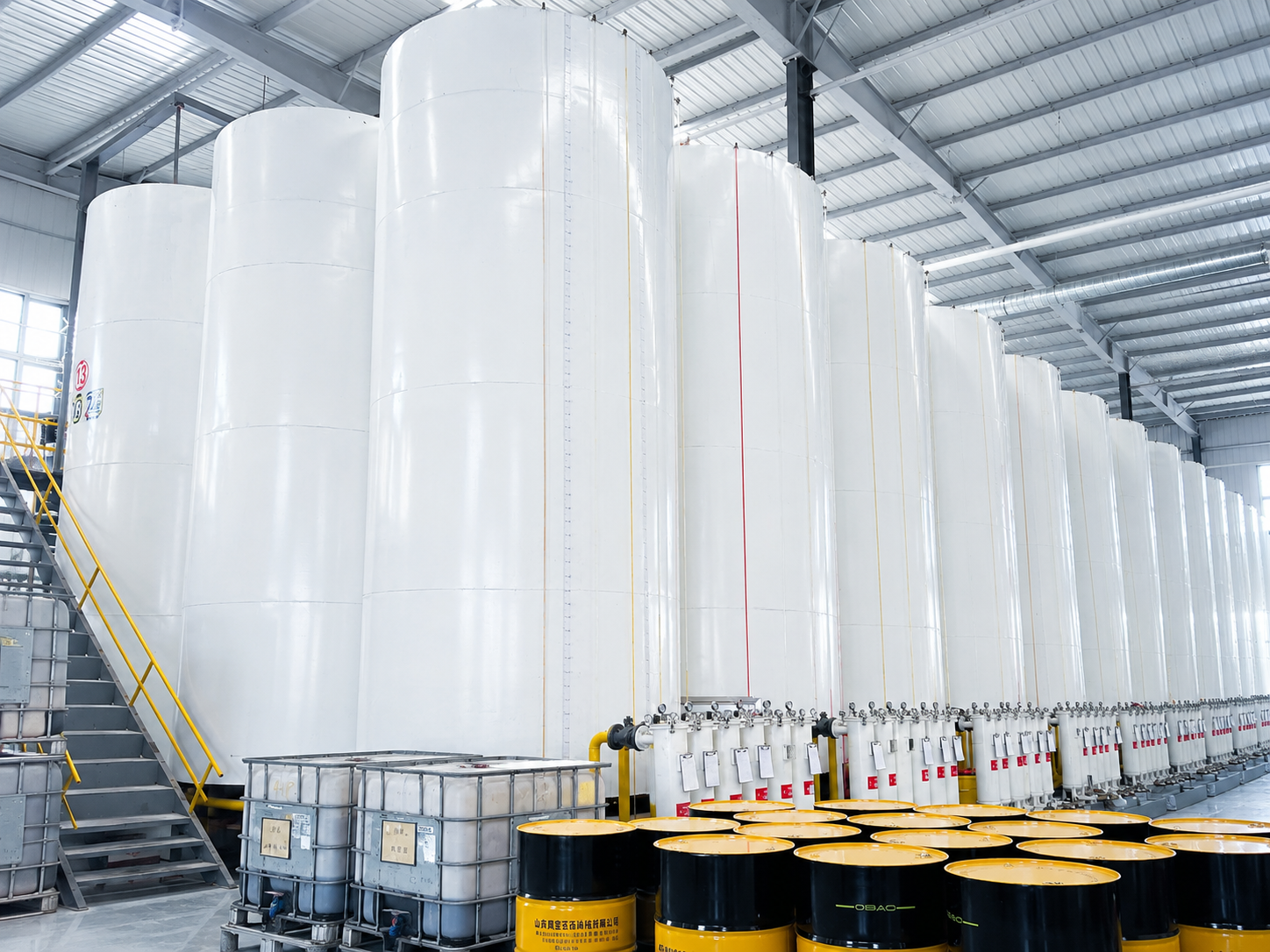
For buyers in the United States seeking an OEM-capable partner rather than only a resale brand, Feller presents a practical option grounded in manufacturing scale and export execution. The company operates integrated refining, advanced nitrogen-protected blending, and automated filling systems, and its quality platform is backed by ISO 9001 and ISO 14001 certifications, documented batch control, and products formulated to internationally recognized API, ILSAC, and ACEA requirements. In gasoline engine oils, its portfolio extends from legacy grades to premium full synthetic API SP products such as low-viscosity formulations suited to modern turbocharged and direct-injection engines, giving U.S. distributors and brand owners room to build complete lineups with credible technical positioning. Its cooperation model is flexible: end users can source standard packaged products, distributors and dealers can arrange wholesale supply and regional representation, and brand owners can use OEM and private-label programs with formulation tailoring, packaging design, and export documentation support through the team presented on the company profile. Local service assurance matters just as much as product quality, and Feller’s established export business across more than 60 countries, rapid 72-hour shipping coordination, warehousing capability, and documented support with TDS, SDS, certificates, approvals, and pre-sale and after-sale technical communication provide the kind of operational commitment U.S. buyers expect from a supplier serving this market for the long term rather than acting as a distant trader. Buyers exploring bulk orders, retail packaging, or branded programs can review the available range through the product catalog or start a commercial discussion via the U.S. inquiry channel.
How to Evaluate an International Supplier for the U.S.
When considering an overseas API SP gasoline engine oil supplier, U.S. buyers should evaluate five issues carefully: technical credibility, labeling compliance, packaging quality, logistics reliability, and claim response. Technical credibility starts with specification alignment and transparent documentation. Packaging quality should be checked for cap seal integrity, label adhesion, carton strength, and pallet stability during ocean and inland transport. Logistics reliability means realistic lead times through ports such as Los Angeles, Houston, Savannah, and Newark, not just low FOB prices. Claim response means the supplier has a structured method for handling fitment questions, shipment issues, and post-sale technical support.
Import sourcing can work particularly well for private-label projects, ethnic retail channels, fast-growing regional distributors, and buyers looking to widen margin without sacrificing current performance standards. The best suppliers treat U.S. buyers as long-term partners and provide the product, paperwork, and support tools needed to compete effectively at local level.
Future Trends Through 2026
By 2026, the U.S. market for API SP gasoline engine oil will continue evolving under three pressures: engine technology, policy expectations, and sustainability. On the technology side, more hybrids and highly efficient gasoline engines will increase demand for low-viscosity synthetics with stable oxidation resistance and excellent start-stop protection. On the policy side, fuel-economy targets, emissions compliance, and waste-oil management expectations will keep pushing the market toward higher-efficiency oils and better product stewardship. On the sustainability side, buyers will pay more attention to packaging recyclability, responsible manufacturing, and longer service life where technically appropriate.
Another likely trend is stronger data-backed maintenance. Fleets and workshop chains will increasingly use digital service histories, oil analysis in selected applications, and SKU rationalization to manage margins. E-commerce will continue educating retail buyers, making product claims easier to compare and technical transparency more important. For suppliers, that means API SP alone will not be enough; the winning offer will combine current specification alignment with good documentation, channel fit, and service responsiveness.
Frequently Asked Questions
Is API SP better than API SN for most U.S. drivers?
Yes. API SP is generally the better choice for modern gasoline vehicles in the United States because it adds stronger protection against LSPI, timing chain wear, oxidation, and deposits. It is especially relevant for turbocharged and direct-injection engines.
Can I use API SP gasoline engine oil in an older car?
In many cases, yes, as long as the viscosity matches the vehicle manufacturer’s recommendation and there are no special legacy requirements. Many older gasoline engines can benefit from the updated protection level of API SP.
What viscosity is most common for API SP oils in the United States?
0W-20, 5W-20, and 5W-30 are the most common grades, with 0W-16 growing in newer fuel-efficient vehicles. Always verify the exact grade in the owner’s manual or service information.
Do fleets need full synthetic API SP oil?
Not in every case, but full synthetic API SP often makes sense for fleets that face long operating hours, temperature swings, stop-and-go service, or tight maintenance planning. It can improve consistency and reduce wear-related risk.
Are imported API SP oils suitable for the U.S. market?
They can be, provided the supplier offers clear technical documentation, consistent manufacturing quality, compliant labeling, and dependable support. Many buyers use import-backed supply successfully for wholesale and private-label programs.
What should a distributor ask a new API SP supplier?
Ask for technical data sheets, safety data sheets, packaging specifications, viscosity range, production certifications, shipment lead times, pallet configuration details, claim handling procedures, and evidence of experience serving the U.S. market.
Final Takeaway
API SP gasoline engine oil is the right performance baseline for most modern gasoline vehicles in the United States. It directly answers the protection needs created by turbocharging, direct injection, longer drain expectations, and diverse U.S. driving conditions. For buyers, the smartest decision is to balance specification accuracy, viscosity fit, supplier credibility, and service support. National brands remain strong choices for immediate recognition, but flexible OEM and private-label suppliers with proven export capabilities can create real commercial advantages in cost, packaging, and market positioning. In a market shaped by technical standards and competitive distribution, the best API SP oil is the one that matches the engine correctly and arrives through a supplier that can support the business consistently.

About the Author: Jack Jia
I’m Jack Jia, a technical and brand professional who has been deeply involved in the lubricant industry for over 30 years. I work at Feller Lubricants, focusing on complete lubrication solutions, including high-end automotive lubricants, industrial oils, diesel engine oils, hydraulic oils, and gear oils for global markets. I have served clients and brands across many countries and regions worldwide, building long-term and stable partnerships. Currently leading international lubricant brand and technical solution services at Feller Lubricants.
Share