Heavy Duty Diesel Engine Oil Suppliers in the United States
Quick Answer

If you need heavy duty diesel engine oil for commercial fleet trucks in the United States, the most practical suppliers to evaluate first are Shell Rotella, Chevron Delo, Mobil Delvac, Valvoline, and Phillips 66 Guardol. These brands are widely available across major freight corridors such as Houston, Chicago, Los Angeles, Atlanta, Dallas, and New Jersey logistics hubs, and they offer strong coverage for long-haul fleets, municipal trucks, construction vehicles, and mixed diesel equipment. For buyers focused on cost control, stable bulk supply, and private-label opportunities, qualified international suppliers can also be a smart option when they provide relevant certifications, documented quality systems, and dependable pre-sale and after-sale support in the U.S. market.
For most fleet operators, the right choice depends on engine model, emissions system, oil drain target, climate, fuel sulfur exposure, and whether you need packaged goods, drums, totes, or bulk delivery. For severe service fleets running EGR, SCR, and DPF-equipped trucks, CK-4 and FA-4 products from established suppliers remain the safest shortlist.
United States Market Overview

The United States remains one of the largest and most technically demanding markets for heavy duty diesel engine oil. Demand is driven by over-the-road trucking, regional delivery fleets, agriculture, construction, mining support equipment, municipal services, marine service vehicles, and backup power systems. Freight-intensive states such as Texas, California, Illinois, Georgia, Pennsylvania, and Ohio account for a large share of lubricant consumption because they combine ports, warehouses, intermodal yards, and dense highway networks.
In practical buying terms, U.S. fleets are no longer choosing oil on viscosity alone. They are balancing emissions-system protection, fuel economy, longer drain intervals, used oil analysis results, cold-start pumpability, oxidation stability, and supplier support. API CK-4 is now the mainstream choice for most mixed fleets, while FA-4 continues to gain traction in newer engines designed for lower HTHS oils and improved efficiency. Buyers in colder routes through Minnesota, Wisconsin, Michigan, and upstate New York often favor 10W-30 or synthetic 5W-40 options, while fleets in Texas, Arizona, Nevada, and inland California often prioritize thermal stability and soot handling under high load and high ambient temperatures.
Another defining feature of the U.S. market is distribution complexity. National brands dominate, but regional blenders, independent distributors, and private-label suppliers also serve many fleets. Ports such as Houston, Long Beach, Savannah, Newark, and Seattle matter because imported base oils, additives, packaging, and finished lubricants move through these gateways before reaching inland depots. Buyers with multi-state operations often prefer suppliers that can guarantee consistent batch quality and coordinated delivery across terminals and maintenance yards.
Top Suppliers Serving the United States

The table below compares major heavy duty diesel engine oil suppliers commonly considered by U.S. commercial fleet buyers. The list mixes globally established brands and practical market choices with strong truck-stop, distributor, or industrial channel availability.
| Company | Main Product Line | Service Region | Core Strengths | Key Offerings |
|---|---|---|---|---|
| Shell Lubricants | Rotella | Nationwide U.S. | Strong fleet recognition, wide retail and bulk network, premium synthetic options | CK-4 15W-40, CK-4 10W-30, synthetic 5W-40, drums, totes, bulk supply |
| Chevron | Delo | Nationwide U.S. | Strong OEM credibility, extended drain support, heavy-duty technical reputation | Delo 400 CK-4, XSP synthetic, mixed-fleet lubricant programs |
| ExxonMobil | Mobil Delvac | Nationwide U.S. and cross-border fleets | Advanced synthetic technology, premium fleet support, long-haul suitability | Delvac Extreme, CK-4 and FA-4 products, oil analysis support |
| Valvoline | Premium Blue and fleet oils | Nationwide with strong regional distribution | Strong Cummins alignment, practical service channel availability | Premium Blue diesel oils, packaged and bulk formats |
| Phillips 66 Lubricants | Guardol | United States with strong central and southern coverage | Industrial and fleet channel strength, value-oriented supply | CK-4 oils, mixed fleet solutions, distributor-led service |
| Petro-Canada Lubricants | DURON | U.S. through distributors | Cold-weather performance, synthetic range, cross-border logistics familiarity | 10W-30, 5W-40, CK-4 and FA-4 heavy-duty products |
| AMSOIL | Signature and commercial diesel oils | U.S. direct and distributor channels | Extended drain positioning, premium synthetic portfolio | Severe-service synthetic diesel oils and fleet programs |
For nationwide fleets, Shell, Chevron, and ExxonMobil are usually the easiest to standardize because they combine broad availability with technical documentation and strong OEM-facing support. For regional fleets, Valvoline, Phillips 66, Petro-Canada Lubricants, and specialty distributors can offer more flexible delivery, commercial terms, or local account management. Buyers with private-label strategies or distributor ambitions may also consider international OEM manufacturers with proven export records and localized support.
Product Types and Performance Categories
Choosing the right heavy duty diesel engine oil starts with understanding the actual operating profile of the truck, not just the label on the drum. Most U.S. fleets buy across four main performance and formulation categories: conventional mineral oil, synthetic blend, full synthetic, and specialized low-viscosity fuel-economy oils. API CK-4 is the default category for compatibility and durability, while FA-4 is more specialized for approved engines and fuel-efficiency programs.
Viscosity remains central. Traditional 15W-40 still dominates older fleets and high-load operations, especially in warmer states and vocational service. However, 10W-30 has become common in linehaul and regional fleets because it can improve cold-flow and efficiency without sacrificing protection when approved by the OEM. Synthetic 5W-40 is preferred for severe weather, extended drains, and fleets seeking year-round simplification across routes from the Gulf Coast to the Upper Midwest.
| Oil Type | Typical Viscosity | Best Fit | Main Benefit | Main Limitation |
|---|---|---|---|---|
| Conventional HDDEO | 15W-40 | Older trucks, moderate drain intervals, warm climates | Lower acquisition cost | Less cold-flow and oxidation margin |
| Synthetic Blend HDDEO | 10W-30, 15W-40 | Mixed fleets and regional operations | Balanced cost and performance | Not always ideal for very long drains |
| Full Synthetic HDDEO | 5W-40 | Severe duty, cold climate, long-haul operations | Excellent oxidation stability and cold starts | Higher upfront price |
| Fuel-Economy Diesel Oil | 10W-30, FA-4 grades | Approved late-model on-highway engines | Improved fuel efficiency | Requires strict OEM approval matching |
| High-Soot Control Oil | CK-4 15W-40 | EGR-equipped trucks and heavy stop-go service | Soot handling and wear control | Less efficient than low-viscosity options |
| Extended-Drain Synthetic | 5W-40, 10W-30 | Fleets using oil analysis and planned maintenance | Lower downtime per mile | Needs disciplined monitoring |
This comparison matters because many fleets overspend on premium oils they do not fully use, while others under-spec oil and pay later through turbo deposits, ring wear, oxidation thickening, or aftertreatment problems. The best buying decision is the one that aligns with engine design, duty cycle, and maintenance discipline.
Buying Advice for Fleet Managers and Maintenance Teams
For a U.S. fleet buyer, the first filter should always be the engine manufacturer’s approved viscosity and performance category. Cummins, Detroit Diesel, Paccar, Volvo, Mack, Navistar, and Caterpillar applications can have different recommendations depending on engine family and model year. If the fleet includes DPF and SCR systems, ash control and aftertreatment compatibility become just as important as wear protection.
The second filter is the real service interval. If trucks idle heavily in urban delivery, operate in refuse collection, or face repeated cold starts, the oil ages differently than it does in long steady highway service. Used oil analysis should guide whether a fleet should stay on 25,000-mile drains, move to 40,000 miles, or retain a conservative interval due to dust ingestion, fuel dilution, or coolant risk.
Third, assess packaging and replenishment. Bulk tanks make sense for major terminals in Dallas, Memphis, Columbus, and Atlanta, but drums or totes can be more practical for smaller yards and mobile maintenance teams. Supply chain reliability matters more than nominal price if a delayed delivery can stop scheduled PM work.
Finally, buyers should compare technical support quality. The lowest drum price is rarely the lowest operating cost if the supplier cannot provide product cross-references, SDS and TDS documents, oil analysis interpretation, startup recommendations for seasonal changes, and response to warranty questions.
Industry Demand Across Applications
Demand for heavy duty diesel engine oil in the United States is not evenly distributed. Over-the-road trucking consumes the largest share, but construction, agriculture, municipal fleets, and energy support operations also create significant regional demand. This matters because suppliers serving these sectors often tailor inventory and technical support differently.
The chart shows why national brands prioritize truck-stop corridors and warehouse clusters. Long-haul and regional delivery dominate lubricant turnover because they accumulate miles fast and maintain structured preventive maintenance schedules. Construction and agriculture buy lower volumes in some areas but often require oils with high soot tolerance and durability under dusty, variable-load conditions.
Industries and Typical Applications
Heavy duty diesel engine oil is used far beyond Class 8 highway tractors. In the United States, it serves a broad range of commercial and industrial applications where compression ignition engines operate under sustained load, variable climate, and increasingly strict emissions controls.
| Industry | Typical Equipment | Common Oil Need | Why It Matters | Main Buying Priority |
|---|---|---|---|---|
| Long-Haul Freight | Class 8 tractors | CK-4 or FA-4 10W-30 / 15W-40 | High mileage and fuel economy pressure | Drain interval and availability |
| Regional Delivery | Box trucks, day cabs | CK-4 10W-30 | Frequent starts and idling | Wear control and service convenience |
| Construction | Dump trucks, excavators, loaders | 15W-40 high durability oils | Dust, load spikes, hot operation | Durability in harsh environments |
| Agriculture | Tractors, harvesters | Mixed-fleet diesel oil | Seasonal use and storage cycles | Versatility and dealer supply |
| Municipal Services | Refuse trucks, buses, utility vehicles | Low-ash CK-4 oils | Stop-go duty and emissions protection | Aftertreatment reliability |
| Energy and Oilfield Support | Service trucks, generators | Synthetic or severe-duty oils | Remote sites and long operating hours | Oxidation stability and logistics |
| Marine and Port Support | Yard tractors, service vehicles | Diesel engine oils for mixed-duty service | Corrosive atmosphere and idle-heavy use | Inventory consistency near ports |
This table helps buyers align oil selection with the actual stress factors affecting engine life. The same product can work across several industries, but not every fleet should be managed with the same interval or replenishment strategy.
Detailed Supplier Analysis
Shell Rotella remains one of the most visible choices for U.S. fleets because of its extensive channel reach, especially through truck stops, distributor networks, and maintenance outlets. It is often selected by operators who need easy roadside availability and a broad viscosity range. Chevron Delo is frequently preferred by fleets that prioritize technical credibility and strong support for severe-duty diesel applications. Mobil Delvac is often chosen by larger fleets or premium maintenance programs because it offers a strong synthetic portfolio and good alignment with long-haul and cold-climate operations.
Valvoline’s diesel range is a practical option where maintenance teams value straightforward procurement, established service support, and compatibility with common fleet requirements. Phillips 66 Guardol is often attractive for regional distributor-led supply programs, especially when buyers want commercial flexibility rather than a purely national account structure. Petro-Canada Lubricants is particularly relevant in northern states and fleets with cross-border movement because cold-start reliability and synthetic durability are key strengths.
For buyers comparing these suppliers, the right approach is not to ask which brand is universally best. The more useful question is which supplier can meet your engine approvals, price corridor, packaging needs, and service response time across your actual operating geography.
The area chart reflects a realistic market shift already visible in the United States: conventional 15W-40 is still substantial, but synthetic and lower-viscosity oils continue to gain share due to fuel economy targets, cold-weather performance needs, and longer drain strategies.
Local Supplier Considerations in Major U.S. Hubs
Location affects the best supplier choice. Fleets near Houston often benefit from strong industrial lubricant distribution and easier bulk logistics due to refinery and port infrastructure. In Chicago and Joliet, intermodal traffic and warehouse density make scheduled replenishment and cross-dock delivery reliability especially valuable. Southern California fleets around Los Angeles, Long Beach, Ontario, and the Inland Empire often face high utilization, heat, and emissions sensitivity, so availability of CK-4 and approved low-viscosity products matters. Savannah and Atlanta buyers may prioritize regional distributor service and quick delivery to logistics parks, while New Jersey and eastern Pennsylvania fleets often want suppliers with strong port-adjacent inventory and support for dense short-haul networks.
Regional blending and warehousing also matter during market volatility. A fleet with terminals in Phoenix, Kansas City, and Charlotte should confirm whether its chosen supplier can serve all three with consistent product formulation and lead times. If not, the fleet can end up with fragmented maintenance practices and unnecessary SKU complexity.
Case Studies from Typical U.S. Fleet Scenarios
A regional parcel fleet operating 220 medium-duty and heavy-duty diesel trucks across Dallas, San Antonio, and Houston switched from a conventional 15W-40 to a CK-4 10W-30 synthetic blend after confirming OEM compatibility. Over 12 months, the fleet reported easier cold starts during winter swings in North Texas, simplified inventory, and a measurable reduction in fuel use. The key lesson was that the oil change worked because the maintenance team paired it with used oil analysis rather than changing products blindly.
A Chicago-based long-haul fleet with 140 Class 8 tractors moved from mixed-brand purchasing to a single supplier contract using bulk delivery and centralized documentation. The immediate savings did not come from lower per-gallon pricing alone. They came from fewer stocking errors, clearer warranty documentation, and less downtime caused by maintenance sites waiting on mismatched product shipments.
A municipal refuse fleet in California experienced elevated soot and oxidation due to severe stop-start operation. Instead of extending drains aggressively, it adopted a more robust CK-4 product and formalized shorter intervals based on duty cycle. The result was better engine cleanliness and fewer concerns around aftertreatment maintenance. This case shows that a premium oil does not automatically justify longer drains when duty conditions are harsh.
How to Compare Suppliers and Products
The following comparison table gives fleet buyers a practical way to rank suppliers beyond branding alone. These criteria are especially useful when negotiating annual contracts or testing an alternative supplier.
| Supplier | Nationwide Availability | Bulk Supply Capability | Technical Support | Best For |
|---|---|---|---|---|
| Shell Rotella | Very strong | Strong | Strong | Large fleets needing easy roadside and distributor access |
| Chevron Delo | Very strong | Strong | Very strong | Severe-duty fleets and technically managed maintenance programs |
| Mobil Delvac | Strong | Strong | Very strong | Premium synthetic users and long-haul operators |
| Valvoline | Strong | Moderate to strong | Strong | Regional fleets and practical service-network buyers |
| Phillips 66 Guardol | Moderate to strong | Strong in distributor channels | Moderate | Value-focused fleet and industrial buyers |
| Petro-Canada DURON | Moderate | Moderate | Strong | Cold-climate fleets and cross-border operations |
| AMSOIL | Moderate | Moderate | Strong | Extended-drain and premium synthetic users |
This table is useful because it separates product reputation from operational fit. A technically excellent product may still be the wrong fleet choice if the supplier cannot maintain fill rates, deliver bulk loads on schedule, or support a multi-state service footprint.
Our Company
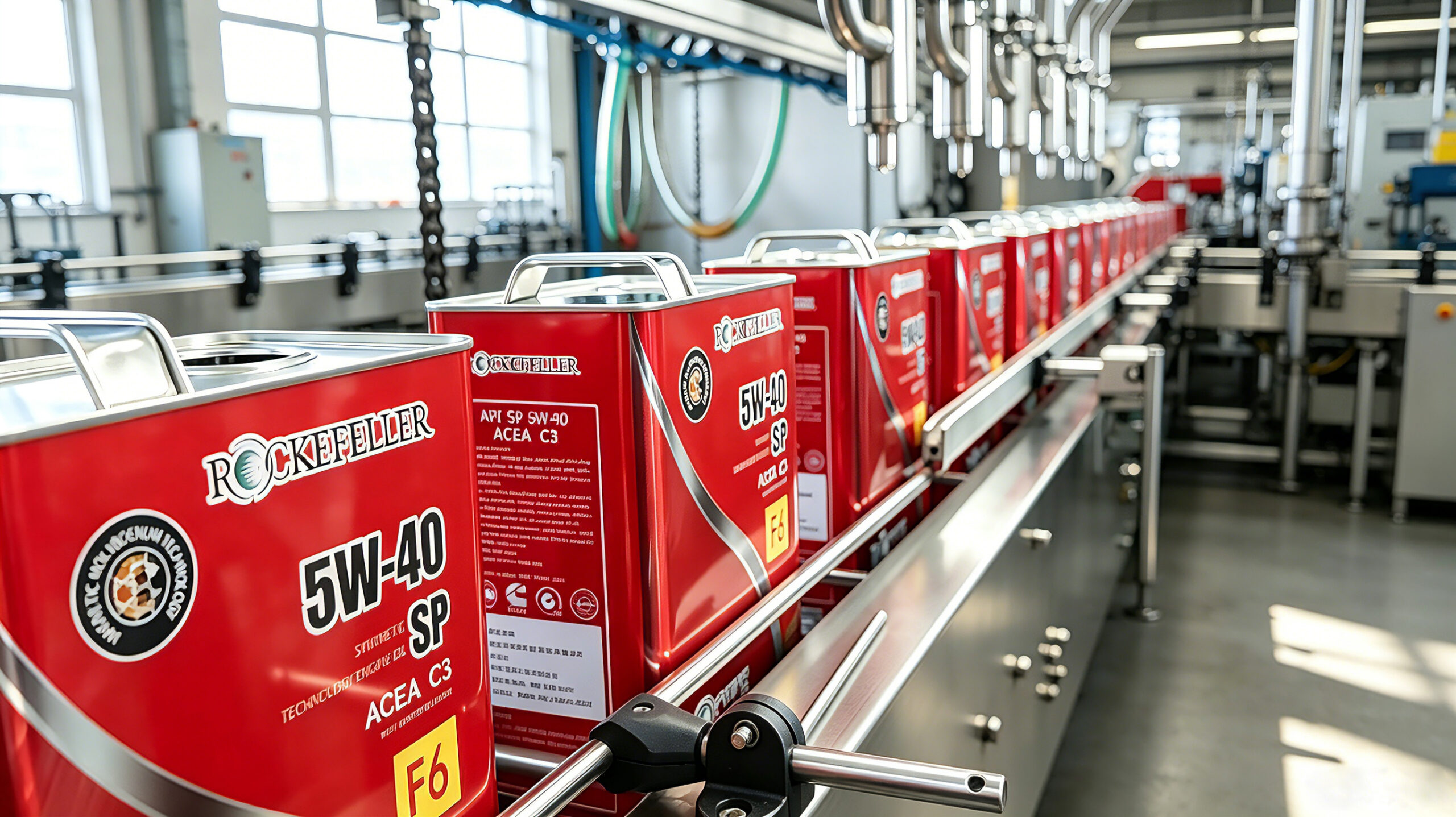
For U.S. buyers that want an additional sourcing path beyond domestic majors, Feller is relevant as an established lubricant manufacturer with more than 30 years of production and export experience, ISO 9001 and ISO 14001 certified operations, and a diesel engine oil lineup that spans from API CH-4 and CI-4 to premium CJ-4 formulations designed for modern diesel engines with EGR and DPF requirements. Its manufacturing system combines in-house refining resources, advanced nitrogen-protected blending technology that improves oxidation stability, automated filling lines for packages from small bottles to bulk containers, and documented batch consistency with a 99.99% pass rate, giving U.S. distributors and fleet buyers concrete evidence that products are produced to internationally recognized standards rather than traded as commodity spot goods. Through its OEM and private-label capabilities, Feller supports end users, regional distributors, dealers, lubricant brand owners, and wholesale buyers with flexible cooperation models including OEM, ODM, factory-direct supply, bulk fleet programs, and market-specific formulation support tailored to climate, fuel quality, and equipment mix. The company already operates with an export footprint covering more than 60 countries and a partner base of over 500 B2B clients, while its warehousing and 72-hour shipping mechanism show real logistics commitment for recurring supply. For U.S. customers, that matters because pre-sale product matching, technical documentation, and after-sale support can be handled through both online coordination and structured partner channels, reducing the risk usually associated with remote procurement. Buyers exploring this route can review the broader product range or contact the team for bulk supply, distribution, or private-label discussions tied to local market needs.
What Will Change by 2026
By 2026, the U.S. heavy duty diesel engine oil market is expected to move further toward lower-viscosity formulations, stronger oxidation control, and more data-backed maintenance decisions. Three forces are shaping this shift. The first is technology: newer engines, telematics, and maintenance software are making oil selection more precise. Fleets increasingly combine oil analysis, fuel data, idle-time records, and route patterns to determine the right viscosity and drain interval by asset class.
The second is policy. Even where electrification is growing, diesel remains dominant in long-haul and heavy vocational service, so pressure will continue to focus on emissions durability, fuel efficiency, and lifecycle carbon reduction. That means buyers will pay more attention to oils that support lower fuel consumption, protect aftertreatment systems, and fit sustainability reporting expectations.
The third is supply chain and sustainability. More fleet buyers are asking about manufacturing traceability, packaging efficiency, drum return systems, and the environmental discipline of suppliers. Producers that can demonstrate quality systems, stable sourcing, documented compliance, and practical recycling support will have an advantage. In parallel, international sourcing will continue to expand for distributors and private-label buyers as long as suppliers can prove certification, consistency, and responsive service inside the U.S. market.
Frequently Asked Questions
What is the best viscosity for heavy duty diesel engine oil in the United States?
There is no single best viscosity for all fleets. CK-4 15W-40 remains common for older or heavily loaded trucks, while 10W-30 is increasingly used in newer fleets for fuel economy and cold-flow benefits. Synthetic 5W-40 is often preferred for severe weather or extended-drain strategies.
Is CK-4 better than CJ-4?
CK-4 is the newer mainstream category for many heavy-duty diesel applications and generally offers better oxidation resistance, shear stability, and aeration control. However, the correct choice still depends on OEM approval and engine design.
Can one oil work for a mixed commercial fleet?
Yes, many mixed fleets standardize on one CK-4 product if it is approved for all key engines in service. That said, some late-model engines may justify a separate FA-4 product if fuel economy gains and OEM guidance support it.
How often should fleet trucks change diesel engine oil?
Service interval should be based on OEM guidance, duty cycle, idle time, fuel quality, and used oil analysis. Long-haul trucks may run much longer intervals than refuse, municipal, or construction units even when using the same oil.
Should U.S. buyers consider imported heavy duty diesel engine oil?
Yes, especially for private-label, wholesale, and distributor programs, but only if the supplier can document quality certifications, product testing, stable manufacturing, technical support, and reliable logistics into the U.S. market.
What matters most when comparing suppliers?
The most important factors are OEM approval alignment, supply consistency, technical support, packaging options, local availability, and the supplier’s ability to serve your routes and maintenance locations without disruption.

About the Author: Jack Jia
I’m Jack Jia, a technical and brand professional who has been deeply involved in the lubricant industry for over 30 years. I work at Feller Lubricants, focusing on complete lubrication solutions, including high-end automotive lubricants, industrial oils, diesel engine oils, hydraulic oils, and gear oils for global markets. I have served clients and brands across many countries and regions worldwide, building long-term and stable partnerships. Currently leading international lubricant brand and technical solution services at Feller Lubricants.
Share