
Central African Customers Explore Feller Lubricant Factory Operations
Lubricant factory visits provide international customers with an opportunity to understand how a supplier operates beyond product catalogs and online communication. Recently, customers from Central Africa visited the Feller lubricant factory in Shandong, China, to observe the company’s manufacturing environment and learn more about its production and packaging operations.
The visit focused on the practical side of lubricant manufacturing, including factory organization, production equipment, filling operations, packaging procedures, and finished-product handling. It also created an opportunity for direct communication between the visiting customers and the Feller team.
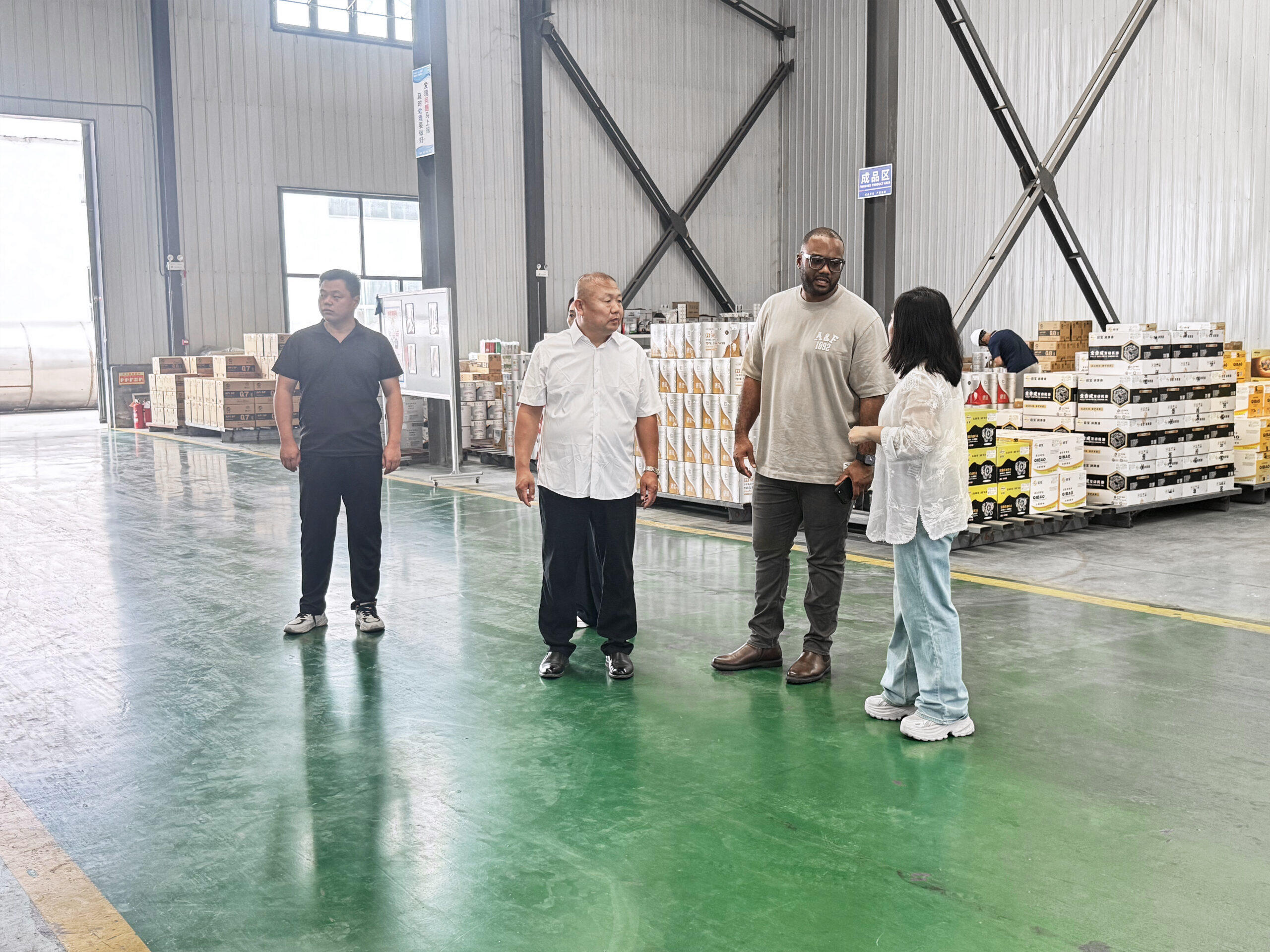
Observing the Factory From the Inside
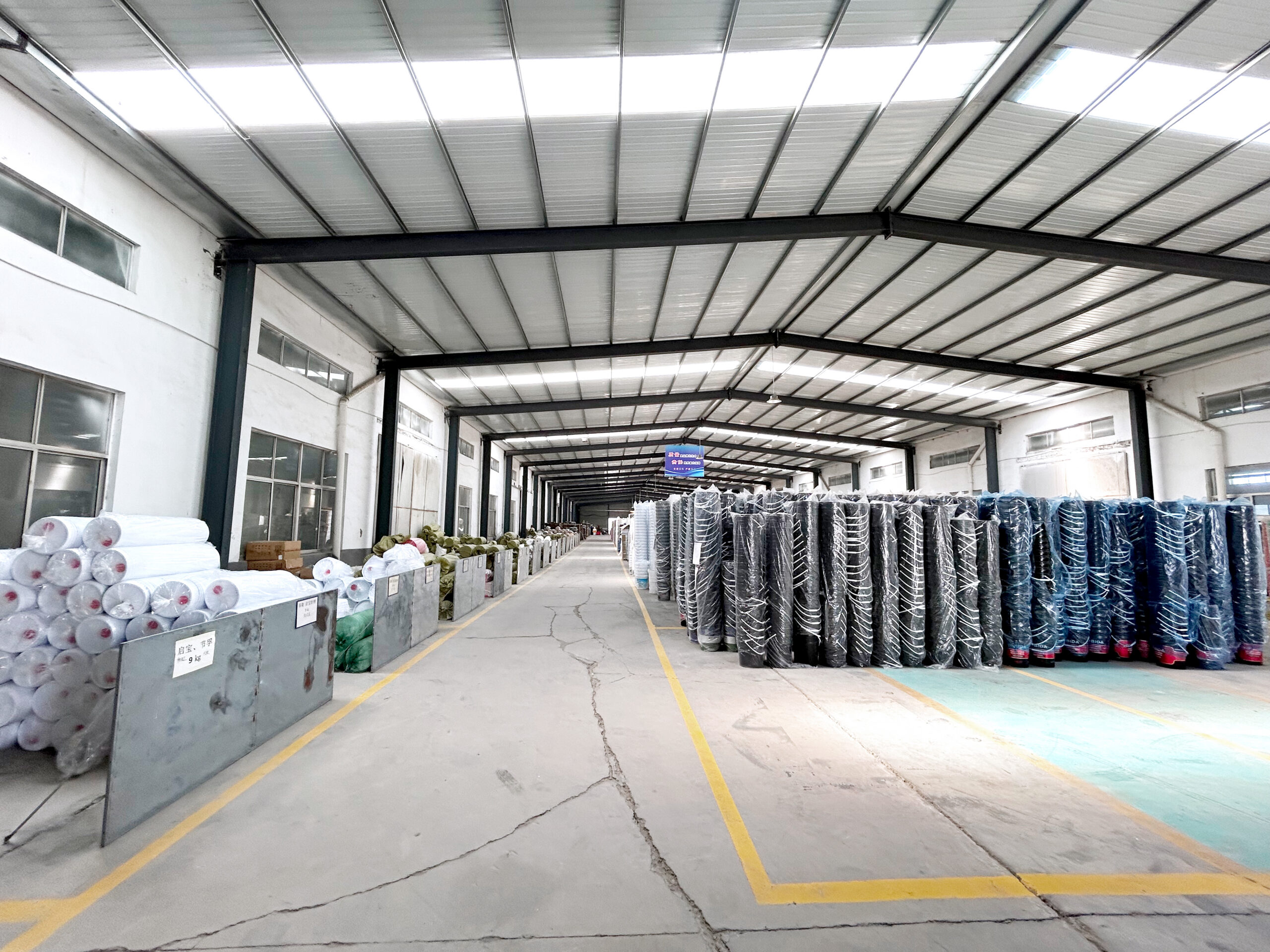
A factory inspection allows customers to see the physical environment where products are manufactured. During their visit, the Central African customers explored different areas of the Feller lubricant factory and gained a closer understanding of how the facility is organized.
The production environment includes blending equipment, filling lines, packaging equipment, storage areas, and finished-product sections. Each area has a different role in the overall manufacturing process, and the connection between these areas is important for maintaining an organized production workflow.
For customers evaluating a lubricant supplier, observing the factory layout can provide useful information about the manufacturer’s working environment and operational arrangements.
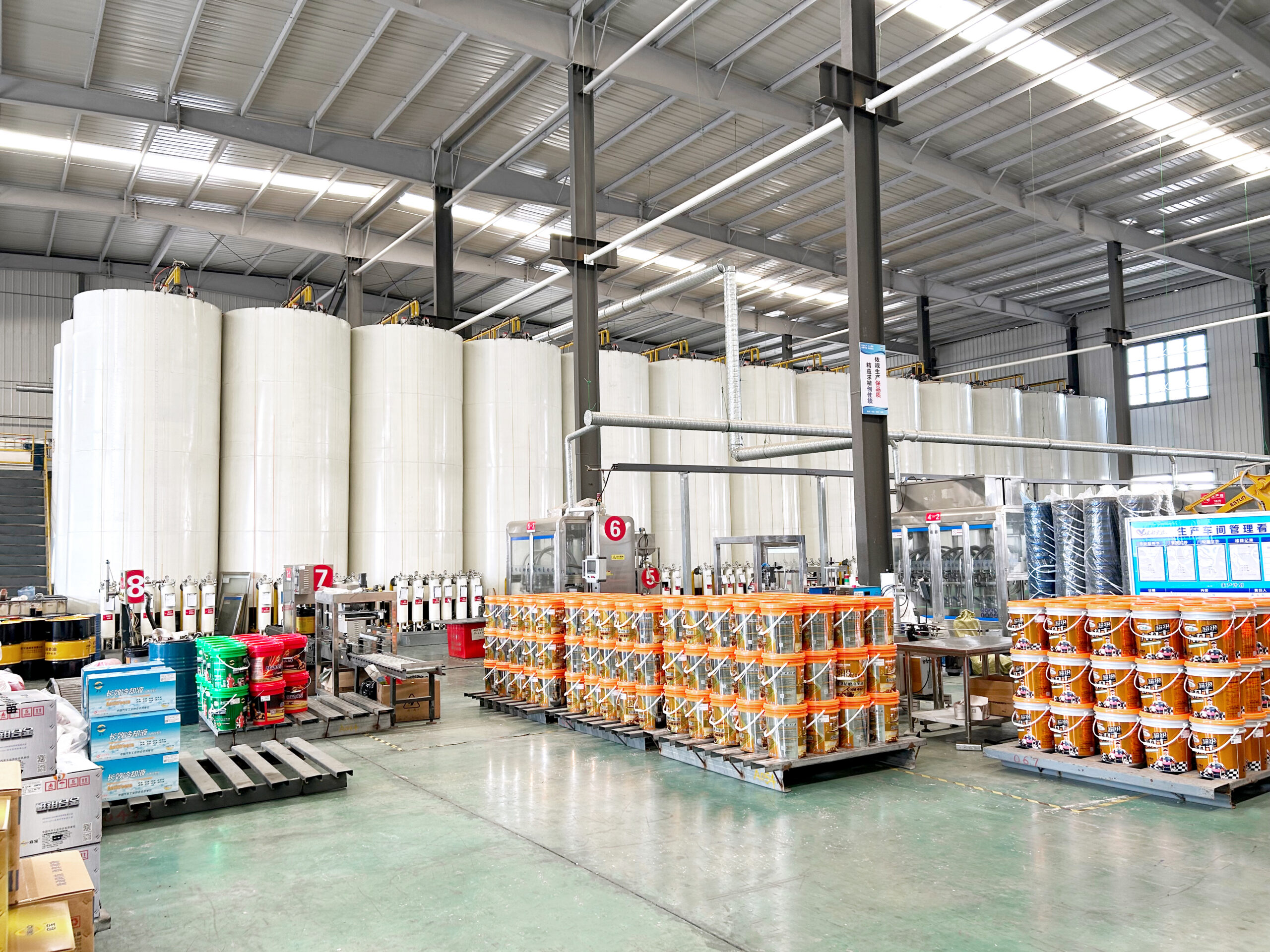
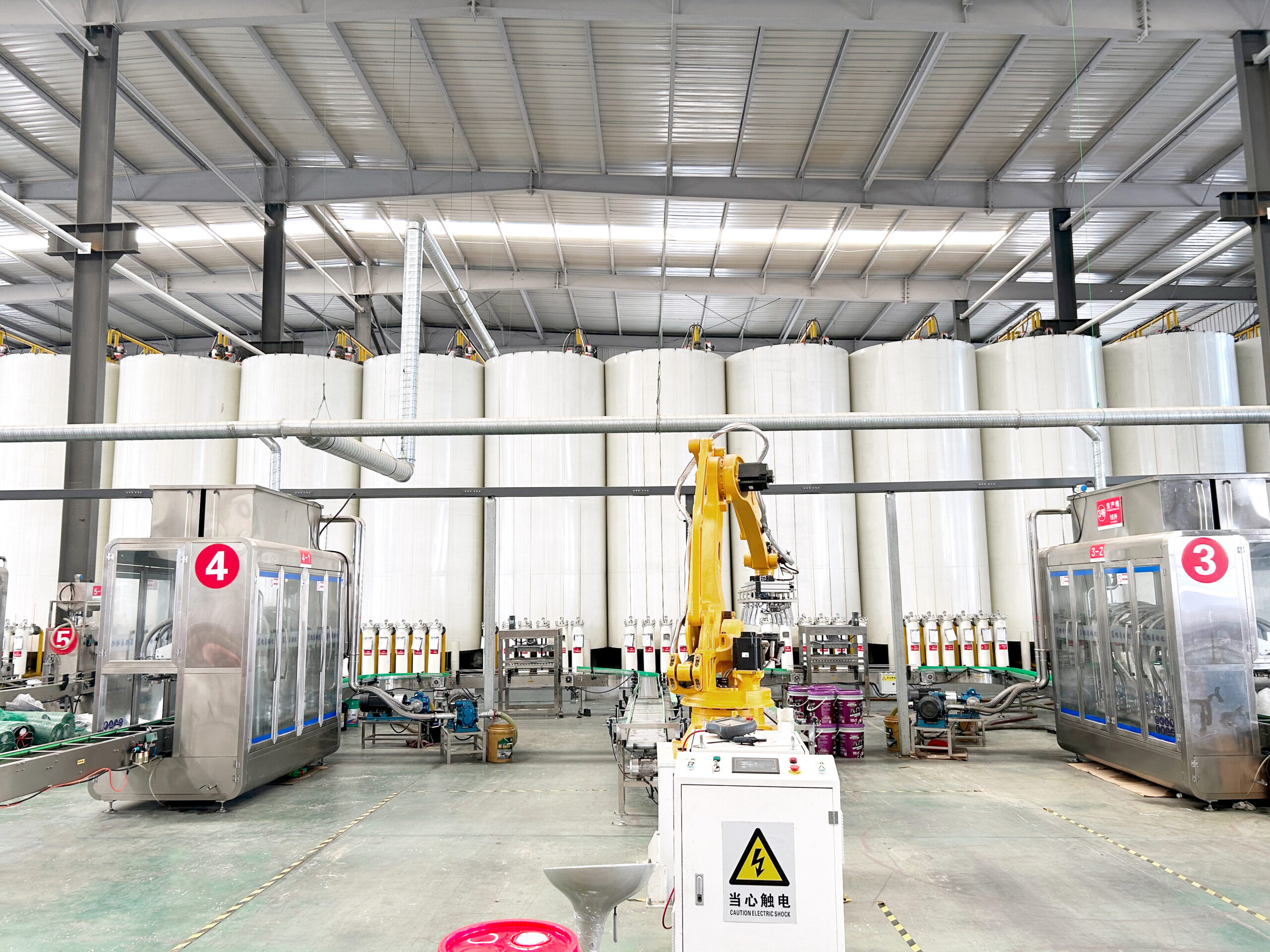
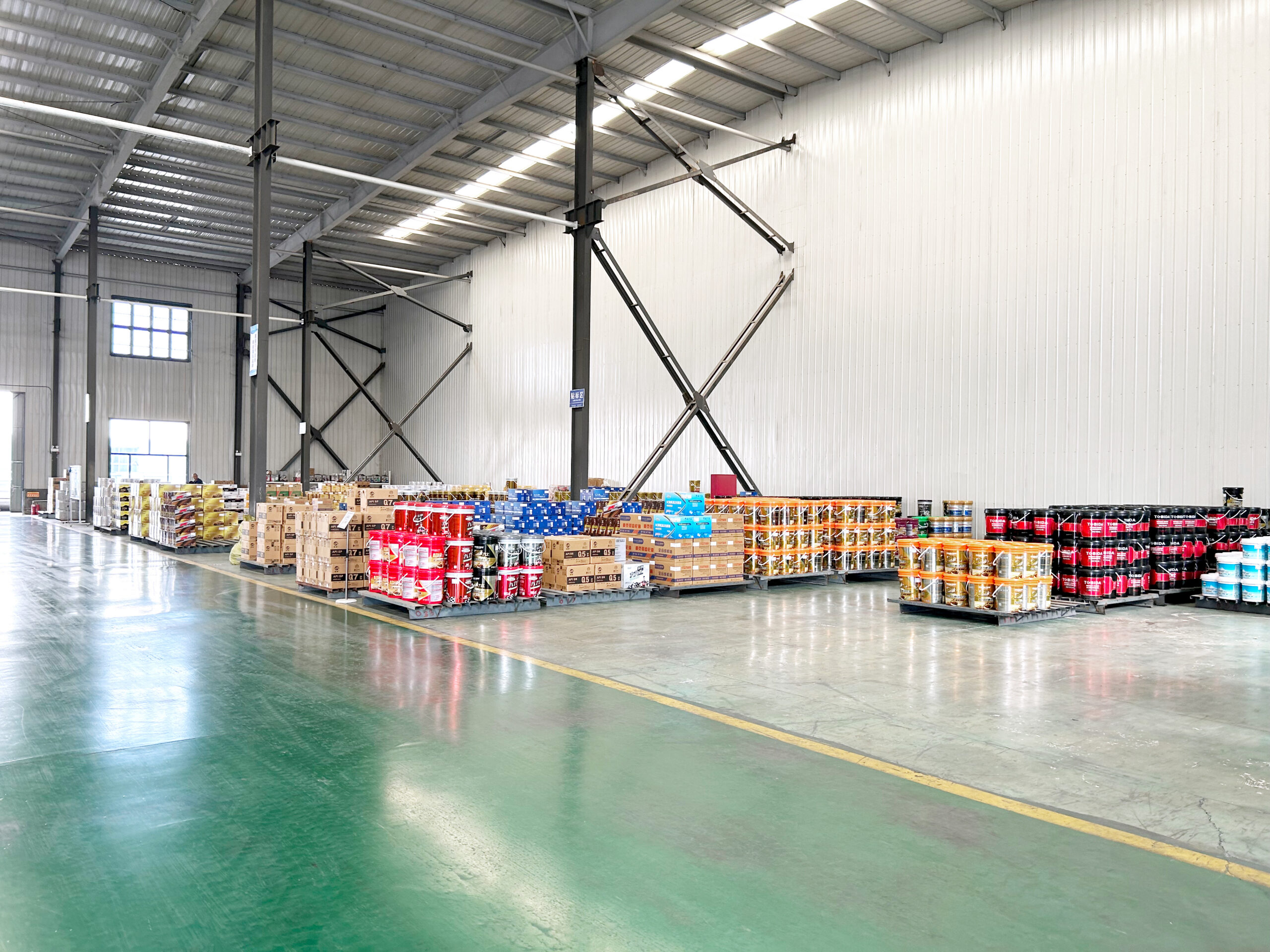
From Lubricant Production to Finished Products
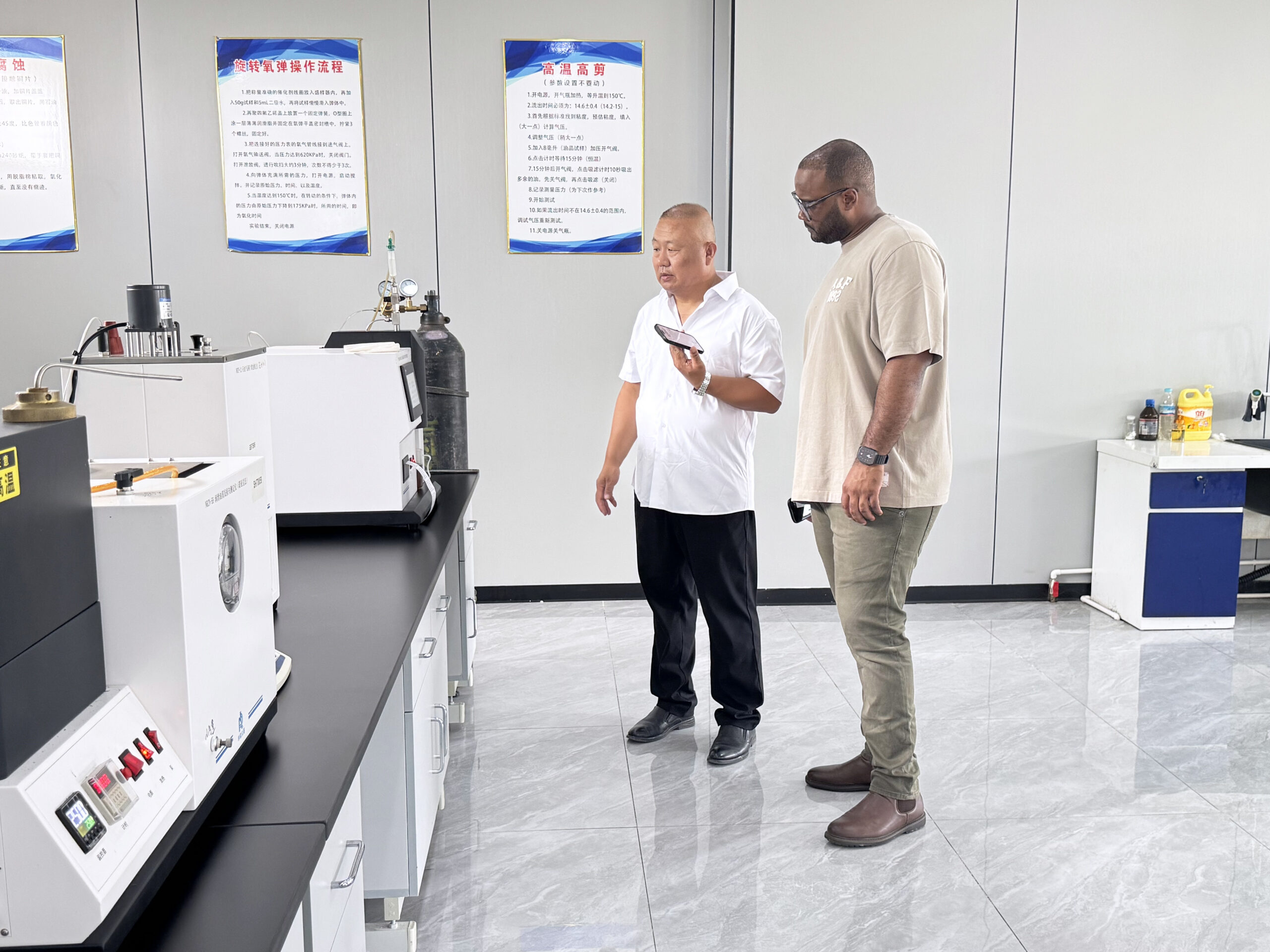
Lubricant manufacturing includes several connected stages. Depending on the product, the process may involve formulation, raw material preparation, controlled blending, inspection, laboratory testing, filling, sealing, labeling, and packaging.
The visiting customers had the opportunity to observe equipment and production areas associated with these activities. Seeing the process in person helps explain how bulk lubricant products are transferred into finished containers and prepared for storage or shipment.
The production process also shows why coordination between manufacturing, quality control, packaging, and warehouse management is important. A finished lubricant product is the result of multiple steps rather than a single operation.
A Closer Look at Filling and Packaging
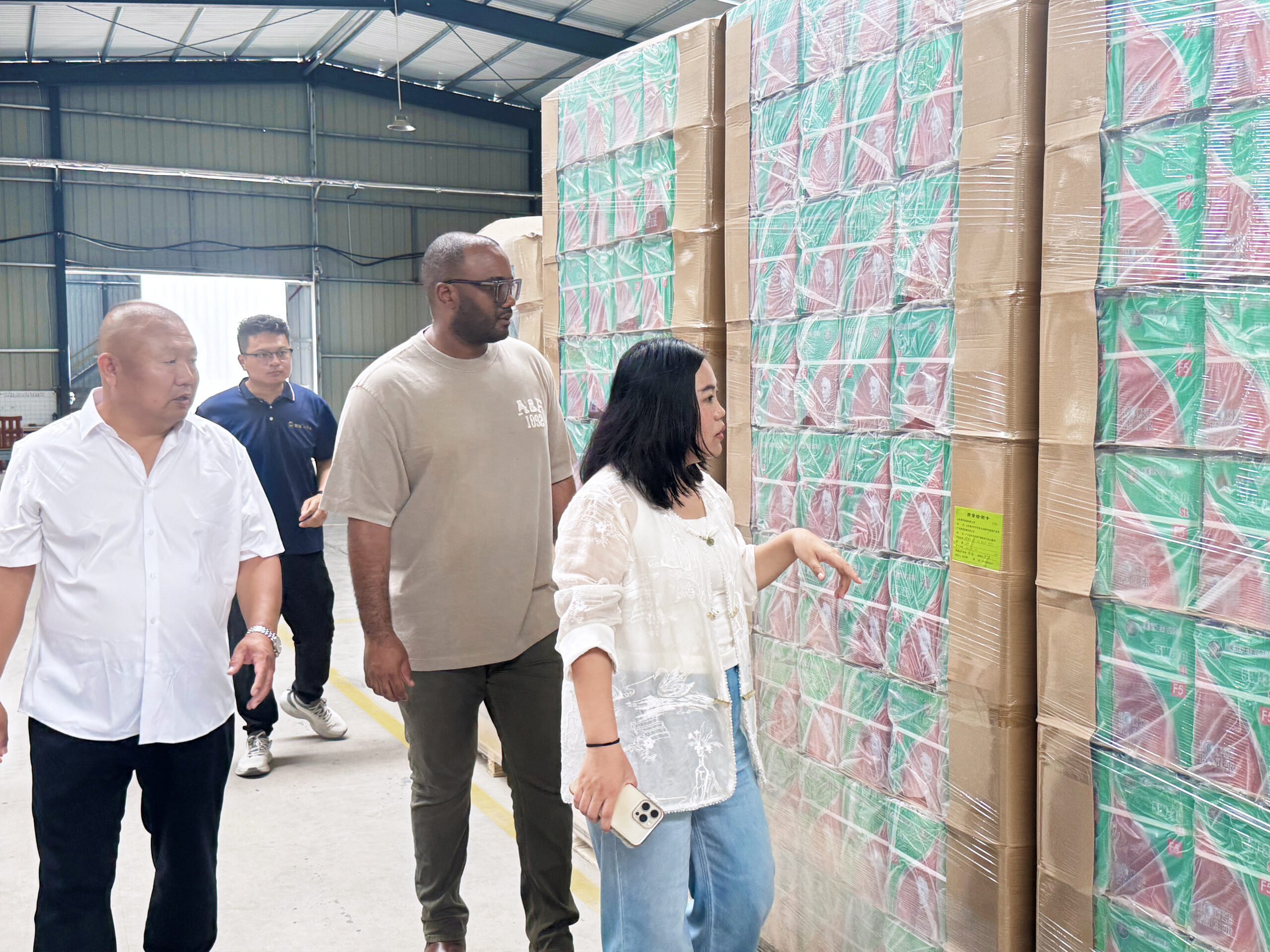
Filling and packaging are important parts of lubricant production, particularly for international B2B customers with different market requirements. Product containers, labels, carton arrangements, and palletizing methods can all affect storage, transportation, and market presentation.
During the factory visit, the customers observed the filling and packaging areas at Feller. These operations help prepare lubricants in different package formats for distributors, importers, workshops, automotive lubricant brands, and other commercial customers.
Packaging is also an important consideration for customers who need products for different markets. Clear communication about container sizes, labeling, packaging design, and delivery requirements can help ensure that the finished products are prepared according to the agreed specifications.
Understanding the Product Range
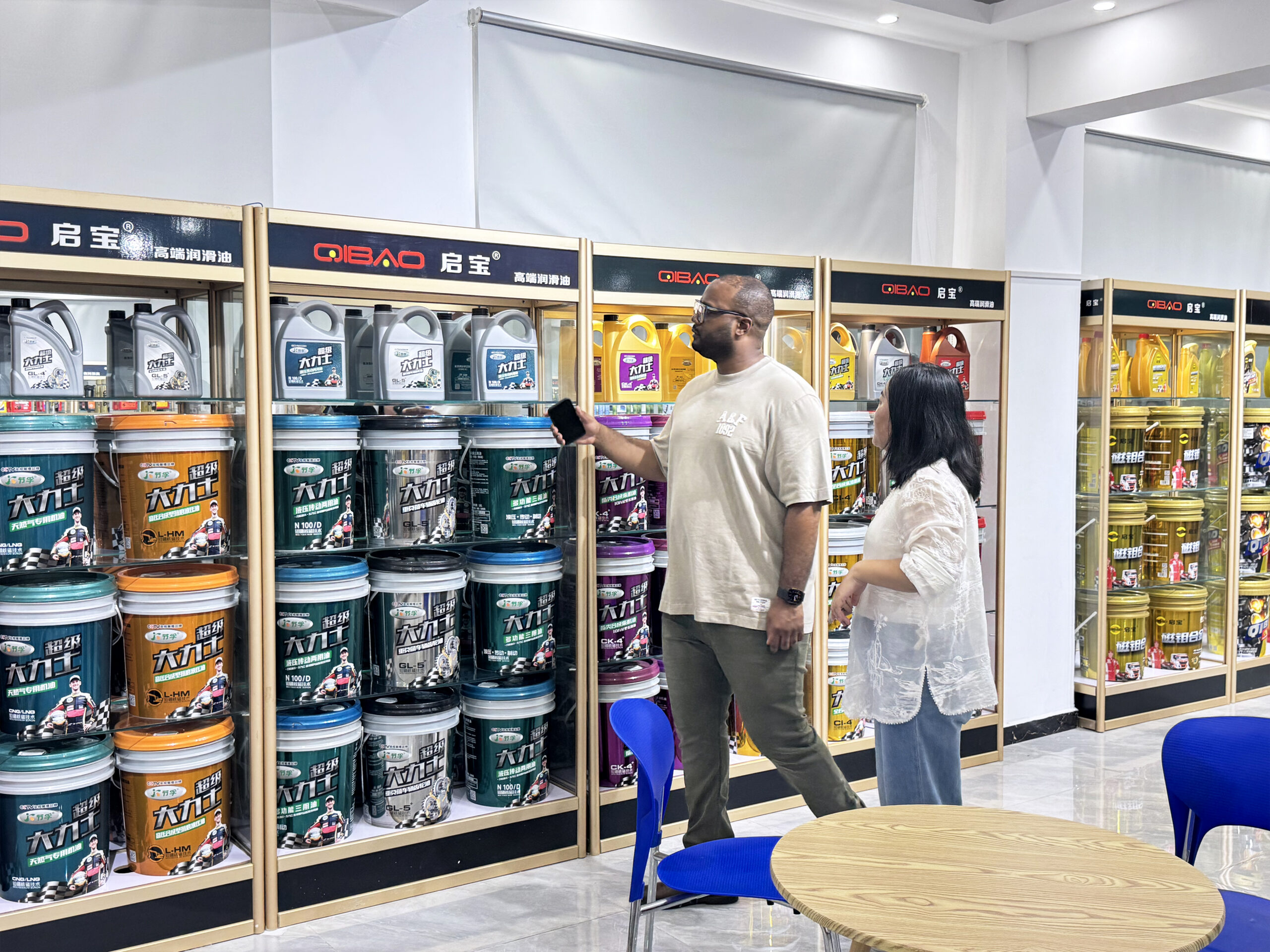
Feller Lubricants produces automotive and industrial lubricants for different applications. Its product categories include engine oils, gear oils, hydraulic oils, greases, coolants, and other lubrication products.
Automotive lubricants are commonly used in passenger vehicles, commercial vehicles, workshops, and fleet operations. Industrial lubricants are used in machinery and equipment across different industrial applications.
During the visit, the Central African customers learned more about the company’s product categories and the types of lubrication products available. This helped connect the physical manufacturing environment with the products supplied to international markets.
The Importance of Manufacturing Organization
For a lubricant supplier, production organization is closely related to efficiency, consistency, and delivery preparation. Raw materials, blending operations, filling, packaging, and finished products need to be managed in a coordinated way.
A well-organized lubricant factory should not only have suitable equipment but also maintain clear procedures for production and product handling. These arrangements help reduce unnecessary delays and support a more consistent manufacturing workflow.
By visiting the factory, customers can gain a more practical understanding of how manufacturing activities are arranged and how different departments contribute to the final product.
Direct Communication With International Customers
In addition to observing the facility, factory visits create opportunities for direct discussions. International customers may use these visits to ask questions about product specifications, packaging options, documentation, production arrangements, and supply procedures.
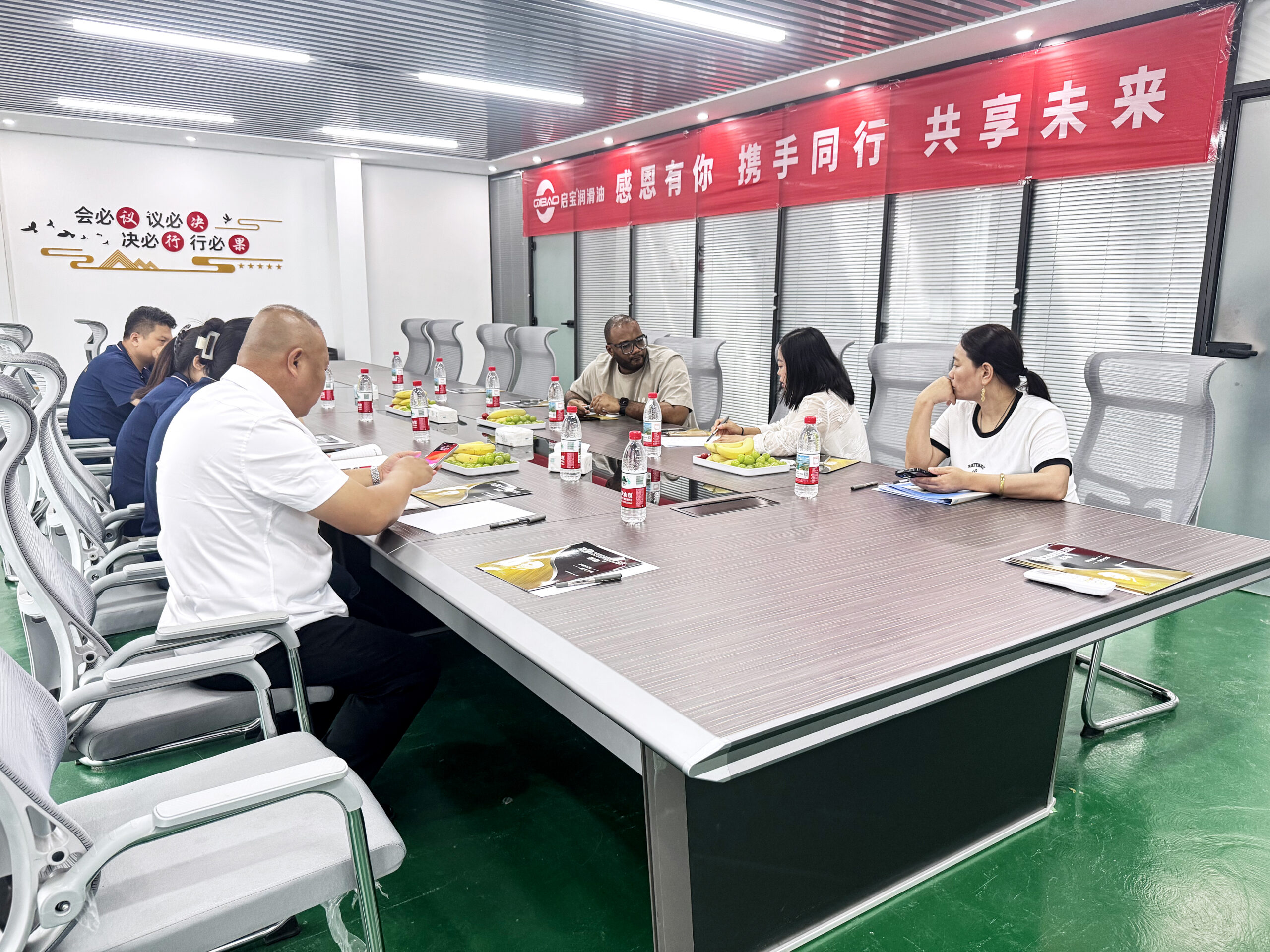
For customers from Central Africa, the visit provided a chance to communicate with the Feller team in person and discuss their general interests in lubricant products and supply cooperation.
Direct communication can help clarify technical and commercial requirements more efficiently than online messages alone. It also allows both sides to better understand the expectations involved in international lubricant business.
Supporting Different Market Requirements
Feller Lubricants works with distributors, importers, lubricant brands, workshops, fleet operators, and other B2B customers. Different customers may have different requirements regarding product grades, packaging, labeling, documentation, and delivery arrangements.
In addition to its standard product range, Feller also supports OEM and private-label cooperation. Depending on the project, this may include product selection, packaging customization, formulation development, technical documents, and production coordination.
A factory visit gives customers a clearer view of the manufacturing environment behind these services and helps them evaluate whether a supplier is suitable for their intended market.
Continuing to Welcome Factory Visits
The visit from Central African customers offered a practical opportunity to observe Feller Lubricants’ manufacturing operations and communicate directly with the company’s team. It also highlighted the value of factory transparency in international cooperation.
For customers looking for a lubricant manufacturer or lubricant supplier in China, visiting a production facility can be an important step in understanding the supplier’s capabilities, product range, and working processes.
Feller Lubricants will continue to welcome international customers who wish to learn more about its lubricant production, packaging operations, and supply solutions.