
5W-40 Engine Oil Production Underway at Feller Lubricants Factory
A new batch of 5W-40 engine oil is currently being produced at the Feller Lubricants factory in Shandong, China. The production process includes formulation, controlled blending, in-process inspection, laboratory testing, filling, packaging, and finished-product management.
The production of 5W-40 engine oil is part of Feller Lubricants’ regular manufacturing operations. Each batch goes through a controlled production process designed to maintain consistent product specifications and prepare the finished oil for delivery to distributors, importers, automotive lubricant brands, workshops, fleet customers, and other international B2B partners.
Feller Lubricants is a lubricant manufacturer with more than 30 years of experience in the industry. The company develops and produces automotive and industrial lubricants for customers in more than 60 countries. Its product range includes engine oils, gear oils, hydraulic oils, greases, coolants, and other lubrication products for different applications.
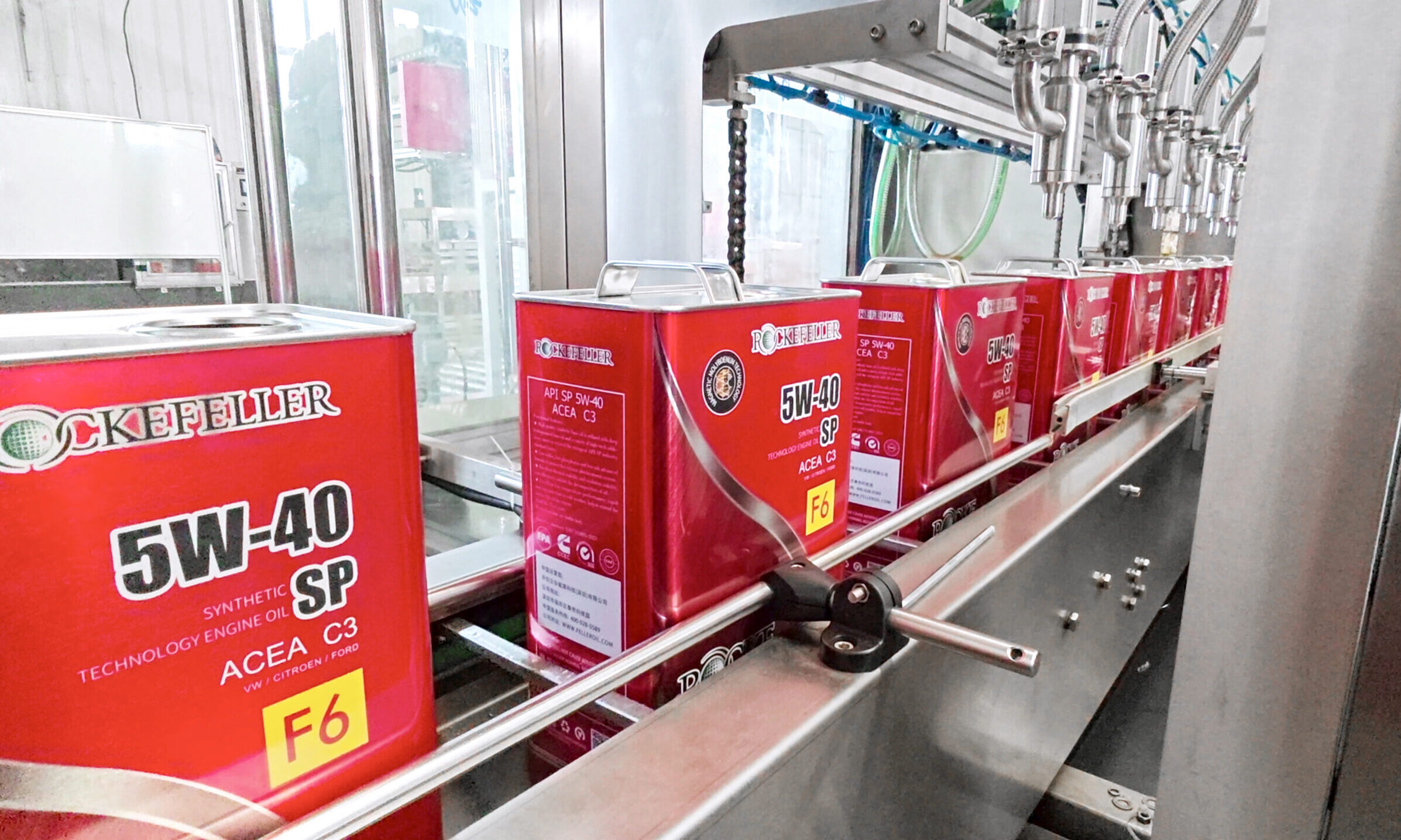
A New Batch of 5W-40 Engine Oil in Production
The current production batch is based on Feller’s 5W-30/5W-40 SP Full Synthetic Engine Oil product range. The range includes the F6 and F7 Performance Tier series listed on the Feller website.
The F6 and F7 products are positioned as full synthetic engine oils for modern automotive applications and are associated with the API SP performance category. However, the exact product specification depends on the selected grade, formulation, packaging, and target market. For this reason, product information, technical data, labeling, and applicable claims must be confirmed according to the specific product being ordered.
During production, the required base oils and additive components are prepared according to the approved formulation. The materials are then introduced into the blending system in a controlled sequence. The order and quantity of each component are important because engine oil performance depends on the balance between base oil properties and additive technology.
A production batch is not completed simply because the materials have been mixed. The blended oil must also pass the required inspection and testing procedures before it can be released for filling and shipment.
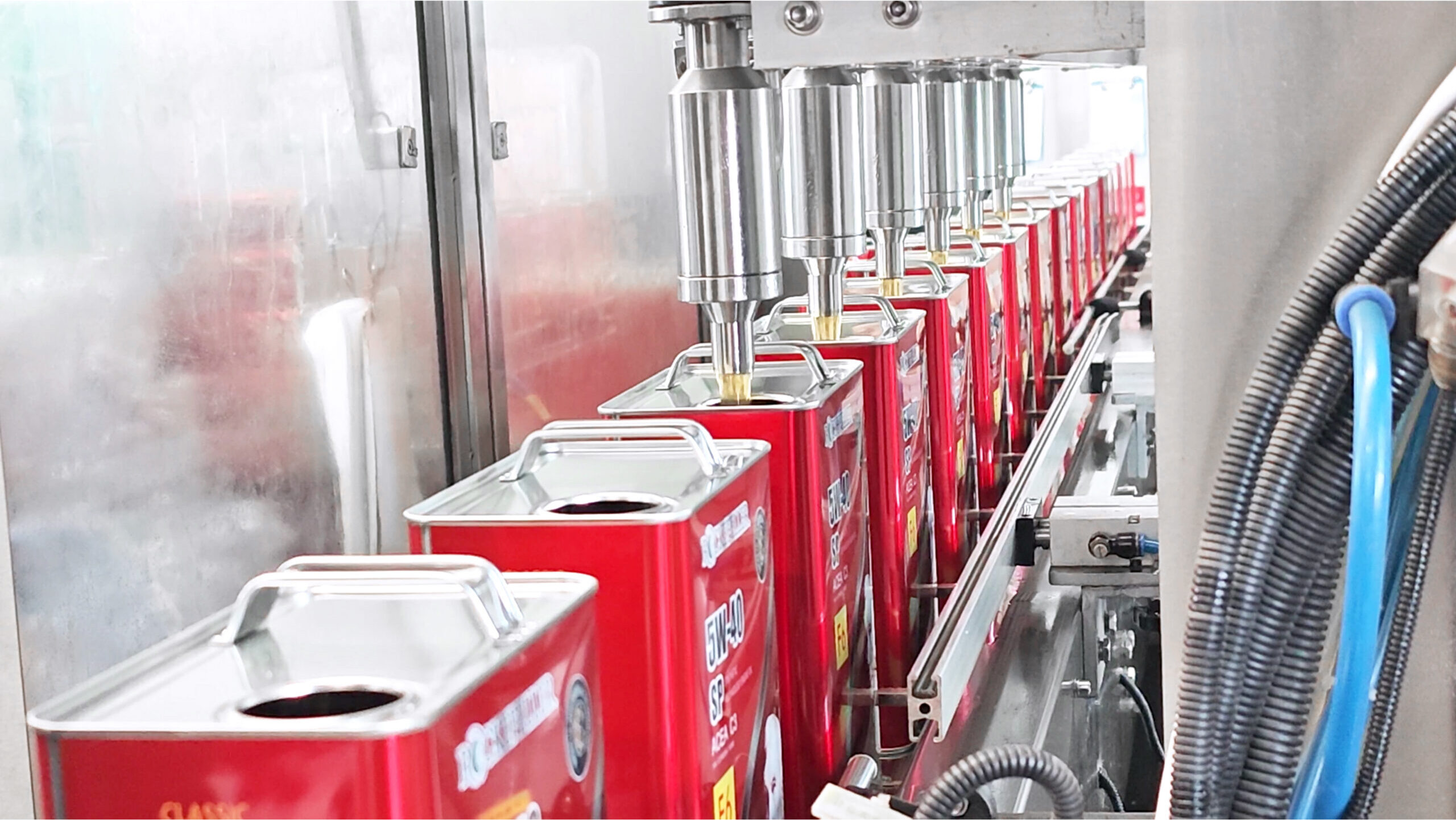
How 5W-40 Engine Oil Is Produced
The production of 5W-40 engine oil normally involves several connected stages. Each stage has a different purpose and contributes to the consistency of the finished product.
1. Production Planning and Formula Confirmation
Before blending begins, the production team confirms the product name, viscosity grade, formulation version, batch quantity, packaging requirements, and customer specifications.
For OEM and private label orders, additional information may also need to be confirmed, including:
- Product grade and performance level
- Required technical data
- Packaging size and packaging material
- Label design and language
- Carton and pallet requirements
- Applicable market regulations
- Delivery quantity and shipment schedule
This preparation helps prevent errors during production and ensures that the finished product is manufactured according to the approved order information.
2. Base Oil and Additive Preparation
Engine oil is made from base oils and additive components. Base oils provide the main lubrication medium, while additives are used to support properties such as oxidation resistance, wear protection, cleanliness, corrosion protection, foam control, and low-temperature performance.
For a 5W-40 formulation, the selected components must work together to achieve the required viscosity characteristics and performance level. The materials are checked and prepared before they enter the blending process.
The quality of incoming materials is important because variations in base oil or additive components can affect the final product. Material identification, storage conditions, batch records, and production documentation are therefore part of the manufacturing process.
3. Controlled Blending
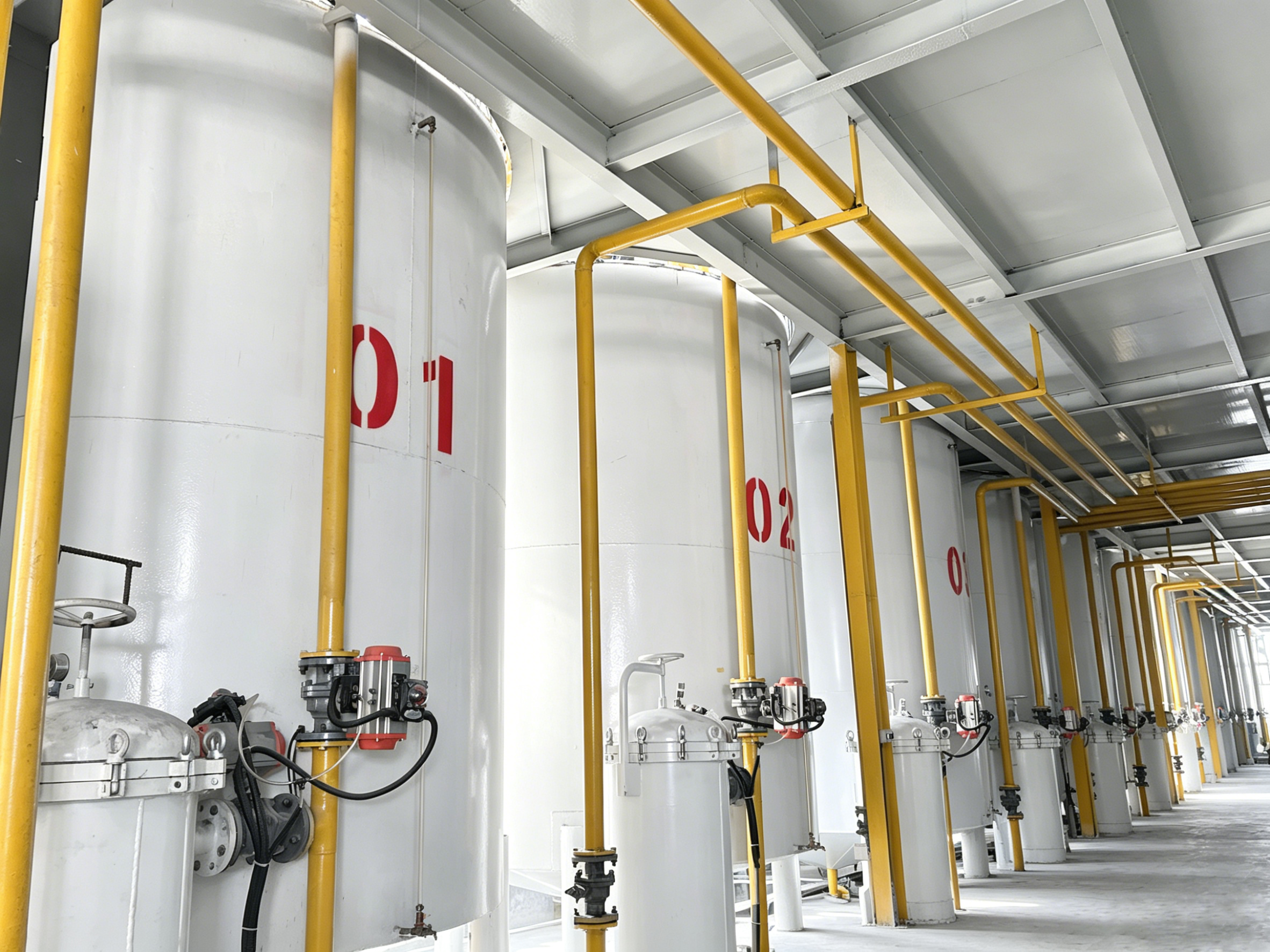
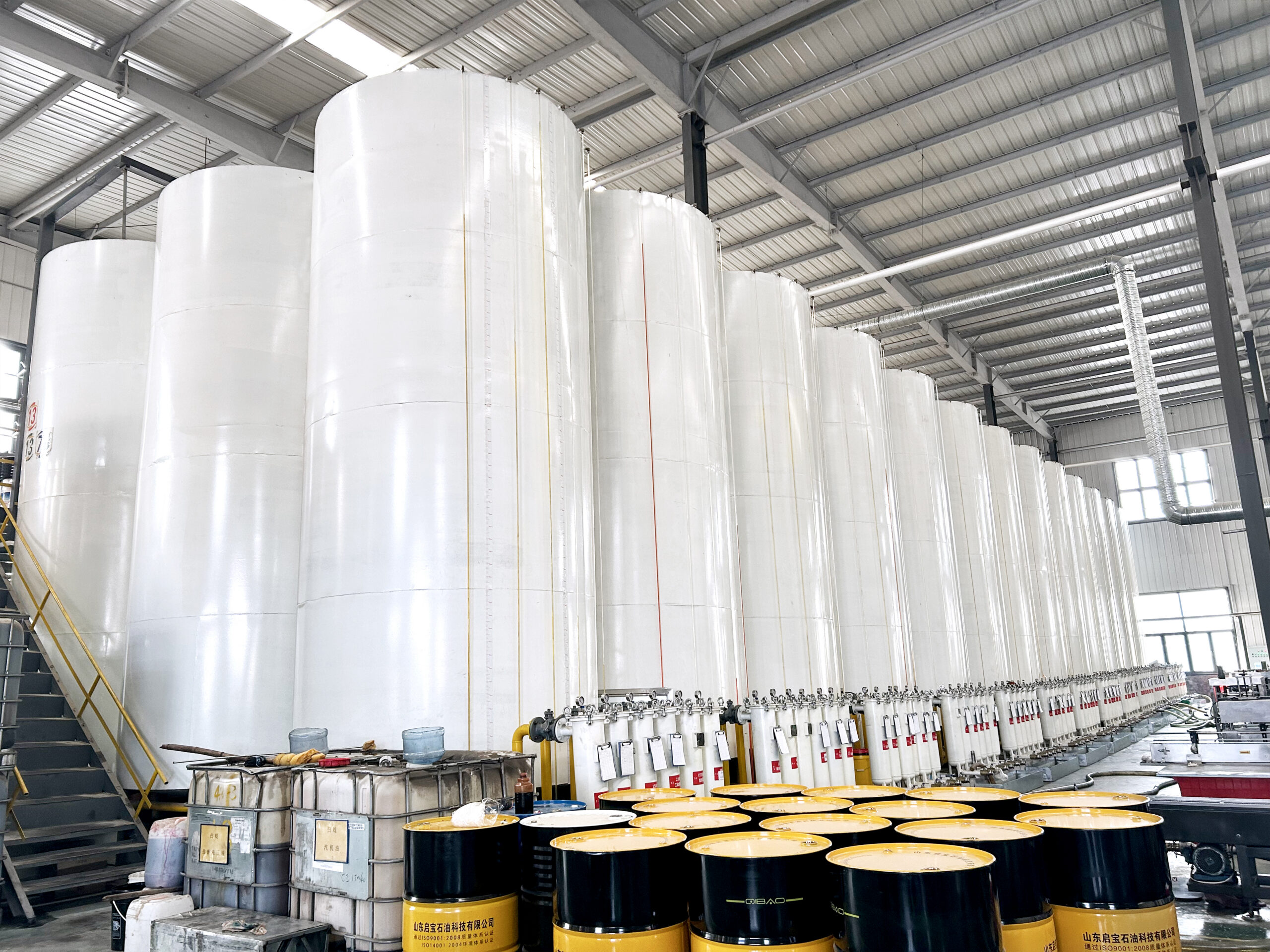
After the materials are prepared, they are transferred to the blending system according to the approved production instructions.
The blending process is controlled to ensure that the components are properly mixed and that the batch reaches a uniform composition. Production parameters such as material quantity, blending sequence, temperature, and mixing time may be monitored according to the product formulation and manufacturing requirements.
The purpose of controlled blending is to produce a homogeneous lubricant. If the components are not evenly distributed, the finished oil may not provide consistent performance throughout the batch.
For this reason, blending is one of the most important stages in lubricant manufacturing. It requires suitable equipment, accurate measurement, trained operators, and clear production records.
4. In-Process Inspection and Laboratory Testing
After blending, samples are taken for inspection and testing. The testing program depends on the product specification and the requirements of the production order.
Typical checks for engine oil may include:
- Appearance and color
- Kinematic viscosity
- Viscosity index
- Low-temperature viscosity-related properties
- Flash point
- Density
- Total base number, where applicable
- Water content, where applicable
- Additive or elemental analysis, where required
- Other product-specific quality indicators
These tests help confirm whether the batch is within the required control range. Laboratory testing also provides a record for batch release and quality traceability.
It is important to distinguish between routine quality-control testing and formal performance approval or licensing. A laboratory test can confirm selected physical and chemical properties, but it does not automatically mean that a product is approved for every vehicle, engine, or market. Product claims must be supported by the applicable technical documentation and certification requirements.

5. Filling and Packaging
Once the batch has passed the required inspection, it can move to the filling stage.
The oil may be filled into different packaging formats depending on the customer’s requirements. These may include bottles, cans, pails, drums, or other industrial packaging. The filling line must be adjusted according to the package size and product order.
During filling, operators and quality personnel may check:
- Filling volume
- Container condition
- Cap or closure sealing
- Label position
- Batch number
- Production date
- Product name and viscosity grade
- Outer carton information
- Packaging quantity
Correct labeling is particularly important for export products. The label must match the actual product and should provide the information required for the target market. For private label and OEM orders, packaging artwork is normally confirmed before production begins.
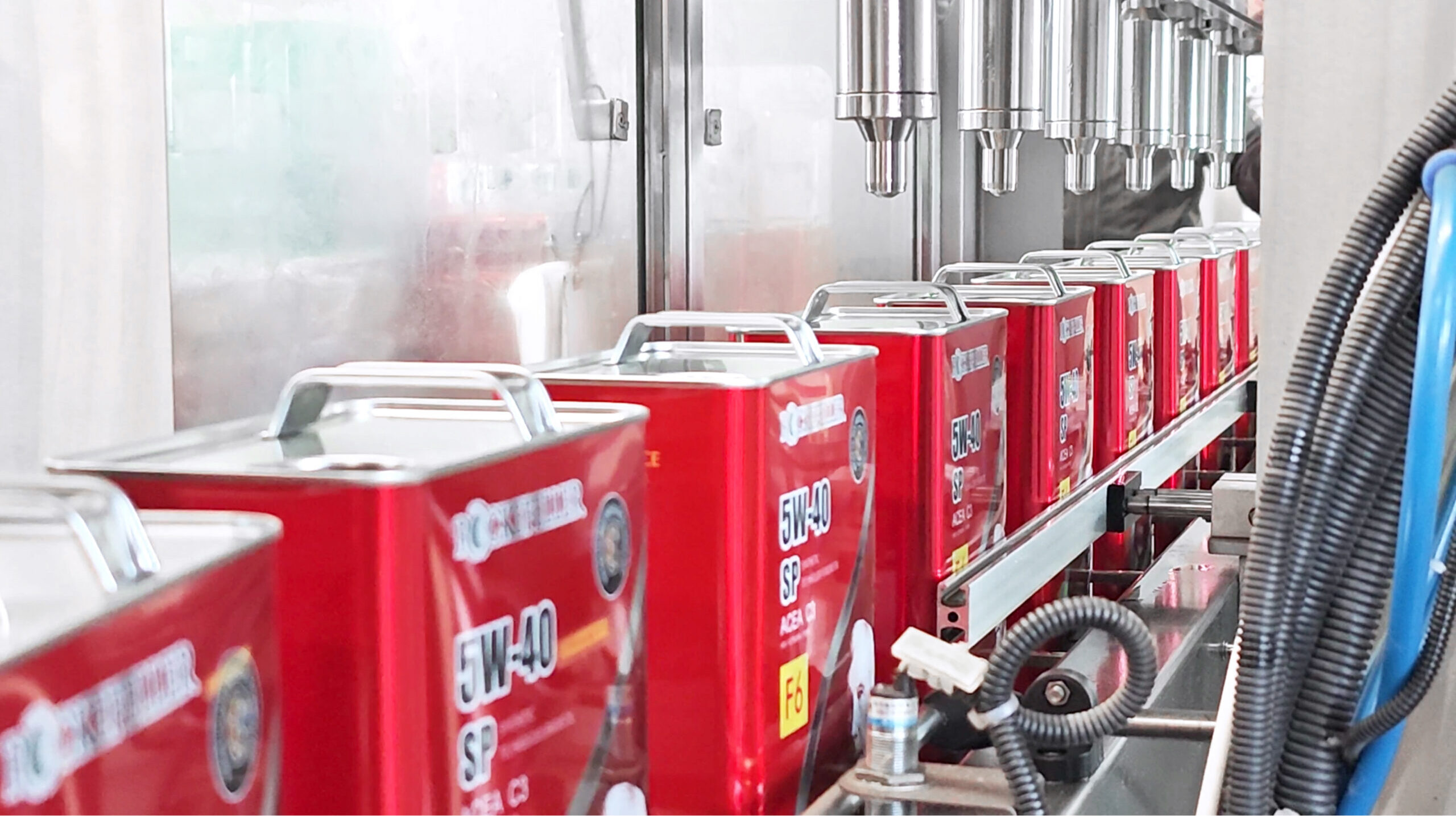
6. Finished-Product Management
After filling and packing, the finished products are moved to the designated storage area. Products are managed according to batch information, packaging type, customer order, and shipment plan.
Finished-product management includes stock identification, palletizing, warehouse records, and preparation for delivery. Proper batch records allow the product to be traced back to its production information if a technical or logistics question arises later.
For international customers, the final stage may also involve export documentation, container loading, and coordination with the customer’s shipping requirements.
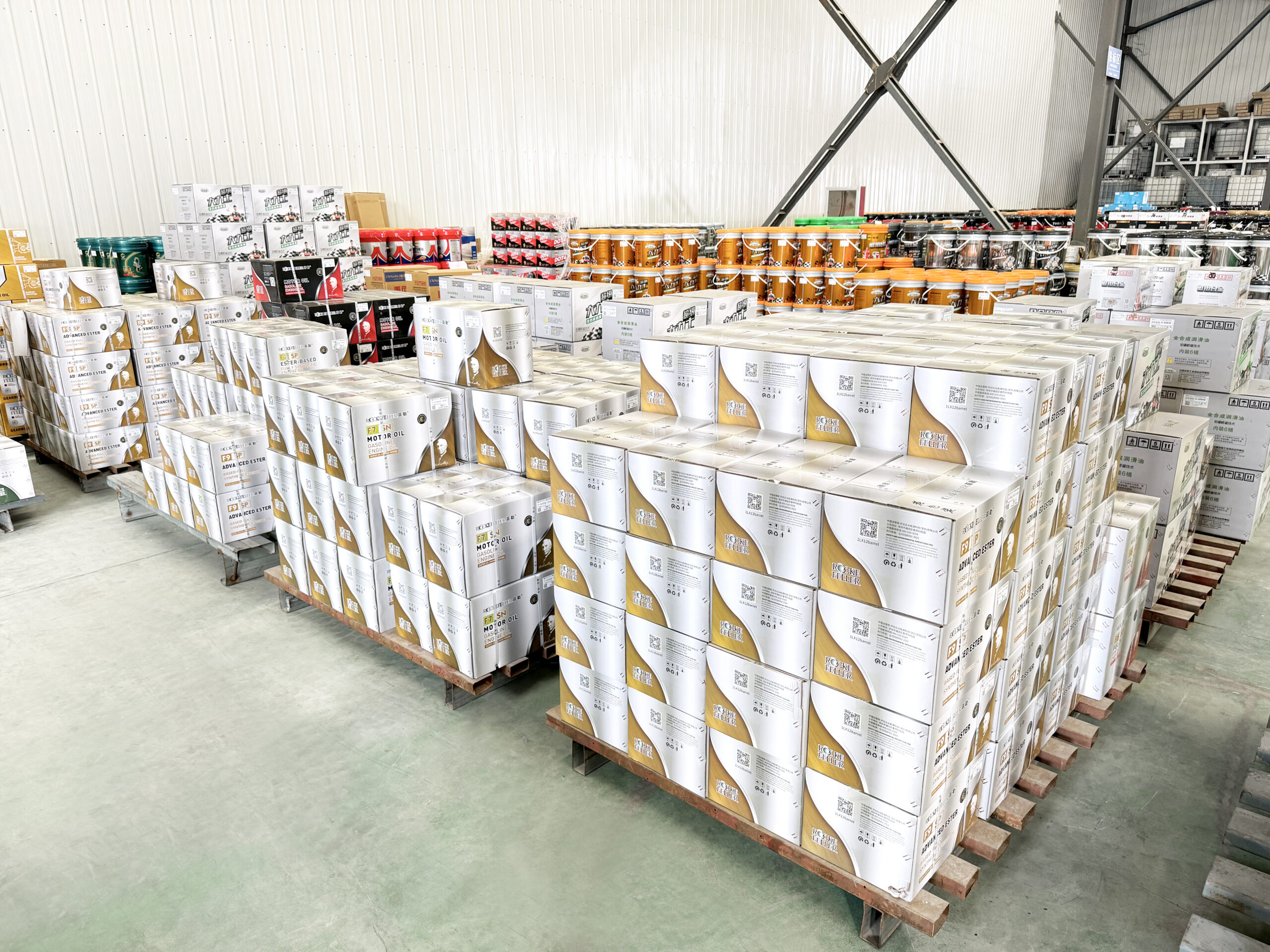
Quality Control Is Part of the Production Process
Quality control is not limited to testing the finished bottle. It begins before production and continues through blending, filling, packaging, and shipment preparation.
Feller operates under ISO 9001 and ISO 14001 certified management systems. ISO 9001 relates to quality management, while ISO 14001 relates to environmental management. These systems provide a framework for documented procedures, process control, responsibilities, records, and continual improvement.
In practical terms, quality management in a lubricant factory may involve:
- Approved raw-material management
- Production instructions
- Batch identification
- Equipment and process control
- Laboratory inspection
- Packaging checks
- Nonconforming-product management
- Documentation and traceability
- Customer complaint handling
- Corrective and preventive actions
These procedures are important because lubricant customers often require more than a product sample. They also need confidence that the supplier can reproduce the same product specification over time.
For distributors and brand owners, batch consistency affects customer satisfaction, market reputation, warranty communication, and repeat orders. For fleet and industrial users, it can also affect maintenance planning and product management across multiple locations.
Feller’s 5W-40 Engine Oil Product Range
Feller’s official product range includes 5W-30/5W-40 SP Full Synthetic Engine Oil products in the F6 and F7 Performance Tier series.
The API SP category is associated with modern gasoline engine oil performance requirements, including protection related to oxidation, deposits, wear, and low-speed pre-ignition control under applicable testing and licensing conditions. However, the suitability of a specific oil depends on the engine manufacturer’s requirements, the vehicle model, operating conditions, and the exact product documentation.
For this reason, customers should not select engine oil based only on the viscosity grade. The following information should also be reviewed:
- Required API or other performance category
- Vehicle or engine manufacturer specification
- Recommended viscosity grade
- Fuel type
- Emission-control system requirements
- Operating temperature
- Intervalle de vidange
- Product technical data
- Local market regulations
Feller’s production and technical teams can provide product information for customers who need to evaluate a specific 5W-40 engine oil for their market or application.


Production for Automotive and Industrial Lubricant Markets
Although this production update focuses on 5W-40 engine oil, Feller’s manufacturing activities cover a wider range of lubrication products.
The company provides automotive lubricants for passenger cars, commercial vehicles, trucks, and other transportation applications. It also develops industrial lubrication products for equipment and operating environments that require different viscosity grades, performance characteristics, and application requirements.
Different lubricant products require different formulations and quality-control considerations. Engine oils, gear oils, hydraulic fluids, greases, coolants, and industrial oils cannot be managed as one identical product category. Each product must be manufactured according to its own formulation, technical requirements, packaging, and application.
This is why a lubricant manufacturer’s product portfolio, technical resources, production systems, and quality procedures are all relevant when customers evaluate a long-term supplier.
Feller Lubricants: Supporting Reliable Lubricant Supply
The production of this batch of 5W-40 engine oil is part of Feller Lubricants’ ongoing manufacturing operations in Shandong, China. From blending and testing to filling and packaging, every step is carried out with attention to product consistency and production requirements.
For distributors, importers, workshops, fleet operators, and lubricant brand owners, reliable supply depends on more than the finished product. Consistent manufacturing, quality control, appropriate packaging, and efficient order fulfillment all play an important role in supporting long-term cooperation.
Feller Lubricants continues to serve customers in international markets with automotive and industrial lubrication products, as well as OEM and private label solutions tailored to different business requirements.